Contents:
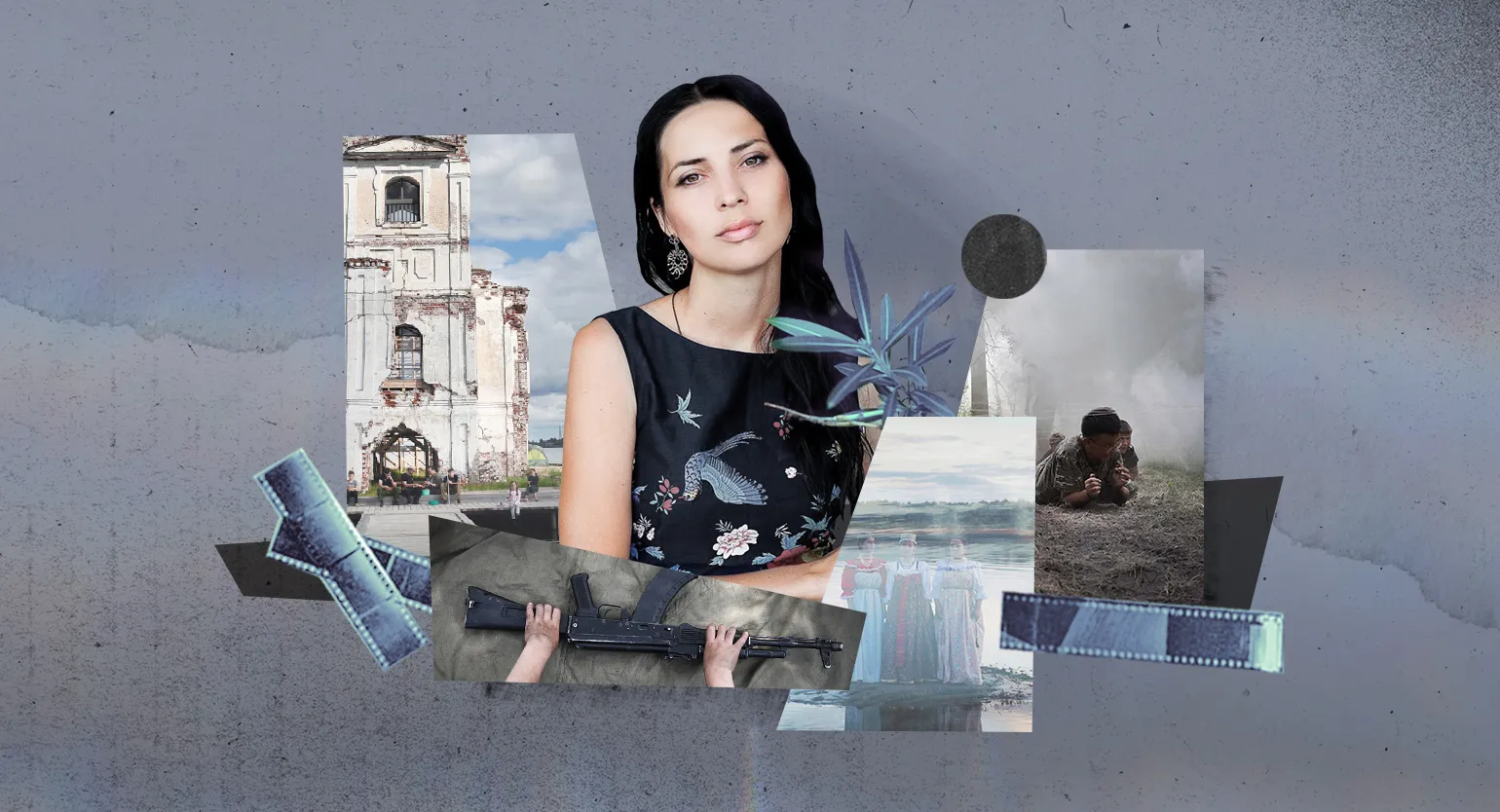
Stories about women who carry everything on their own
Daria, please tell us about the projects you submitted to the competition. It would be interesting to learn about your approach to developing and implementing these projects, as well as the ideas and innovations you employed. Your work can inspire others and provide insight into your creative process.
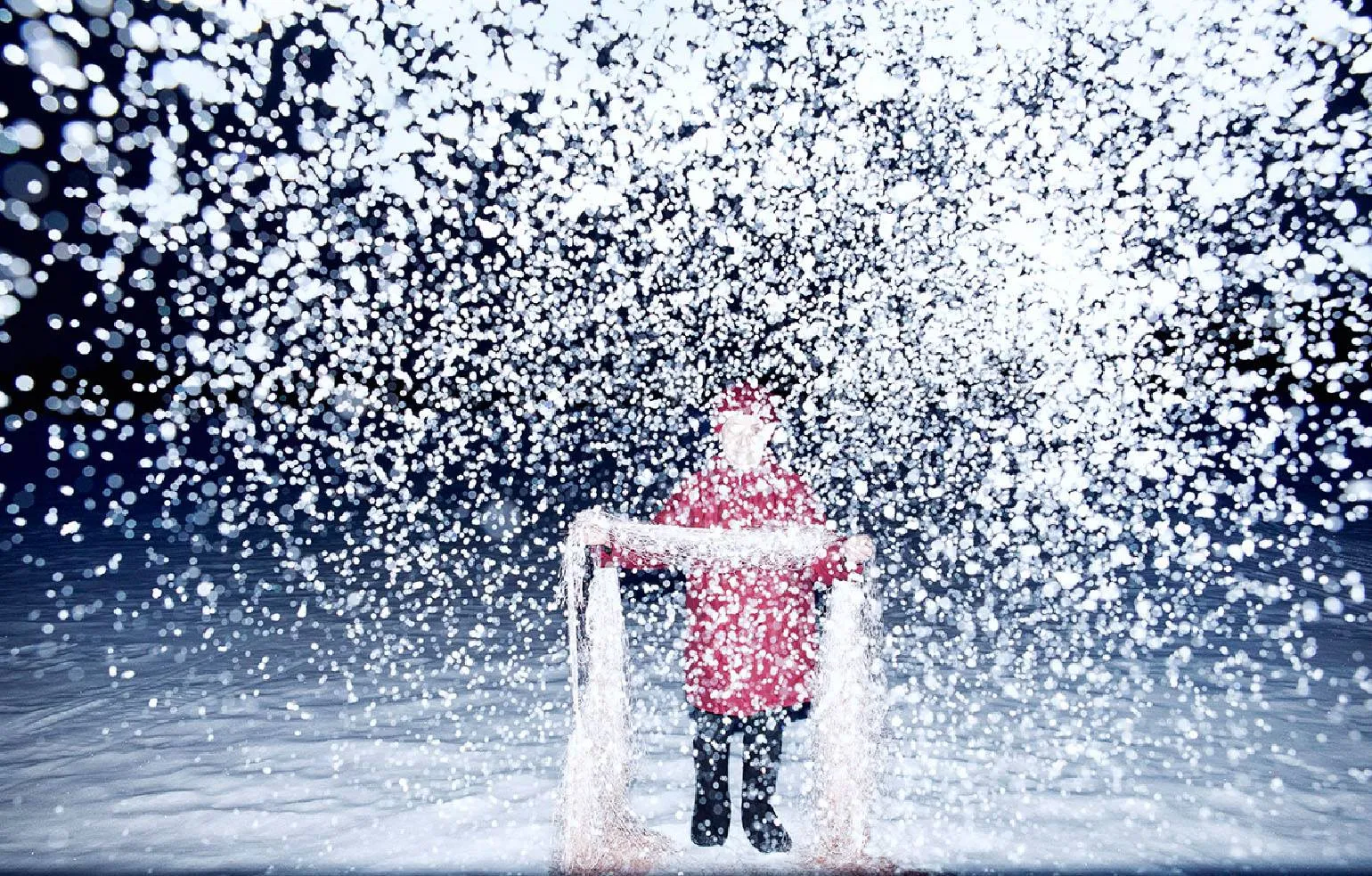
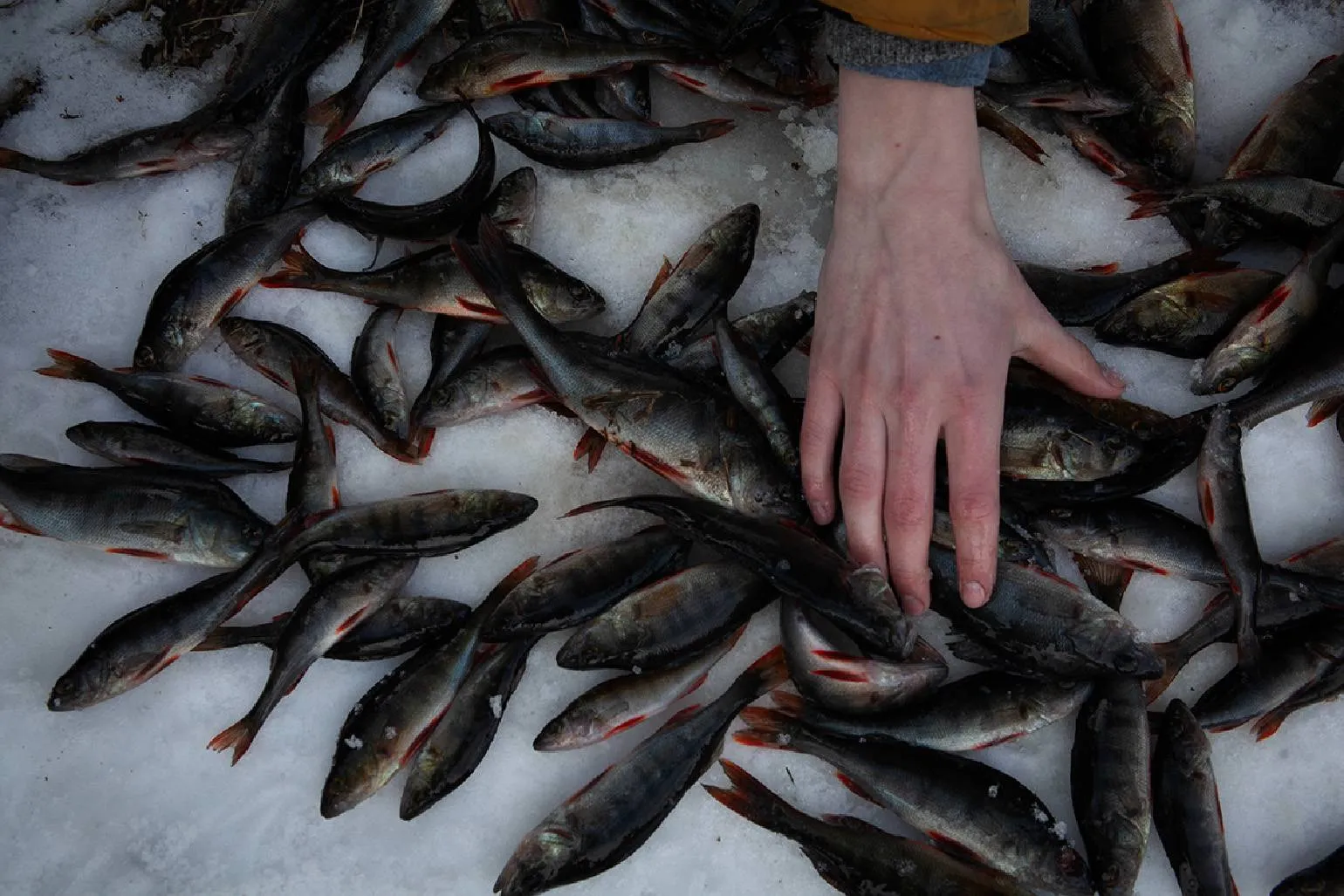
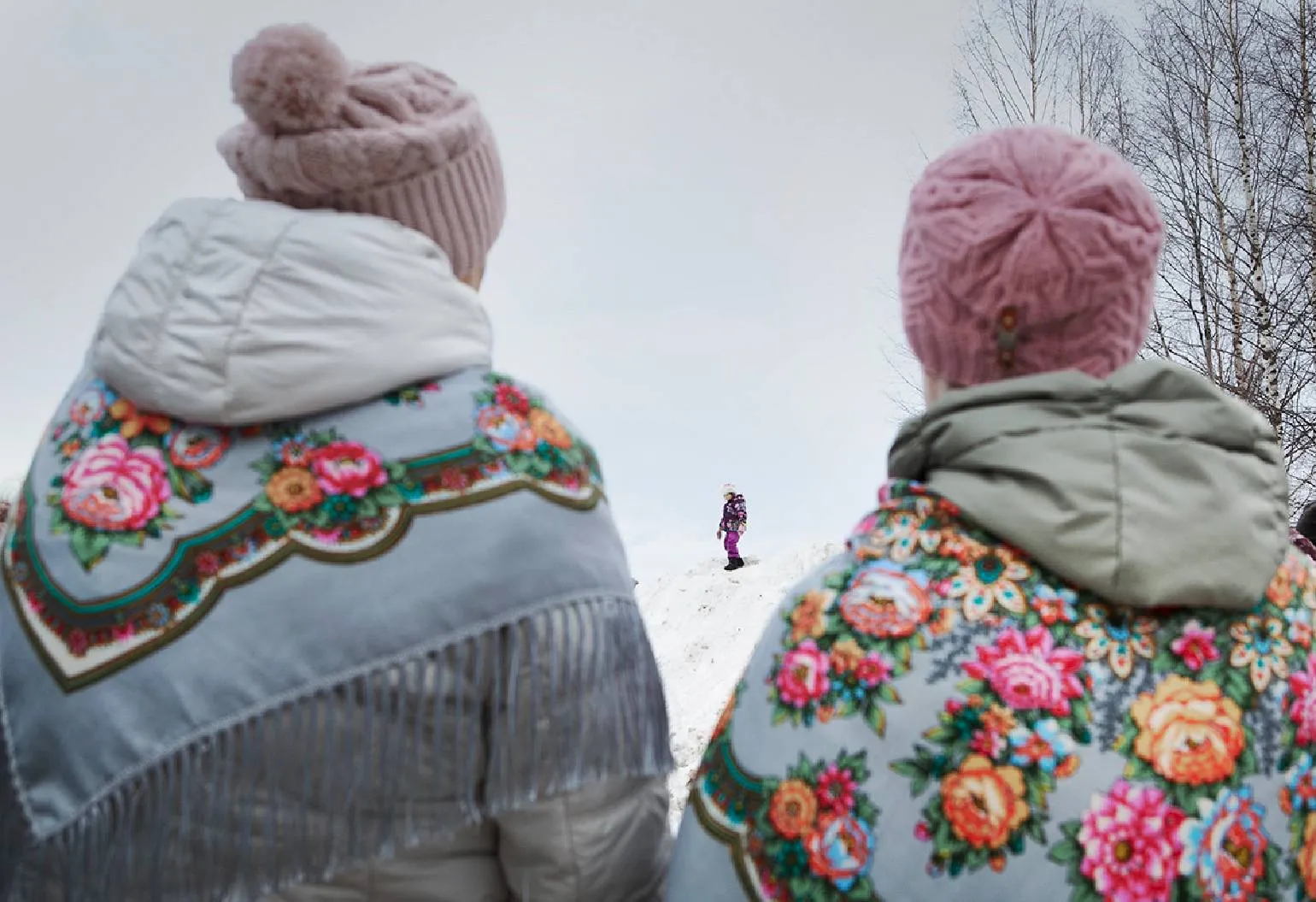
The article about fisherwomen, titled "When I Die, Put a Spinning Rod and Fishing Rod in My Coffin," was created in several villages in Karelia. The text was written by Zhenya Volunkova, editor-in-chief of Takie Dela, who also found the women for this story. We were particularly impressed by Nadezhda, whose tragic fate and serene embrace of life left a deep mark on our perceptions.
Her husband died of alcohol addiction, and her two adult sons also lead a carefree lifestyle, often drinking and unwilling to work. She worries from morning until night that one day her wayward sons may not return home. Fishing has become not only a useful activity for the household but also a way to distract herself from difficult thoughts. Although life hasn't been kind to her, she remains a very attractive woman. She usually goes fishing with her dog, which makes the experience even more enjoyable and calming.
Valentina is a strong and caring woman raising two grandchildren. Although their father, her son, lives with them, he suffers from alcohol addiction. Valentina handles all her responsibilities with dignity: caring for her grandchildren, tending to the garden, doing housework, and even finding time for fishing. This is an example of the incredible strength and resilience of women who overcome difficulties for the well-being of their families.
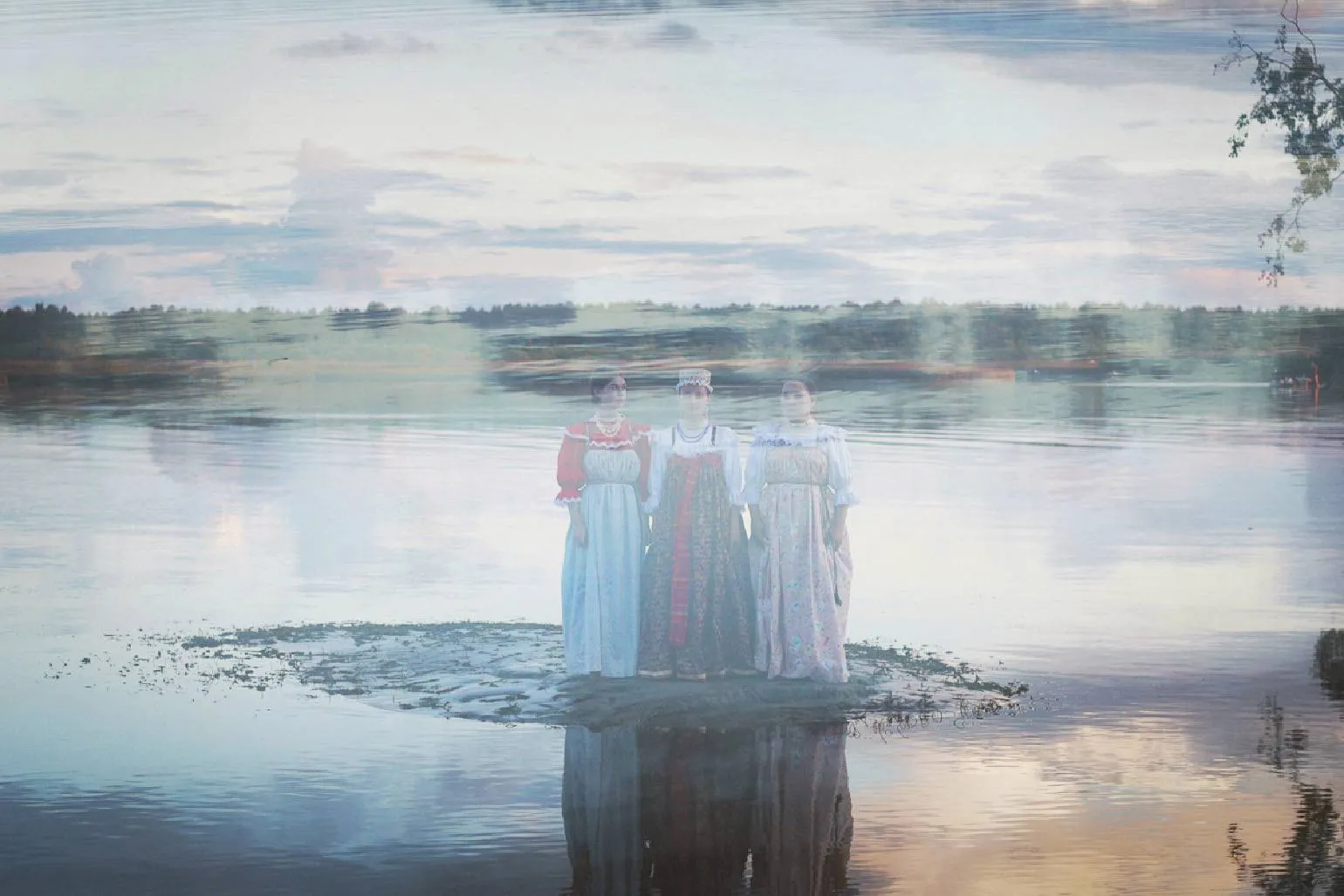
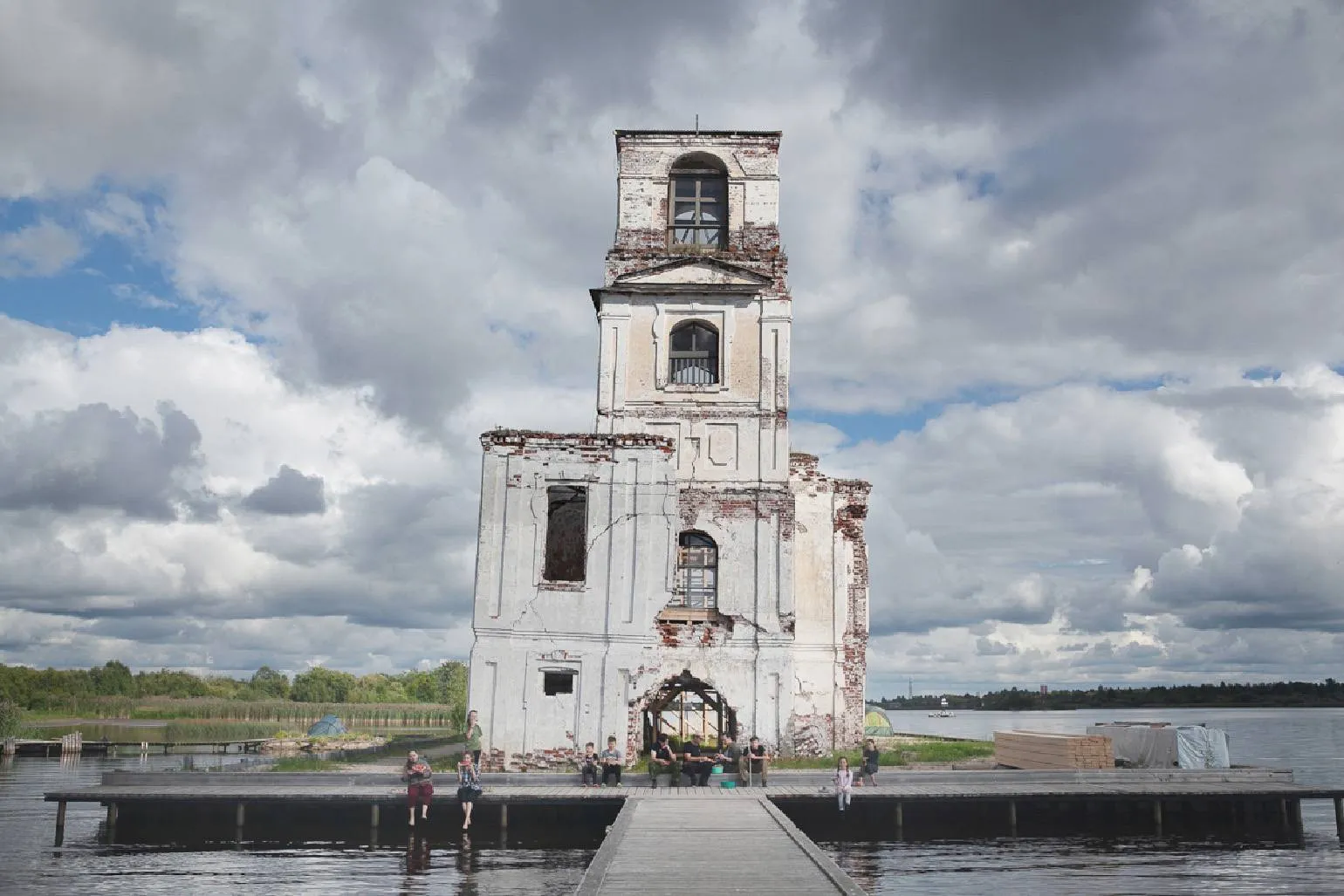
"It's a Pity for the Motherland" is an article about the villages flooded as a result of the construction of the Volga-Baltic Canal. These settlements disappeared from the maps, leaving only memories. One of these villages is Krokhino, known since the 15th century as a trading post. In the 1950s, before the flooding, residents were forcibly evicted from the places they had inhabited for generations. Some dismantled their homes, others burned them. Particularly shocking is the fact that people dug up the remains of their loved ones from the local cemetery and transported the coffins to new sites. There were several churches in Krokhino, but only one remains—its ruins stand in the middle of the Sheksna River. Muscovite Anor Tukayeva has been saving it for over ten years, striving to preserve it as a memorial to all the flooded towns and villages. This project not only preserves historical memory but also raises important questions about cultural heritage and the consequences of large-scale construction projects.
The third episode features inspiring stories about women. Dzhavgar Magomedkadiyeva, a blacksmith from the Dagestani village of Kharbuk, has been forging bladed weapons since a young age. She exemplifies incredible strength and resilience, capable of overcoming any difficulties. Dzhavgar's husband, as she jokingly says, "guards the TV" and often resorts to alcohol. I was struck by her natural beauty, which she herself does not recognize or appreciate, which makes her image even more touching. This story is the only one of the three that has not yet been published.
We chose these stories for the competition portfolio because they best reflect our concept and style. Each of them demonstrates the uniqueness and depth of the characters and also covers important themes relevant to modern society. These stories were selected for their emotional richness and ability to resonate with the reader. We are confident that they are the ones that will attract the jury's attention and demonstrate our creative potential.
I consider them the most stable and established. In fact, as a photographer, I don't do this that often. My main job at Takie Dela is photo editing. Therefore, during business trips, I have to combine several tasks: quickly lay out the material and have time to communicate with the subjects. I'd like to devote more time to the topics, delve deeper, and work on them longer.
Last year, you won an award at POY International and reached the finals at POY Asia.
In 2024, I faced uncertainty, as I hadn't had time to complete many works. However, despite this, I was able to come to terms with my inner doubts. Unlike previous years, when I was confident in the quality of my projects, this time I experienced some hesitation. Nevertheless, receiving this award was a pleasant surprise for me and confirmation that even in difficult times, it's worth continuing to create and believe in yourself.
A Telegram channel dedicated to photography enthusiasts. Here you will find inspiration, shooting tips, image processing recommendations, and discussions of current trends in the world of photography. Join us to share your experiences and learn from other photographers. Our channel will help you develop your skills and find like-minded people. Stay up-to-date with news and events in the world of photography with us.
If you want to learn about the diversity of literature, subscribe to our resource. We publish works by talented Russian authors, follow global competitions, and share creative life hacks from practitioners. Discover new horizons in literature and expand your knowledge of modern writing trends.
"It seems it's time for a business trip"
When traveling around Russia, you likely notice the striking contrasts of life in different regions. These trips reveal unique aspects of the culture, traditions, and way of life of the people. The beauty of such travel is the opportunity to see the diversity of our country, feel the atmosphere of each region, and learn about its history. This not only enriches your personal experience but also allows you to better understand how different factors influence the lives of people in different parts of Russia. Every trip becomes a valuable lesson, expanding horizons and facilitating cultural exchange.
I don't travel as often as I'd like. Balancing a career and motherhood can be challenging: I feel like a juggler, balancing so many tasks. As for contrasts, I live in Samara, in a residential area on the outskirts of the city. For me, there's no noticeable difference between the Russia I see every day and the one I discover during my travels.
On business trips, I'm always amazed by the warmth with which we're greeted. During a trip to Dagestan with Zhenya, I was driving a rental car as we headed to Dzhavgar. Night fell on us, and fog created dangerous conditions on the mountain serpentines. Visibility was practically zero, and our destination was still a long way off. I experienced a strong fear of the serpentines, which eventually led to panic. I stopped the car on the side of the road, realizing I couldn't continue.
A guy driving by was initially heading the other way, but he stopped to find out what was going on and offered to accompany us to the nearest village. In the village, we were met by another man who took us to his mother. That night, we ended up with a Dagestani woman we didn't know, who generously treated us to chuda and prepared a bed for us. It was a wonderful and joyful experience to find ourselves in such a friendly atmosphere and receive help from strangers.
As a documentarian, you inevitably encounter people whose lives are full of trials and difficult events. These stories leave a deep imprint on your consciousness and shape your perception of the world. You begin to realize how diverse human destinies are and how different circumstances can influence personal choices. Every encounter with someone who has had a difficult life immerses you in their world, forcing you to reflect on human nature, hope, and resilience. These interactions not only broaden your horizons but also deepen your understanding of the social issues many people face. Thus, each story becomes more than just documentary material, but an important lesson about life and human dignity. Documentary photography imbues our lives with meaning, reflecting Dostoevsky's precept: suffering makes us better. Touching someone else's life enriches us spiritually, regardless of whether the episode is joyful or sad. Our moral horizons expand when we observe how people, even in the most difficult situations, find the strength to continue living, rejoice, and not give up. People inspire, and that is why documentary photography holds a special place in my heart. It allows us to capture moments that teach us to appreciate life and understand that everyone has their own story.
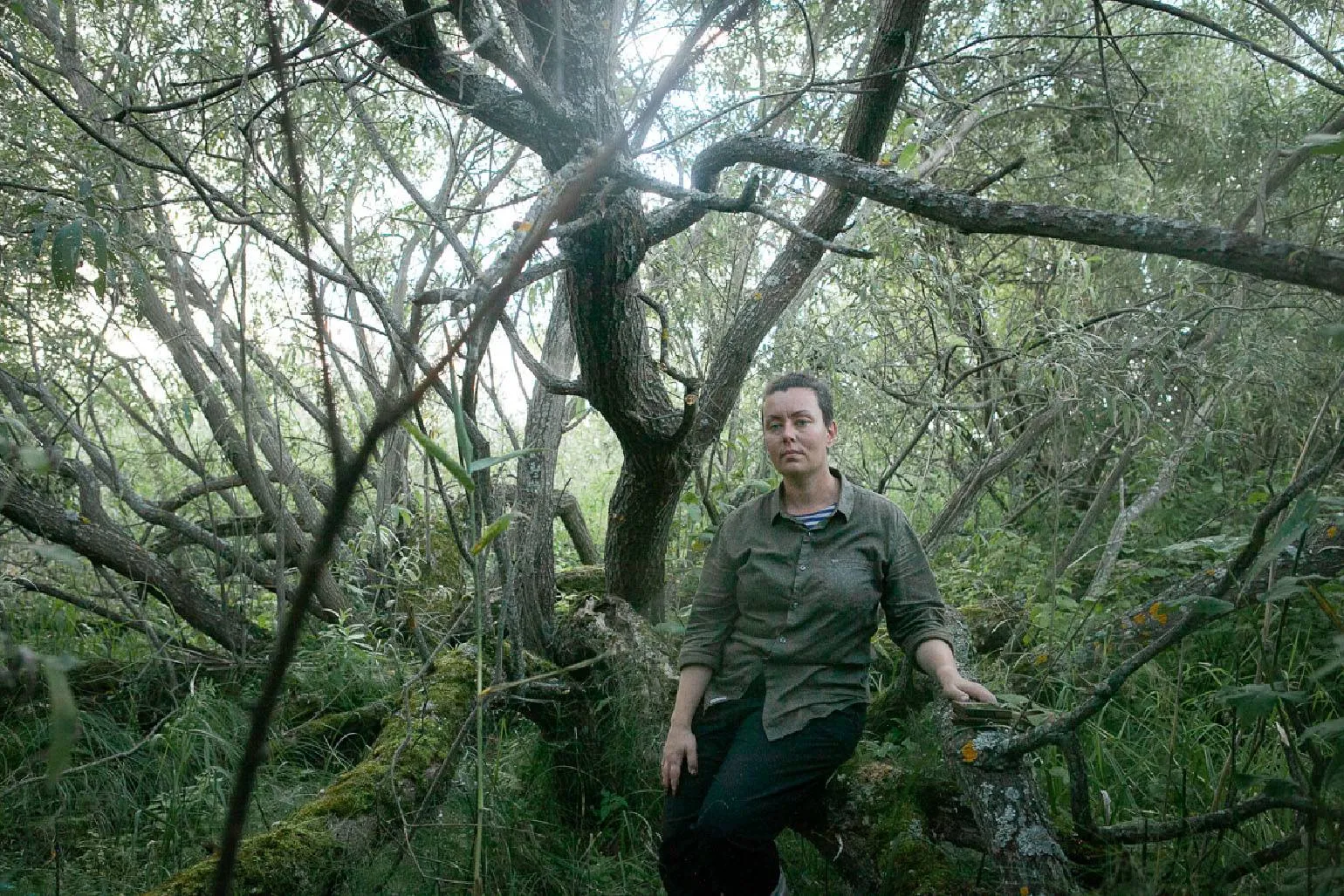
Did you start your career as a commercial photographer?
I have been suffering for a long time and faced personal difficulties over the years. From birth until I was 35, I felt psychologically "broken." However, I found the strength to change the situation and worked through my internal issues. This process of self-improvement coincided with the opportunity to move from commercial photography to documentary. This became a real closure of a difficult chapter in my life.
The transition to documentary photography happened naturally when I began to realize the importance of real stories and events. I have always been interested in human destinies and how they intertwine with history. Documentaries and projects allow us to gain a deeper understanding of the world around us, exploring complex topics through the lens of personal stories. This transition was not just a professional choice for me, but also an opportunity to contribute to public consciousness by highlighting current issues and events. I strive to create content that not only informs but also inspires viewers to think and act.
In 2016, after the birth of my third child, I learned about the opportunity to apply for free training at the DocDocDoc school. Initially, commercial photography seemed insignificant to me, and I felt there was something deeper and more meaningful in the art of photography. Determined not to miss out, I applied and won. This training opened up the amazing world of photography to me, and I realized the direction I wanted to take.
Working as a documentary photographer provides a unique opportunity to capture real events and stories, reflecting life as it really is. This type of photography not only allows you to develop creative skills but also delve into social issues, exploring the diversity of human experience. Documentary photography helps convey emotion, atmosphere, and context, and fosters an awareness of the importance of events that may go unnoticed. Furthermore, working in this field develops analytical thinking and attention to detail, which are essential aspects of creating high-quality visual content. Thus, the profession of documentary photography not only enriches personal experience but also contributes to the dissemination of knowledge about culture and society.
When I'm shooting, I experience true happiness. This activity has become an integral part of my life, and I can't imagine life without it. My husband was initially against my hobby and didn't support me, but over time, he realized how important it is for my emotional state. Now, when I get irritable, he himself reminds me: "It's time for a business trip." Shooting not only brings me joy but also helps me find harmony in life, which makes our life together more comfortable.
This need to create video or photographs reflects the desire to capture important moments in life, preserve memories and share them with others. Photography allows you to express your emotions, convey the atmosphere of events, and create unique images. It becomes a means of self-expression and communication, as well as a tool for documenting significant events. In today's world, where visual content plays a key role, the ability to shoot and create high-quality materials is becoming not only a hobby but also an essential skill.
Documentary photography is a powerful means of expression, allowing people to convey both the beauty and the sorrow of our world. I feel the need to share this experience. I want to show everyone: "Look at how wonderful the grandmothers are, and what an amazing bridge." Each photograph contains a story that highlights the uniqueness and significance of everyday life.
Not all stories are always positive; sometimes there are difficult materials. I have few of them, as I am uncomfortable working with such topics. These situations evoke strong emotions for me, and I am afraid that I might hurt someone.
Of course, we can provide examples of completed work. This will allow you to evaluate the quality and level of our services. We are ready to demonstrate how we solved the problems related to your request and the methods we used to achieve the best result. Please specify the specific type of work you're interested in so we can provide the most relevant example.
I photographed children at a military-patriotic camp, and after publishing the material, I faced threats of legal action from the subjects and the camp director. I was very worried, but not out of fear of being sued—I had no reason to be concerned, as the material was completely unbiased. I was worried about causing people trouble. The editors even assigned me a psychologist, since I felt depressed and couldn’t move.
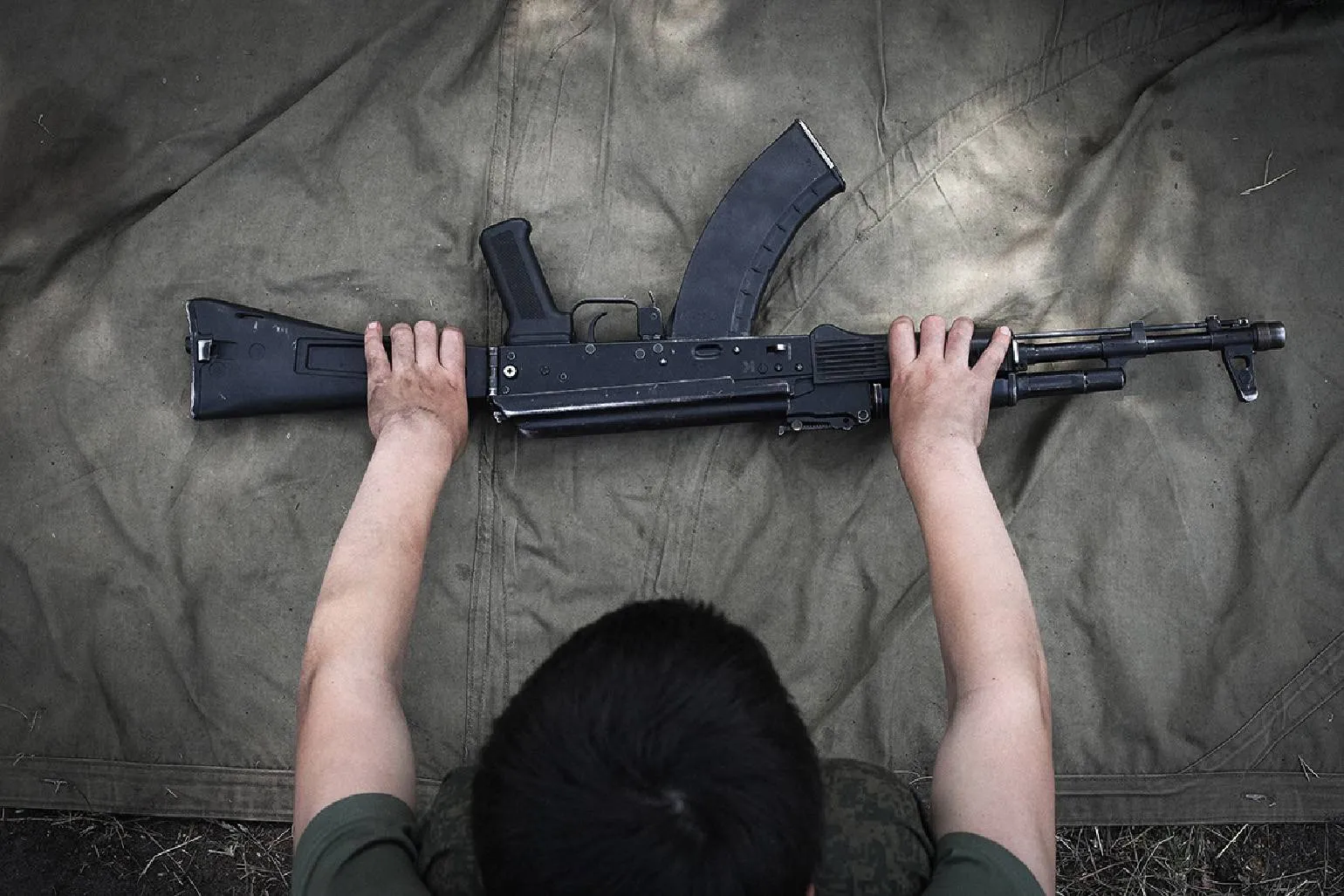
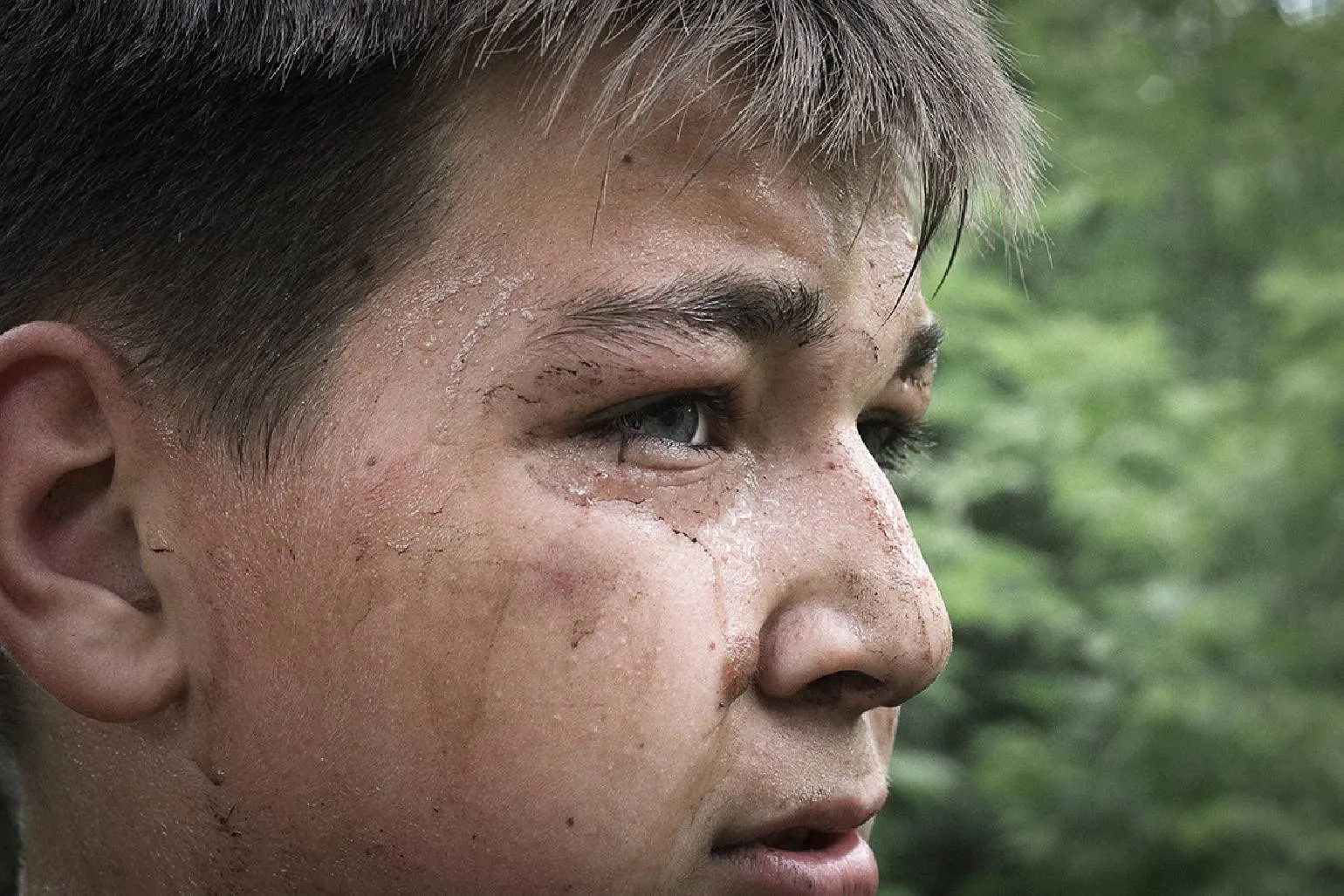
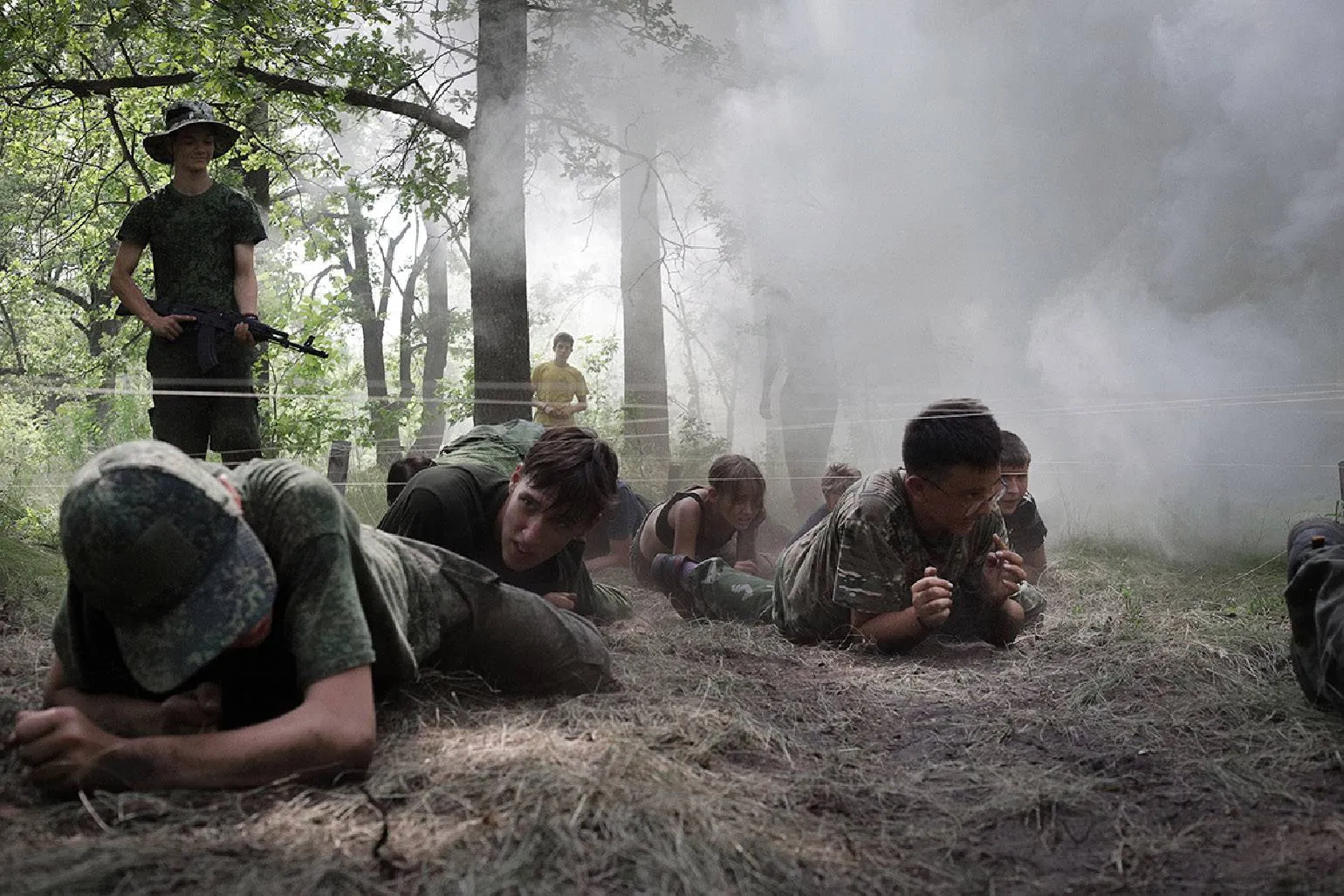
I shared my situation with a priest I know, whose opinion is valuable to me, and he said: "They were offended by their reflection in the mirror. It is not always pleasing to the eye." These words brought me relief. It means that everything happened as it was supposed to. This material has generated significant feedback, including from my colleagues.
Documentary filmmakers inevitably face internal ethical issues because they work with real events and living people. Their task is not only to convey the facts but also to treat the subjects of their films with respect. Ethical aspects include honesty in presenting information, respecting individual rights, and awareness of the impact their work may have on participants in documentary projects. It is important to consider how a documentarian can reflect reality without distorting it and how their choices affect viewers' perceptions. Thus, ethical issues become an integral part of a documentarian's work, shaping their approach to content creation.
I am grateful to my colleagues and the editorial staff, who help me cope with difficulties. Our friendly and supportive work chats have become a real source of inspiration and joy for me. Previously, I could not have imagined that I would be able to work at Takie Dela, and now this place has become a second home for me.
I began my career at the publication by completing an internship, which allowed me to gain valuable experience and knowledge in the field of journalism. At the same time, I developed my writing and content editing skills. As a result, my work attracted the attention of editors, and I was soon offered a permanent position. I continue to grow and develop in this field, striving to create high-quality and informative content for readers.
Zhenya Volunkova, previously the editor-in-chief of the Samara publication, became the editor-in-chief of the Takie Dela project. At this time, photo editor Andrei Polikanov left the editorial team. We were discussing an upcoming business trip, which involved creating a story about a priest for whom Zhenya was raising funds for an all-terrain vehicle. I asked who would be the photo editor, and unexpectedly heard Zhenya say, "You want it?" At first, I hesitated, as I had no experience in this role. But when an opportunity arises, it's important to seize it.
"Competitions are just a fun experience"
Participating in and winning competitions offers many benefits. Firstly, it's an opportunity to showcase your skills and creativity. Competitions allow you to stand out from other participants and draw attention to your own talent. Secondly, winning competitions helps strengthen your reputation and enhance your status in the professional community. This can lead to new career opportunities and an expanded network of contacts. Also, participating in competitions often comes with valuable prizes or awards that can be useful in your future endeavors. Ultimately, participating in competitions not only enriches your experience but also opens the door to new achievements.
A samurai has no goal, only a path. For me, competitions are not an end in themselves. Even if I don't win, it won't affect my passion for photography. Nevertheless, victories inspire me to new creative pursuits and confirm that I'm moving in the right direction. In fact, I only submit to prestigious competitions like Picture of the Year and World Press Photo, while I simply forget about other competitions.
Young photographers should remember that participating in competitions is an important step towards development and recognition. To overcome the fear of submitting your work, start by understanding that competitions are an opportunity to receive feedback and improve your skills. Learn the rules and requirements for participation to be confident in your chances. Don't be afraid to share your work: every experience, even failure, enriches you as an artist. Publish your photos on social media and get feedback from viewers. This will help you get used to criticism and increase your confidence. Remember that every successful photographer once started out the same way. Participating in competitions can open new horizons and lead to interesting opportunities. Don't let fear stop you—move forward to new achievements.
Giving up the expectation of victory is an important step. Instead of focusing on the outcome, it's worth paying attention to the process of participating in the competition itself. It can be a valuable and engaging experience that will enrich your skills and broaden your horizons. Participating in a competition not only gives you the opportunity to showcase your abilities but also to share experiences with other participants, which can lead to new connections and ideas.
Failures are a natural part of life, and it's important to know how to cope with them. Above all, recognize that failures are opportunities for growth and learning. Instead of getting upset, try to analyze the situation and figure out what went wrong. This will help you avoid similar mistakes in the future. It's also helpful to set realistic goals and expectations to reduce the likelihood of disappointment. Remember to stay in touch with friends and family who can provide moral support during difficult times. It's important to remember that every successful person has faced failure, and it's our ability to cope with it that determines our path to success.
I can't say I have any inspiring words. Sometimes, as a photo editor, I approach photographers whose work I admire to commission a shoot, and I often hear back that they're done with photography. It's hard for me to understand how anyone could stop. For me, stopping shooting is like stopping breathing. Unfortunately, failure can stop people, and it's inevitable. However, if you have a true passion for photography, nothing can stop you. Therefore, the main conclusion is that you must truly love your work in order to overcome difficulties and continue to create.

Read also:
Everything is intertwined. Artist Lilia Luganskaya talks about how everyday things around us are transformed into art. Her works explore the interaction of objects and space, emphasizing how the ordinary can acquire new meanings and contexts. Lilia Luganskaya draws attention to details we often overlook and shows how these elements can become a source of inspiration and creative power. For her, art is not only creativity, but also a way of rethinking the world around us, where every object can tell its own story.
Profession Photographer
You will learn to take professional photos from scratch. You will learn how to organize shoots, process frames, manage models and a team. Find your style, build an impressive portfolio, and start making money doing what you love.
Find out more