Contents:
«The Book of Veles»
Norwegian photojournalist and Jonas Bendiksen, a member of the renowned Magnum Photos agency, pondered the future of documentary photography. He wondered how long it would be until imagination and modern technology alone would be enough to create "documentary photographs." Bendiksen worried about whether professional photographers would be able to distinguish between fiction and reality. This troubling prospect prompted him to follow the old adage: if you can't win, lead. This reflection underscores the importance of pressing questions about truthfulness and trust in the age of digital manipulation.
The photojournalist's inspiration for creating fakes came from a story about the town of Veles in North Macedonia, which gained a reputation for being a hub for fake news in support of Donald Trump during the 2016 US presidential election. Researcher Bendiksen also discovered the existence of the "Book of Veles"—a supposed ancient Slavic manuscript that scholars have since concluded is a forgery. Inspired by this theme, the photographer decided to play with contexts and create his own version of the "Book of Veles," exploring the boundaries between truth and falsehood in the modern information space. Before the 2020 pandemic, the photographer traveled to North Macedonia, where he took a series of photographs of urban life in Veles. However, these images contained no people. To create the characters, the photographer used computer technology. Using 3D modeling software, he created avatars, which he then integrated into real-life city shots, adding realistic lighting. For the introductory text for the photo book, the Norwegian used the GPT-2 neural network, which processed actual texts about Veles from various media outlets. The neural network also generated "quotes" from the book's characters, adding uniqueness and depth to the project.

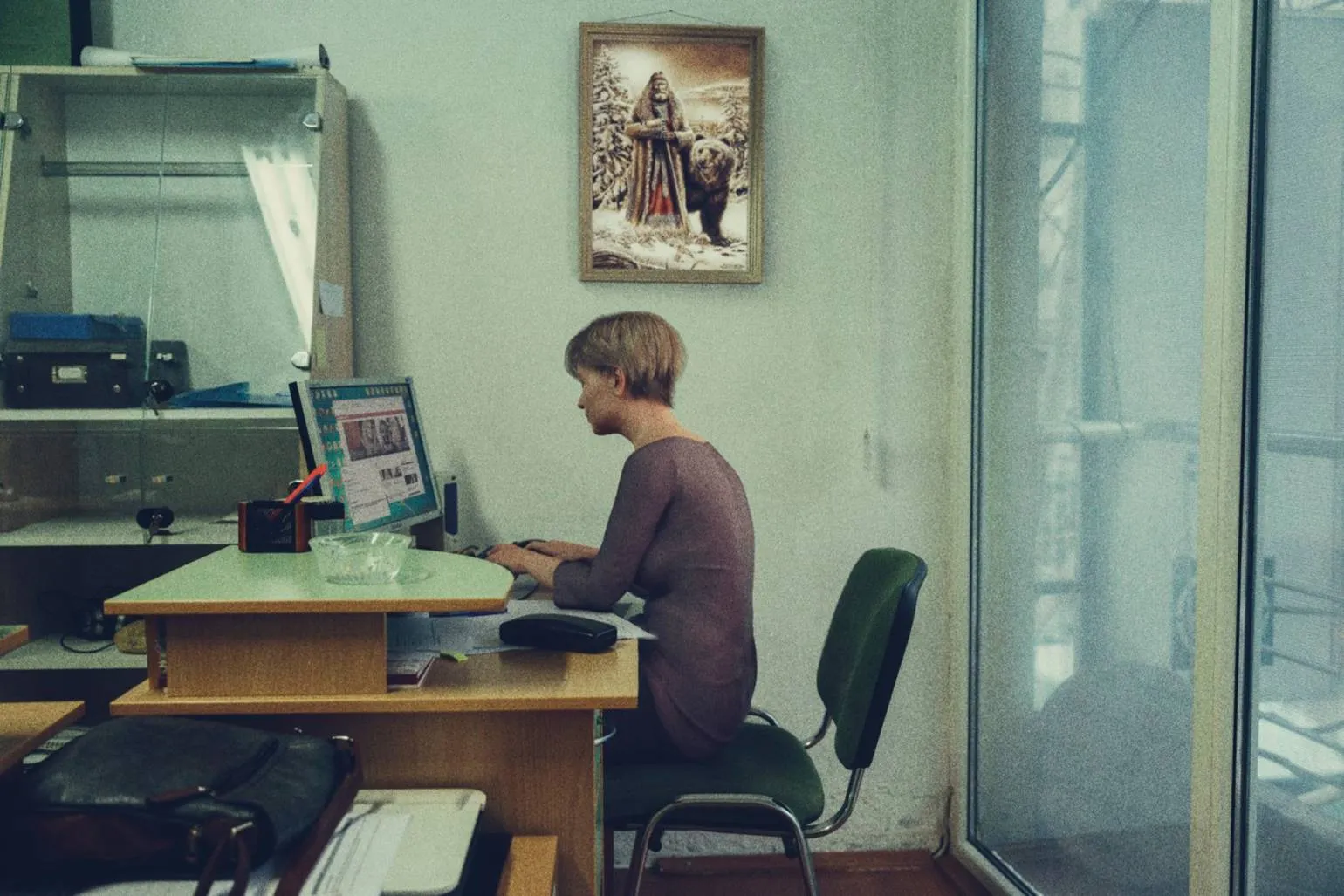
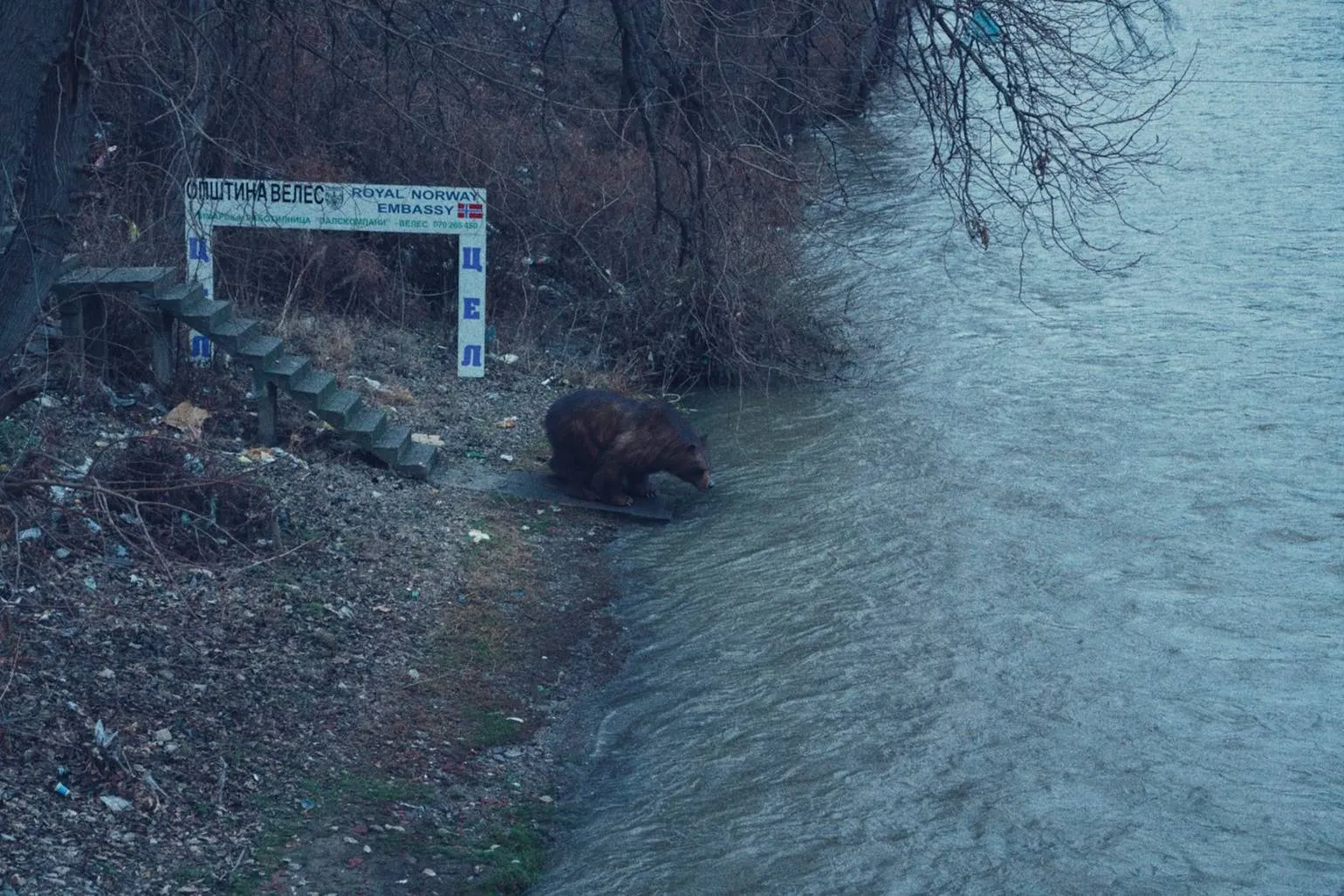
Bendiksen began publishing fragments of his book and expected immediate exposure. Today, his avatars appear rather primitive, but in 2021, no one suspected the Magnum photographer of foul play. Even the 3D bears supposedly roaming the outskirts of Veles raised no doubt. Colleagues actively praised his work on social media, and some particularly highlighted the informative text that accompanied the photographs. Bendiksen decided to take things further and submitted his work to the Visa pour l'Image photojournalism festival, where he received an invitation to occupy a prominent space. Having lost hope of attracting attention from curators, the photographer decided to expose himself. He created a fake Facebook profile, posing as a fictitious "owner"—the portrait, oddly enough, was also created using neural networks. "Chloe Miskin" made connections with six hundred photography professionals and began exposing Bendiksen. However, the reaction was lukewarm. Chloe then turned to a more critical audience on Twitter, where they supported her and caught Bendiksen in a lie. The Norwegian breathed a sigh of relief and began openly sharing the truth in interviews. Thus, "The Book of Veles" became part of contemporary art.
Portrait of Two Women
In 2023, the future Bendiksen had long worried about arrived. German photographer Boris Eldagsen won the prestigious Sony Award for Photography in the Open Creative category and then revealed that his "photograph" was created using artificial intelligence. This case raises important questions about the role of AI in art and photography, as well as how technology is changing our understanding of authorship and creativity.
Eldagsen submitted his work to the competition without specifying the use of artificial intelligence in the process of creating the image, since the rules allowed the use of "any device." The black-and-white portrait of two women from different generations is titled "Pseudomnesia: Electric," where the first part of the term refers to "false memory."
The shortlisted artist informed the organizers about his experience working with artificial intelligence, providing links to his website and social media. His recent projects had focused on AI experiments, but the organizers didn't ask any questions. His work won first place. The following day, the photographer approached the organizers with a proposal to discuss the impact of neural networks on the photography industry, highlighting both their potential benefits and possible risks. Eldagsen received only a short response informing him that he could keep his award.
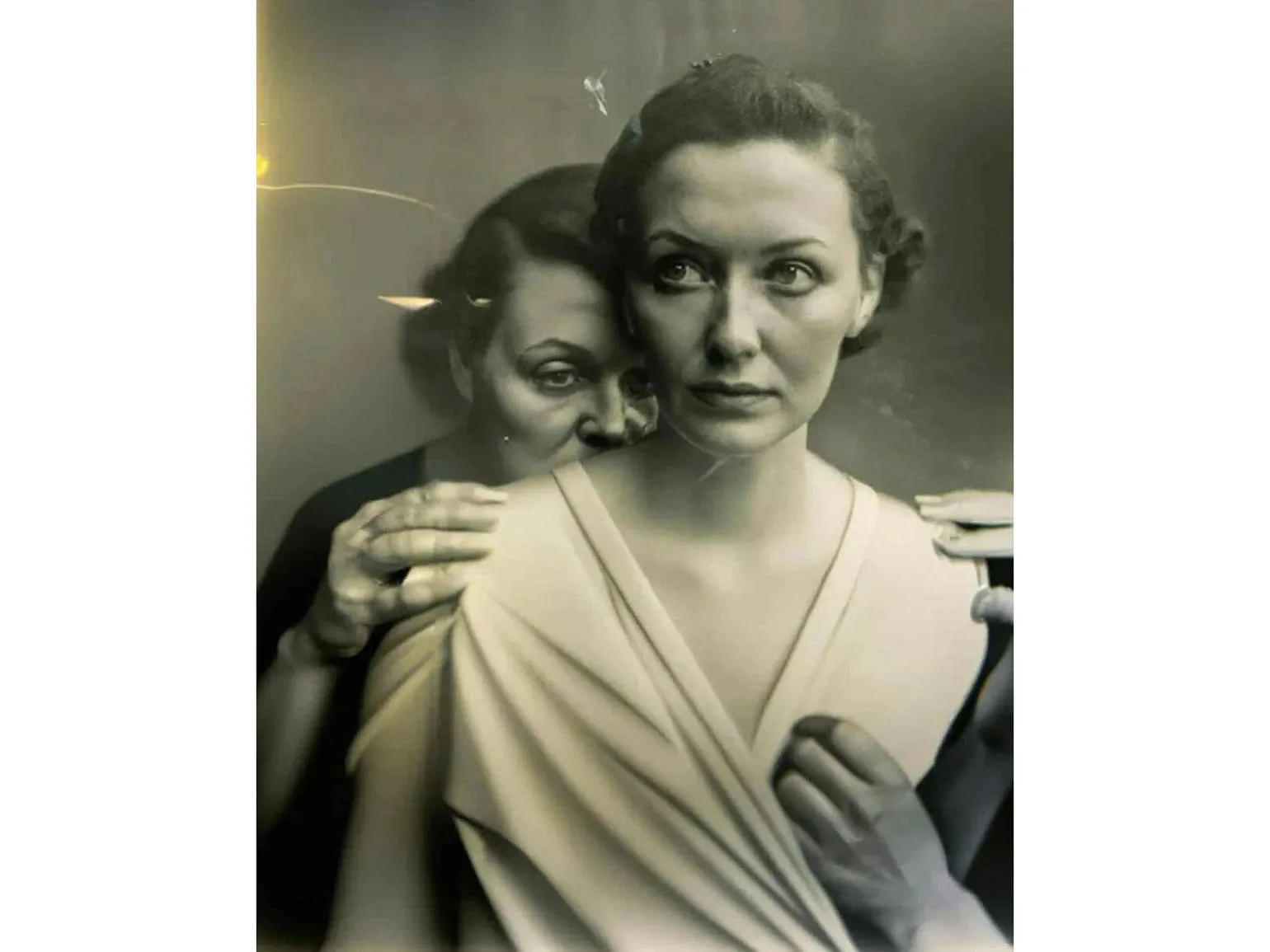
After the official announcement of Eldagsen's victory, a scandal erupted. Journalists began questioning the competition organizers about the nature of his work. It turned out that key figures in the competition were likely unaware of what was happening. However, the photographer claims that he proposed three times to the organizers to start an open discussion about the role of neural networks in photography, but his overtures fell on deaf ears. Eldagsen declined the award because he believes that photography and images created with artificial intelligence should not mix. In a statement, he described the moment as historic—the first time a major competition had awarded a prize to a "synthetic" work. Eldagsen called himself a "cheeky monkey" who decided to test whether photo competitions were ready for the era of neural networks. The results were disappointing: his work was withdrawn from the competition, removed from the website, and removed from the exhibition stand where the "live" image was on display. image. This incident raises important questions about the future of photo contests and the place of artificial intelligence in creativity.
Eldagsen continues to explore the potential of artificial intelligence. He emphasizes that images created with AI should not be called AI photography to avoid misunderstandings. Instead, he suggests using the term "promptography," which derives from the English word "prompt." A neural network generates images based on human-provided cues. This approach emphasizes the importance of interaction between the user and technology, opening new horizons in the field of digital art.
Read also:
In 2023, artificial intelligence has become a catalyst for the emergence of new professions that open up unique opportunities in the labor market. AI specialists are now in demand across various industries, leading to the formation of new roles and functions. One such role is that of an AI ethicist, responsible for ensuring ethical norms and standards are followed in the development of AI systems. There is also a growing demand for data analysts who can interpret AI results and draw informed conclusions.
Furthermore, roles related to training and adapting AI technologies in business have emerged. AI implementation specialists help companies integrate the latest technologies into their processes. A significant new role is also that of a neural network developer, who creates and optimizes deep learning models. Finally, the AI strategy consultant profession is becoming increasingly relevant, as businesses need to understand how to effectively leverage innovation to achieve competitive advantages.
These professions reflect the growing trend towards artificial intelligence and highlight the importance of adapting to new technological conditions.
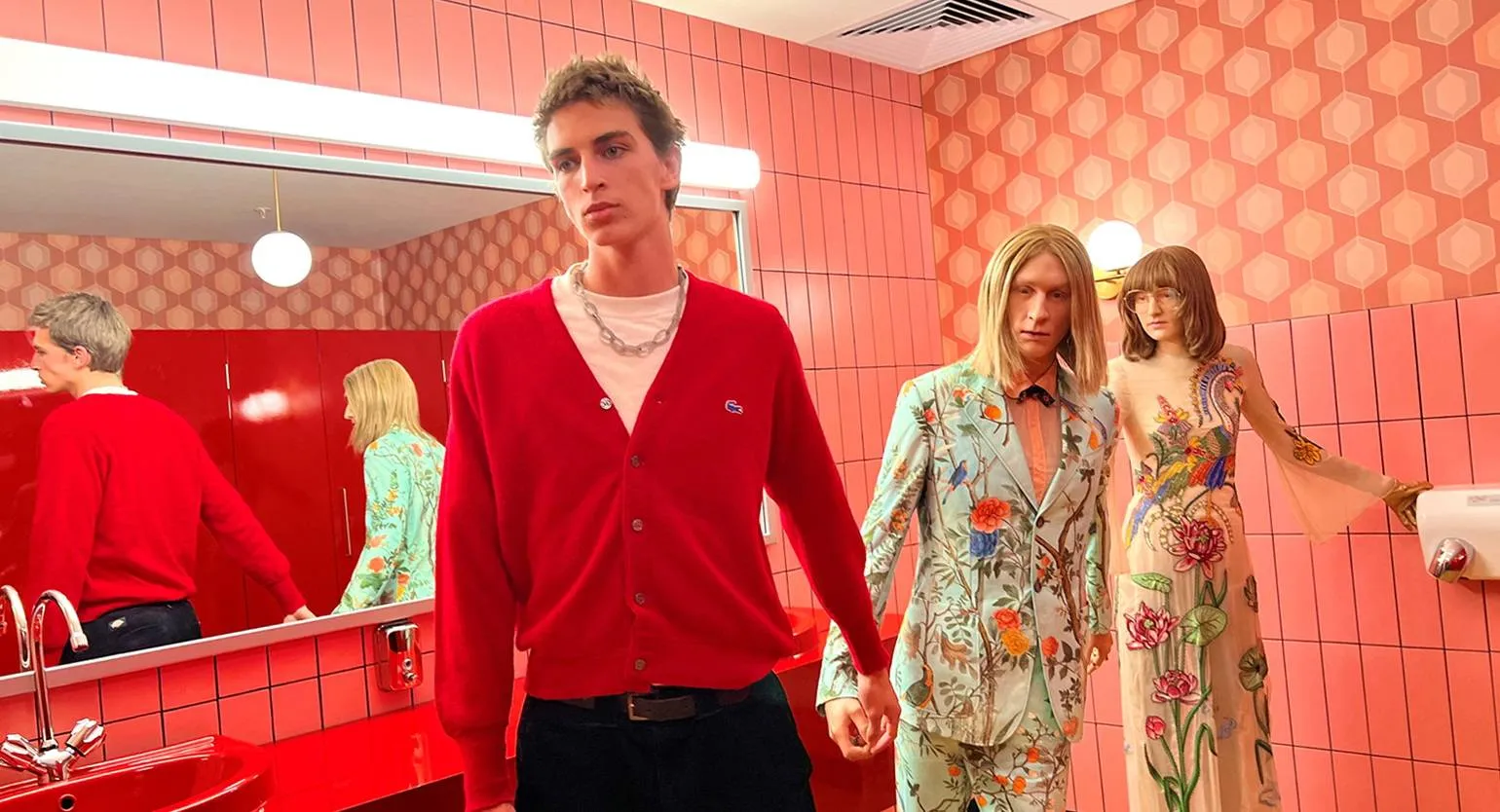
Photo with Gucci Mannequins
In 2023, an interesting incident occurred at an Australian photography competition. The organizers, overly cautious, suspected that one of the submitted images was created using a neural network. As a result, they decided to reject the entry, sparking a discussion about AI-generated content and its place in the world of photography. The situation highlights the growing importance of distinguishing between traditional art and works created by new technologies.
The unusual photograph depicts a young man posing between two mannequins at the Powerhouse Museum in Sydney. The exhibition was dedicated to props from advertising campaigns for the famous fashion house Gucci. Australian Susie Doherty noticed how her 18-year-old son Caspar's cardigan blended harmoniously with the surrounding atmosphere and decided to take a photo for her grandmother, who is a fan of the Gucci brand.
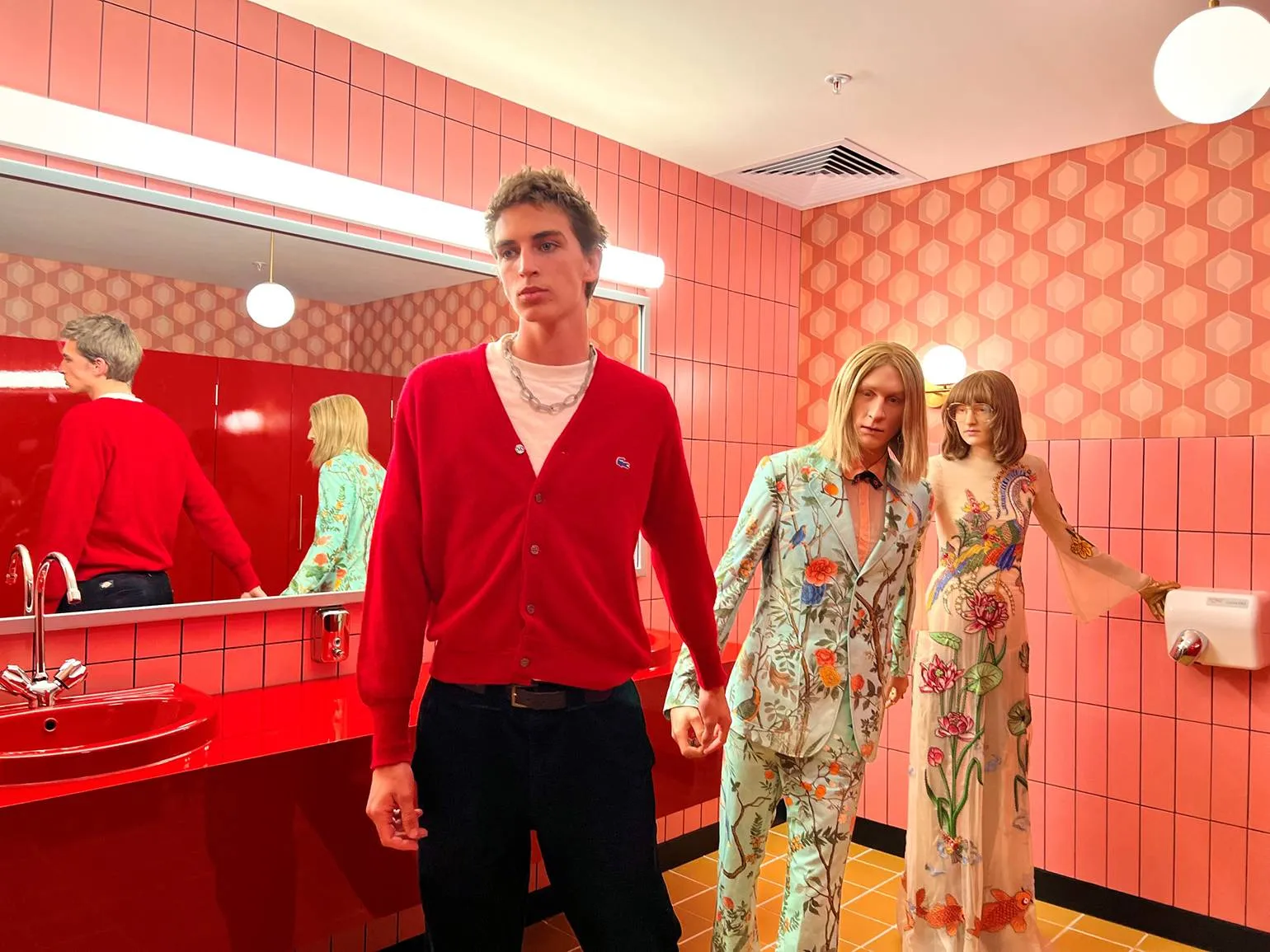
The photo, taken on an iPhone, turned out to be so bright and colorful that the woman decided to participate in the local Charing Cross photo competition. She learned about the disqualification of her photo through Instagram. Dougherty took the judges' doubts as a compliment, humorously remarking, "I don't even know how to take photos with AI."
Ian Anderson, one of the competition judges, reported that an analysis of the images' metadata was unable to determine whether the work was created by a human or a neural network. This question raises important issues in the field of artificial intelligence and authorship in digital art, as experts continue to seek ways to distinguish between works created by humans and algorithms.
When we first saw this image, it immediately caught our attention. However, I noticed that it had certain characteristics characteristic of artificial intelligence. This prompted a discussion, and we ultimately concluded that we could not say with certainty whether this image was the result of AI. However, given our concerns, we decided to tread cautiously with its use.
Anderson emphasized that in future competitions, a separate category for images created by artificial intelligence may be needed. This will be an important step towards recognizing and accounting for the unique characteristics of AI-generated content.
Pink Flamingo
Competitions and categories for AI images are becoming increasingly common. Such events also often produce interesting and unexpected cases.
In the summer of 2024, photographer Miles Astray won third place in the prestigious 1839 Color Photography Awards in the AI-generated image category. The judges were surprised to find that Astray's photographs were not machine-generated, a case that highlights the growing influence of technology on the world of photography and creative arts.
The submission of an authentic image of a pink flamingo with its head pressed to its wing to an AI image competition was made possible by previous photo scandals. By 2024, many competitions began officially banning the use of neural networks, making judges more vigilant and critical. But what happens if we do otherwise? Could we mislead those who think the image is artificial? This raises important questions about authenticity and ethics in the world of digital photography.
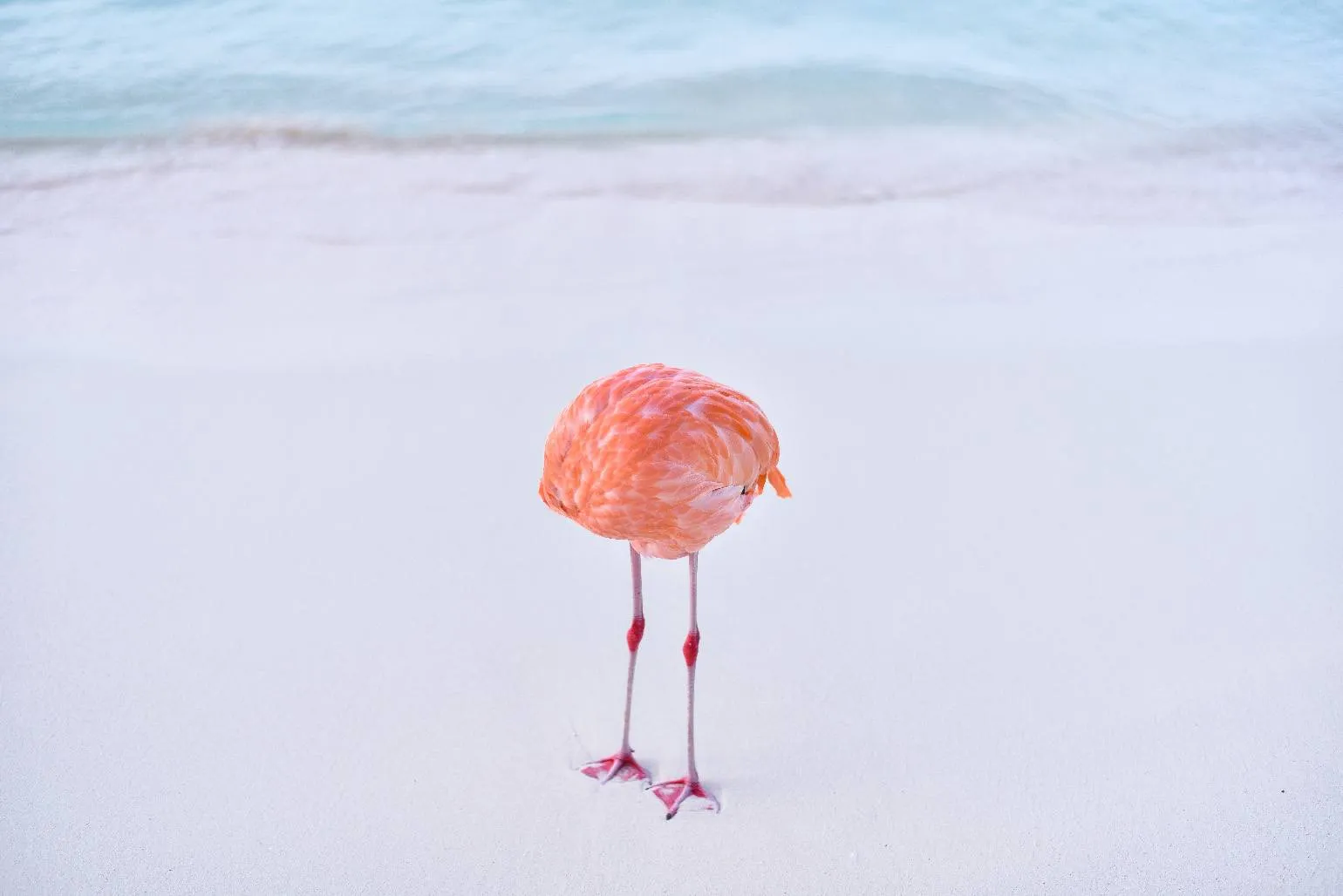
The intended trick was successful. The flamingo photograph took third place according to a professional jury consisting of representatives from such prestigious organizations as The New York Times, Getty Images, and Christie's. The work also won the People's Choice Award, highlighting its popularity with a wide audience. Astray states that his goal was to demonstrate that nature can still triumph over technology, and that neural networks cannot completely replace real artists. He emphasizes the uniqueness of human creativity and its ability to convey emotions and feelings that machines cannot reproduce. The importance of art and its connection to nature remain unwavering, despite the development of artificial intelligence. An important public debate about the advantages and disadvantages of this revolutionary technology continues, and I want to contribute my thoughts. I am pleased that the experiment confirmed my hypothesis: nothing compares to the imagination and creativity of Mother Nature, Astray noted in a commentary for the PetaPixel website. This topic is becoming increasingly relevant as technology rapidly develops and influences various aspects of our lives.
Astray, like Bendiksen and Eldagsen, admitted to violating the competition rules. After admitting this, the participant was disqualified, and his work was removed from the event website. The organizers emphasized that they appreciate the photographer's "powerful message," but emphasized that adherence to the rules is important to ensure fairness among all participants.
Midjourney at the Colorado Agricultural Fair
While the three previous heroes sought to provoke a public discussion about neural networks in art, the participant in this story had no such intentions. Nevertheless, his actions have made the discussion inevitable.
In 2022, Jason Allen, the CEO of a board game company, won the Digital Art/Photography category at an art competition held at the Colorado State Farm Fair. At first glance, his success seemed well-deserved and undeniable. However, behind this victory lie questions and problems that could affect the reputation of both Allen and the competition.
Jason Allen, the author of "Space Opera House," openly stated that he used the Midjourney neural network to create his work. However, the elderly judges on the competition panel were unaware that Midjourney is an artificial intelligence tool, not a traditional photo editor like Photoshop. The competition rules did not specify acceptable methods for creating digital art, and Allen sought to demonstrate that neural networks can be an effective tool for artists. The event raises questions about the future of digital art and the role of technology in the creative process.
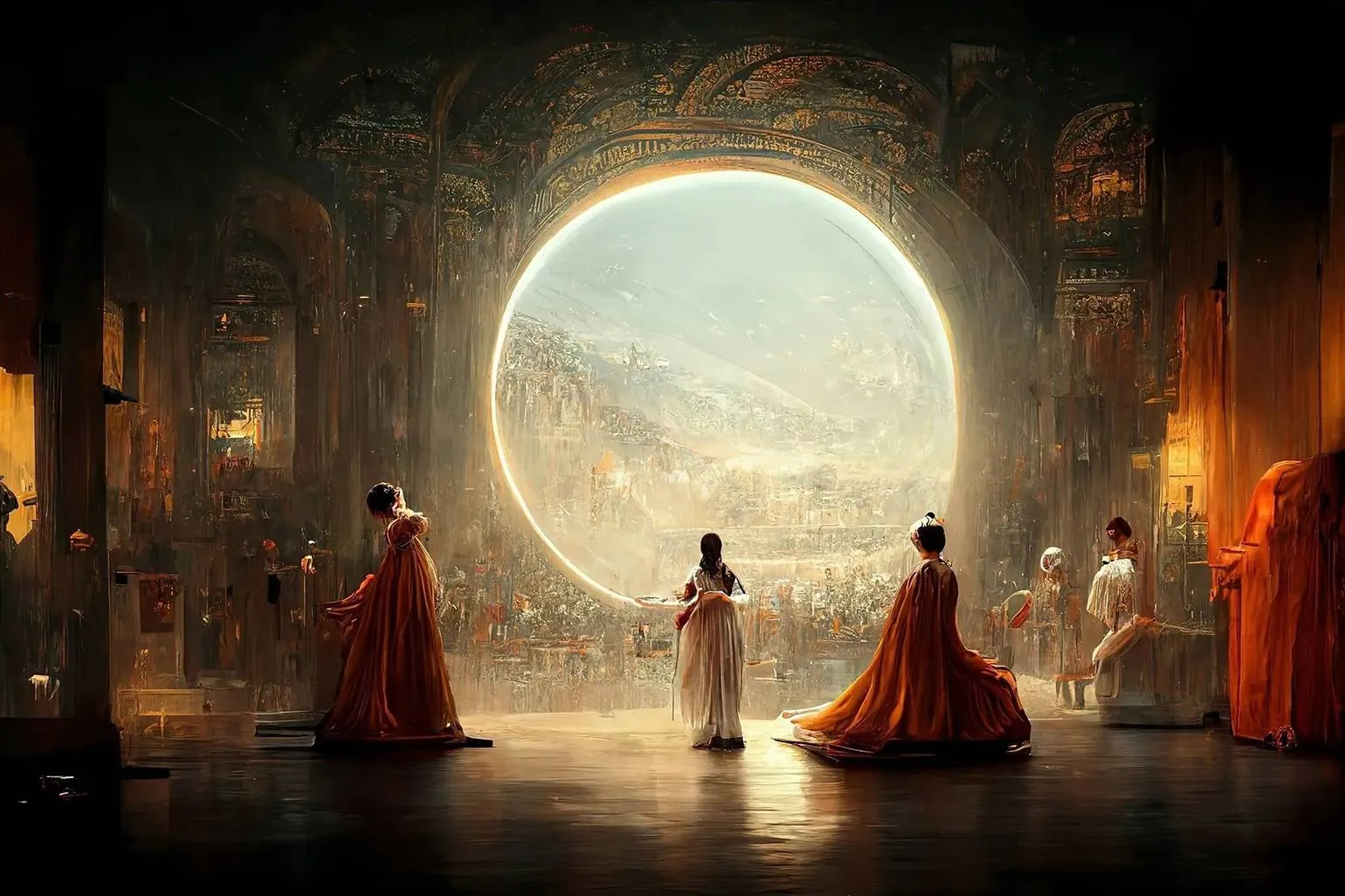
After the announcement of Allen's win, a scandal erupted on social media. Users began accusing him of causing the decline of creative professions. This excitement sparked heated debate in the mainstream press, addressing issues of ethics and the future of art. Questions about how technology influences creativity and the role of humans in the artistic process became central to the discussions.
Allen denied accusations that he was not the author of his work. He explained that he spent several weeks at the computer, tweaking the neural network to achieve the desired result and processing the image.
What if we look at the situation from the other side: suppose the artist intentionally put themselves in difficult conditions to create their work? For example, they painted in an awkward position or experienced physical pain while working. Should their work be judged differently than works created in traditional settings? Perhaps in the future, a separate category will be created for such works, such as "Art Created with AI." This raises questions about how we perceive art and how context influences its evaluation. It is important to consider that the conditions under which a piece of work is created can significantly impact its perception and value.
He turned out to be right.
Optimize your content for search engines to increase visibility and attract your target audience. Use keywords naturally to maintain the readability of the text. Pay attention to the structure and formatting to improve the user experience. Remember that quality content should provide valuable information and answer readers' questions. Update this content regularly to keep it relevant and current.
Read also:
Artificial Intelligence in Contemporary Art: 16 Projects Demonstrating the Transformation of Creativity. This collection features works by artists using AI to create unique artworks. These projects illustrate how technology can change perception and the creation process, opening up new horizons for creativity. From generative art to interactive installations, each project demonstrates how artificial intelligence is becoming an integral part of the artistic process. Explore how AI is influencing art and how artists are adapting their working methods to new technologies.
A court has ruled to ban Meta Platforms Inc. from operating in Russia, which operates the social networks Facebook and Instagram. The decision was based on accusations of extremist activity. The ban on the use of these platforms in the Russian Federation underscores the seriousness of the approach to monitoring online resources and their impact on society.
Profession Photographer
You will learn to take professional photos from scratch. You will learn how to organize shoots, process frames, manage models and a team. Find your style, build an impressive portfolio, and start making money doing what you love.
Find out more