Contents:
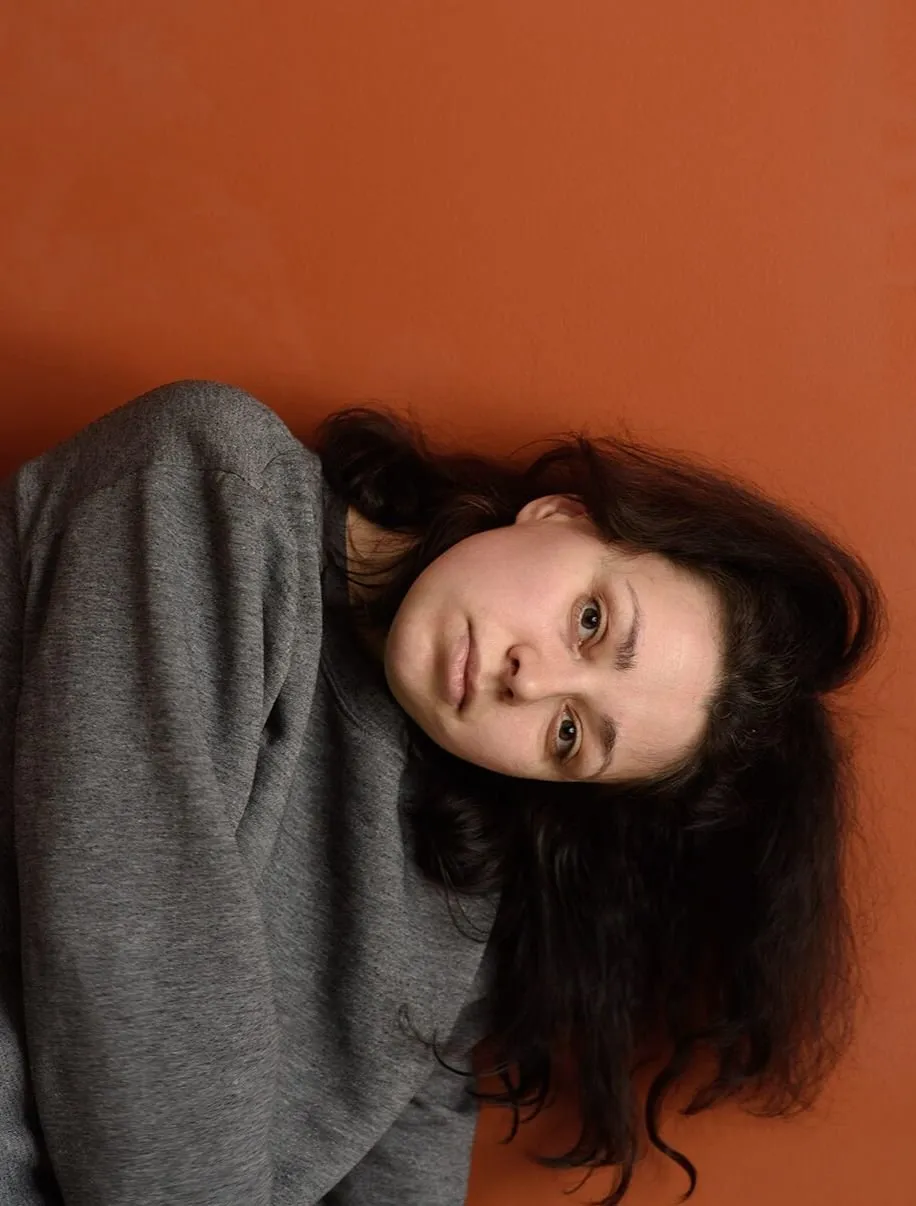
A visual artist specializing in photography, painting, video, performance, and installation. She studied at the Rodchenko School in Moscow. Her work actively uses pseudo-documentary self-portraits, exploring themes of identity and self-expression. Originally from the Moscow region, she currently resides in Tallinn, where she continues to develop her artistic projects and engage with the local cultural scene.
The "On the Other Side" project is a unique initiative aimed at exploring and illuminating various aspects of life beyond the boundaries of ordinary reality. We strive to immerse the audience in a world of ideas that expand consciousness and deepen understanding of the world around us. The project covers topics related to philosophy, culture, science, and art, providing a platform for exchange and discussion. Our materials promote critical thinking and encourage self-reflection, making the project an essential resource for those seeking new horizons and unconventional approaches to familiar questions. We invite everyone interested to join us on this fascinating journey.
All my projects are aimed at finding inner freedom and methods of resistance in contemporary society. "On the Other Side" is no exception. In this project, I explore the practice of surrealism and access my subconscious, expressing what is often impossible to voice in today's conditions. What was relevant a hundred years ago comes to the rescue: our imagination, which still retains its freedom.
This is the desire for freedom in the face of restrictions.
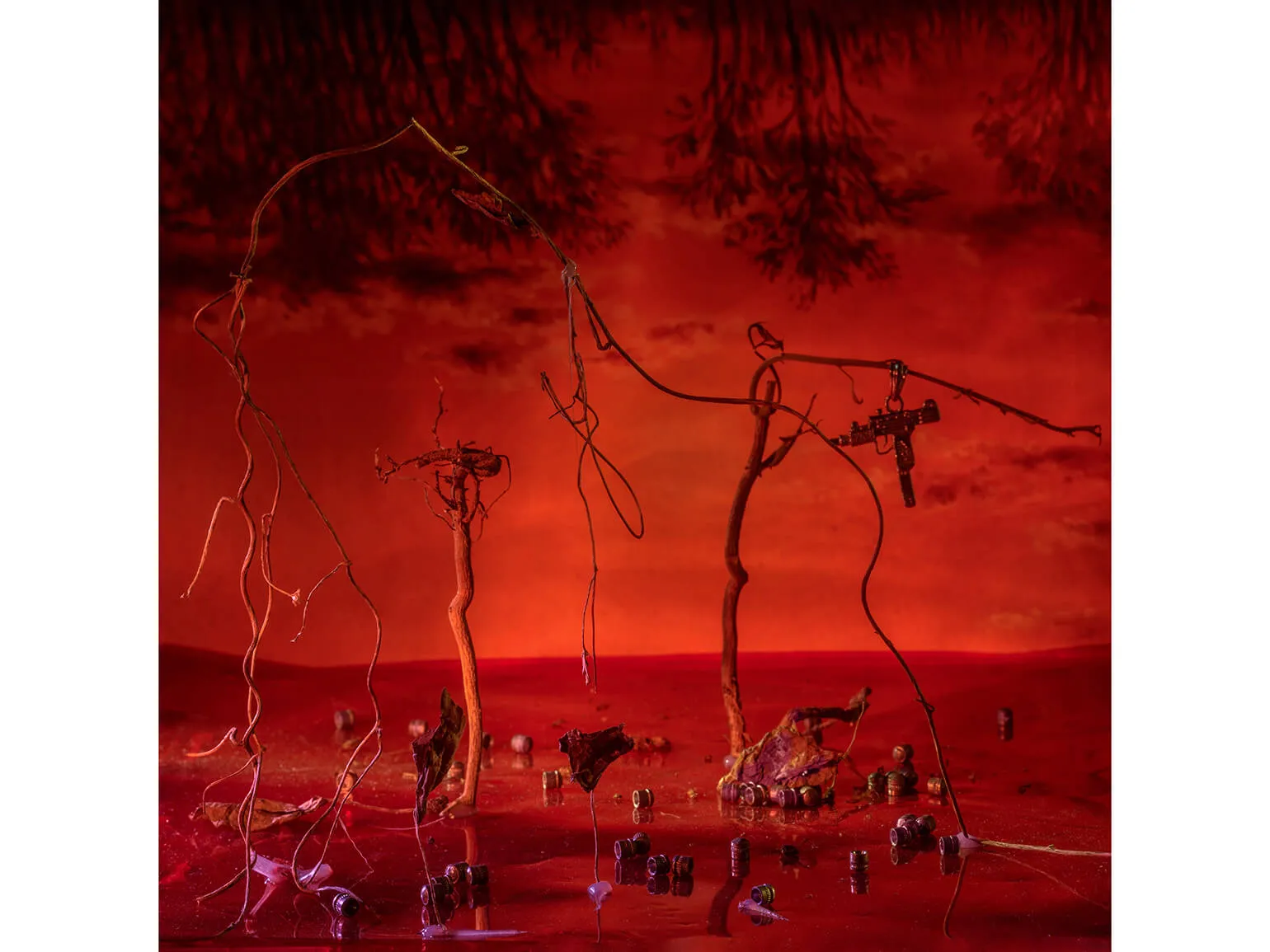
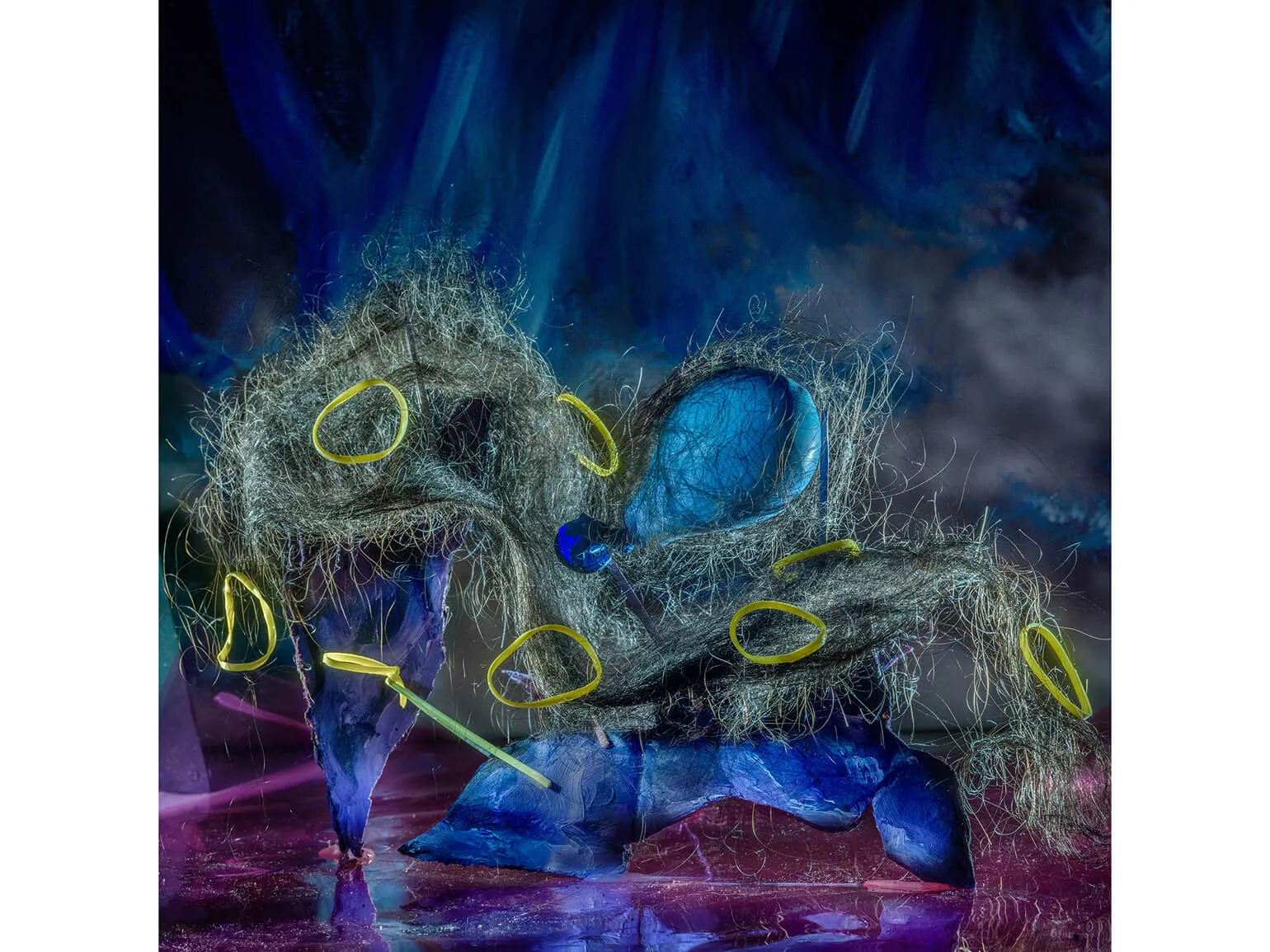
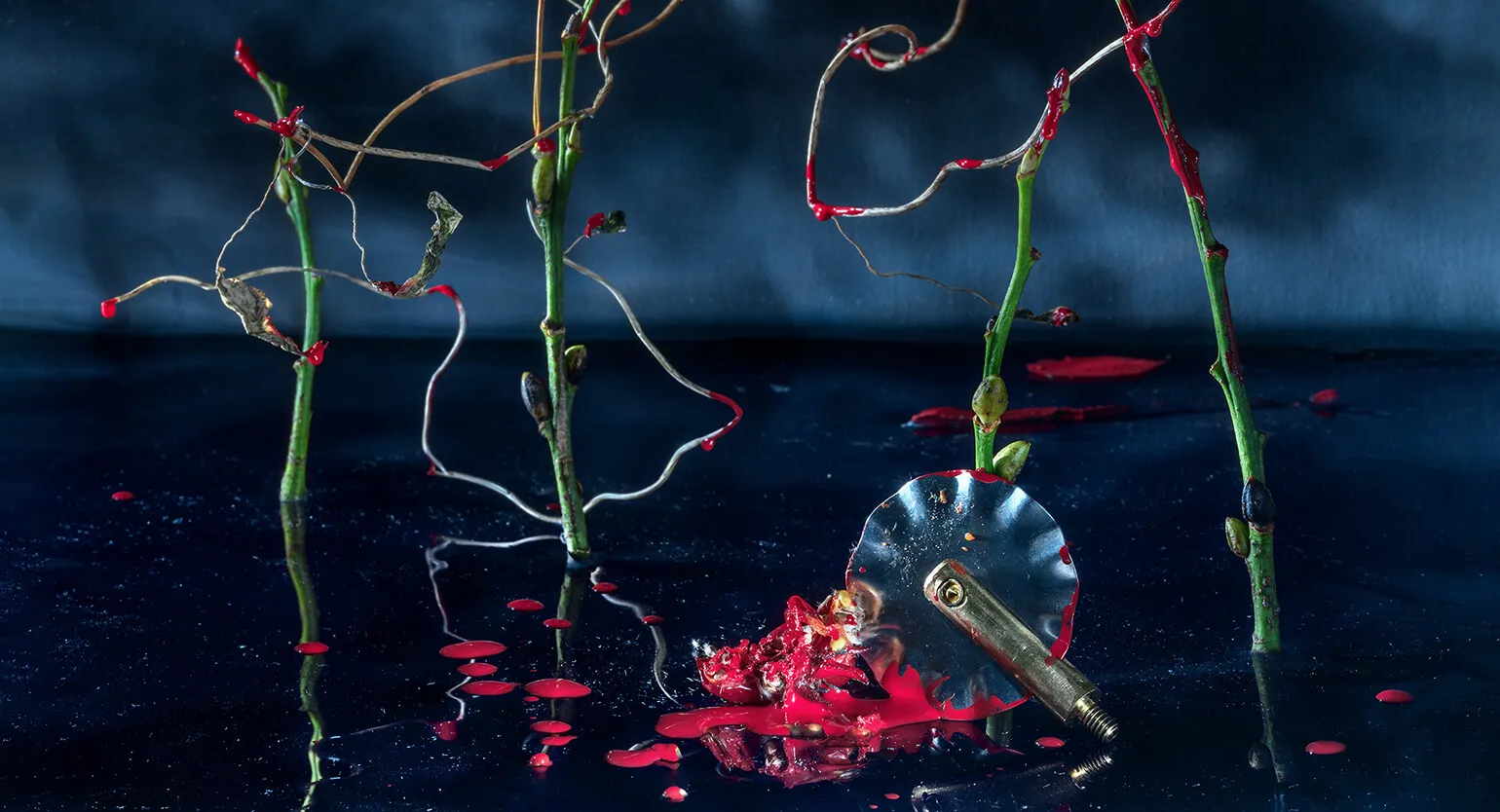
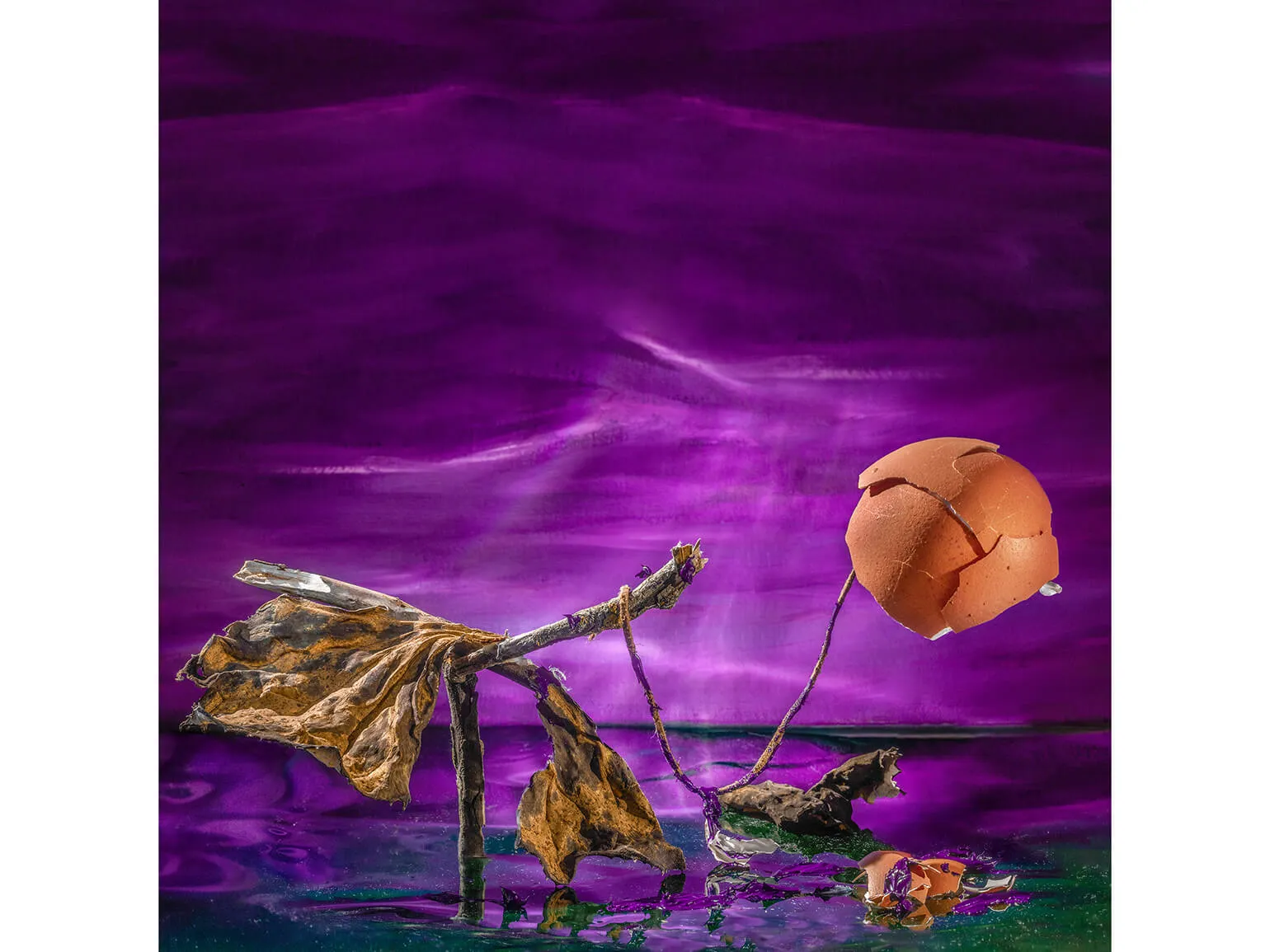
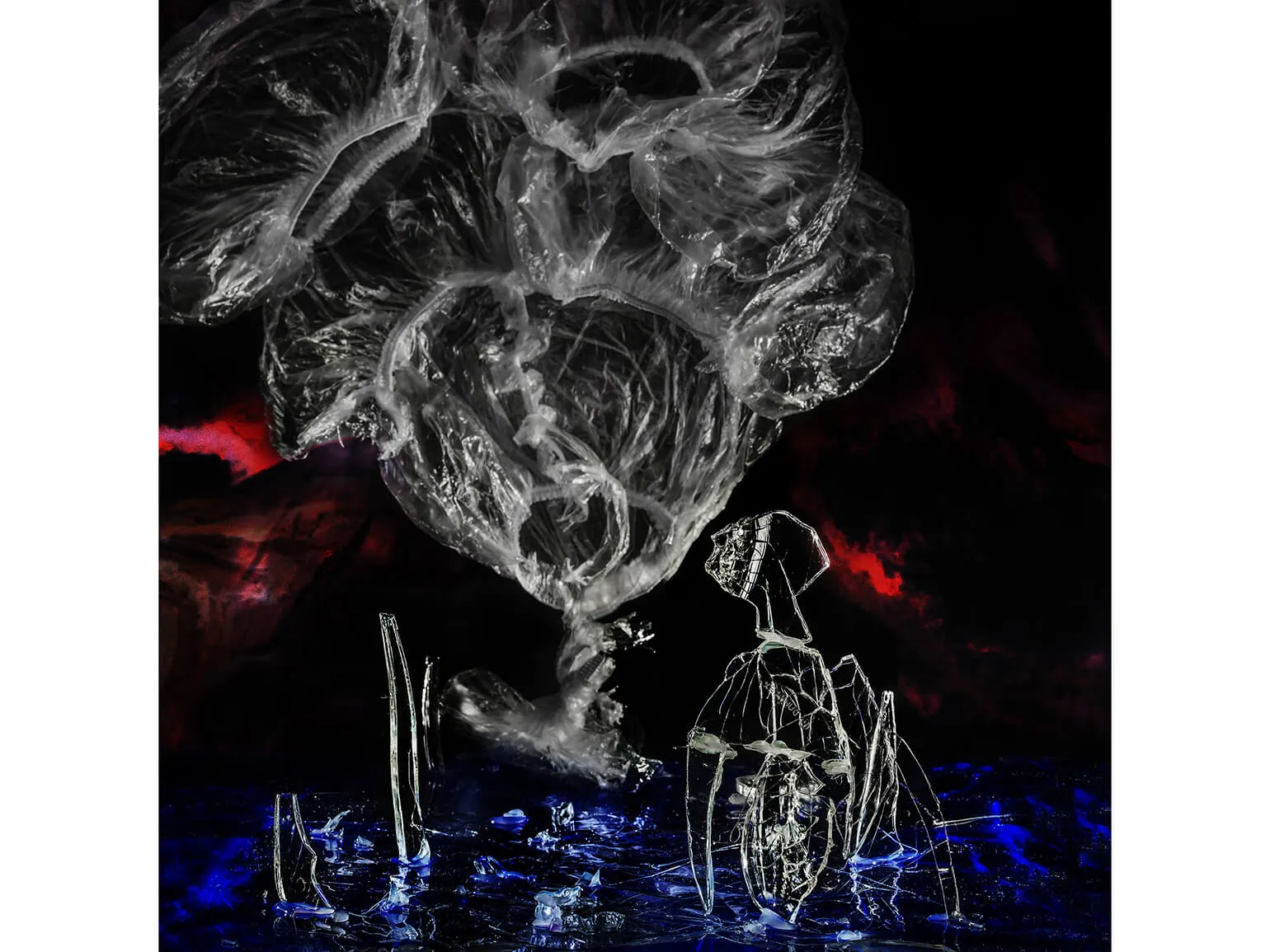
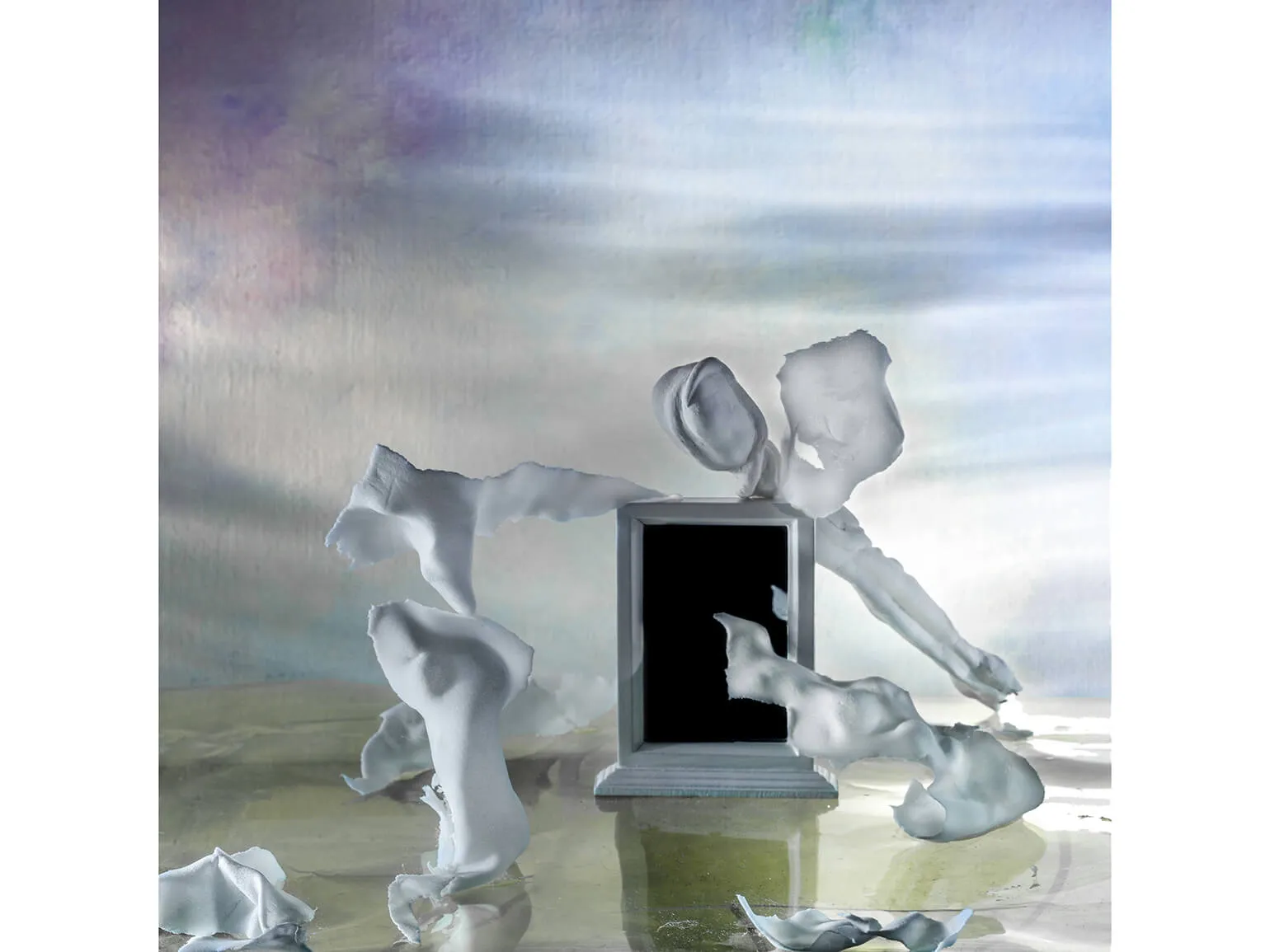
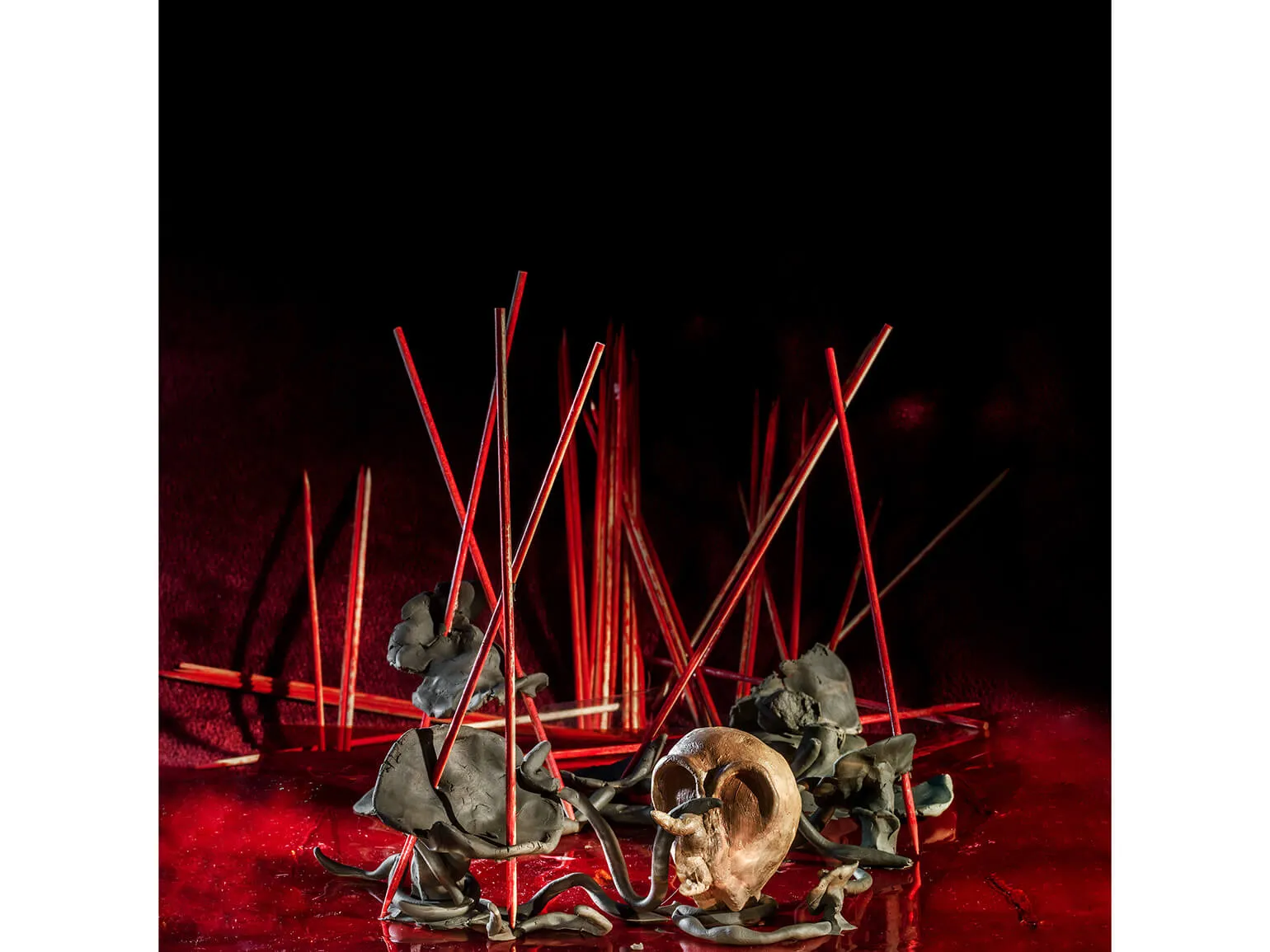
In the process of working on still lifes, various materials were used, such as acrylic and oil paints, as well as pastels. To create the compositions, objects were chosen that harmoniously combined in color and shape. Each still life was carefully considered in terms of lighting and perspective to emphasize the textures and details of the objects. An important aspect of the work was the use of natural light, which allowed for the image to convey realism and depth.
I found various objects both at home and outdoors, and some I created myself. For example, the pottery was made by myself, and the background is my own painting.
I strove to use everything that surrounded me: my things, trash, and my own works. Each still life for me was a scene from an internal, intimate space, so it was important to use personal objects and bring to light what usually remains hidden. This approach allows me to deeper understand my perception of the world and create unique visual images that reflect personal experiences and emotions.
In one of my works, I used my own hair, and in another, an item of underwear. These objects play an important role in my work, as their banality reflects the idiocy of reality, from which it is impossible to escape. I strive to explore everyday objects that, at first glance, seem insignificant, but in fact, fill our lives with meaning and context.
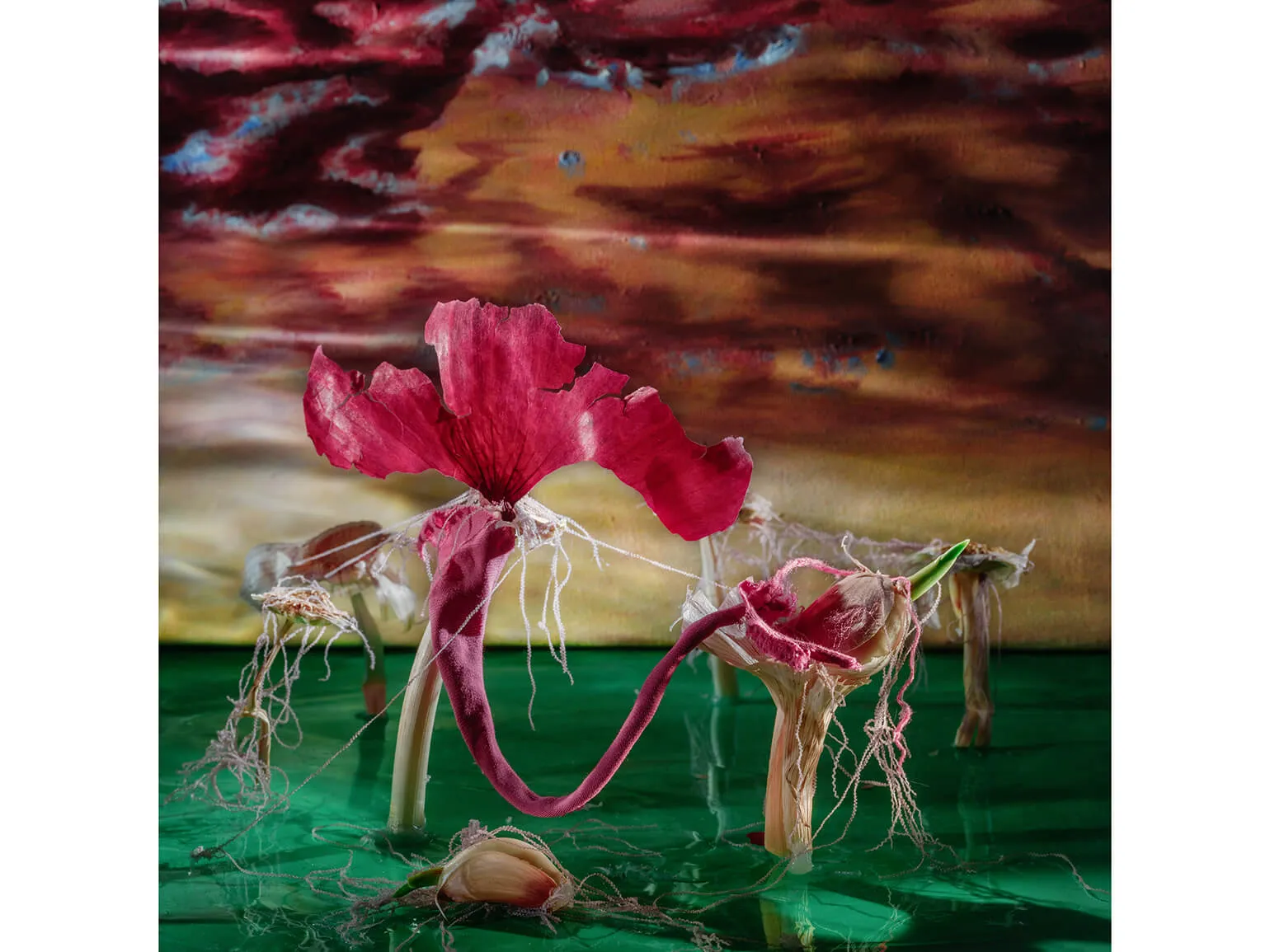
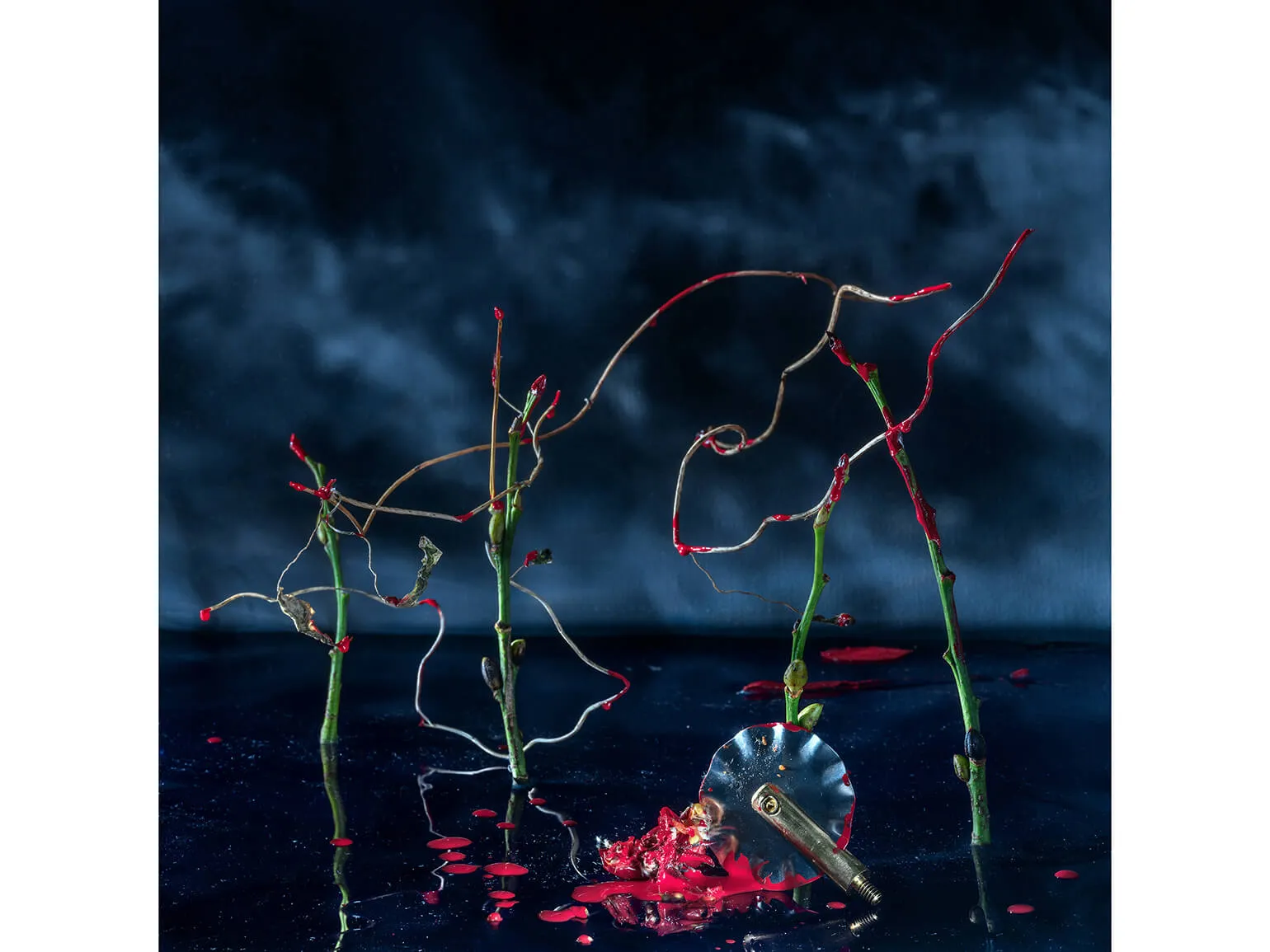
The idea for each still life was formed through a process of deep reflection and careful planning. At the beginning of this journey, the artist analyzed and studied various objects, their shapes and color combinations. Each element of the still life was chosen with special care, considering how it would interact with other components of the composition.
Free imagination played a role, but the foundation was a detailed concept, which went through several stages before realization. The artist created sketches, worked out details, and sought optimal angles to convey the desired atmosphere and mood. This process allowed for harmony in the image and made the still life not only aesthetically pleasing but also meaningful.
Thus, each work was the result of a combination of creative intuition and rigorous elaboration, making each piece a unique reflection of the artist's inner world.
Most often, I started by gathering objects, and once I had enough to create a scene, I moved on to shaping the still life. I didn't plan ahead for the exact arrangement of the objects. This process was meditative for me—I turned off my analytical thinking and allowed my unconscious to take over. This approach helped me create unique compositions that reflected my emotions and creative ideas.
I usually create projects with music, selecting a unique track for each one to maintain a unified mood throughout the shoot. However, this time I chose complete silence, which allowed me to focus on the details and delve deeper into the work process.
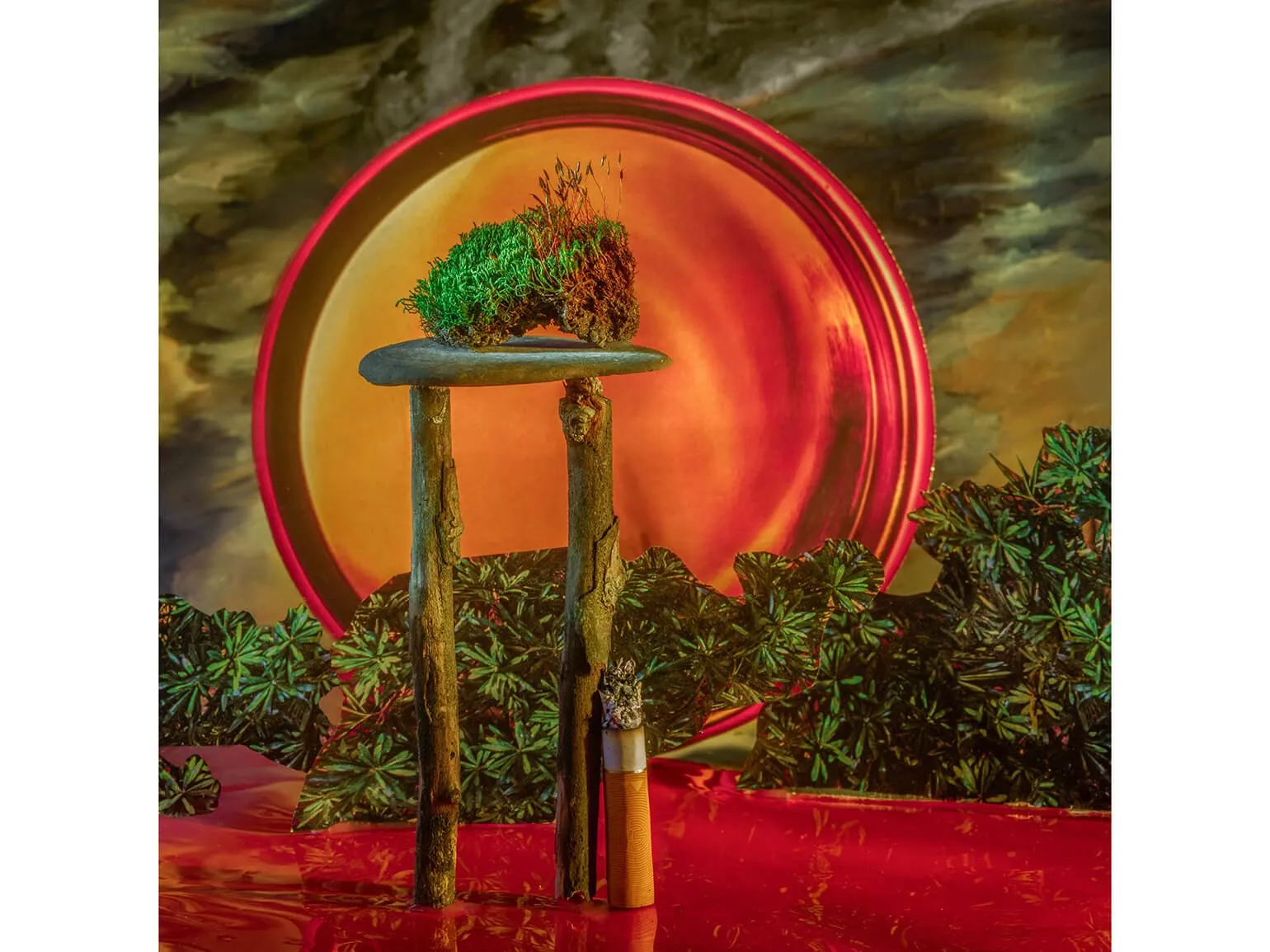
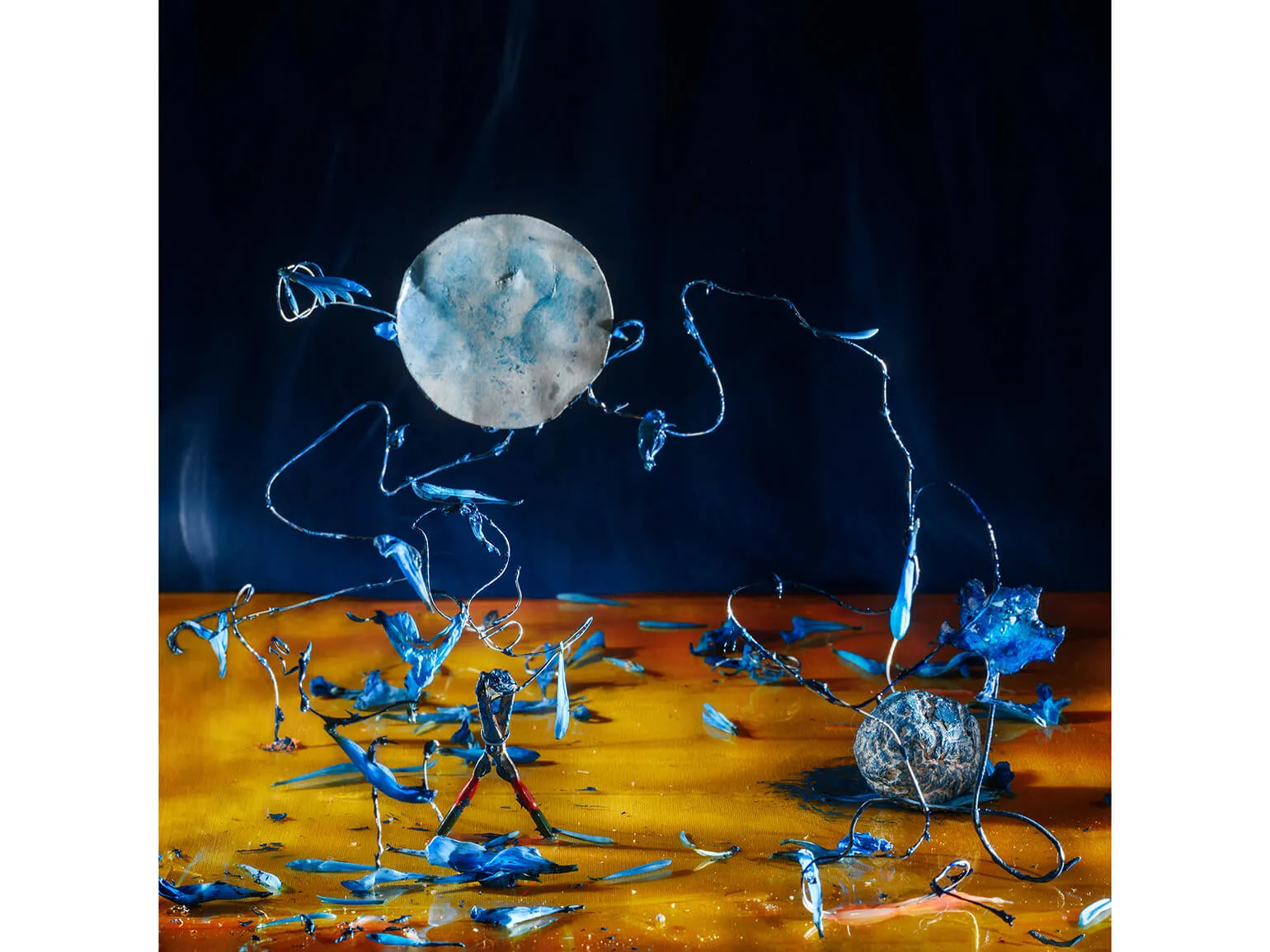
Let's discuss the technical aspects of the project, focusing on lighting. How did you organize your work with lighting? What types of optics were used to achieve the desired effect?
In my work, I used three Dedolight lighting fixtures to emphasize the theatricality and stylization of the stage. To create dramatic light spots and soften the sharpness of the beams, I used a water bottle and special glass to filter the light. This allowed me to achieve a unique atmosphere and visual diversity that highlights the artistic intent.
The photography was done with a macro lens at the widest aperture and a long shutter speed. To increase the size of the original image, I used a panorama technique, resulting in a single still life consisting of three separate shots combined into a single image using Photoshop. This approach allows us to achieve high detail and image quality, which is especially important in macro photography.
Various difficulties may arise during the work process, which can affect the efficiency and quality of task completion. Among the main problems are a lack of resources, unclear project requirements, communication problems within the team, and external factors, such as changes in the market situation. Solving these difficulties requires flexibility and adaptability, as well as active interaction between team members. It is important to identify potential obstacles in advance and develop strategies to overcome them to achieve a successful outcome.
Preparing the space for the shoot is one of the most challenging stages. I shot on a kitchen table, and each scene took me a full day of shooting. I had to assemble the composition, set the lighting correctly, take the shot, and then analyze everything. Sometimes I had to reshoot a scene because, while editing the photos, I realized the lighting was off or something was missing. As a result, it took me a whole year to create 10 still lifes.
Learn more about contemporary photography by subscribing to our Telegram channel. Here you will find fascinating materials, tips, and the latest trends in the world of photography. Join us!
Profession Photographer
You will learn how to take professional photos from scratch. You will learn how to organize shoots, process frames, manage models and a team. Find your style, build an impressive portfolio, and start making money doing what you love.
Find out more