Contents:
- «Photography as…»
- «Photography and Cinema»
- «About Photography»
- «A Brief History of Photography»
- Camera Lucida
- «Photographic: An Essay on the Theory of Discrepancies»
- «Photography. Between Document and Contemporary Art"
- "Art since 1900: Modernism, Anti-Modernism, Postmodernism"
- "Photography and its Purpose"
- "How to Look at the World"
- "Photography as Contemporary Art"
- "...isms. How to understand photography"
"Photography as..."
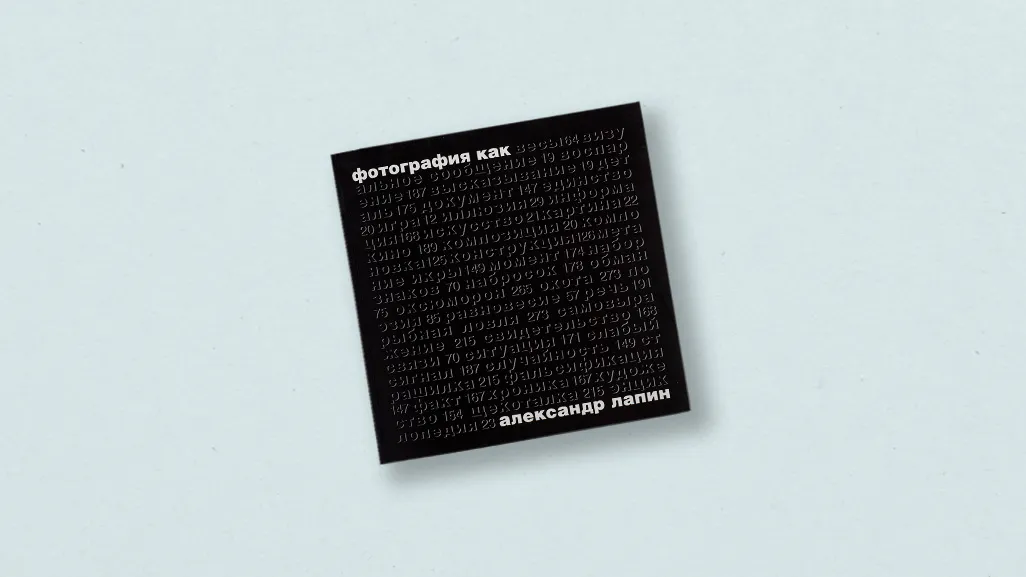
This Russian bestselling book on photographic theory is a unique publication that deeply explores the fundamental concepts and techniques of photography. It offers readers valuable tips on composition, lighting, and the use of various cameras, and also analyzes the work of renowned photographers. This publication will be useful for both beginners and experienced photographers seeking to improve their skills and deepen their understanding of the art of photography. With practical recommendations and a theoretical foundation, this book becomes an essential resource for anyone interested in photography.
Alexander Lapin is a photographer whose works are in museums in Russia and the United States, as well as in private collections. He has also become known as a teacher and researcher in the field of fine art and documentary photography. His work is distinguished by a unique style and a deep understanding of visual art, making him a significant figure in the world of photography.
The author's work focuses on the patterns of image perception and photographic analysis. Although the book "Photography as..." is often interpreted as a guide to the rules of composition, the author himself argues that it lacks any strict rules, since they essentially do not exist. The main thing a photographer must develop is the ability to see: both during shooting and when analyzing the finished image.
The book is intended for an advanced audience who already possess good photography skills. The author believes that it is worth reading for those who have confidently mastered the basic techniques, participated in photography competitions, and are now faced with more complex issues.
What is so unique about Bresson that makes his art accessible to some, but unattainable for others? True art is a question that worries many. Where should one go in creative pursuits? This book can be an important reference for those who are looking for answers to these questions and strive to develop in their art. It offers deep insight into the creative process and can help readers find their way in the art world.
First published in 2003, the book has been reprinted several times.
Photo and Cinema
If you want to know how it happened, you can delve into the details of the events and facts that led to this moment. Understanding the context and causes will help you better understand what exactly happened and why it matters. Explore a variety of sources of information to gain a complete picture of the situation and its consequences.
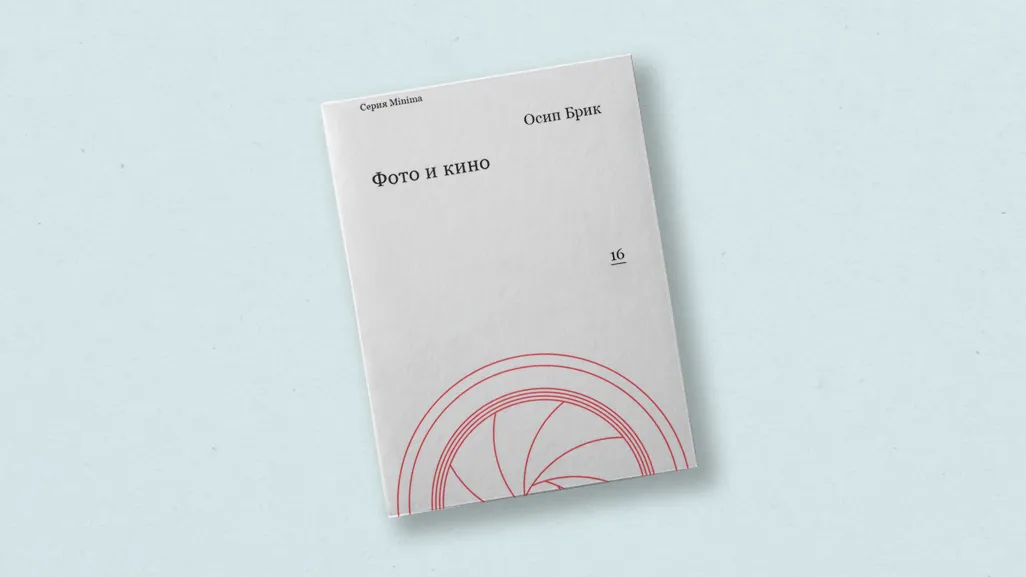
This book includes articles by Osip Brik on photography, cinema, and theater, first published between 1923 and 1934. These materials represent a valuable contribution to the study of art and cultural life of that time, reflecting the author's views on the most important aspects of visual art. Brik's articles remain relevant and interesting for today's reader studying the history and theory of art.
Brik, a theorist of the Russian avant-garde, also distinguished himself as a practitioner of young art, working in screenwriting and photography. His contribution to the development of these trends contributed to the formation of new artistic concepts and approaches. As a screenwriter, he sought to experiment with form and content, reflecting the spirit of the times and the desire for innovation in art. For Brik, photography became not only a means of self-expression but also a way to capture unique moments of the cultural upheaval taking place in Russia at the beginning of the 20th century.
In his articles, the author emphasizes the importance of studying photography for anyone involved in film. He focuses on photomontage as a significant method in art, examining the works of such masters as Alexander Rodchenko and Dziga Vertov. He also analyzes Western modernist experiments, demonstrating their influence on the development of visual language. An important topic is the role of Soviet art, which strives to reflect the reality of life, in contrast to bourgeois art, which focused on entertainment.
It is necessary to convey to foreigners that we have finally abandoned outdated aesthetic concepts. We no longer draw artistic inspiration from psychoanalysis and decorative traditions. Our research focuses on the laws of biomechanics and constructivity, as well as the labor and production processes that shape contemporary art.
The question of whether photographic practice is beneficial is questionable. However, interest in this process is certainly present. Photography practice can significantly improve skills and enhance mastery. Regular practice helps develop creative vision and technical abilities, which contributes to the creation of high-quality photographs. Therefore, despite any doubts, it is worth devoting time to photography practice to achieve better results.
«About Photography»
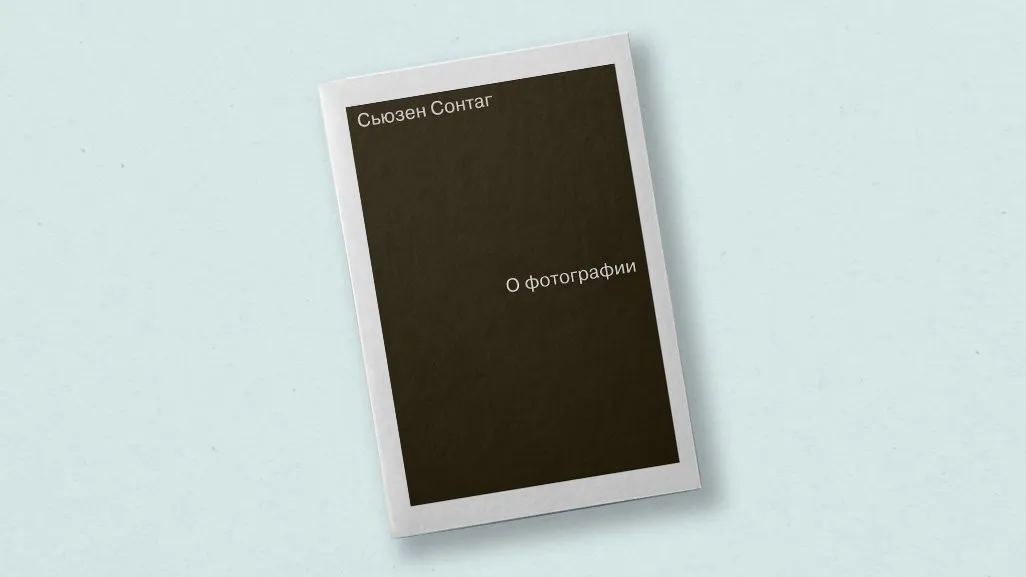
Collection of Philosophical Essays A 1970s collection widely popular among photographers, this unique literary work brings together profound reflections on art and perception, empowering readers to rethink their practice and approach to photography. These essays explore the philosophical aspects of visual art, inspiring creators to new ideas and experiments. The collection remains relevant today, serving as a source of inspiration for generations of photographers.
Susan Sontag, a prominent American writer, occupies a prominent place among the leading intellectuals of the 20th century. Her work in the field of art criticism retains its relevance and significance even after many decades. Analyzing cultural and social phenomena, Sontag offered profound and original views that continue to inspire and provoke discussions in modern society.
In the collection "On Photography," Susan Sontag anticipates the age of social media, discussing the phenomenon of "pollution" of the mind by an abundance of images and the problems associated with photo addiction. Her ideas emphasize the influence of visual content on the perception of reality, as well as the importance of a critical attitude towards the multitude of presented images in the modern world.
Mallarmé, a prominent aesthete of the 19th century, argued that everything in the world strives to be part of a book. In the modern context, it can be said that everything exists to be captured in a photograph. Photography has become an essential means of capturing reality, conveying emotions and ideas, and creating visual stories. Every moment, every event, and every object has the potential to be captured, becoming part of a visual narrative. Thus, the world around us becomes not only an object of perception but also material for creative photography.
In her essays, Susan Sontag analyzes photography as an act in which all parties participate. She argues that capturing a person in a photograph is, in a sense, their murder. Sontag reflects deeply and poetically on photography and its impact on the viewer, making her ideas accessible to a wide audience. Her work highlights not only the aesthetic but also the ethical side of photography, forcing us to consider how images influence our perception of reality.
"A Brief History of Photography"
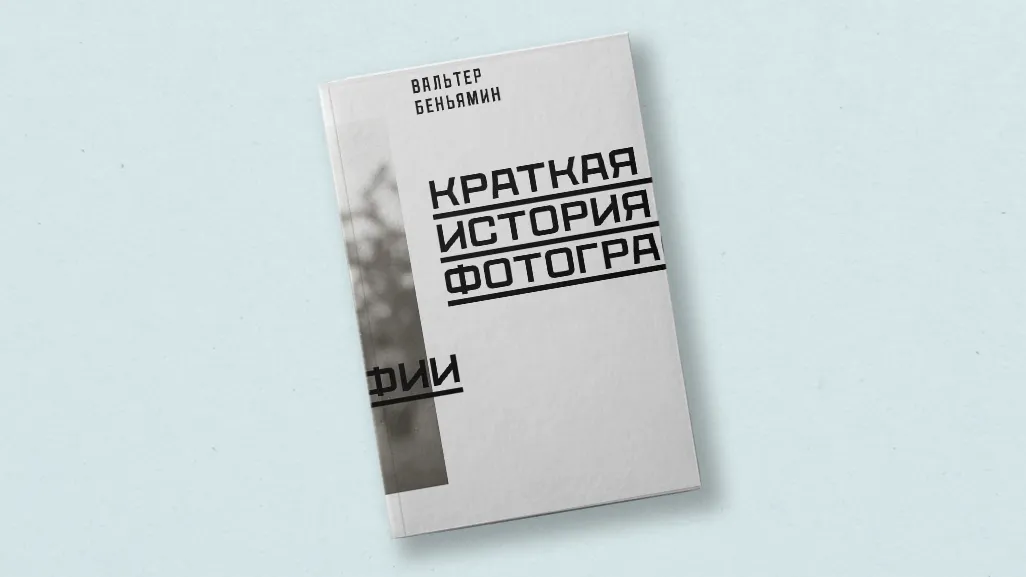
Walter Benjamin is a prominent German cultural theorist and a key figure in 20th-century European philosophy. This collection includes three of his iconic essays: "A Short History of Photography," "Paris: Capital of the Nineteenth Century," and his most famous work, "The Work of Art in the Age of Mechanical Reproduction." These texts explore the impact of technology on art, as well as the cultural and social aspects of urban life in the 19th century. Benjamin provides a profound analysis of how technological advances alter the perception of art and its role in society.
Art is transforming into a new form of existence in modern society, becoming mass-produced and replicable. Photography plays a key role in this process, facilitating the dissemination of artistic ideas and making art accessible to a wider audience. Photography not only captures moments but also shapes new visual narratives, influencing the perception of art in the digital age. Essays written in the 1930s address the reproduction of art and are relevant in the modern era, when information is copied and disseminated at incredible speed. Walter Benjamin's works continue to attract readers and are actively published and reprinted. This can be explained not only by his significant influence on art theory but also by the unique style of his writing, which the publisher characterizes as "a theory growing out of sensory images." Benjamin raises important questions about the nature of art and its perception in the context of mass reproduction, which makes his work in demand today.
Camera Lucida
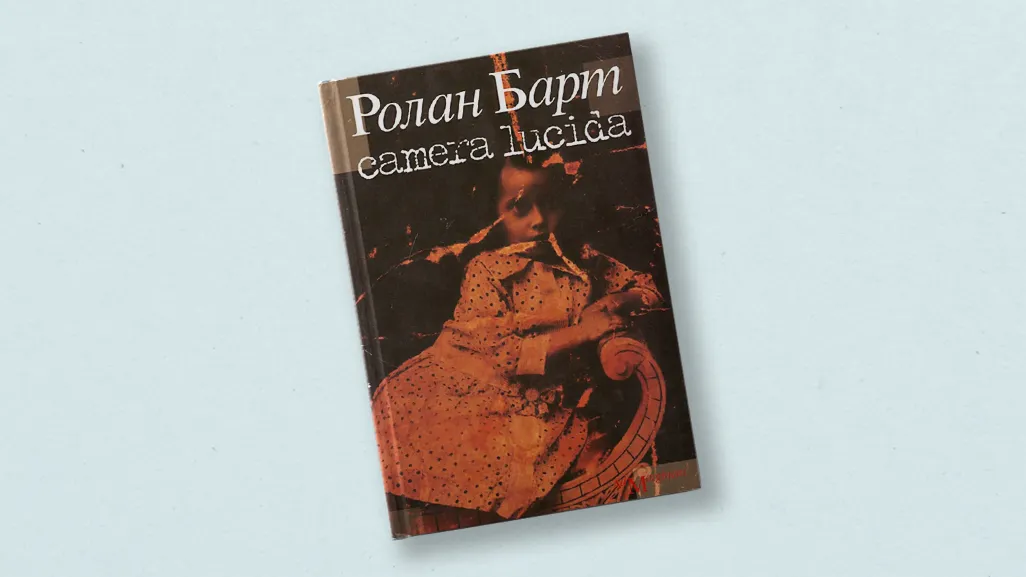
There is no place in life for the phrase "I don't want to"; instead, there is always a need for the word "must." Understanding this principle helps us focus on priorities and complete tasks that are truly important. A clear understanding of our obligations and goals allows us to achieve success and develop. The need to perform certain actions is often the driving force that helps us overcome difficulties and move forward. Successful people understand that sometimes you need to do what you don't want to do in order to achieve the desired results.
When starting to read the classic works of Roland Barthes, it is worth recalling a famous phrase from childhood. This activity can be difficult, but it is of great importance for understanding his ideas and concepts. Reading Barthes opens new horizons in the world of literature and theory, allowing you to deeper understand the cultural and philosophical aspects of his work.
Camera Lucida is the final work of the French philosopher Roland Barthes. In 1977, while reflecting on photographs of his mother after her death, he noticed one image that had a particular impact on him. He called this special sensation "punctum." It is this elusive element that determines whether a photograph will be meaningful. Barthes's series of essays represents his attempt to define the essence of photography as an independent artistic medium.
A gateway to the world of photographic theory and its fundamental principles.
"The Photographic: An Essay on the Theory of Discrepancies"
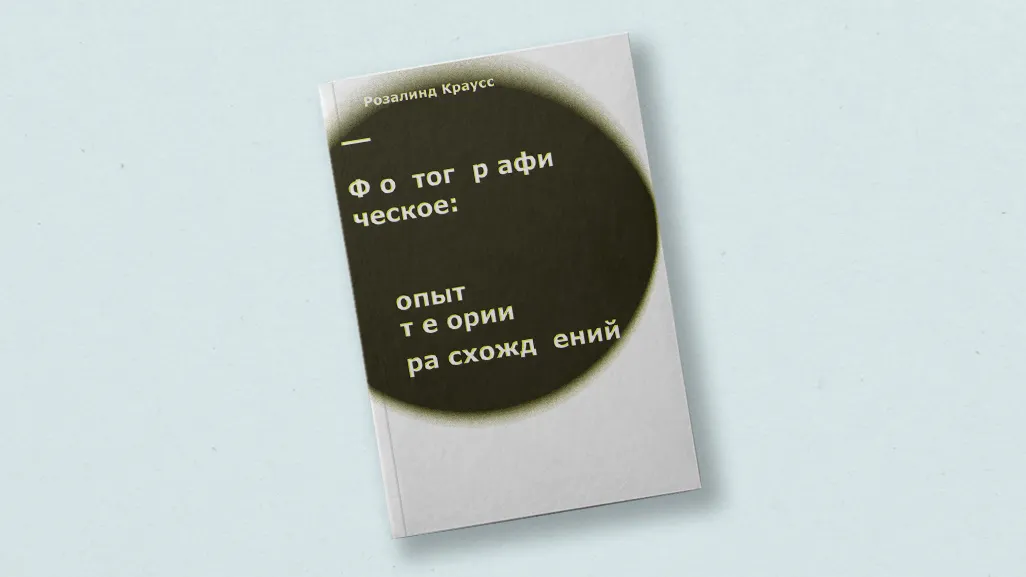
The third outstanding theorist of photography, or rather, the outstanding theorist.
This collection of essays by Rosalind Krauss, one of the leading scholars of contemporary art, was first published in 1990 and became an important contribution to the theory of photography. Krauss's work has been compared to the works of such authors as Walter Benjamin and Roland Barthes. Her analysis of art and photography opens new horizons for understanding visual culture and makes a significant contribution to the development of theoretical approaches to art. Krauss emphasizes the importance of context and interpretation in the perception of photographs, making her book an indispensable resource for students and researchers of art.
Krauss examines the development of photography in the context of contemporary art. She focuses on the work of individual artists, but her work is not an analysis of artistic works. These works serve only as a starting point for a discussion of the context in which photography functions and our perception of images is shaped. In this discussion, Krauss introduces the concept of "the photographic," which represents a theoretical object distinct from "photography as an object of study." This allows for a deeper understanding of how photography interacts with contemporary artistic practices and influences our perception of the visual world.
An essential read that introduces concepts such as simulacrum, index, and discursive space will provide a deeper understanding of contemporary theories and concepts. These terms play a key role in the analysis of culture and media, as well as in exploring the interaction between reality and its representations. Understanding simulacrum will help us recognize how copies and models shape our perception of reality. Index, in turn, will provide a basis for examining the influence of signs and symbols on our thinking and behavior. Discursive space will open up horizons for analyzing social interactions and power in various contexts. Thus, this reading will not only expand your knowledge but also deepen your understanding of the complex relationships in the contemporary world.
The book was published in Russia in 2014, which increases the likelihood of its availability on the resale market.
Photography. Between the Document and Contemporary Art"
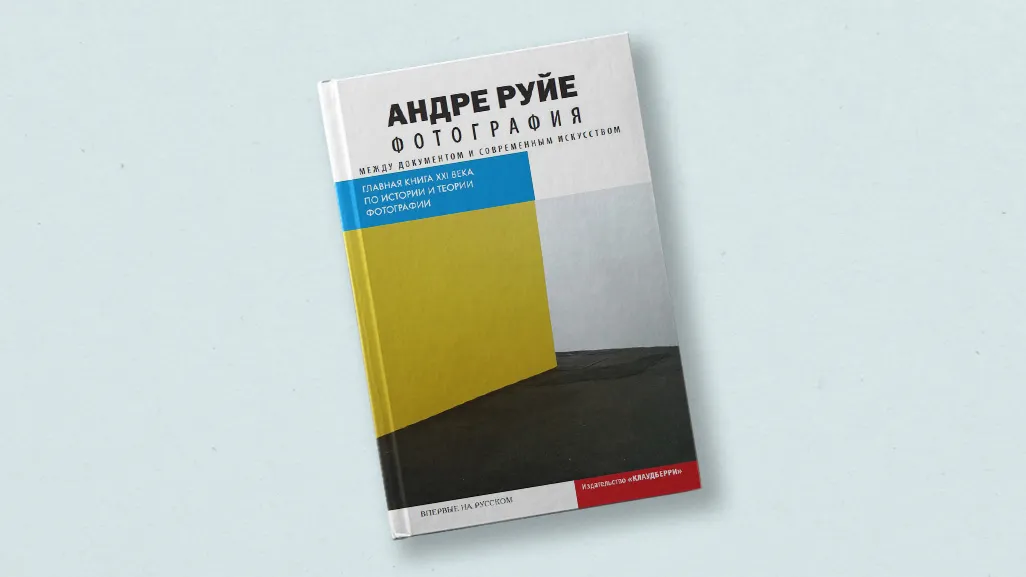
The fundamental study of the French theorist and historian of photography is considered one of the most important events in the field of expert literature, according to its Russian publishers. This work makes a significant contribution to understanding the history and theory of photography, making it an indispensable resource for specialists and art lovers.
Photography transcends its role as merely a tool for documenting reality. Images become objects of contemplation, and our perception of them becomes simultaneously sensual and philosophical. André Rouillet explores the historical development of photography, from its emergence in the mid-19th century, through the rise of documentary photography, to its contemporary fusion with art. This journey highlights how photography, originally intended to capture moments, has today become an essential medium for self-expression and philosophical reflection.
The book was first published in 2005, and it became available in Russian in 2014 thanks to the St. Petersburg publishing house Cloudberry. No new editions have been released at this time. We recommend looking for copies on the Avito platform and in second-hand bookstores.
"Art since 1900: Modernism, Anti-Modernism, Postmodernism"

One of the most profound contemporary studies of art.
Some compare this book to the Bible, and not only because of its importance. It takes time to begin reading, and the process can drag on for years, as it is divided into chapters that can be studied in parts. However, if you want a deeper understanding of contemporary art, this book is indispensable.
The book explores key moments in art since 1900, considering not only significant works but also important exhibitions and fundamental texts. It analyzes in detail the main theoretical approaches to the description of art, which allows for a deeper understanding of its evolution and context. This publication will be a valuable source of information for anyone interested in contemporary art and its development.
Of course, the book should be read in its entirety, but its structure allows you to choose an individual study strategy. For example, you can focus on the history of photography. This approach allows for a deeper understanding of the development of photographic art and its impact on culture and society.
The book, consisting of works by five authors, contains 130 chapters and weighs almost four kilograms, making it an ideal choice for thoughtful reading in a comfortable armchair. The Russian-language edition was published by the Garage Museum in collaboration with Ad Marginem Publishing.
"Photography and Its Purpose"
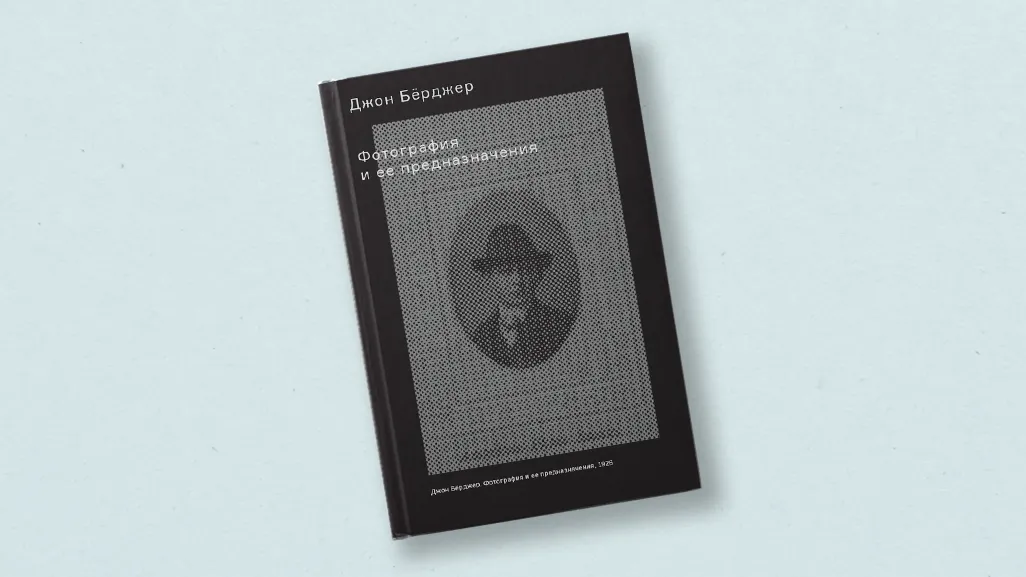
This collection by British writer and art critic John Berger includes his essays on photography. The main theme of the work is the study of post-war photography of the 20th century. Berger analyzes the impact of war on visual culture and considers how photographs reflect changes in society and the perception of reality. His profound reflections help to better understand the significance of photography as an art and a means of documenting history.
The texts, created primarily in the 1960s, reflect the immediate reactions of witnesses to significant events that, over time, acquired historical significance. Such events include the publication of Susan Sontag's book "On Photography" and the death of revolutionary Ernesto Che Guevara. These moments became iconic in the cultural and social context of the time, leaving a deep mark on public consciousness and influencing the further development of art and politics.
The circumstances of Che Guevara's death remain unknown. However, by analyzing the actions of those around him after his death, we can gain insight into their mentality. First, the body was hidden, then put on display, and finally buried in an unmarked grave without a marker. Later, the body was dug up and burned. Before cremation, the corpse's fingers were cut off for identification. This may indicate that there were serious doubts about whether the dead man was really Che Guevara. It is also possible that there were no doubts, but there was fear of the body. Personally, I am inclined to believe the second version.
The purpose of broadcasting the photograph on October 10th was to debunk a myth. However, the impact it had on many people turned out to be quite different. This date will become important in history, highlighting how the perception of images can vary depending on context. By analyzing the audience's reaction, we will see how visual content can shape public opinion and influence worldviews.
The book was first published in 2014. Berger created this collection with Russian readers in mind. Since then, the work has been reprinted twice, with the most recent edition taking place in 2024.
«How to Look at the World»
Every minute, more than 300 hours of video from all over the world are uploaded to the YouTube platform. This includes a variety of content—from funny memes we share with friends to serious news reports. We find ourselves in an era where the volume of visual content being created and consumed exceeds all possible expectations. This dynamic is changing not only our perception of information but also the ways it is distributed and consumed.
We are surrounded by a multitude of images. But what exactly do we perceive when we look at photographs? How does this excess of visual content affect our daily lives? How are contemporary changes shaping our perception of the world?
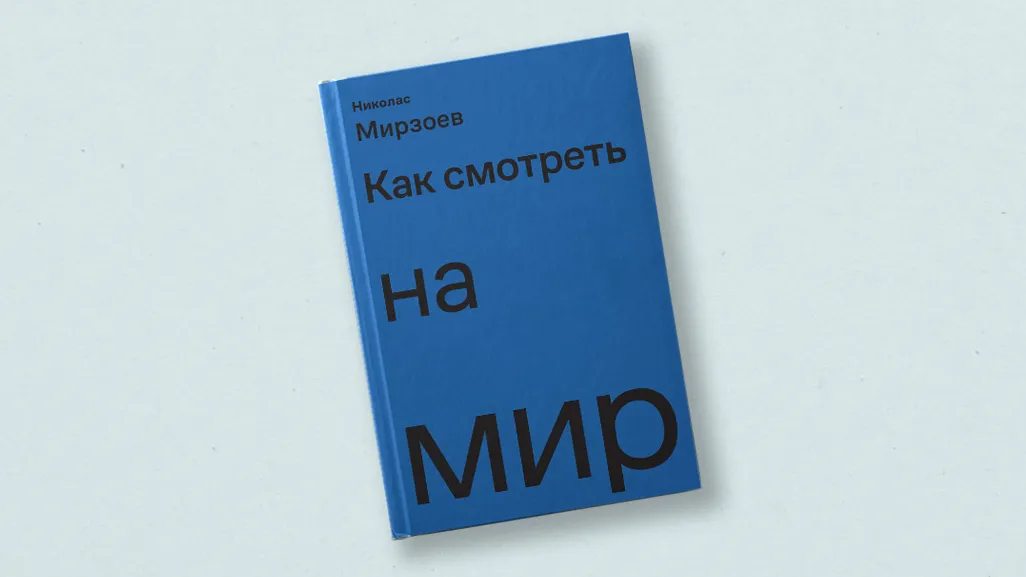
Nicholas Mirzoeff, a professor of media studies at New York University, has begun work on a "visual culture guide." This project aims to explore the visual aspects of our everyday lives. In today's image- and media-saturated world, it is important to understand the influence of visual culture on our perceptions and behavior. The guide will serve as a valuable resource for students, researchers, and anyone interested in the interaction between media and society. With this project, Mirzoev seeks to shed light on key elements of visual culture and their significance in the contemporary context.
In his book, Mirzoev explores cultural theory, art history, and sociological research and media analysis. The text is rich, dynamic, and occasionally humorous. For example, the professor analyzes the standard selfie template, cautioning readers against overindulgence, which can lead to the "duckface" effect. This approach makes the material relevant and interesting for a wide audience, which contributes to a better understanding of contemporary trends in culture and art.
The book was published in the United States in 2015, and in Russia it was released in 2019.
"Photography as Contemporary Art"
Contemporary art photography is a unique movement in art that combines elements of creativity, conceptualism, and technical mastery. It does not simply capture reality, but interprets it, conveying emotions, ideas, and the author's unique perspective. Art photography can range from abstract compositions to portraits, from landscapes to social commentary, reflecting the diversity of human experience and perception of the world.
An important aspect of contemporary art photography is the use of new technologies and methods, such as digital processing, photomontage, and installations. This allows photographers to experiment with form and content, creating works that can evoke ambiguous feelings and provoke discussions.
Contemporary art photographers often work within social and cultural contexts, exploring themes of identity, memory, nature, and technology. Their works become part of a dialogue about the world we live in and can influence public opinion, becoming a tool for change.
Thus, art photography is not simply art, but a means of self-expression and communication that continues to evolve and enrich contemporary art.
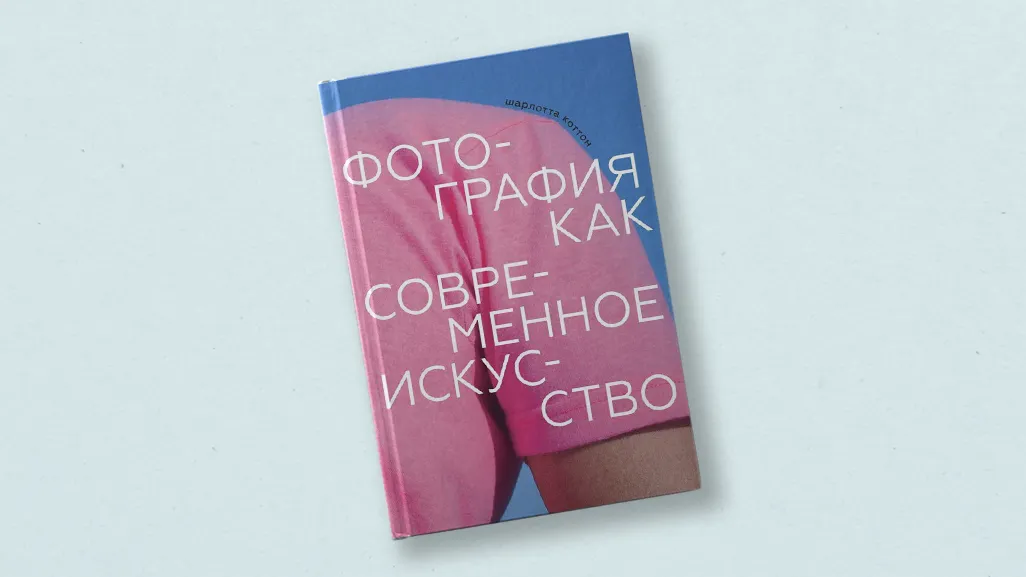
Curator and writer Charlotte Cotton analyzed photographs by nearly 250 authors, seeking to answer an important question about the nature of photography. Instead of traditional classification by genre, Cotton systematized the works by theme, focusing on the author's intent and conceptual content. This allows for a deeper understanding of the photographers' artistic intentions and their approach to visual art.
The book is recognized as an excellent resource for studying conceptual photography. It offers readers a deep understanding of the foundations and principles of this genre, helping to develop creative thinking and skills in visual expression. With carefully selected examples and clear explanations, this publication will be useful for both beginners and experienced photographers seeking to improve their work and deepen their knowledge of conceptual photography.
The first edition of this book was published in 2004. Fifteen years later, the author, a researcher, updated and expanded the content, adding new material. The Russian-language edition of the book became available for the first time in 2020 thanks to Ad Marginem Publishing.
"...isms." How to Understand Photography"
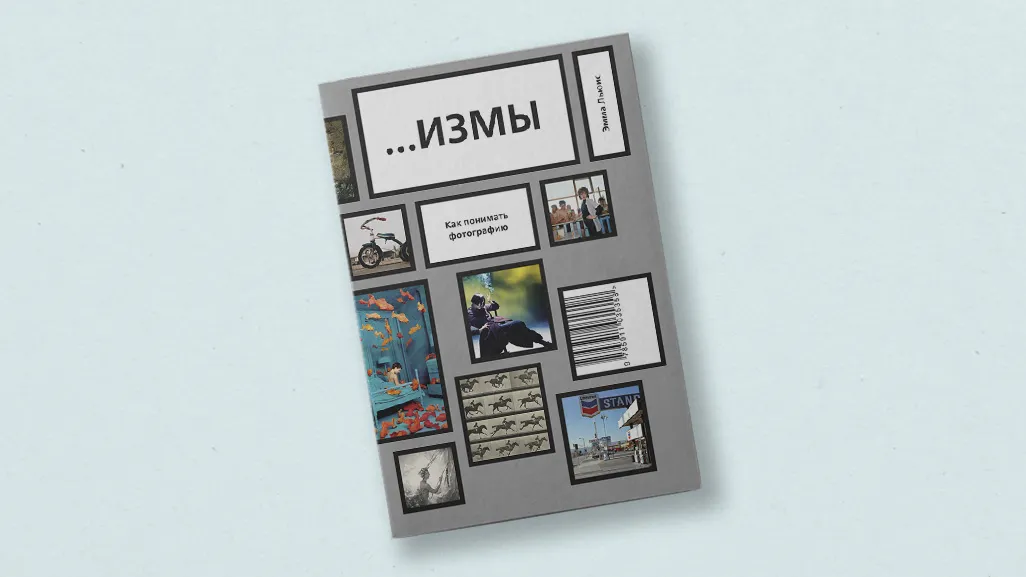
Each chapter represents a unique direction in art, revealed from different angles.
Emma Lewis's book explores the evolution of photography, covering its technical, conceptual, artistic and genre aspects. The author provides a detailed analysis of how approaches to photography have changed over time, as well as the influence of new technologies and artistic movements on the formation of this art form. Lewis's work is a valuable guide for anyone interested in the history and development of photography. The text is written in an understandable language and contains many interesting facts. Photographers found inspiration in city streets, as this environment offered ample opportunities for creative experimentation. In the 1950s, Henri Cartier-Bresson, seeking to capture the essence of nightlife and exploring aesthetic aspects, formulated his key concept of the "decisive moment." This term denotes the moment when aesthetic perception and narrative elements of a scene are harmoniously combined.
The text will be of interest not only to those involved in photography, but also to anyone seeking to expand their knowledge and skills.
Profession Photographer
You will learn to take professional photos from scratch. Learn how to organize a shoot, process footage, and manage models and a team. Find your style, build an impressive portfolio, and start making money doing what you love.
Find out more