
Table of Contents:
The Borland Kids
Title - Little Kids. Group. This is an association consisting of several participants. Unlike a single partnership, a group includes many connections and interactions. It is a small world where children learn to communicate, interact, and develop social skills. Interaction in a group contributes to the formation of personalities and strengthens friendships. Such communities play a vital role in children's lives, helping them adapt and understand the world around them.
An album of masterfully organized photographs immerses you in this magical world. Each image tells its own story, creating a unique atmosphere. This visual experience allows viewers not only to enjoy the beauty but also to deeply understand the concept behind each photograph. Pay attention to the details that highlight the art of photography and its ability to convey emotion, thereby creating unforgettable impressions.
One photograph is not enough to fully capture the world. Even two or three images will not be enough. To convey the full depth and diversity of reality, many photographs are needed, presented in a logical sequence. The first frames should open the story, and the last ones should complete it. Thus, through a series of images, a complete visual narrative can be created that will allow the viewer to more deeply understand and experience the presented world.
This sequence represents a fascinating journey through this world. This isn't just a tour, but a true dedication, allowing one to deeply understand and appreciate all its unique features and riches.
Initially, the interior's decorative elements are noticeable: a delicate pink satin dress, a teddy bear, and a bright sheet with animal prints. Gradually, a human presence begins to emerge. A pair of shoes, slippers with funny bunny faces, and even body parts—a foot and a knee—create an atmosphere of comfort and warmth. These details emphasize the individuality of the space and add liveliness to the overall composition.
It will take time before we can see the faces.
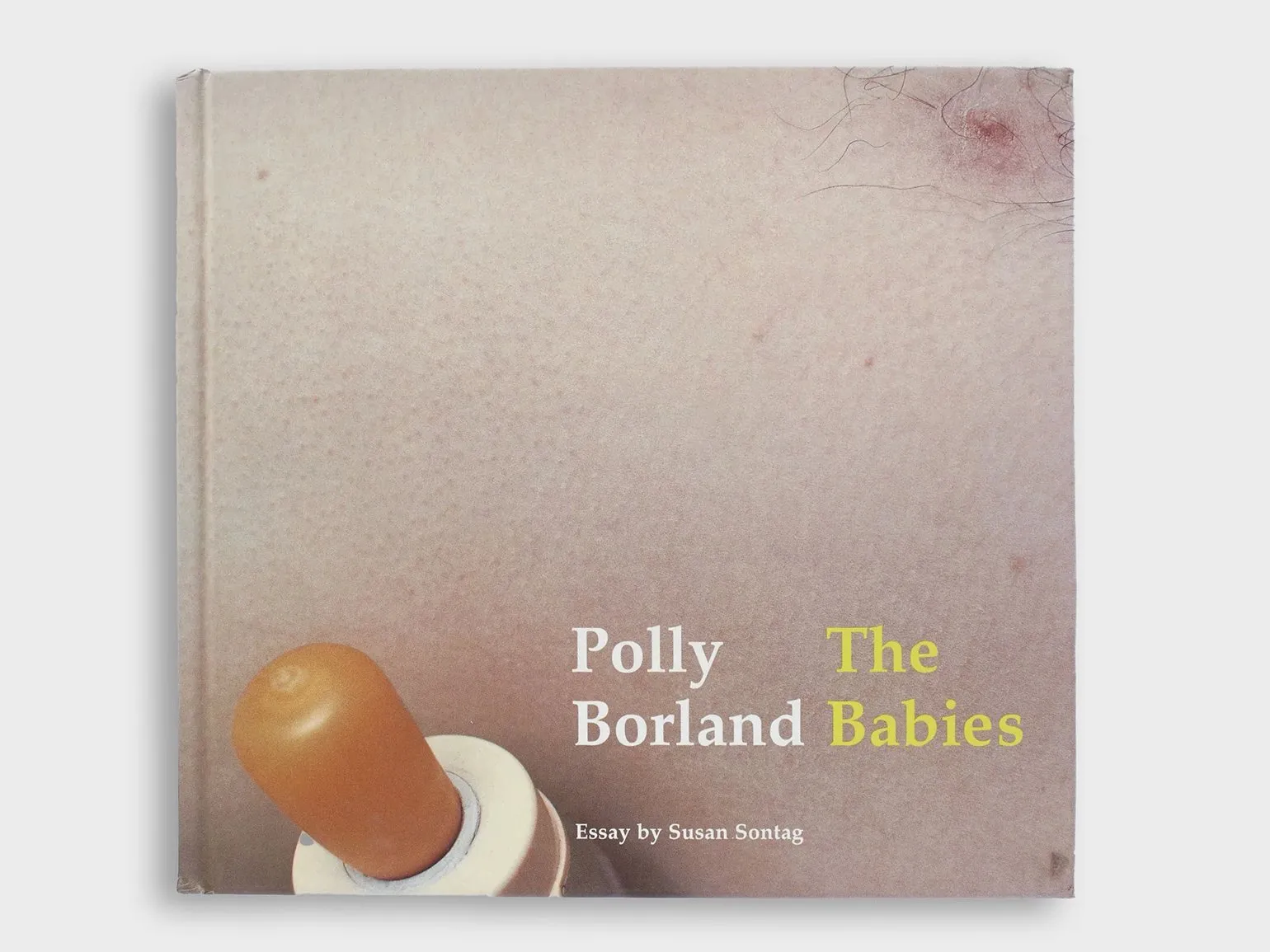
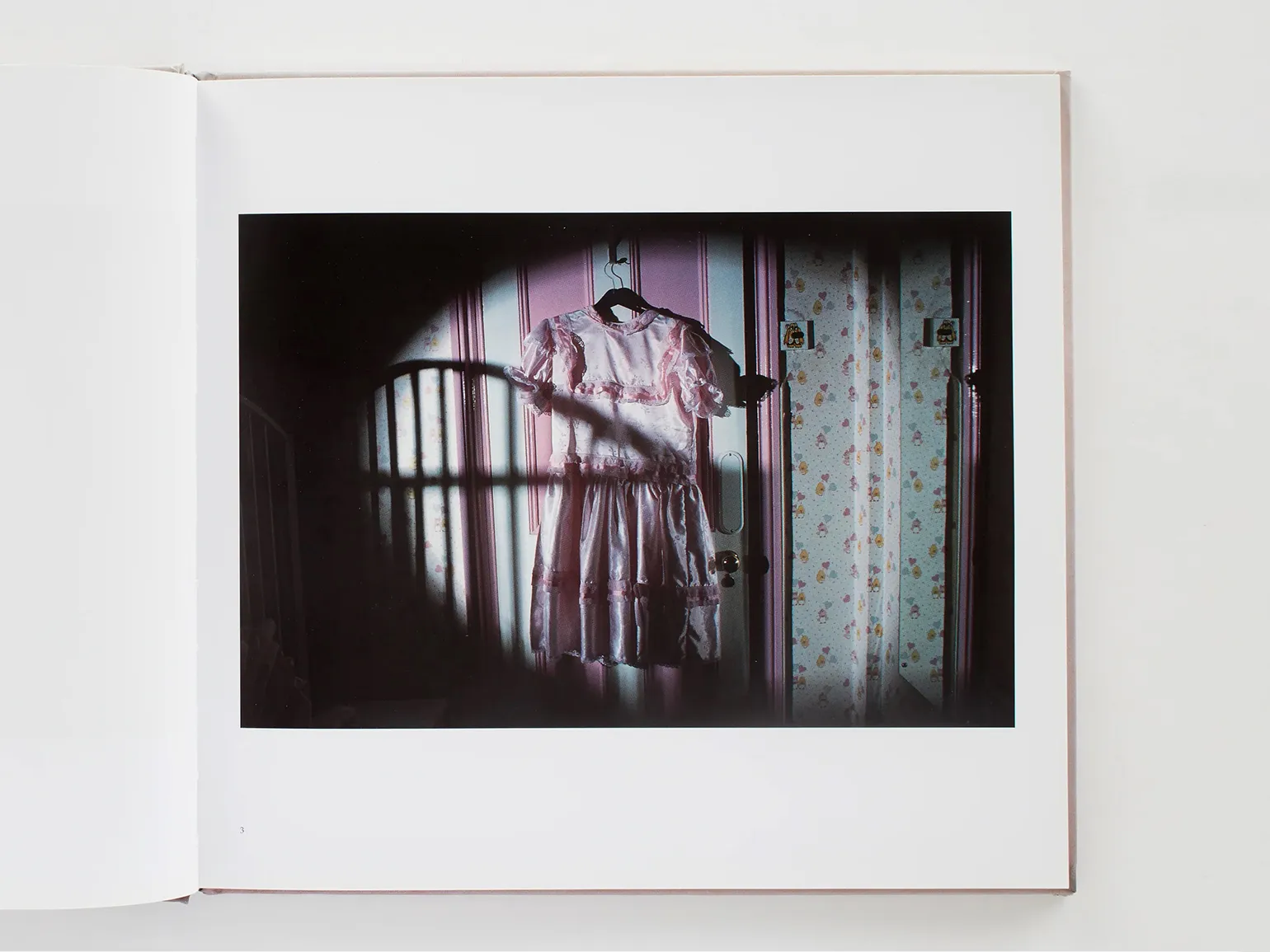
Something's not right. The images have all the hallmarks of a child. However, the human presence seems excessive and ugly—reminiscent of Brobdingnagian.
We expect to see children, but instead we see grown men. The skin of real babies is flawless, while these men's is rough, acne-ridden, hairy, and sometimes tattooed. Their bodies range from flabby to frail. Polly Borland's lens carefully examines their images.
Close-ups accentuate imperfections. When compared to the ideal appearance of a newborn, the appearance of an adult is perceived as less attractive.
Arriving in a country inhabited by giant-like creatures over twenty meters tall, Gulliver notices that when looking at the world on a larger scale, it is difficult not to notice its imperfections. He recalls his homeland, where, as a giant, he believed that among the small people, no one had such a beautiful complexion as the one nature endowed them with. However, his new, significantly smaller friends found Gulliver unbearably ugly. This situation highlights the relativity of the perception of beauty and aesthetics, revealing interesting aspects of the interaction between different cultures and physical forms.
During a conversation with a learned Lilliputian, a close friend of mine, he shared his opinion of my appearance. He remarked that from a distance, my face seemed more pleasing to him than at close range. Frankly, he admitted that the first time I picked him up and held him to my face, he was struck by my appearance. He pointed out the noticeable pores on my skin, as well as the unpleasant combination of colors it had. He also remarked that the hair on my beard looked ten times thicker than a boar's bristles. However, I will note that I do not consider myself less attractive than most of my compatriots, and despite extensive travel, my tan turned out to be rather insignificant.
Gulliver's Travels is a famous novel by Jonathan Swift, which was translated under the editorship of A. Frankovsky. This work tells the incredible adventures of Gulliver, who travels to various countries inhabited by amazing and unusual creatures. Each of Gulliver's travels reveals aspects of human nature and social order, which makes the novel relevant even today. Swift masterfully blends elements of satire and adventure, creating a unique literary masterpiece that has captivated readers for centuries. This text is a significant contribution to English literature and continues to inspire new generations.
In the second part of Gulliver's Travels, the protagonist finds himself among the inhabitants of Brobdingnag, where he himself is a Lilliputian. He is drawn to the gigantic bodies and faces of these giant-like creatures, who seem as repulsive to him as he himself appeared to the inhabitants of Lilliput. Despite his shock at the Brobdingnagians' appearance, Gulliver, possessing a developed cultural relativism, convinces himself that Brobdingnagians are certainly as beautiful as people in other parts of the world. This realization underscores the importance of perceiving and evaluating appearance through the prism of cultural differences, which is one of the central themes of the book.
The world, according to Jonathan Swift, as interpreted by Polly Borland, is full of oddities that cause discomfort. These oddities highlight the paradoxes of human nature and social contradictions, creating a feeling of unease. Exploring these themes provides a deeper understanding of the complexity of our existence and interaction with the surrounding reality.
To a baby, every adult looks rough and unattractive. Even the most perfect skin cannot resist the watchful eye of a camera.
Beauty and charm, as well as ugliness, are largely dependent on scale and distance. These factors play a key role in the perception of an image, and photographers must consider them when creating their work. The correct use of scale and distance can significantly change the impression of a photograph, highlighting its aesthetic qualities or, conversely, revealing flaws. Understanding these principles allows photographers to better convey their intended message and create more expressive compositions.
Proximity plays a key role in the perception and meaning of photographs. This characteristic allows the viewer to more deeply experience the emotions and atmosphere captured in the image. The closer the subject is to the camera, the more vivid the details and nuances are revealed, which contributes to a closer connection between the image and the viewer. It is important to understand that it is this very closeness that can make a photograph more memorable and emotionally evoking, which in turn increases its value and appeal.
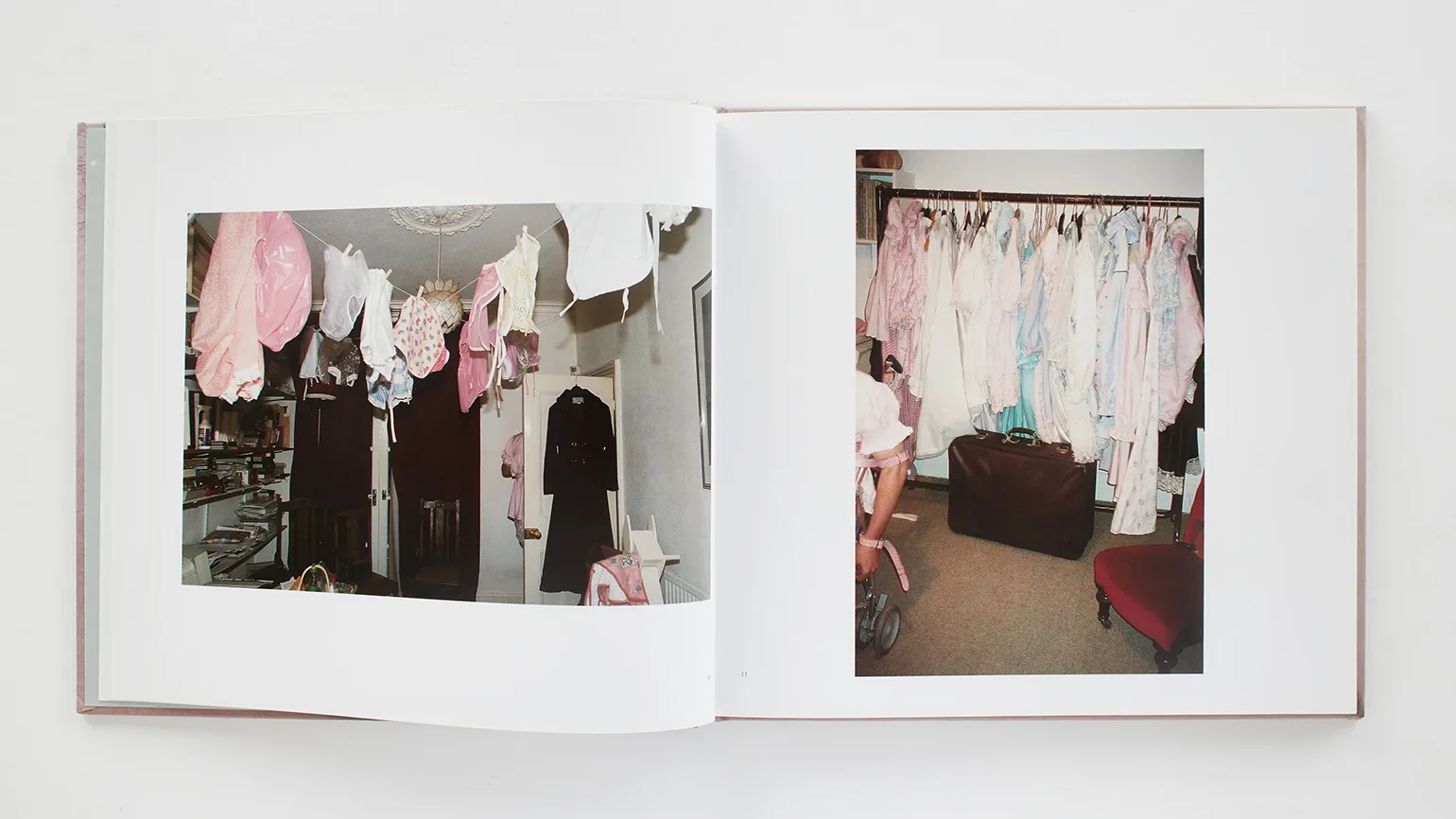
Most of the photographs are taken in standard, modestly furnished interiors. One can assume that Borland's models are in these inconspicuous, wallpapered and probably small rooms, which are not shown to us in full. At times, they are resting, which is quite natural for babies who need a lot of sleep. At the same time, some shots capture active moments. We can also witness a noisy baby shower, where children spend the night with friends. These images create an atmosphere of closeness and joy, emphasizing the importance of social interactions at an early age.
The photographer explores an intimate space where the hidden life of the individual is revealed. This is a personal space in which ordinary activities take place, but crying, drooling, eating, sleeping, bathing and masturbation take the form of unusual rituals. All this takes place with the participation of adult men who behave and dress like small children. In this context, everyday actions become symbols of inner struggle and lost innocence, creating a unique visual and emotional experience.
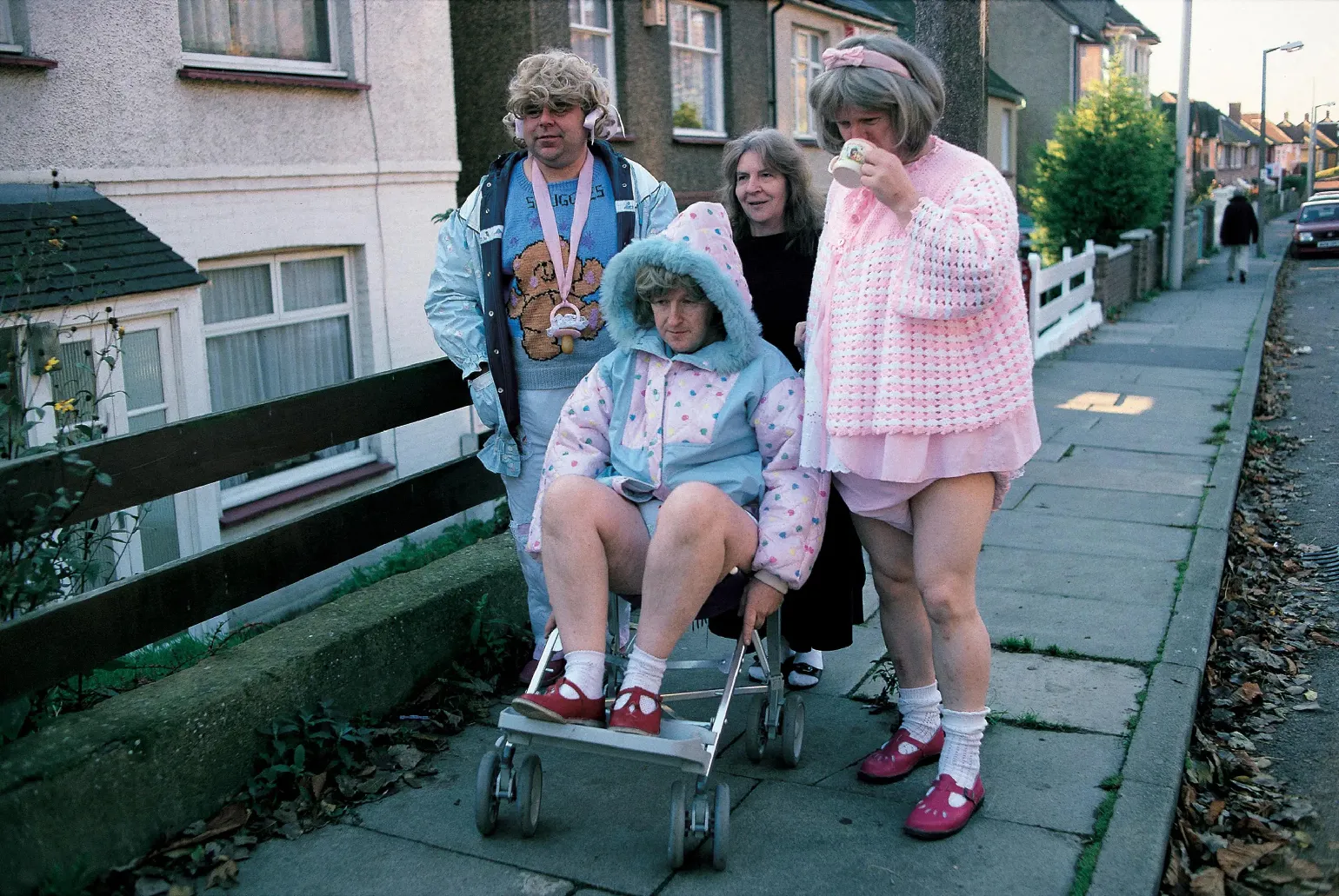
One of the album's final pages features a photograph of three children captured on a suburban street. The setting raises questions: is this Australia or England? Surprisingly, one of Borland's subjects took the bold step of revealing himself as a passerby. This courage and openness create a unique atmosphere, emphasizing the individuality of each of the children and their confidence in front of the camera lens.
The progression of photographs represents a unique approach to perception, where the emphasis is on body parts, oddly shaped and cropped within the frame. The refusal to show faces in the first part of the work creates an atmosphere of mystery and intrigue. Numerous shots taken from above emphasize the sense of superiority that we, the viewers of Borland's images, are initially supposed to feel towards these enigmatic characters. This style arouses interest and encourages reflection on hidden aspects of human nature and self-expression.
We watch them, but they pay no attention to us. It is rare to see how these children look at the world; their gaze is often absentminded or, conversely, filled with deep concentration.
The book concludes with a striking photographic portrait of one of the "little ones," who now appears before the reader in his familiar adult guise. His image evokes sympathy, and his gaze directed at the lens creates a sense of direct contact with us. This is the moment when he returns our gaze, and, finally, a connection is established between the past and the present.
The camera has long conveyed stories of people with unusual behavior, suffering, and unusual habits. It allows us to see everyday manifestations of the abnormal. Thus, we become witnesses and even participants in this observation, turning into voyeurs who observe other people's lives and emotions. This opens discussions about the boundaries of normality and how society perceives the extraordinary.
This collection of works demonstrates the artist's unique talent. Borland's photographs are distinguished by a high level of competence and deep empathy, which removes distance and creates a feeling of intimacy with his subjects. This isn't just curiosity, but genuine interest. Unlike Diane Arbus's work, which is characterized by a piercing and guileless gaze, Borland conveys a different atmosphere. Arbus might have been interested in the models themselves, but her style would have been completely different.

The active colonization of new and risky subjects is a key tradition in the world of photography. This practice allows photographers to explore uncharted territories and reveal unique aspects of reality. The importance of such exploration lies not only in the creation of visually appealing images, but also in the opportunity to ask important questions about culture, society, and the environment. Colonizing subjects that teeter on the edge fosters artistic expression and expands the viewer's horizons of perception.
This book is a shining example of behavior that deserves our attention and interest. The photographs capture a simple yet profound truth about human nature that may seem obvious, but has never been presented so directly and poignantly. The works in this book appeal to our sense of self-identity and encourage us to recognize that we, too, are capable of experiencing similar emotions. It's surprising, especially when we see how some people boldly bring their fantasies to life without fear of judgment. These images make us consider how important moments of candor and self-expression are in a world where pressure to conform often reigns.
Are these photographs shocking?
Some people obviously find them shocking. Probably not the same people who are outraged by Robert Mapplethorpe's sexual photographs. In this case, the shock is caused by scenes from the intimate lives of adult men who appear to have completely rejected their sexuality. These images raise important questions about the perception of sexuality and how society reacts to such frank displays.
From a personal perspective, I find these photographs neither shocking nor disturbing. Cruelty in life can truly strike me far more than sadness.
Shock, which then develops into aggressive disapproval, seems like a senseless reaction to adults demonstrating obvious helplessness. This reaction raises questions about how justified such behavior is and how it affects others. Instead of seeking constructive solutions, adults often become victims of their own emotions, which only exacerbates the situation. It's important to understand that expressing dissatisfaction and aggression is not helpful or problem-solving, but rather creates additional barriers to communication.
In most photographs, the models are sitting, lying, or crawling. Most often they are captured on beds or on the floor, while full-length shots are much less common.
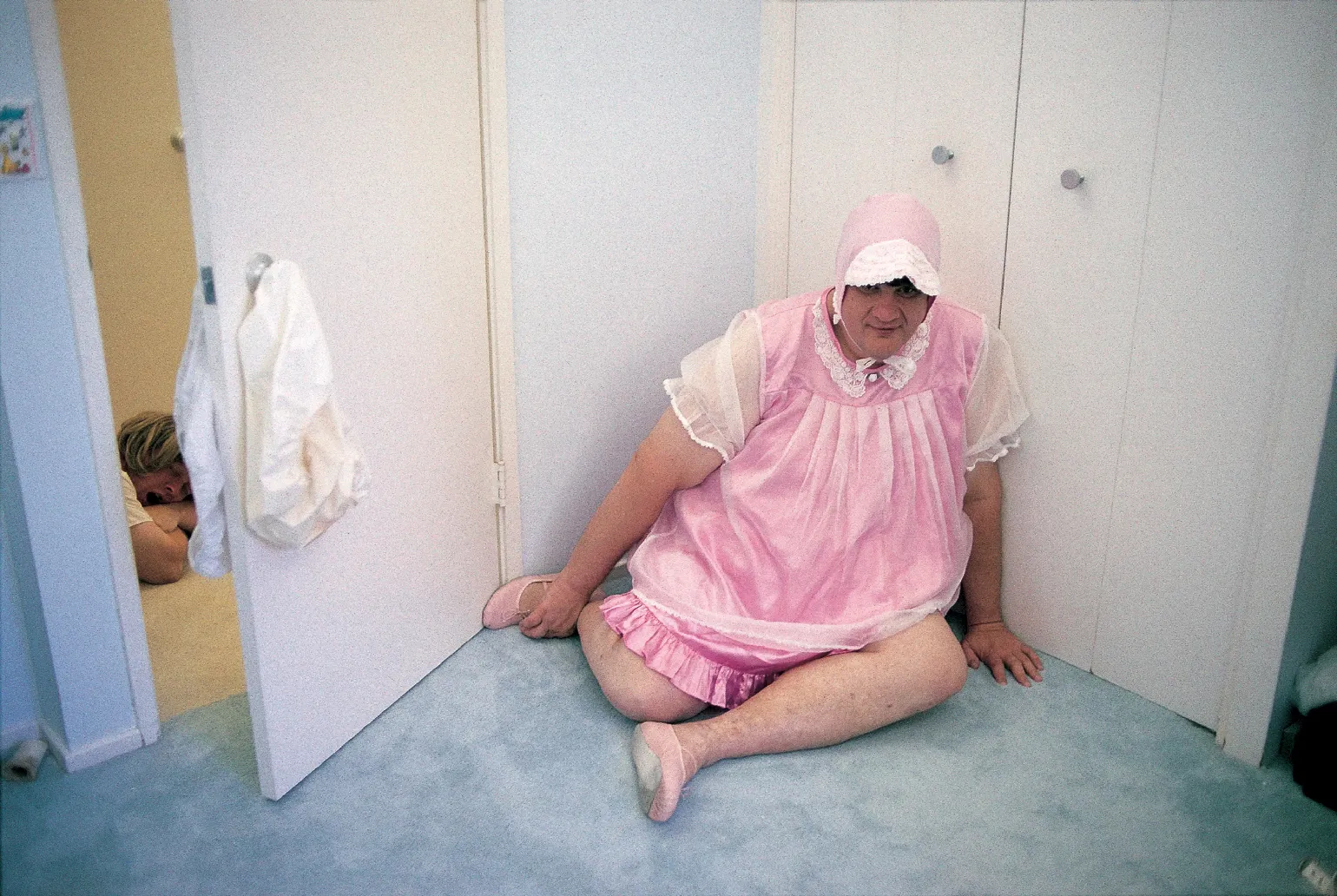
Many strive appear less noticeable, but this is impossible. As a result, they appear self-conscious.
Photography used in anthropology and ethnography often differs from artistic photography. In such cases, the models depicted in the photographs are unaware of how they appear to the photographer. This leads to the creation of images that may not reflect their true self-perception. It is important to understand that the context of the shoot and the photographer's goals play a key role in the interpretation of such images.
These photographs demonstrate that some of Borland's models not only strive for a certain image, but also experience a desire to be noticed. This characteristic can be unsettling for viewers, as it highlights their desire for attention and recognition.
Sexual games, often perceived as deviant, are a form of theater that requires costumes and props. These games create a unique world filled with sexual fantasies, allowing adults to explore their desires and boundaries. Even if many participants, being "childhood purists," are not sexually active, they still find satisfaction in creating and participating in such role-playing games. Sexual games become a means of self-expression and exploring intimacy, allowing people to deepen their experiences and enrich their sex lives.
In these dark rooms, a unique theater unfolds, where every detail becomes part of the play. Here, among the gray walls and dim lighting, unique scenes emerge, reflecting complex emotions and inner experiences. This space becomes an arena for dramatic events, where every moment is imbued with meaning and atmosphere.
There is no pretense here.
In Borland's photo project, photography is an authentic capture of reality, without any camera manipulation or image processing. An unspoken agreement operates: the models reflect their authentic lives, without creating artificial situations for the photographer. Borland spent significant time with these subjects, earning their trust and establishing friendships, which allowed her to capture candid moments in their lives. This makes the pictures not just photographs, but true chronicles of human emotions and interactions.
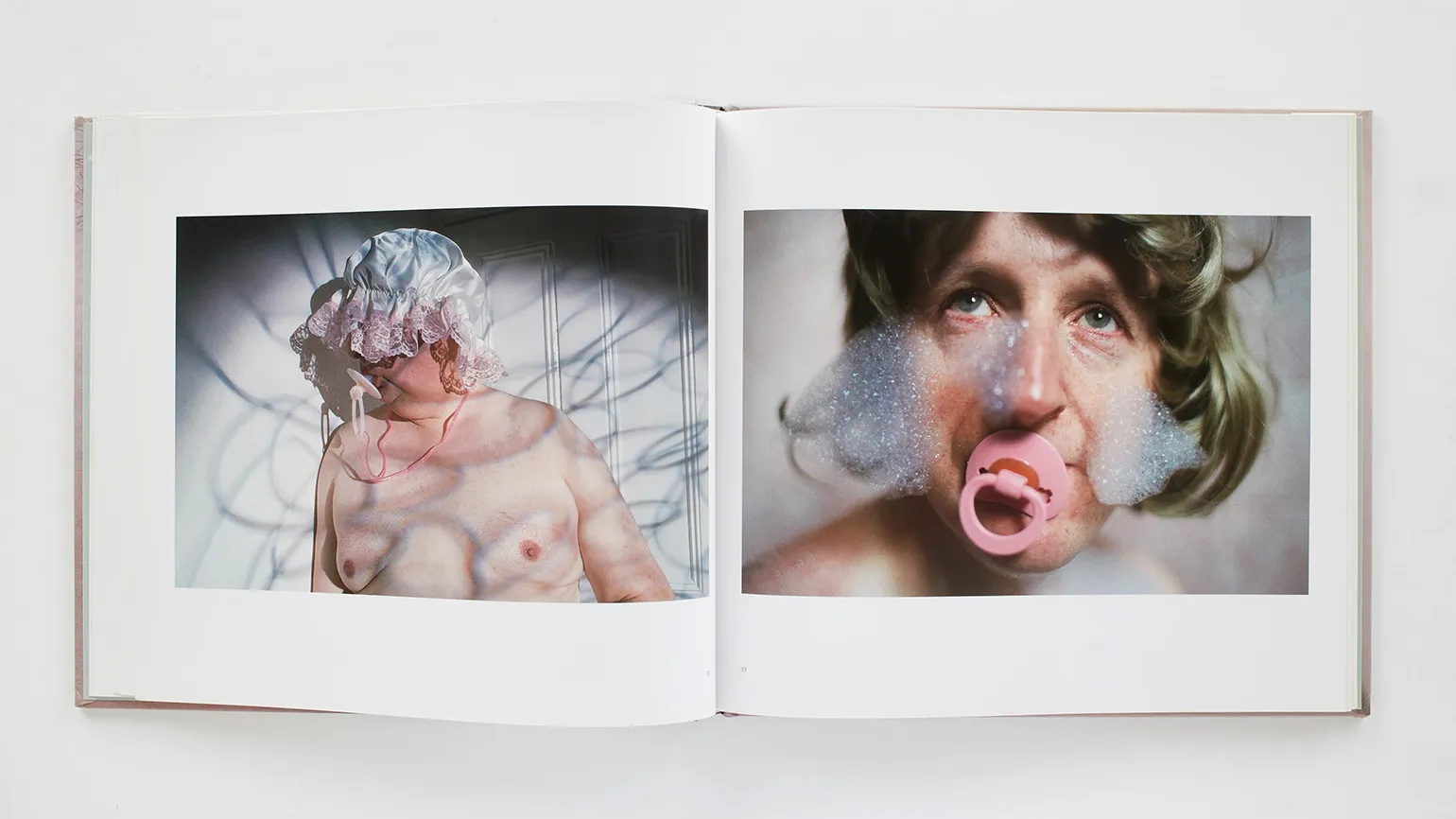
Imagine our reaction if we learned that these men were merely actors, and the photographs were taken in one day in one house, and not in different countries over several years, as actually happened. This discovery would force us to rethink our perception of images, as many of them create the illusion of long journeys and profound stories. It is important to understand how context influences the interpretation of visual content and how easily the perception of reality can be manipulated.
The impact of images is directly related to the level of trust in the photographer. Each photograph is created with reality in mind and is not based on fiction or a desire for spectacularity. This makes the photographs more authentic and allows viewers to better perceive the emotions and ideas conveyed. The photographer's credibility plays a key role in the impact an image can have on an audience.
The frame reveals something astonishing.
Is there any truth to the assertion that "children" look ugly, like the characters in Roger Ballen's 1994 film Platteland? This question raises important issues of perception and stereotypes. Images created in art often evoke strong emotions and can influence public opinion. The exploration of visual perception and its influence on ideas of beauty and normality is becoming a topic of discussion. How does art reflect, and at the same time shape, our understanding of ugliness and beauty?
Ballen's album of photographic portraits of white degenerates in rural South Africa demonstrates the unattractiveness of the models and their surroundings, which carries deep moral and political subtext. Ugliness here serves as evidence of a terrible impoverishment, both spiritual and material. In contrast, in Borland's album, the message about the unattractiveness of "centerfolds" is more complex. This may be due to the issue of scale—the difference between the idealized image of innocence and the actual, large bodies of adults. However, it can also be suggested that it is precisely these adults, possessing such an appearance, who are capable of experiencing the desire to create something similar.
The boundaries of attractiveness and unattractiveness become more obvious through photographs than through any other visual medium. Contemporary society may have lost the ability to perceive the attractiveness of bodies and faces outside the complacent gaze of the camera. The camera has the power to zoom in and out, and it also shapes our perception of the world around us. Exploring the visual world Borland reveals, we are faced with the question: are we in Lilliput or Brobdingnag? Her outstanding work helps us realize that, by perceiving the world through photography, a person simultaneously exists in both realities.
Profession Photographer
You will learn to take professional photos from scratch. You will learn how to organize shoots, process frames, manage models and a team. Find your style, build an impressive portfolio, and start making money doing what you love.
Find out more