Contents:
"Save the shadow until the matter decays "decayed"
Photographing the dead became an integral part of Victorian mourning rituals since the introduction of the daguerreotype in 1839. This unique style of photography gained popularity due to its deep symbolism and the desire to preserve the memory of the departed. Photographers who specialized in this genre used the slogan, "Preserve the shadow before the matter decays," which reflected their desire to capture the final moments of life. In the context of the time, such photographs served not only as a means of perpetuating memory, but also as a ritual, helping the grieving cope with loss.
Today, the practice of post-mortem photography may evoke fear, but in the past, such images were perceived as sentimental mementos of the deceased. Attitudes toward death were different in those days. The Victorian era was filled with tragedies: epidemics of diphtheria, typhus, and cholera claimed entire families, and infant mortality reached catastrophic proportions. This is why a significant portion of the postmortem photographic legacy is dedicated to children. These images served as reminders of a short but vibrant life, and also reflected the deep grief and loss experienced by families.
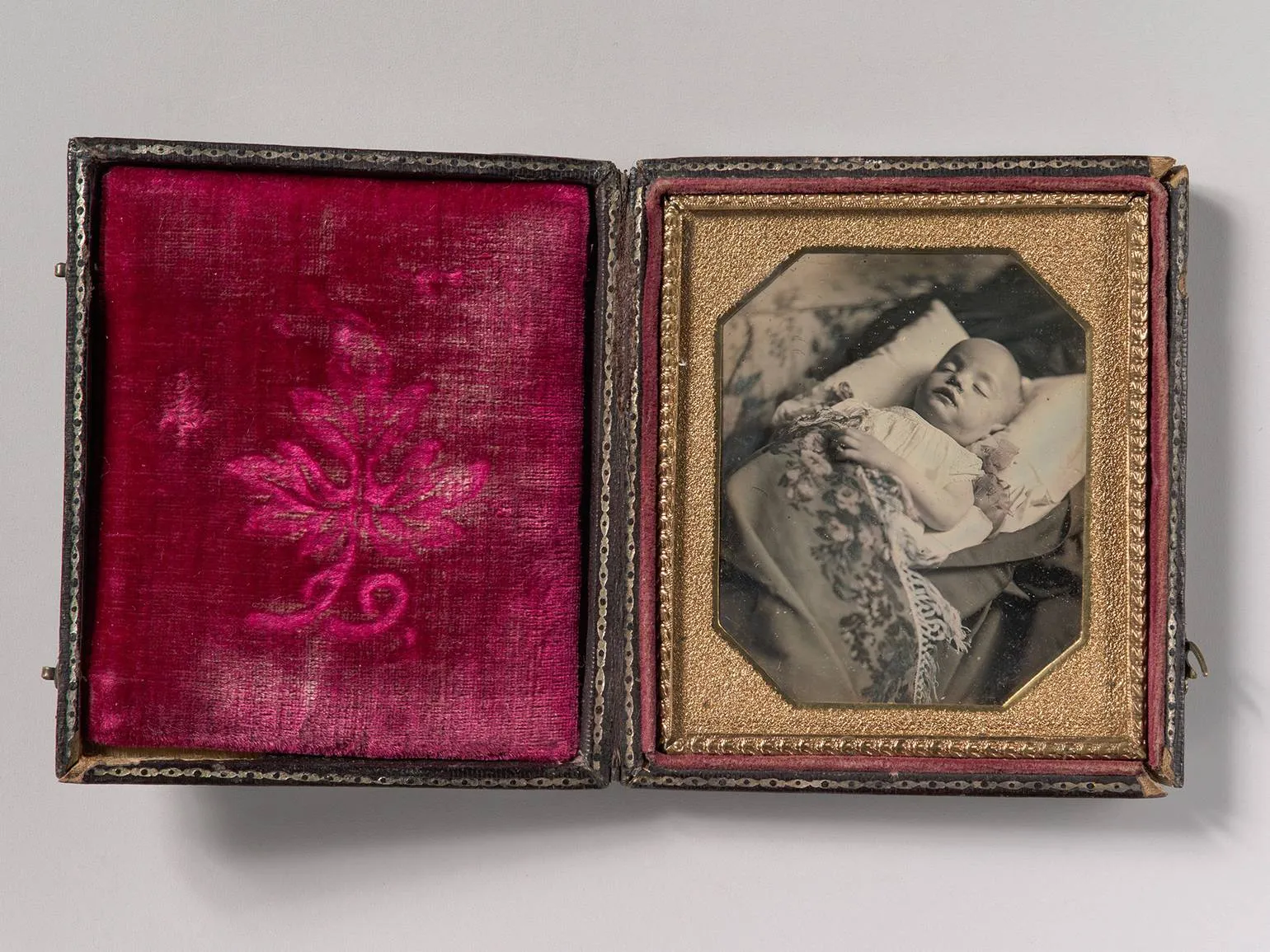
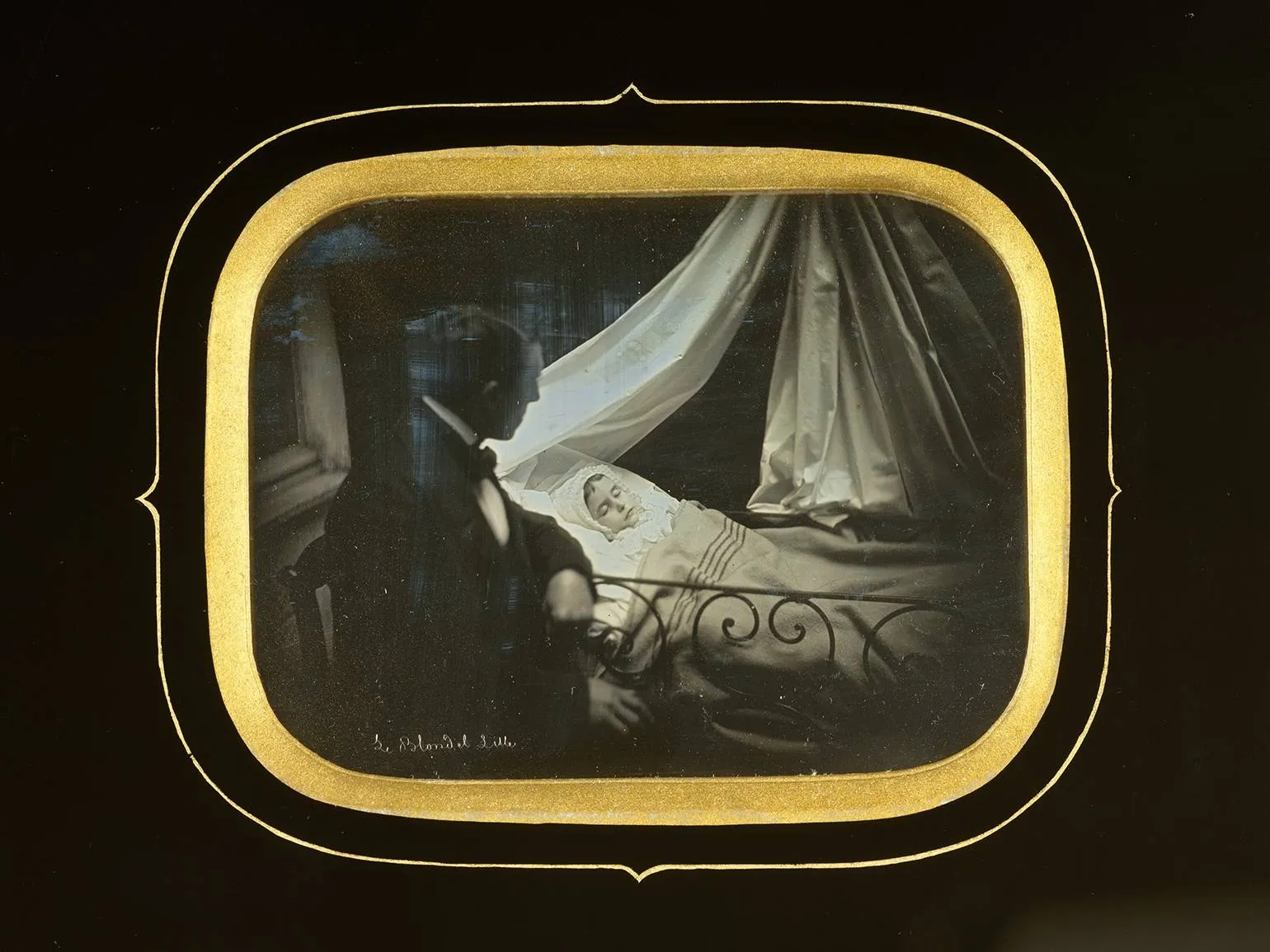
The term "postmortem" has its roots in the tradition of painted miniatures, popular from the 18th century to the first half of the 19th century. During this period, small portraits of loved ones were built into jewelry and worn. After a person's death, such a portrait became an important artifact symbolizing the culture of remembrance and grief. These miniatures not only preserved the image of the deceased, but also served as a way to maintain an emotional connection with him. In the modern context, postmortem continues to be associated with memory and respect for the departed, emphasizing the importance of preserving the memories of loved ones.
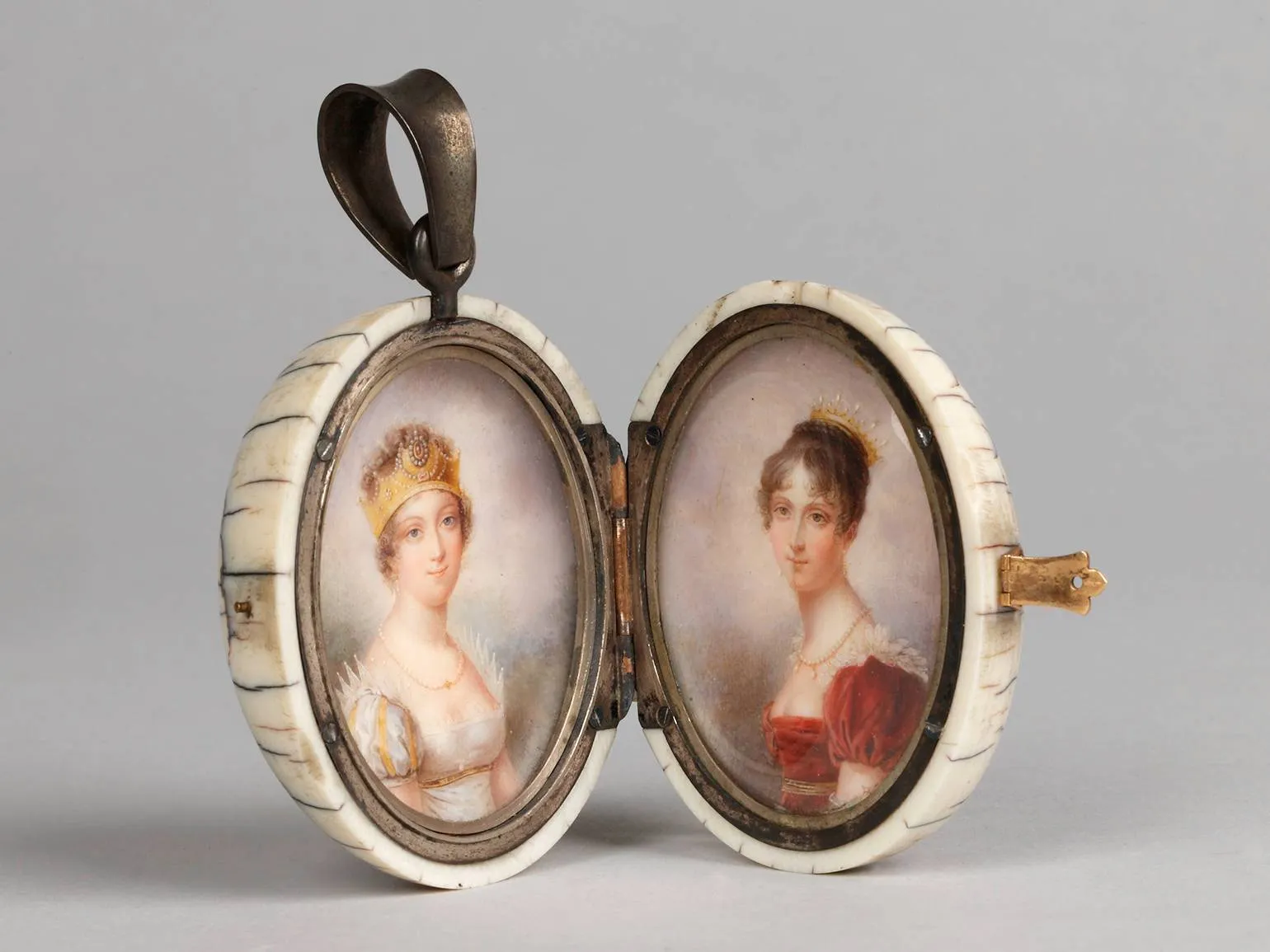
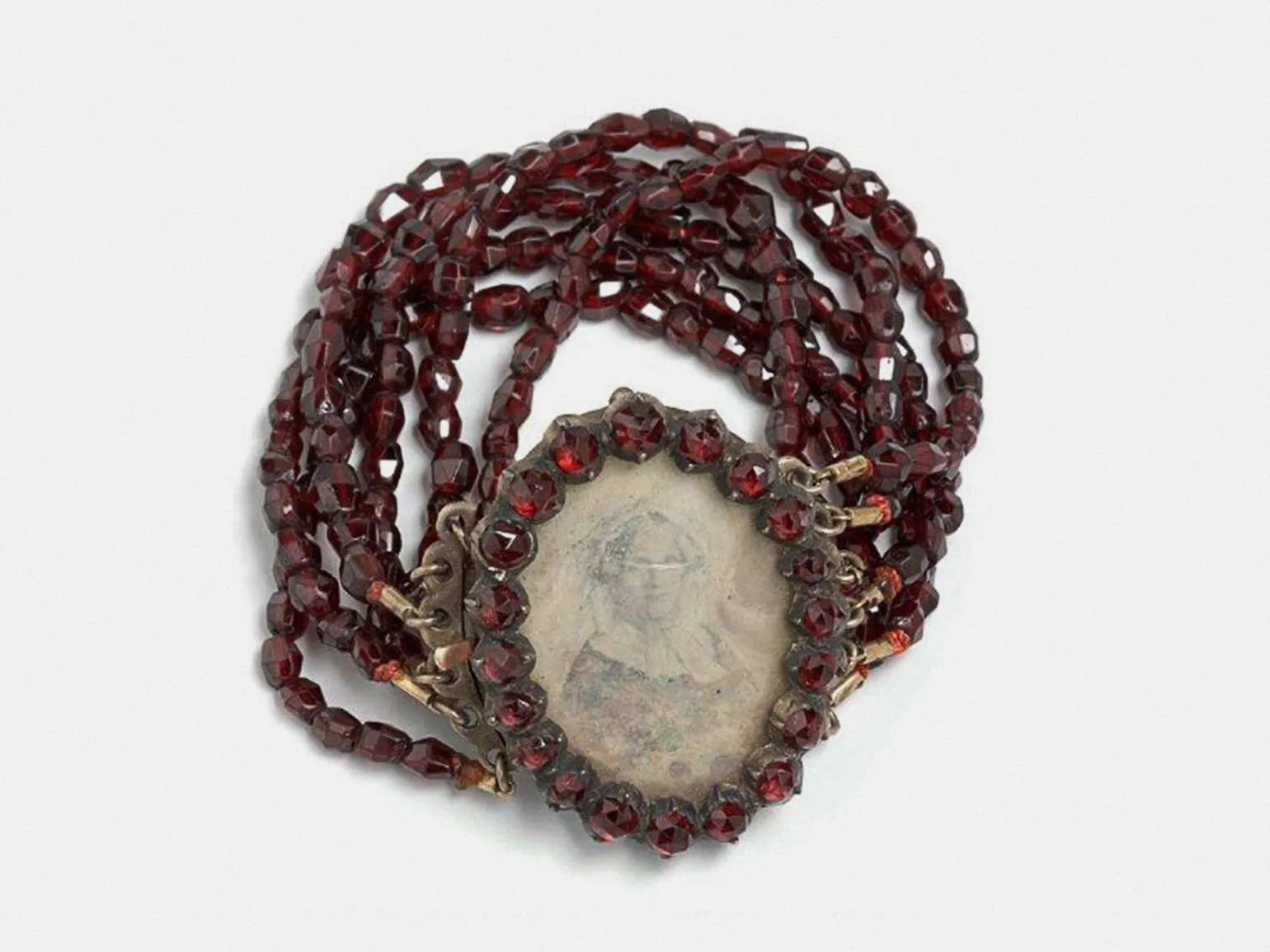
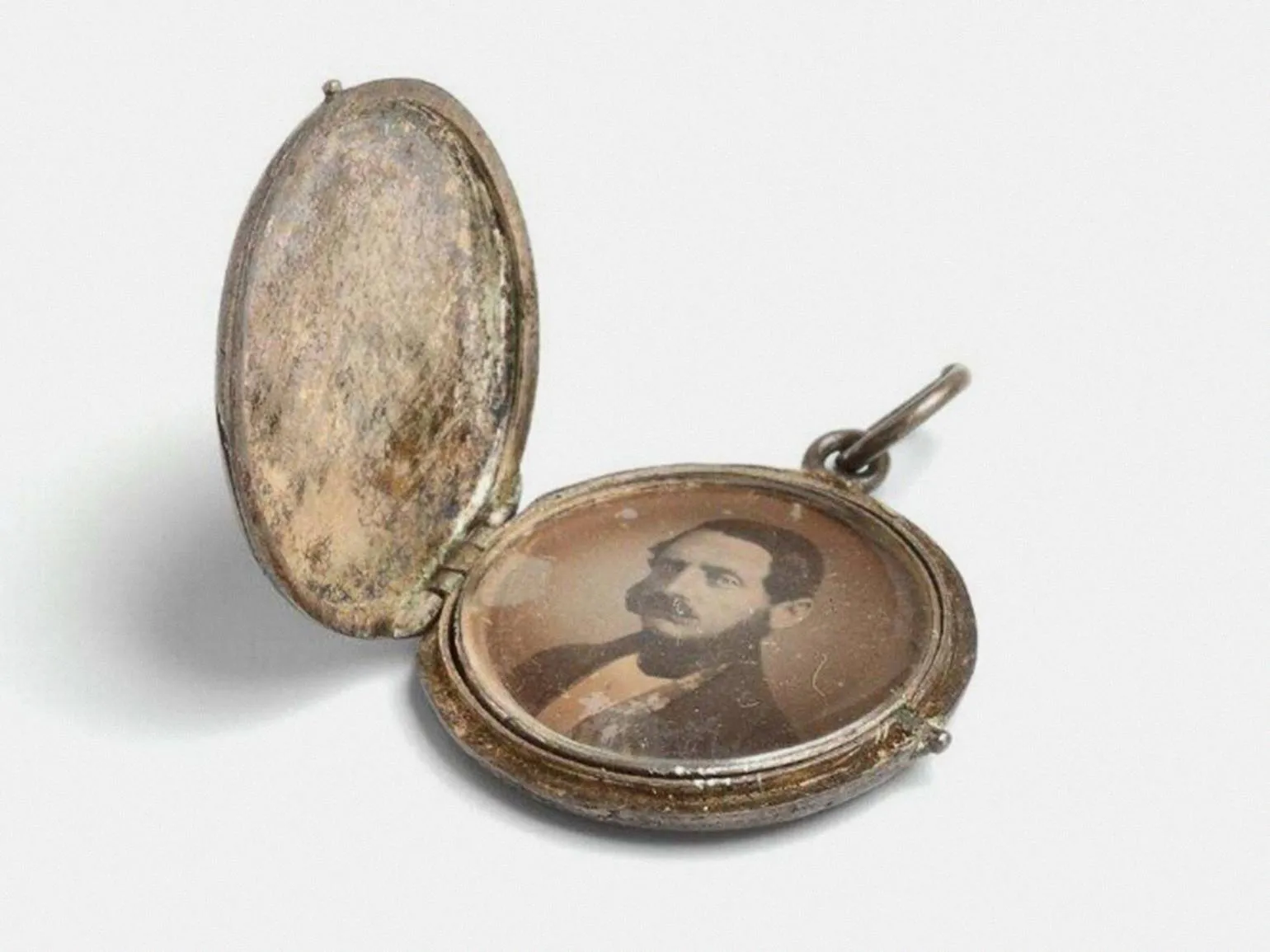
Photography displaced painting, possessing a unique realism that was inaccessible to traditional methods. This method of preserving memory had not only artistic value, but also economic advantages: daguerreotypes were significantly cheaper than painted portraits, while remaining aesthetically attractive. Photographic images were often hand-colored, stylishly framed, or placed in special boxes, giving them added value. Thus, a photograph became more than just an image, but a treasured object that held memories and significance for its owners.
Many people, especially children, did not have time to take photographs during their lifetime. Often, postmortem photographs became the only way to capture loved ones and preserve their memory from oblivion. These photographs played an important role in family history, allowing descendants to remember and honor the departed.
Death Becomes Them
Daguerreotype, which became the basis for the postmortem phenomenon, is fundamentally different from modern photography methods. Images created using daguerreotype resemble reflections in a mirror, which gave them the metaphorical name "mirrors with memory." These early photographs served not only as documents but also as important cultural artifacts, reflecting people's understanding of life and death in the 19th century.
The shooting method was so labor-intensive that it resembled torture. Exposure times of up to half an hour required the sitter to remain absolutely still, often in the blazing sun to ensure adequate lighting. Props and head restraints were used, but this did not protect the sitter from fainting, heatstroke, and poorly executed shots. Under such conditions, a dead sitter became an ideal subject. They easily endured half-hour posing sessions without breathing or blinking. In early postmortem photographs, the dead person often looked better than the living one, which emphasized the skill of the artist and the specificity of this genre.
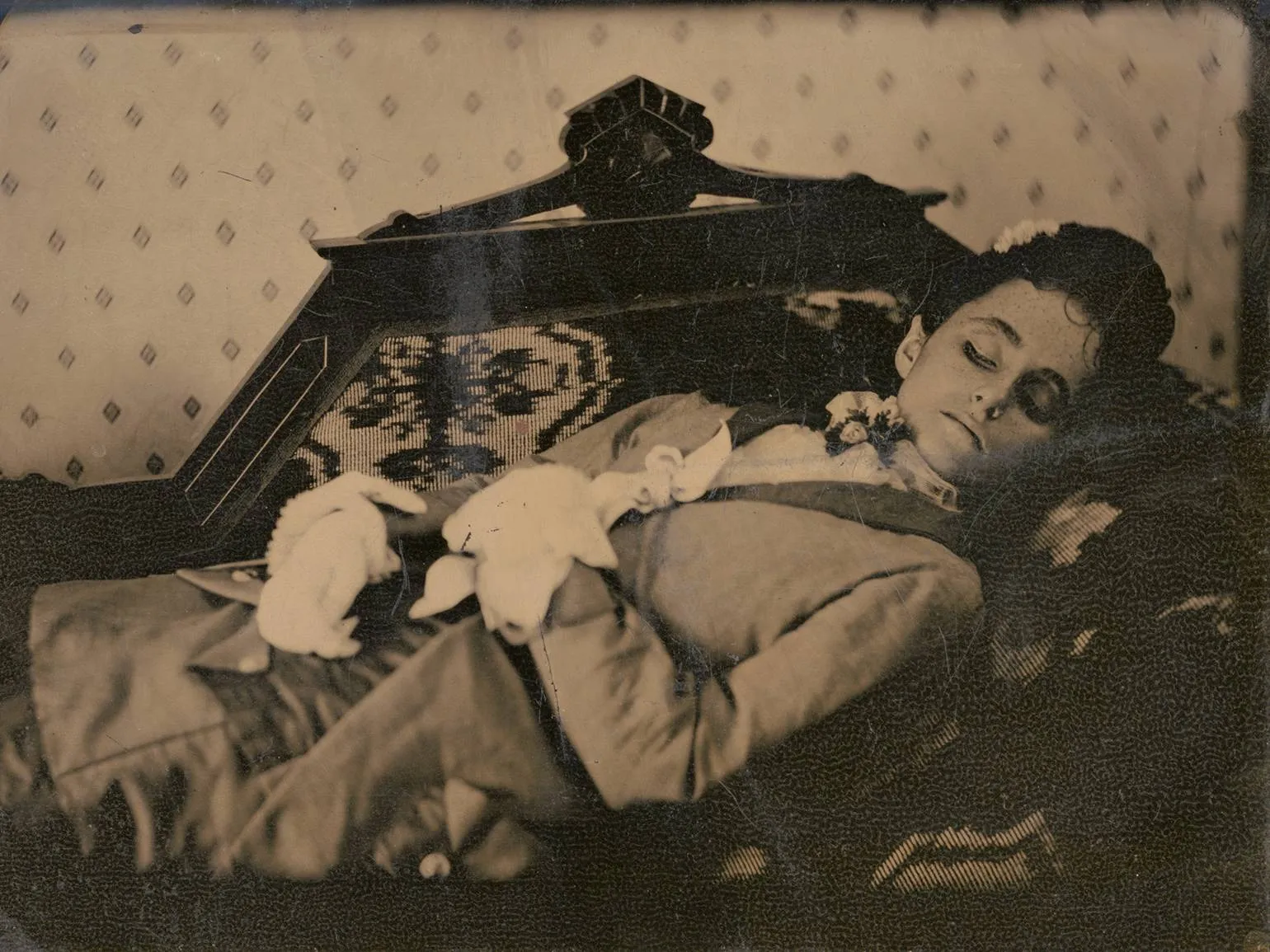
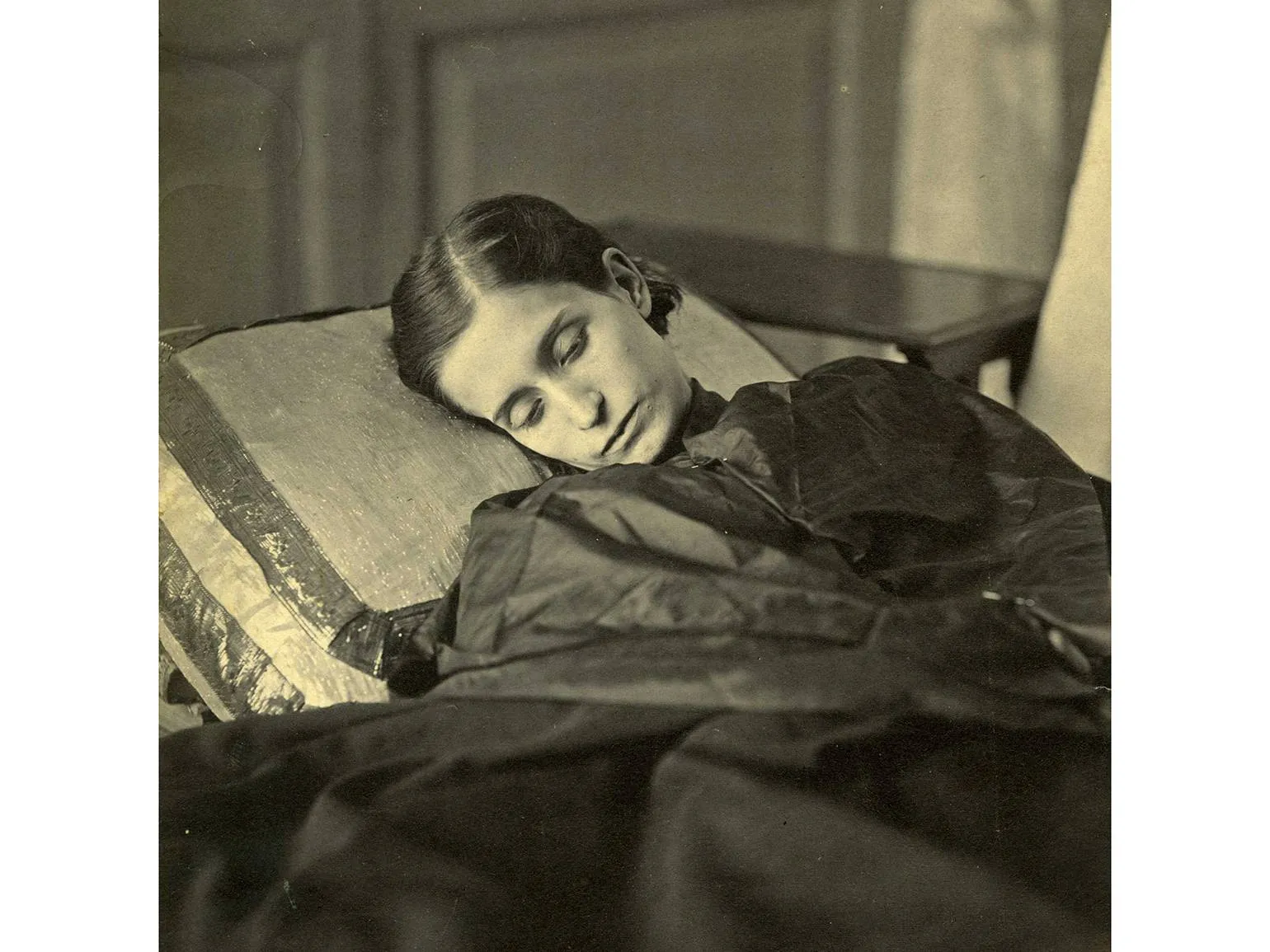
Before photographing the deceased models, they were carefully prepared. They were dressed in street clothes, their faces were toned, blush was applied, and their lips were touched up. It is believed that some models even had their eyes drawn on and their eyelids cut out, with a special solution being dropped into their eyes. Professionals were eager to share their secrets. For example, photographer Charlie E. Orr recommended using a teaspoon handle to "open the eyes of a dead person." This simple technique became well-known among experts.
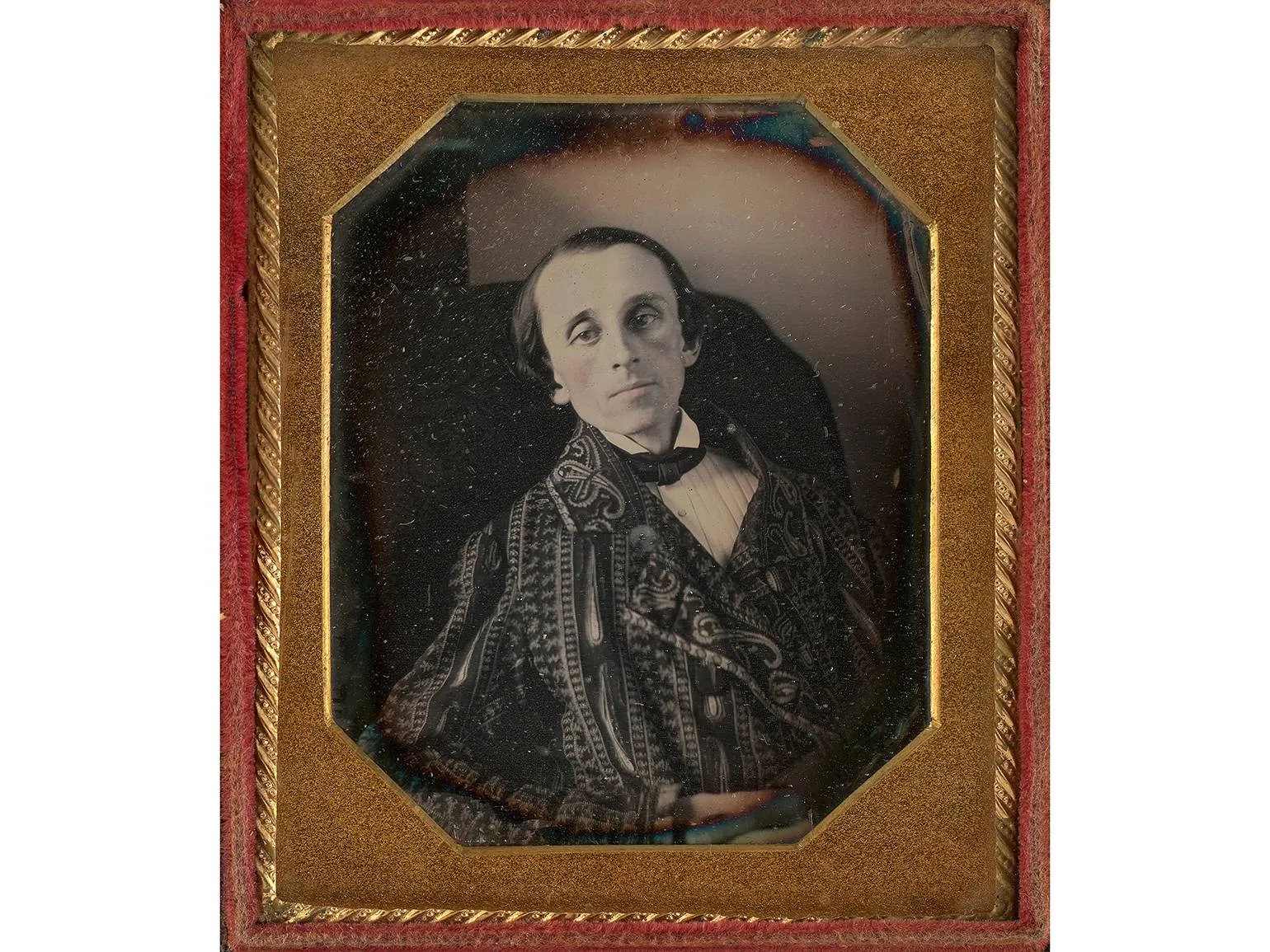
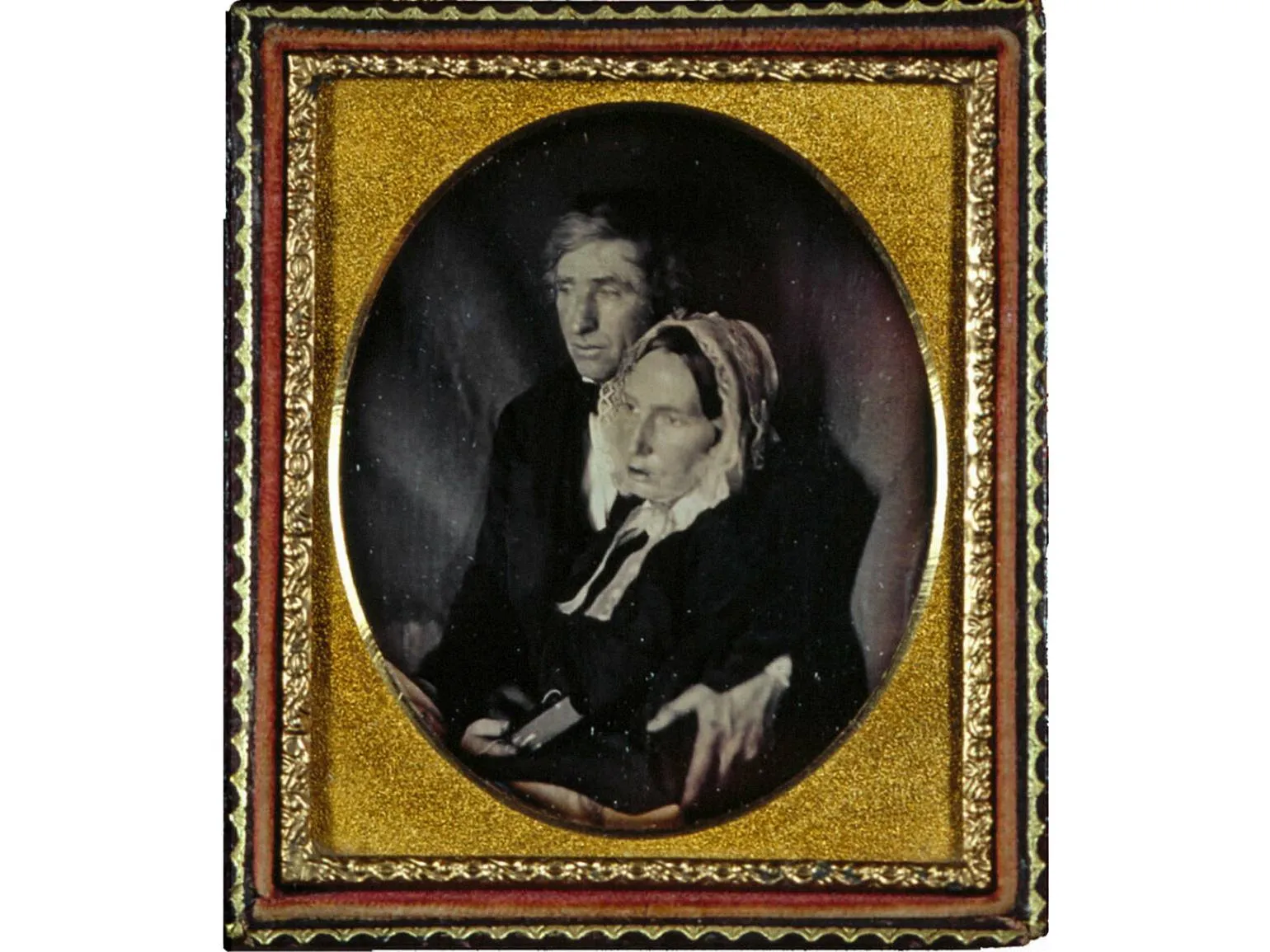
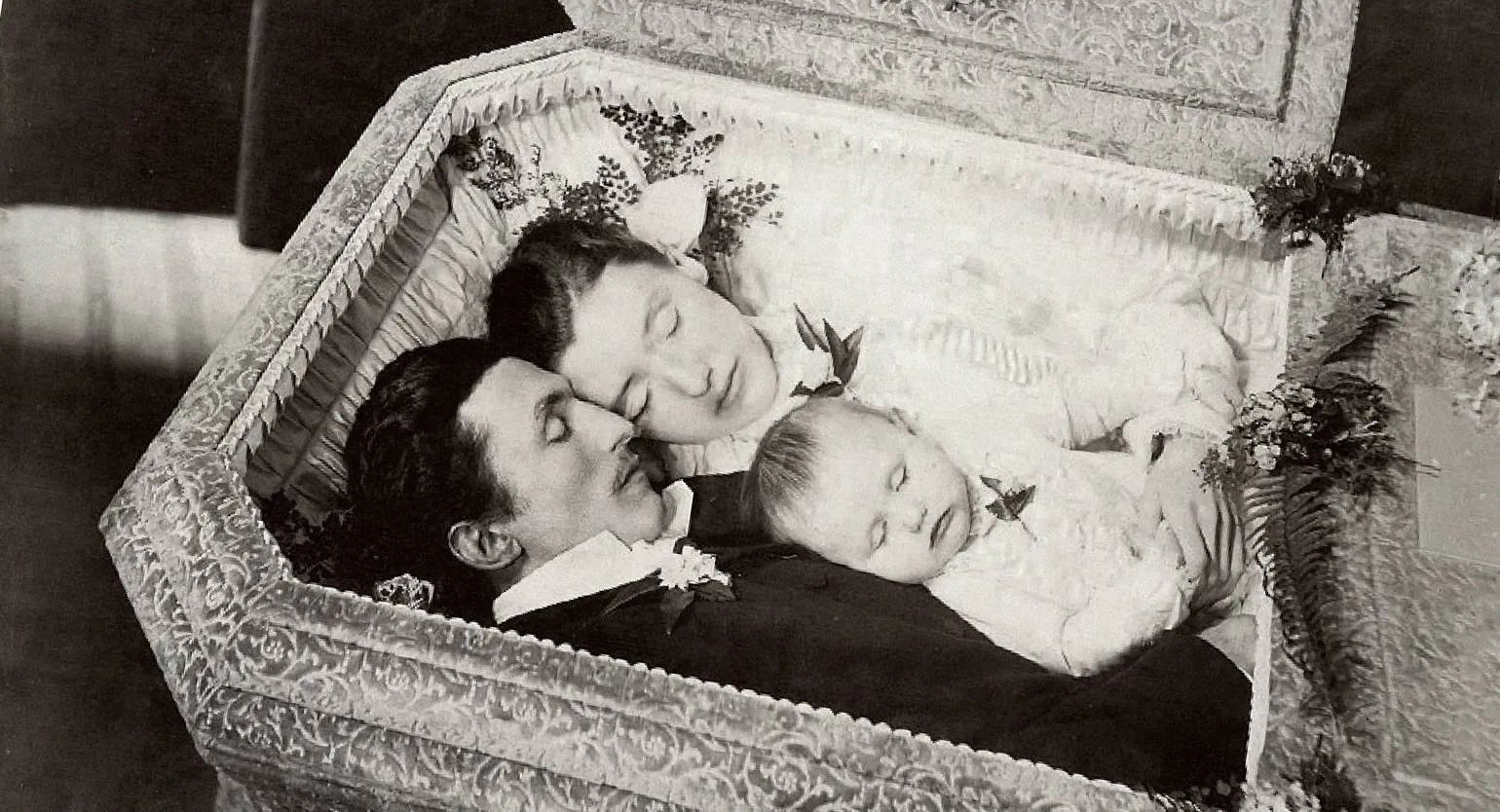
Compositions depicting dead children were often created with the aim of conveying a feeling of restful sleep. The child was placed in a stroller, surrounded by favorite toys and personal belongings, which created the illusion of safety and comfort. With the development of technology in the field of postmortem photography, new possibilities for creating compositions have appeared, including group shots with the deceased. Photographs of parents with deceased children have become a common subject, but there are also images of living siblings posing next to the deceased. These images not only serve as a tribute but also reflect the emotional connection and loss within families, making them an important part of the history of photography.
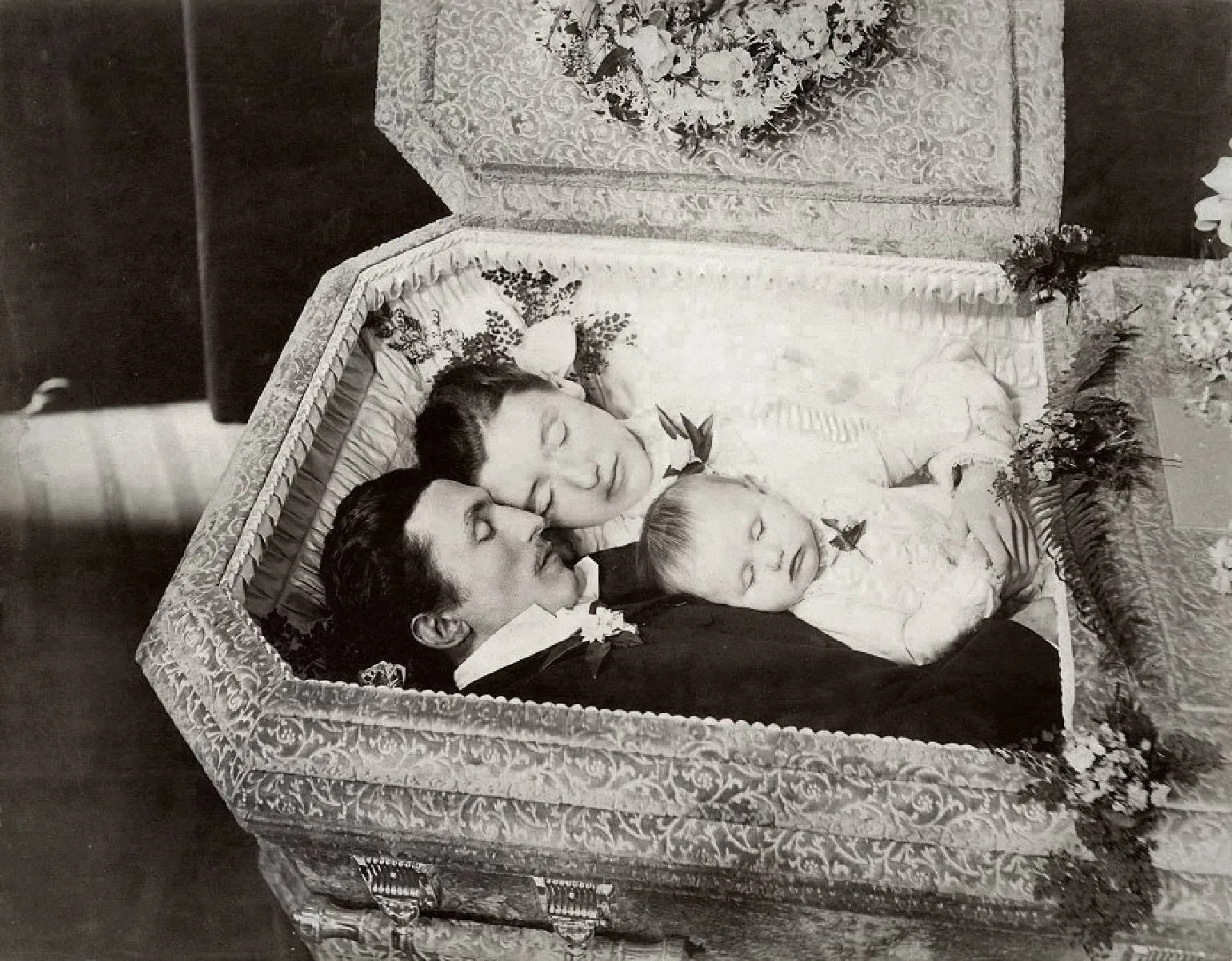
Postmortem family scenes possess a unique expressiveness and theatricality. A husband lovingly supports his deceased wife, a mother tenderly cradles a dead infant, and siblings pose in a picturesque group around the deceased. With the advent of multiple prints from a single negative, such family photographs have become popular gifts for friends and loved ones. These photographs served not only as memorable images, but also as symbols of love and loss, preserving the memory of loved ones.
"Vampire Looks"
Photography of dead bodies was commercially profitable, but it evoked a negative perception. Photographers tried to avoid public mention of post-mortem photography and considered it an extremely unpleasant activity. British photographer George Bradford left behind a vivid statement about his attitude to this topic, stating that his models looked like "ghoul looks" and had nothing in common with pleasant nature. He expressed bewilderment at how relatives could look at such photographs, suggesting that this was only possible with a particular love of the macabre. Thus, postmortem photography remains a controversial art form, evoking a multitude of emotions and questions about moral boundaries.
Public attitudes toward postmortem photography were generally quite calm, but they were not without their share of conflict. One striking example is the story left by photographer James F. Ryder. While working in upstate New York, he encountered a local blacksmith who harshly condemned his work, suspecting him of trying to profit from the grief of the grieving. As a result, the photographer barely escaped the blacksmith's wrath.
However, several years later, the same blacksmith came to Ryder in a state of utter despair and begged him to take his camera and go with him. Sitting in the cart, the blacksmith, crying, told the photographer about the tragedy - his little son had drowned, and the family's only wish was to capture his image. This story highlights the complex and conflicting emotions that postmortem photography evokes, as well as its importance in preserving the memory of deceased loved ones.
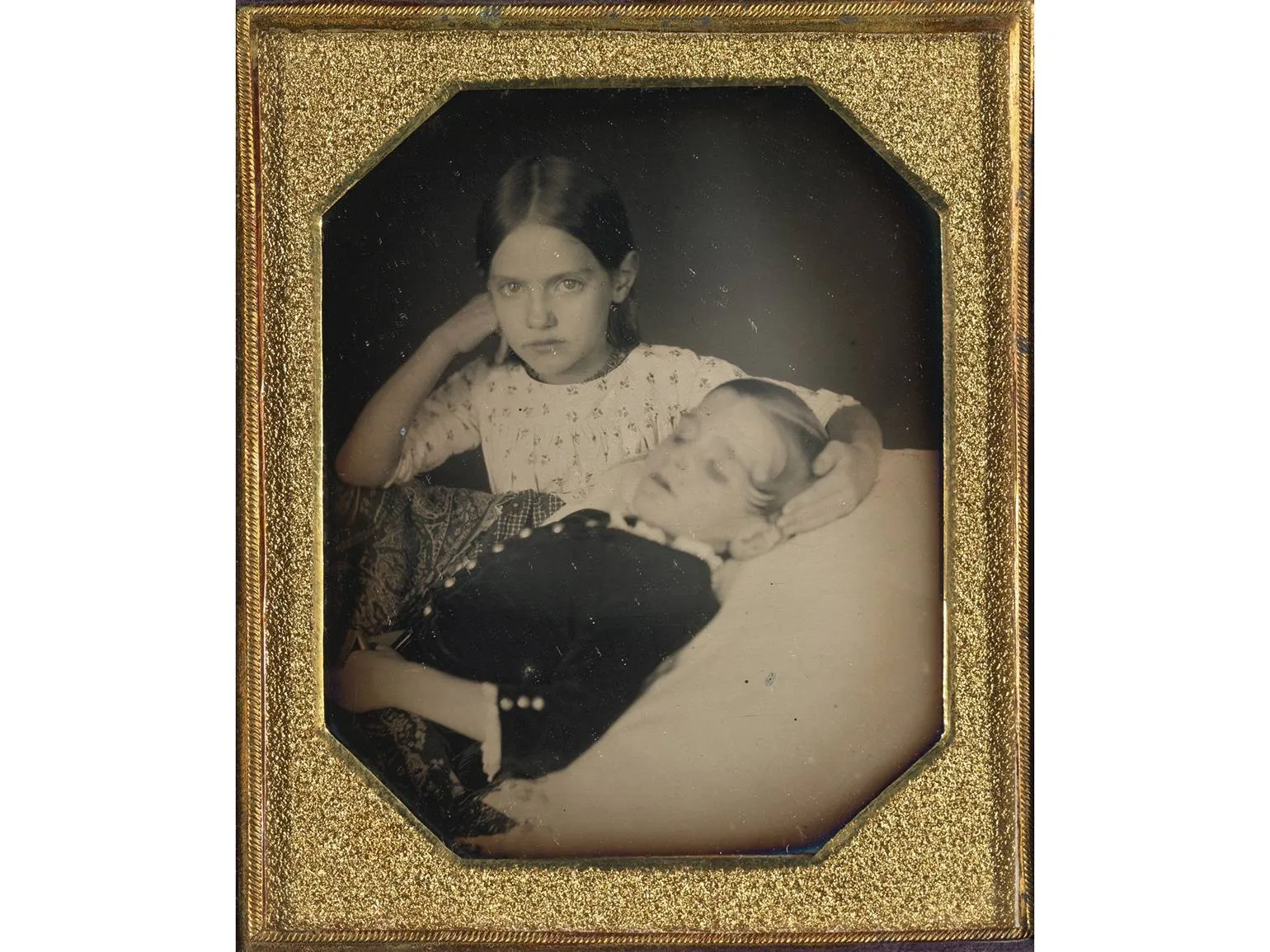
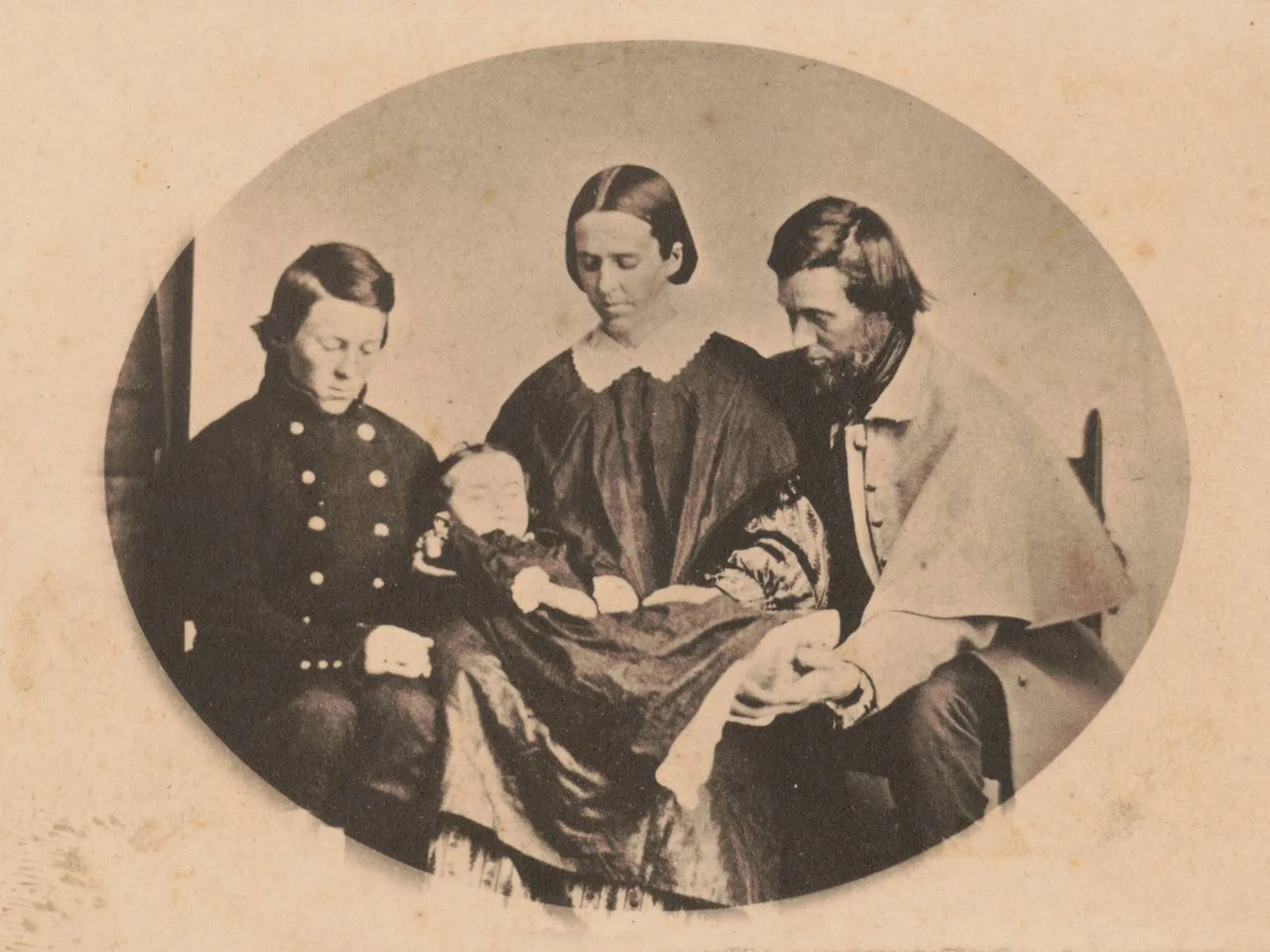
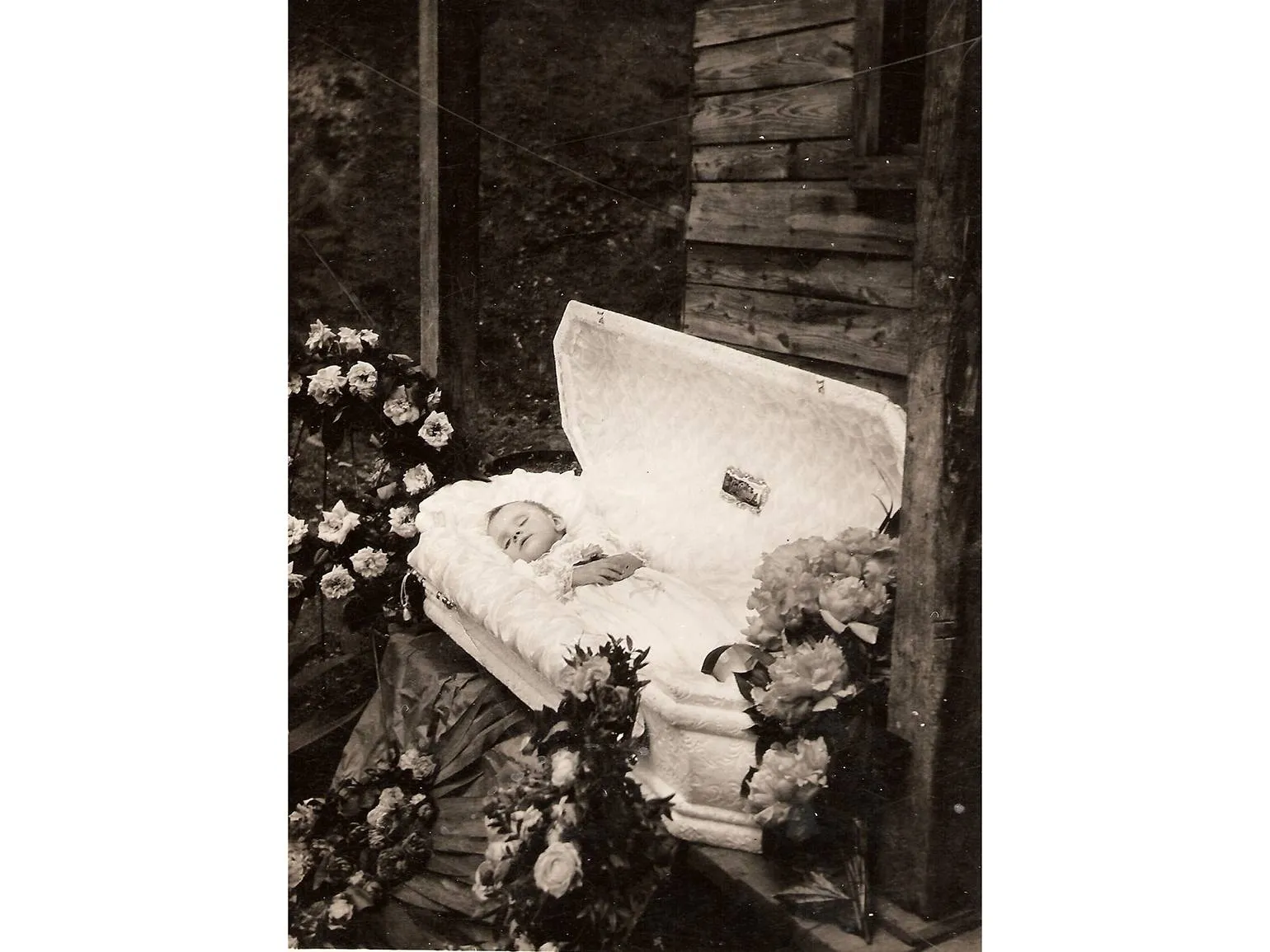
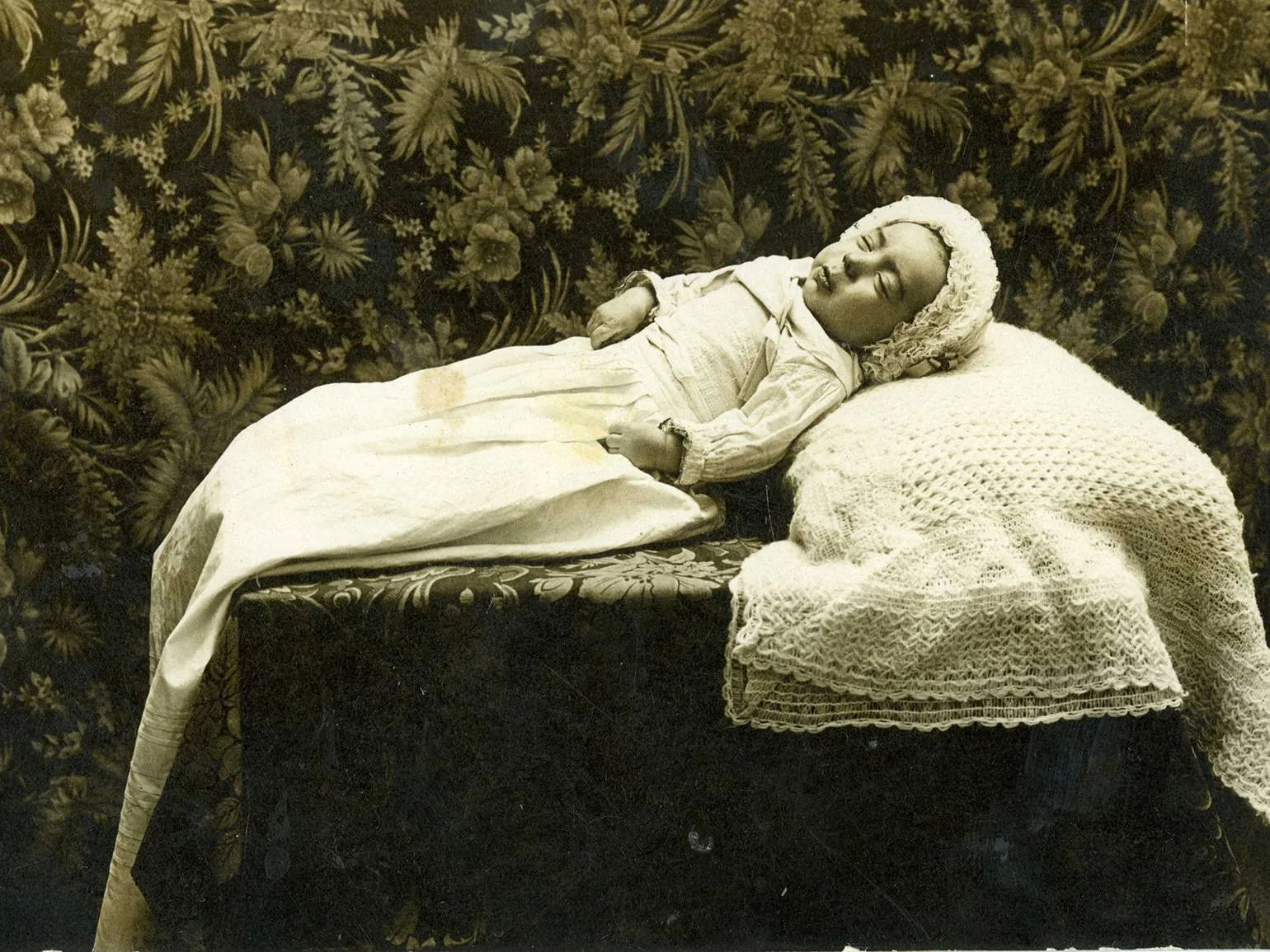
The Victorian era was a time when post-mortem photographs were perceived as an extension of life. These pictures were kept in elegant lockets and worn by loved ones close to their hearts. In contrast, modern people may find such images frightening, even when they are displayed on a smartphone screen. This sense of fear led to many of these photographs being destroyed by their descendants. Today, postmortem photographs are collectible but lack sentimental value. The topic of postmortems remains underresearched and surrounded by numerous myths. There are even fake postmortem photographs, as well as photographs of living people that sellers pass off as images of the dead. The relevance of the postmortem theme in art and culture continues to generate interest and requires further study.
A Telegram channel for photography enthusiasts. Here you will find inspiration, shooting tips, equipment recommendations, and discussion of current trends in the world of photography. Join our community to share your work, receive constructive criticism, and exchange experiences with other photographers. This channel is the perfect place for those seeking to improve their skills and learn more about the world of visual art.
If you want to explore the diversity of literature, subscribe to our resource. We publish the works of talented Russian authors, track global literary competitions, and share creative advice from practitioners. Discover new horizons in the world of words and inspiration.
Postmortem in Russian
Postmortem photography in Russia has unique characteristics. Unlike other countries, this genre here reflects the harsh reality of death rather than the desire to preserve the memory of life. Most Russian works in this style are funeral photographs, in which the deceased is depicted in a coffin, with other participants in the photograph arranged around, focusing on the moment of farewell. This practice emphasizes respect for the deceased and creates an atmosphere of grief and remembrance.
In Tsarist Russia, photographs were rare, and close-up shots of the deceased in their coffins were often the only moments captured. The spread of the tradition of photographing at funerals is largely linked to a practice that emerged during the Civil War. At that time, images of the dead were widely published in newspapers, and special commemorative albums were also produced, most of which were of a "coffin" nature. This practice reflected not only respect for the deceased, but also the desire to preserve the memory of the tragic events of that time.
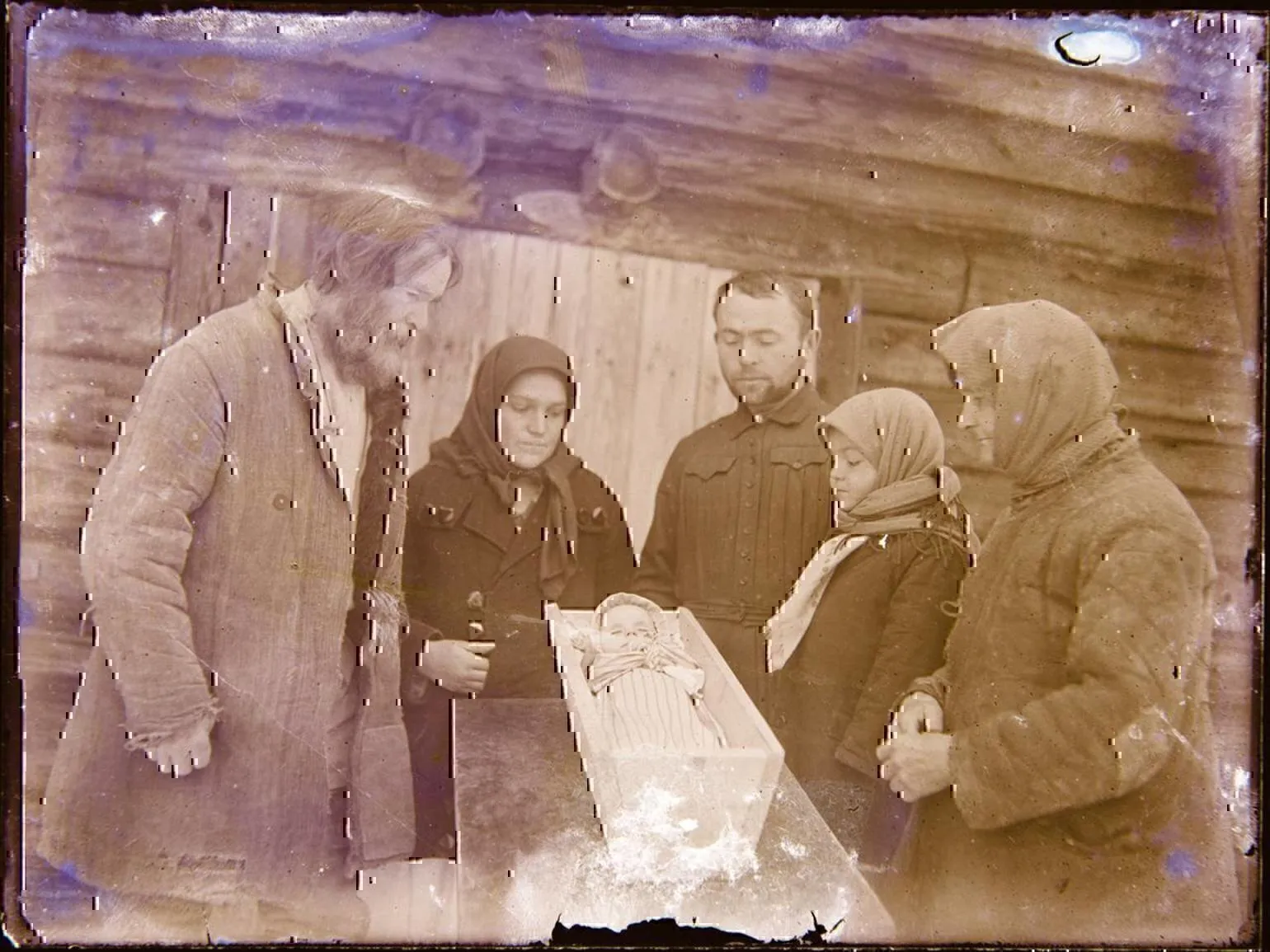
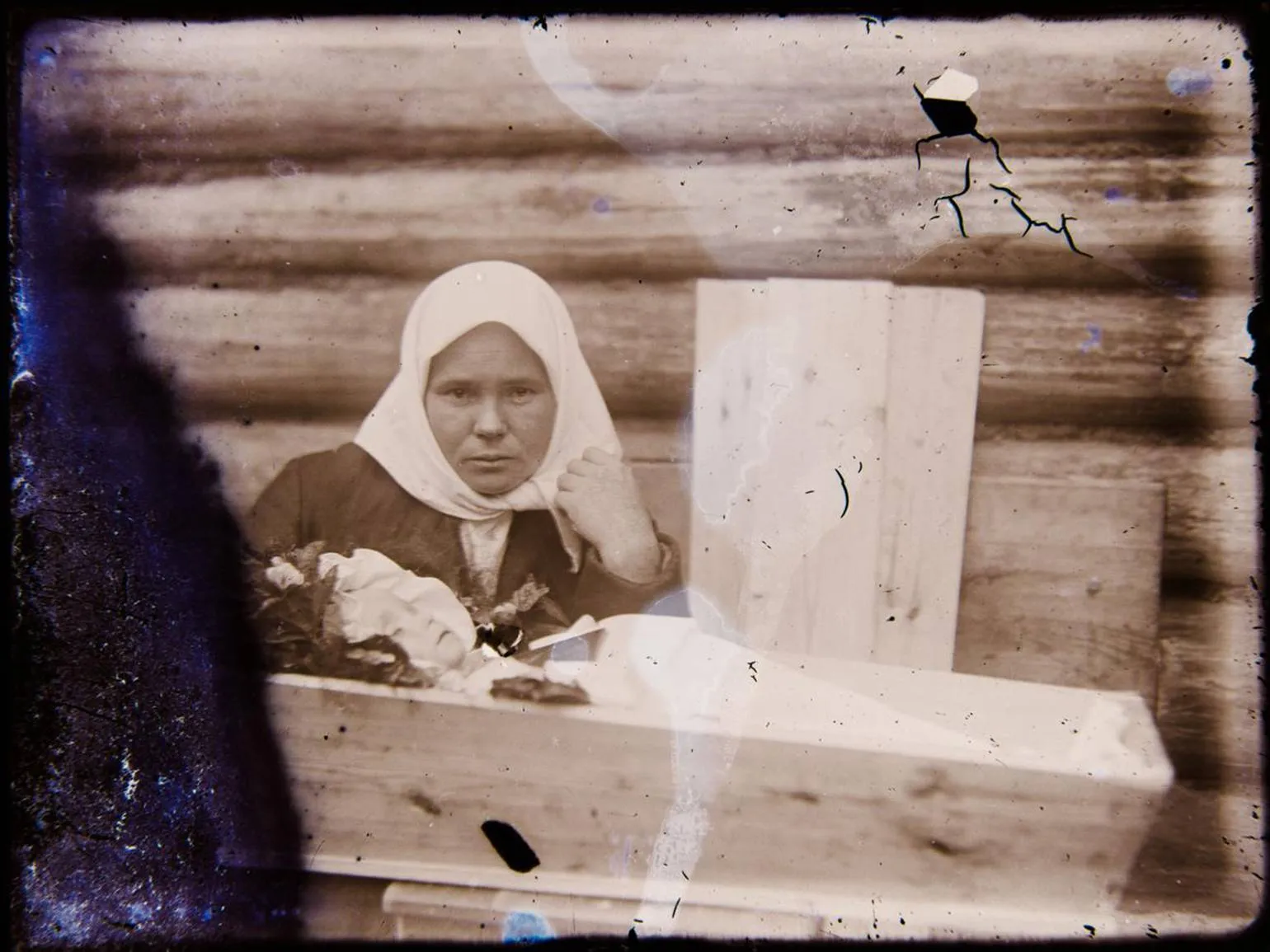
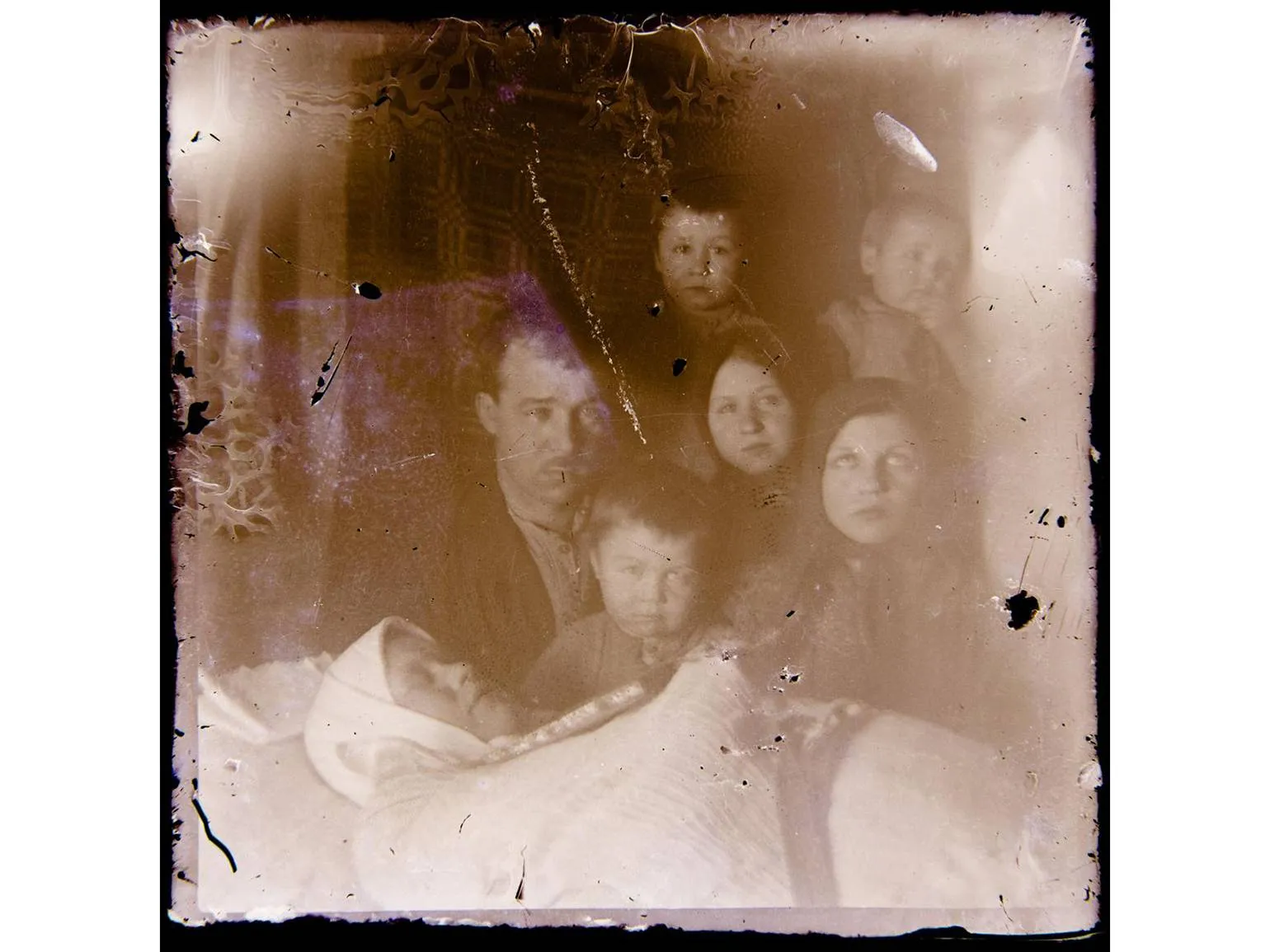
In Russia, the tradition of postmortem photography goes back to icon painting, which is reflected in the compositional solution. The coffin is depicted from the side, similar to iconographic canons, and those present look at the face of the deceased with respect and calm. Such photographs not only capture moments of farewell but also reflect the cultural and spiritual values associated with the memory of the deceased.
In the early 20th century, Russian cinemas regularly showed documentary chronicles of the funerals of famous figures. This phenomenon also left its mark on the history of postmortems in the USSR, where photographing funerals became a common practice. Many Soviet children encountered an envelope containing funeral photographs found in the "wall," which had a profound impact on their psyche. This aspect of cultural memory and the perception of death in Soviet society is an interesting subject for studying the influence of media on the formation of public consciousness.
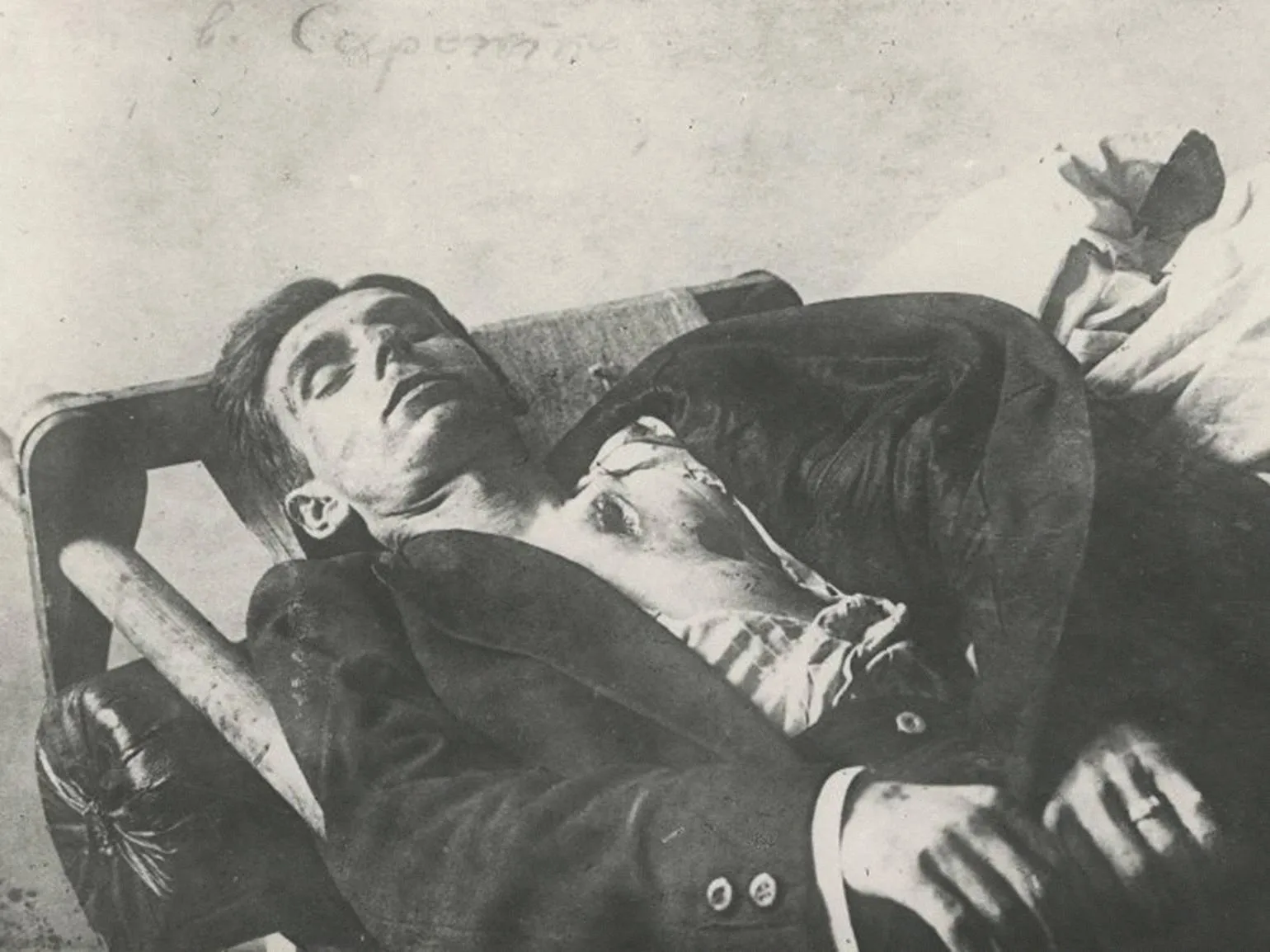
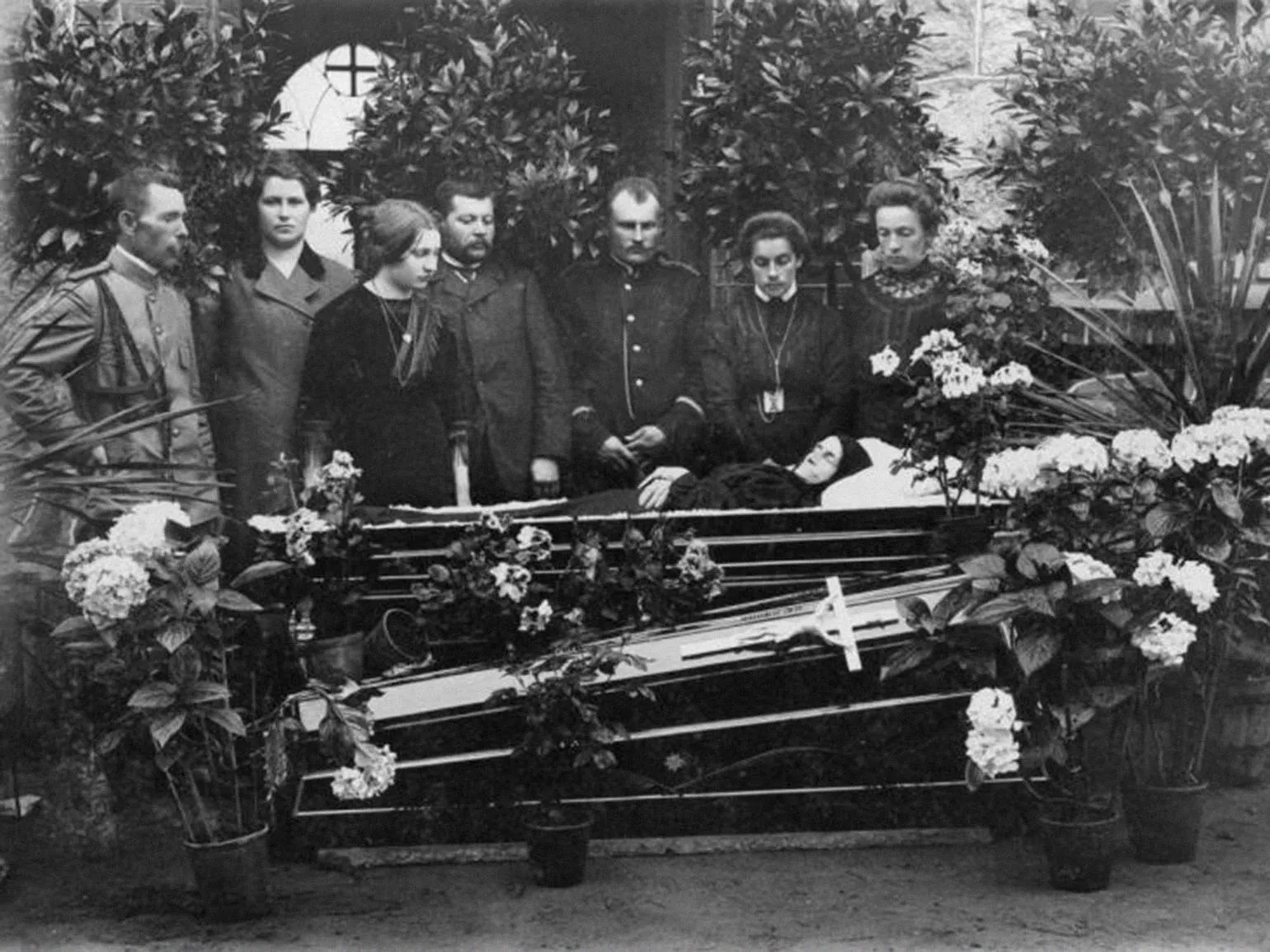
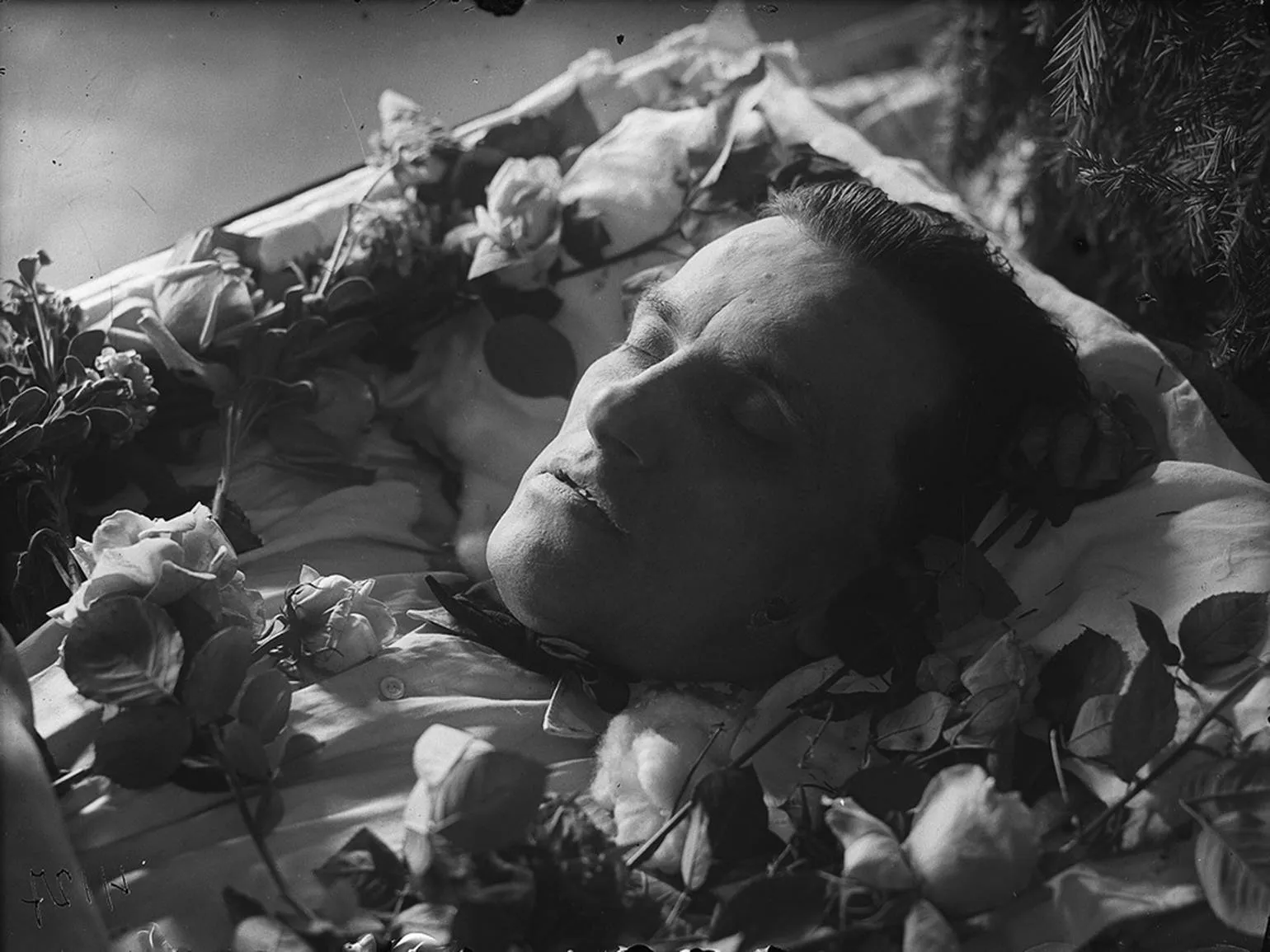
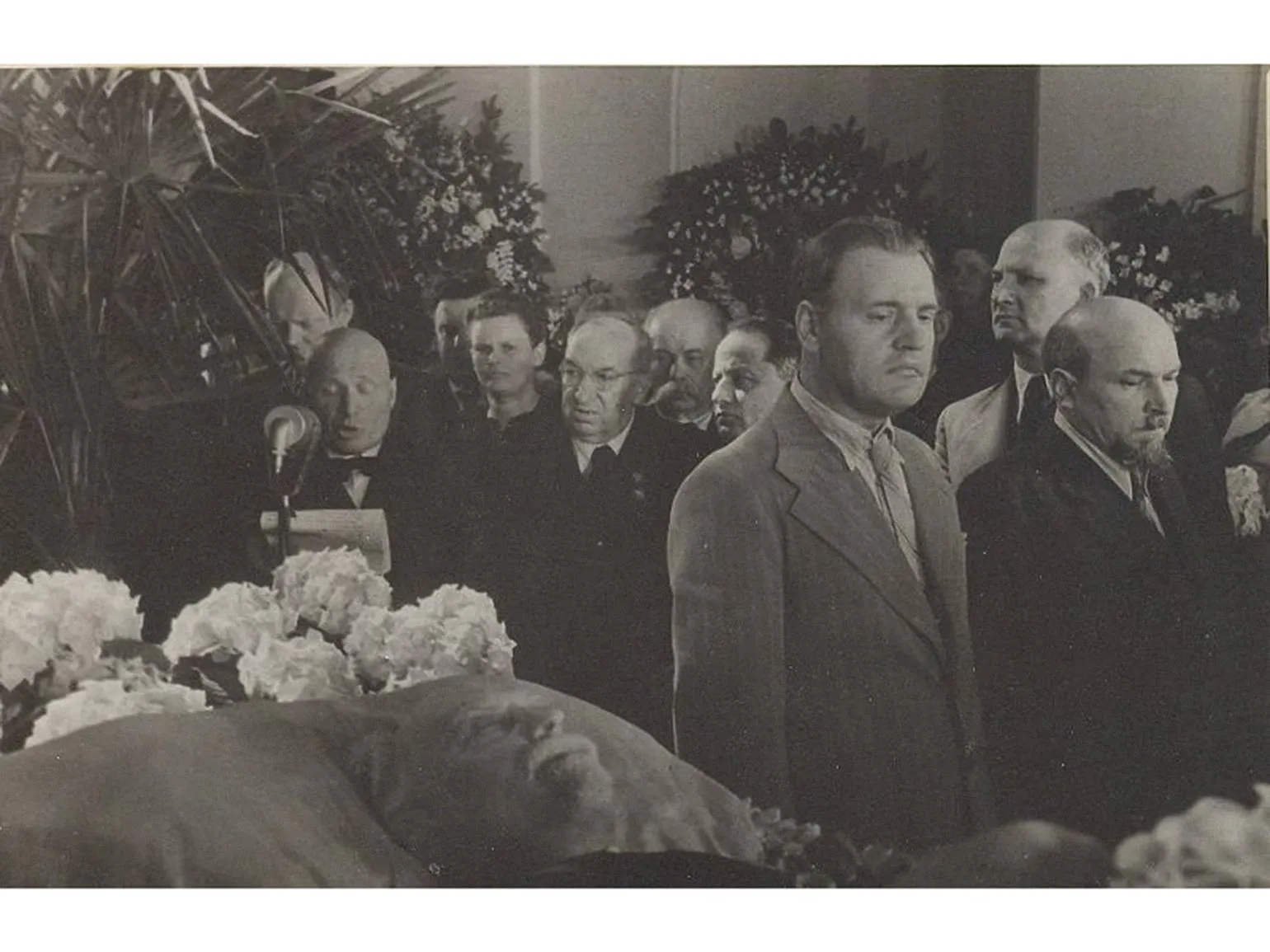
As society's attitude toward death changed, photographs capturing moments of loss were often destroyed or thrown away by heirs. Such images often remained forgotten, lost to the centuries.
Memoirs of Death
Posthumous photography is a phenomenon that affects not only Western culture but also other nations. In Mexico, photographs of deceased children, known as angelitos, served as a symbol of their transition to an angelic state. This cultural tradition of angelitos continues to exist in modern society, emphasizing the importance of memory and connection with the departed. Such photographs become not only a tribute but also a way to preserve the memory of children, giving them special significance in cultural identity.
In India, there's a unique profession: death photographers. Photographs of the deceased are needed not only to preserve the memory of loved ones but also as proof for bank employees, confirming the person's death. This practice reflects cultural traditions and the importance of documenting life stages, including death, in Indian society. Death photographers play a vital role in providing families with high-quality images to help them navigate legal and financial issues after a loss.
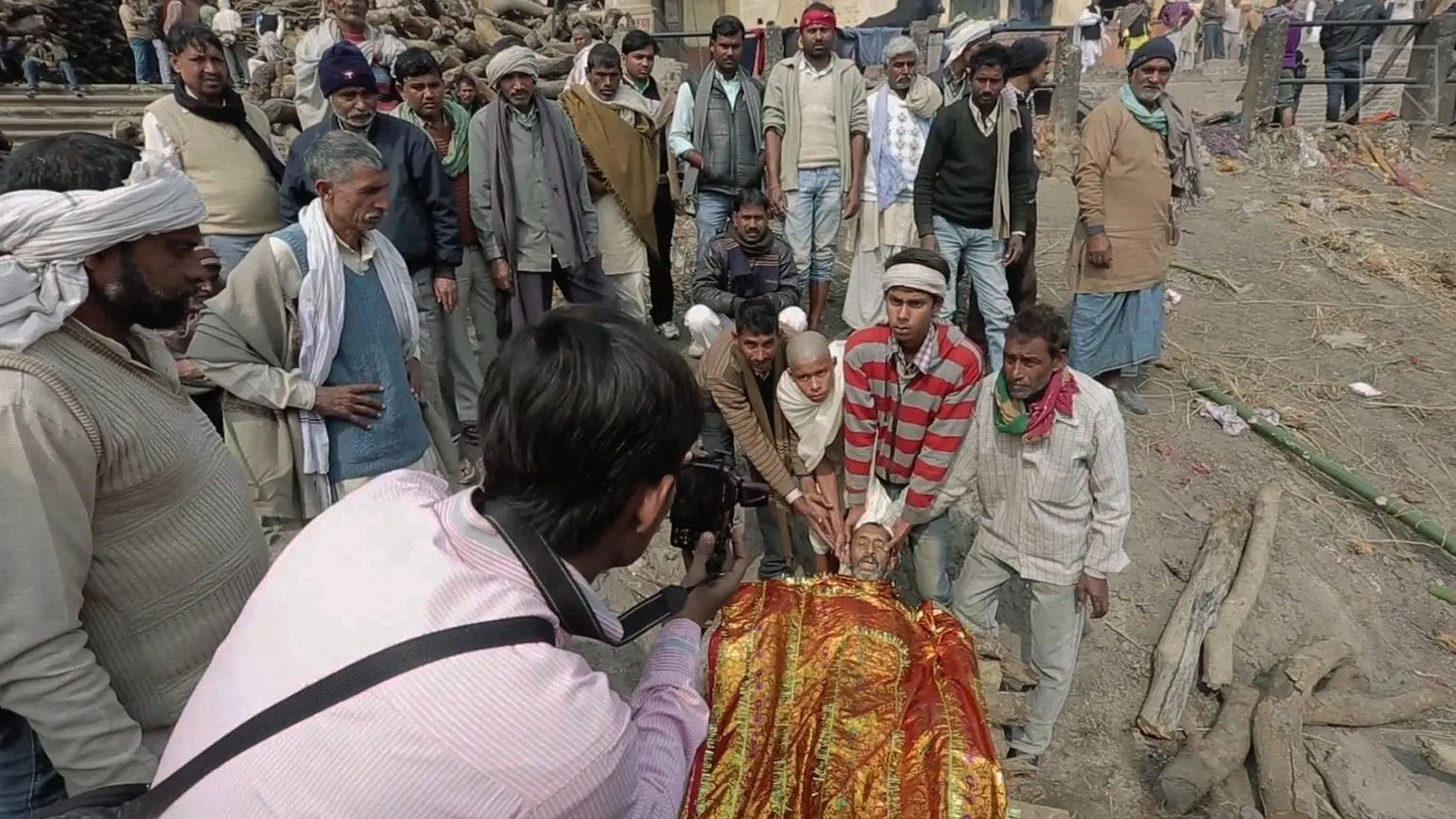
Modern attitudes toward photography of the deceased remain complex and controversial. Socially acceptable aspects of this practice include documentary photographs capturing the aftermath of accidents, natural disasters, and social upheavals. Such images can be found in large numbers among the works recognized at the World Press Photo Awards. These works emphasize the importance of documenting historical events and their consequences, stimulating public discussion and awareness of current issues. Postmortem photography is becoming an important element of artistic practice today, allowing photographers to reflect on their own losses. An example is the series of postmortem photographs of writer Susan Sontag, created by her friend, photographer Annie Leibovitz. These works reference the tradition of depicting the dead Christ, emphasizing a deep emotional connection and philosophical reflection on life and death. Such photographs not only capture the memory of the deceased but also offer the viewer the opportunity to rethink loss and its meaning in the context of life.
Susan Sontag, in her essays, emphasizes the profound connection between photography and the theme of death, describing photography as an art immersed in twilight. Annie Leibovitz, recalling the process of creating her works, notes that she was in a trance when taking these images. This unique approach to photography raises important questions about the perception of time, memory, and eternity. Focusing on such aspects allows for a deeper understanding of how the art of photography can reflect not only beauty, but also the darker sides of human existence.
Almost all objects of photography carry a certain tragedy, as they become its objects. Each photograph is a "memento mori". This aspect makes photography not only art but also a philosophical reflection on the transience of existence. By capturing a moment, we capture what is already gone, thereby emphasizing the fragility of time. Photography becomes not simply a record of reality but a reminder that everything passes and changes. This tragic element makes each image unique and forces the viewer to reflect on their own life and time.
It is difficult to find a more accurate definition for this great 20th-century thinker. Her ideas and views had a significant influence on the development of philosophy, sociology, and culture. A century filled with change became the arena for her reflections, which continue to inspire today. Her legacy remains relevant, opening new horizons for understanding human nature and society.
Neural Networks and Photography: Five High-Profile Scandals
In recent years, the use of neural networks in photography has become the subject of much discussion and controversy. These technologies have not only changed the approach to image creation, but have also caused a number of high-profile scandals. Let's look at five of the most significant incidents involving neural networks and photography.
The first scandal erupted around the use of neural networks to create fake images that were passed off as real photographs. Such manipulations undermine trust in visual content and call into question the authenticity of the images.
The second incident concerns copyright. When neural networks are trained on existing photographs, the question arises: who owns the rights to the images they create? This issue has become a subject of discussion among artists, photographers, and lawyers.
The third scandal concerns the ethics of using neural networks in journalism. Journalists began using artificial intelligence to create news images, which raised concerns about the loss of the human factor and possible distortion of facts.
The fourth incident occurred in the fashion world, when neural networks began generating photorealistic images of models. This has sparked criticism from professional photographers and models, who argue that the technology could negatively impact the industry.
The latest scandal involves the use of neural networks to create pornographic content featuring celebrities without their consent. This issue has attracted public attention and become a topic of legislative debate.
Neural networks continue to have a significant impact on photography, and their use raises many questions. The scandals that have arisen around this topic highlight the need for a deeper understanding and regulation of technologies in the field of visual content.
Profession Photographer
You will learn to take professional photos from scratch. You will learn how to organize shoots, process frames, manage models and a team. Find your style, build an impressive portfolio, and start making money doing what you love.
Find out more