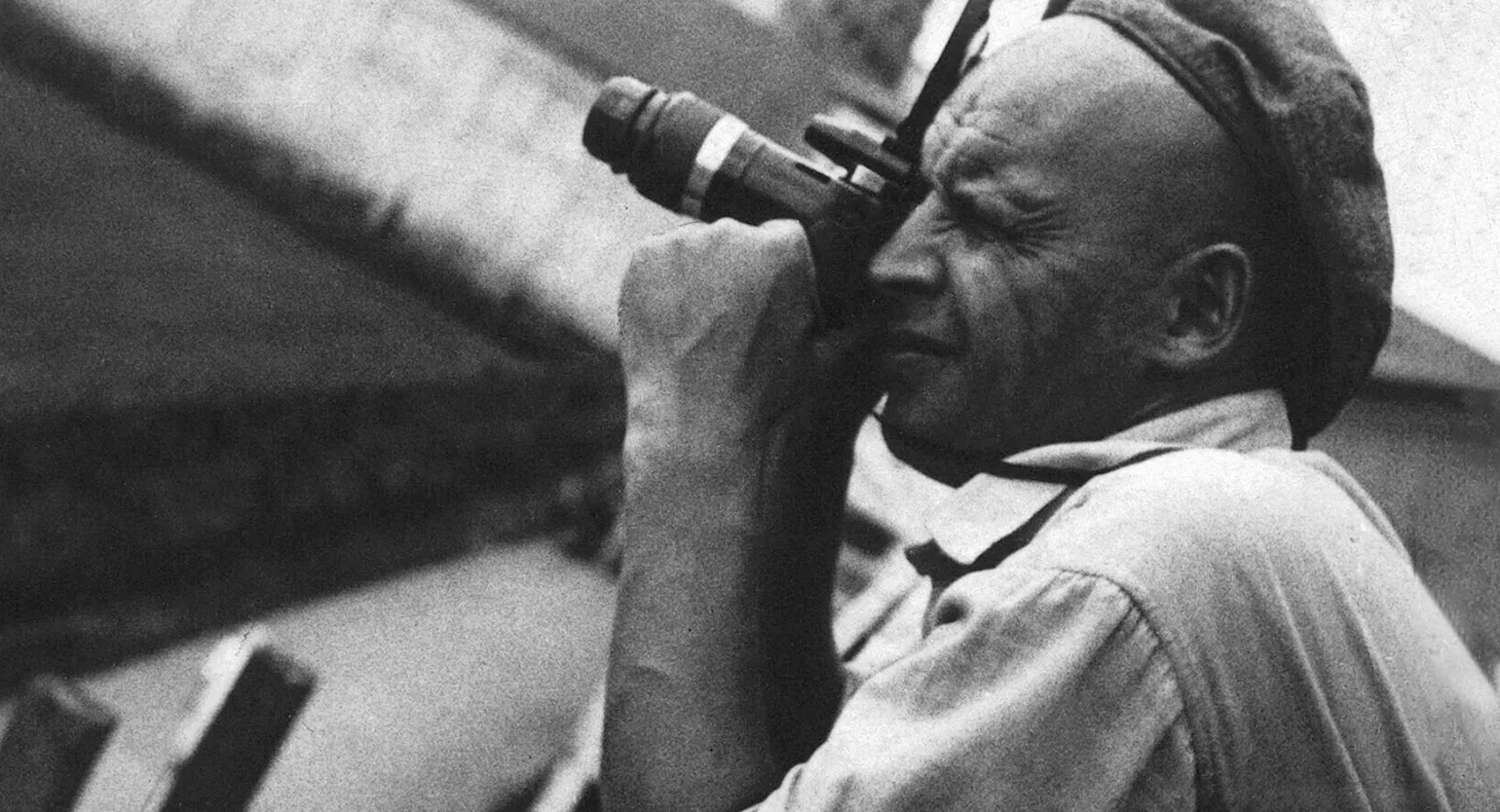
Alexander Rodchenko, one of the key artists of Russian An avant-garde artist of the early 20th century, Rodchenko became a visual innovator in the field of photography. His works embody a spirit of experimentation and a desire for a new perception of reality. Rodchenko pushed the boundaries of traditional photography, introducing original angles and unusual compositional solutions. He used the camera as a tool for exploring the world around him, creating dynamic and expressive images. An important aspect of his work was his desire to synthesize various arts, which allowed him not only to expand the possibilities of photography but also to strengthen its status as an independent art form. Rodchenko's contribution to the development of photography continues to inspire contemporary artists and researchers, confirming his significance in the history of art.
Photomontage
In the beginning, there was photomontage. This process combines various images, allowing for the creation of unique visual compositions. Photomontage has become the basis for many modern technologies in the fields of graphic design and digital art. With its help, artists and designers can realize their ideas by combining photographs, graphics, and textures. The importance of photomontage cannot be overstated, as it opened up new horizons for creative expression and became an integral part of visual culture. Today, photomontage is used not only in art but also in advertising, film, and social media, helping to attract attention and convey ideas more effectively. Alexander Rodchenko was one of the first artists to actively experiment with photomontage. He created illustrations using newspaper and magazine clippings, combining images and text, which allowed him to unlock the unique potential of photomontage as an independent artistic medium. As a leading exponent of constructivism, Rodchenko argued that art should be perceived as a process of production. The technique of collage, based on the use of ready-made visual elements, fully corresponded to this concept. In his works, Rodchenko masterfully used the arrangement of images to convey new semantic ideas and emphases.
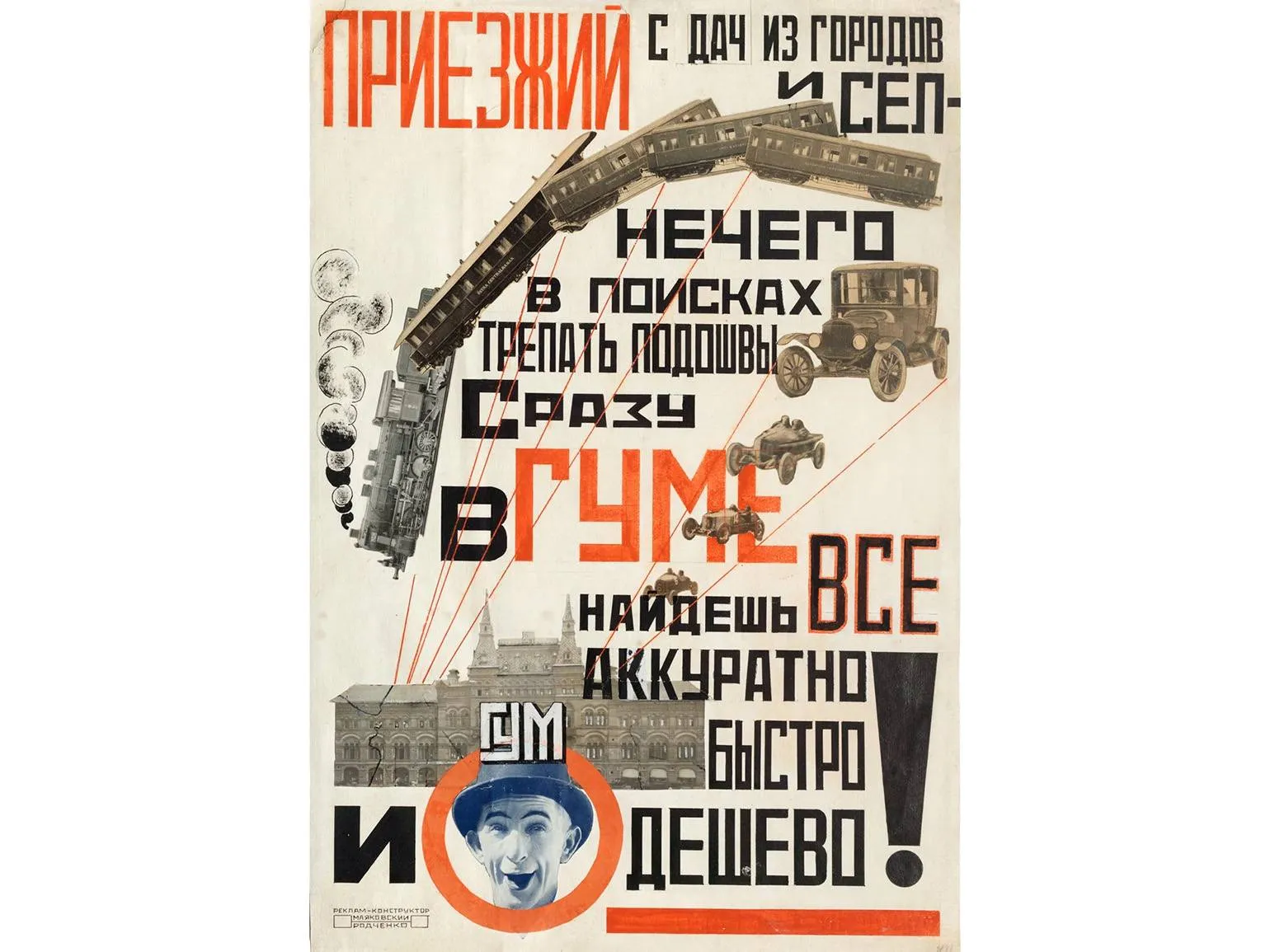
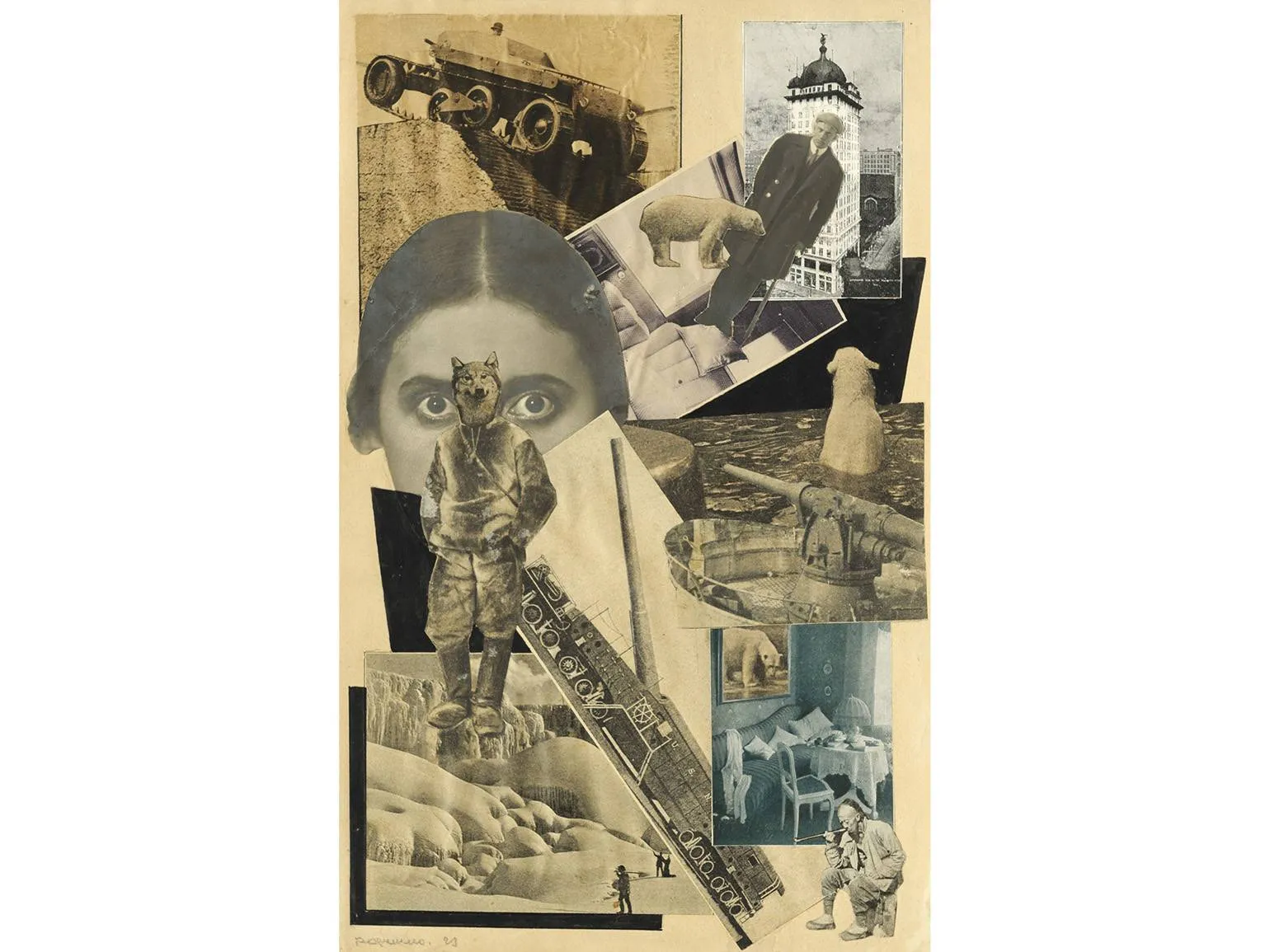
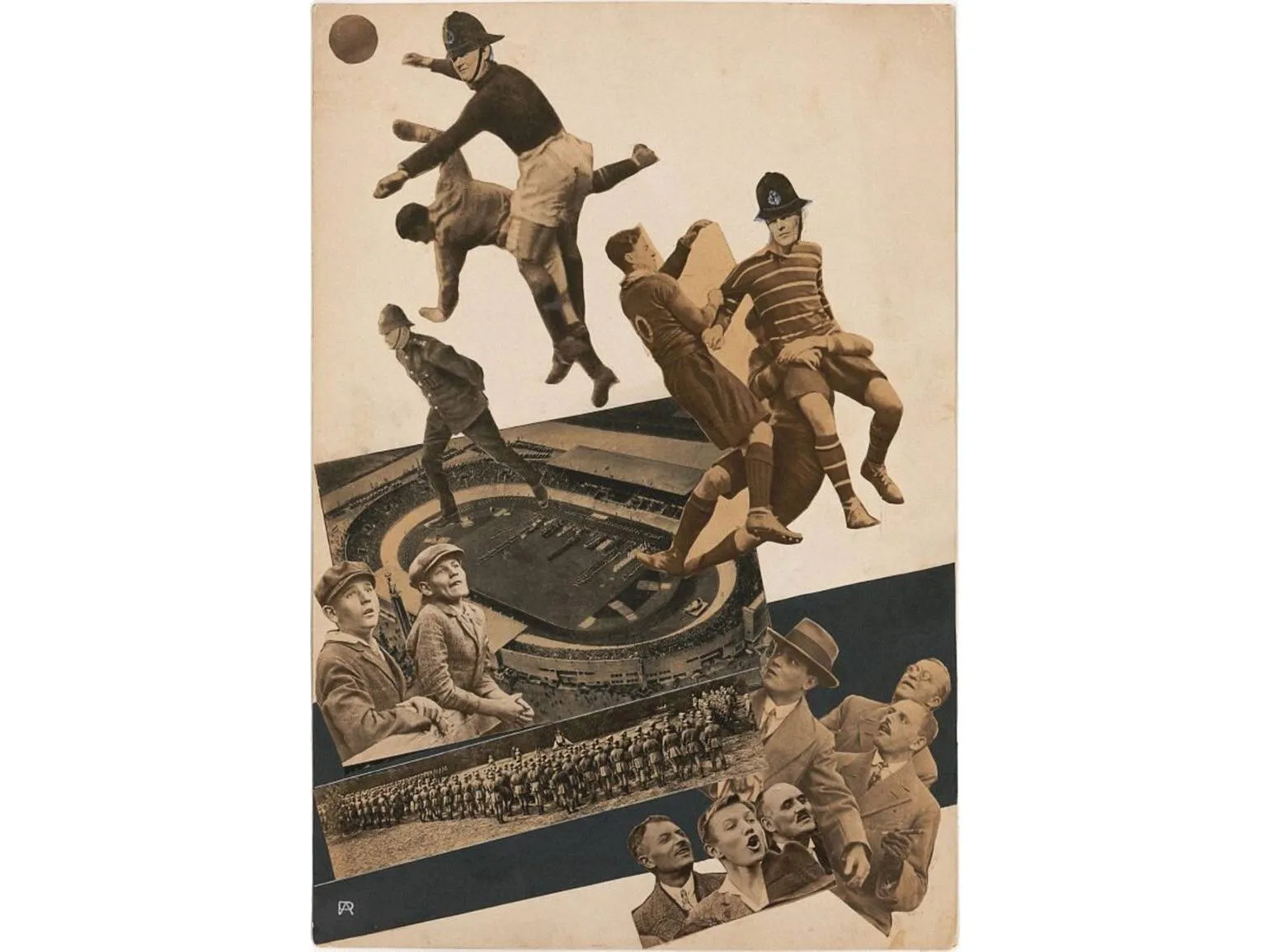
Photomontage became an important incentive for Rodchenko to master photography on his own. This process opened up new creative horizons for him and allowed him to experiment with images. The influence of photomontage on his work was a decisive moment in the development of his career as a photographer.
Photomontage inspired me to take up photography. In my first works, I returned to abstraction. The photographs turned out to be almost non-objective, and they emphasize composition.
Alexander Rodchenko is a prominent Soviet artist whose work had a significant influence on the development of 20th-century art. His work, "The Artist's Perestroika," is a profound exploration of changes in artistic practice and the perception of art in the context of social and political transformation. Rodchenko actively experimented with forms and materials, which allowed him to create a unique style that combines abstraction and constructivism.
In "The Artist's Perestroika," Rodchenko raises questions about the role of the artist in society, as well as how art can reflect and shape reality. His approach to creating art was bold and innovative, which contributed to a rethinking of traditional notions of artistic practice. Rodchenko used a variety of media, including photography, graphics, and sculpture, making his work multifaceted and relevant.
This work not only exemplifies artistic experimentation but also makes an important contribution to the debate about the artist's social responsibility and their role in the process of change. Rodchenko demonstrates how art can become a tool for transforming society, inspiring future generations of artists to seek new forms of expression and interaction with the world around them.
Abstract
Rodchenko began his career in photography, already a recognized innovative artist. He sought to apply his ideas to this field, focusing on abstraction from traditional pictorial objects. He primarily focused on identifying geometric forms, which became a characteristic approach of his creative practice. This allows him to rethink photography as an art and expand the boundaries of visual perception.
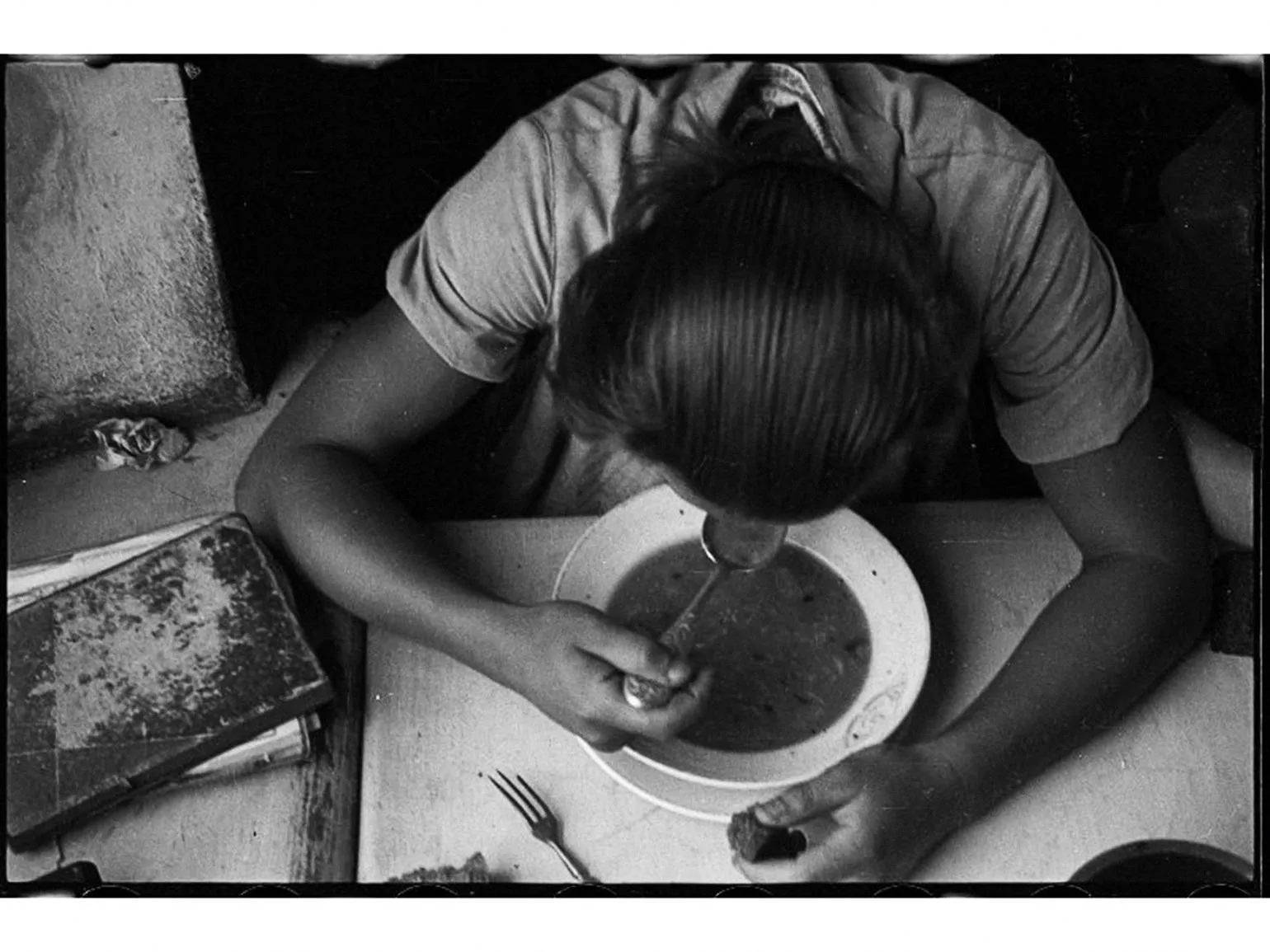
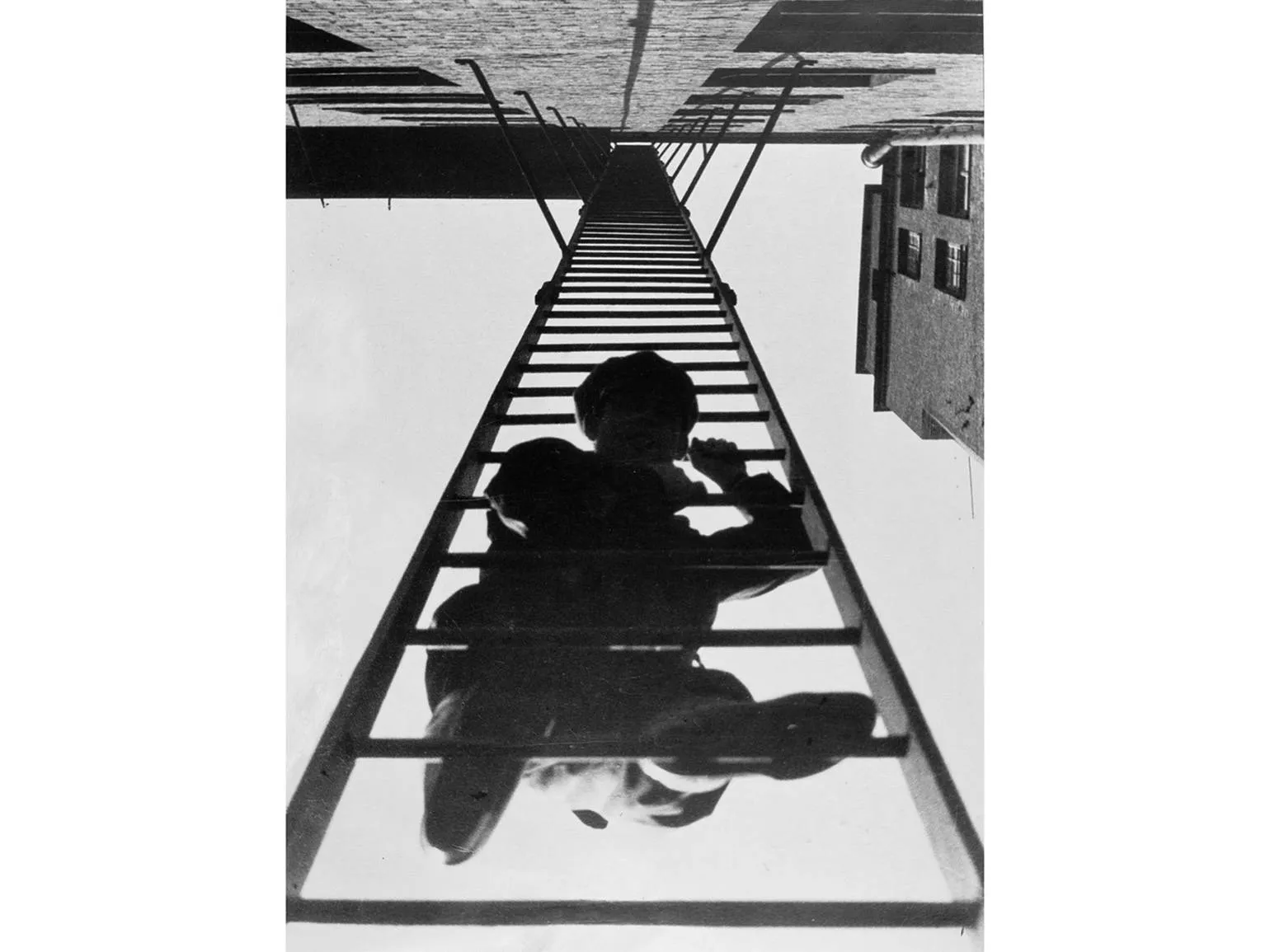
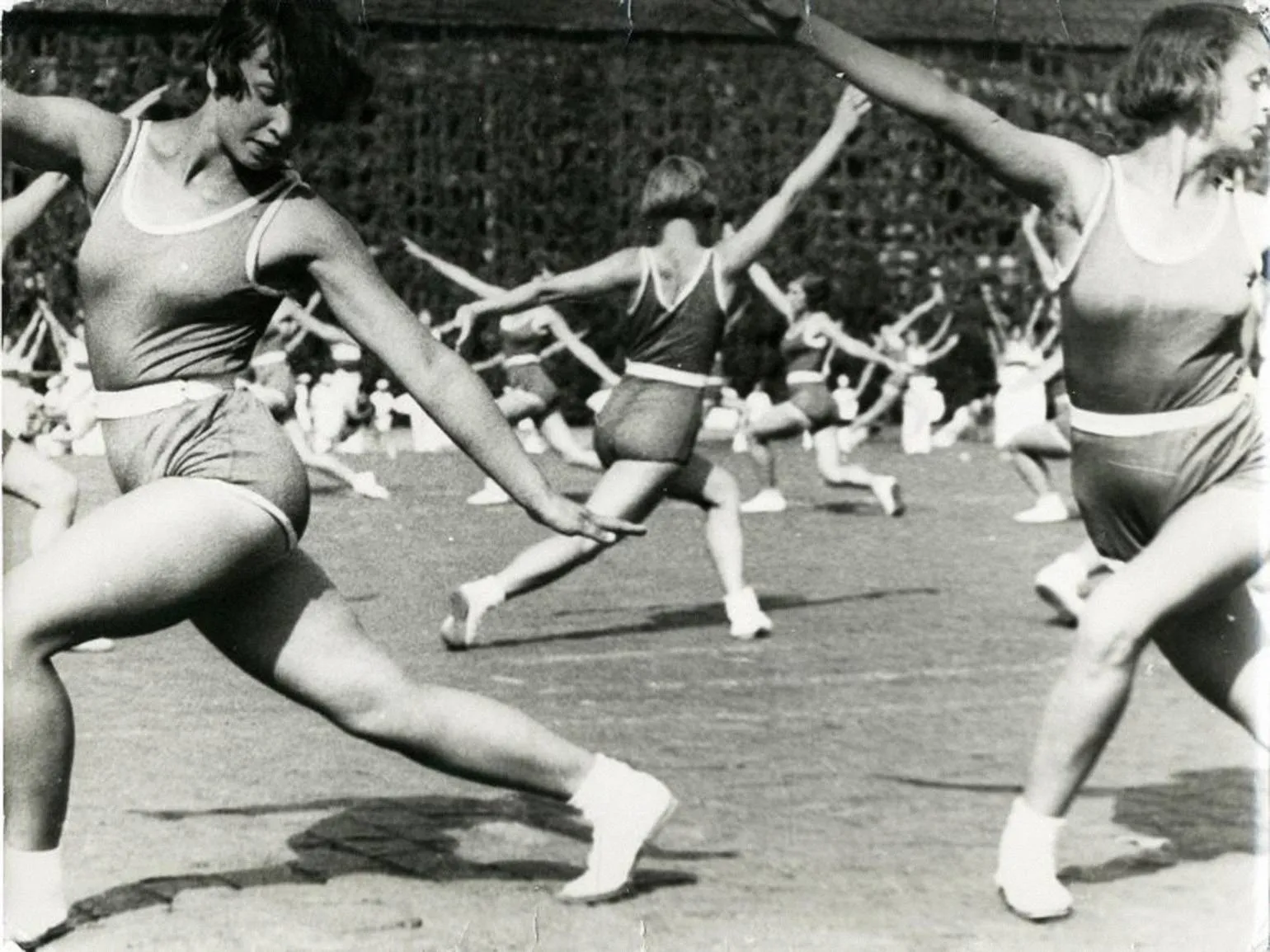
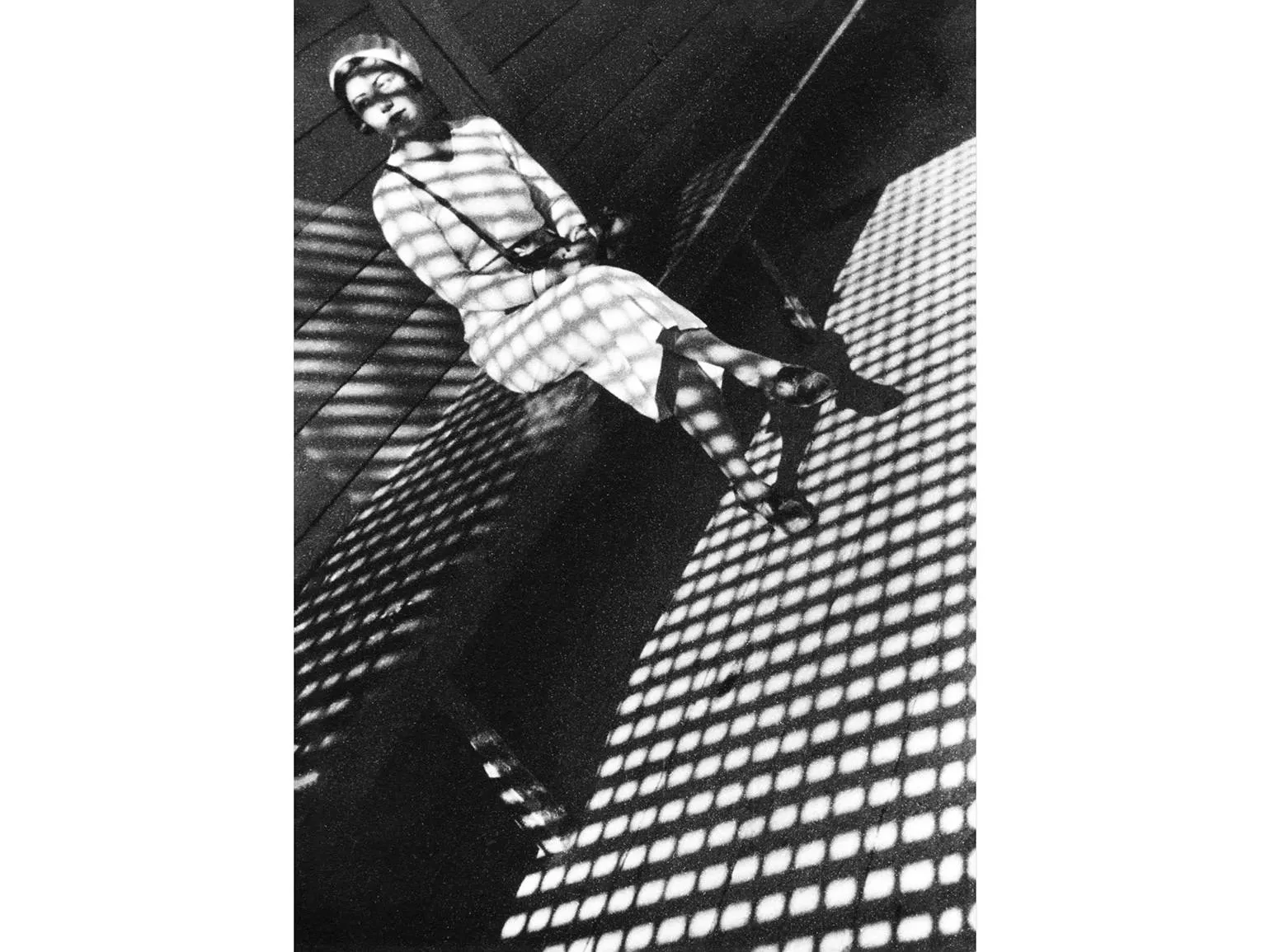
Alexander Rodchenko was one of the first photographers who radically separated his work from everyday reality, lighting and background. His approach to photography is based on a strict and purposeful selection of visual elements. For Rodchenko, life serves as a constructive material from which he creates his works. From a multitude of visual impressions, he selects only the most important: a fragment of space, a beam of light, or a detail of form. This unique approach made his works not only memorable but also significant for the development of artistic photography. Rodchenko became an icon in the world of visual art, changing the perception of photography as a discipline.
He creates abstract images using the camera's capabilities.
Alexander Lavrentiev is a renowned Russian photographer and artist whose work explores various aspects of visual perception and composition. His project "Rodchenko's Perspectives" represents a unique interpretation of the ideas embedded in the work of the renowned constructivist Alexander Rodchenko. Lavrentiev uses modern technology and artistic techniques to create new perspectives that highlight the dynamics and geometry of the surrounding world. This project not only immerses the viewer in the atmosphere of the avant-garde but also demonstrates how Rodchenko's legacy continues to inspire contemporary artists. Lavrentiev's work draws attention to the importance of visual culture and its influence on our perception of reality.
A Telegram channel for photography enthusiasts offers unique materials, tips, and inspiration for anyone passionate about capturing moments. Here you will find useful recommendations on shooting techniques, image processing, and choosing equipment. Join our community to share your work, receive feedback, and learn new techniques. This channel will be a great resource for improving your photography skills and exchanging experiences with like-minded people.
If you want to learn about the diversity of literature, subscribe to our resource. We introduce you to the best Russian authors, follow global literary competitions, and share useful creative advice from experienced practitioners. Discover new horizons in the world of books and inspiration.
Diagonals
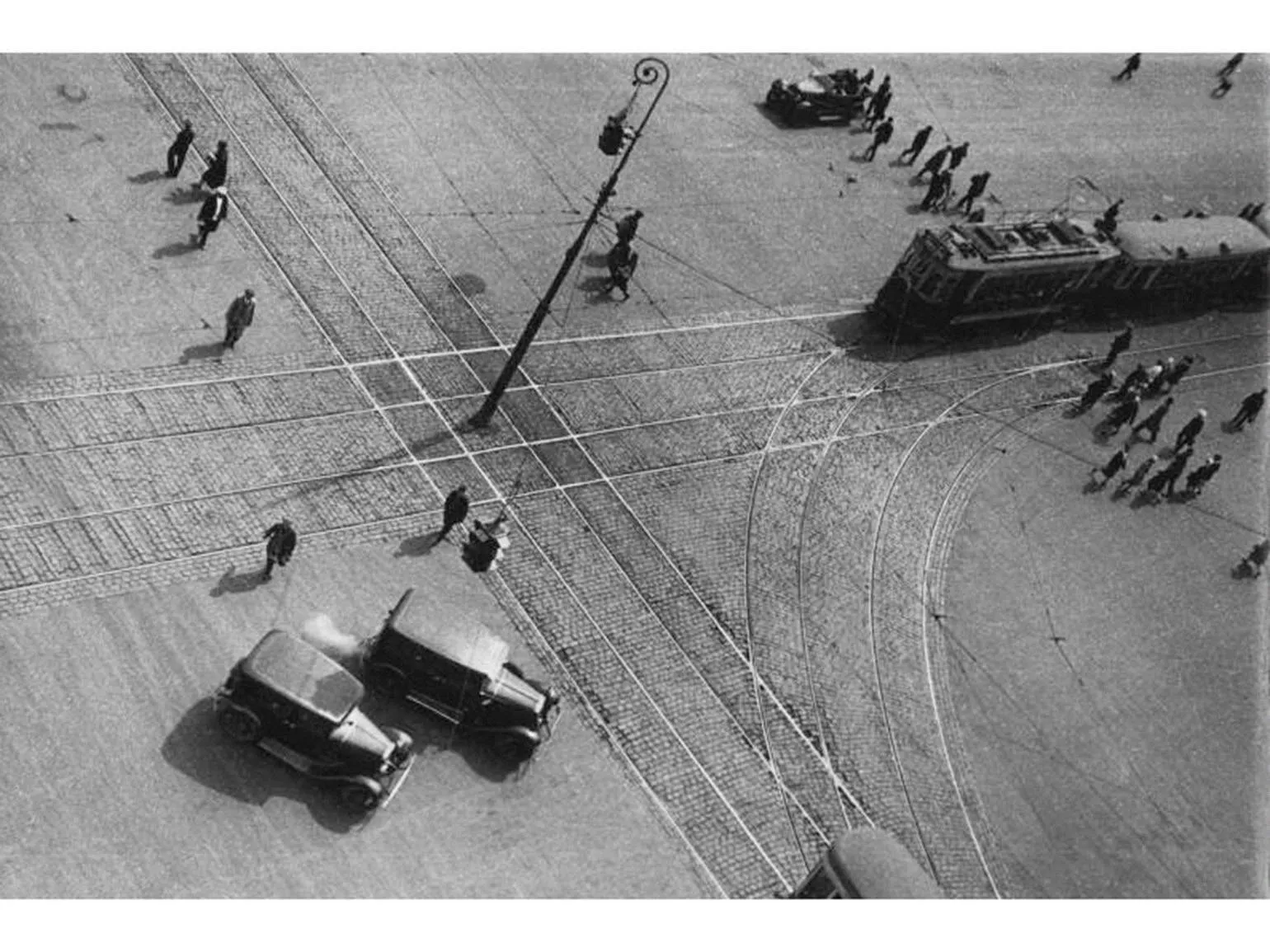
In the 1920s, in his course at VKHUTEMAS, Alexander Rodchenko set students the task of placing simple geometric shapes within a given rectangle. The conditions of the assignment required these shapes to be arranged in various orientations: vertically, diagonally, horizontally, and crosswise. This practice fostered compositional thinking and spatial skills, which were essential in the study of contemporary art and design. Rodchenko sought to demonstrate how simplicity of form could create complex visual effects and convey profound ideas. Alexander Rodchenko's constructive composition is reflected in his photography, where the primary focus is on visual imagery rather than narrative. Diagonals play a key role in his work, lending dynamism and a sense of movement to the shots. Rodchenko uses diagonal lines, rotating the camera and arranging people and objects within the frame to create a sense of momentum. A famous example of his mastery is the photograph of a woman and child climbing the stairs on Kropotkinskaya Embankment. This shot, with its simple yet expressive plot, has become canonical and symbolizes his unique approach to photography.
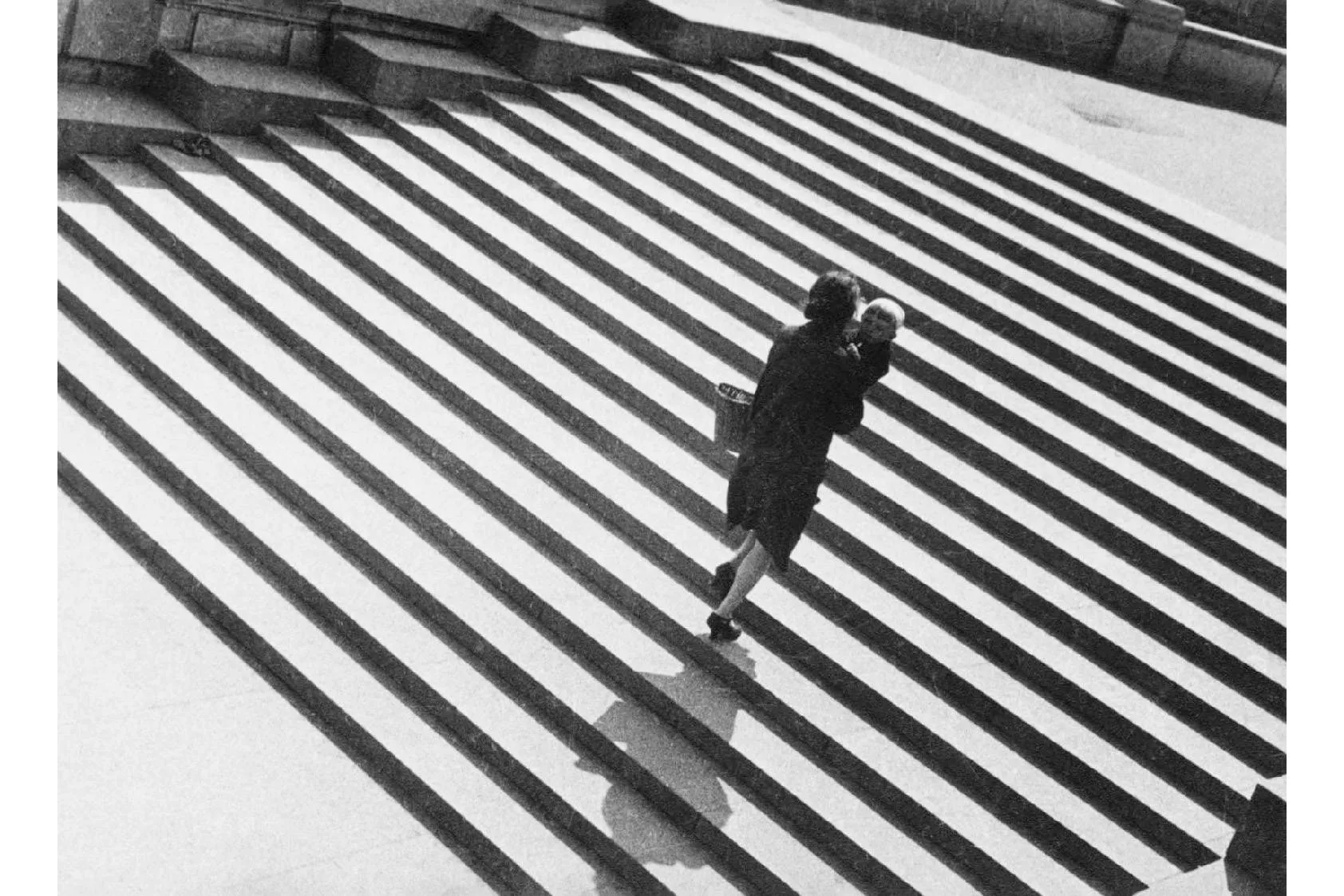
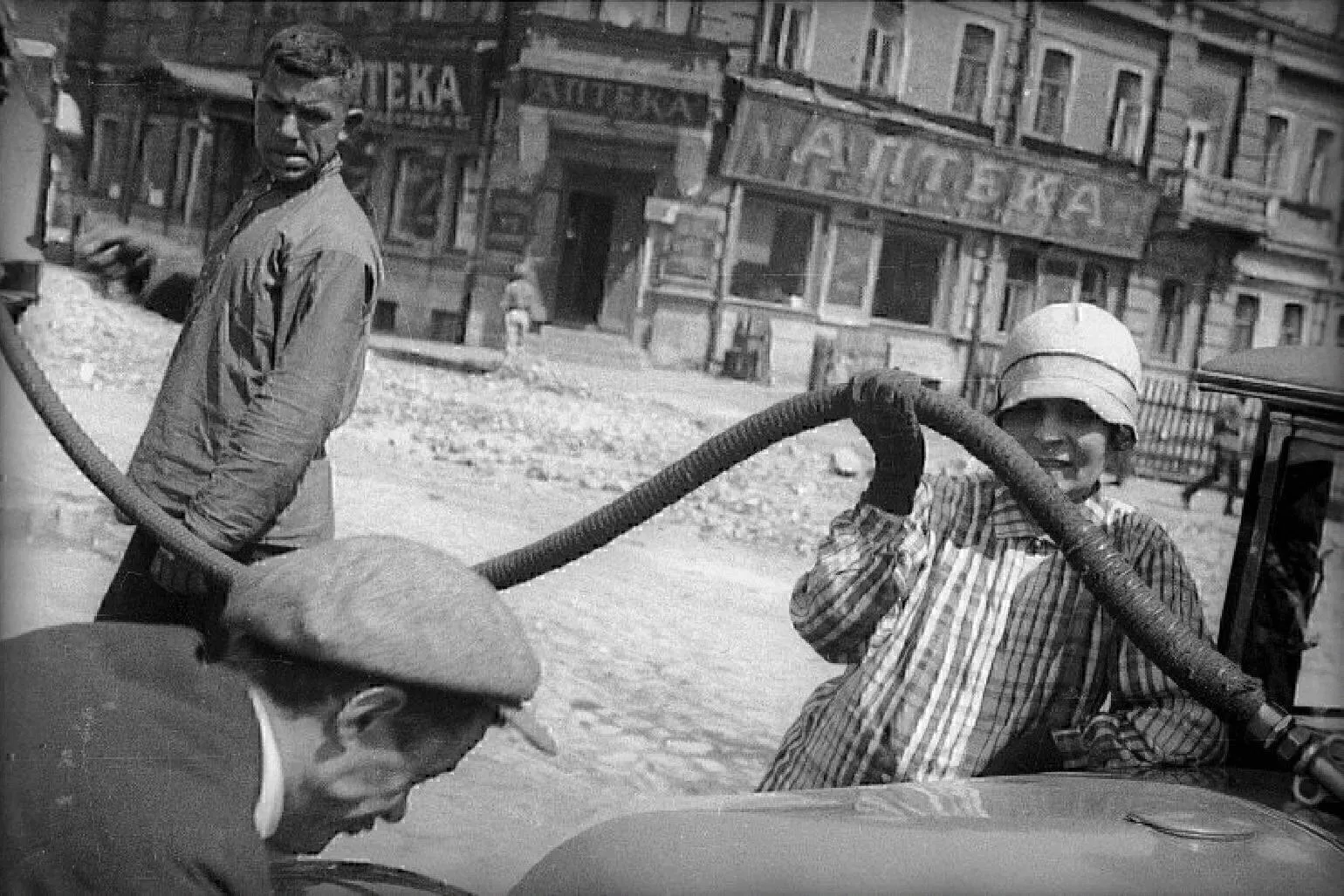
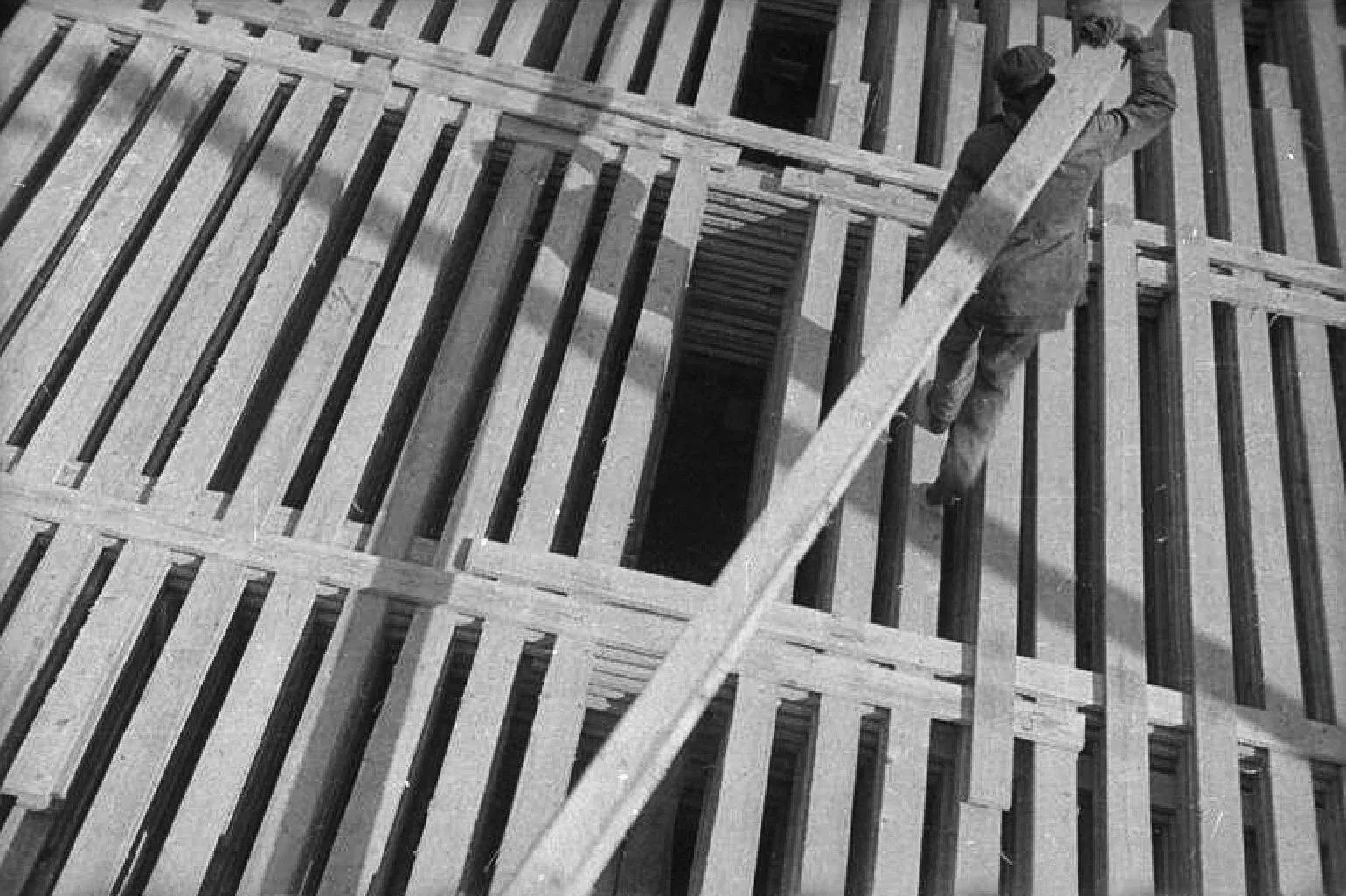
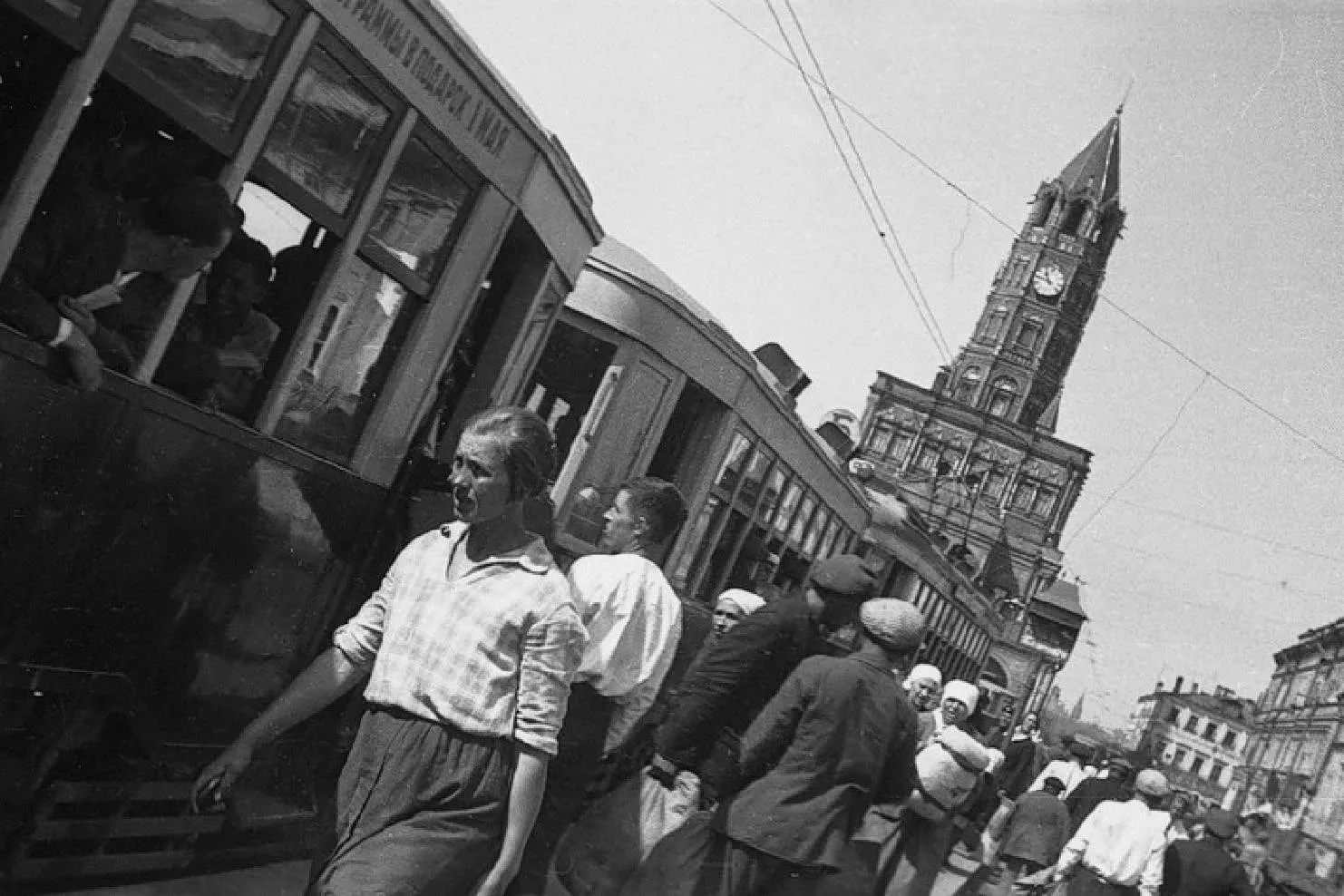
The most radical photographs lack a clear top and bottom, creating a unique perspective. At the same time, ordinary reportage shots always have a slight tilt of the horizon line. This effect, which later became known among photographers as "slant", adds dynamism and interest to the image.
Alexander Lavrentiev is a renowned Russian artist and photographer whose work "Rodchenko's Perspectives" inspires and delights viewers. In this work, the author explores the unique perspectives and compositional techniques that were characteristic of the work of the famous constructivist Alexander Rodchenko. Lavrentiev uses modern techniques and approaches to interpret Rodchenko's ideas, creating new visual images that highlight the significance of his legacy in the context of contemporary art. Lavrentiev's works become an important part of the dialogue between the past and the present, demonstrating how classical ideas can be reinterpreted and adapted to modern realities.
Perspectives
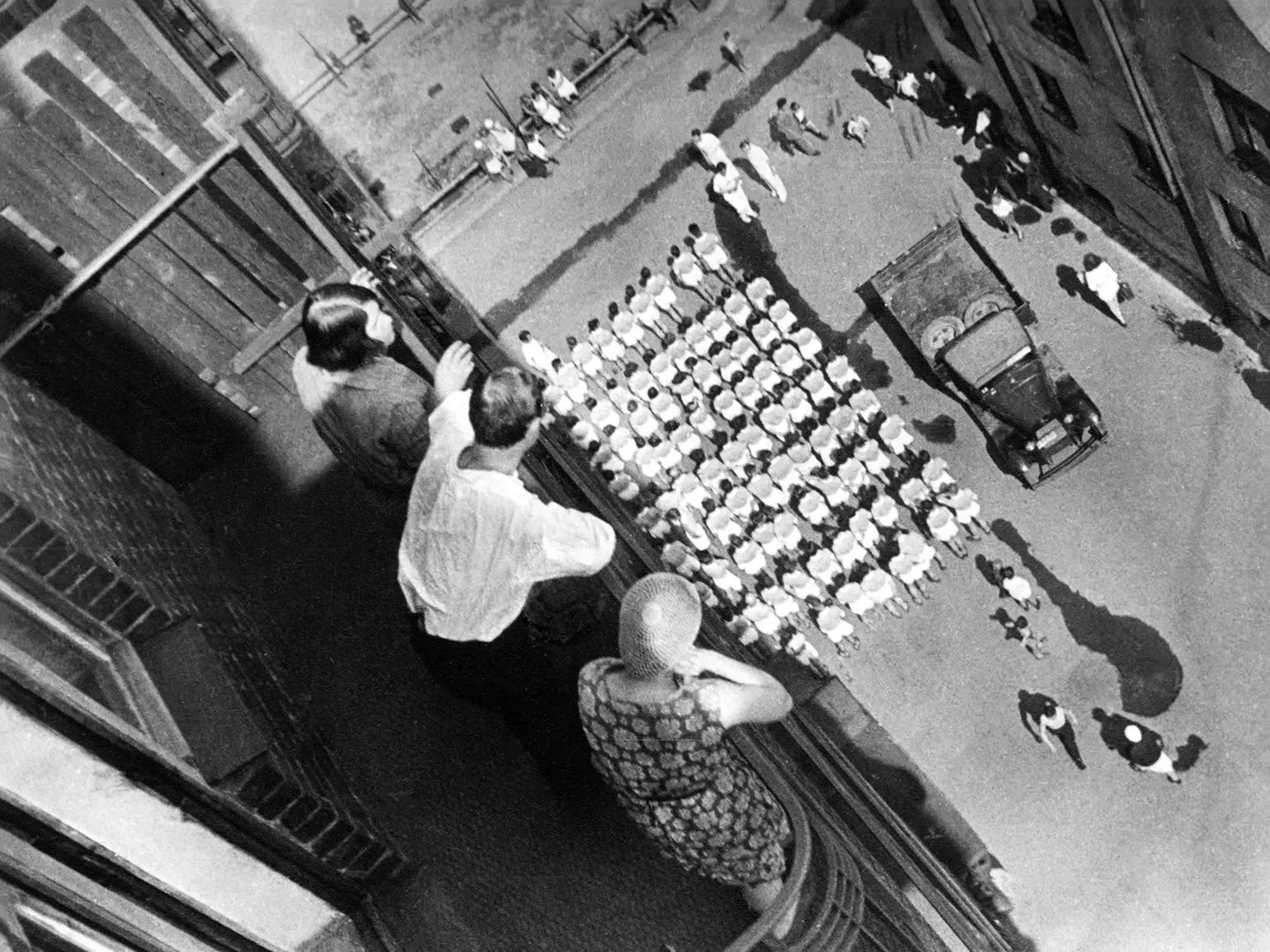
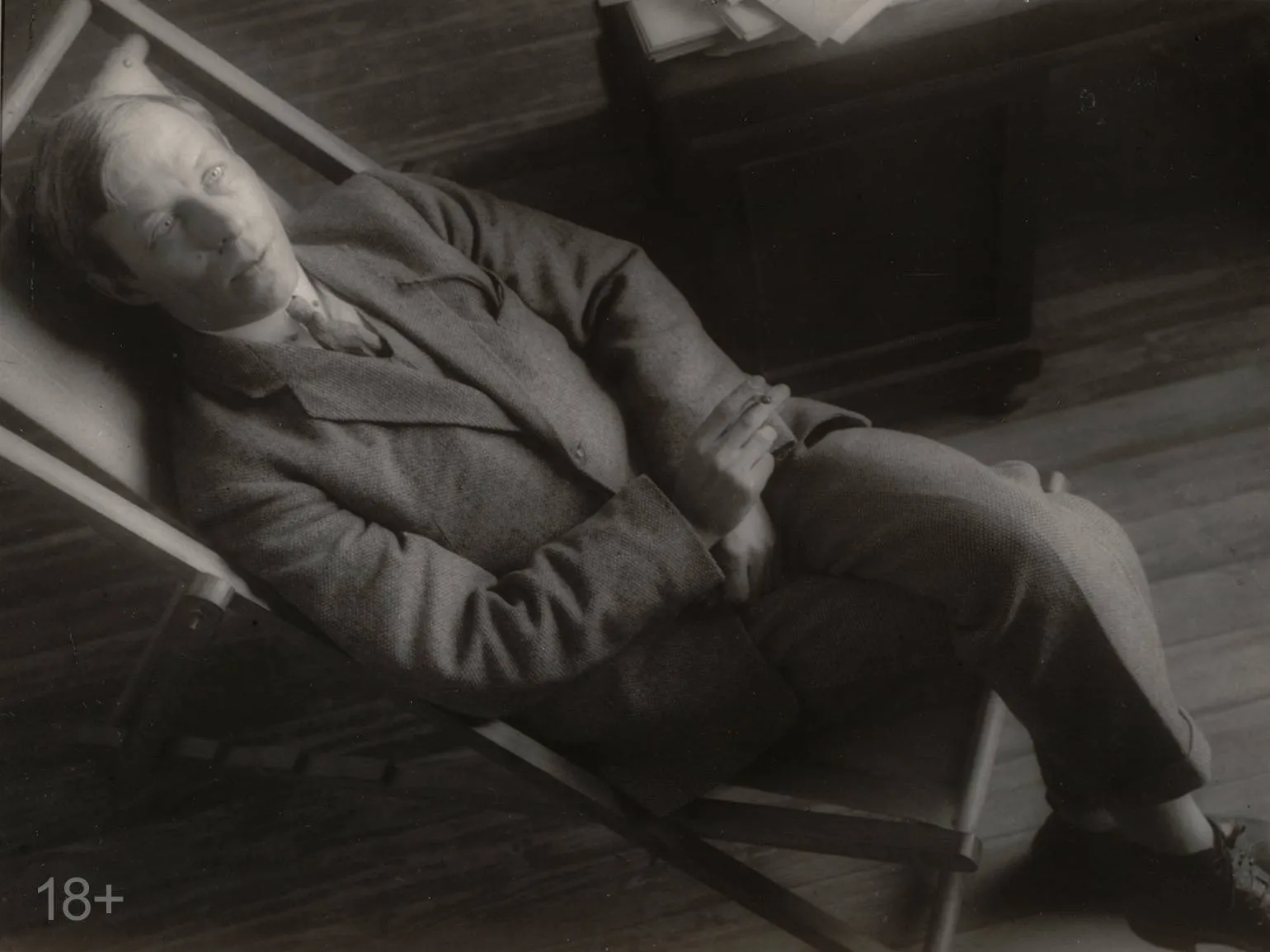
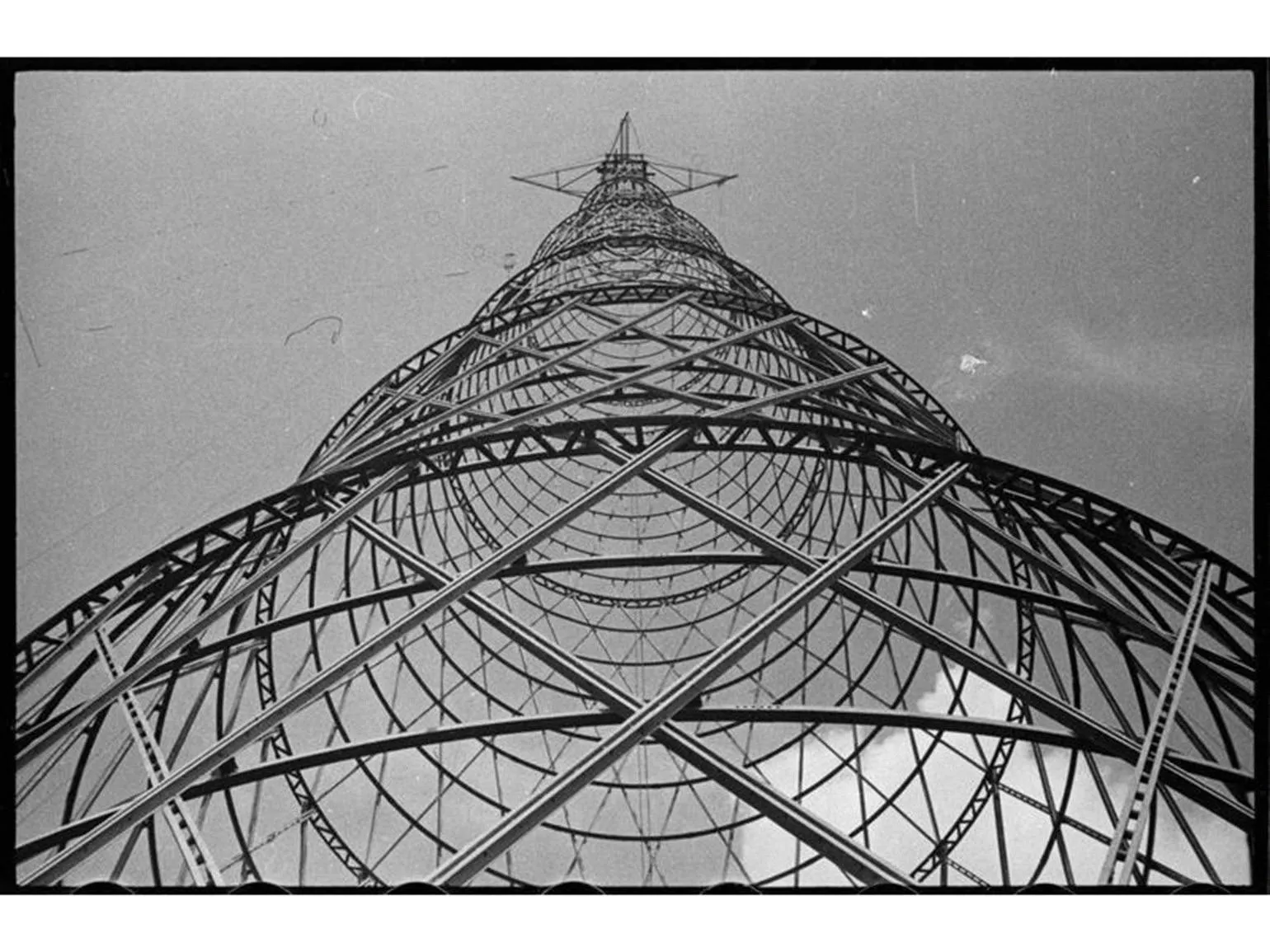
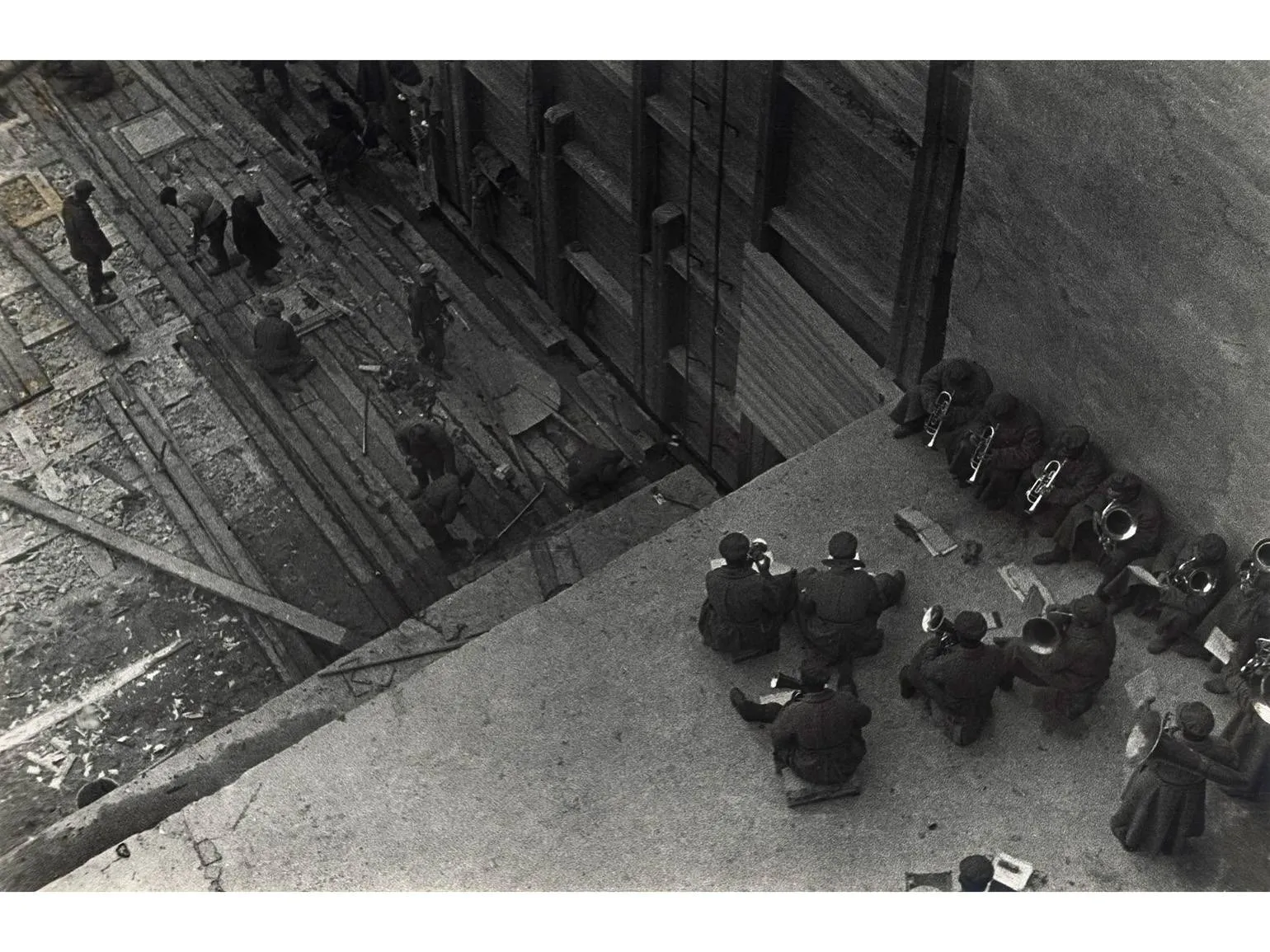
When we mention the name "Rodchenko", the concept of "perspective" immediately comes to mind. The work of this artist and photographer revolutionized the perception of images, introducing new approaches to composition and perspective. His unique vision and experimental approach to photography made him one of the most influential figures in the art world. Rodchenko didn't simply capture reality; he transformed it, adding depth and dynamism, allowing the viewer to perceive familiar objects in a new way. Thus, the connection between Rodchenko's name and the concept of perspective becomes an integral part of his legacy in contemporary art. Alexander Rodchenko departed from the traditional direct perspective, which came to photography from classical painting. He critically calls this approach "shooting from the navel." In a debate with poet Boris Kushner, who published an open letter criticizing Rodchenko's work, the artist explains that photographers, following tradition, "straighten" their shots, taking this technique to the point of absurdity. As an example, he cites a photograph of a 68-story building in the United States. To get a good shot, a photographer needs to climb to the 34th floor of a neighboring building, as this is where the building's "navel" is located. If there's no other building nearby, the facade is created through retouching. However, in real life, we perceive a giant building from the bottom up, and cars driving down the street from the top down. Rodchenko suggests viewing objects from all sides to truly understand and see them. This approach not only expands the possibilities of photography but also opens new horizons for perceiving the world around us.
Photographs
Its distinctive feature is both extremely low and extremely high shooting angles.
Photographers continue to seek out new subjects, but use old traditions. Mosquitoes will be captured in a style similar to the works of Repin, which implies a classical approach to composition. However, there is potential for a unique presentation of objects, allowing them to be seen from unusual angles that often go unnoticed.
Alexander Rodchenko is a renowned Russian artist and photographer who has had a significant influence on 20th-century art. In 1929, he contacted Boris Kushner, a poet and writer, with whom he shared creative views and common ideas about the role of art in society. In this interaction, Rodchenko emphasizes the importance of innovation and experimentation in art, which serves as a reflection of the spirit of the times. His works, rich in geometric forms and contrasts, became a symbol of the avant-garde movement and continued to inspire generations of artists. This dialogue between visual art and poetry remains relevant today, highlighting the interconnectedness of various artistic forms and their influence on cultural heritage.
Reportage
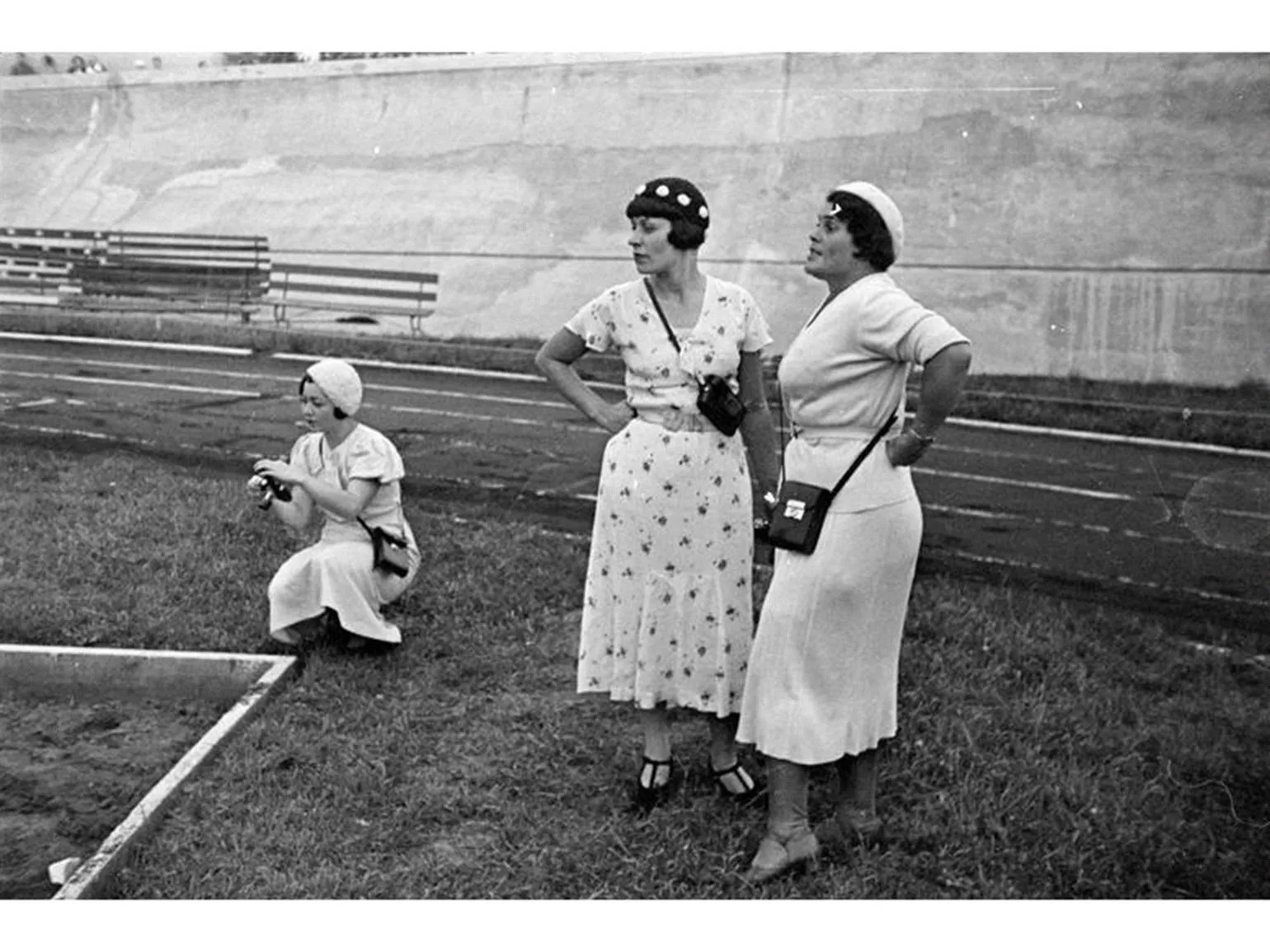
In the summer of 1928, Alexander Rodchenko began creating street reportage for the first time. He used a heavy Sept camera, which required considerable effort to shoot. At the end of that year, the artist acquired a compact Leica camera, convenient for everyday use. This event opened a new stage in his photographic work and in the development of street photography in general. Rodchenko begins to actively explore the urban environment, capturing the life and dynamics of the streets, which significantly influences the evolution of visual art.
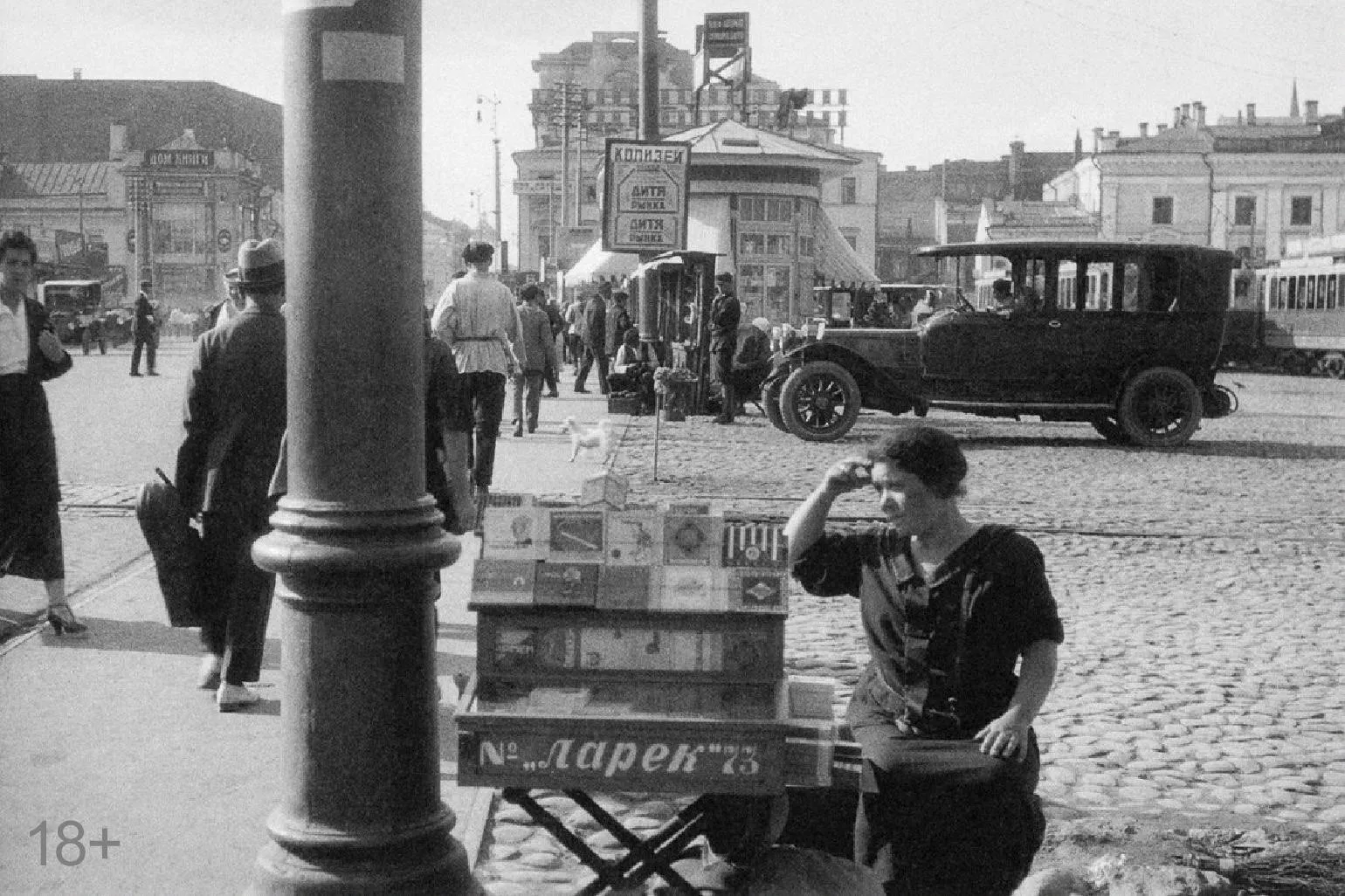
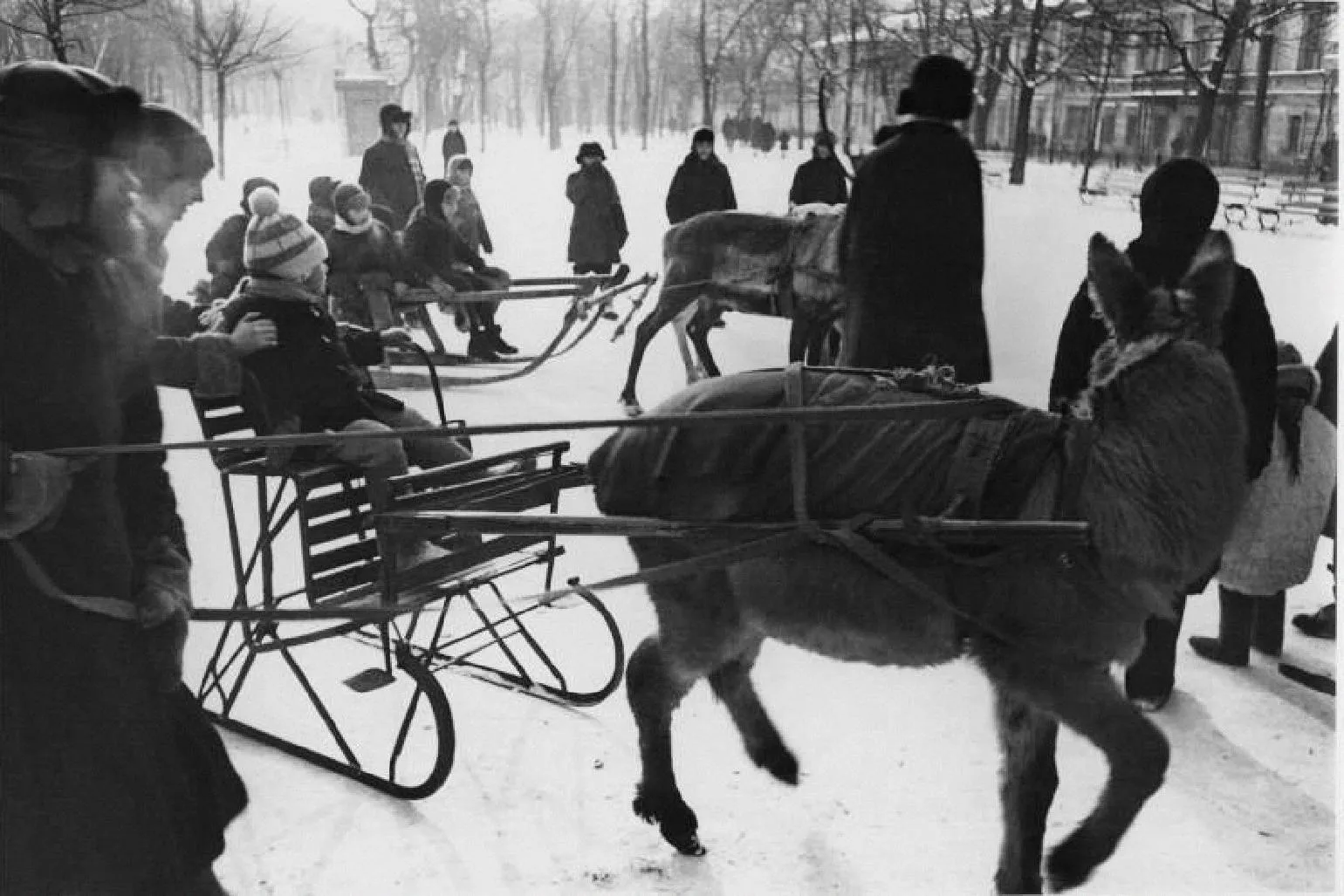
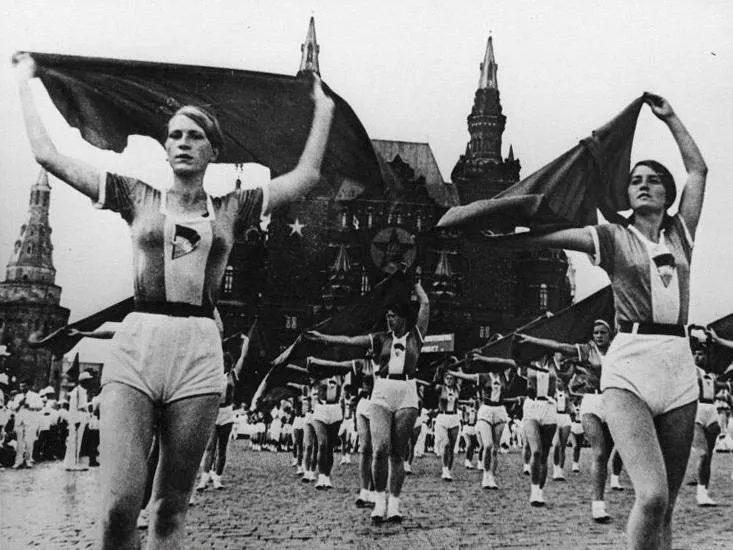
Alexander Rodchenko begins to work actively in the field of the press, rejecting the opinion that reporting is A "low" genre compared to salon art photography. He criticizes traditional posing in photographs and is strongly opposed to staging, emphasizing the importance of naturalness and truthfulness in photography. Although reportage is focused on facts, Rodchenko argues that the way they are presented is no less significant. A variety of angles, the use of light, and the play of perspective are key elements that distinguish a true photojournalist from a simple accountant of images. Rodchenko emphasizes that an individual approach to shooting allows for the creation of unique visual stories, making reportage not only informative but also artistic.
Alexander Rodchenko's practice imbues photojournalism with artistic value. His unique approach to photography transforms documentary photography, making it not only informative but also aesthetically appealing. Using innovative techniques and unconventional angles, Rodchenko creates images that evoke emotion and compel the viewer to reflect more deeply on the captured moment. Thus, the photo essay becomes not just a means of conveying information, but also a work of art, capable of conveying the atmosphere and mood of the times.
Photography as Art
Rodchenko was one of the first to embrace photography as an art form. This concept seems obvious today, but for a long time, photography was viewed solely as a means of documenting reality. His approach opened new horizons for the perception of photography, allowing it to take its rightful place in the art world.
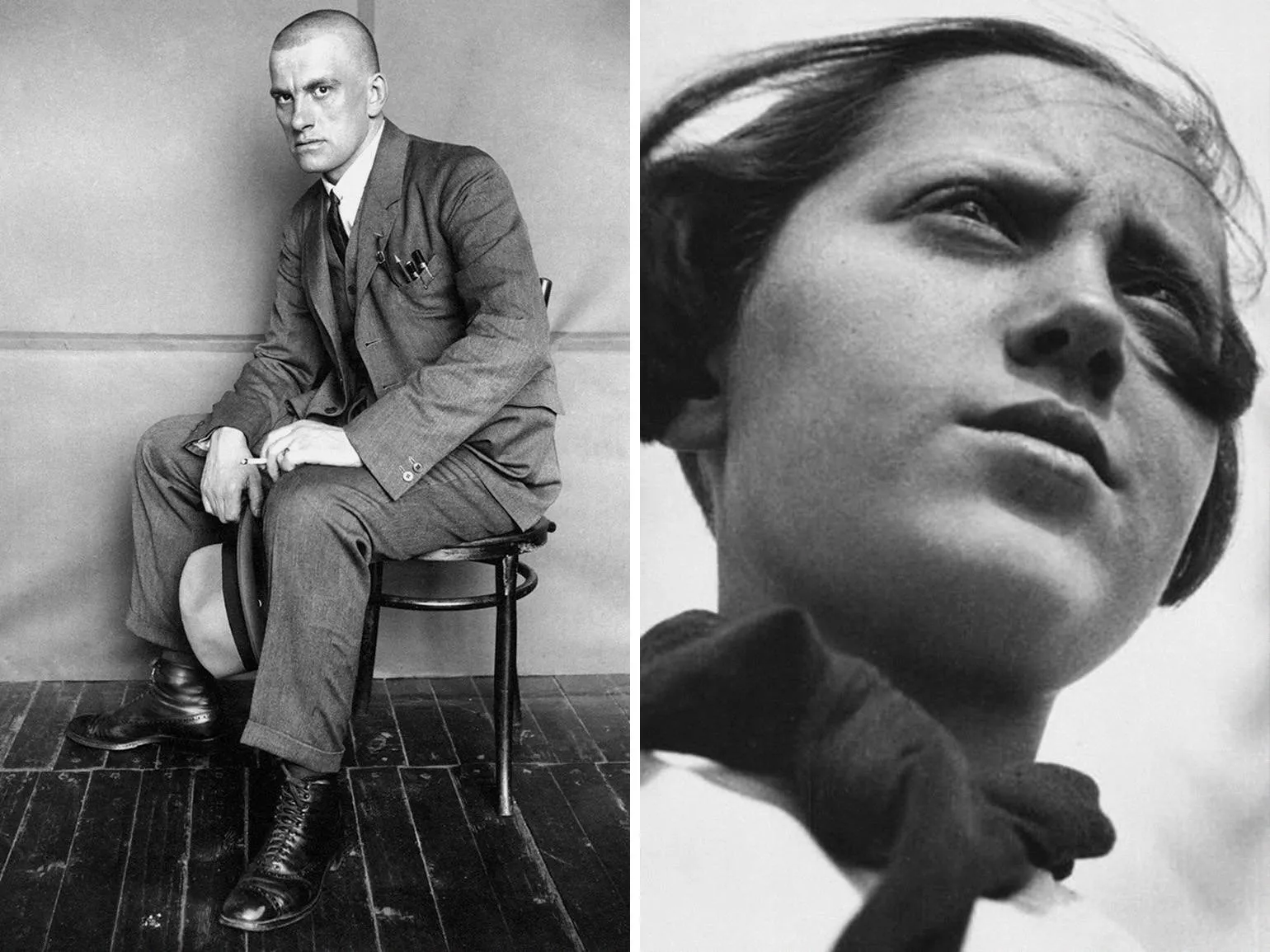
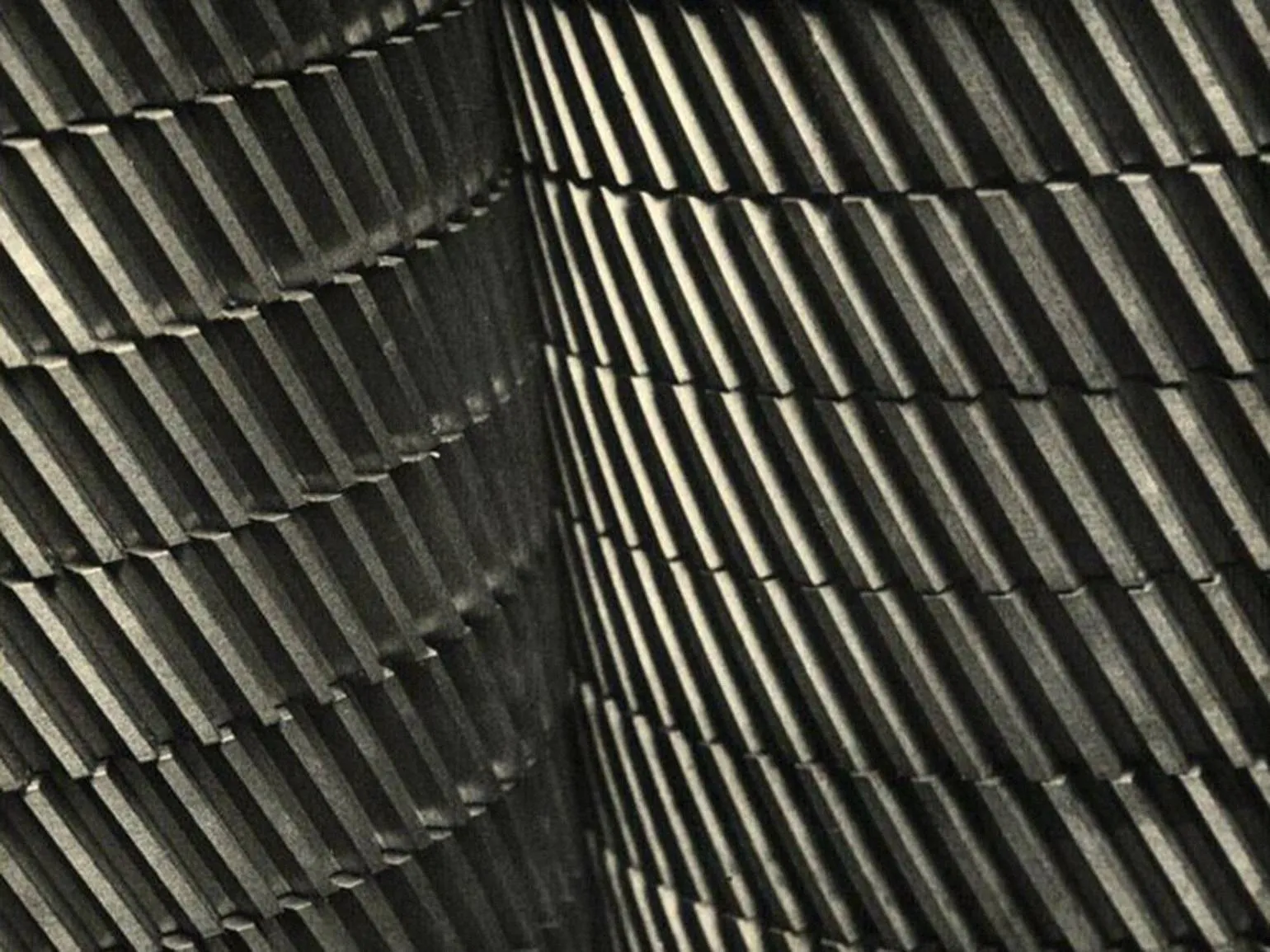
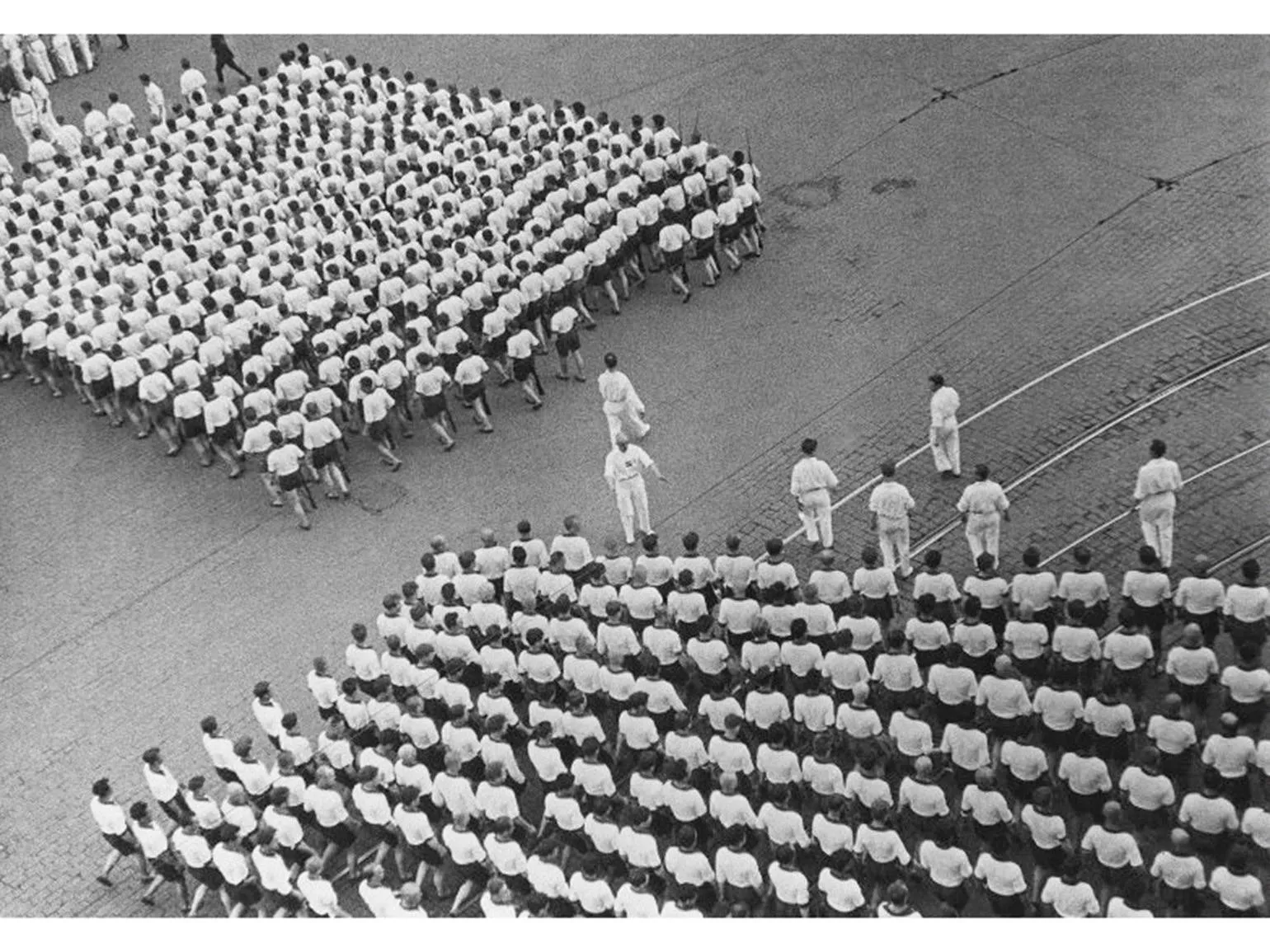
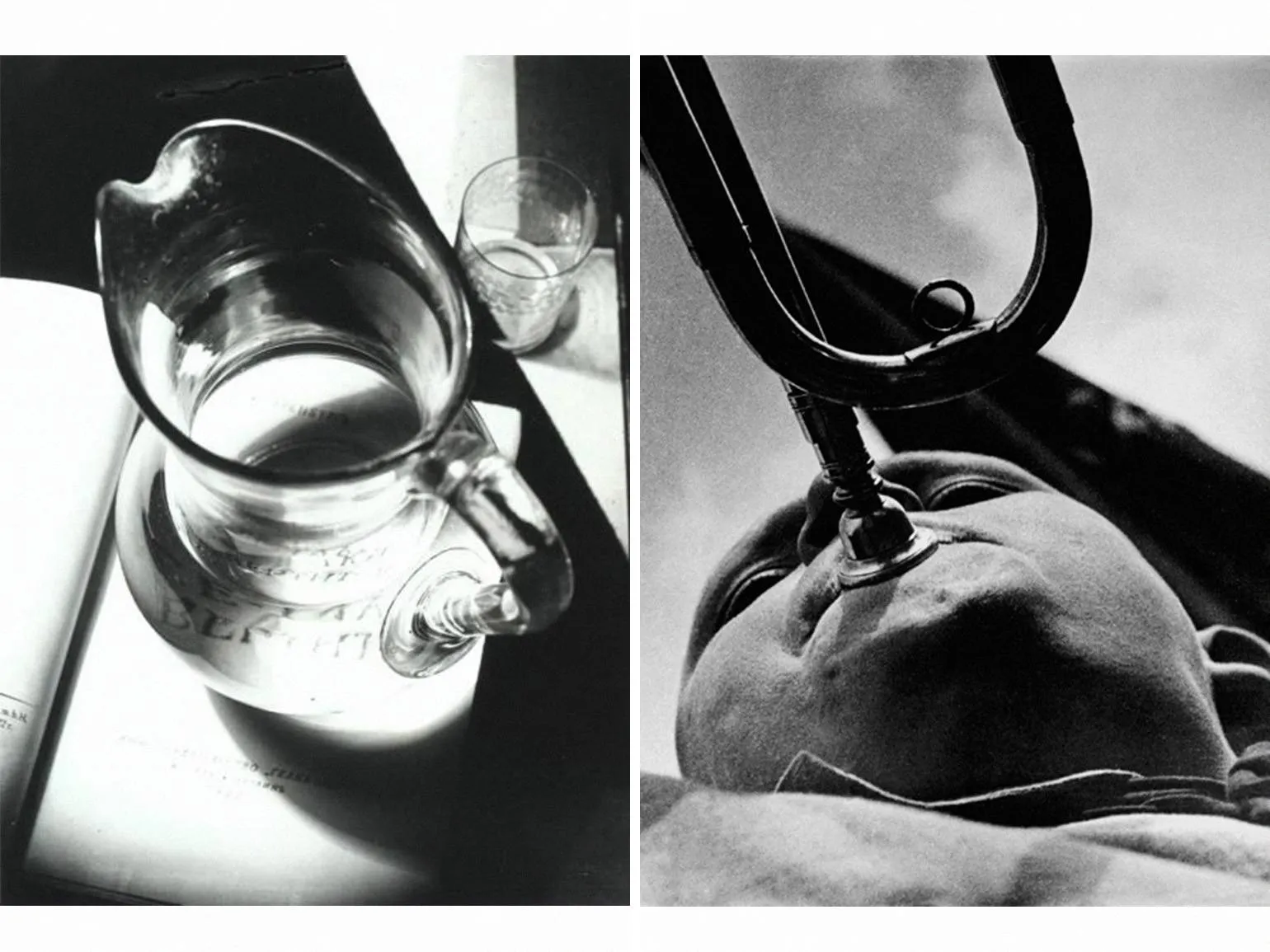
He introduced a new understanding of photography in photography, viewing it as a visual invention.
Alexander Lavrentiev is the author of "Rodchenko's Perspectives," a book that offers an in-depth exploration of the creative legacy of one of the most significant figures in Russian avant-garde photography. In his work, Lavrentiev analyzes Alexander Rodchenko's unique style, his influence on the development of visual art, and his experiments with form and composition. The book invites the reader to immerse themselves in the world of the avant-garde, revealing not only Rodchenko's biography but also the context in which he worked. This publication will be of interest to both professional photographers and anyone interested in art history and the cultural transformations of the 20th century. "Rodchenko's Perspectives" is not just a study, but an important contribution to the study and popularization of the great master's legacy.
Photography Theory
Through discussions with opponents and presentations to students, Rodchenko formulates key ideas about photography. He analyzes the compositional construction of the frame, considers aspects of documentary and artistic quality, and also pays attention to the work of a photojournalist and the preparation of photographers' shots. The importance of serial shooting also becomes the subject of his reflections, which makes a significant contribution to the development of the theory of photography.
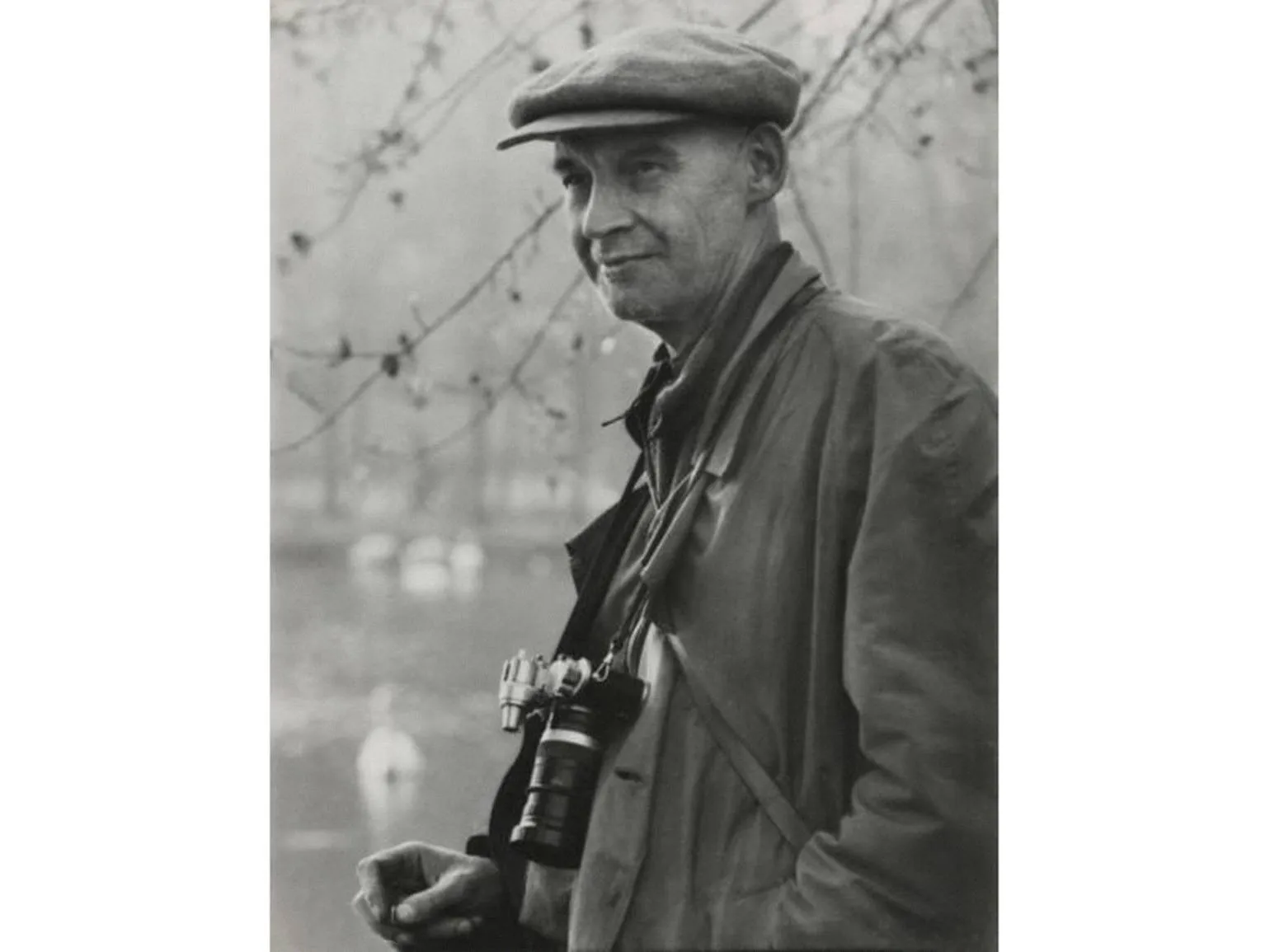
Director of MAMM In the accompanying text for Alexander Rodchenko's retrospective exhibition, Olga Sviblova notes his "invasion" of the world of photography. This expression underscores Rodchenko's innovative approach to this art form, which changed the notion of photography as a simple documentary tool. His works not only reflect reality but also become expressive works of art, transforming our perception of the surrounding world. Rodchenko's importance in the history of photography cannot be overstated, as he was one of those who expanded the boundaries of the genre by introducing elements of abstraction and conceptual thinking. The exhibition offers a unique opportunity to see how Rodchenko's creative process influenced the development of photography and art in general. This invasion resulted not only in masterpieces that have become classics of world and Russian photography, but also in a transformation of ideas about the nature of photography and the role of the photographer. Photography embraces project-based thinking. It ceases to be a mere reflection of reality and becomes a tool for the visual presentation of dynamic mental constructs. This shift emphasizes the importance of a conceptual approach in contemporary photography, where the photographer acts not simply as an observer but as an active creator of a visual narrative that shapes the perception of the surrounding world.
Alexander Rodchenko, a prominent Soviet photographer and artist, died in 1956, approximately fifteen years after retiring from photography. His work had a significant influence on the development of visual art in Russia and abroad. In 1957, a year after his death, Rodchenko's first solo photography exhibition was held, organized by the Union of Journalists of the USSR, testifying to his importance in the history of photography and art in general. The exhibition was a significant event, bringing attention to his work and continuing his legacy.
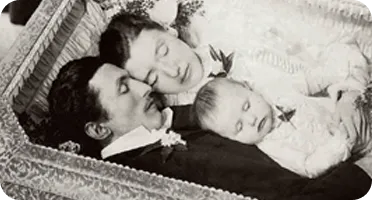
Posthumous Photography: A Dark Tradition of the 19th Century
One of the most unusual practices of the 19th century, posthumous photography involves capturing images of the dead. This tradition arose in an era when photography was just beginning to develop and mortality rates were high due to disease and war. People sought to preserve the memories of their loved ones, and photography became a way to immortalize their image.
During the Victorian era, post-mortem photography became especially popular. Families commissioned portraits of their deceased loved ones, often creating the illusion that they were still alive. The deceased were dressed in their best clothes, and sometimes they were positioned in natural poses to create the impression that they were simply sleeping. This was a way to honor their memory and maintain a connection with the departed.
While modern society may perceive this practice as macabre, in the 19th century it was quite acceptable and even common. Photographs became family heirlooms, passed down from generation to generation. With the development of technology and changing attitudes towards death, interest in post-mortem photography gradually declined, but its historical value and cultural significance remain relevant for study.
Today, post-mortem photography is viewed as part of cultural heritage, reflecting society's views on life and death in the past. Exploring this tradition helps us understand how ideas about memory and loss have changed over time.
Profession Photographer
You will learn how to take professional photos from scratch. You will learn how to organize shoots, process frames, and manage models and a team. Find your style, build an impressive portfolio, and start making money doing what you love.
Find out more