
18+ content includes materials intended solely for an adult audience. This may include videos, photographs, or text materials containing explicit scenes, sexual themes, or other aspects unsuitable for minors. It is important that such content is available only to adult users, which is ensured through age verification and restrictions. The presence of 18+ content requires a responsible approach from both content creators and consumers to ensure safety and compliance with the law. Users must understand that such materials may provoke a variety of reactions, and their consumption should be conscious and measured.
The article includes discussions of drugs and violent acts, and also contains images depicting scenes of smoking.
Contemporary photography is increasingly emphasizing personal aspects, as noted by photography teachers and curators. Artists, analyzing their life experiences, often use self-portraits for self-expression. Understanding the peculiarities of this artistic approach, where the author and the subject of the photograph are one and the same person, is possible thanks to the book by writer and curator Emma Lewis, "...isms: How to understand photography," published by Ad Marginem. This work serves as a valuable guide for those seeking a deeper understanding of contemporary photography and the personal narratives it reflects. With permission from the publisher, we present an excerpt from the section on postmodernism, covering the period from 1950 to 1990. This period was key to the formation of postmodernist ideas, which significantly influenced literature, art, and philosophy. Postmodernism is characterized by a rejection of traditional narratives and authorities, as well as an emphasis on fragmentation and multiculturalism. It responded to modernist concepts, proposing new ways of perceiving reality and identity. Important figures of this period include authors such as Jean-François Lyotard, Roland Barthes, and Umberto Eco, whose works became the basis for further research and debate in the humanities. Postmodernism has had a significant impact on contemporary art, architecture, and popular culture, fostering new forms of expression and critical understanding of the world around us.
Subscribe to our Telegram channel "Behind the Curtain" to stay up-to-date with all the news and not miss important updates. We regularly publish interesting materials that will help you stay on trend. Join our community and follow current events with us.
Self-Portrait and Identity
In the 1970s, photographers began to actively use props, turning to masquerade and acting. This approach became a form of protest against externally imposed notions of identity. Photographers sought to break down stereotypes and show the diversity of human experience, using elements of theater and artistic expression to create new images and meanings.
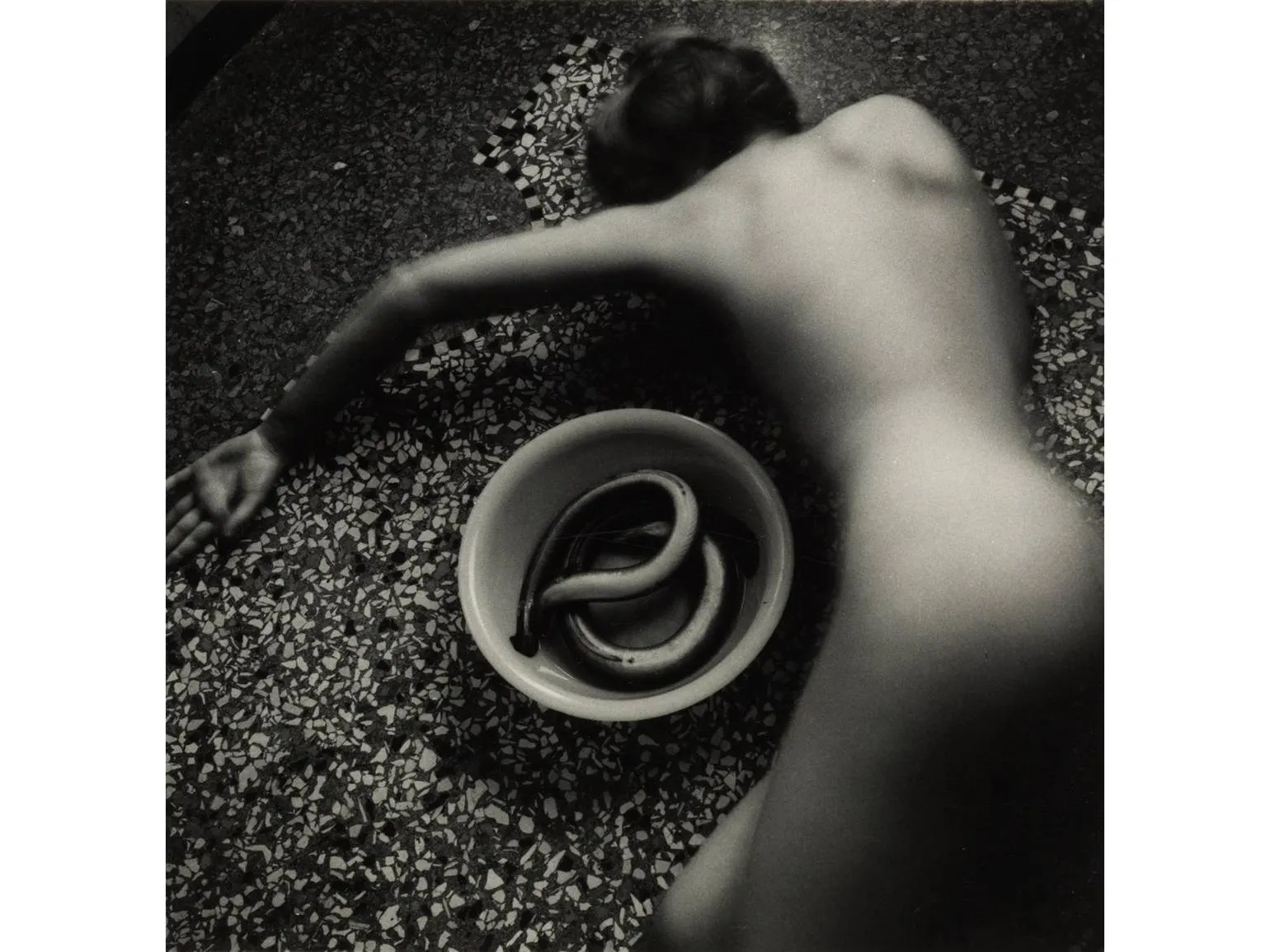
Francesca Woodman (1958–1981) was a prominent American photographer known for her profound and emotional black-and-white works exploring themes of identity and femininity. Her work remains relevant and influential in contemporary art, inspiring a new generation of artists.
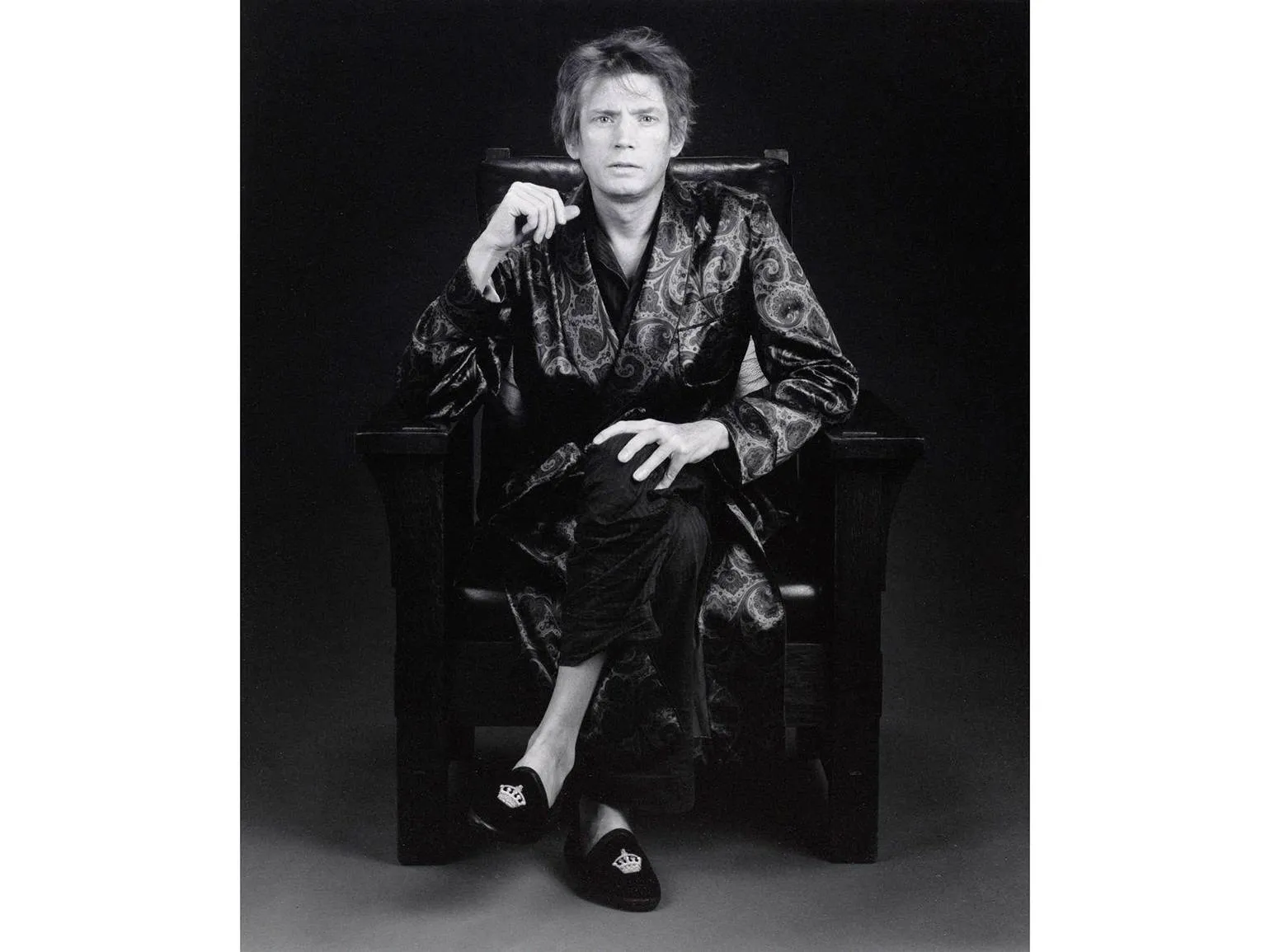
Robert Mapplethorpe (1946–1989) was a celebrated American photographer known for his provocative portraits and still lifes. His art often explored themes of sexuality and aesthetics, making him one of the most discussed figures in the world of photography.
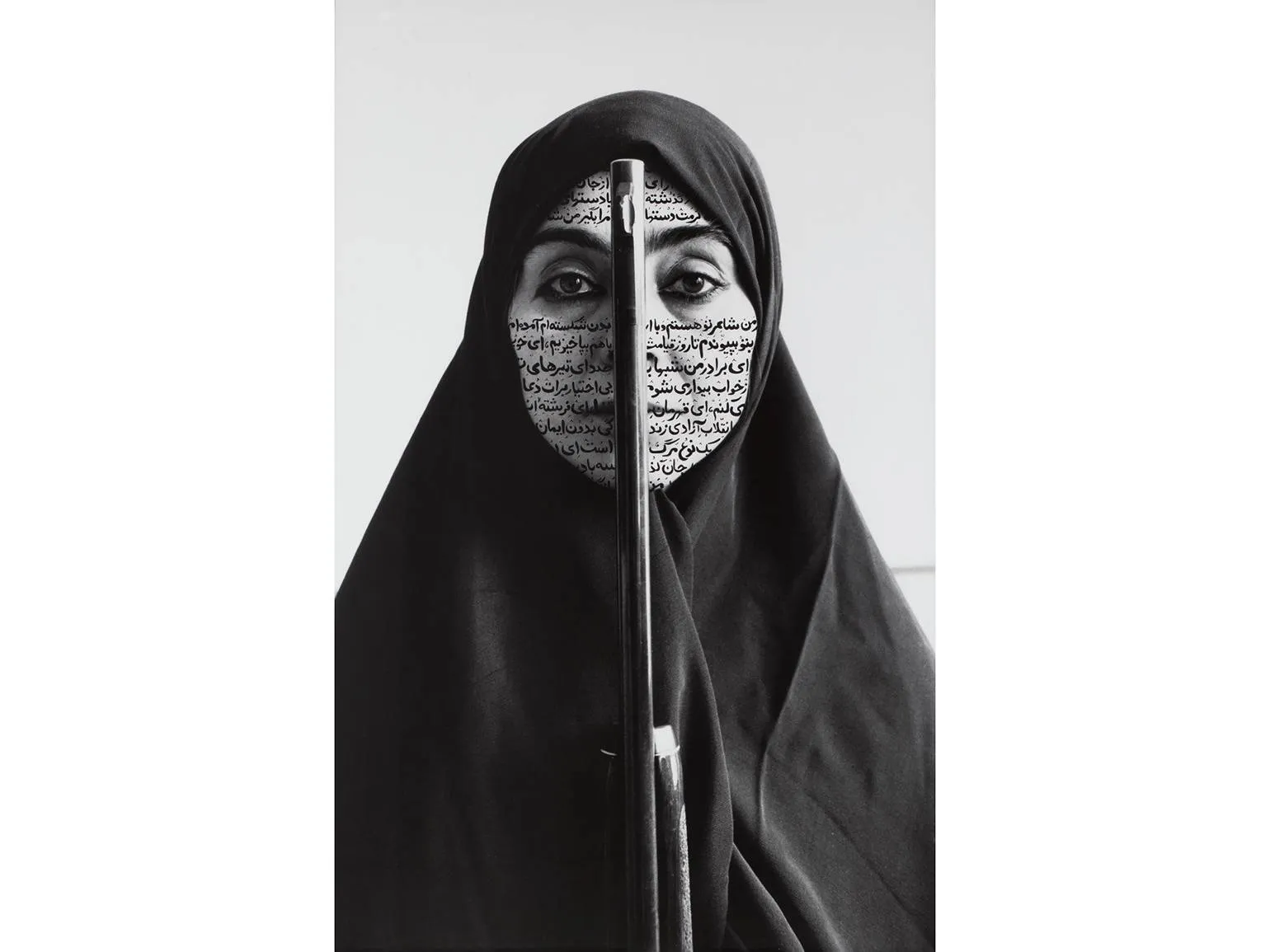
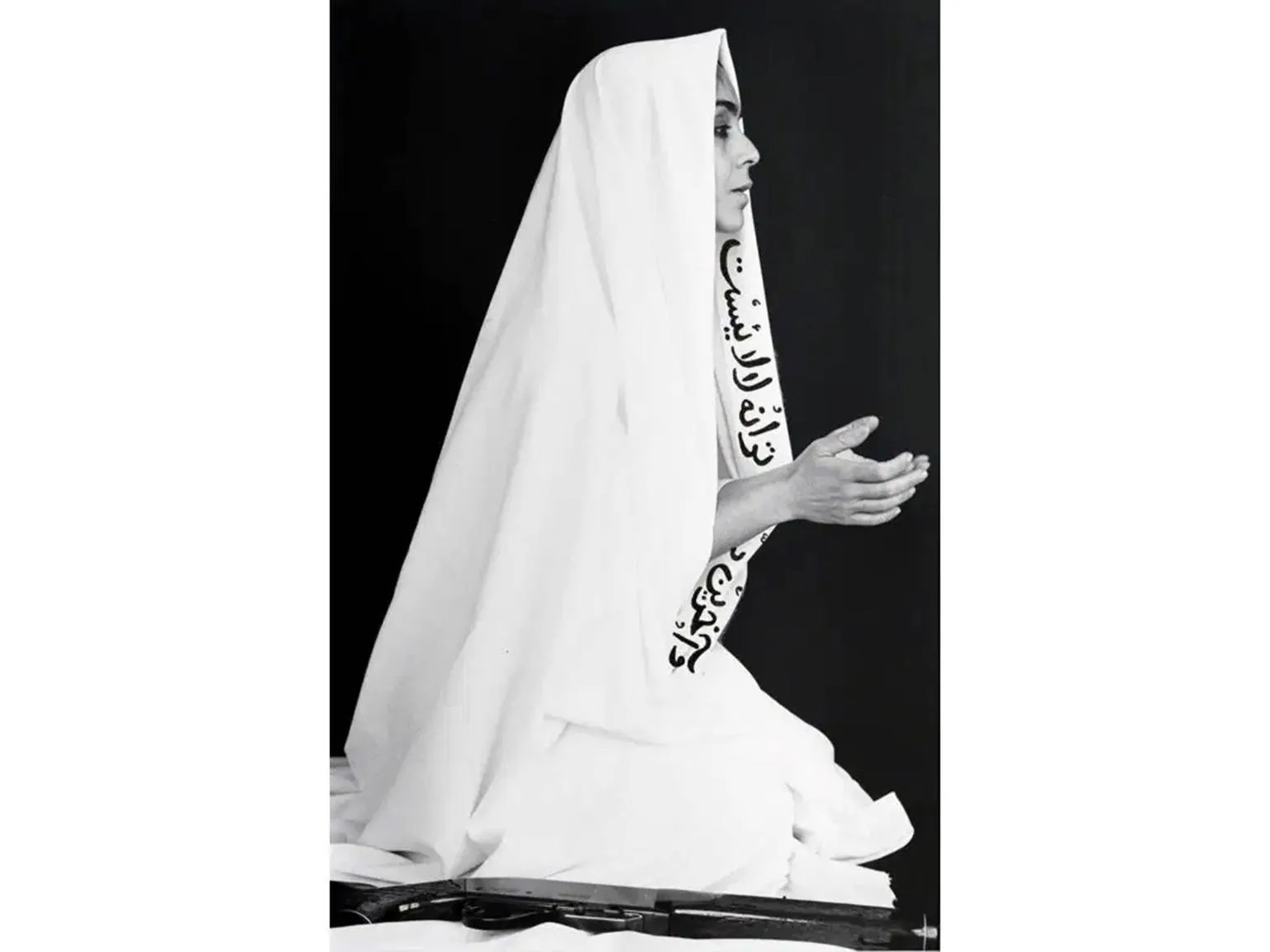
Shirin Neshat (born 1957) is an Iranian artist whose work explores issues of female identity and culture in the context of the Islamic world. Her photography projects and video installations explore themes of exile and belonging, making her work significant in the context of contemporary art.
Gillian Wearing (born 1963) is a British artist known for her installations and video art that explore the nature of memory and self-expression. Wearing often draws on elements of personal history and public memory to create profound and meaningful works.
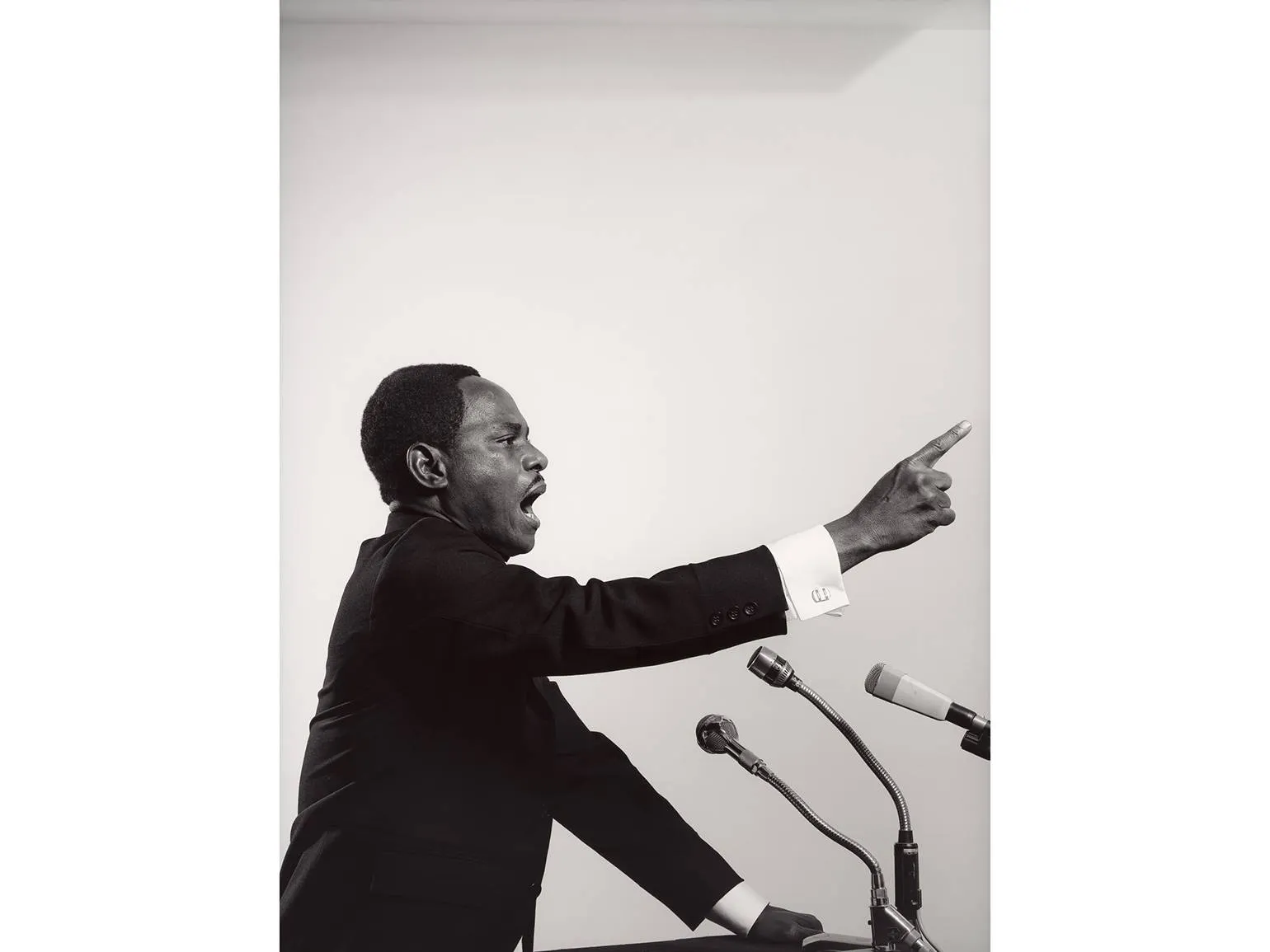
Samuel Fosso (born 1962) is a contemporary artist whose work is a unique combination of painting and sculpture. His work explores the intersection of different cultures and identities, making his art particularly relevant in the contemporary world.
Gender identities and their manifestations become an important theme within the postmodern approach. Masquerade, as a metaphor, illustrates the complexity and multifaceted nature of gender roles. In postmodernism, gender is not viewed as a fixed category, but as a dynamic concept that is constantly changing depending on the context. This allows us to explore the relationship between gender, race, and sexuality, highlighting how these aspects influence each other. As a result, masquerade becomes not only a way to express individuality but also a way to critically reflect on social constructions related to gender and race. Sexuality plays a key role in this context, as it intersects with gender identities, creating unique and diverse forms of self-expression. It is important to consider that understanding these concepts requires deep analysis and an openness to new ideas that shape contemporary society.
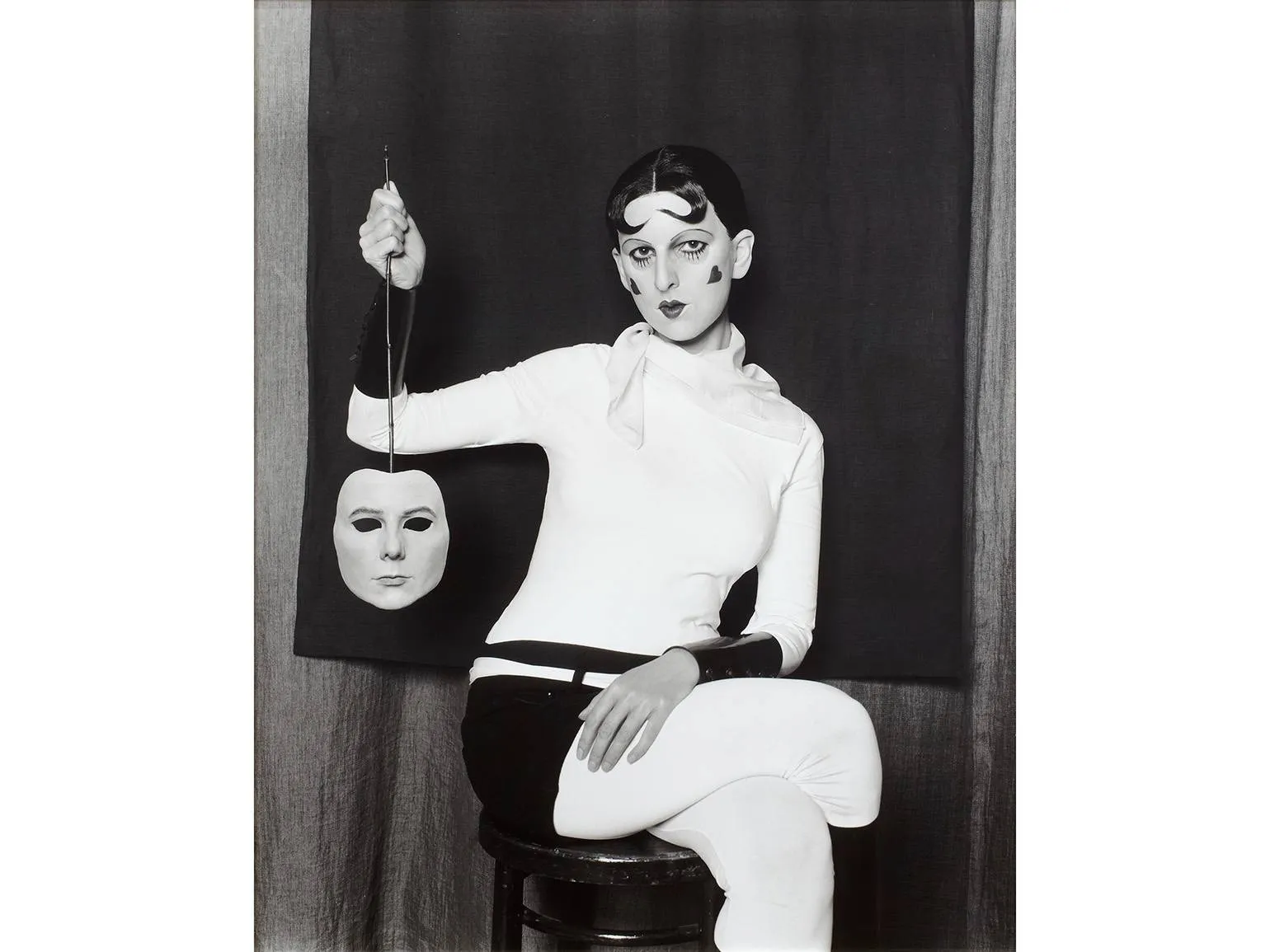
In the 1930s, Claude Cahon and Marcel Duchamp became pioneers in feminist and gender art, photographing themselves wearing clothing and makeup typical of the opposite sex. Their works challenged traditional notions of masculinity and femininity, opening new horizons for the discussion of gender roles and identity. These artistic experiments became an important step in the development of gender theory and inspired many followers.
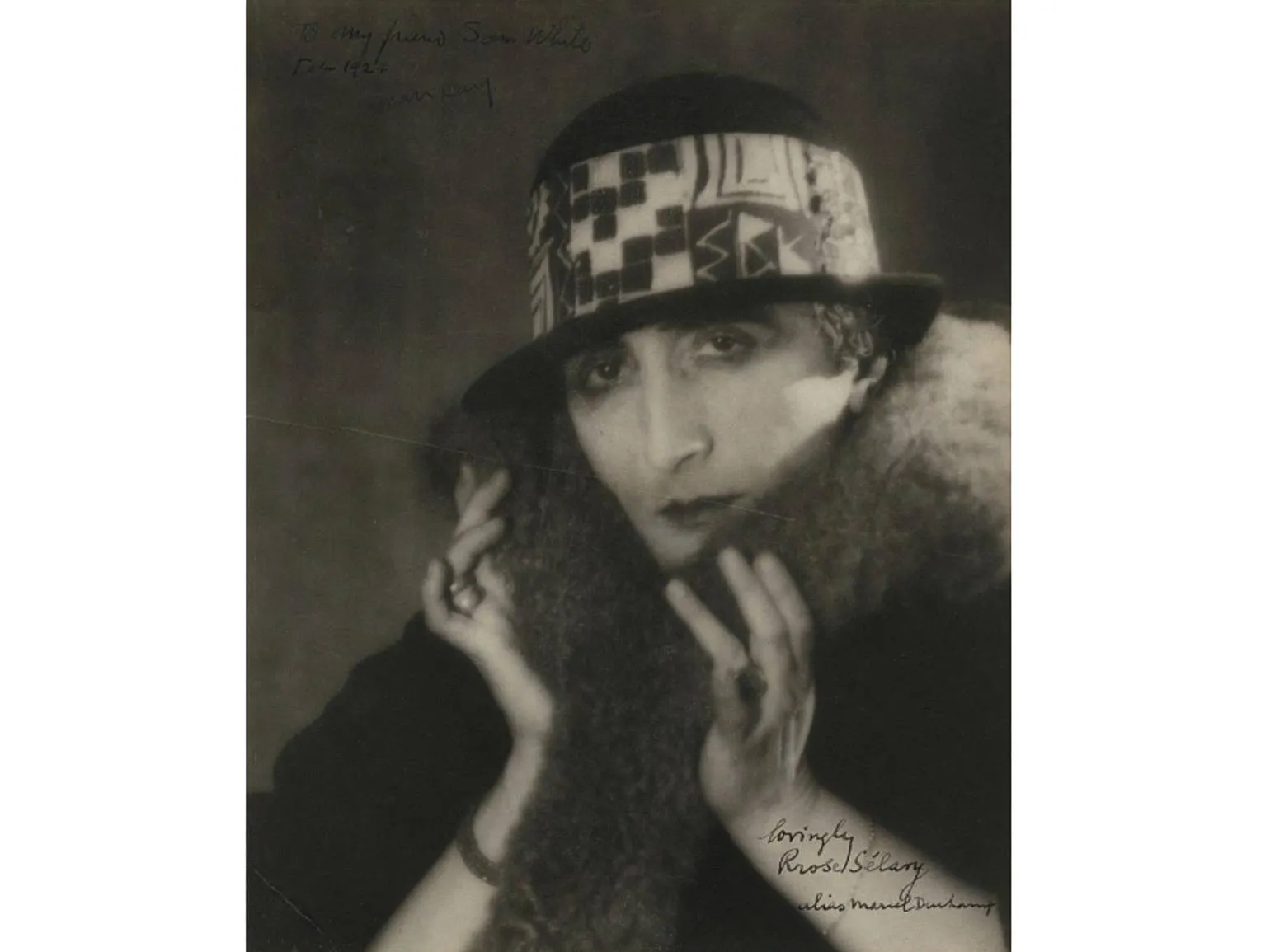
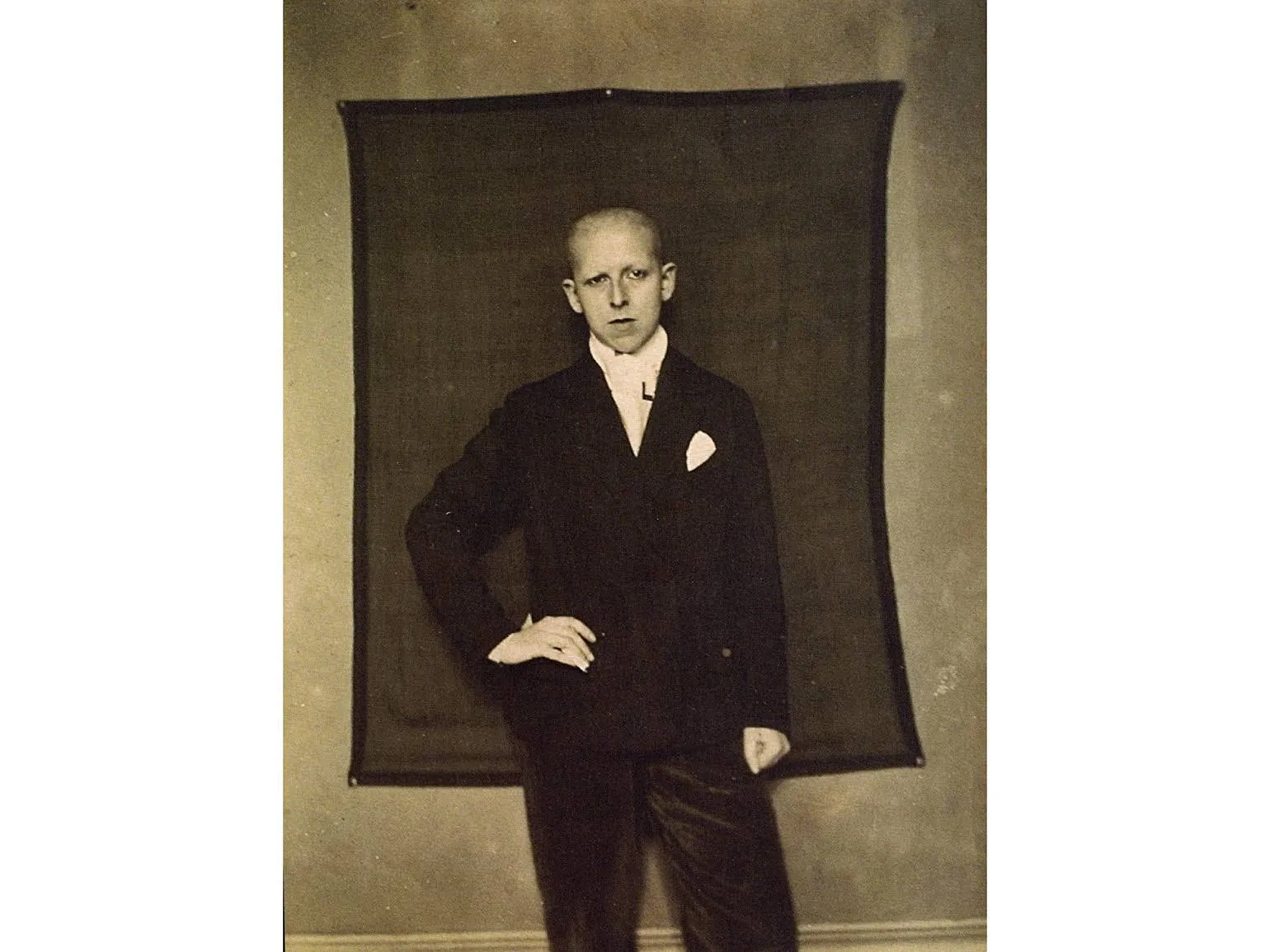
In the 1970s, self-portraits began to be used to deeply analyze postmodern theories of identity, gender, sexuality, and race. This period marked an important stage in art, as artists used the self-portrait as a tool to explore and express complex social and cultural issues. Self-portraits during this time reflected not only the artists' personal experiences but also broader discussions about how identity is formed and perceived in society. Cindy Sherman and Adrian Piper, within queer and feminist theory, explored masquerade and theatricality to blur traditional notions of gender. Meanwhile, Hannah Wilke, Jo Spence, and Robert Mapplethorpe in the 1980s used their bodies as vehicles for exploring issues of physical health and political critique. These artists broke new ground in understanding identity and the body, demonstrating how art can serve as a tool for rethinking social norms and prejudices.
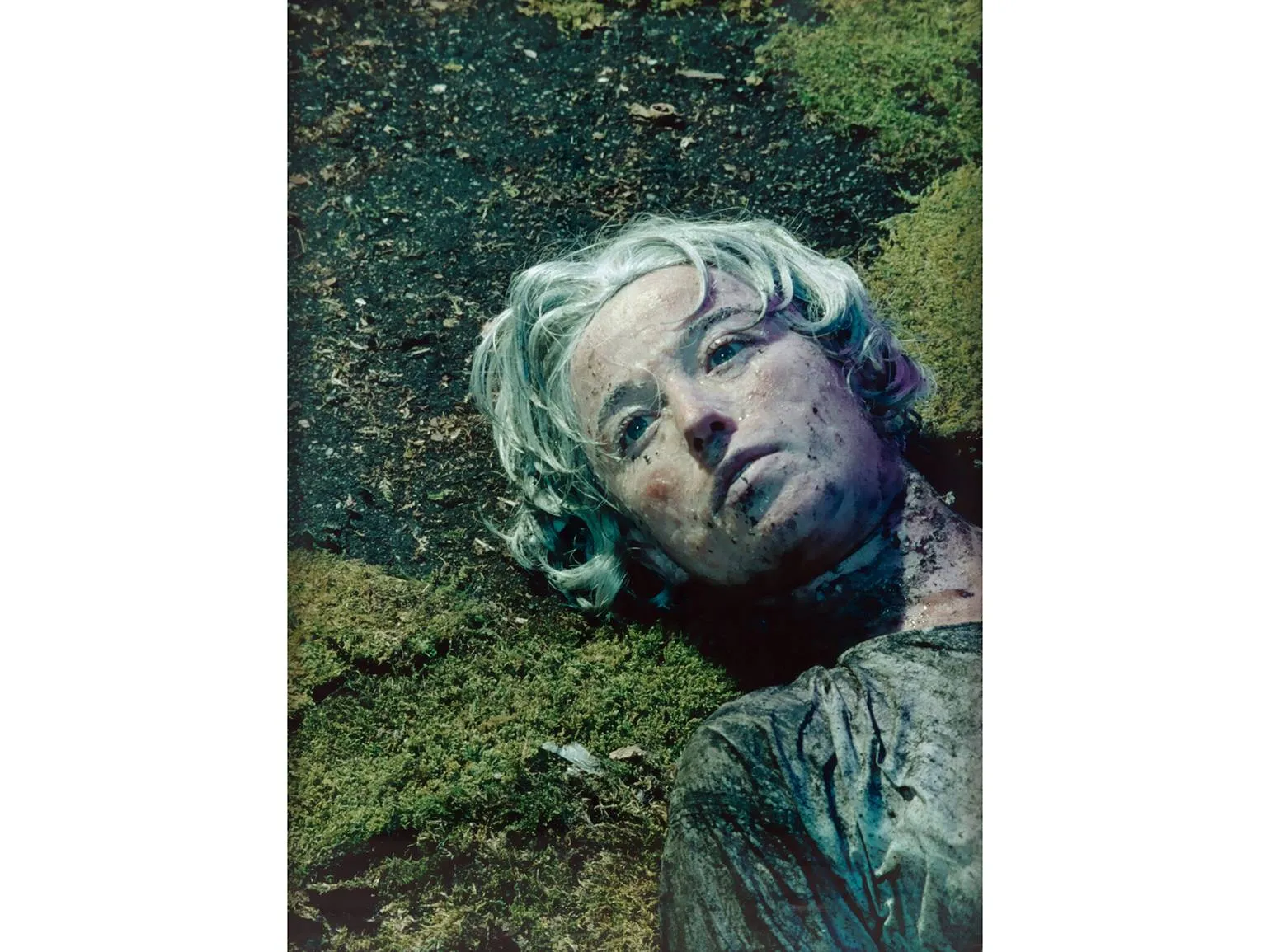
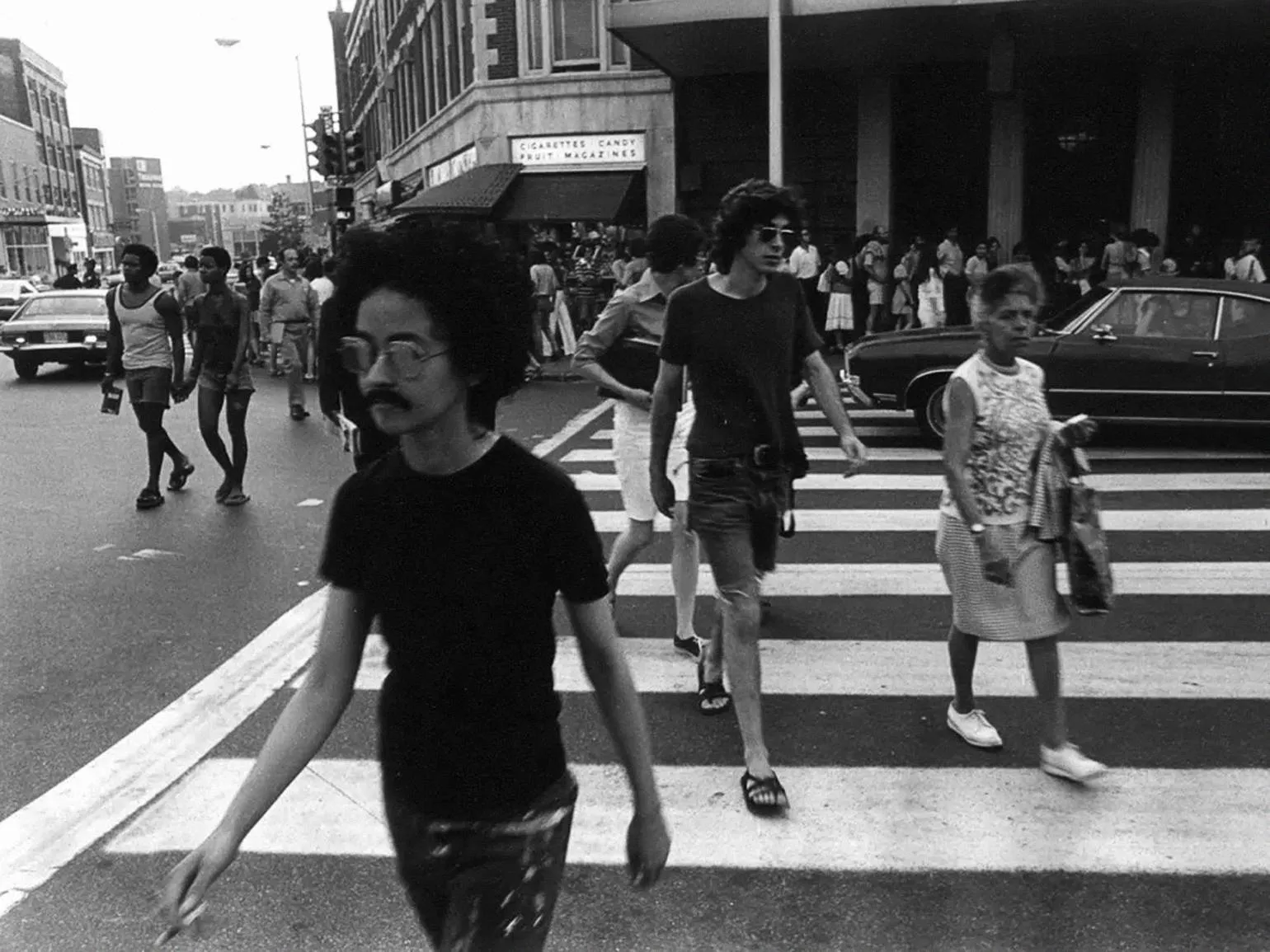
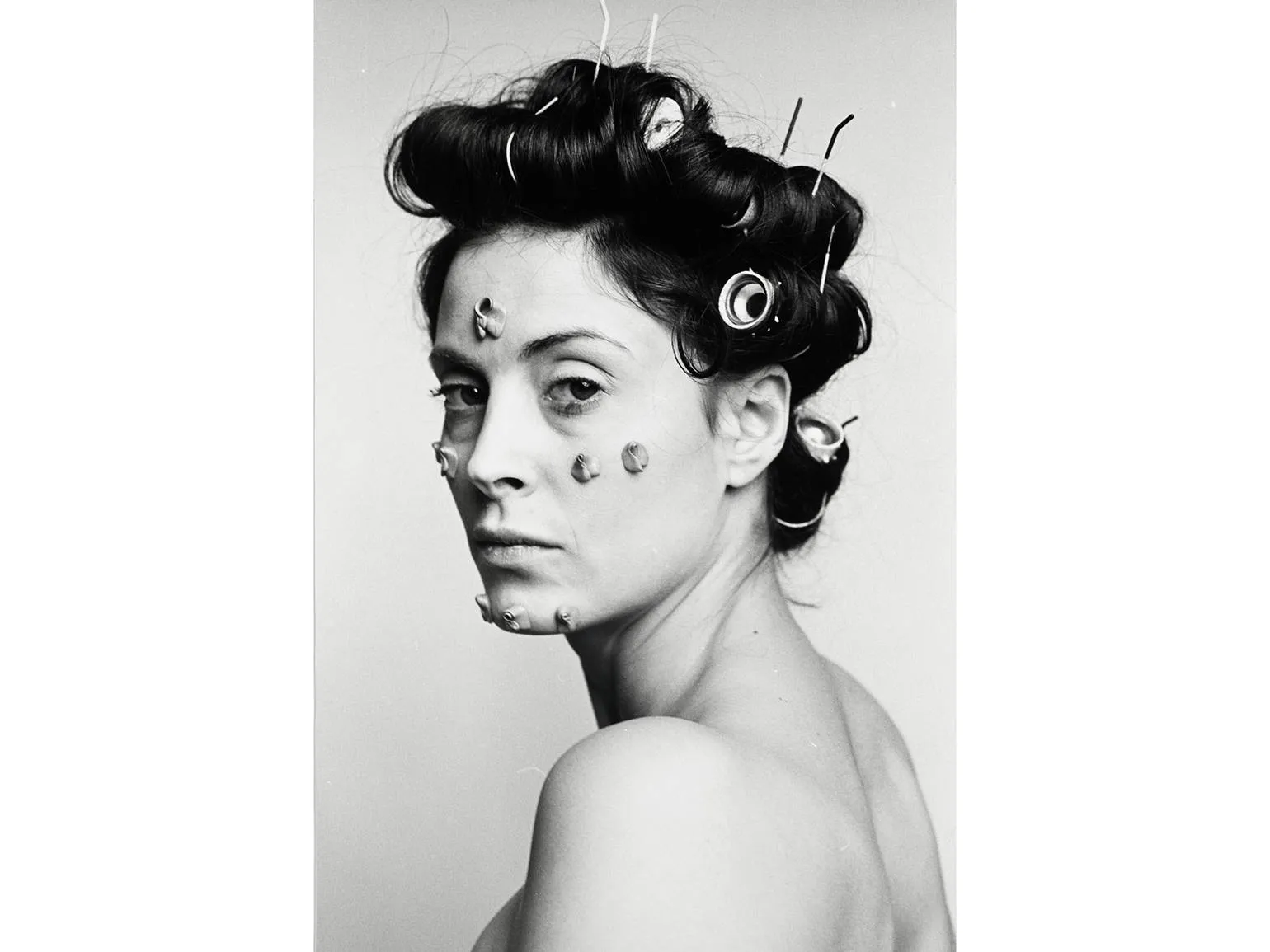
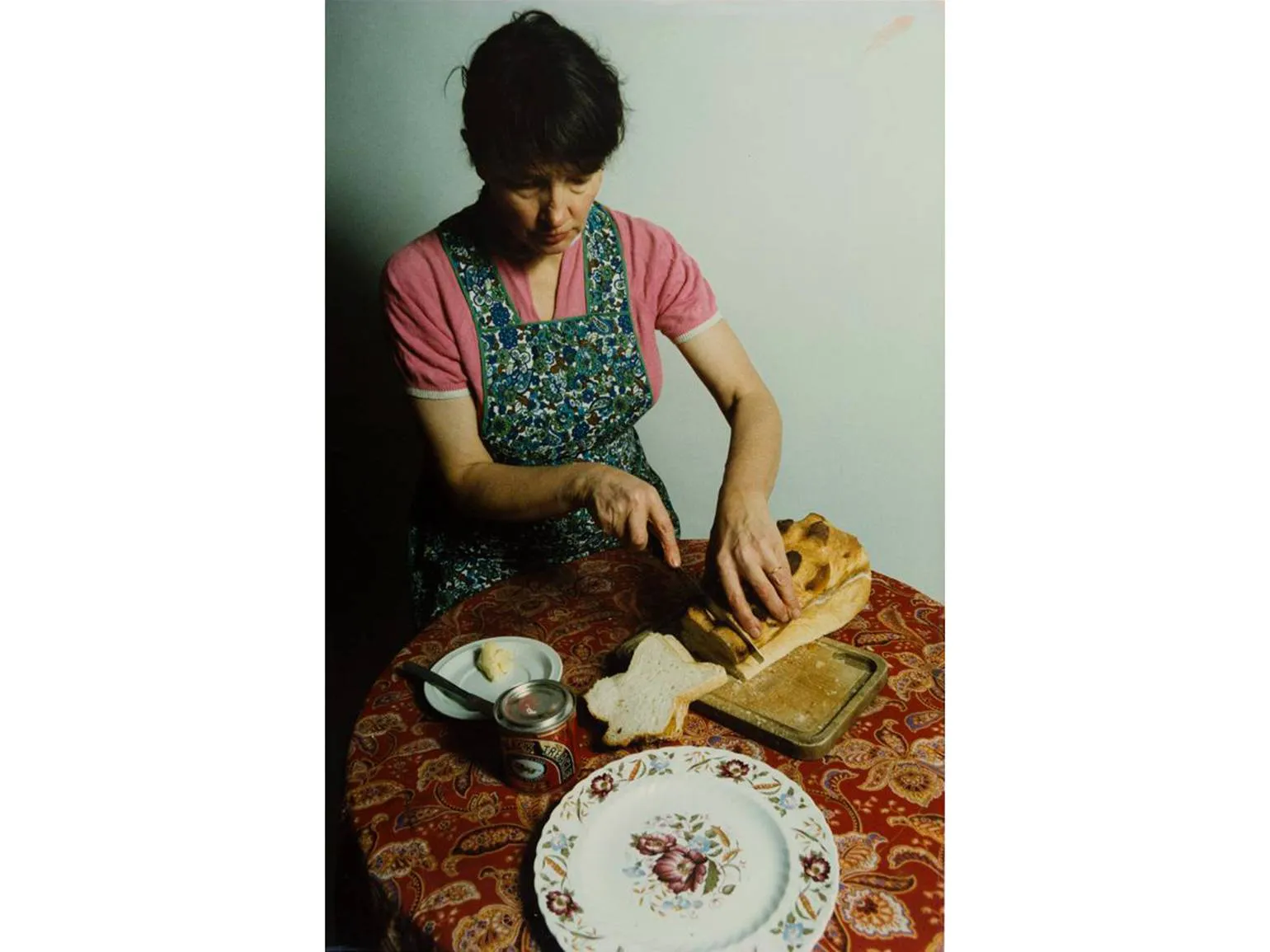
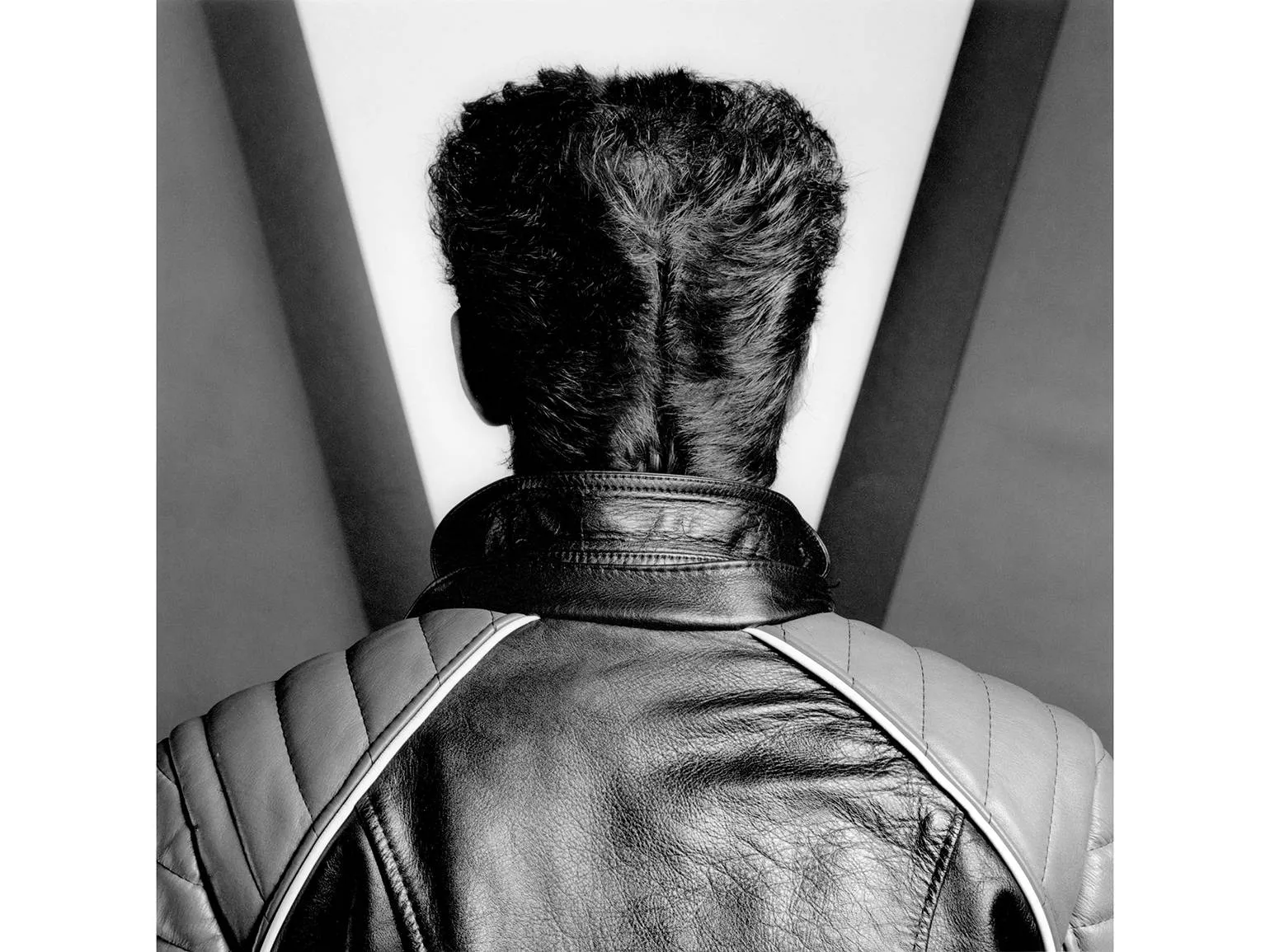
Photographers began to actively explore themes of racial and spiritual identity, creating profound and expressive works. Shirin Neshat and Laila Essaidi focus on the role of women in strict religious cultures, creating psychological portraits that reveal new facets of these issues. Samuel Fosso and Lyle Ashton Harris, using props and developing staged scenarios, demonstrate how the studio portrait can both enhance and undermine cultural identity. These artists make a significant contribution to contemporary art by raising important social issues and evoking viewer awareness.
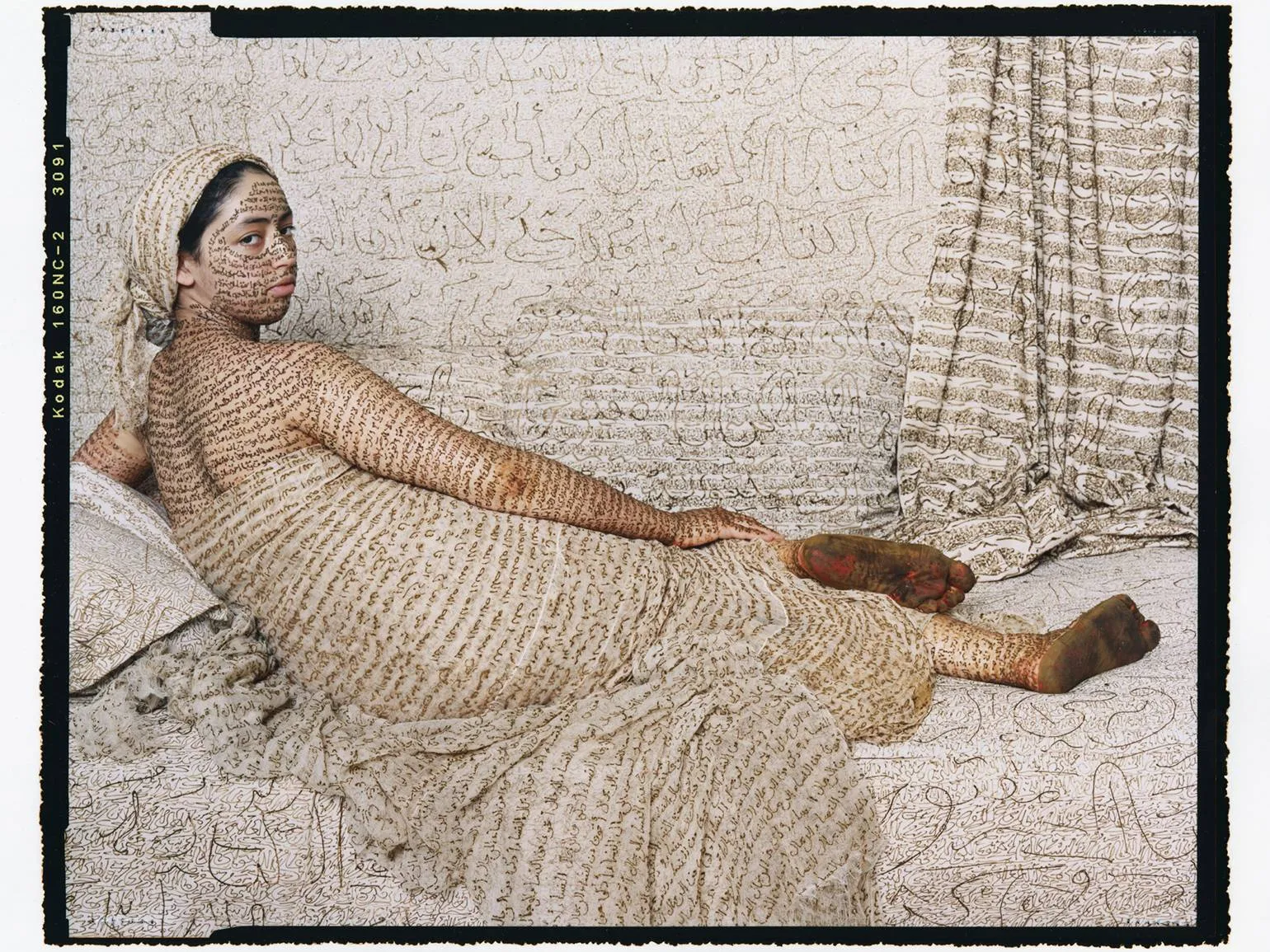
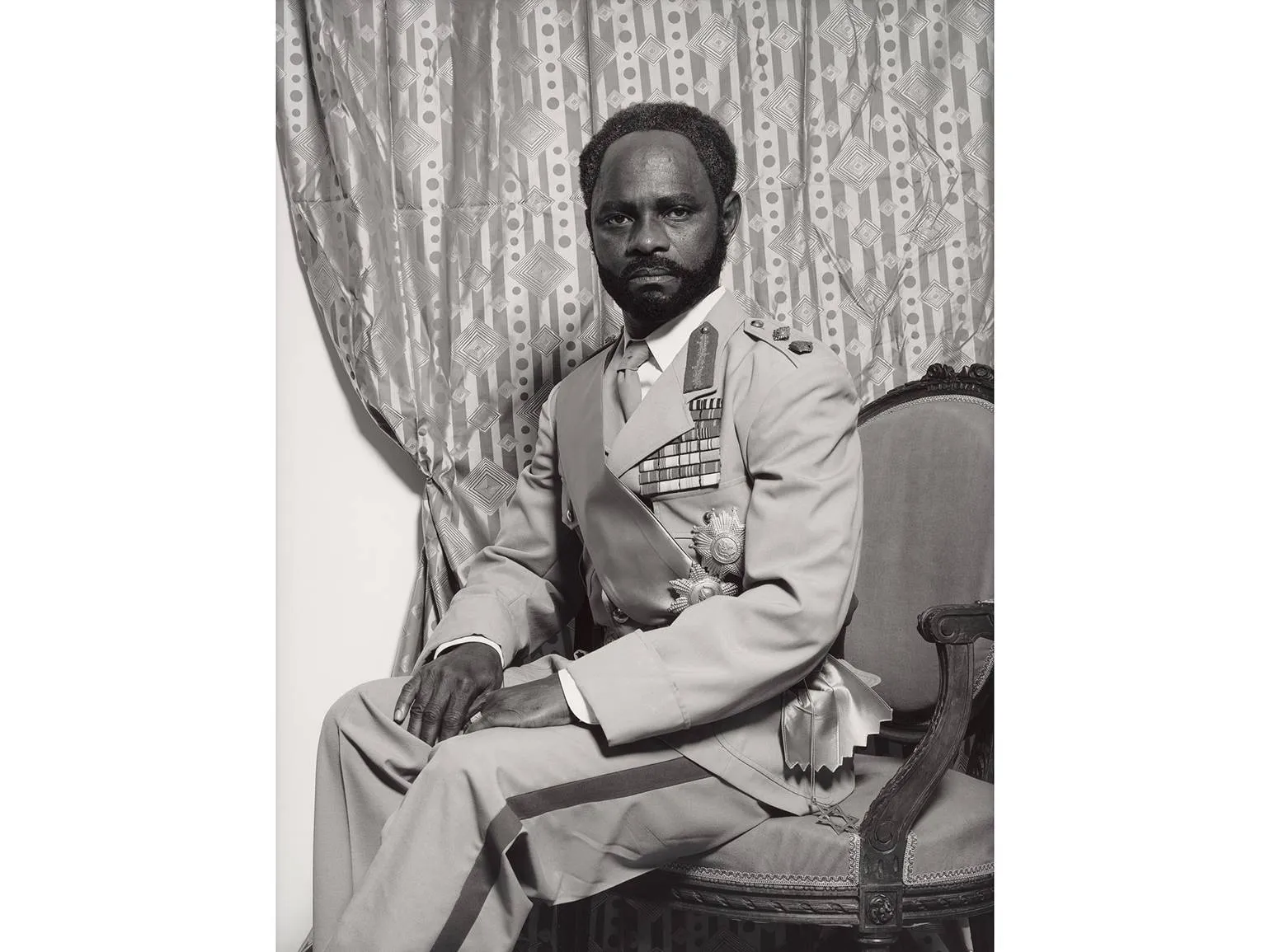
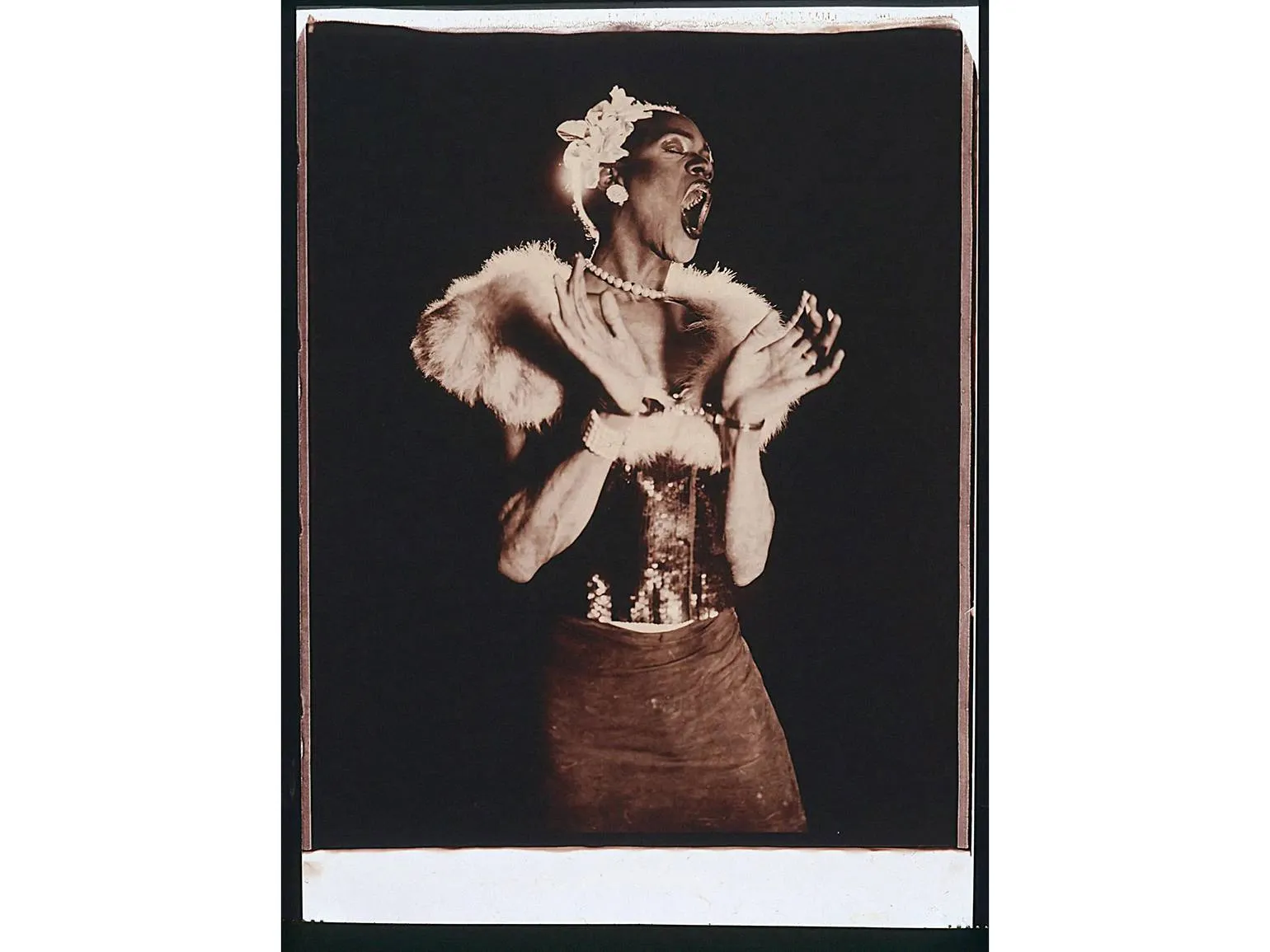
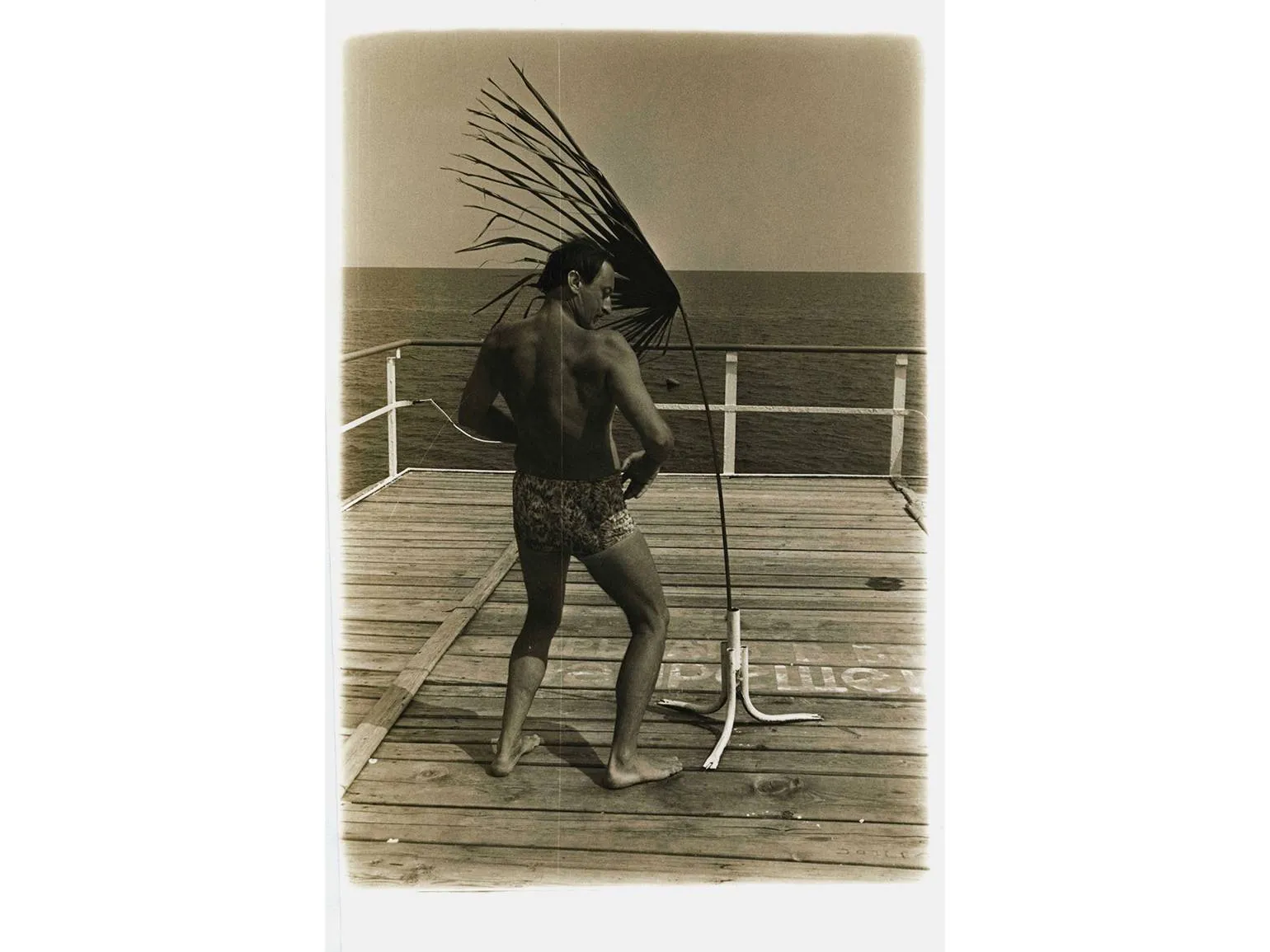
Many photographers strive to explore their individuality and artistic vision through the lens of introspection. Gillian Wearing creates large-scale color photographs featuring herself as a model, as well as artists and members of her family. Meanwhile, Lee Friedlander has documented herself throughout her life, often using shadows or reflections. Others, such as Boris Mikhailov, Erwin Wurm, Francesca Woodman, and Anna and Bernard Bloom, strike unusual poses, often burlesque-inspired, or are photographed in exotic and bizarre locations. These approaches demonstrate how contemporary photography can serve as a tool for self-expression and exploration of personal identity.
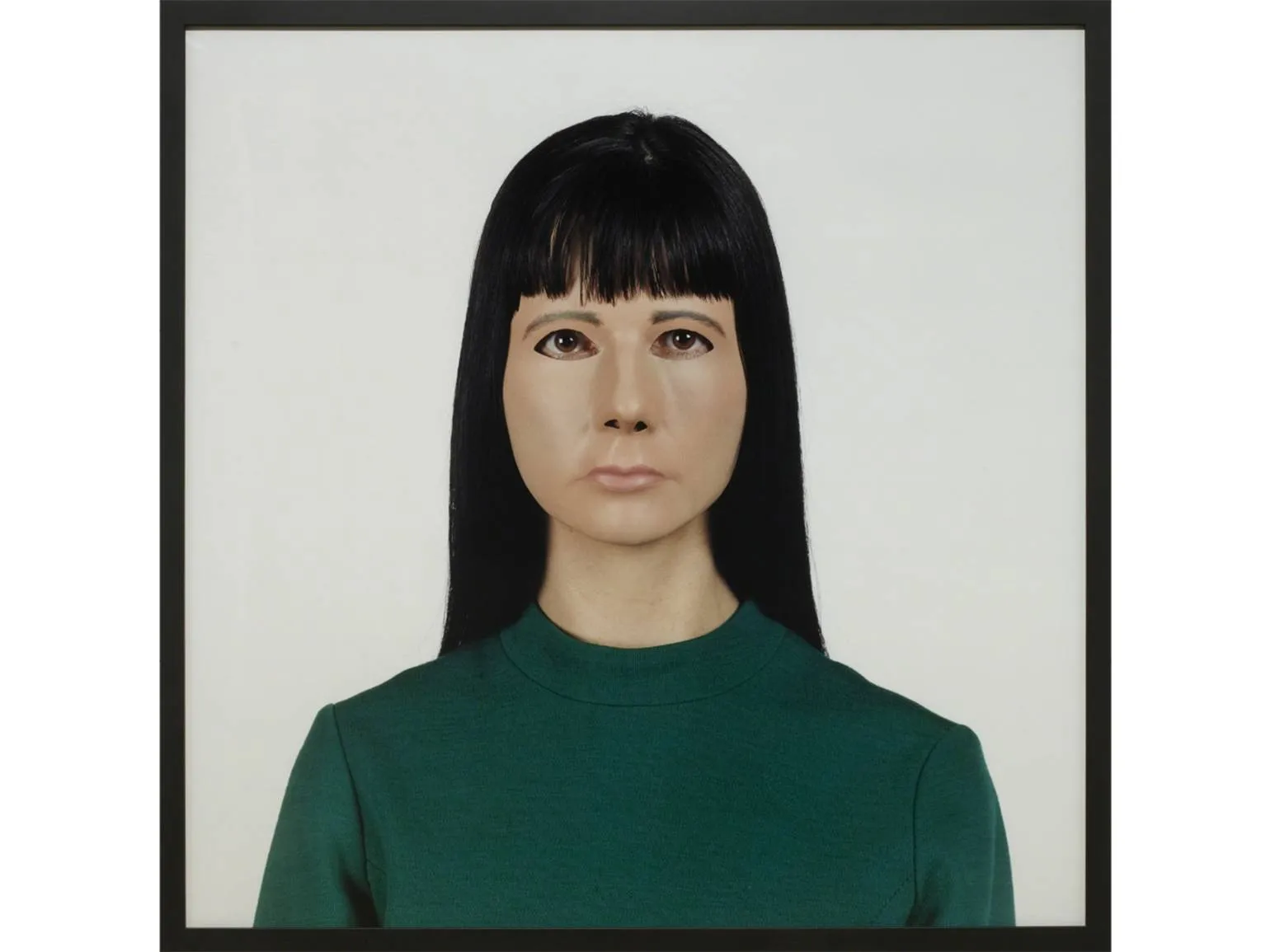
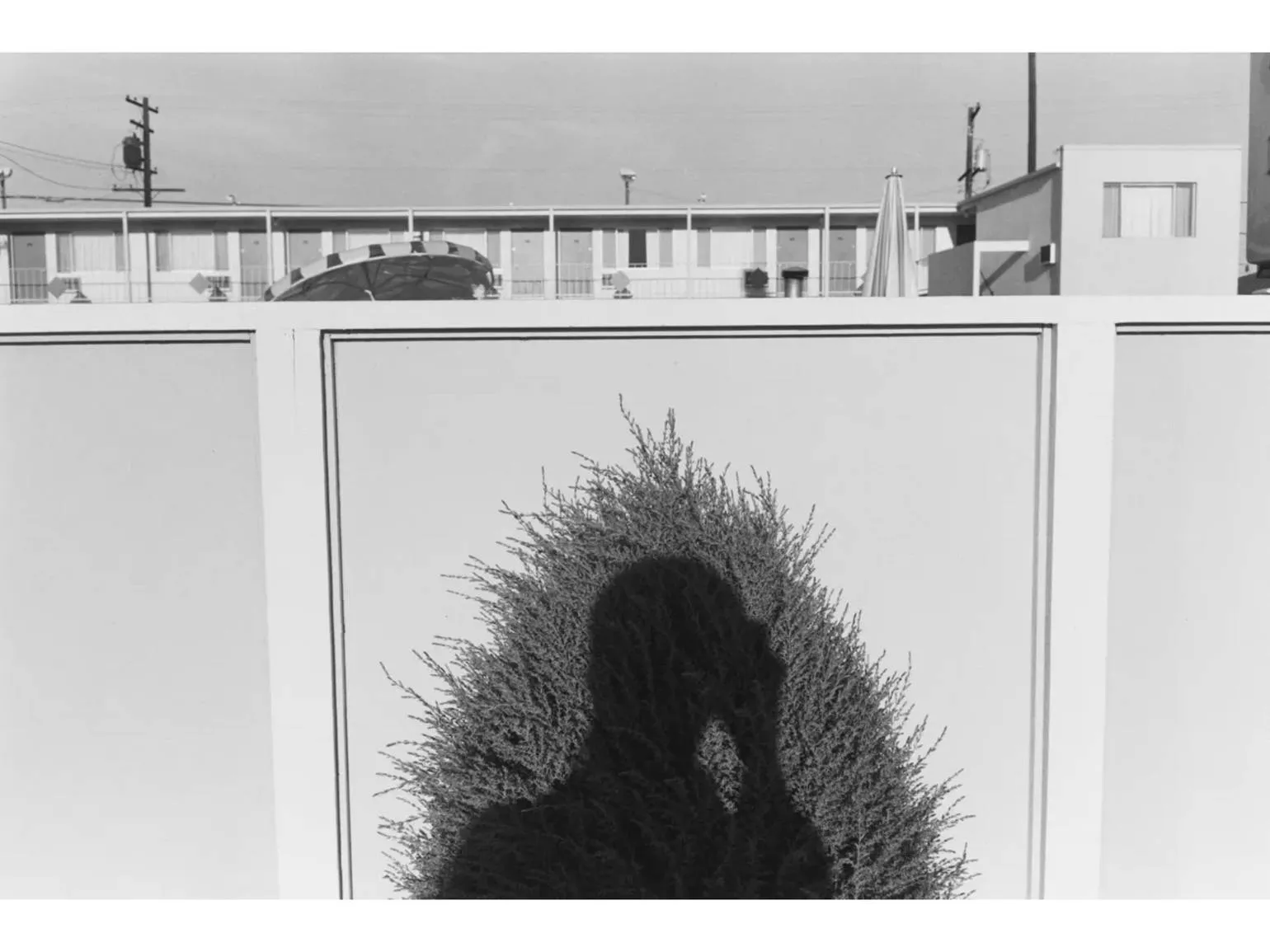
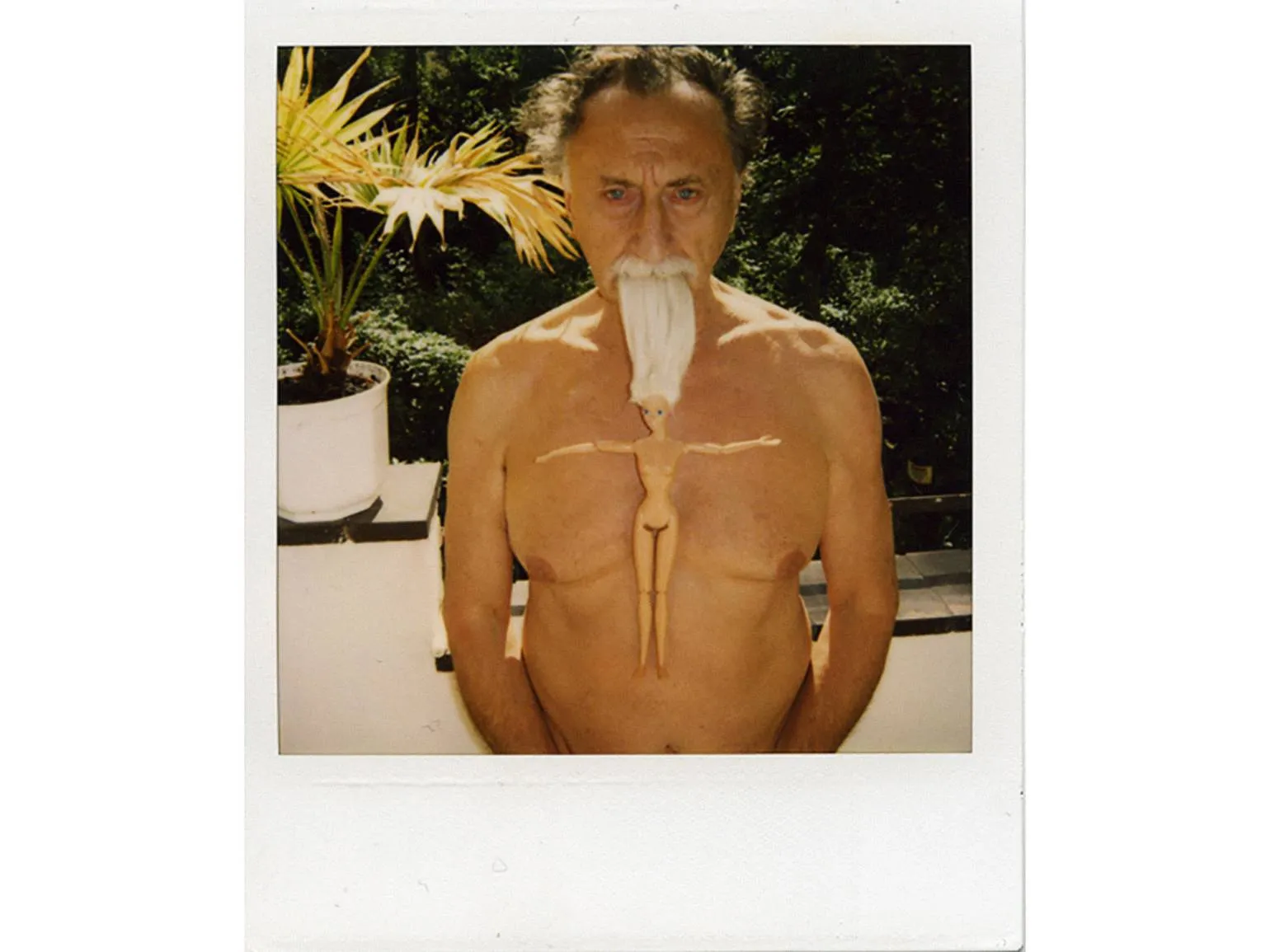
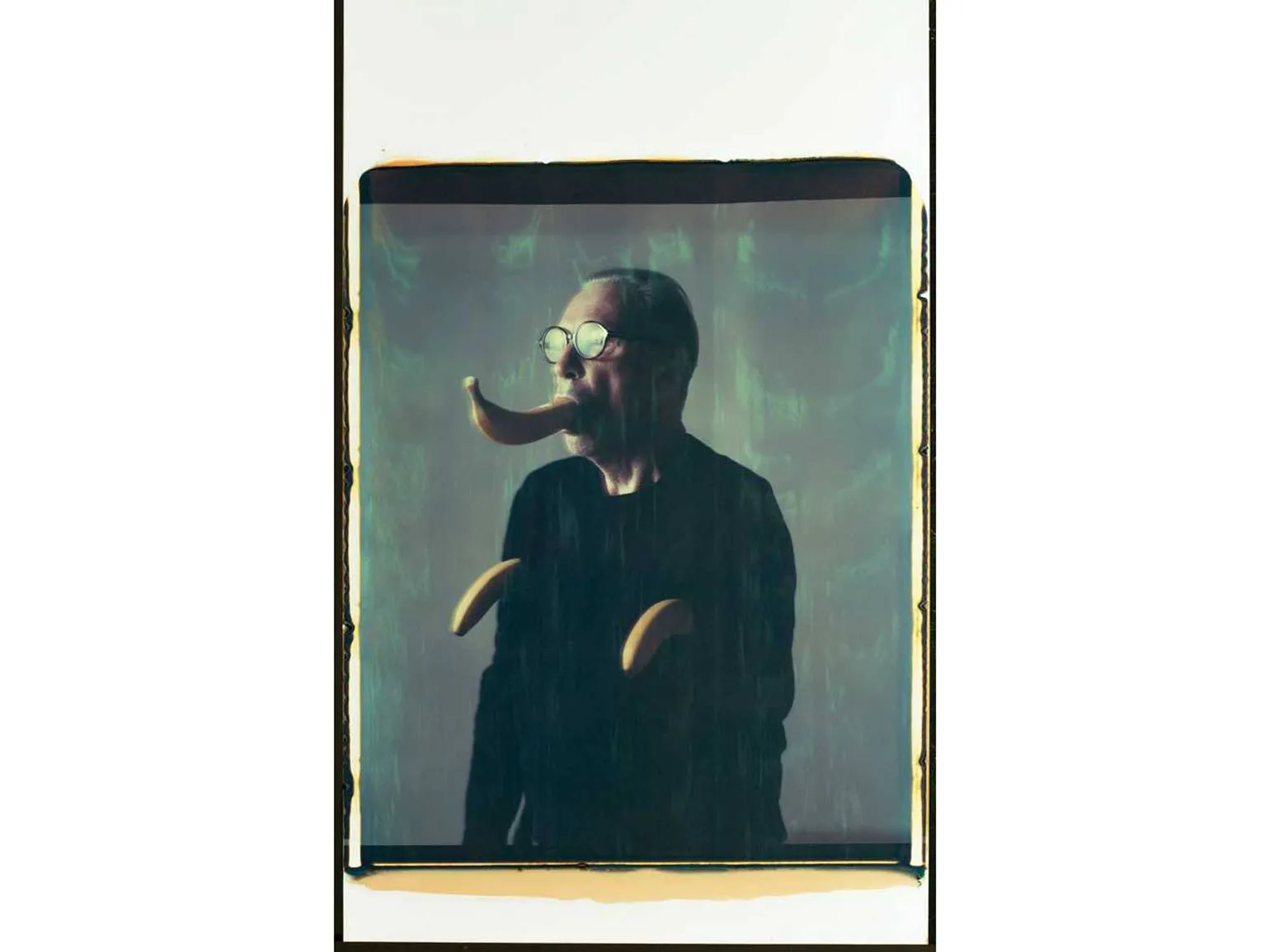
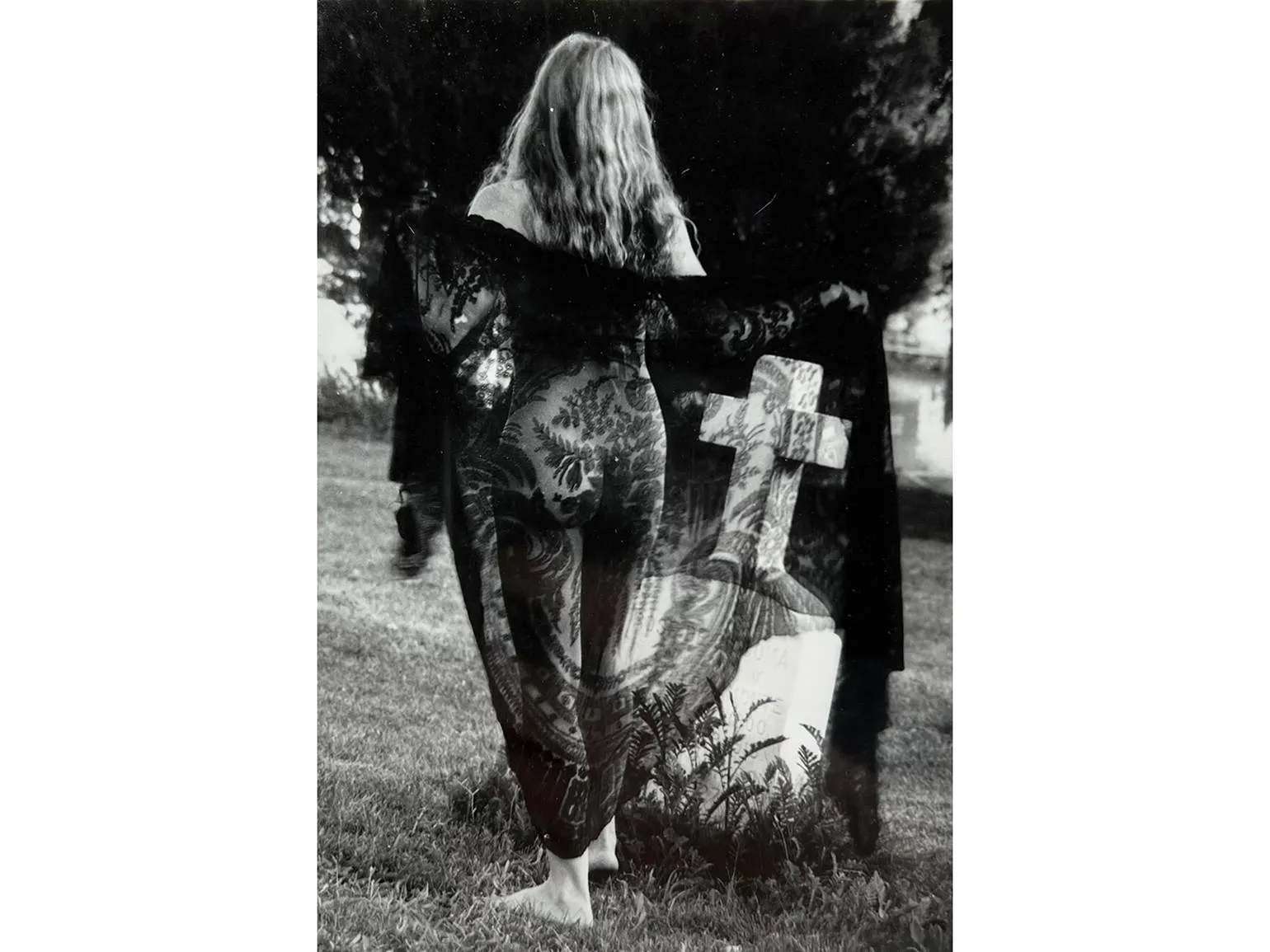
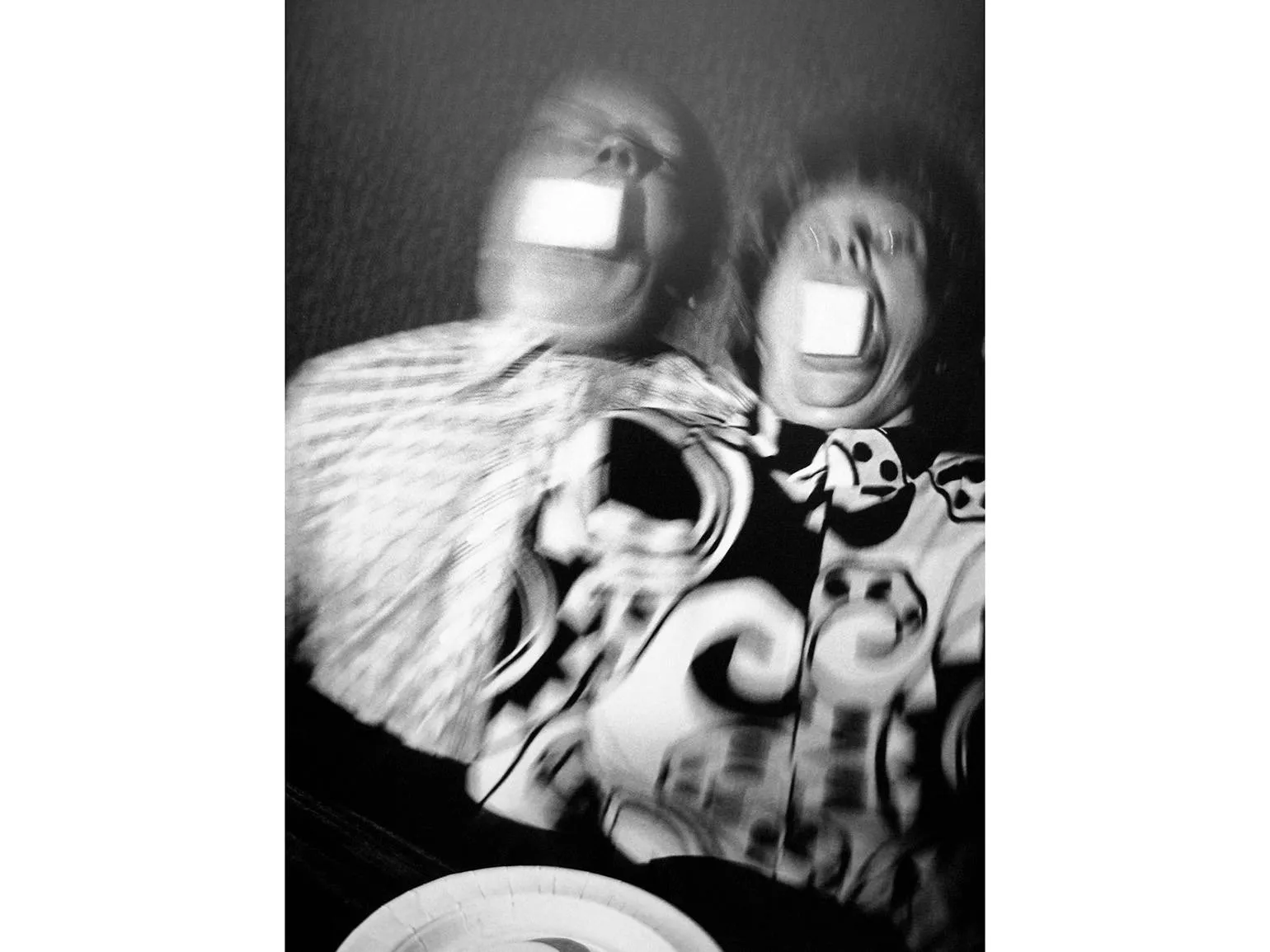
The self-portrait continues to wield significant cultural, sociological, and political weight. In the 2010s, artists began to rethink the concept of the self-portrait, exploring the impact of selfies and their place in everyday life. This process of rethinking highlights the changing relationship between the individual and society, as well as new modes of self-expression in the digital age. Selfies have become not only a means of self-presentation but also an important tool for discussing identity and social trends. Self-portraiture as an art form continues to evolve, reflecting contemporary realities and challenges facing artists and audiences.

Reading is an important part of our lives. It enriches our inner world, develops our thinking and allows us to immerse ourselves in new ideas and concepts. Books, articles and blogs provide us with a unique opportunity to expand our horizons and gain new knowledge. In the modern world, access to information has become easier, thanks to the Internet. Reading is not only entertaining but also contributes to personal growth. Regular reading helps improve vocabulary, increase literacy levels and develop analytical skills. Therefore, it is important to take the time to read, choosing quality sources of information that can enrich your experience and help you develop yourself.
The History of Photography: 10 Early Selfies
Photography has a long and fascinating history, encompassing many styles and trends. One of the most interesting aspects is the development of the selfie, which has become popular in recent years thanks to social media. However, even in the past, people created self-portraits, capturing moments in their lives.
Early selfies can be traced back to the 19th century, when the first cameras appeared. These pictures were often experiments with new technologies and reflected the photographer's personality. Although the image quality was low, they were already of great importance for documenting personal history.
Over time, photographic techniques improved, and selfies became increasingly accessible. Many famous people used this form of self-expression, leaving us unique testimonies of their time. These old self-portraits are not only interesting from a historical point of view, but also reveal the evolution of style and fashion, as well as changes in the perception of oneself and the world around us.
Thus, early selfies represent an important part of the history of photography, demonstrating how people sought to capture their individuality and moments of life.
Diaries
Adherents of this movement use a camera to document their daily lives, similar to how others keep a diary. By photographing moments of their day, they create a visual chronicle that reflects their emotions and experiences. This allows them not only to preserve memories but also to realize the value of every minute. The camera becomes a tool of self-expression and a way to capture unique moments, making the everyday more meaningful.
Nobuyoshi Araki, born in 1940, is a prominent Japanese photographer known for his provocative and intimate works. His work explores themes of love, sexuality, and life in Japan. Richard Billingham, born in 1970, is a significant figure in the contemporary art world, his work often focusing on the interplay between the personal and the public. Nan Goldin, born in 1953, is renowned for her documentary photographs that explore themes of identity, love and loss, and social issues. Larry Clark, born in 1943, is known for his realistic depictions of youth culture and the complexities of teenage life. Ed van der Elsken, who lived from 1925 to 1990, left a significant mark on photography, combining elements of documentary and fine art, and his work continues to inspire new artists. Each of these artists represents a unique approach to photography and art, making a significant contribution to contemporary visual perception.
Autobiography in literature is an important aspect, reflecting the author's personal experience. Intimacy in works allows the reader to immerse themselves in a world of feelings and experiences, making the text more accessible and understandable. A systematic presentation of thoughts and events helps create a clear structure, facilitating the perception of information. Subjectivity, in turn, emphasizes the uniqueness of each author, allowing them to share their views and emotions. All these elements together create a deep connection between author and reader, making the work more meaningful and memorable.
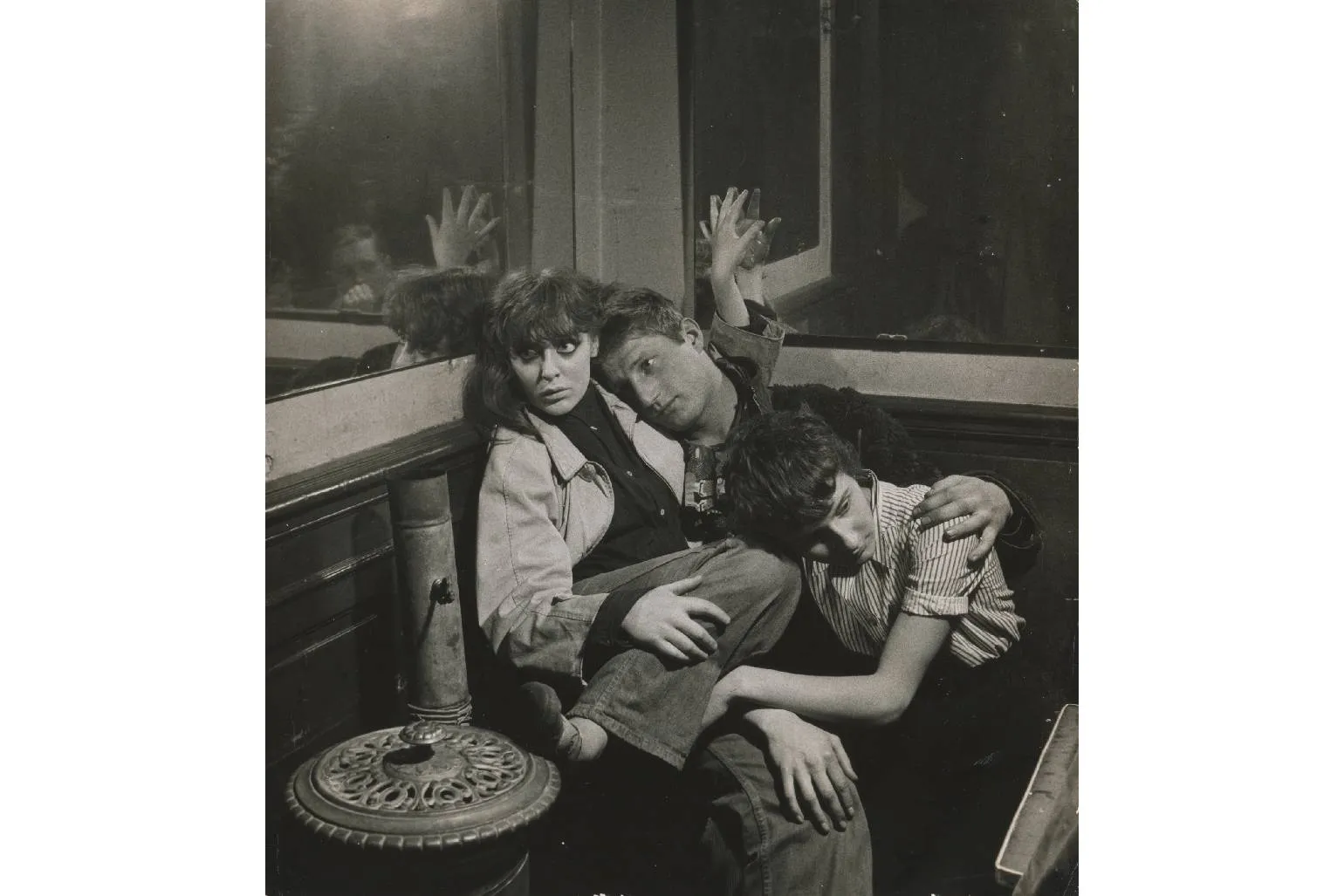
Documentary photography began to develop rapidly in the post-war years, and photographers increasingly turned to a subjective approach, choosing their personal experiences and emotions as subjects. One of the first significant examples of this trend was Ed van der Elsken's photo album "Love on the Left Bank" (1954). This album, filled with close-up images, offers the viewer a sexually charged story in which the author's friends become characters in the artistic narrative. Elsken's work serves as an informative excursion into the world of the beatnik youth subculture, reflecting their lifestyle, values, and emotions.
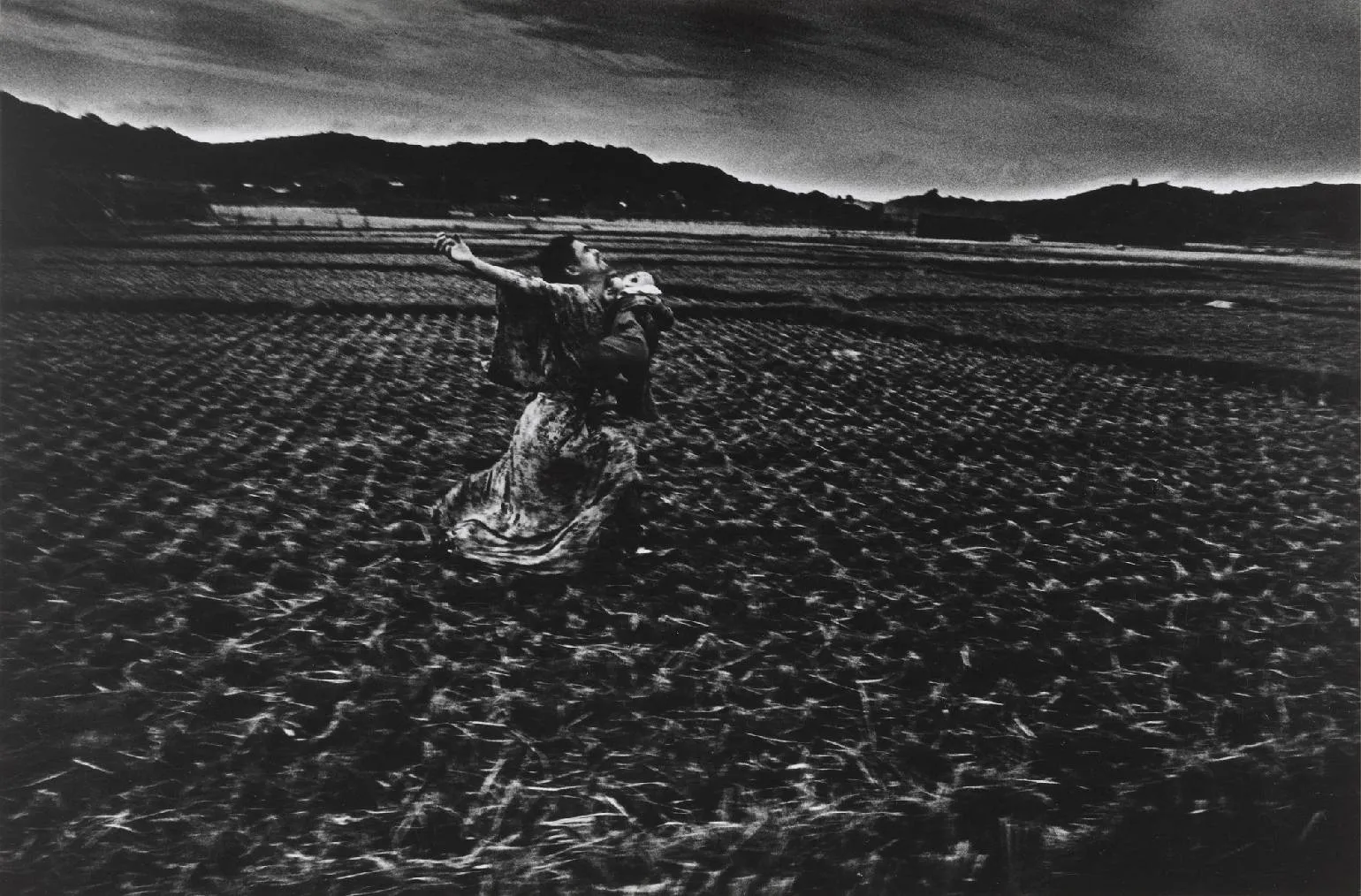
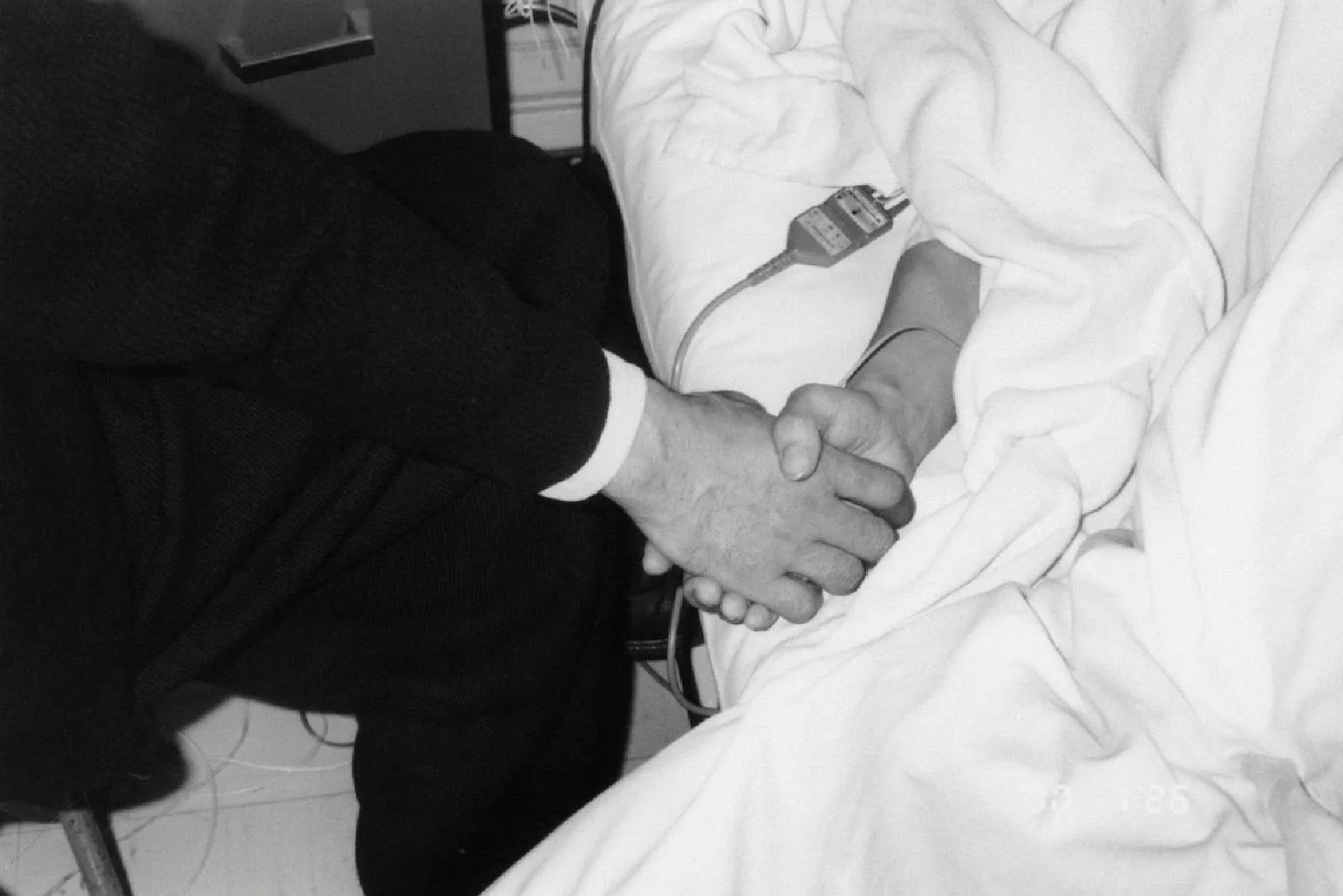
Elsken's grainy black-and-white photographs have clear aesthetic parallels with the work of his Japanese contemporaries. Eiko Hosoe, with whom Elsken collaborated in the 1960s, pursued an individual, expressive style that is also reflected in the work of Nobuyoshi Araki, Daido Moriyama, and Takuma Nakahira, who explored the aesthetic boundaries of the stream of consciousness. Since the early 1960s, Araki has passionately documented every detail of his life through his camera lens. In his photo book Sentimental Journey / Winter Journey (1991), he shares his love story and the grief of losing his wife. In Pseudo Diary (1980), Araki experiments with the camera's function, playing with dates, which subverts traditional notions of the honesty of diary photography. These works not only reflect the personal experiences of the authors, but also serve as important milestones in the development of contemporary photography, combining the personal and the universal in their narratives.
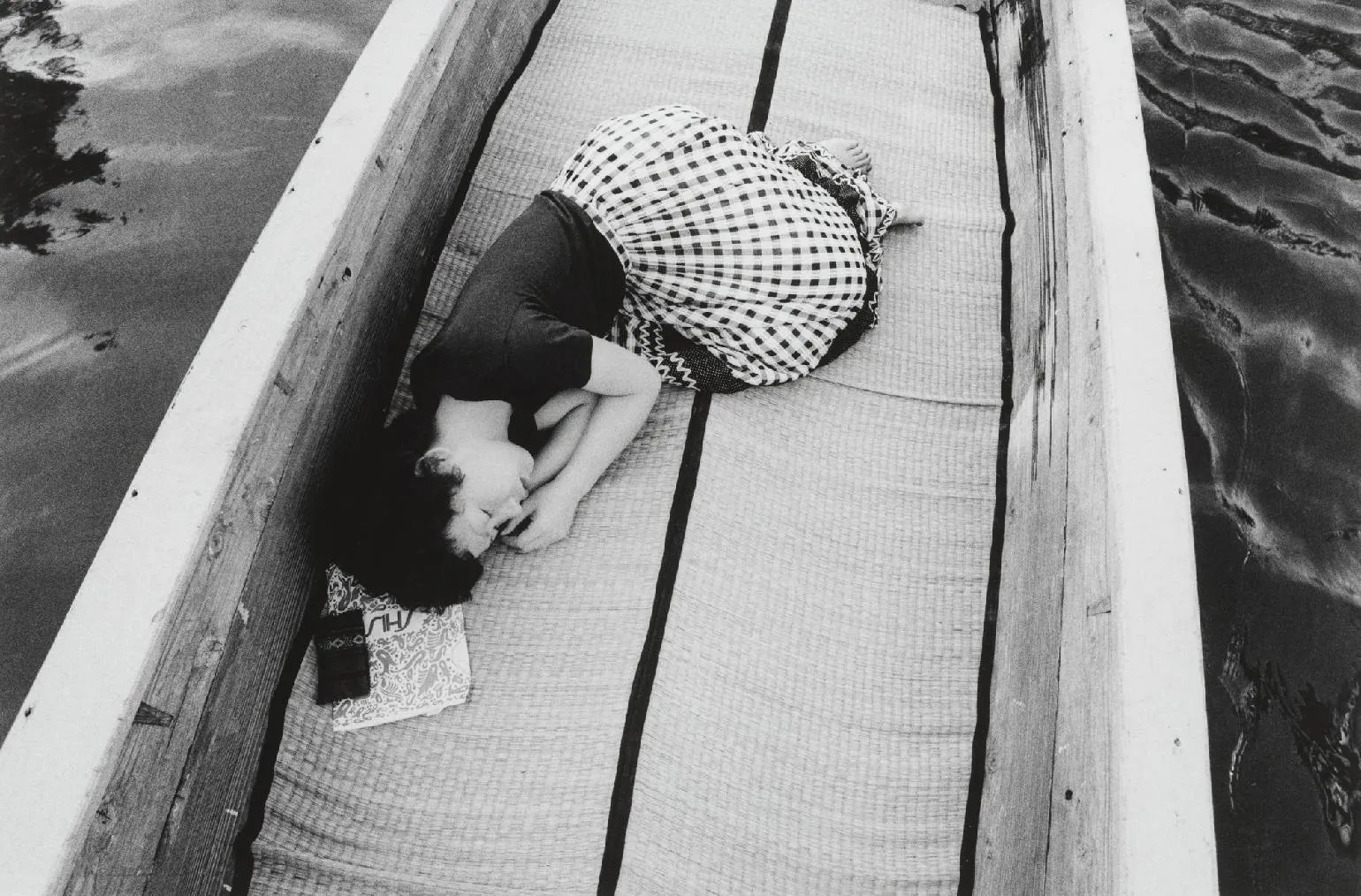
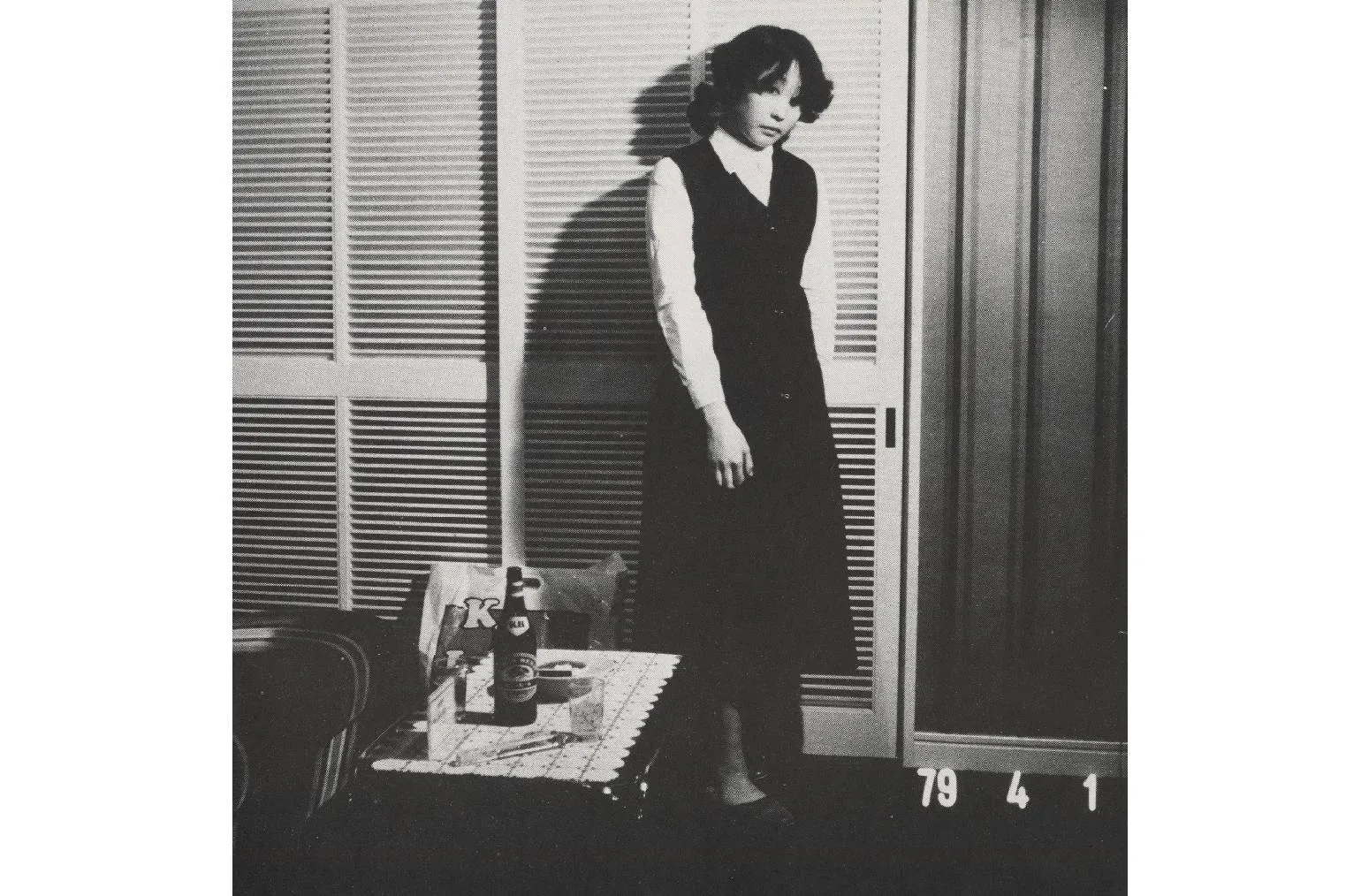
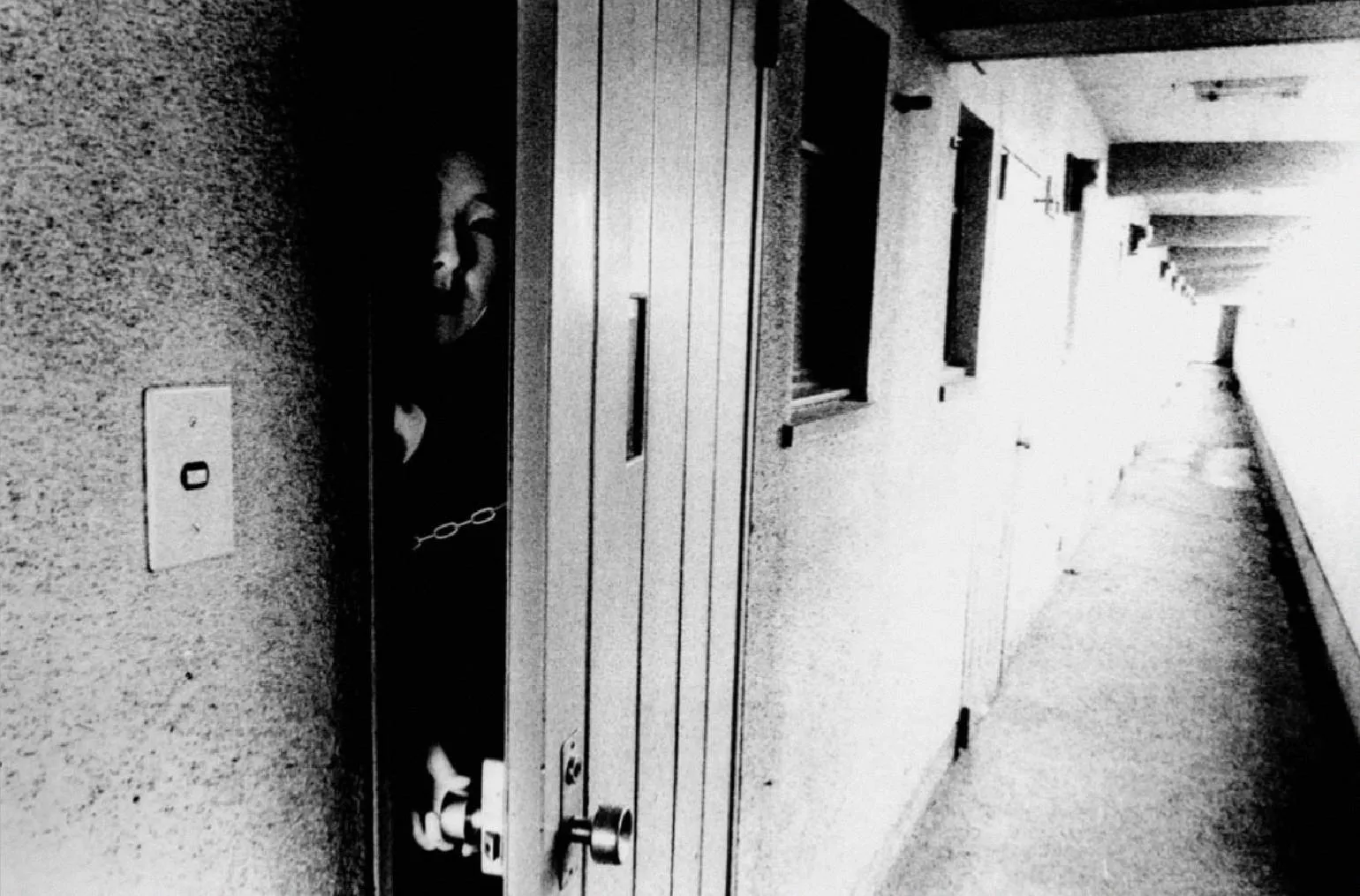
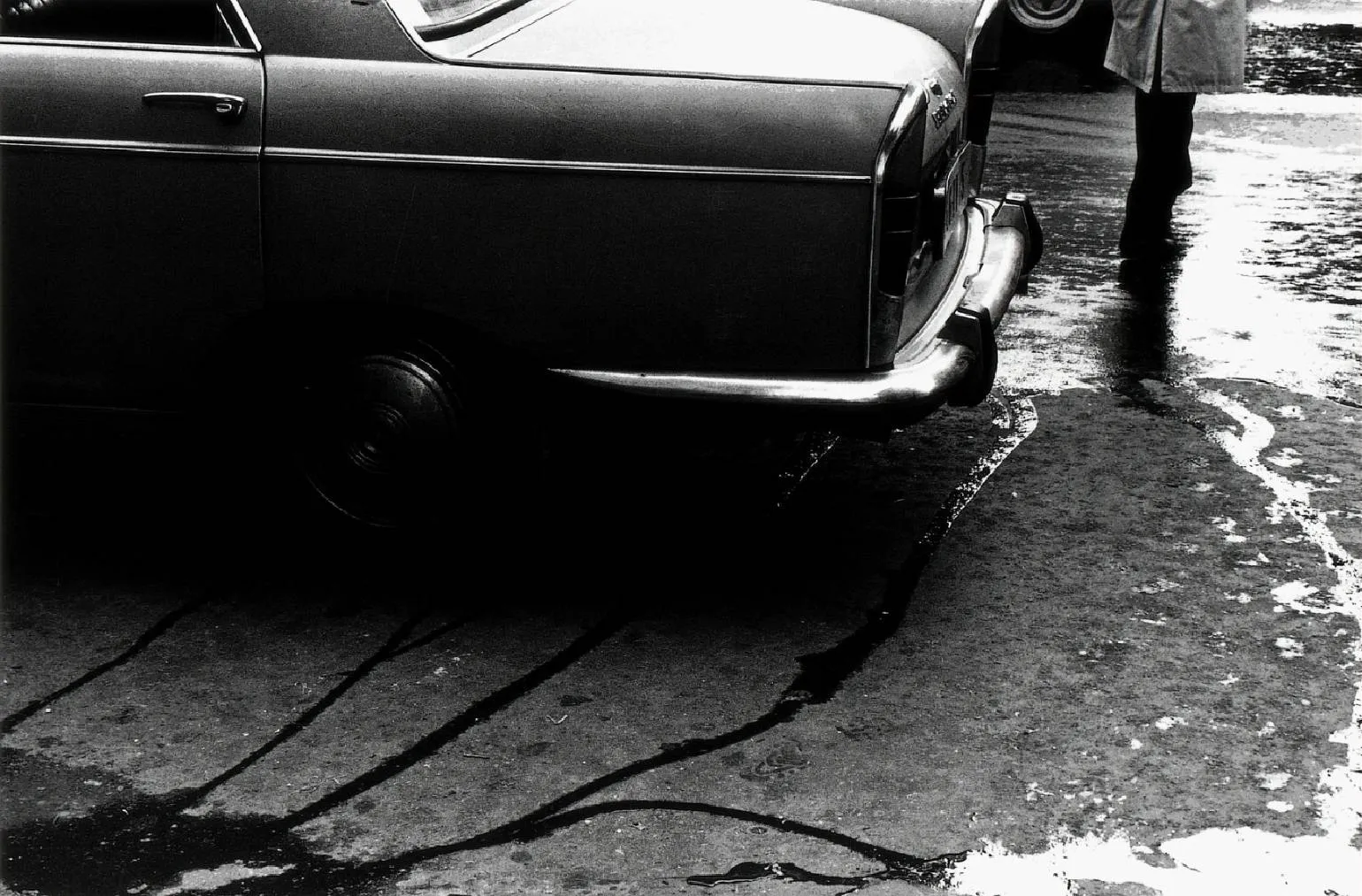
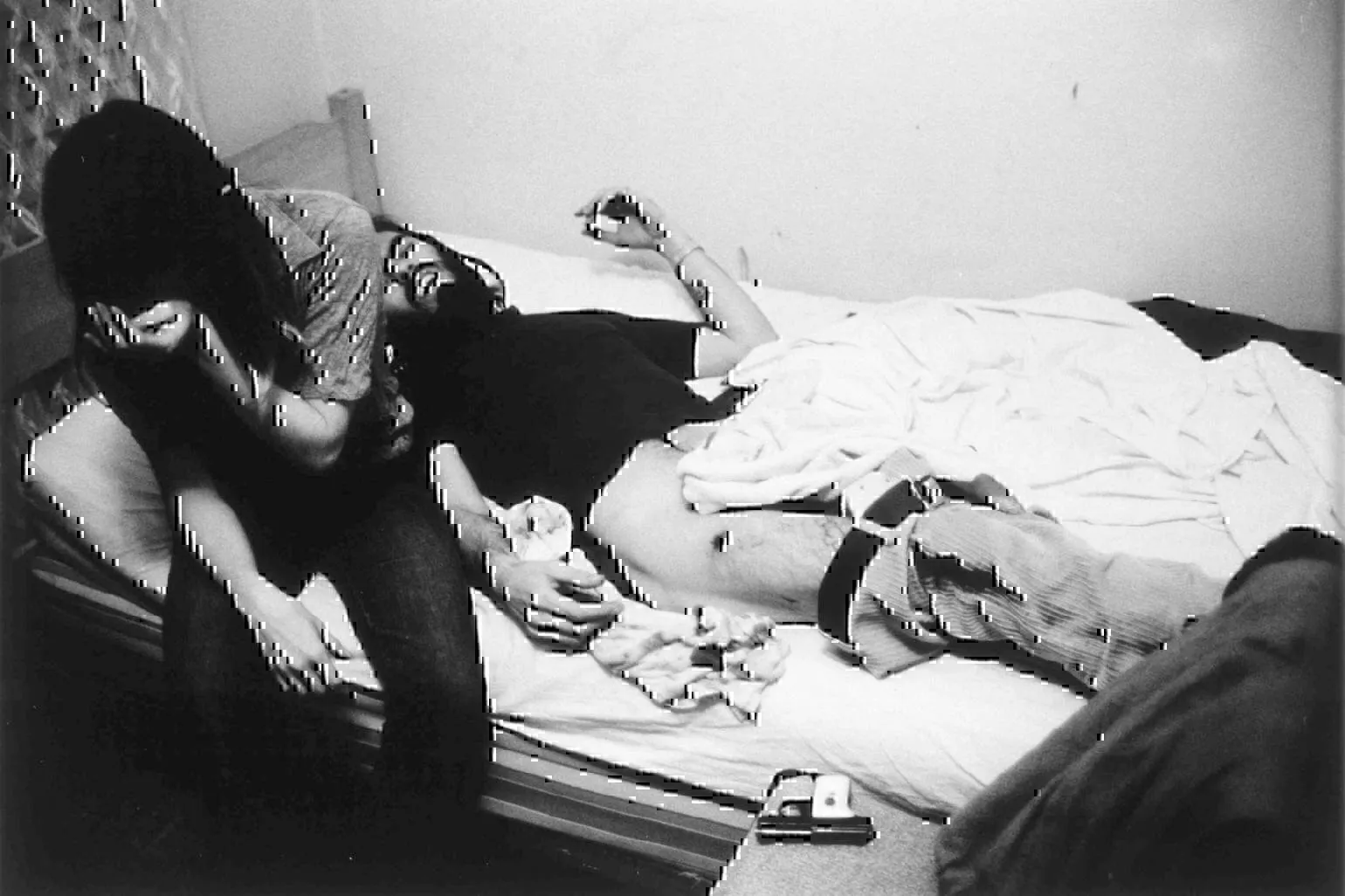
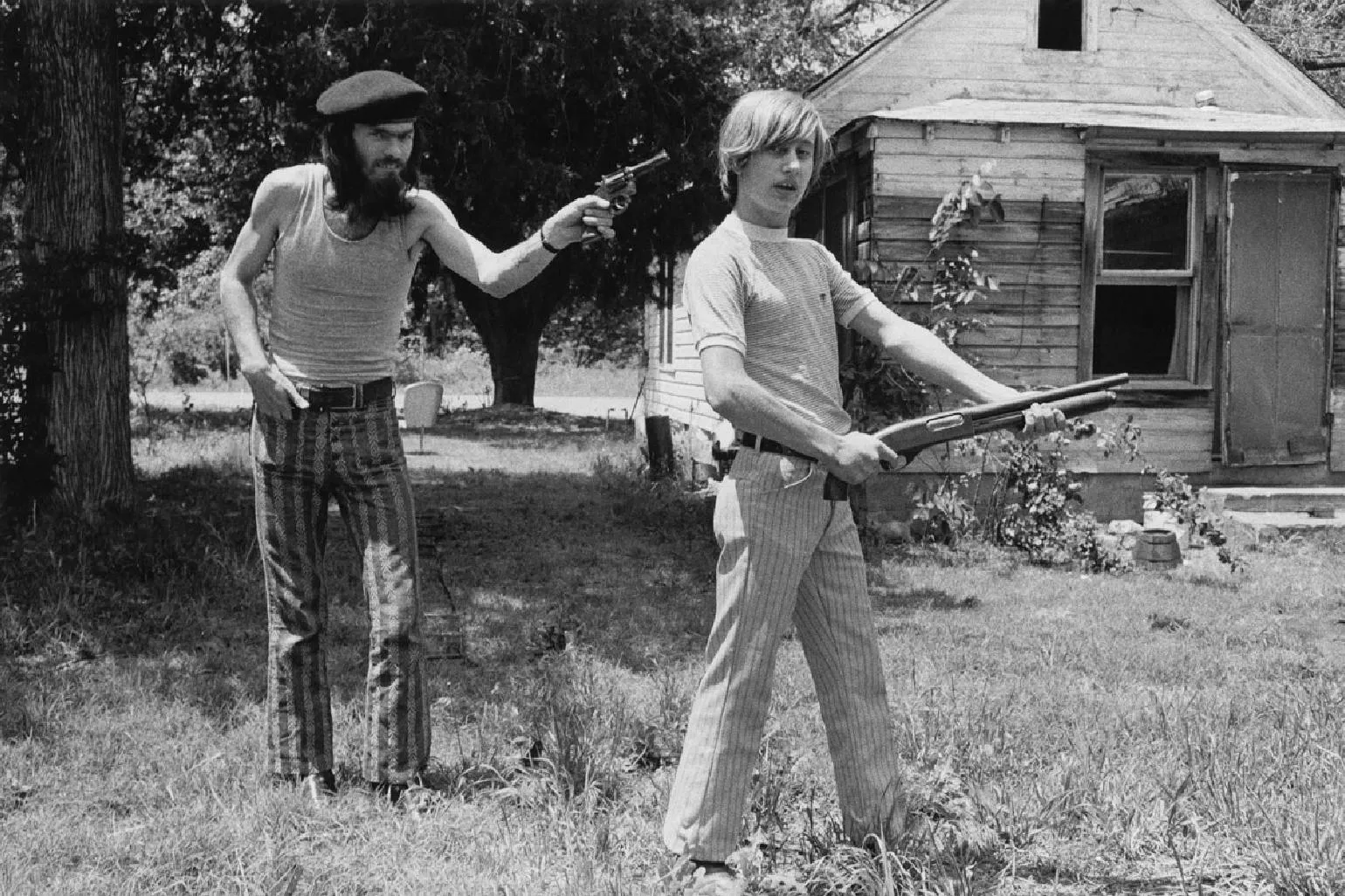
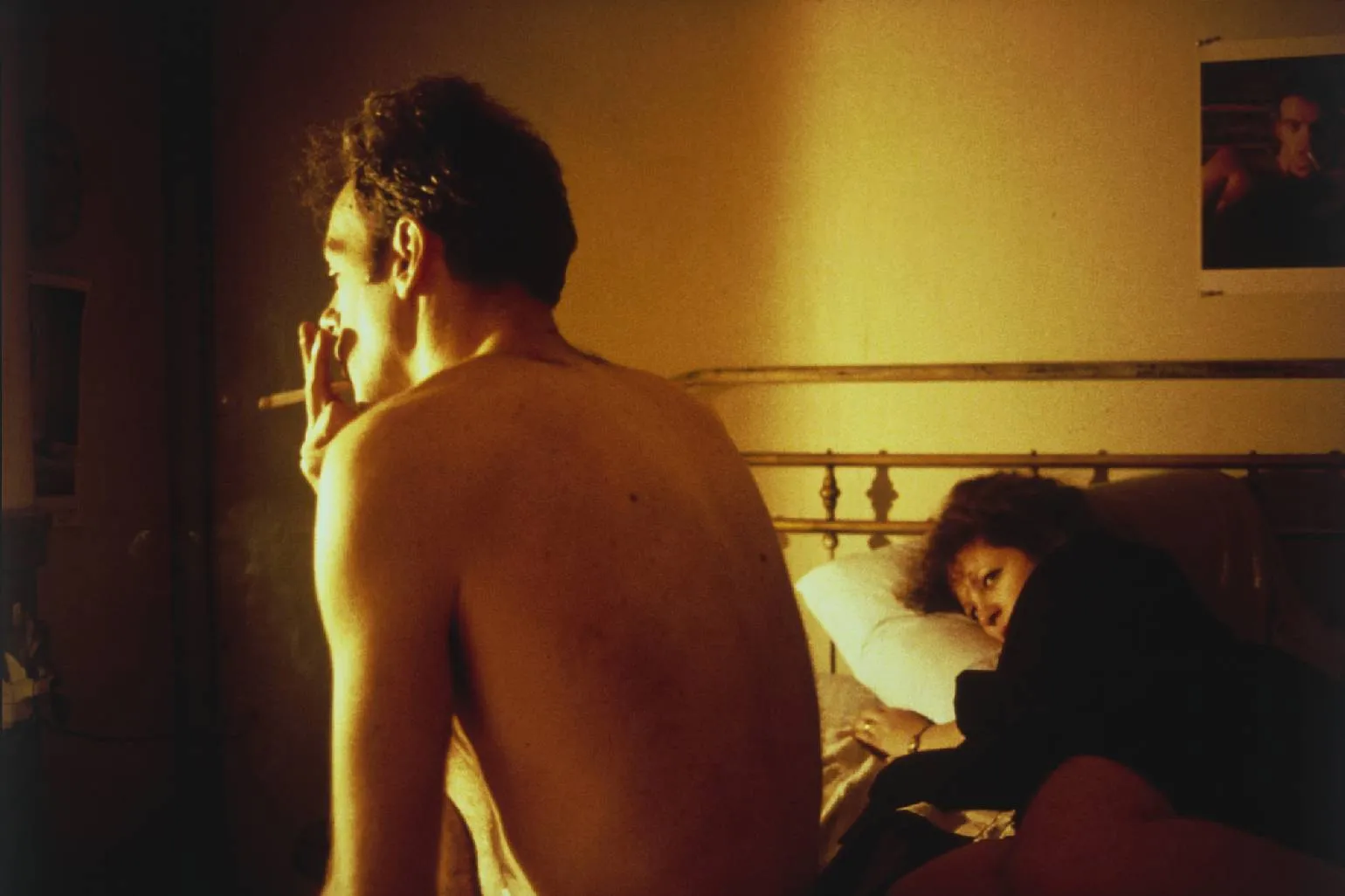
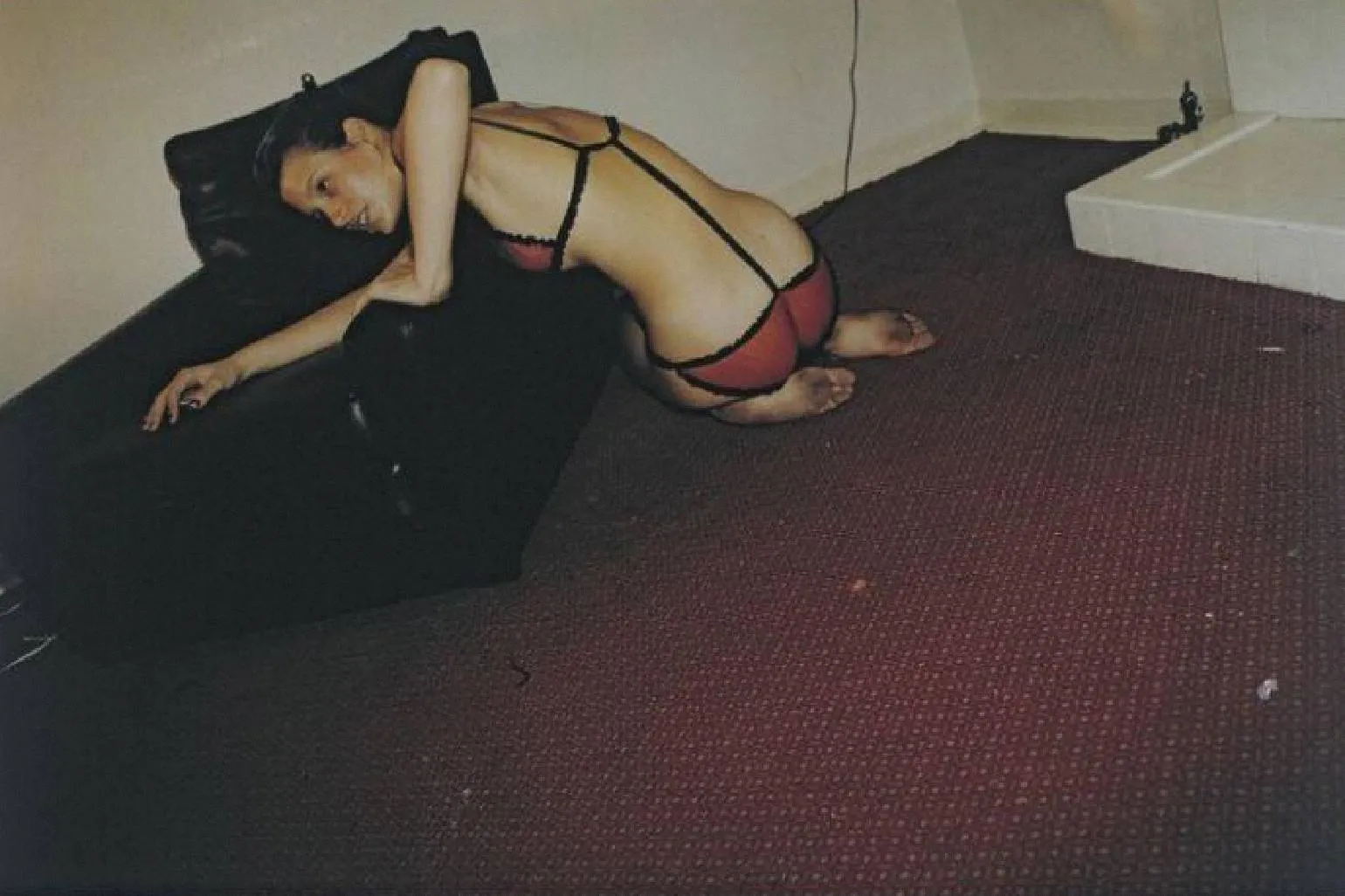
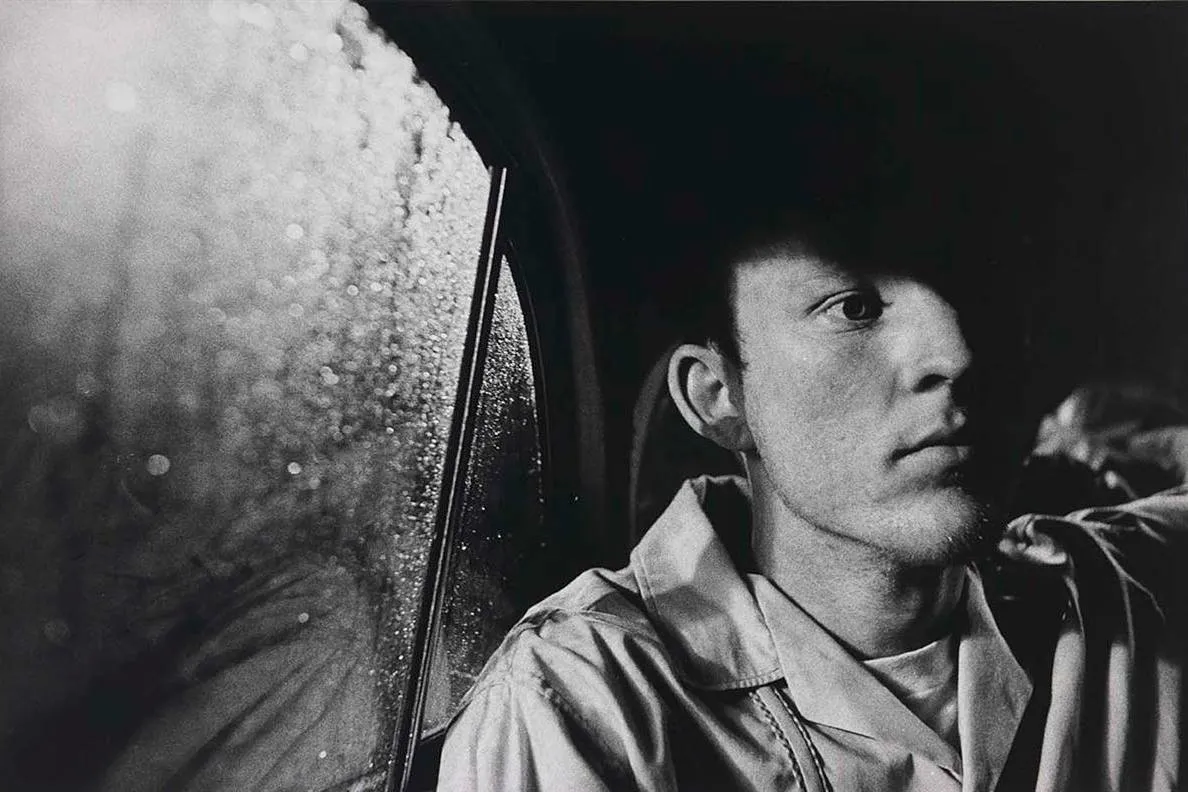
At this time, a more provocative form of diary photography was actively developing in the United States, causing controversy and discussion. Two iconic series by Larry Clark—"Tulsa" (1971) and "Teenage Lust" (1983)—have become the subject of discussion for their bold portraits of his Oklahoma friends. These photographs capture moments of drug use, sexual encounters, and acts of violence. Another prominent figure working in a similar vein is Nan Goldin. Her series "Ballad of Sexual Dependency," created from 1979 to the present, consists of everyday images that capture the highs and lows of personal life. Goldin has earned a reputation for masterfully documenting the intimate aspects of human existence. These works not only reveal complex emotions and realities but also raise important questions about morality and society.
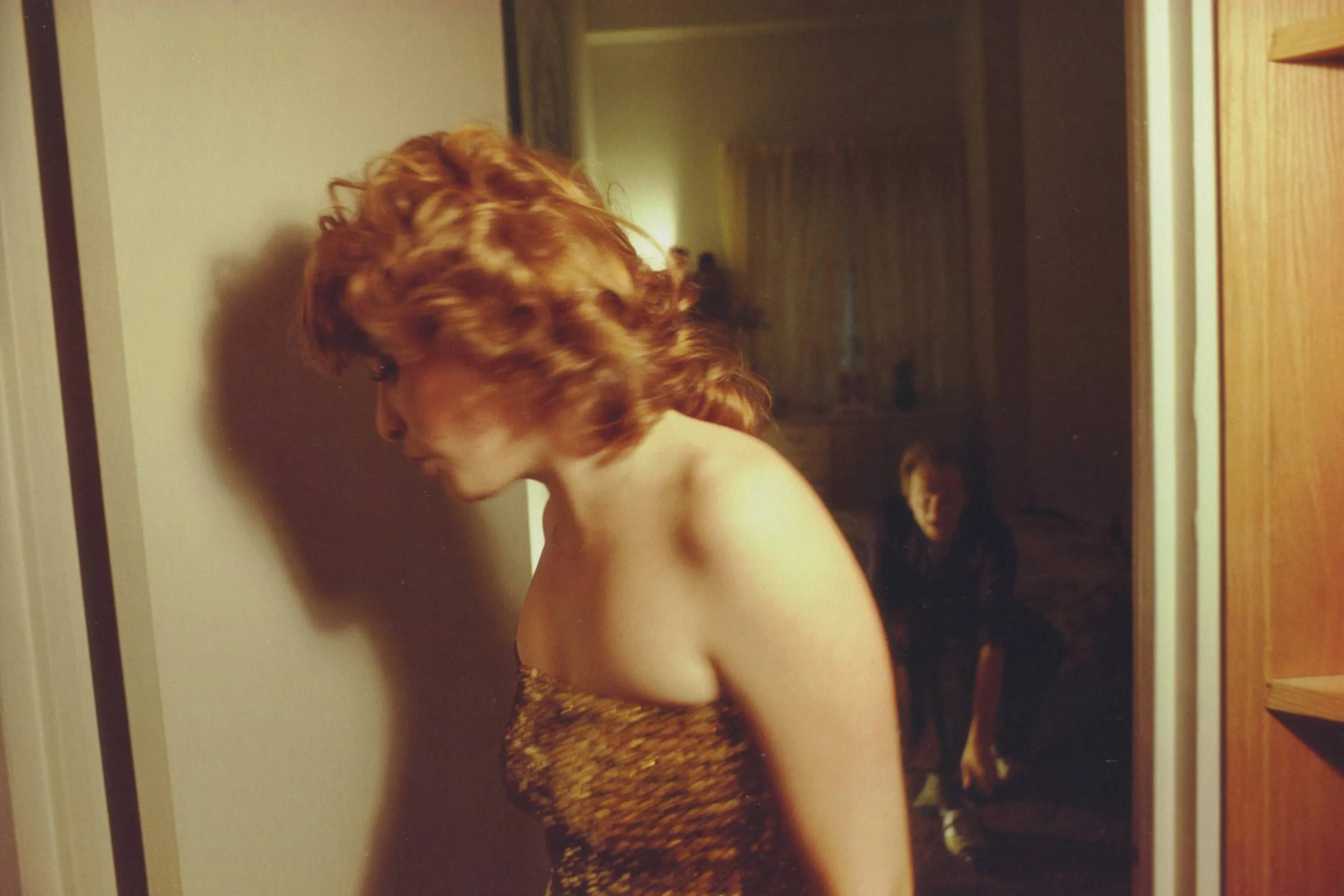
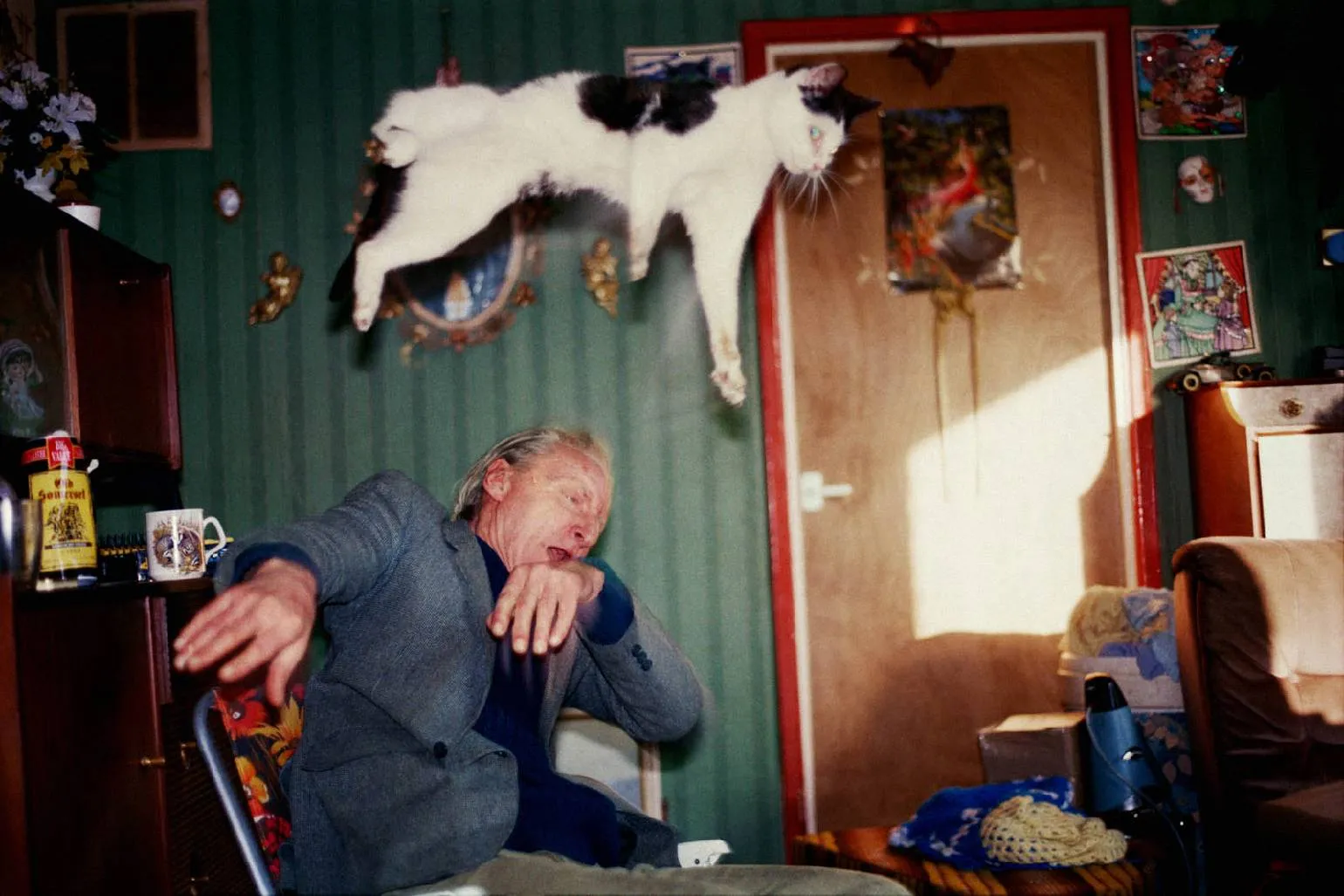
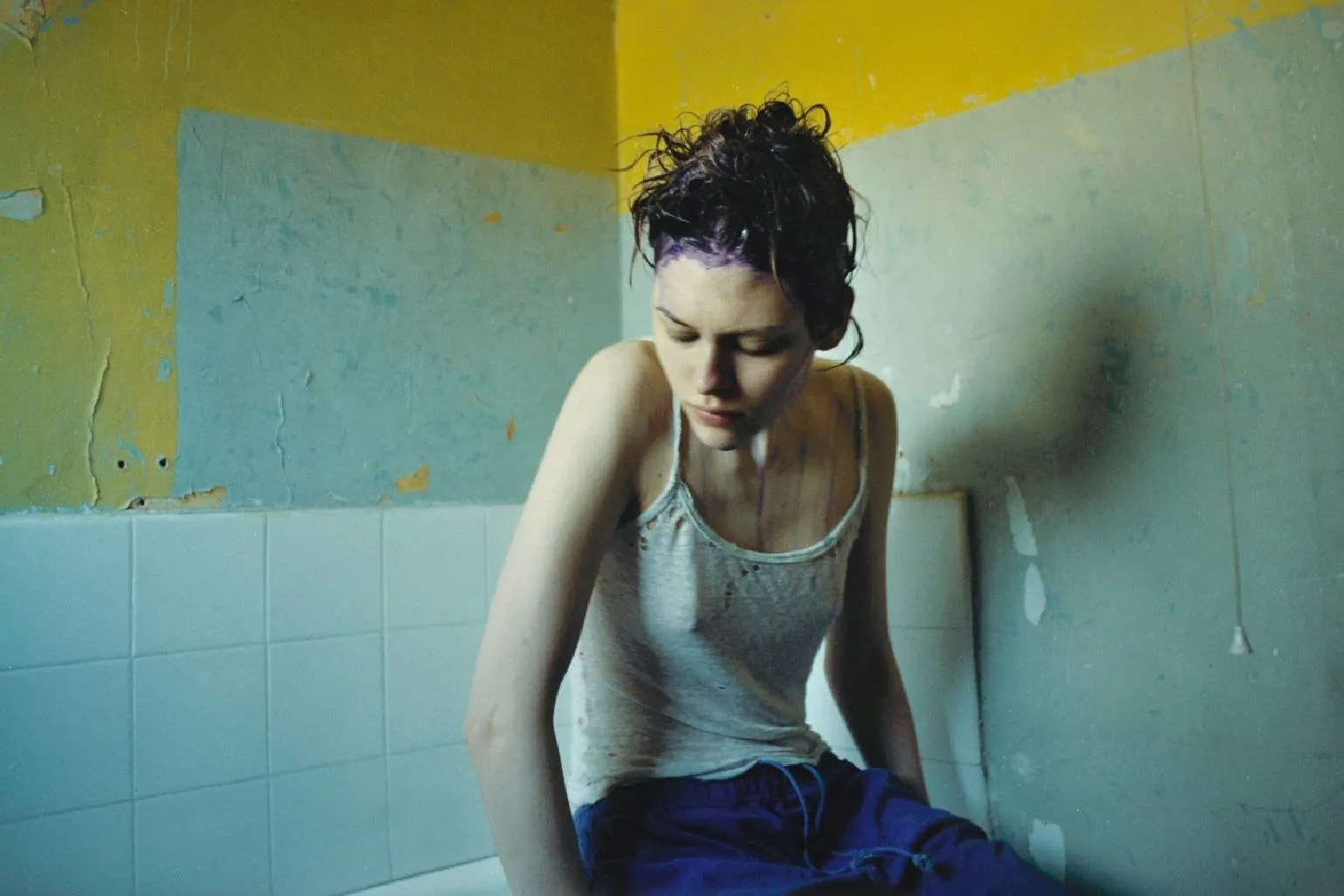
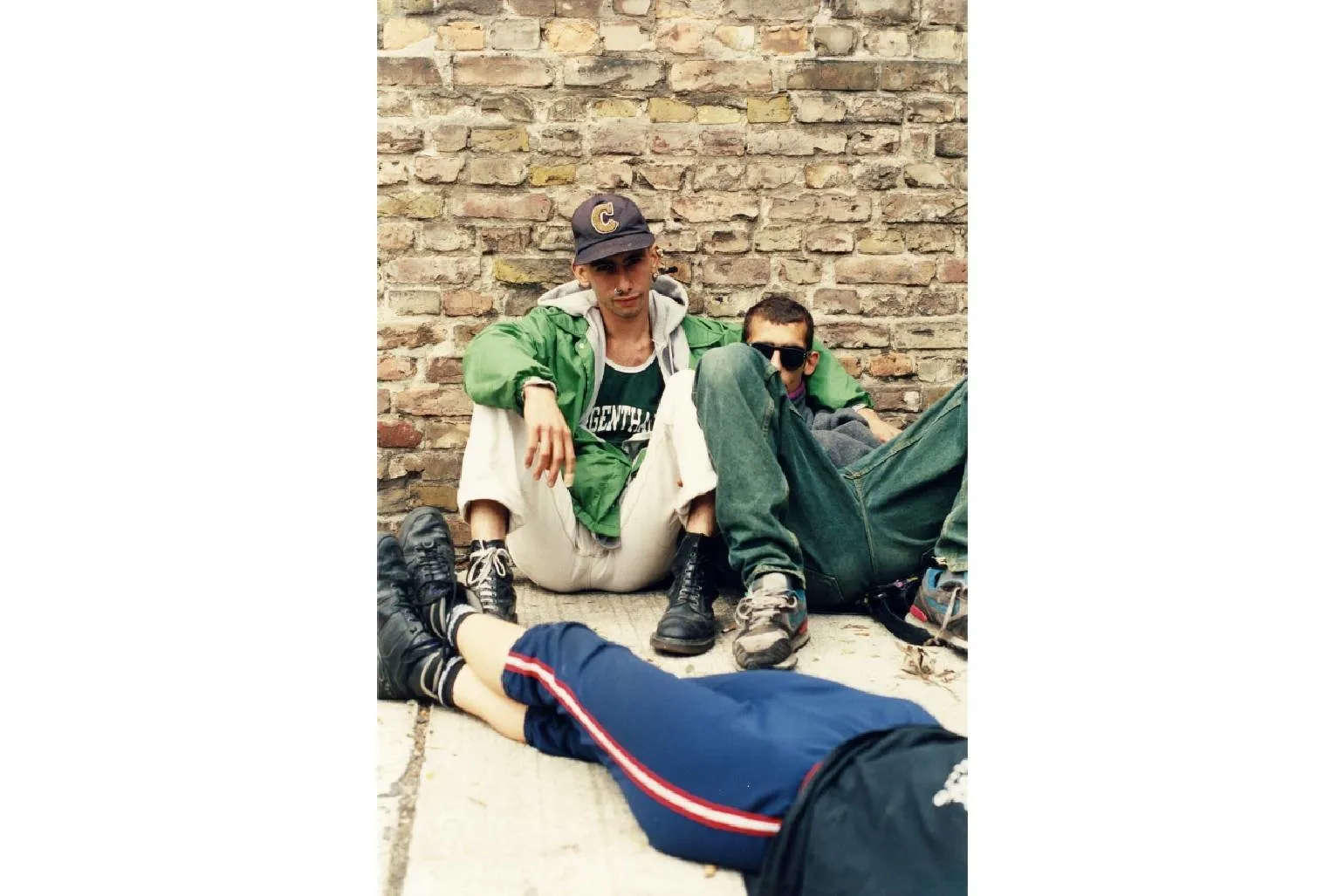
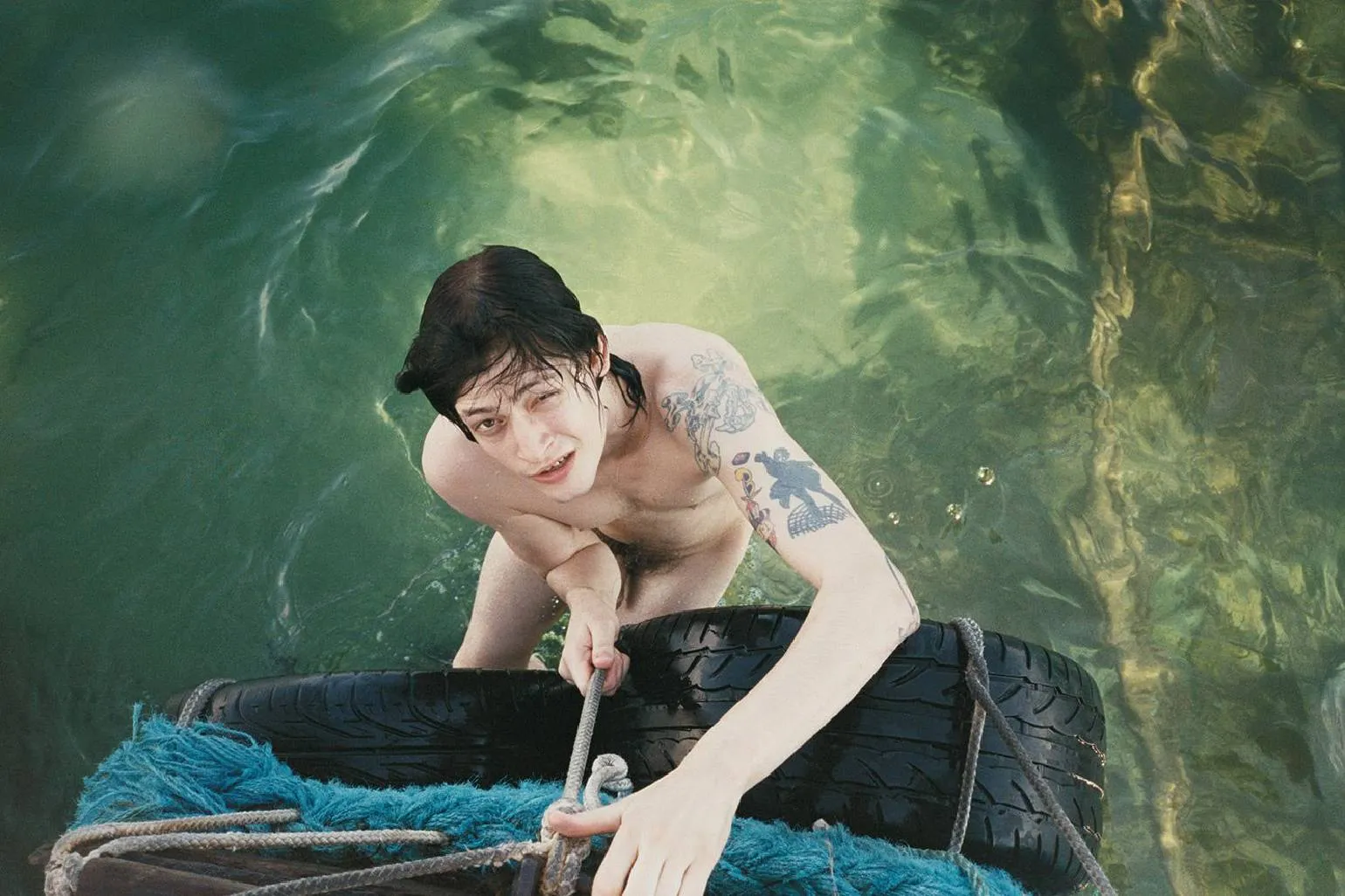
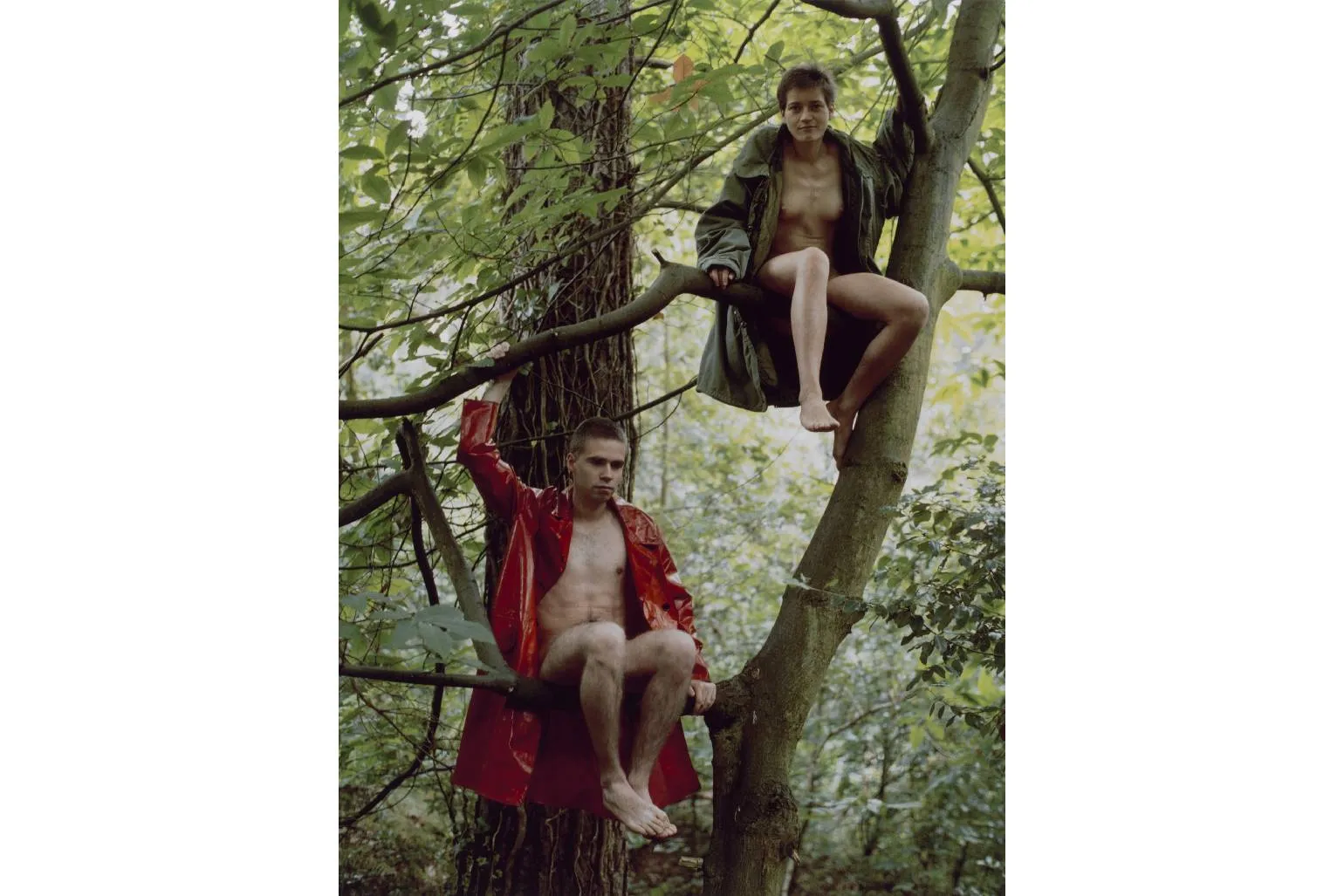
Golding had He had a significant influence on the younger generation of photographers working in the 1990s, particularly Richard Billingham and his "Ray Ridiculous" series (1990–1996). Billingham used the most accessible film, which allowed him to create an unadorned and candid account of his family and their daily lives. This approach was also characteristic of the work of Corinne Day, Wolfgang Tillmans, and, later, Ryan McGinley, who employed elements of staged and semi-staged photography. Goldin's influence on these photographers underscores the importance of authenticity and honesty in contemporary photography.

Profession Photographer
You will learn to take professional photos from scratch. You will learn how to organize shoots, process shots, manage models and a team. Find your style, build an impressive portfolio, and start making money doing what you love.
Find out more