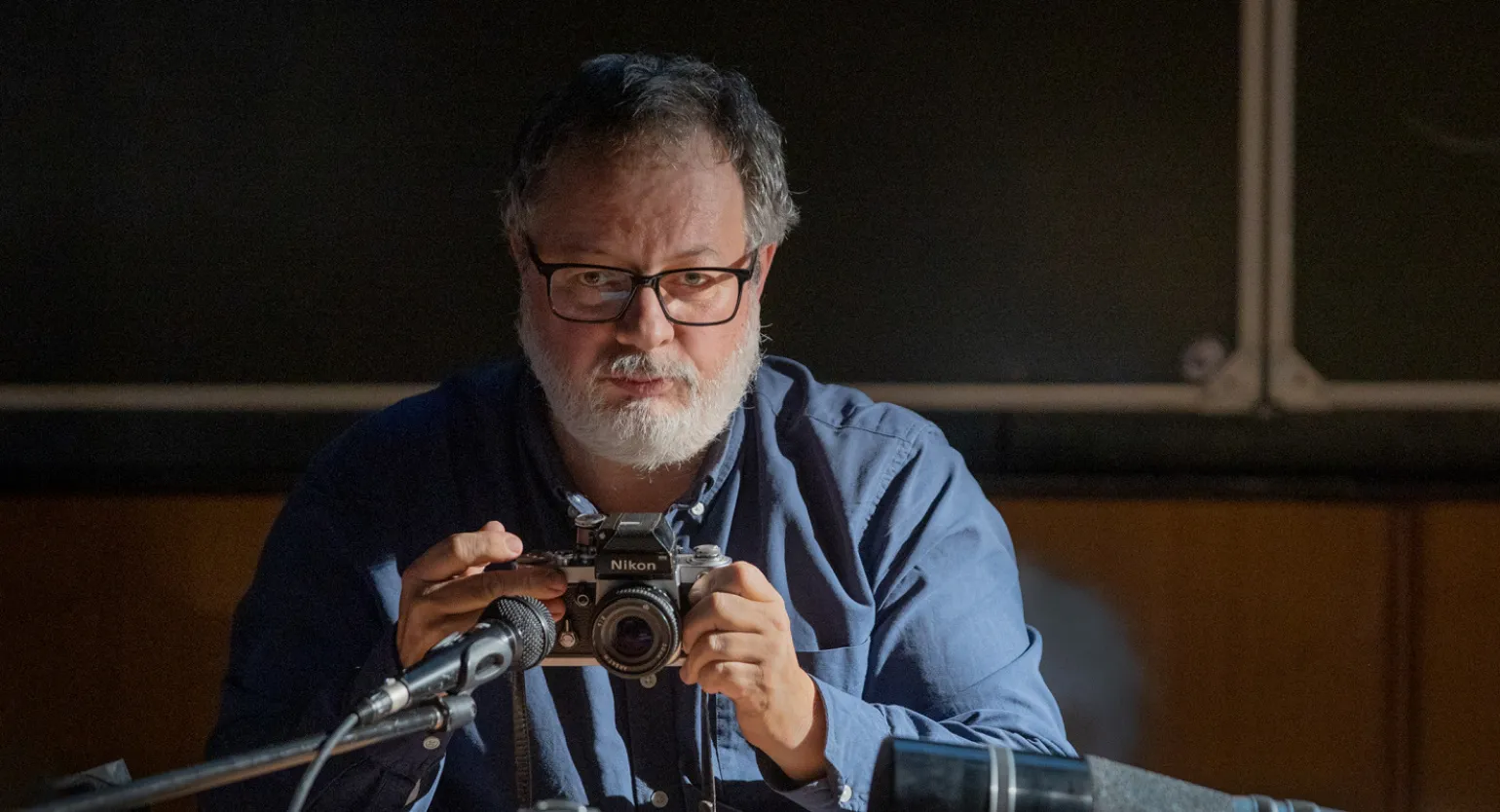
Contents:

Try 4 top professions in design. Free ➞ In 5 days, you'll get acquainted with illustration, UX/UI, web, and graphic design. Add 4 cool case studies to your portfolio and decide which direction to take next.
Learn more"They covered camera brand names with black tape": how to behave in a hot spot
Sergey, as a war journalist, you've visited many hot spots. Which episode do you consider the most terrifying?
The First Chechen War was a significant military conflict in my life. Although I had already worked in various military situations, the number of casualties I encountered then was unprecedented. I remember driving past the train station in Grozny, where mountains of bodies and mangled armored vehicles lay. Those were January days, and I couldn't help but imagine the terrible smell that would linger in the summer. After that trip, I developed a lot of gray hair, a symbol of the stress and trauma I'd endured. This conflict left a deep mark on my memory and changed my perception of life and war. Goosebumps... Have you ever had moments when your life was in danger? Such situations can happen unexpectedly and leave a deep mark on your memory. They force us to rethink the value of life and the importance of every moment. It's important to remember how quickly circumstances can change and to cherish every second. Share your stories of enduring danger and the lessons you learned from these trials. I haven't personally experienced shelling, but I have encountered various dangerous situations. During the First Chechen War, I was once lucky when a photographer from TASS, Gena Khamelyanin, saved me. We were in a village that had just been bombed when we came across a group of armed men who were either drunk or high. Gena, a tough fighter, quickly assessed the situation. I looked rather vulnerable with my glasses and goatee. When they approached me, Gena decided to act.
He had a Quantum flash battery hanging from his belt—a large device with wires, reminiscent of a walkie-talkie. Gena separated me from the men, pulled out the Quantum, and started talking. They assumed he was sharing important information with someone. I hid behind his broad back, like a small child, and he, turning slightly, headed toward the car—a Lada 6. Gena opened the back door, and I climbed between the seats. He drove me out of there. We later laughed about this episode for a long time, but if it weren't for Gena, the consequences could have been unpredictable.
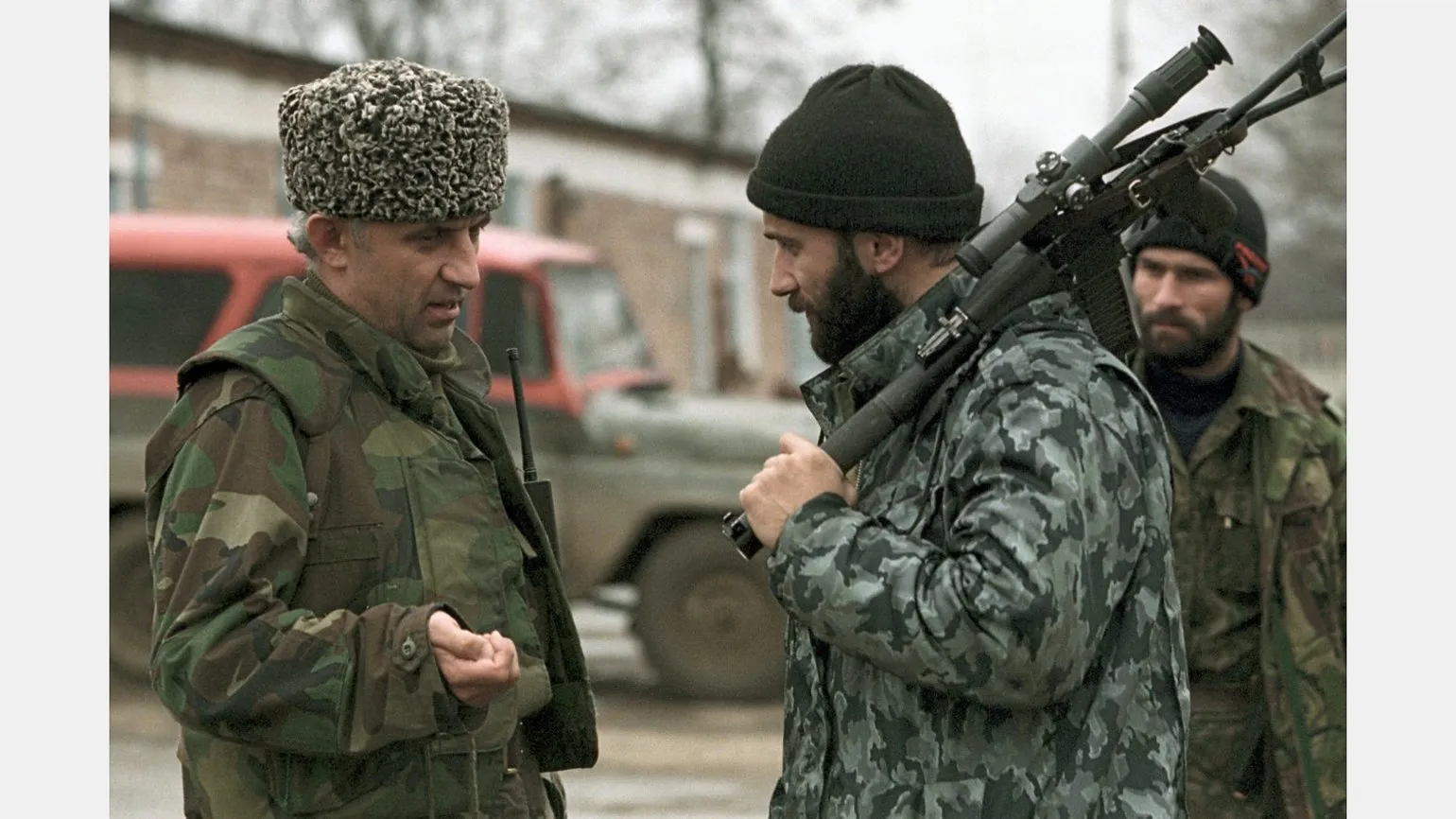
A correspondent at war faces unique challenges and responsibilities. Maintaining objectivity and impartiality when covering events from multiple perspectives is essential. Being prepared for unexpected situations requires a high degree of adaptability and professionalism. Maintaining safety precautions for yourself and others is key to minimizing risks. Effective interaction with local residents and military personnel, as well as the ability to network with other journalists, can greatly facilitate the information gathering process. It's important for correspondents to accurately convey the facts, avoiding exaggeration and unreliability, as this can affect the overall perception of the conflict. Understanding the cultural and social aspects of the region is also crucial to adequately interpreting events and conveying them to readers. Additionally, correspondents should be prepared for the emotional challenges associated with covering conflicts. Psychological resilience helps them cope with the impact of what they observe on the ground. Thus, successfully fulfilling the duties of a war correspondent requires not only professional skills but also inner strength and moral responsibility.
I adhere to the rule of never creating inconvenience for others, to avoid consequences for my actions. I dress in discreet civilian clothes to avoid associations with the military. I try to stay away from information about troop levels, their routes, and other military information to avoid becoming the object of suspicion. This helps maintain safety and minimize risks.
Before each trip, I carefully gather information about the location where I will be working: I study maps and the history of the conflict. CNN cameraman Yuri Romanov gave me particularly valuable advice: cover the manufacturer's names on cameras with black tape, and replace straps with bright Canon or Nikon inscriptions with simple, almost invisible ones. It is recommended not to take expensive equipment with me, as there is a risk of its confiscation. I try to minimize the necessary items so that they do not interfere with movement. This approach allows me to focus on my work and avoid unnecessary problems in difficult conditions.
"Photography allows propaganda to lie more subtly"
I have always been interested in photography and journalism, and the transition to war photojournalism was a natural step in my career. I started working in local news, where I covered various events, and gradually began to focus on military conflicts and crises. This led to the opportunity to collaborate with various publications that were looking for professionals to document military operations and their impact on people. I completed specialized courses in safety and survival in conflict situations, which allowed me not only to capture important moments but also to stay safe on the front lines. Over time, I learned to convey the emotion and atmosphere of events through my photographs, which has become an important part of my work.
I graduated with a degree in journalism in 1985. At that time, freedom of speech was severely restricted in the USSR, and I believed photography conveyed the truth more honestly than text. Photojournalism is a complex and demanding profession. Photojournalists often need to reach places inaccessible by plane, train, or car. It's crucial to capture the photo at the right moment and send it quickly to the editor. I decided to devote myself to photography, as I'd been fascinated by it since my youth. However, after one shoot, I realized that photojournalism can also be subject to censorship, which becomes a real challenge for a professional.
The country was undergoing changes, and I continued my professional work. In 1993, I received an offer to go to Tajikistan, where a civil war had broken out. At 24, I decided to go, as I was interested in learning how military conflicts work. Later, I realized the importance of the work of a photojournalist in wartime. Thousands of people have the opportunity to see my photographs and understand the horror unfolding against the backdrop of these events. This role allows me not only to document the tragedy but also to draw attention to the complex realities of life in a conflict zone.
In what episode did you realize how dangerous censorship is in photojournalism?
When I was at university, I first saw how the TASS news agency operates. We visited a factory, and a real production was staged for us. The workers were given new lab coats to create a beautiful picture, the workshop was thoroughly cleaned, and the equipment was arranged so that everything looked perfect. At that moment, I realized I was contributing to sophisticated propaganda, and it got me thinking about how information can be distorted to create a desired image.
My passion for photography began long before I enrolled in journalism. At first, I simply captured the world around me on film, interested in how light and composition could convey emotion and atmosphere. Gradually, this hobby grew into a true passion, and I began exploring various shooting techniques, lighting, and post-processing. Photography became not only a means of self-expression for me but also an opportunity to capture unique moments and stories. This passion later played a significant role in my professional career, allowing me to develop my visual perception and image-processing skills.
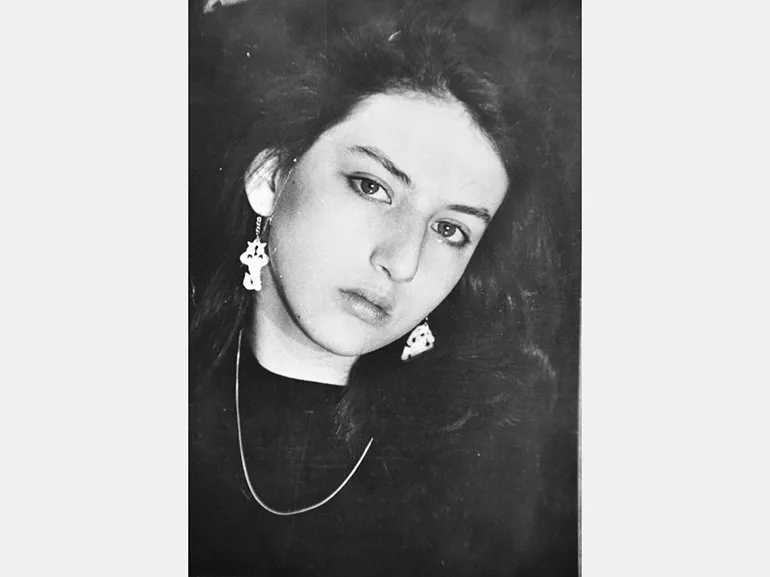
I studied in the same class as the future actress Alika Smekhova and fell in love with her at first sight. Being the daughter of a famous actor, she didn't pay much attention to me. One day, during physics class, I had to pass the camera to a classmate. Alika noticed I was holding a camera and asked, "Seryozha, take a picture of me!" I sheepishly replied that I didn't know how to take photos. She put her hand on my shoulder and said, "But you love me." At that moment, I blushed and didn't know what to say. Then she added, "Learn." This incident has remained in my memory as the moment that forever changed my perception of love and inspiration.
A week later, I invited her to my home. Otherwise, she probably wouldn't have come. That was the moment I took my first photograph. Interestingly, the elegant beads you see in the picture are actually just a piece of spaghetti. I decided to add it to the frame because I thought it would improve the composition. Over time, my first love faded, but my love for photography remained forever.
Have you ever thought about becoming a regular photographer? This profession appeals to many, offering the opportunity to capture important moments and convey emotion through the lens. However, the path to success in photography requires not only technical skill but also a creative approach. Regular photographers often work in various genres, such as portrait, wedding, or landscape photography, which opens up numerous opportunities for self-expression. It's important to remember that the photography world is highly competitive, and standing out requires developing your style and constantly learning. Therefore, if you're considering a career in photography, consider how you can bring something unique to your work to attract clients and create memorable images.
When I started my career, regular photographers primarily focused on documented portraits. I had no interest in this, and I was pursuing more creative and artistic projects.
How to Create Photos That Will Go Down in History
One of the most famous photographs in your career is the photo of Mikhail Khodorkovsky, who was declared a foreign agent in Russia, on the day the court decision on his arrest was announced. This photo became one of the few visual chronicles of that important event. How was this photograph taken?
Journalists were expecting Mikhail Khodorkovsky, recognized as a foreign agent in Russia, and his lawyers to appear outside the Basmanny Court. However, none of them came out. I had to organize a real intelligence operation to find out which office the hearing would be held in. I took up a position on the roof of a nearby building and was able to capture the moment.
Our work, which is especially meaningful to us, is the result of deep analysis and a creative approach. Each project reflects our values and commitment to excellence. We pride ourselves on offering unique solutions that meet our clients' needs. Importantly, each completed project not only highlights our expertise but also creates strong bonds with our clients. We always strive for innovation and quality, which makes our work truly meaningful to us.
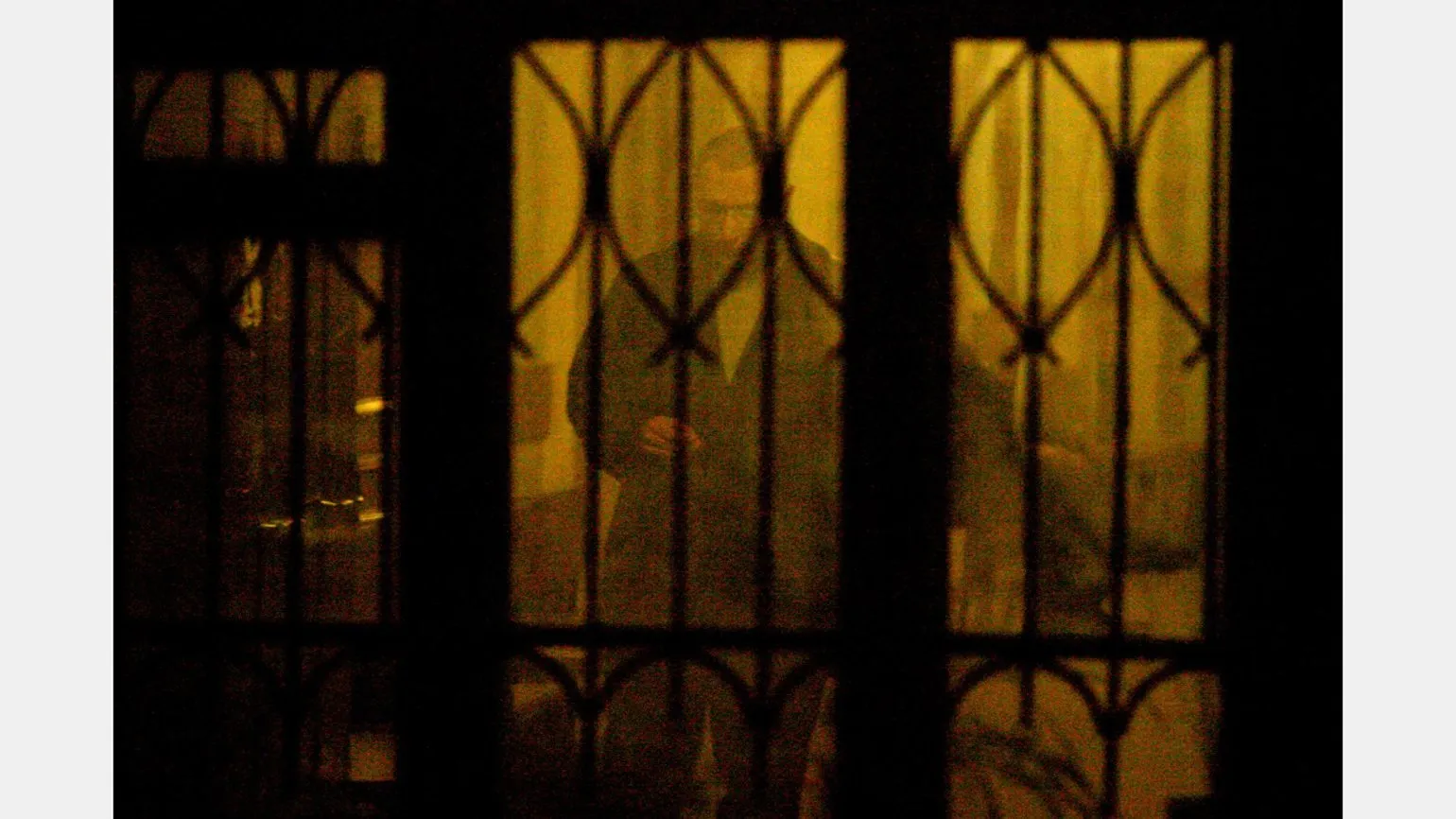
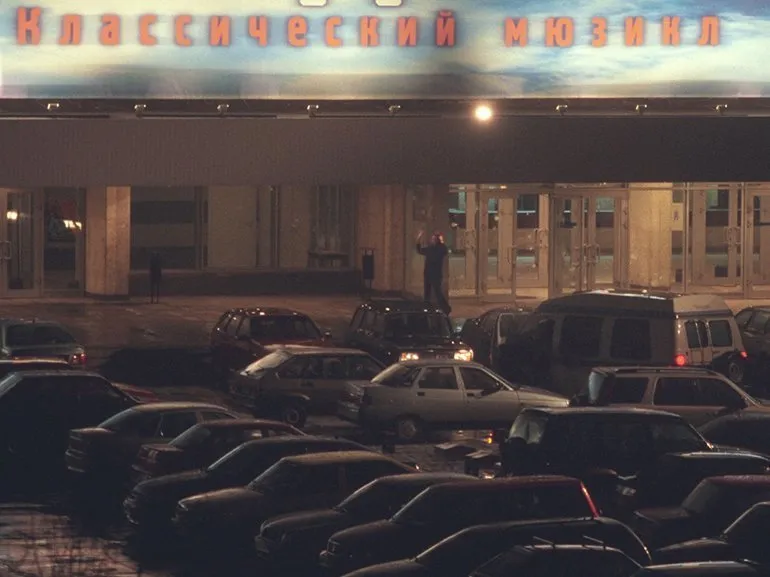
Report on the seizure of the Dubrovka Theater Center. Journalists were not allowed near the scene, and security forces expressed dissatisfaction with our presence. My colleagues and I decided to use the apartment of a resident of the building across the street to observe the situation and take photographs. There were several knocks on the door and demands to open the door, but the owner did not let anyone in and maintained our anonymity.
The equipment I was using at the time did not allow for multiple enlargements. It was a film camera, and every click of the shutter mattered. I managed to capture the moment when the first hostage walked out of the theater building with her hands raised. The minibus with dark windows in which the terrorists arrived was visible in the parking lot. The minibus's doors were open, and the engine was running. Eastern music blared from the speakers, making it heard throughout the neighborhood until the battery died. This moment became an important part of that tragic story, and the photographs retained an atmosphere of tension and hope.
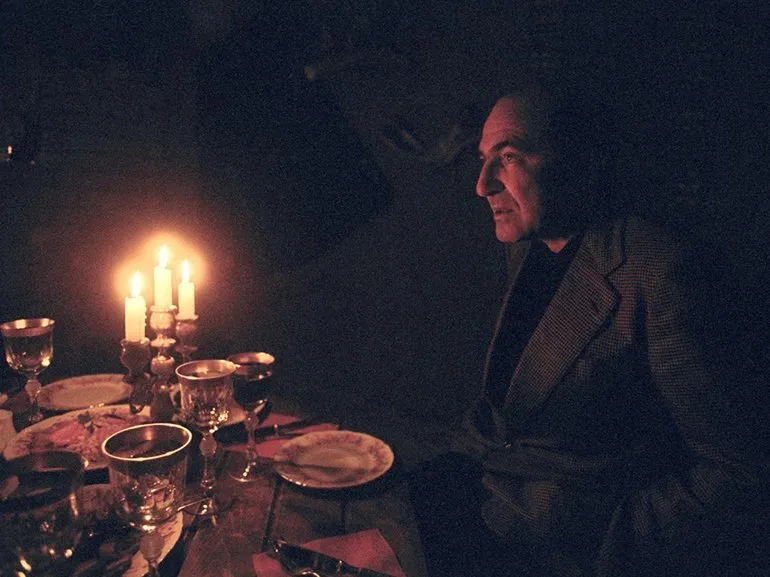
Your portfolio includes a portrait of Boris Berezovsky, executed in a mysterious, semi-mystical setting. Can you share where and under what conditions this portrait was created?
I worked with the Moscow bureau of the newspaper Le Figaro. In the lead-up to the 1999 State Duma elections, a reporter and I spent a whole day with Boris Berezovsky. This photograph was taken during dinner with him.
This image evokes mixed feelings in me; it reflects a strange and unstable time. Some people were rapidly becoming poor, while others were becoming incredibly rich. I wanted to portray Berezovsky as an evil genius and captured him in a Mephistopheles-like image. Berezovsky was undoubtedly an intelligent man, but, unfortunately, he directed his energy toward the wrong goals, which, in my opinion, would have been more constructive.
You mentioned that you sought to create a certain image of Berezovsky. However, isn't a journalist obligated to remain objective in their work? Objectivity is a key principle of journalism, allowing information to be conveyed without distortion or bias. Creating an image can lead to subjectivity, which in turn can affect audience perception and the credibility of the data presented. It's important to remember that a journalist's job is to present facts and opinions while maintaining neutrality and balance. Capturing events with a purely dry approach is wrong. As my teacher Vsevolod Tarasevich said, photography isn't just about protocol, but about expressive statements. A surveillance camera can capture a fact, but photography is a creative profession with a subtle approach. If you need to take a photo of a boring official, don't limit yourself to a standard passport photo; it's ineffective. It's important to seek out emotions and unique traits in the person. Yes, it may be an image, but the photo will still capture that very person. Isn't that objective reality? This approach allows us to create deeper and more memorable photographs that capture the essence of our personality.
"Beginner photographers buy fancy cameras and think they'll immediately create masterpieces."
People's attitudes toward photography have changed significantly over the course of my career. Previously, photography was perceived as an art form requiring special skills and professional equipment. Today, thanks to technology, almost everyone can take high-quality photos with smartphones. This has led to photography becoming more accessible and widespread, but interest in professional photography has declined. People strive to capture moments of their lives by sharing them on social media, which is shaping a new approach to photography as a means of self-expression. At the same time, the demand for unique content and high-quality visualization is growing, opening up new prospects for professionals in this field.
Previously, photographers were perceived as demigods or wizards, which is why the cost of photography was high. However, today, anyone can take a photo on their smartphone, which has led to a decline in the value of photography. At the same time, modern technology has made it possible to create higher-quality and technically advanced images. Sports photo essays are particularly impressive, striking in their beauty and dynamism. What once seemed impossible has become reality, and in the future, technological advances will only improve the quality of photographs.
Smartphone photography is becoming increasingly popular, even among photography professionals. Many photographers use smartphones to create high-quality images due to their accessibility and convenience. What do you think of this trend?
Dima Markov is a talented artist whom I had the pleasure of meeting personally. I shared my experiences with him and taught several lessons. His work is distinguished by its depth of feeling and sincerity. Some viewers mistakenly perceive his work as a critique of Russian reality, but I see in his works a truthful reflection of life. Markov masterfully conveys the atmosphere of reality, allowing viewers to see the world through the eyes of a sensitive artist.
Dima Zverev is a talented contemporary photographer whose work impresses with its unique aesthetic. His photographs, taken not with a phone but with professional equipment, are distinguished by an amazing ability to "peep" into life's moments. Each image conveys atmosphere and emotion, making the viewer part of the captured moment. Dima Zverev's photographs attract attention with their originality and depth, making him one of the most interesting photographers of our time.
There is a belief that photojournalism is not enough to ensure a stable income, and that many professionals need to pursue additional activities. How true is this? In today's media market, photojournalists face various challenges, including declining journalism budgets and changing consumer habits. Many professionals in this field combine their skills with other areas, such as reportage photography, creating content for social media, or working in marketing. This allows them not only to expand their capabilities but also to increase their financial stability. Nevertheless, true connoisseurs of photojournalism continue to follow their calling, finding ways to adapt to new realities.
In today's world, it is important not to limit yourself to one profession. The value of versatile specialists is growing. For example, a journalist with photography skills is becoming more in demand. Even for ordinary people, photography skills open new horizons and make life more fulfilling and interesting. Developing a variety of skills not only expands career opportunities but also enriches personal experience.
Have you decided to begin a career in teaching?
I chose teaching because photojournalism in our country, unfortunately, is going through difficult times. As a result, I went into voluntary photo exile, delving into the history of photography and focusing on teaching others the basics of photography.
Education plays a significant role for a photojournalist, but self-study can also be effective. Formal education provides a basic knowledge of photography, shooting techniques, and the fundamentals of journalism. It helps develop critical thinking and an understanding of ethical standards, which are important aspects of working in this field.
On the other hand, self-study allows you to develop a unique style and approach to photography. In today's world, there are many online resources, courses, and communities where aspiring photographers can share experiences and receive feedback. Thus, while education can significantly accelerate the learning process, a determined and creative photojournalist can succeed without it, relying on practice and their own vision.
Self-study in photography has become more accessible, and now you can master the technical aspects in as little as a month, unlike in the past, when it took much longer. However, it is important to understand that learning how to take photographs is only half the battle. Developing the ability to see and select interesting subjects for shooting is equally important. This requires not only theoretical education but also practice, observation, and life experience.
For a successful workout, there are several key aspects to consider. First and foremost, it's crucial to develop a clear training plan that includes a variety of exercises. This will help avoid monotony and maintain interest in the process. It's also important to consider your fitness level to avoid injury and overtraining.
Training should be regular, but with adequate rest periods for recovery. Incorporating a variety of activities, such as cardio, strength training, and flexibility, will help develop all aspects of fitness.
Motivation is equally important. Setting specific goals, monitoring progress, and using positive reinforcement can significantly improve the effectiveness of your workouts. It's also important to consider your individual preferences to ensure your workouts are not only beneficial but also enjoyable.
By following these recommendations, you can achieve significant results in your workouts, regardless of your initial fitness level.
Watching high-quality films and studying the work of famous photographers are excellent ways to find inspiration and self-improvement. If you're looking for movie recommendations, check out these films:
- Full Metal Jacket (dir. Stanley Kubrick, 1987);
- Apocalypse Now (dir. Francis Coppola, 1979);
- Wag the Pooh (dir. Barry Levinson, 1997).
Photographers:
The world of photography is home to many talented artists, each offering a unique approach to creating visual content. Photographers specialize in various genres, such as portraits, weddings, landscapes, commercials, and stock photography. Their work captures important moments, conveys emotions, and tells stories.
Professional photographers use state-of-the-art equipment and technology to achieve the best results. They possess not only technical skills but also an artistic eye, which allows them to create unique and memorable images. In addition, many photographers offer photo editing and processing services, which allows clients to achieve the highest quality end result.
Choosing a photographer depends on your needs and style. It is important to review their portfolio to understand whether their style meets your expectations. Investing in high-quality photography is a way to preserve memories and create lasting impressions that will delight you and your loved ones for many years to come.
- Brassai is a Franco-Hungarian photographer and artist, a master of street and portrait photography.
- Josef Sudek is a Czech photographer, a representative of the subjective photography movement.
- Elliott Erwitt is an American photographer known for his ironic photographs. He photographed Marilyn Monroe, Nikita Khrushchev and Richard Nixon, and Jacqueline Kennedy.
- André Kertész is a Hungarian, French, and American photo artist. He created portraits of Mondrian, Alexander Calder, Marc Chagall, and Sergei Eisenstein.
- Sebastião Salgado is a Brazilian photographer and activist for the preservation and restoration of the Amazon rainforest.
- Helmut Newton is a German photographer who worked in the nude genre. His photographs include Madonna, Sigourney Weaver, Linda Evangelista, Cindy Crawford, and others.
Students often make several common mistakes that can negatively impact their learning process. One of the main mistakes is poor time management. Many students do not know how to properly manage their time between studying and other activities, which leads to stress and low grades.
Another common mistake is ignoring important materials and resources. Some students do not utilize available textbooks, lectures, and additional resources, which limits their understanding of the subject.
Furthermore, a lack of engagement in the learning process is also a problem. Students who don't actively participate in discussions and group projects miss out on opportunities to deepen their knowledge and skills.
Finally, many students forget the importance of feedback. Ignoring comments and recommendations from teachers can lead to repeating the same mistakes.
By avoiding these mistakes, students can significantly increase their chances of successful learning and achieving high results.
- Beginning photographers often buy the latest camera and think it will help them take good photos. Unfortunately, this is not the case, and the results of a shoot depend on experience, not the camera. Furthermore, you need to think not only about the camera but also about the lens—after all, different lenses are suitable for different types of photography. I recommend choosing your equipment based on what you want to photograph: advertising, a report, photos for a blog... Because each has its own requirements and shooting rules.
- Another mistake is an insane number of shots. They shoot everything and never take their eyes off the monitor, thereby missing the opportunity to take a truly valuable shot. When I take a photo, I hardly even look at what I'm getting: I take a picture and then observe the situation further.
- The last mistake is being lazy about preparing for the shoot, thinking that it's not their job to know who or what you're photographing. Sometimes I take guys with me to events, and they start asking: "Who is this? Who is that?" You need to know in advance what the event is and who your subject is.
Mastery in photography really depends largely on experience. However, the exact amount of time needed to achieve a high level of skill varies from person to person. It's not only the number of hours spent practicing that matters, but also the quality of that practice. Regular practice, exploring various techniques and styles, and analyzing your own work and that of other photographers will significantly accelerate your learning process. You can start taking good photographs after just a few months of focused training, but achieving true mastery requires significant time and constant improvement.
Some photographers master the art in four months, others in a year, and still others practice the same technique for ten years without making progress. The key to success is consistent practice. My advice: choose subjects you're interested in to avoid the learning process feeling routine. It is also important to choose a specialization that inspires you, this way you will be able to develop faster and achieve significant results in photography.
Profession Graphic Designer PRO
You will learn how to create corporate identity elements and graphics for business. You will put together a portfolio that reflects your style and confirms your skills as a designer. You can start a career in a studio or as a freelancer.
Find out more