Contents:
Taking a Photograph
Today, almost everyone owns a camera and is interested in photography. Almost everyone can also read and write. However, not everyone who takes photographs is able to interpret their photographs. To understand why an amateur photographer may not be aware of all the intricacies of the art of photography, it is necessary to consider the democratization of photography and discuss some aspects of democracy in this context. Understanding photography requires not only technical skill but also a deep understanding of visual language, which may be beyond the capabilities of many amateurs.
Cameras are purchased by people influenced by advertising strategies. A new camera is typically considered the "latest model": it is cheaper, more compact, more automated, and more efficient than its predecessors. This constant updating of camera models is based on feedback from amateur photographers, thereby fueling the photography industry. The industry learns from consumer behavior and analyzes test results published by the specialized press. This is how post-industrial progress happens: cameras get better thanks to social interaction and consumer preferences.
A Telegram channel for photography enthusiasts offers unique content dedicated to the art of photography. Here you will find tips on composition, lighting and post-processing, as well as inspiration from top photographers. Join our community to exchange experiences, receive recommendations and share your work. Discover the world of photography with us.
If you're looking to discover the diversity of contemporary literature, subscribe to our resource. We publish works by talented Russian authors, follow current international competitions, and share creative advice from professionals. Discover new facets of the literary world with us.
The camera, despite its foundation in complex scientific and technical principles, is easy to use. This device, although complex in structure, functions intuitively. In this regard, the camera contrasts sharply with chess: chess has simple rules, but requires deep understanding and mastery to achieve success. A user, using a camera, can create stunning photographs without realizing the complex processes initiated by pressing the shutter button. Thus, the camera allows anyone to become a creator, opening up the world of photography without having to delve into technical details.
The amateur photographer is distinguished by their fascination with the complexity of their instrument. Unlike a professional or a chess player, they do not strive for new techniques or unique approaches. Their goal is to simplify the process through increasingly sophisticated automation. The impossibility of fully understanding the automated functions of a camera evokes excitement. Photography clubs become spaces where people revel in the structural complexity of their devices, fostering an atmosphere of inspiration and creativity. These are unique centers where one can exchange experiences and ideas, immerse oneself in the world of photography, and discover new horizons.
A camera demands from its owner constant clicking, an endless creation of redundant images. This photomania, the desire for eternal repetition of the same or similar images, ultimately leads to a state where a person accustomed to photography feels like a blind person without a camera. A dependence develops, reminiscent of a drug addiction, highlighting the influence of technology on the perception of the surrounding world. With every click of the camera, a new experience is formed, which gradually becomes a necessity, blurring the line between reality and artificiality.
Such a person perceives the world exclusively through the prism of photography and their camera. They do not regard photography as a separate process, but are completely focused on using their equipment, becoming an extension of their camera. Their actions are reduced to the automatic functioning of the camera, which allows them to capture the moment without conscious participation in the creative process. This approach to photography emphasizes its dependence on technology and limits the perception of the surrounding world.
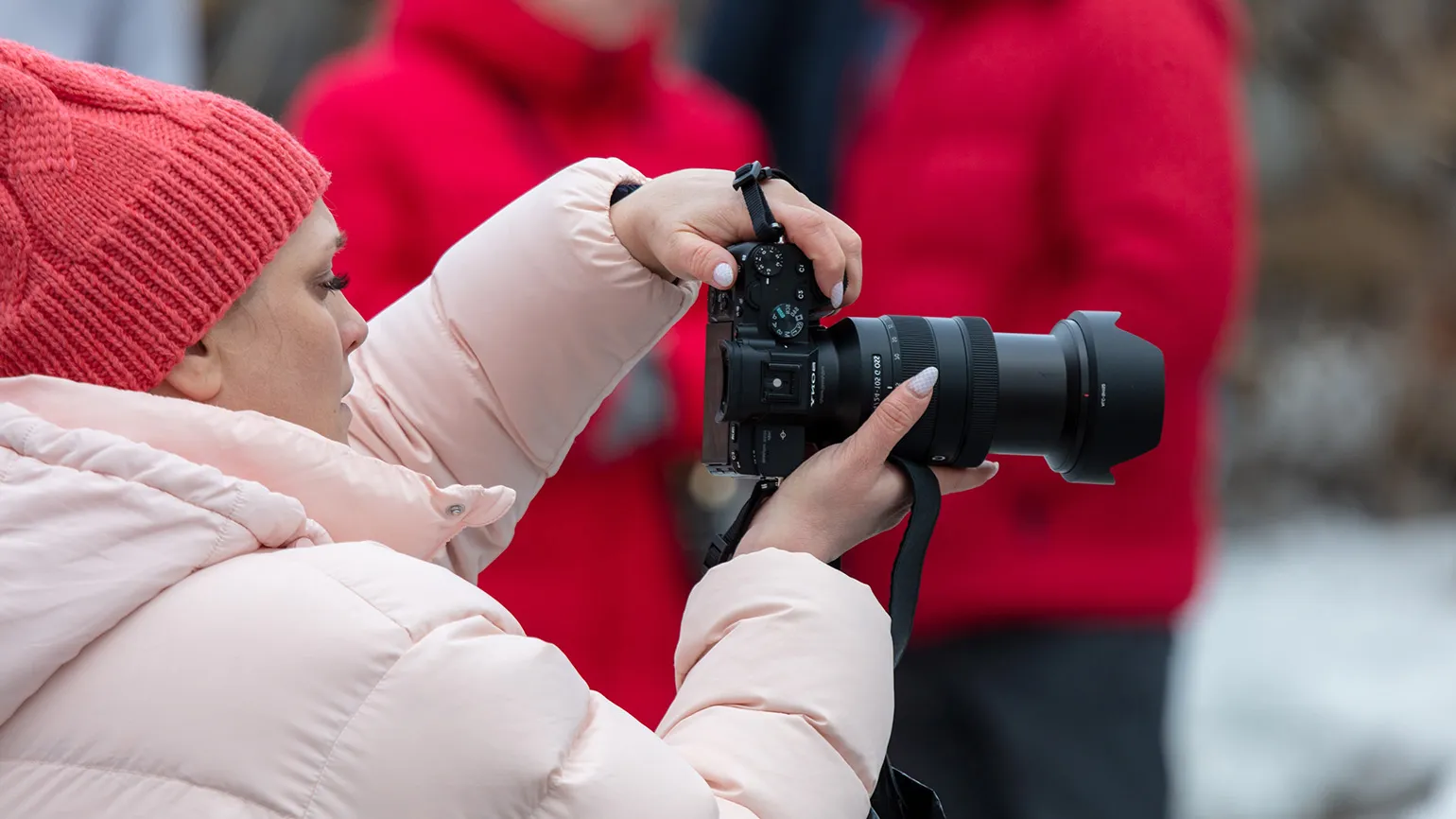
The result is a continuous stream of unconsciously created images. These images form the device's memory, which serves for automatic functioning. If someone looks through an album of an amateur photographer, he will find that the author's emotions, knowledge, or values are captured there. Instead, he will see only the camera's automatic capabilities.
A documented journey through Italy captures the places and moments when a person was inspired to capture a moment in a photograph. This reflects not only the location but also the actions that took place at that moment. This approach is characteristic of any documentary photography. A documentarian, like an amateur photographer, is constantly searching for new scenes, while maintaining their unique perspective on the world.
A photographer, in this context, strives for new perceptions and the creation of unique, informative visual content. The evolution of photography from its inception to the present day represents a process of deepening understanding of information concepts. Photographers move from a constant pursuit of novelty using traditional methods to exploring innovative approaches. However, many amateur and documentary photographers do not recognize the importance of information in their work. Instead, they form a rote memory rather than create truly meaningful content. The better they perform this task, the more technology dominates human perception.
A text author must have a good understanding of spelling and grammar. A photographer using a digital camera must strictly follow the operating instructions on the back of the device. This reflects the principles of democracy in a post-industrial society, where access to information and technology is becoming increasingly simple and understandable.
A person using a camera often doesn't understand that photographs require interpretation. They assume that images themselves reflect reality. This leads to a paradoxical conclusion: the more people take photographs, the more difficult it becomes to interpret them. Everyone assumes they understand how photographs are created and what they mean, which reduces the need for deep reflection. Thus, the popular culture of photography can obscure the true meaning and context of images.
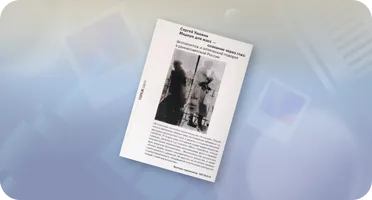
Photomontage in Soviet Russia: Political Manipulation and Propaganda
Photomontage became an important political tool in Soviet Russia, particularly from the 1920s to the 1950s. This technique was used to create visual propaganda, shaping public opinion and supporting state ideology. With photomontage, authorities could manipulate images by erasing unnecessary elements and adding new ones, creating an alternative reality.
Soviet artists and photographers used photomontage to illustrate the successes of socialist construction, promote the party's achievements, and shape the image of the ideal Soviet citizen. Renowned artists such as David Shterenberg and Alexandra Exter became pioneers in this field, creating works that combined elements of painting and photography.
Photomontage also played a key role in the culture and art of the time. It became a symbol of an innovative approach to visual art, reflecting the dynamism and energy of Soviet society. The use of photomontage in propaganda materials such as posters and magazines helped convey the ideas of socialism and national unity to a wider audience.
Thus, photomontage in Soviet Russia not only served as a tool of political propaganda, but also contributed to the development of artistic practices, leaving a noticeable mark on the history of art and visual culture.
Photographer Profession
You'll learn how to take professional photos from scratch. You'll learn how to organize shoots, edit images, and manage models and a team. Find your style, build an impressive portfolio, and start making money doing what you love.
Find out more