Contents:
Zine
A zine is a limited edition publication that is a unique form of self-expression. The term "zine" comes from the English word "zine", which is an abbreviation of "magazine". (zine) or "fanzine" (fan magazine). Zines can cover a variety of topics, from art and culture to personal passions and social issues. These publications are often created by independent authors and distributed to a select audience, making them an important part of the alternative media scene.
In Russia, artists, photographers, and designers often self-publish their zines, although this can also be done by a publisher. The topics of such publications range from personal stories to documentary projects, allowing authors to express their ideas and worldviews. Self-publishing zines gives creators control over the entire process—from concept to printing. This makes zines unique and diverse, reflecting the individual style and creativity of their authors.
The main difference between a zine and other formats is its accessibility. Creating a zine does not require complex design or large print runs. A zine is a way to express an idea in printed form, giving the author complete freedom. Anyone can create a zine anywhere and in a short time, with just a desire, an idea, basic layout skills, and access to a printer. This format is ideal for self-expression and sharing unique ideas, making it popular among creative people.
Before discussing zines, it's worth remembering our past. Personal stories are closely intertwined with collective experience, and zines, especially handmade ones, evoke nostalgia for a pre-internet era. For me, zines evoke the small notebooks-questionnaires my friends and I created in elementary school. Each notebook was unique; we wrote down questions, shared secrets, and always added stickers. These pages were supplemented with magazine inserts featuring our favorite actresses. The format of this "collective diary" has its own history, dating back to the late 19th century. Zines represent not only creative self-expression but also an important cultural element that preserves and transmits memories, uniting people through shared experiences and interests.
In the late 19th and early 20th centuries, significant interest in girls' albums arose in gymnasiums. Classmates of these album owners left poems in them, both their own and those of famous poets. This period was marked by the formation of a distinctive style and specific themes. The tradition of writing in albums continued into the 1940s, but the war brought changes to this practice. In the late 1970s and early 1980s, questionnaires appeared, which have become more familiar to modern perceptions. Albums and questionnaires served not only as a means of self-expression but also as an important cultural phenomenon, reflecting the spirit of the times and the emotional atmosphere.
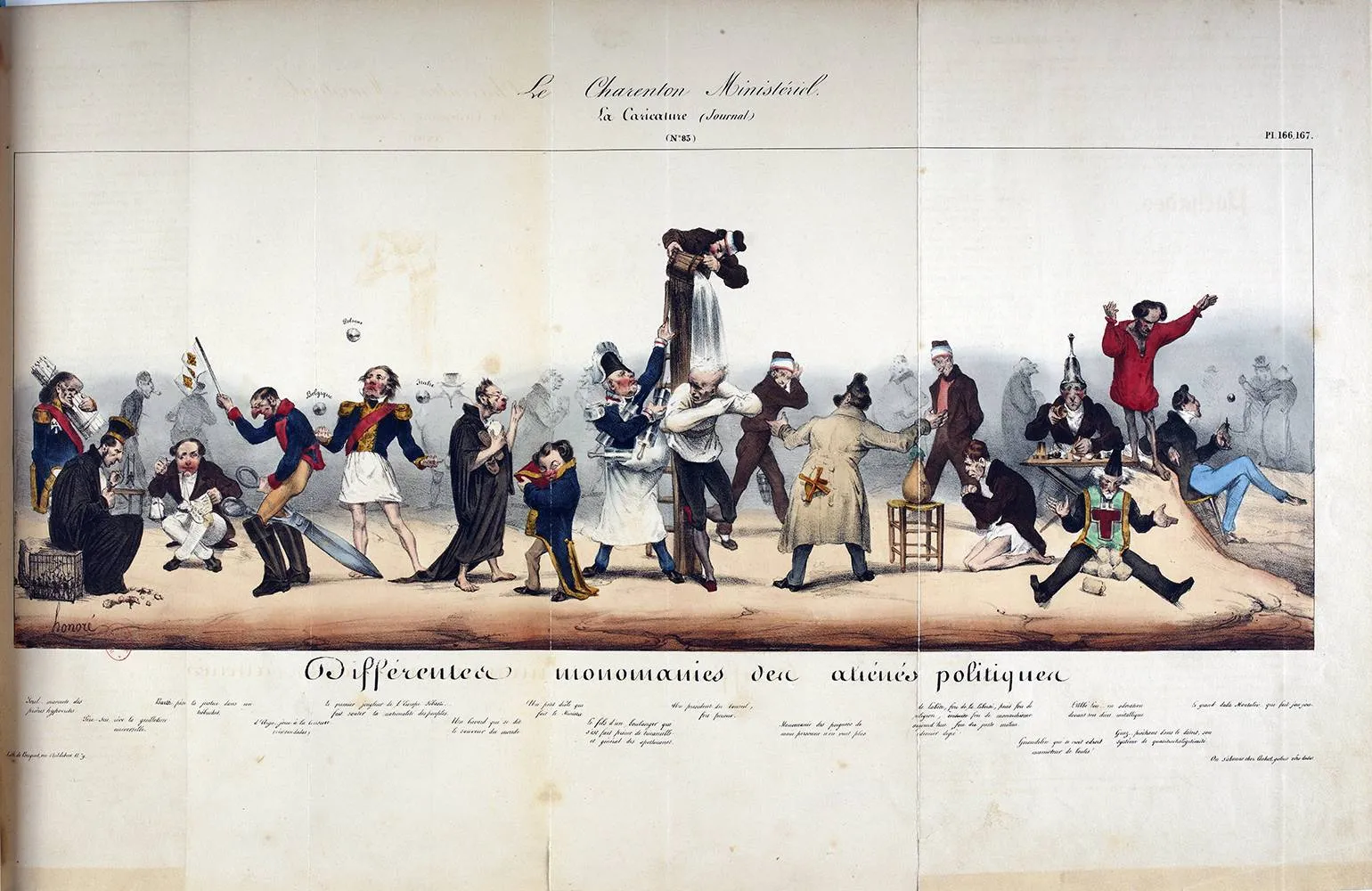
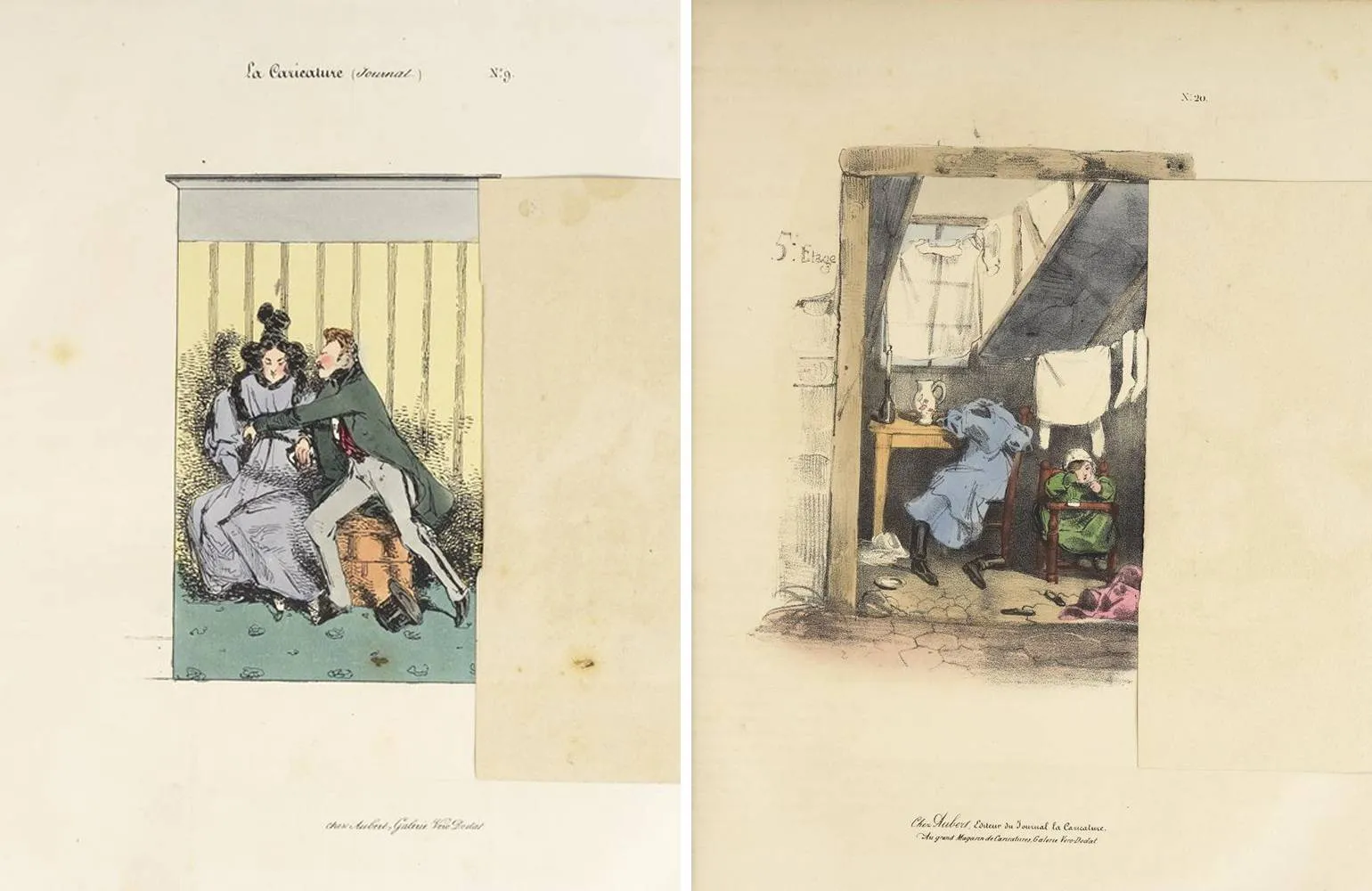
Igor Skandakov, director of the Omsk Museum of Education, spoke about the importance of cultural heritage and educational initiatives. He noted that the museum plays a key role in shaping public consciousness and developing cultural identity. Skandakov emphasized that museum exhibits not only present historical artifacts but also serve as a platform for dialogue between generations. It's important for visitors not only to learn about history but also to participate in the museum's educational programs. These initiatives foster interest in culture and art and help develop critical thinking. The Omsk Museum of Education is actively working to create accessible and engaging content for a wide audience, ensuring everyone can find something valuable. Handicraft and collectivity are key concepts in understanding the zine. This phenomenon has deep historical roots, manifesting itself in various countries. In Europe, the first zines emerged in the 16th and 17th centuries and were associated with early forms of printed publications, such as pamphlets. Activists used them to disseminate anti-state ideas, often publishing anonymously or under pseudonyms. These publications were distributed by hand, emphasizing their independent and alternative nature. Zines continue to evolve, remaining an important tool for self-expression and criticism in modern society. By the 19th century, a radical press emerged in Europe, becoming an important tool for disseminating information about political and social change. Zines, devoted to sensitive topics, were printed in small presses or created by hand. Distribution of such publications was facilitated by activist networks, which contributed to the formation of public opinion and mobilization of the population. The radical press played a key role in highlighting social issues and political conflicts, becoming a voice for those who were deprived of the opportunity to voice their demands.
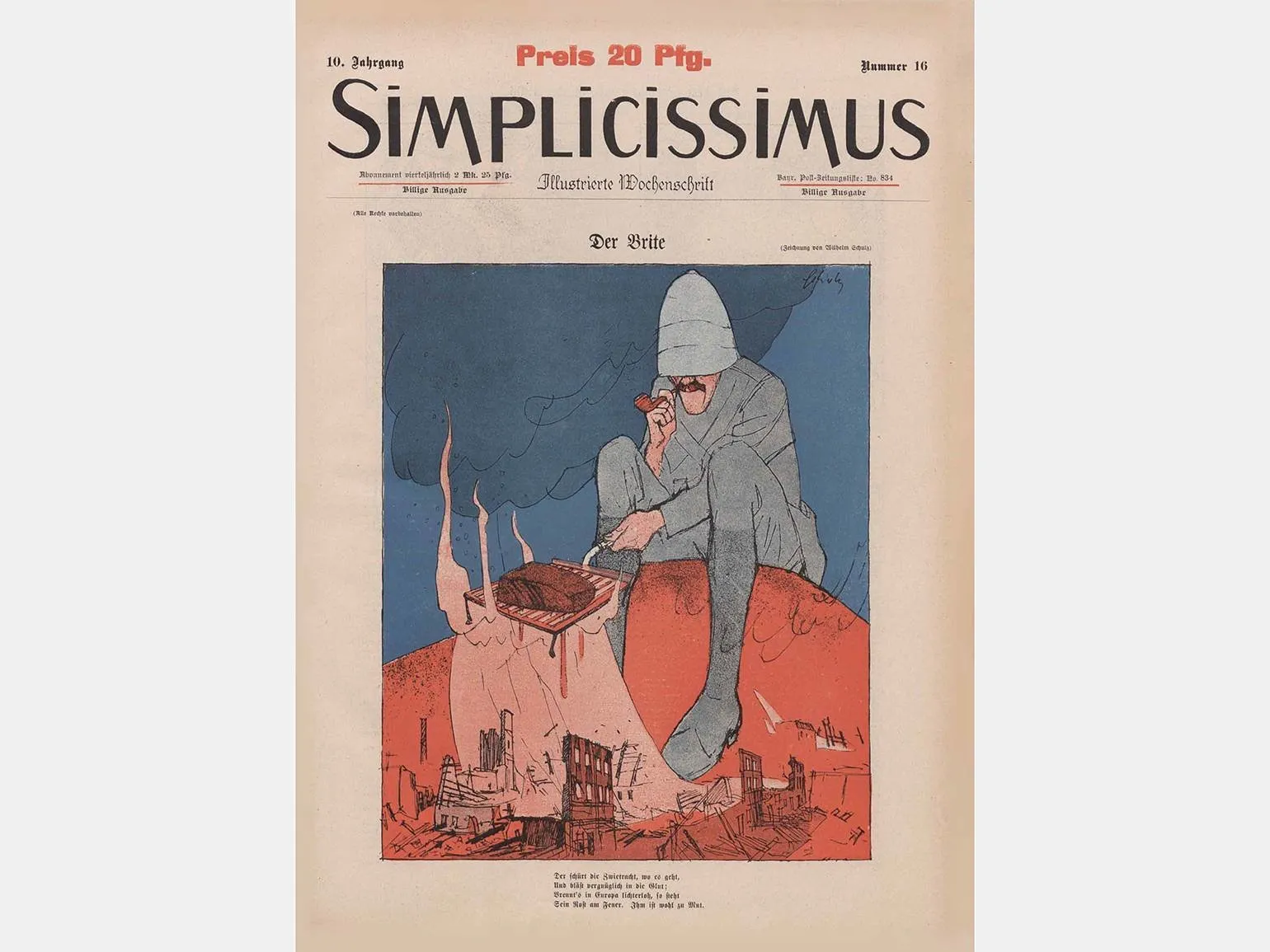
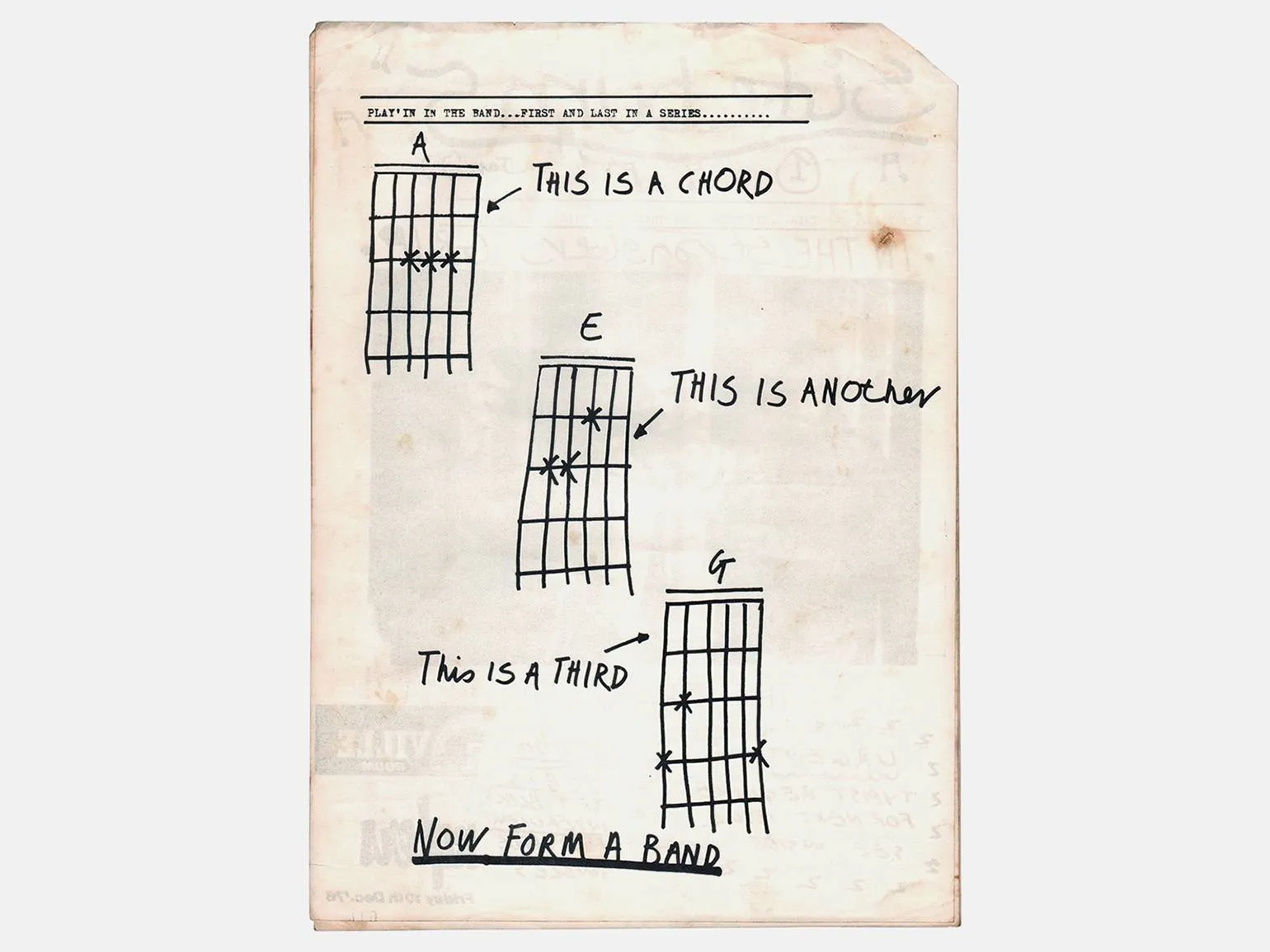
The 1970s and 1980s saw the rise of zine culture in Europe, which was an integral part of the punk rock movement. Punk culture emphasized a DIY ethic, meaning "do it yourself." Members of this subculture actively created and distributed their own music recordings, merchandise, and printed publications. Zines became a key element of the punk movement, serving as a means of sharing information about music, concerts, and political views. These self-published publications allowed independent artists and fans to share their opinions and experiences, strengthening the community and helping to spread punk ideas.
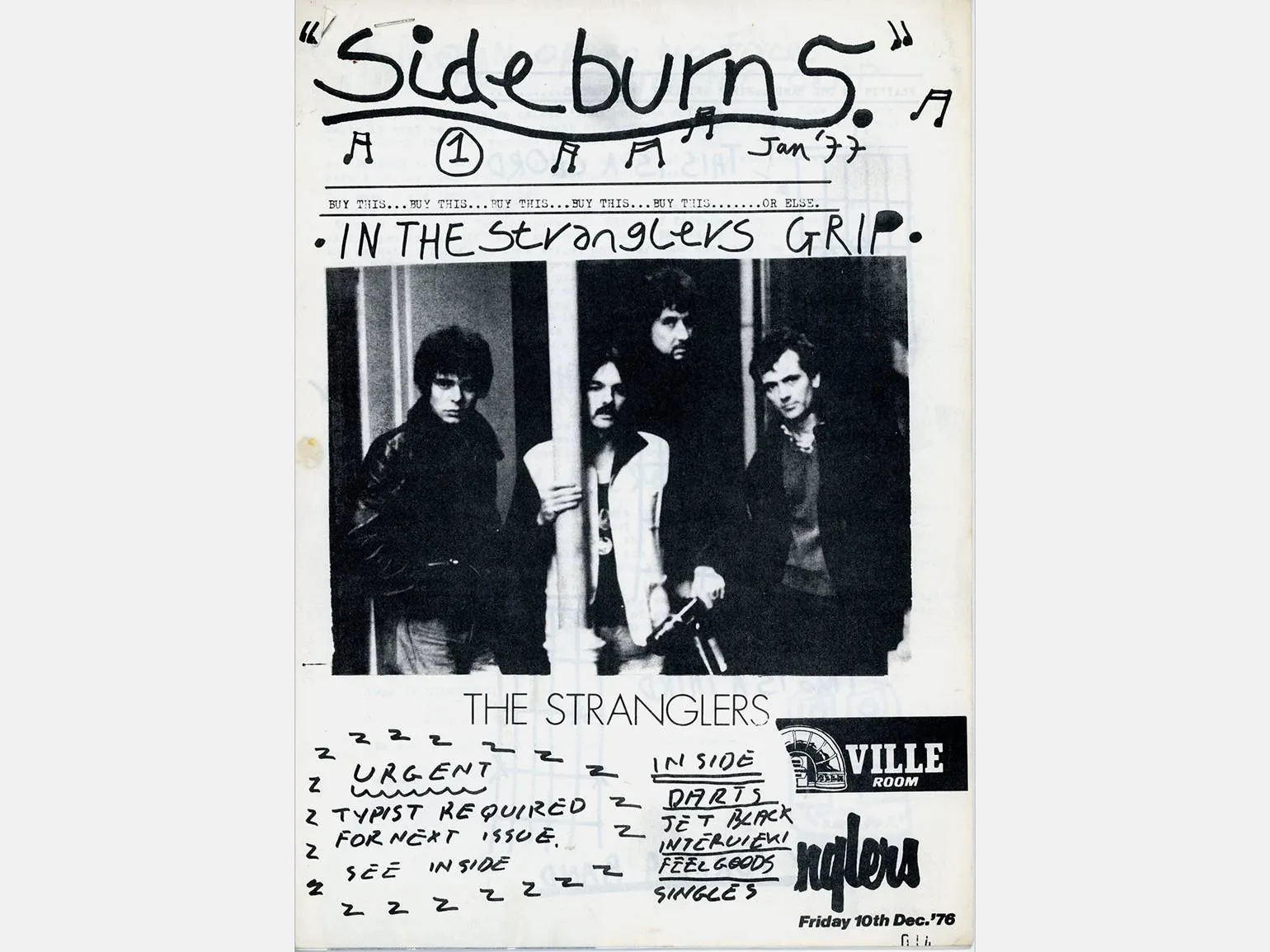
In the United States, the history of zines is inextricably linked with comic book and fanzine culture. Fanzines are self-published works produced by fans seeking to share their passions and interests. The first fanzines emerged in the 1930s, when science fiction fans began creating their own magazines to discuss their favorite books and characters. One of the first such publications was The Time Traveller, which appeared in 1932 thanks to Julius Schwartz, who later became an editor at DC Comics. These early fanzines played a vital role in building a fan community and inspired the further development of independent self-publishing in the United States, which in turn had a significant impact on the comic book industry and pop culture.
In the 1940s and 1950s, fanzines began to gain popularity, expanding their genres and subject matter. In the 1960s, fanzines found themselves at the intersection of punk rock and underground culture. They began to cover not only comics but also music, art, and politics. Thus, fanzines underwent significant changes and evolved into the modern zine, which continues to evolve today.
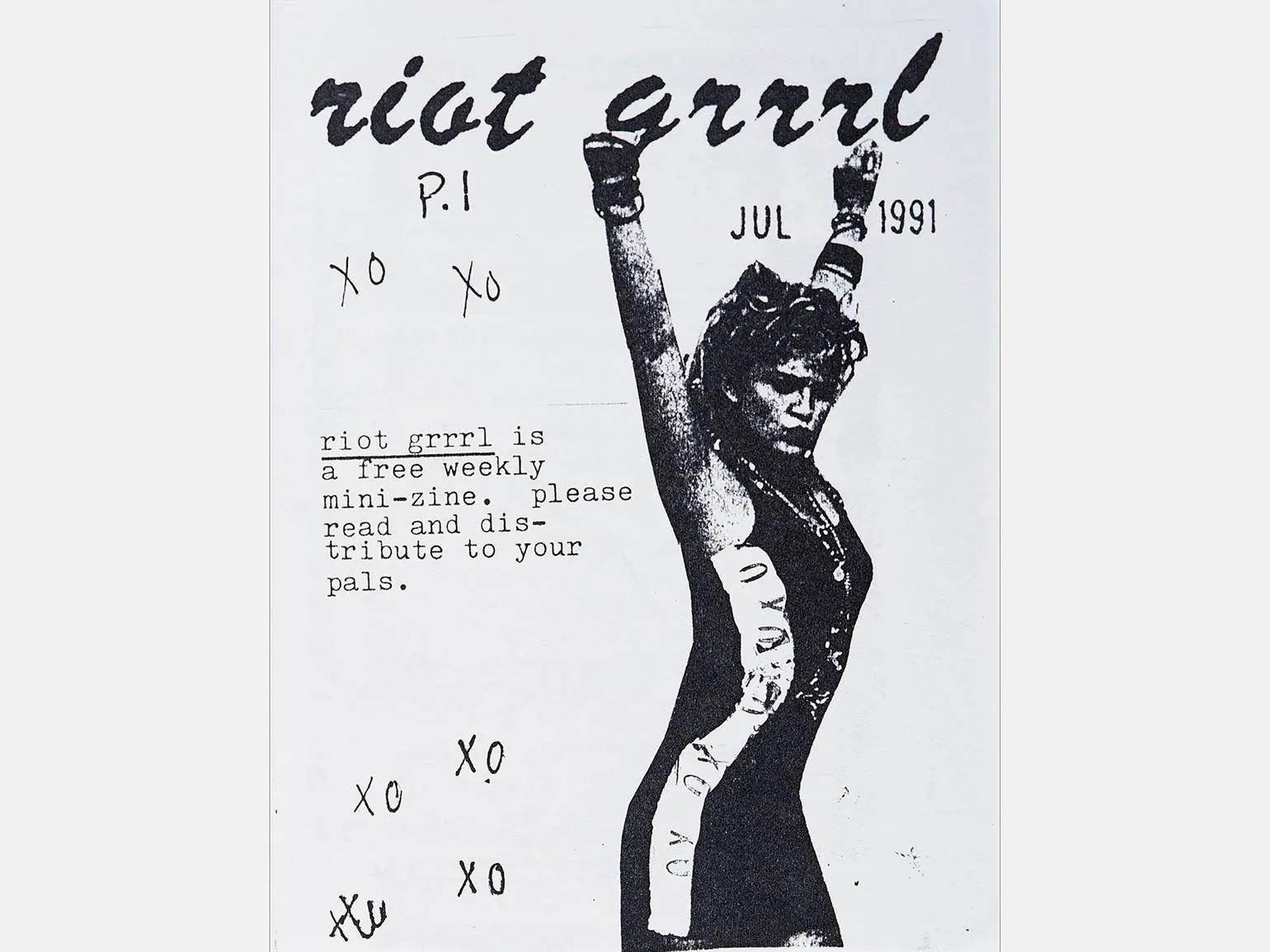
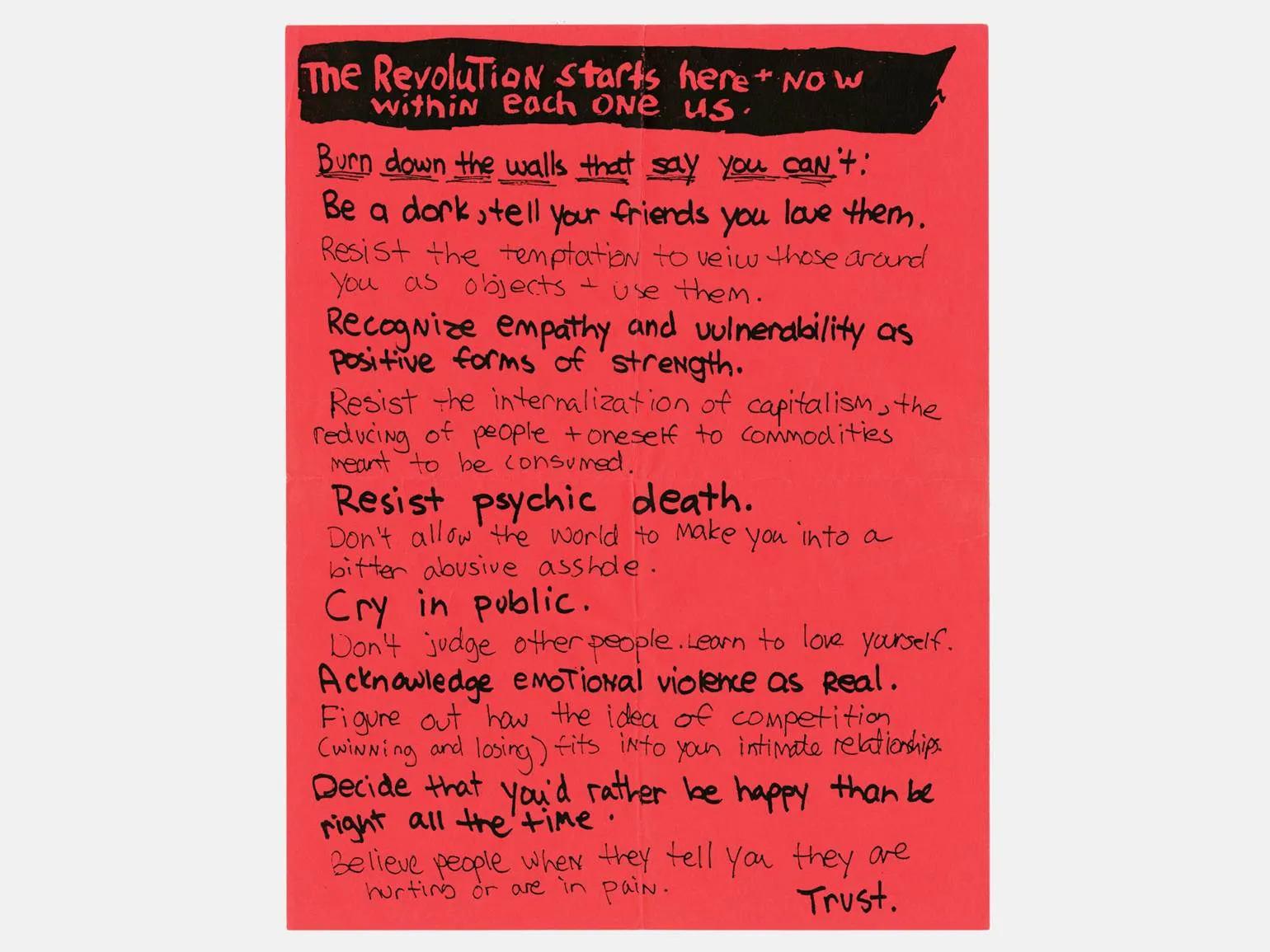
The Riot Grrrl movement was a significant milestone in the history of the American zine. Founded in the 1990s by Jen Smith, an activist and musician who sought to combine feminism and punk rock, the movement emphasized women's empowerment, using music, art, and activism as tools for change. Riot Grrrl zines often included material on feminist themes and shared personal stories from members, creating a space for discussion of pressing social issues.
The history of samizdat in the Soviet Union has much in common with similar processes in other countries. Samizdat began to develop in the late 1950s as a response to strict censorship, representing an illegal way to distribute banned literature and information. It arose among the intelligentsia dissatisfied with state policies. The first publications of works by authors such as Boris Pasternak, Alexander Solzhenitsyn, and Vasily Shalamov were created on typewriters using carbon paper and distributed among acquaintances and like-minded people. This phenomenon became an important part of the country's cultural life, allowing for the preservation and transmission of alternative ideas and creativity in the face of repression.
In the 1960s, samizdat began to take on a more organized form, which contributed to the emergence of underground journals such as Sintaksis and Feniks. In the 1970s, samizdat culture expanded significantly, encompassing music. Numerous underground music groups emerged during this time, including cult bands like Aquarium, Kino, and Nautilus Pompilius. These groups not only developed alternative music, but also became important representatives of samizdat culture, reflecting public sentiment and aspirations of the youth of that time.
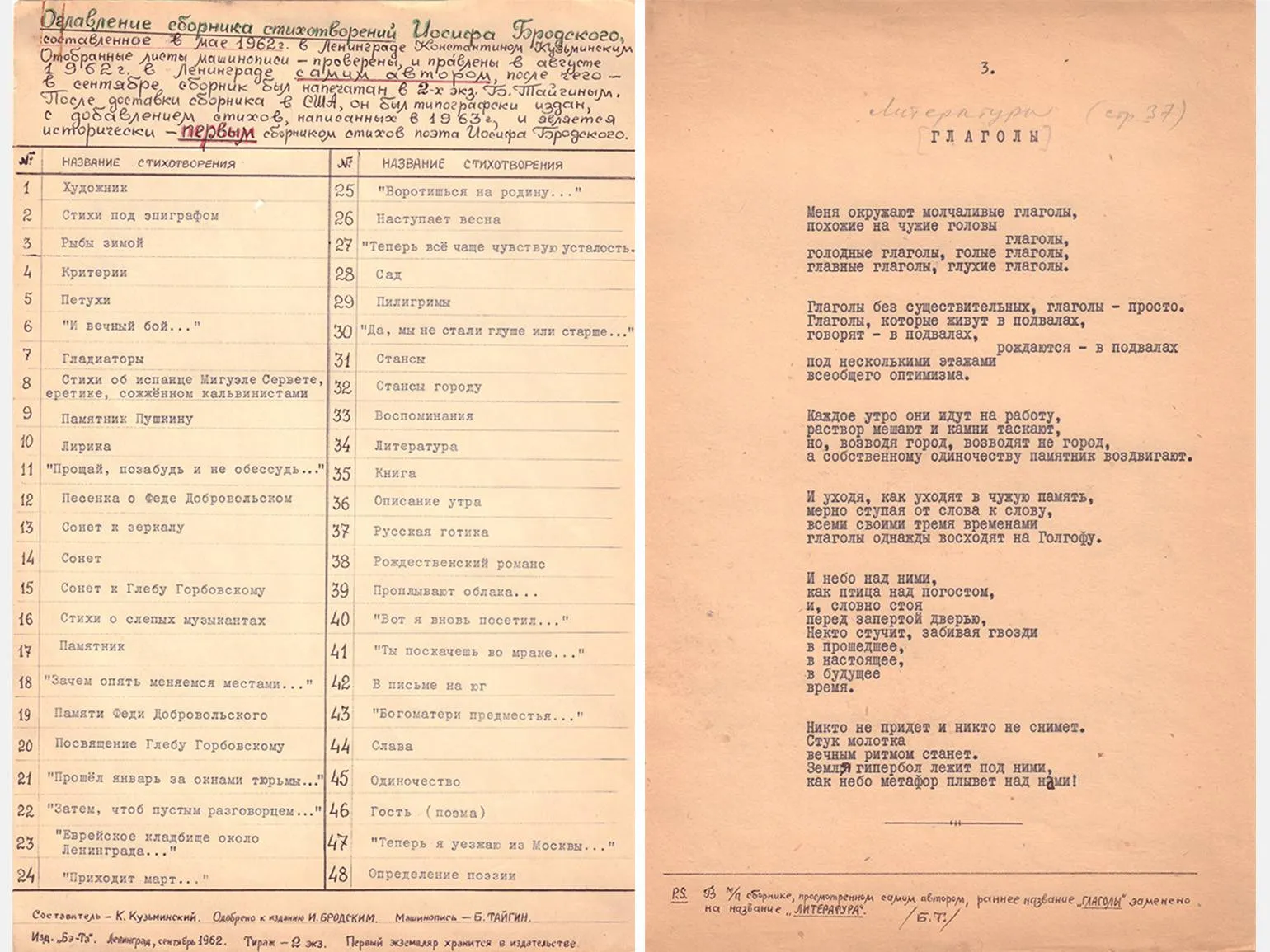
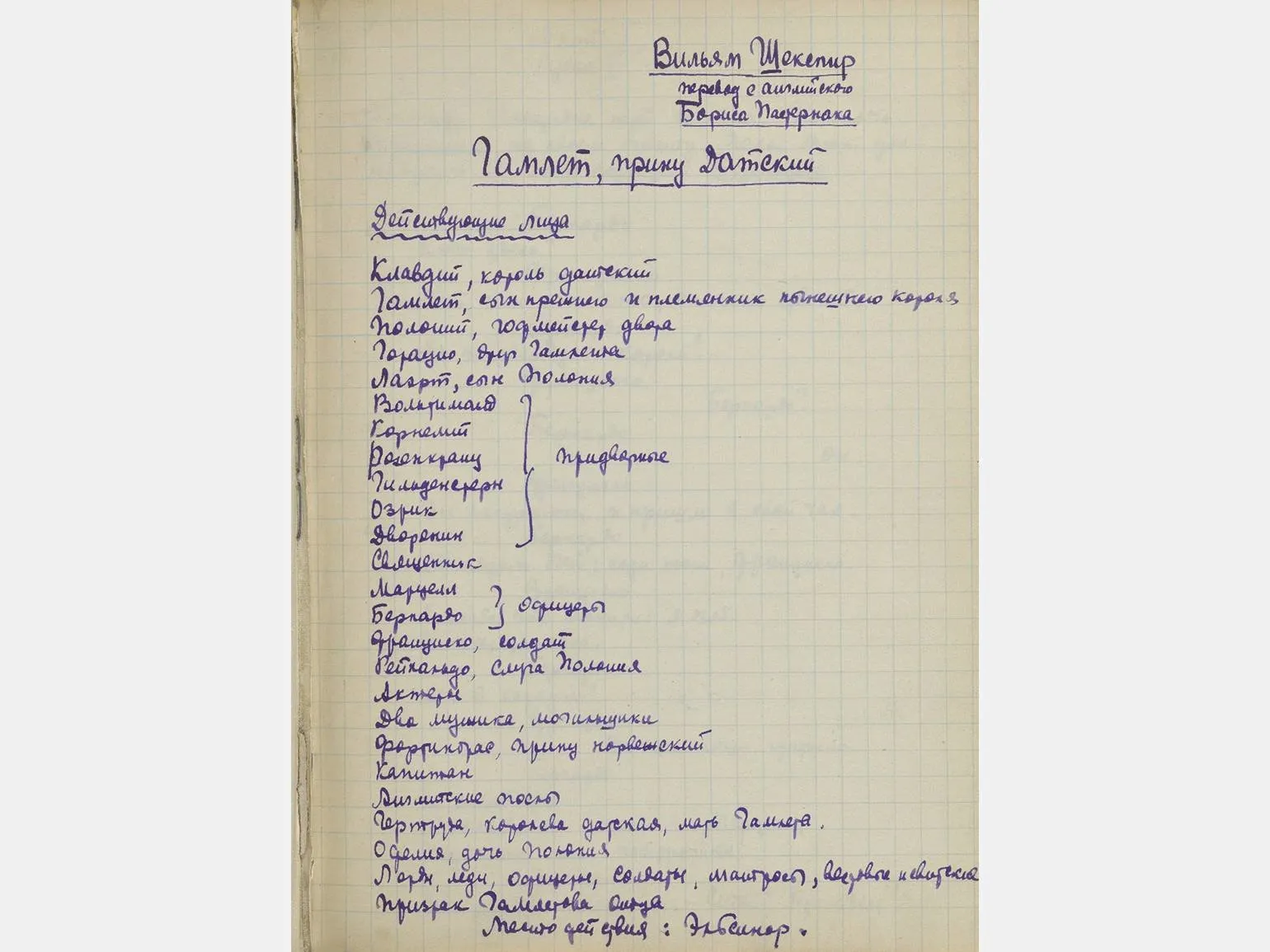
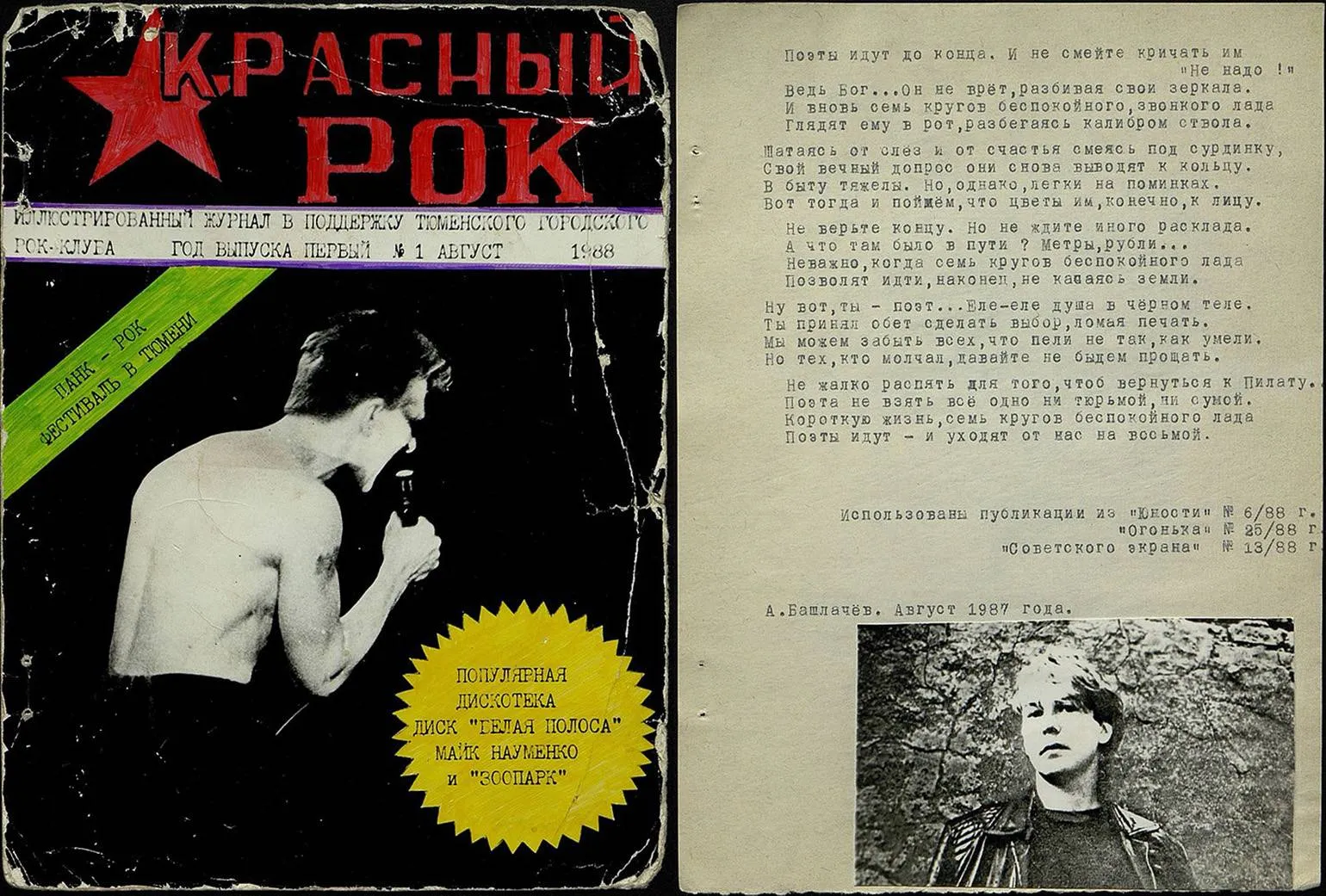
Samizdat continues to exist in Russia, but in a modified form. Today, it can be seen as an analogue of the Western European zine, rather than magazines or facsimile copies of banned works. This new form of samizdat reflects contemporary trends and allows authors to share their texts, bypassing traditional publication channels. In a context of restrictions on freedom of speech, zines are becoming an important tool for disseminating independent ideas and opinions, as well as a platform for creativity and self-expression.
The development of design, typography, and the internet has significantly accelerated the process of improving the art of printing. Modern zines represent a harmonious unity of form and content, reflecting the ideas of artists, photographers, designers, illustrators, and other creative individuals. Zines have now transformed from political statements into collectibles, attracting the attention of art and culture connoisseurs. Their uniqueness and individuality make them an important part of contemporary visual art and media.
The development of zines in Russia gained new impetus in the 2010s. During this period, tired of rapid digitalization, people began to feel a need for tangible objects that could express their individuality. Artists and creators have begun actively creating their projects in the zine format, and self-published books with print runs of up to 100 copies have begun appearing on contemporary art markets. This phenomenon has become an important part of the cultural landscape, allowing authors to experiment with form and content and establish direct contact with their audience. Zines have become not only a means of self-expression but also a symbol of the desire for authenticity in the digital age. Interest in zines is driven by their accessibility to a wide audience. These works of art can be purchased for up to 1,000 rubles, making them attractive to collectors and art lovers. Zines offer a unique opportunity to own original works without breaking the bank. The low price of zines does not diminish their symbolic and historical value. The underground Russian publishing house "Plato Togliatti," headed by Alexander Verevkin, has released over two hundred unique printed publications since 1997. Zines range in price from 100 to 1,000 rubles, owing to the use of low-press printing techniques such as risography and photocopying. Nevertheless, thanks to their creative ideas and content, many editions remain collector's items. In 2023, Plato Tolyatti presented a collaborative project with American artist Josh Smith, whose works are valued in the tens of thousands of euros. This emphasizes the high artistic value of the zines, which, despite their affordable price, can become a significant part of a collection.
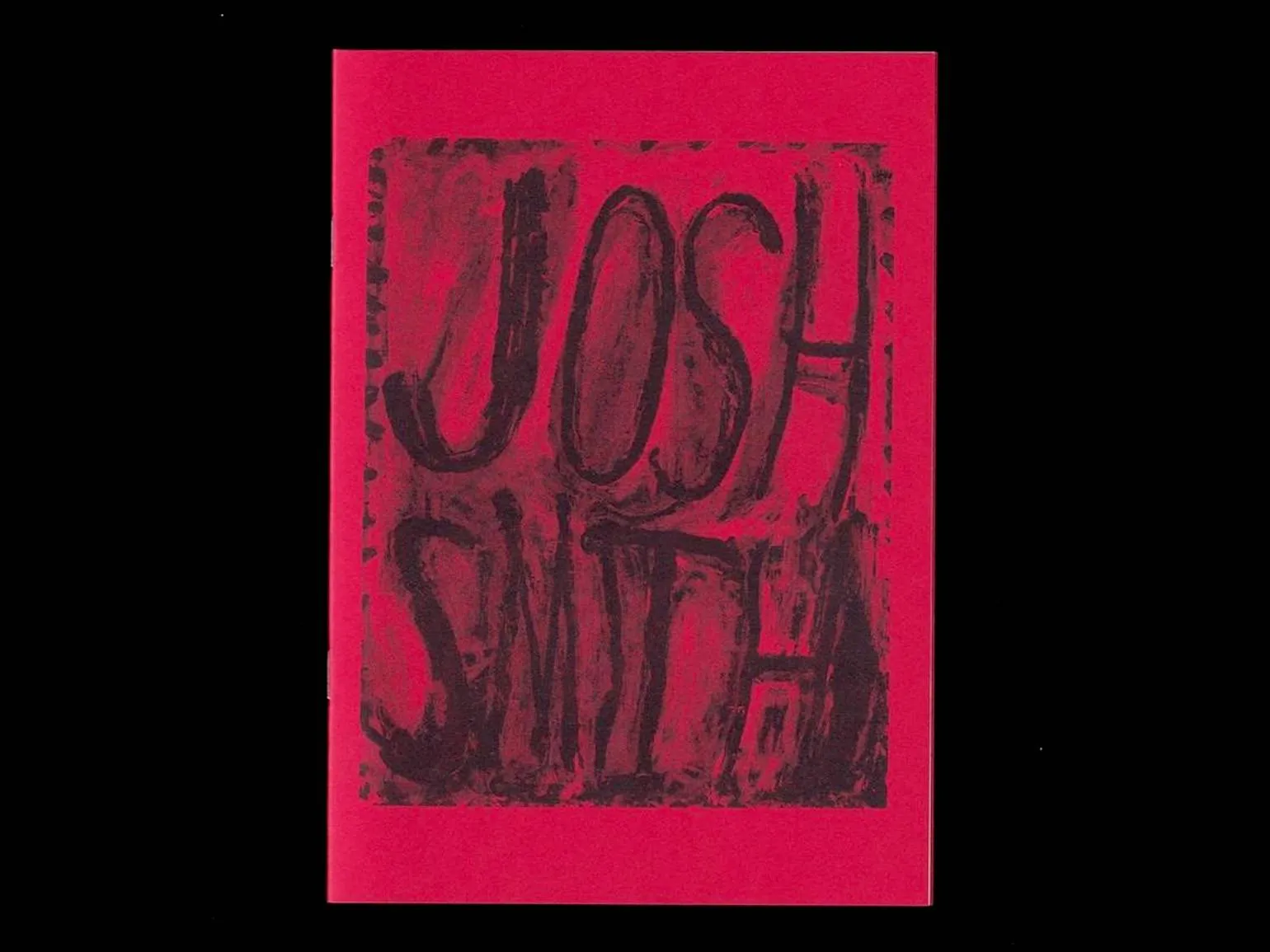
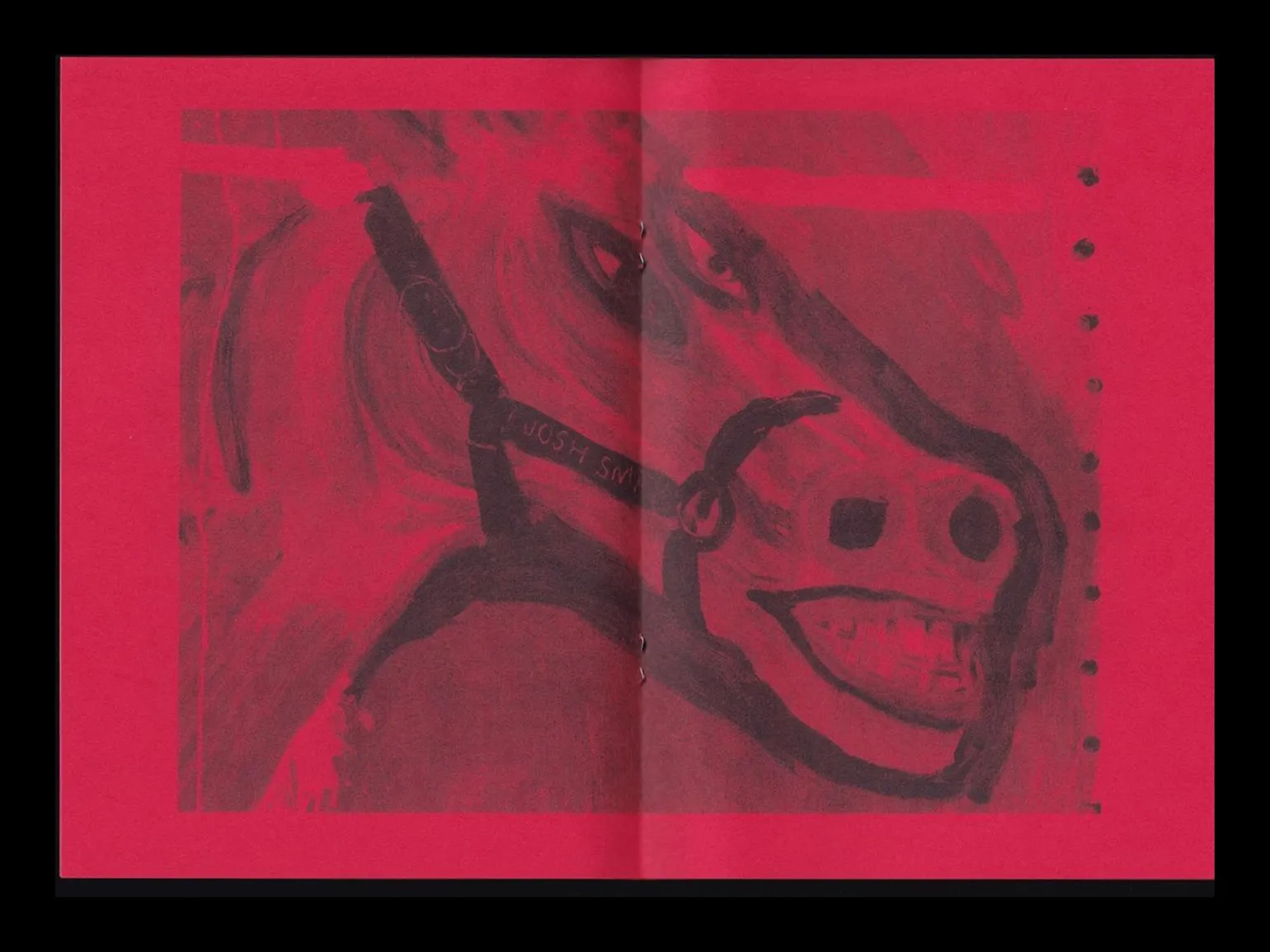
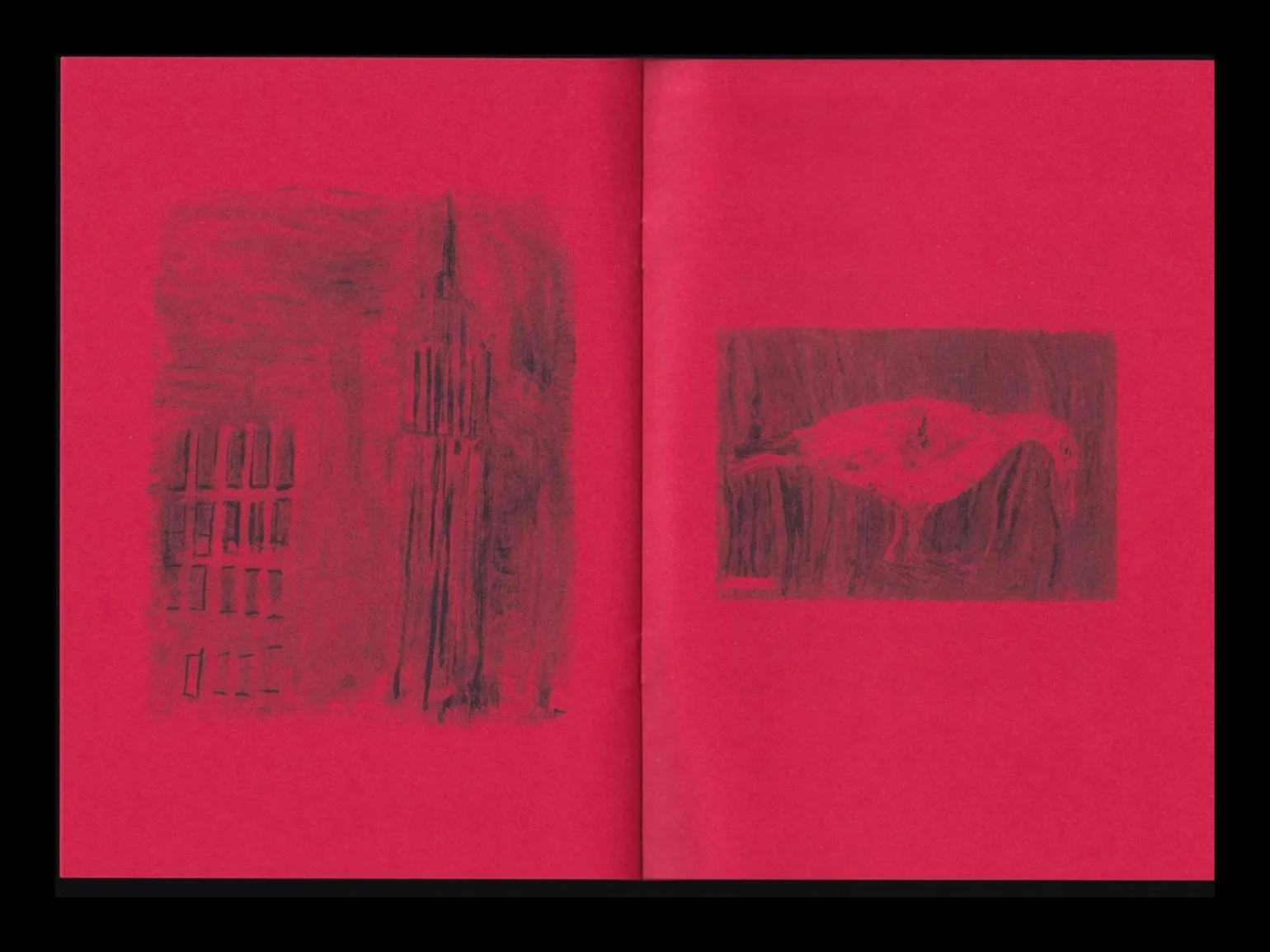
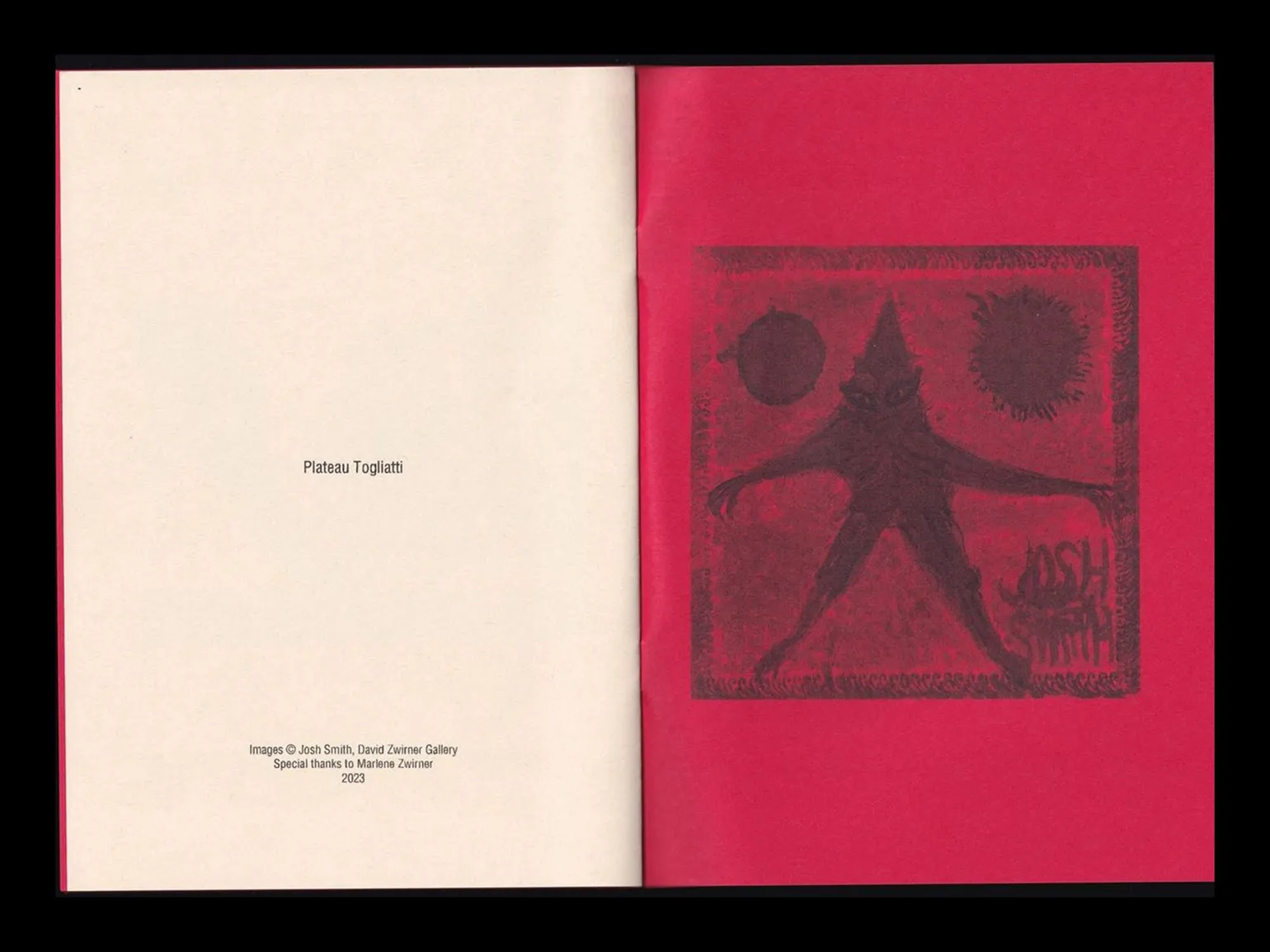
Vitaly Sidorov, Chief Librarian at the Garage Museum Library, constantly updates the collection with contemporary zines. The public library does not carry author-produced titles, but visitors can order up to 10 titles from the catalog for review. Tours of the collection are also available to learn more about the collection and its features.
Today, many local spaces organize zine exhibitions, and artists host samizdat festivals. The Nizina project, created by Kristina Shkileva and me in 2022, began as a two-day festival in St. Petersburg, where we collected about 200 printed publications from 35 regions of Russia. Интерес как со стороны авторов, так и зрителей оказался неожиданно высоким, что позволило фестивалю преобразоваться в полноценный проект, посвященный культуре самиздата. В том же 2022 году в Ростове-на-Дону художница Лера Круглова организовала крупный фестиваль «Жердёла». Лера также ведет телеграм-канал «Дзинь», где публикует зины и фотокниги художников. Этот рост интереса к самиздату свидетельствует о его значимости в современной культурной жизни и подчеркивает важность подобных инициатив для развития независимого искусства.
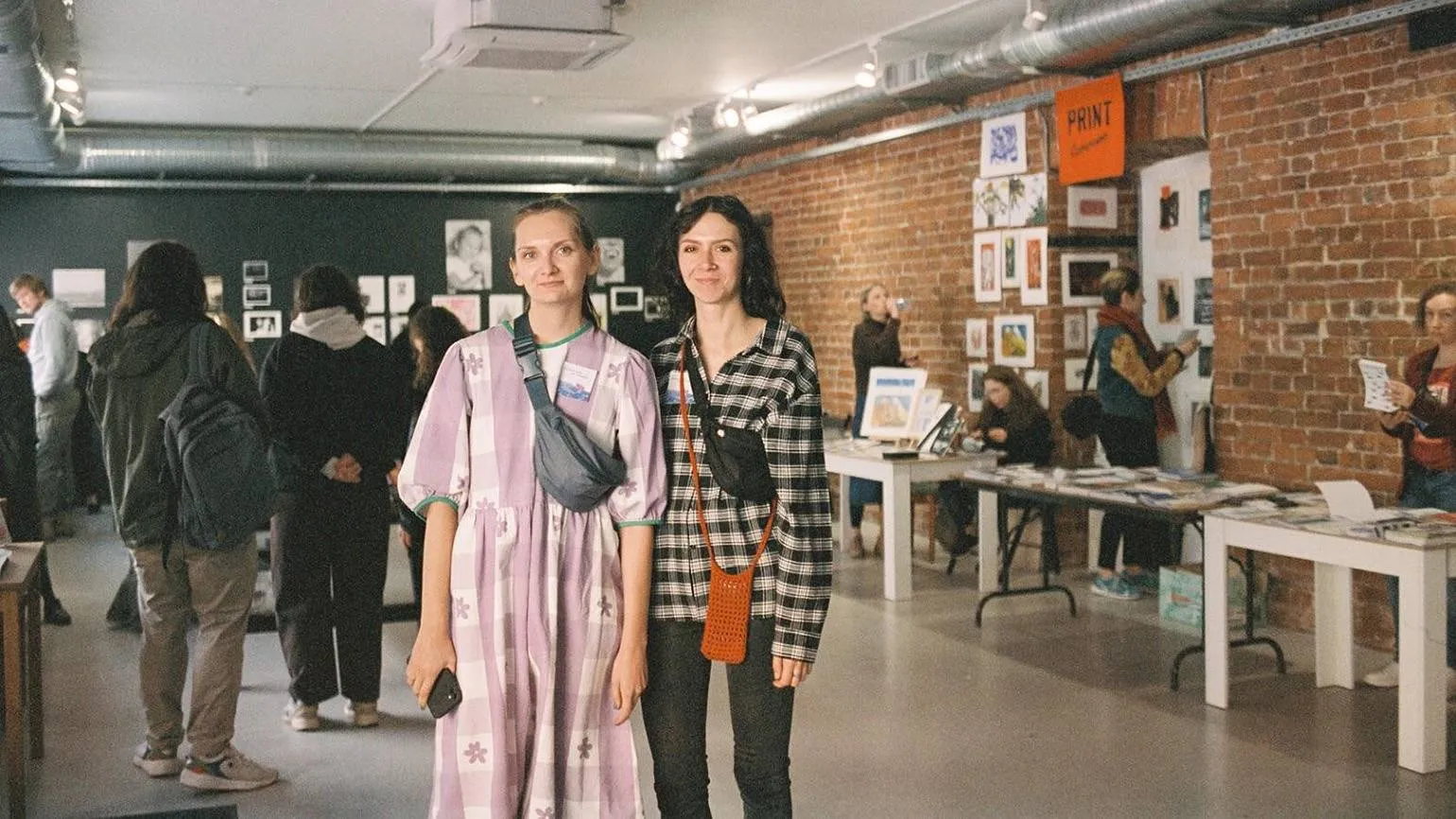
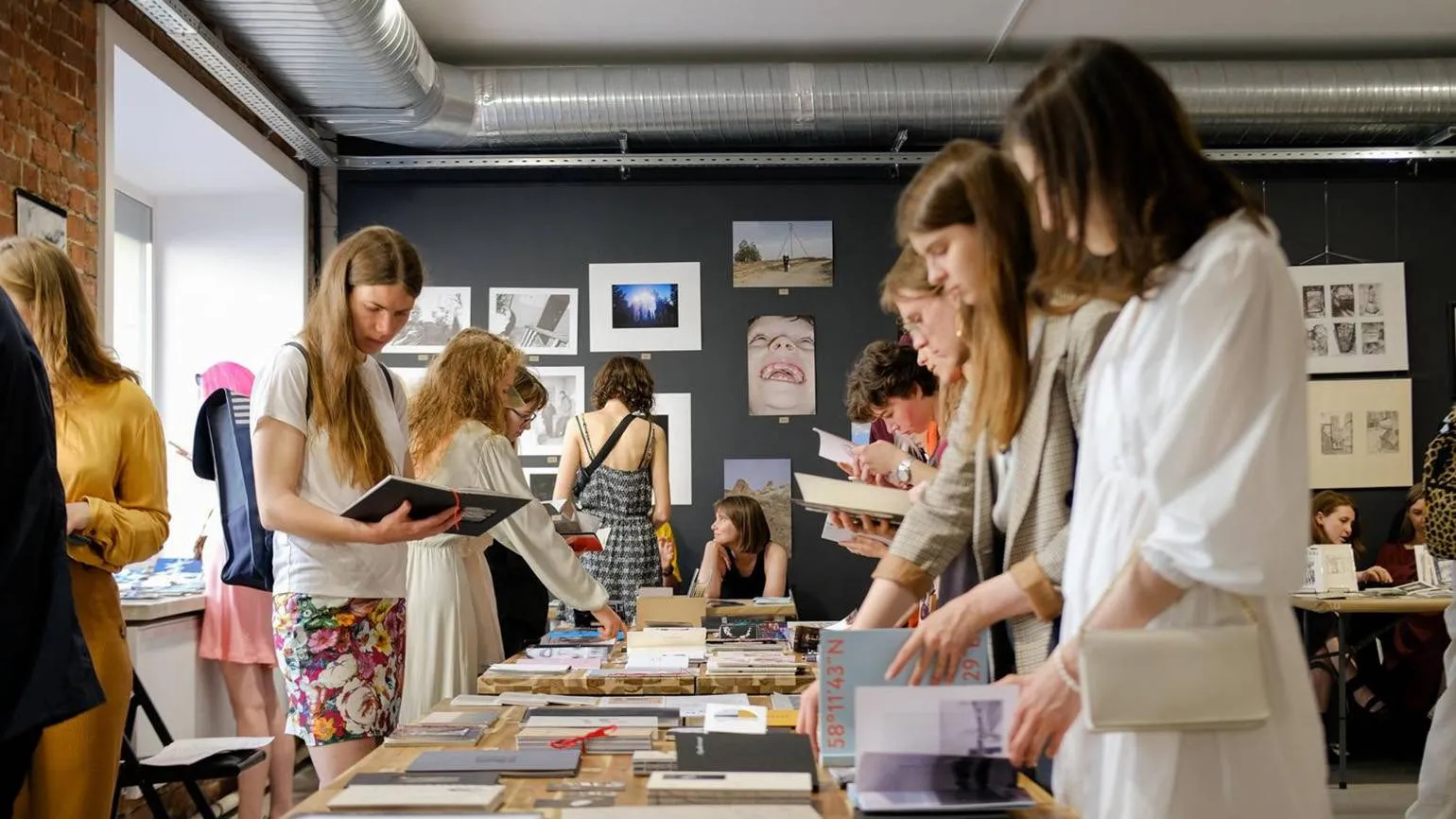
Самая простая форма зина — это обычная тетрадка, которая может иметь размеры от небольшого формата А6 до крупного А4. Однако встречаются зины и меньшего, и большего размера. Формат тетрадки также может варьироваться: он может быть вытянутым, квадратным или даже комбинированным, когда в одном зине совмещаются страницы разных форматов. Такие разнообразные форматы и размеры делают зины уникальными и привлекательными для читателей, обеспечивая творческий подход к их созданию и дизайну.
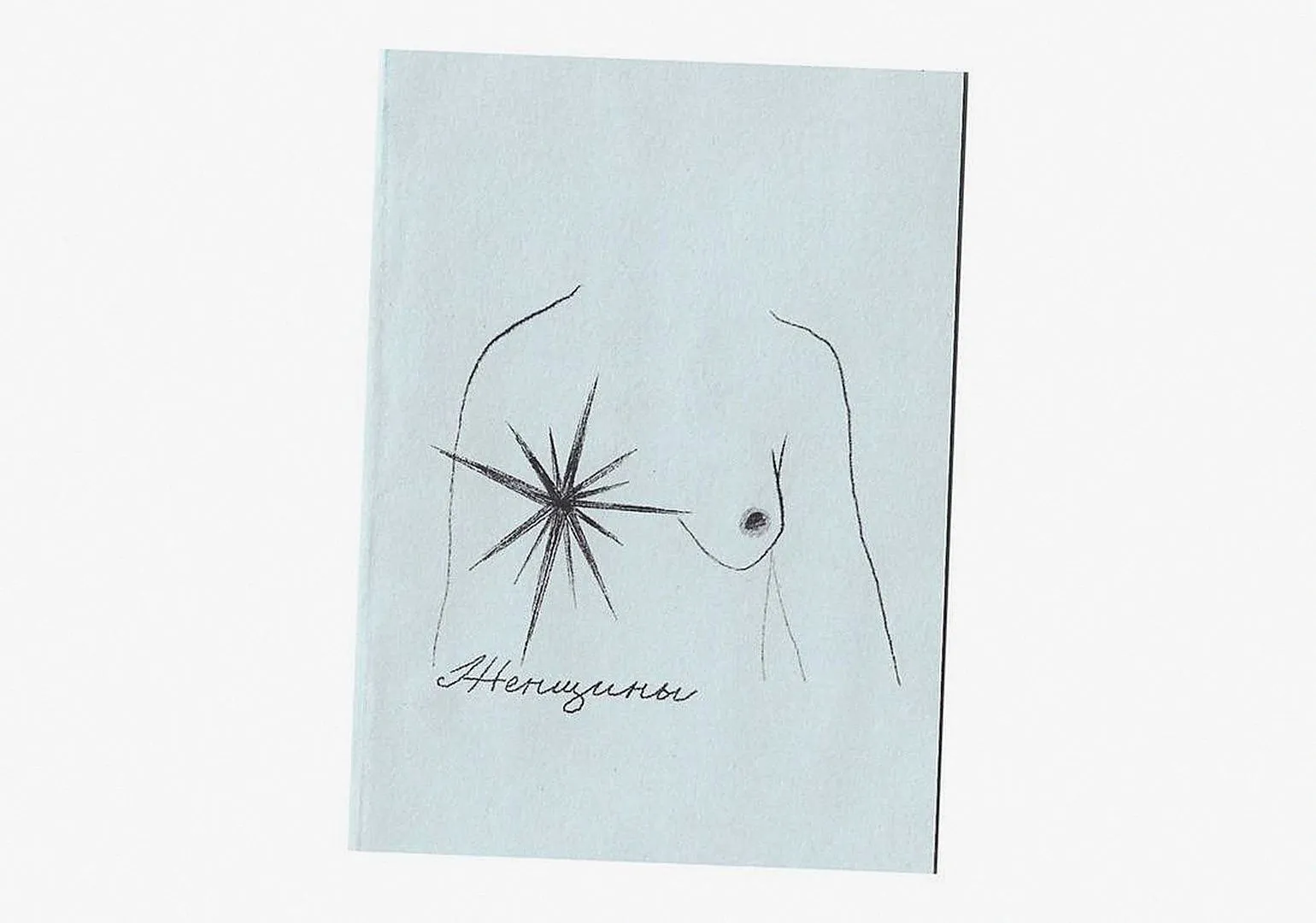
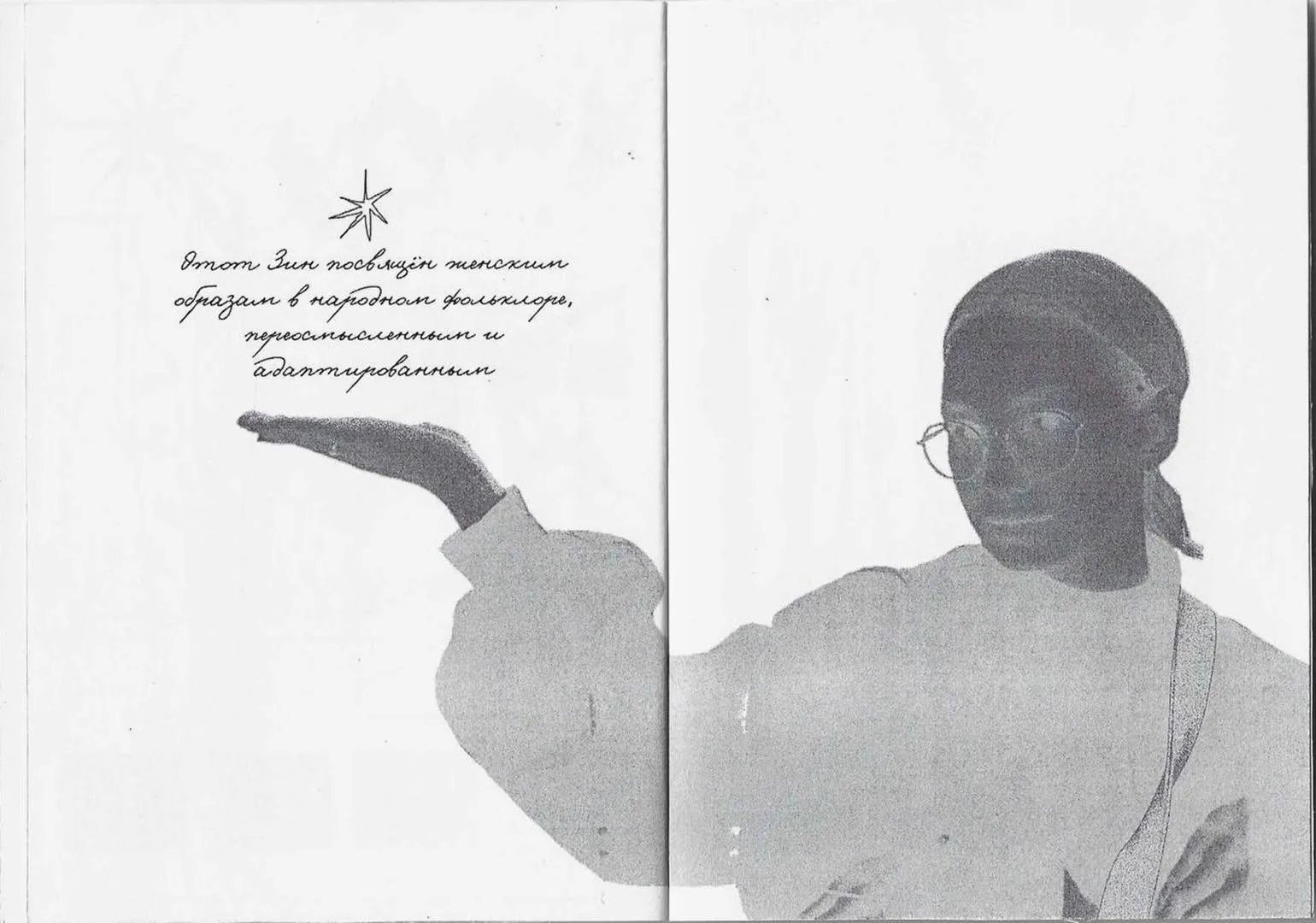
Обращаю внимание на работу художницы Дианы Васиной, ее зин «Женщины». Этот проект представляет собой переосмысление женских фольклорных образов и выполнен в формате А6. «Женщины» исследуют культурные архетипы и традиции, придавая им современное звучание и актуальность.
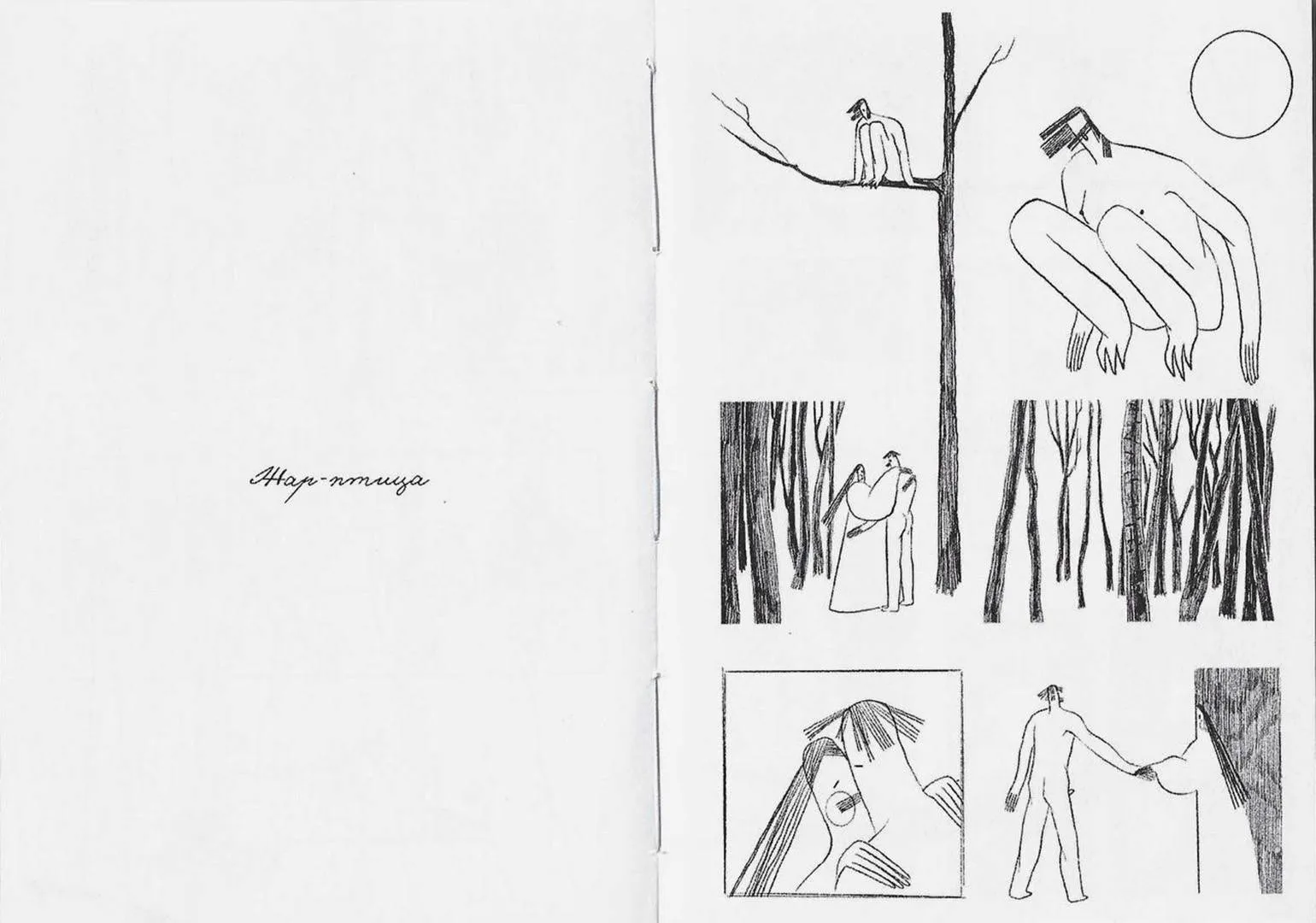
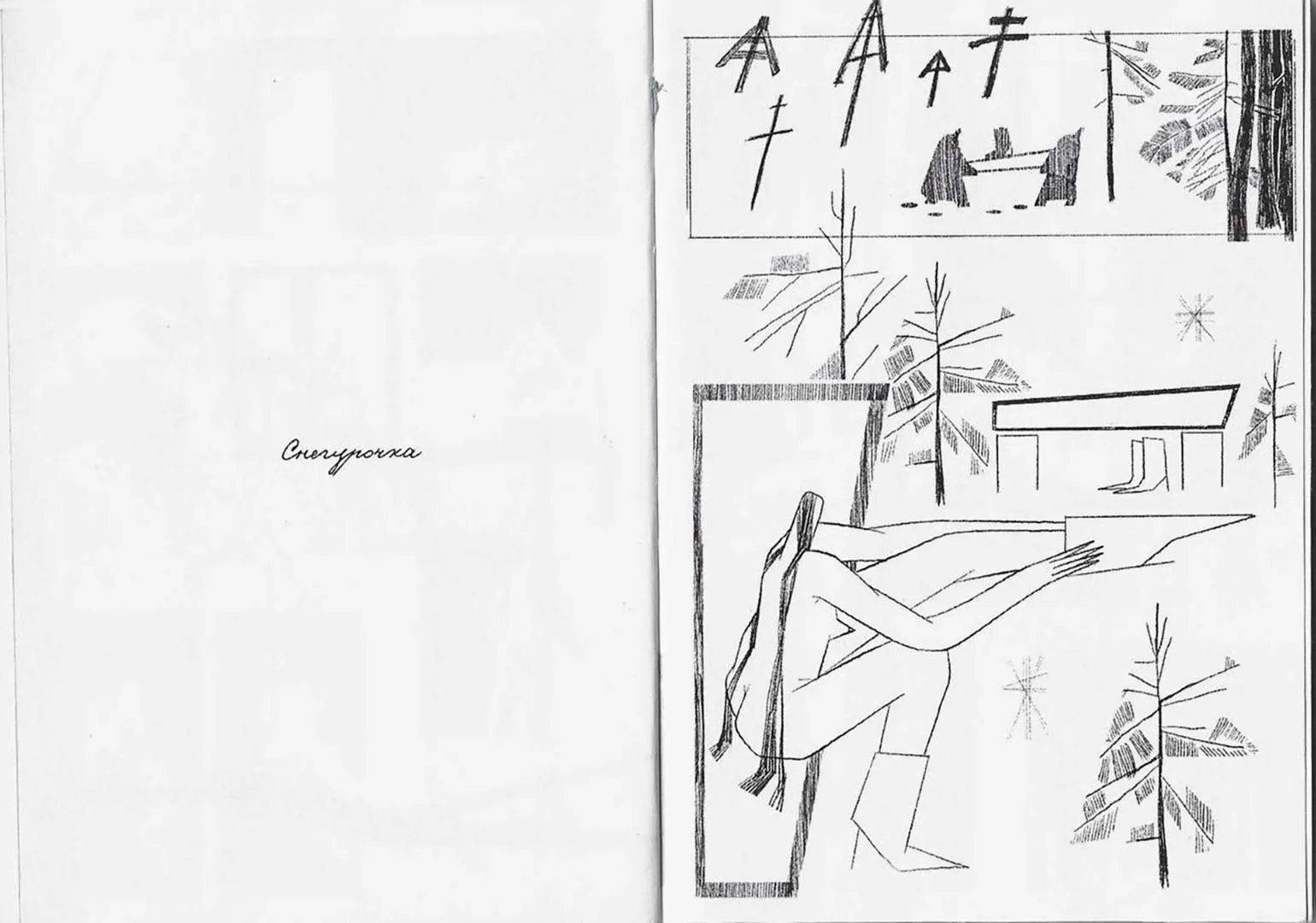
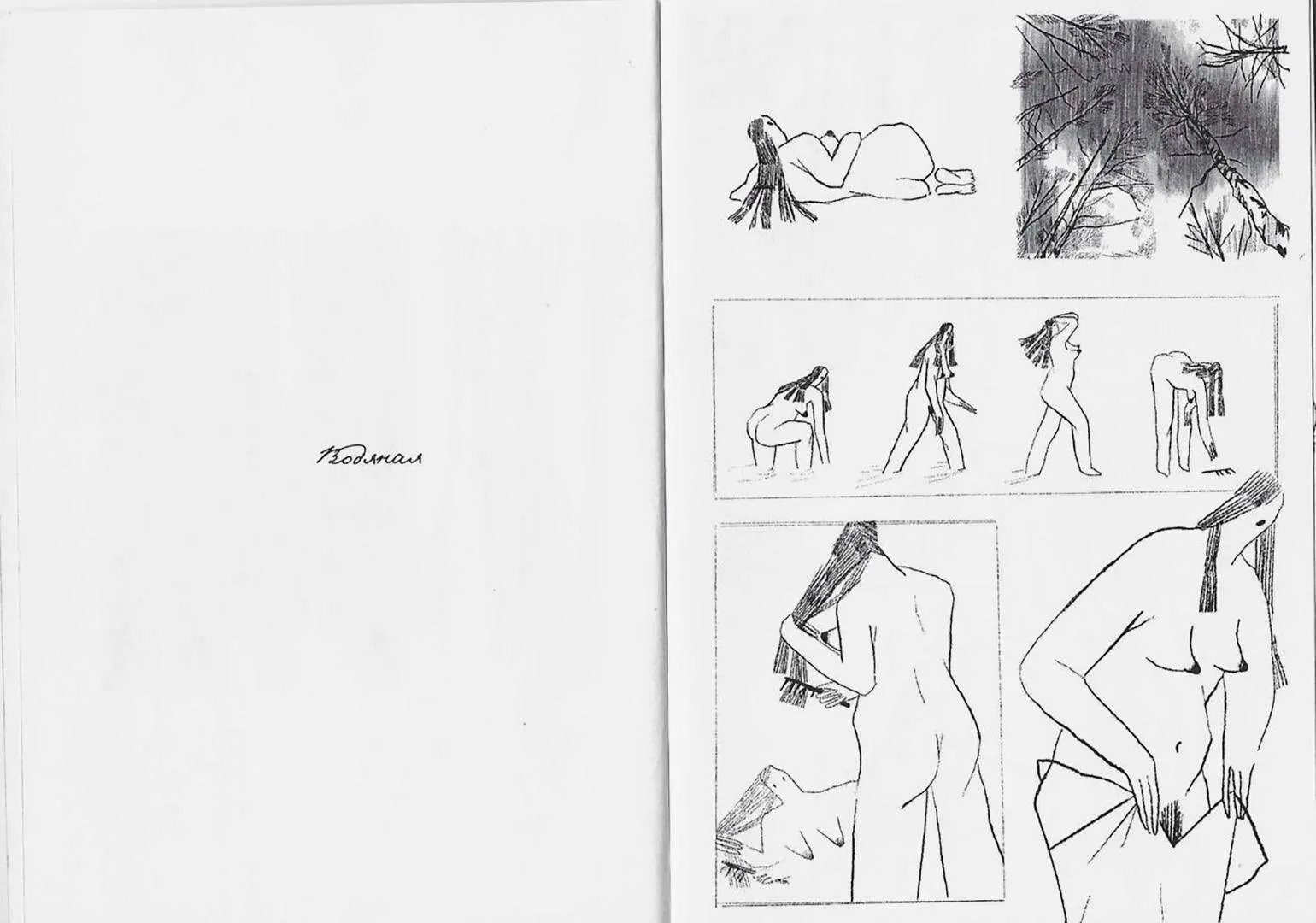
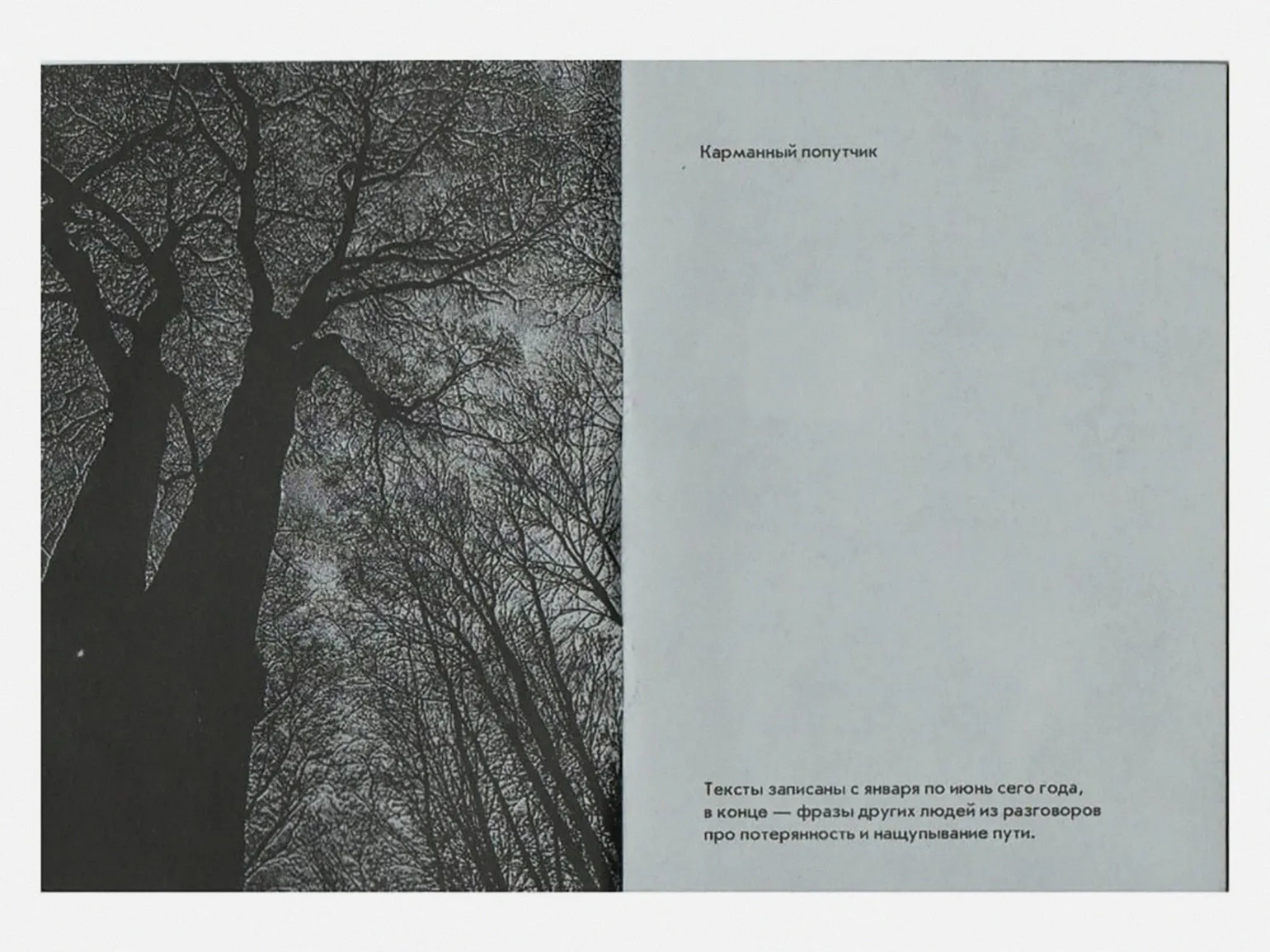
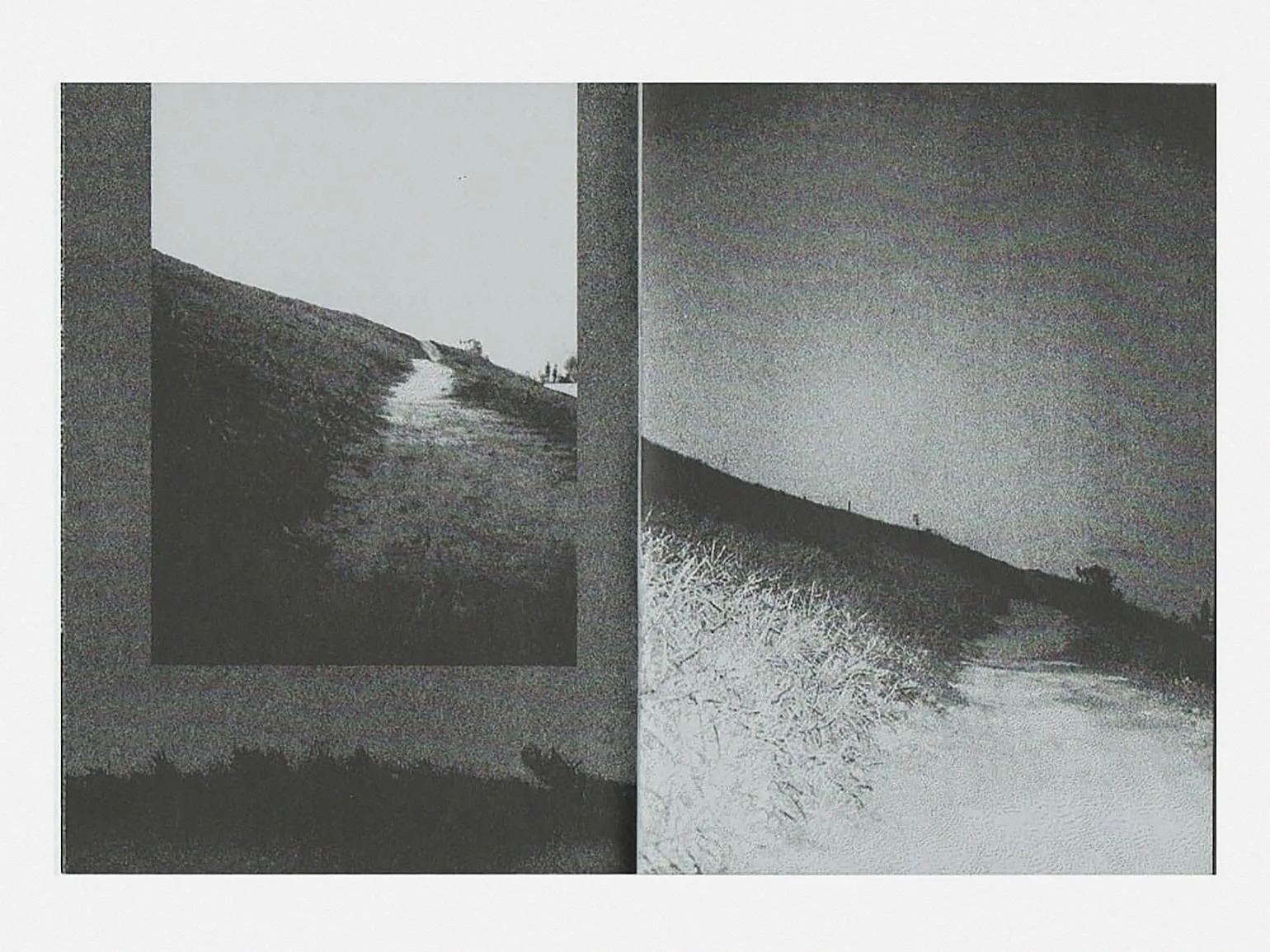
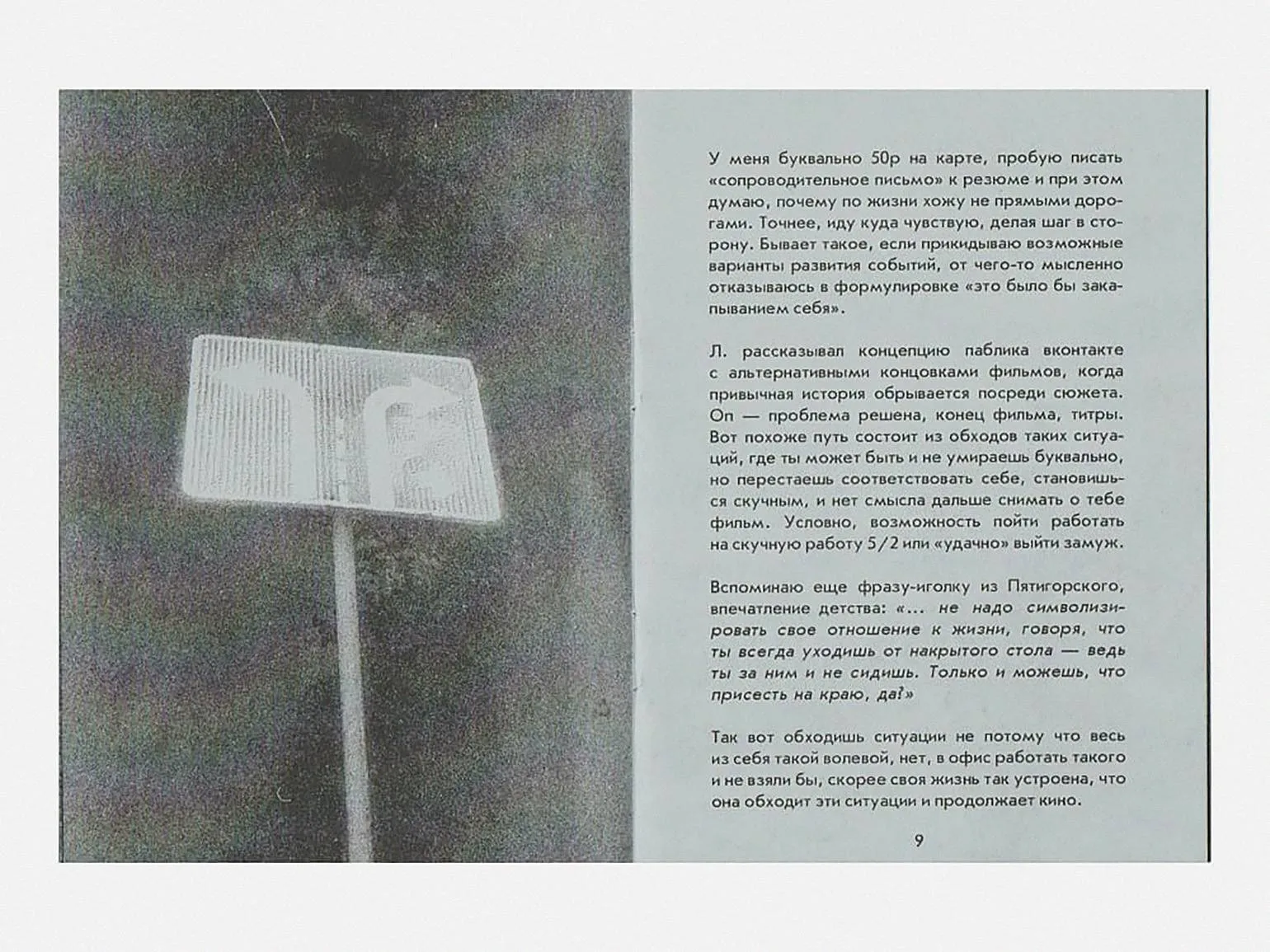
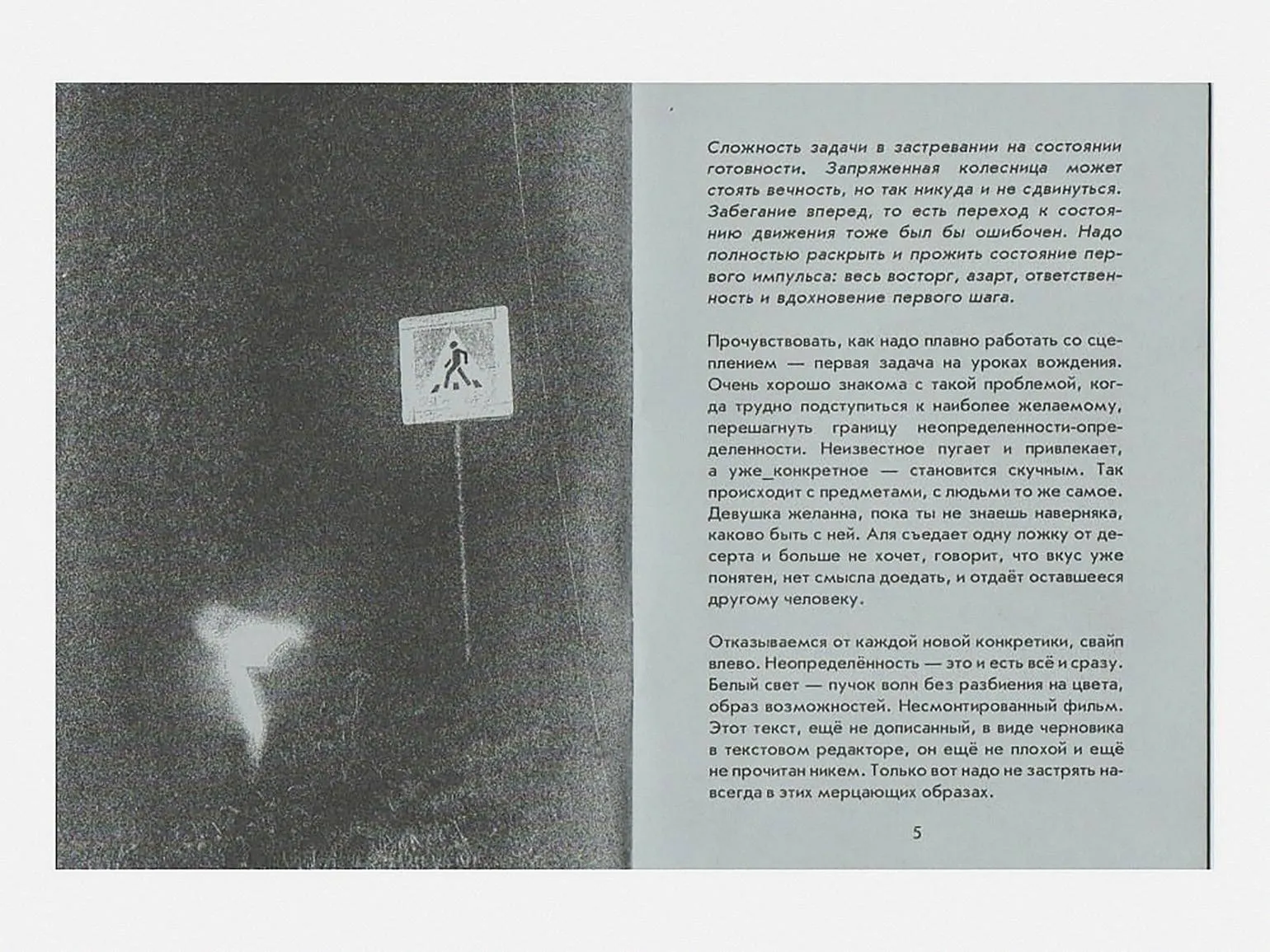
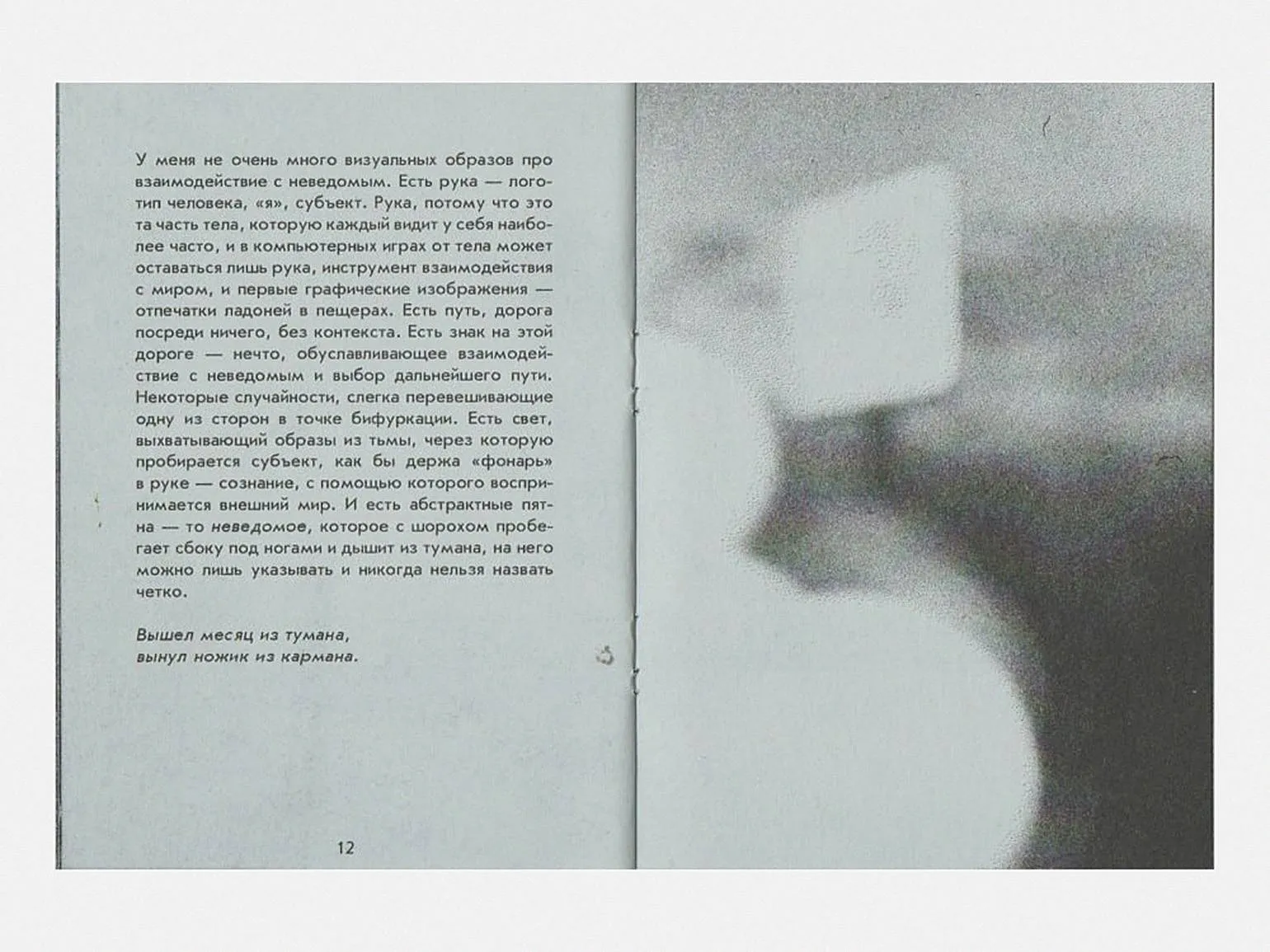
Зин «Карманный попутчик» от фотографа Кати Мухи исследует темы потерянности и неопределённости в современном мире. Издание выполнено в формате А6 с использованием ризографии, что придаёт ему уникальный художественный стиль. Работы Кати Мухи погружают читателя в атмосферу размышлений о текущих реалиях и личных переживаниях.
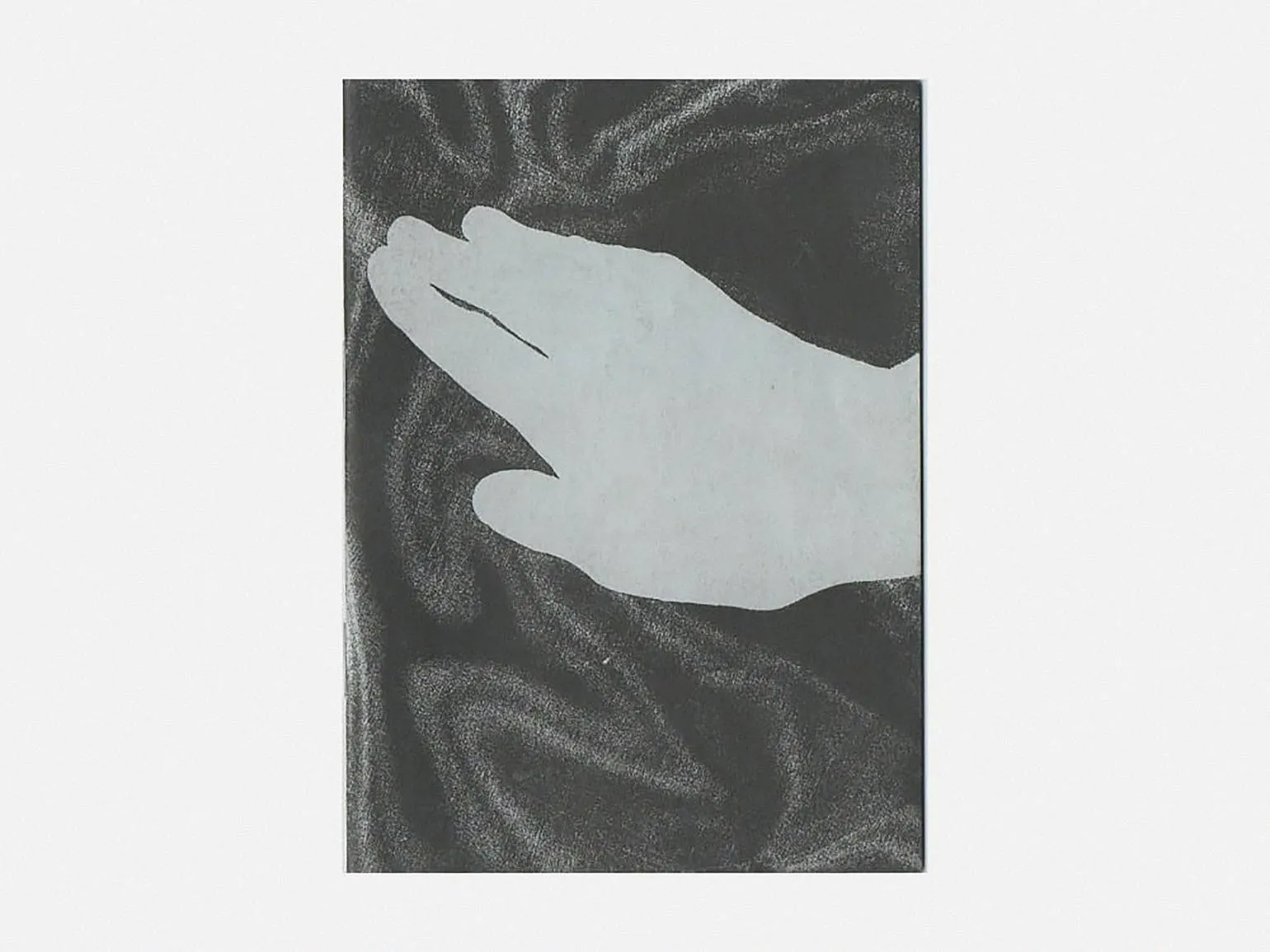
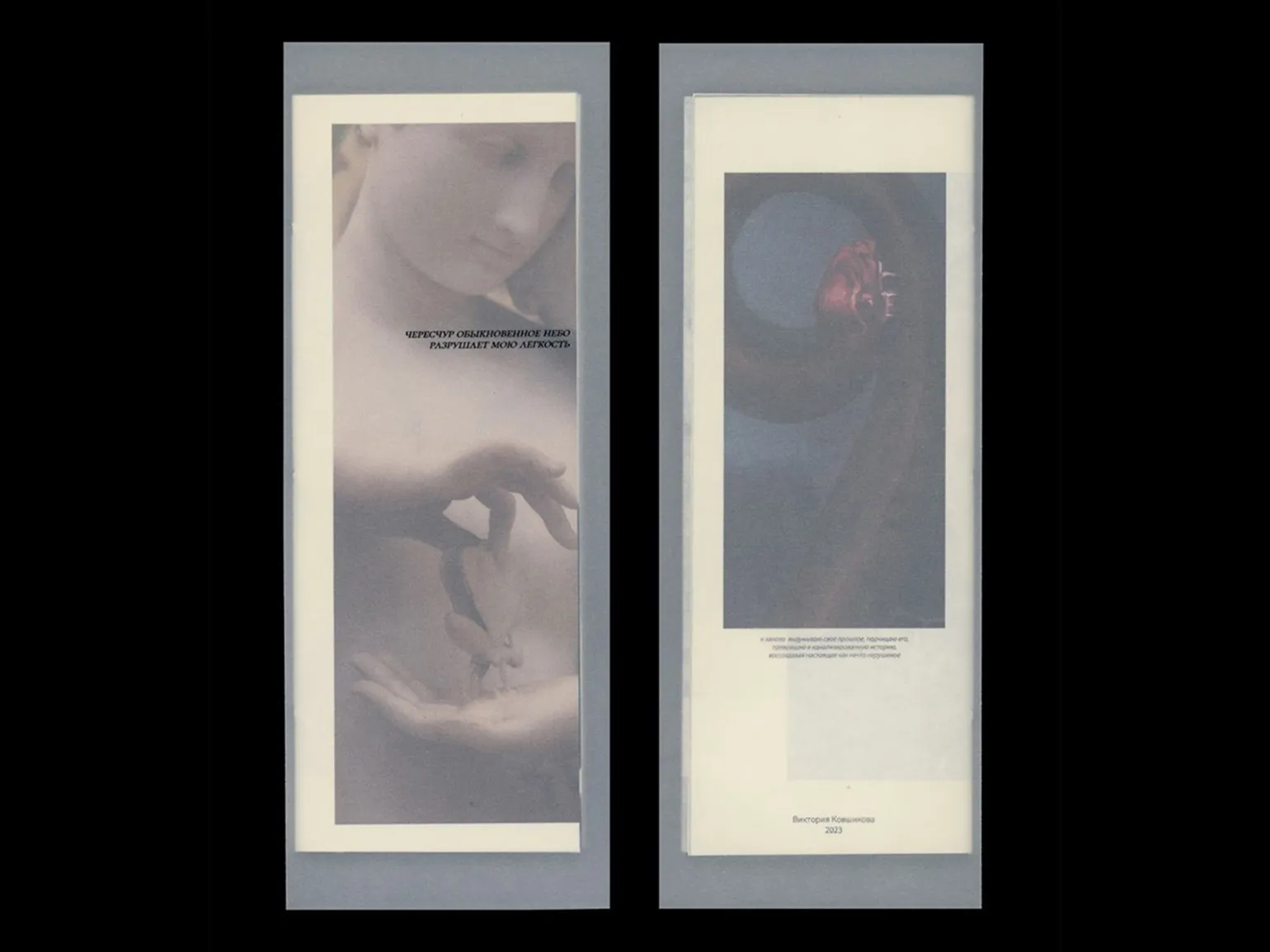
Зина Виктория Ковшикова в своём произведении «Чересчур обыкновенное небо разрушает мою лёгкость» исследует темы поиска ответов на сложные вопросы и нахождения закономерностей в случайностях. Этот текст, оформленный в формате A4, погружает читателя в размышления о том, как обыденные вещи могут оказывать глубокое влияние на внутреннее состояние человека. В произведении автор мастерски сочетает философские размышления с личными переживаниями, создавая уникальную атмосферу. Ковшикова обращает внимание на тонкие связи между явлениями, которые на первый взгляд кажутся случайными, и тем самым подводит читателя к осмыслению своего места в мире.
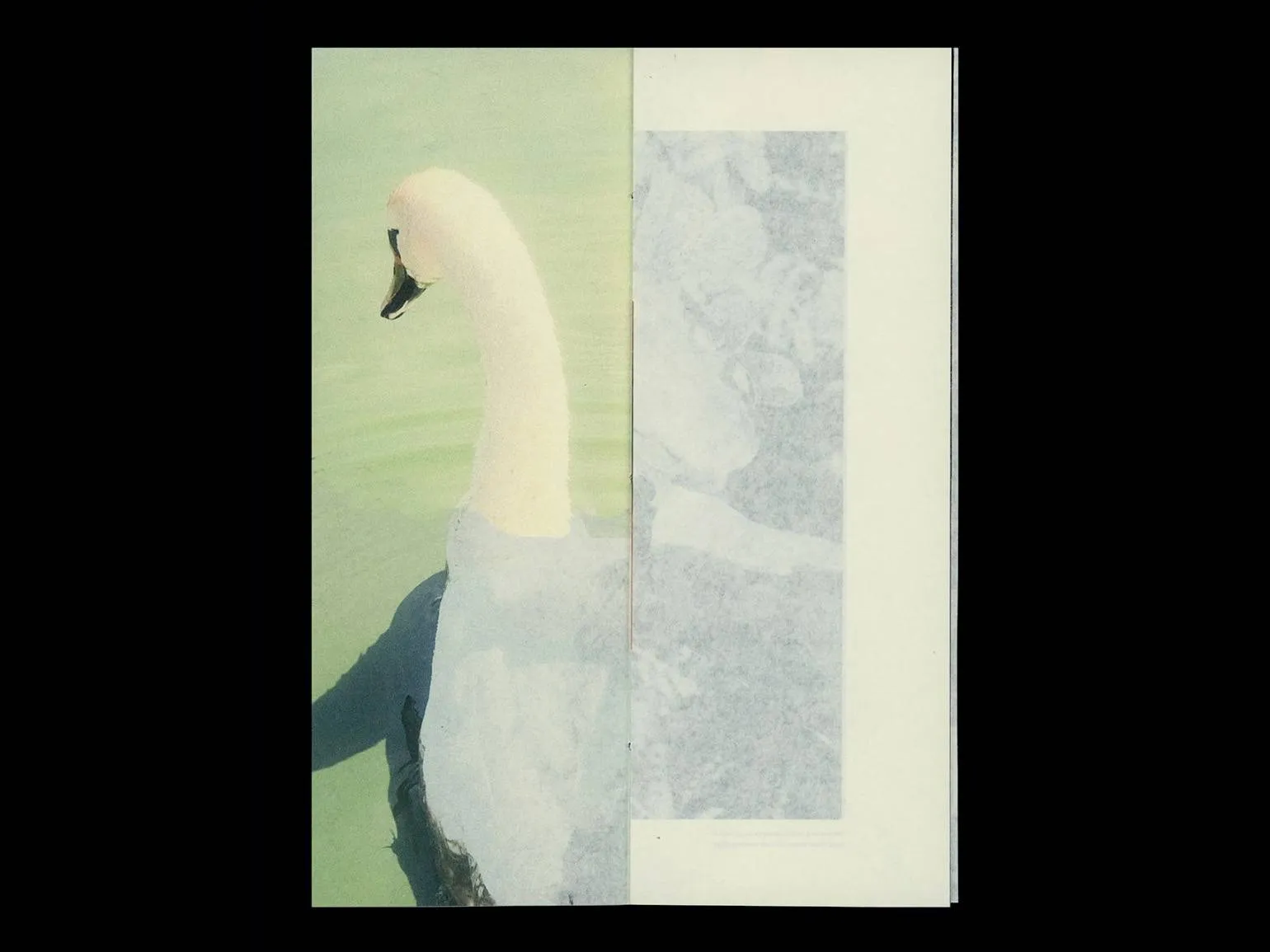
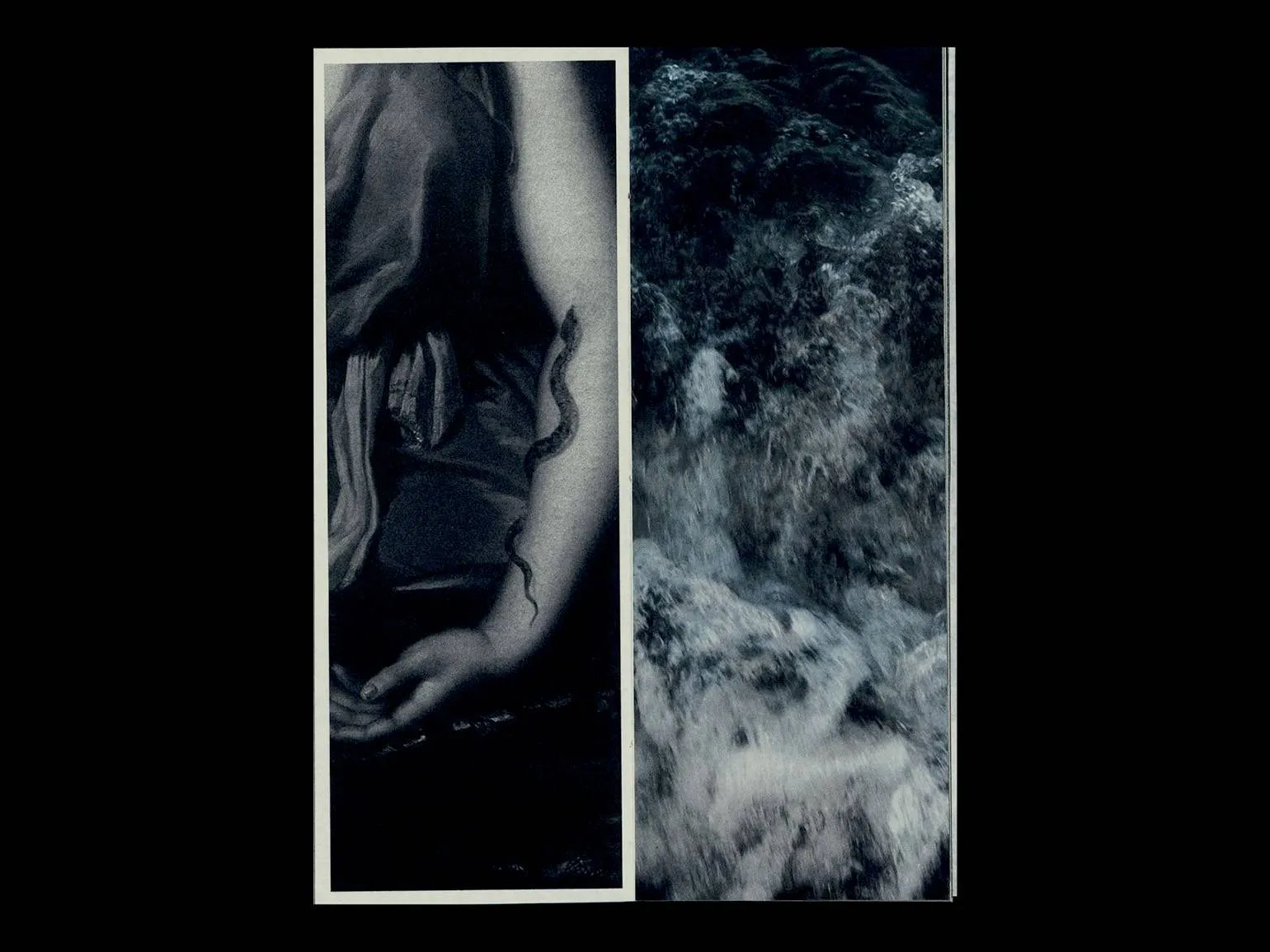
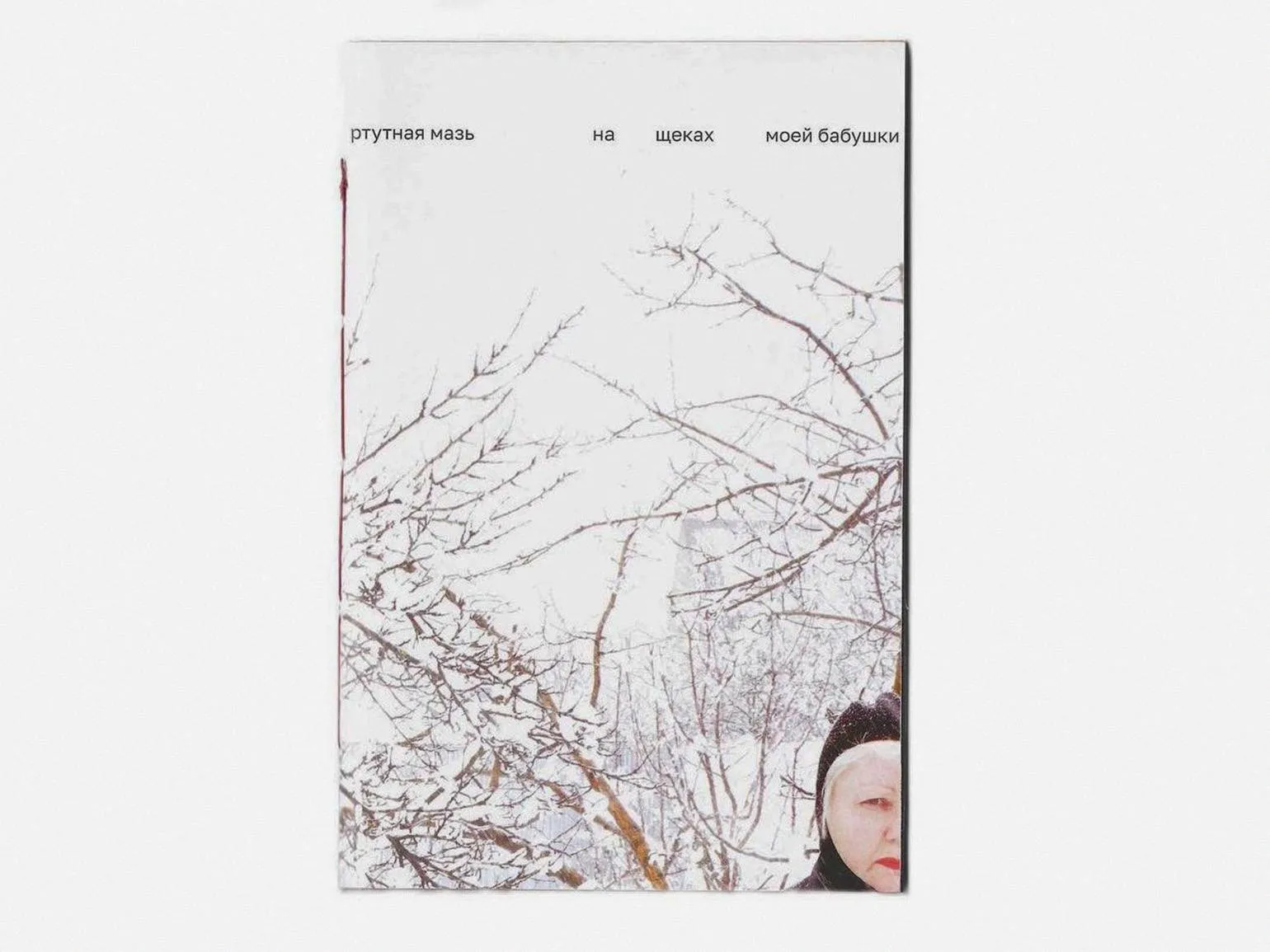
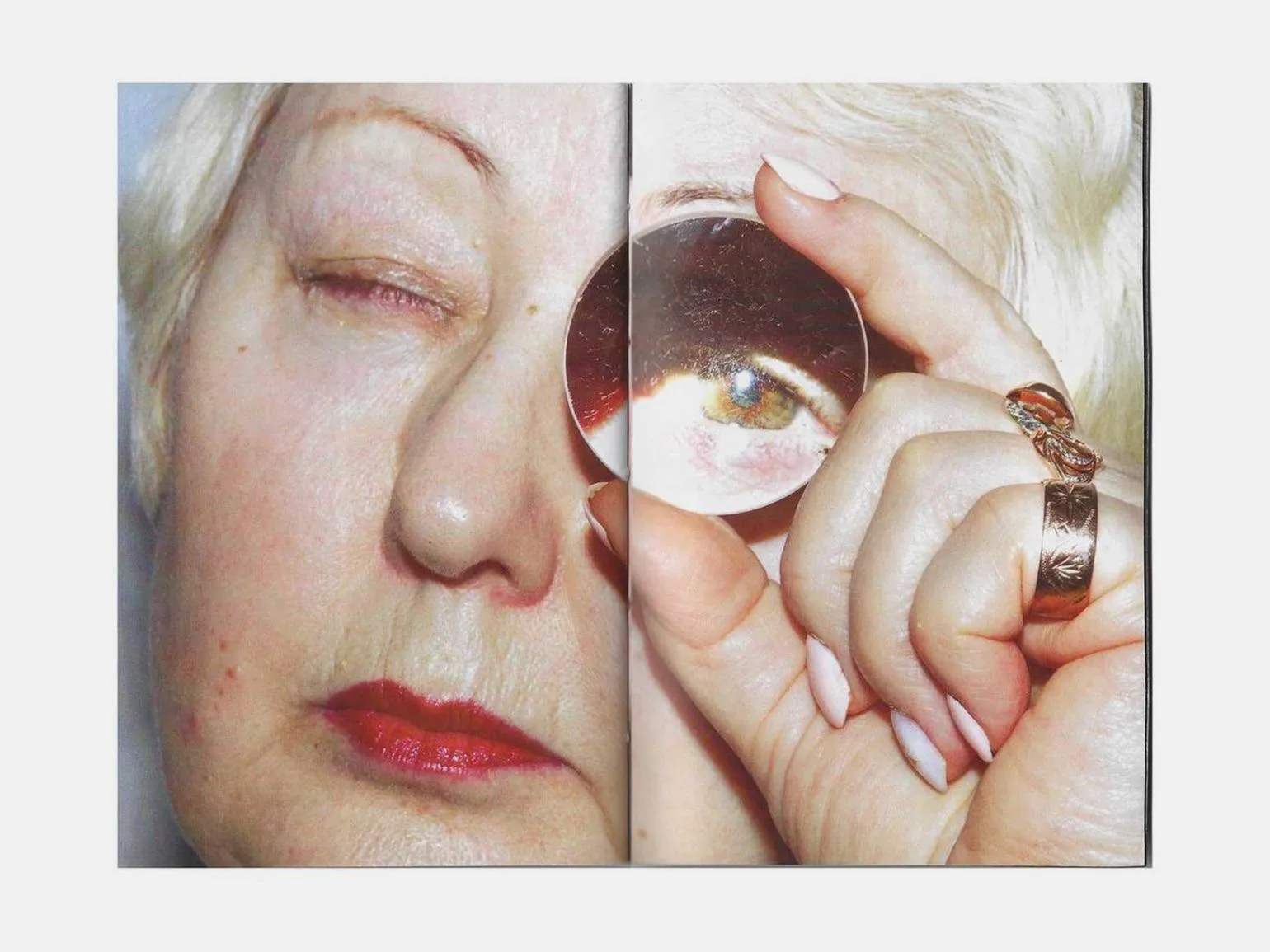
Lada Baeva and Valeria Kovalenko's zine "Mercury Ointment on My Grandmother's Cheeks" is a visual reflection on her grandmother. The work is in A5 format and explores the image of her grandmother through the prism of personal memories and cultural associations. This project highlights the importance of family traditions and emotional connections between generations, creating a unique insight into the lives and experiences of older women.
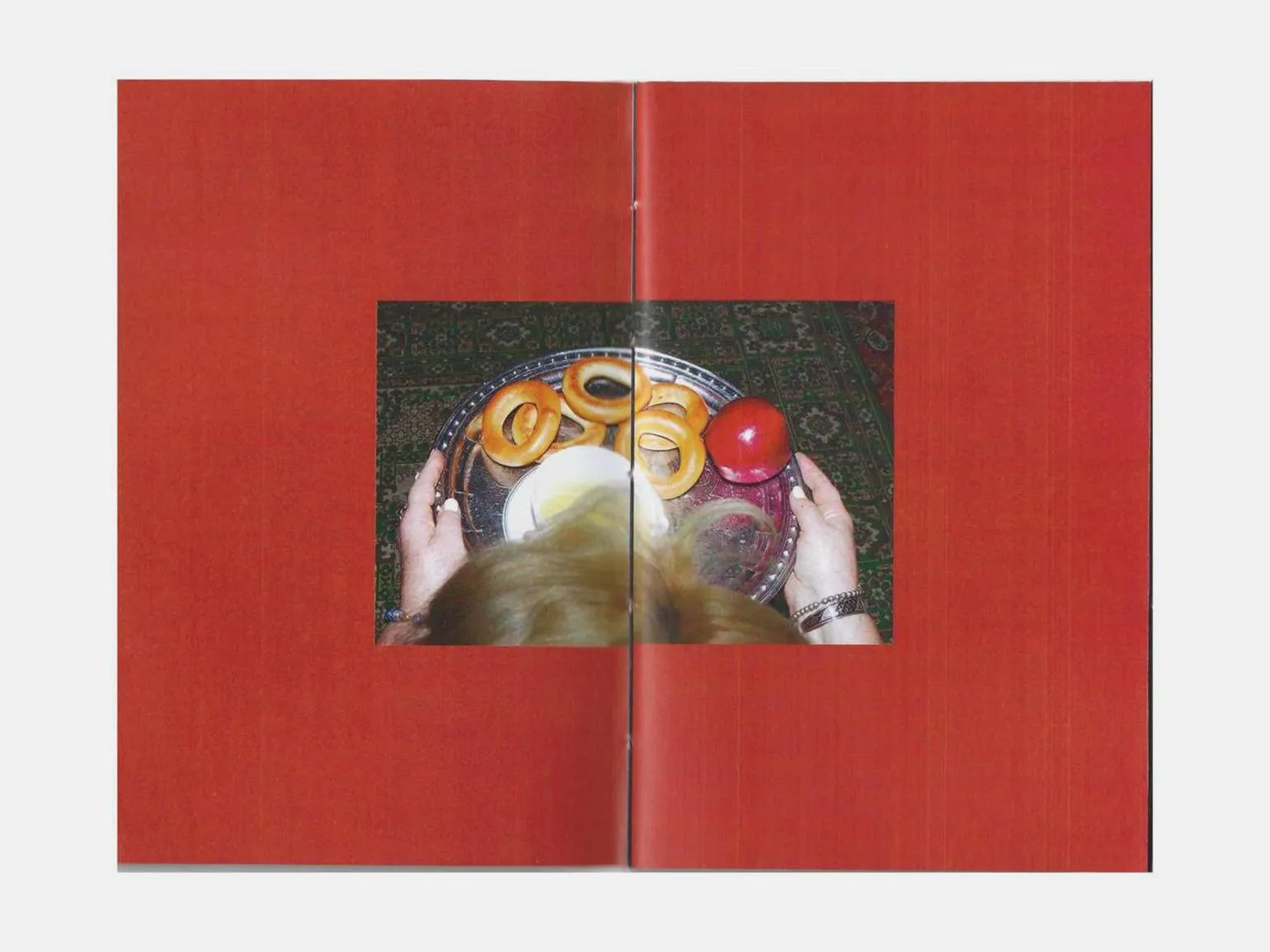
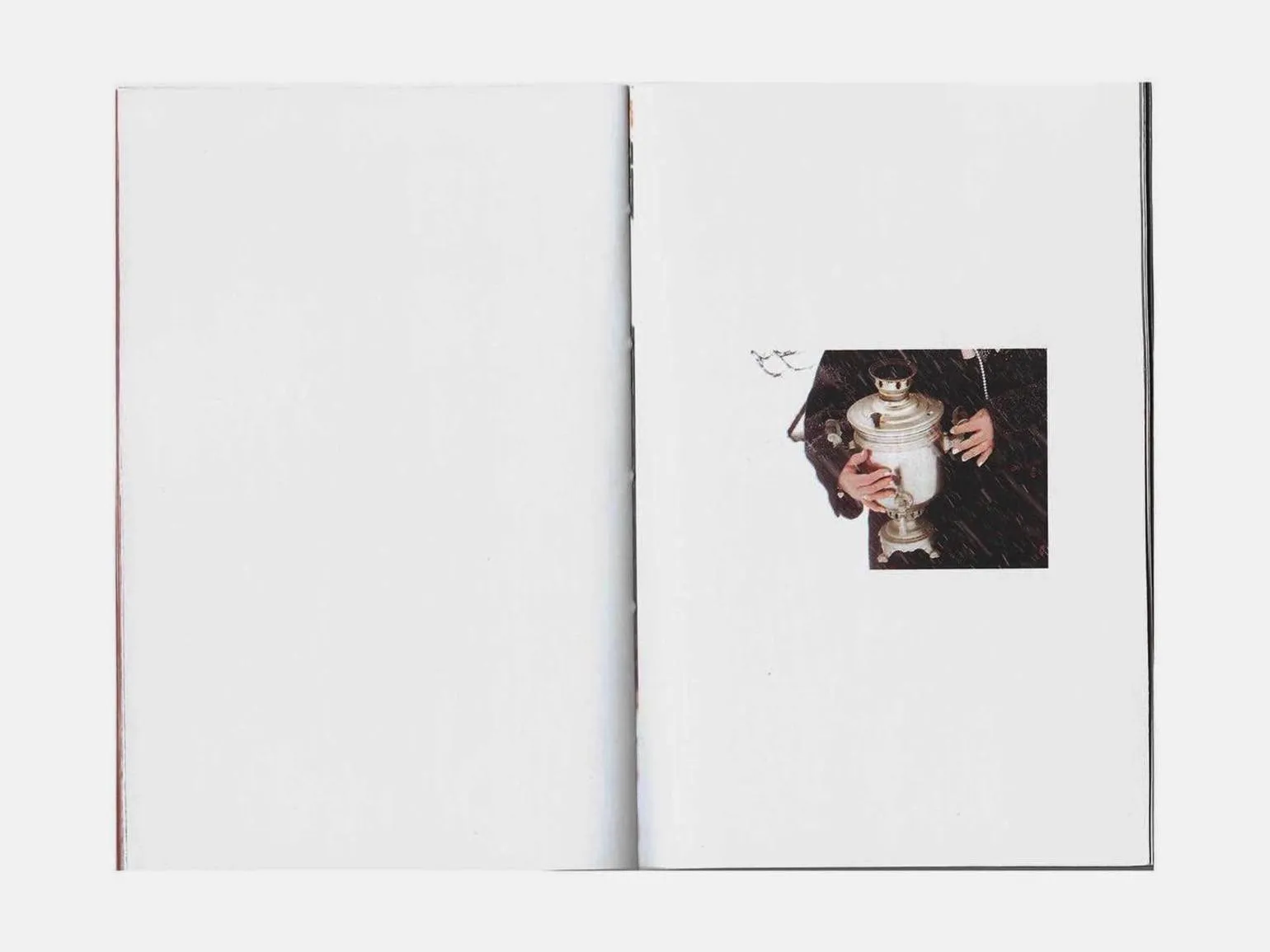
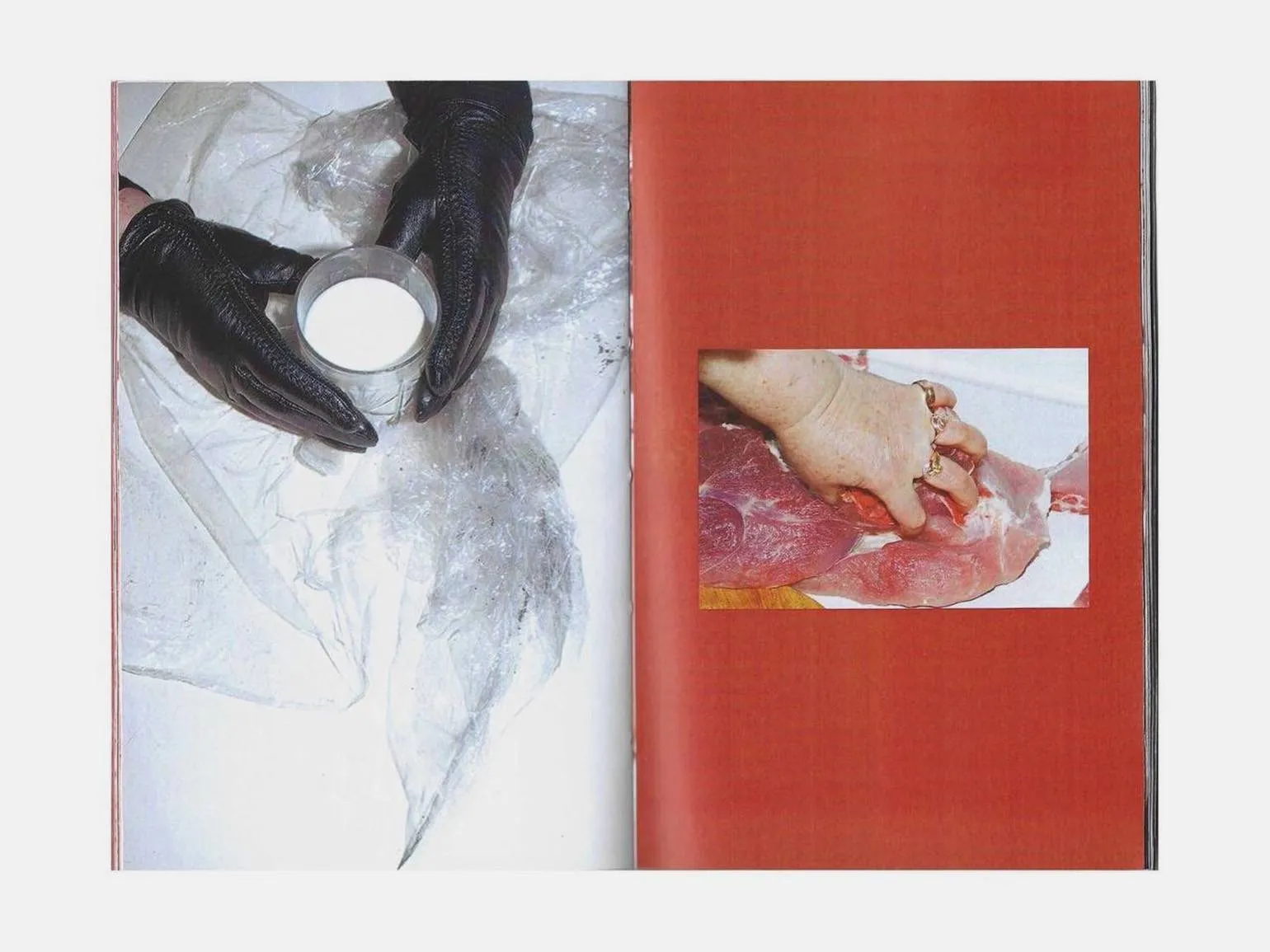
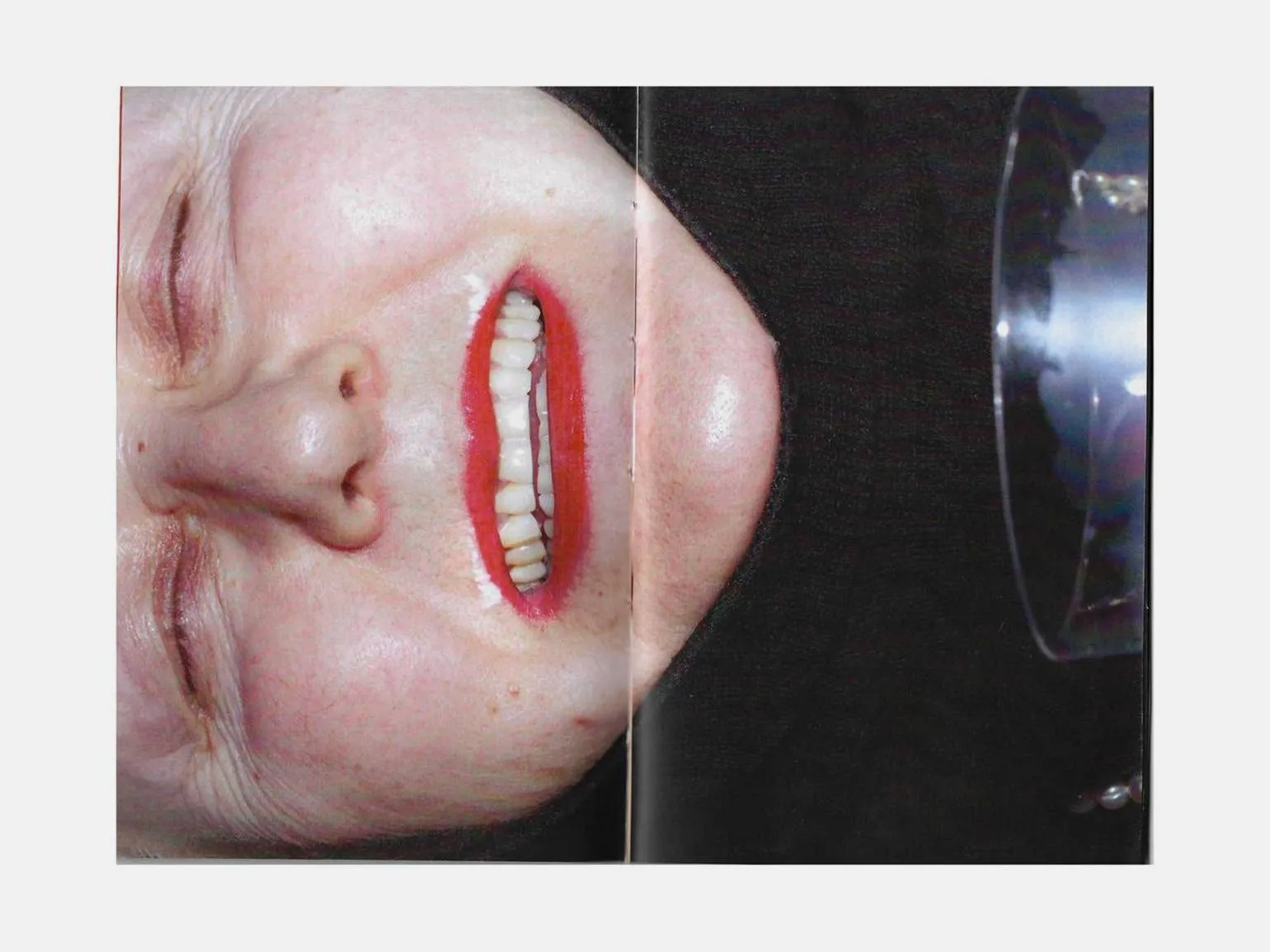
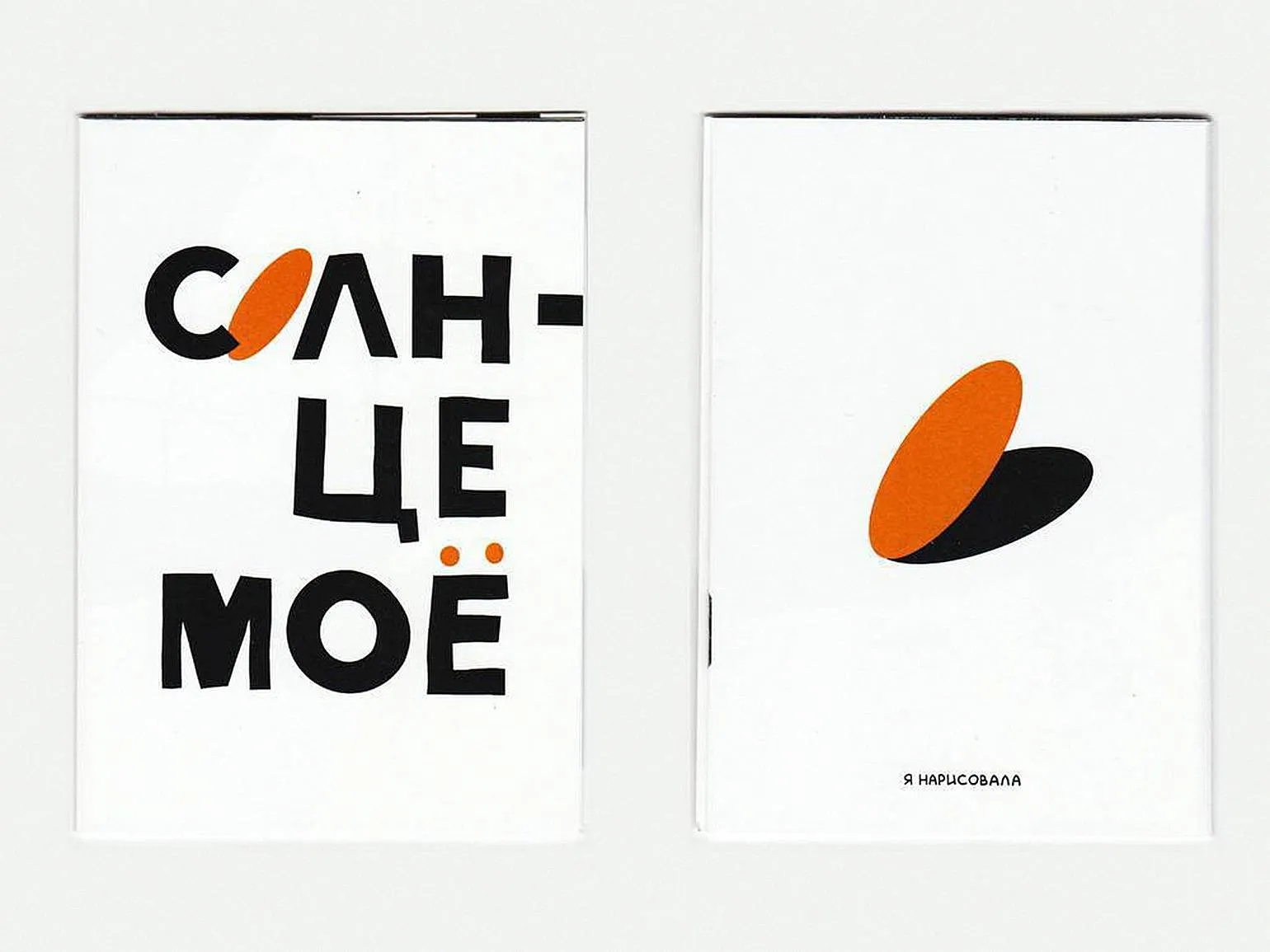
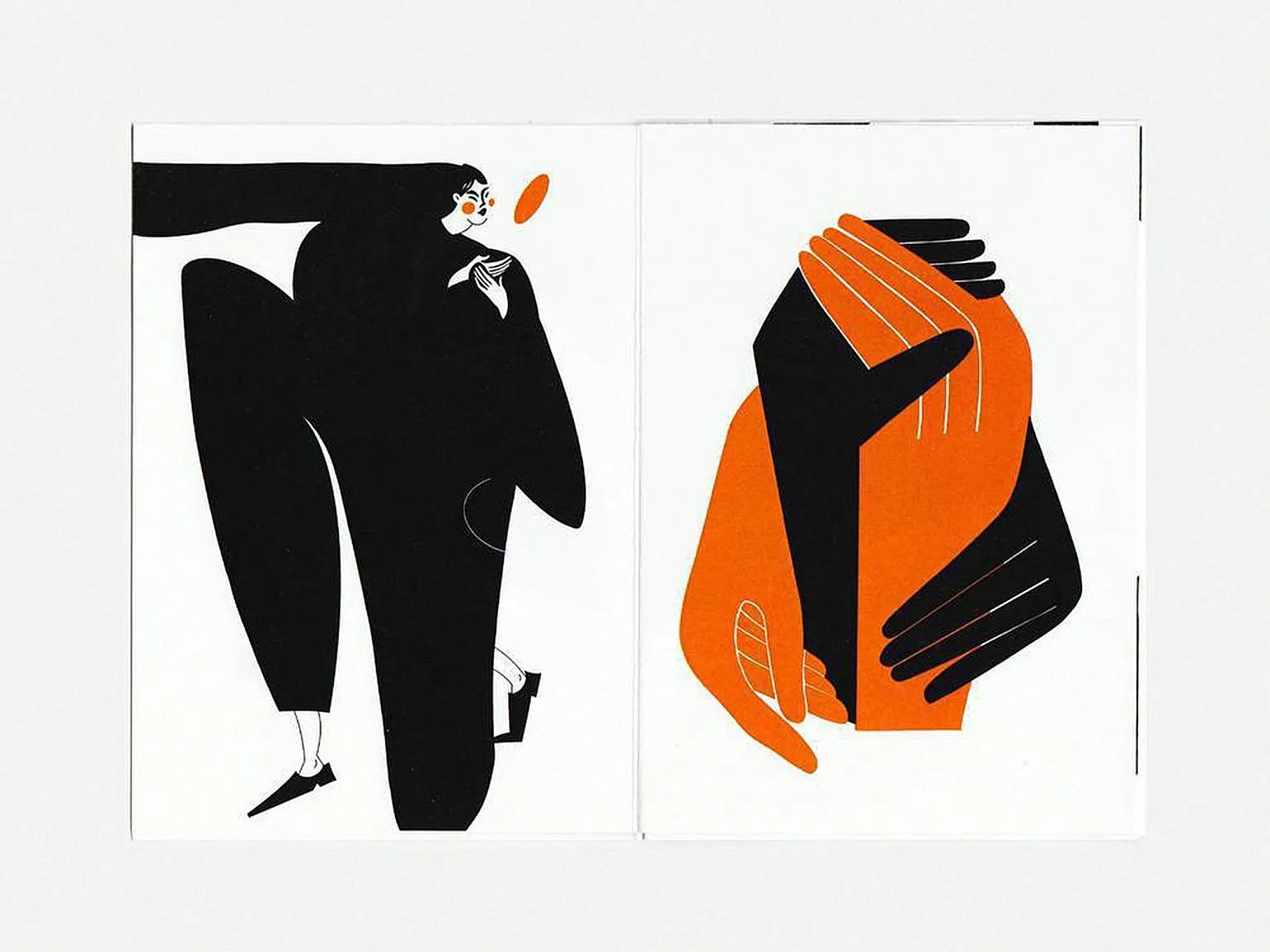
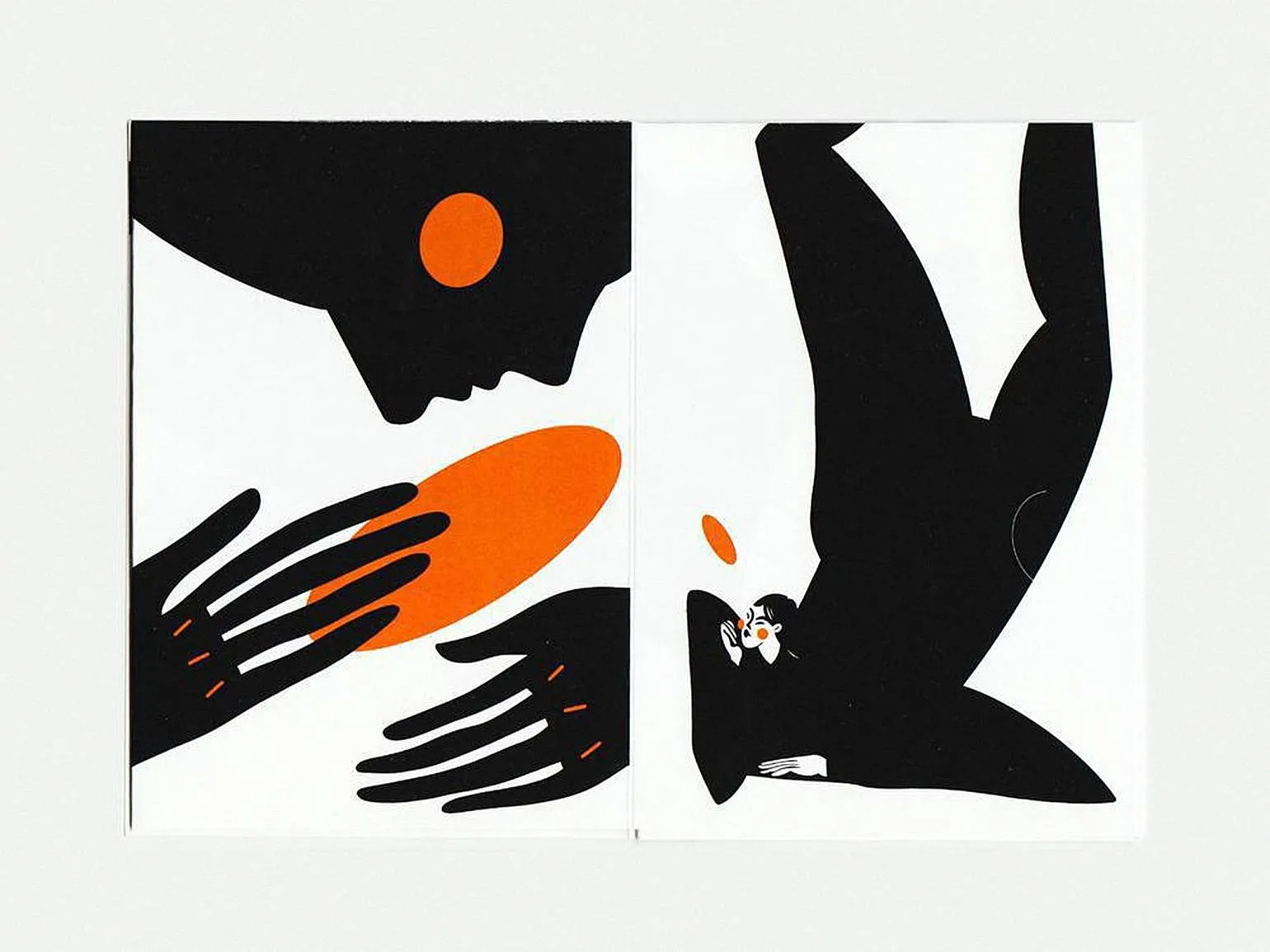
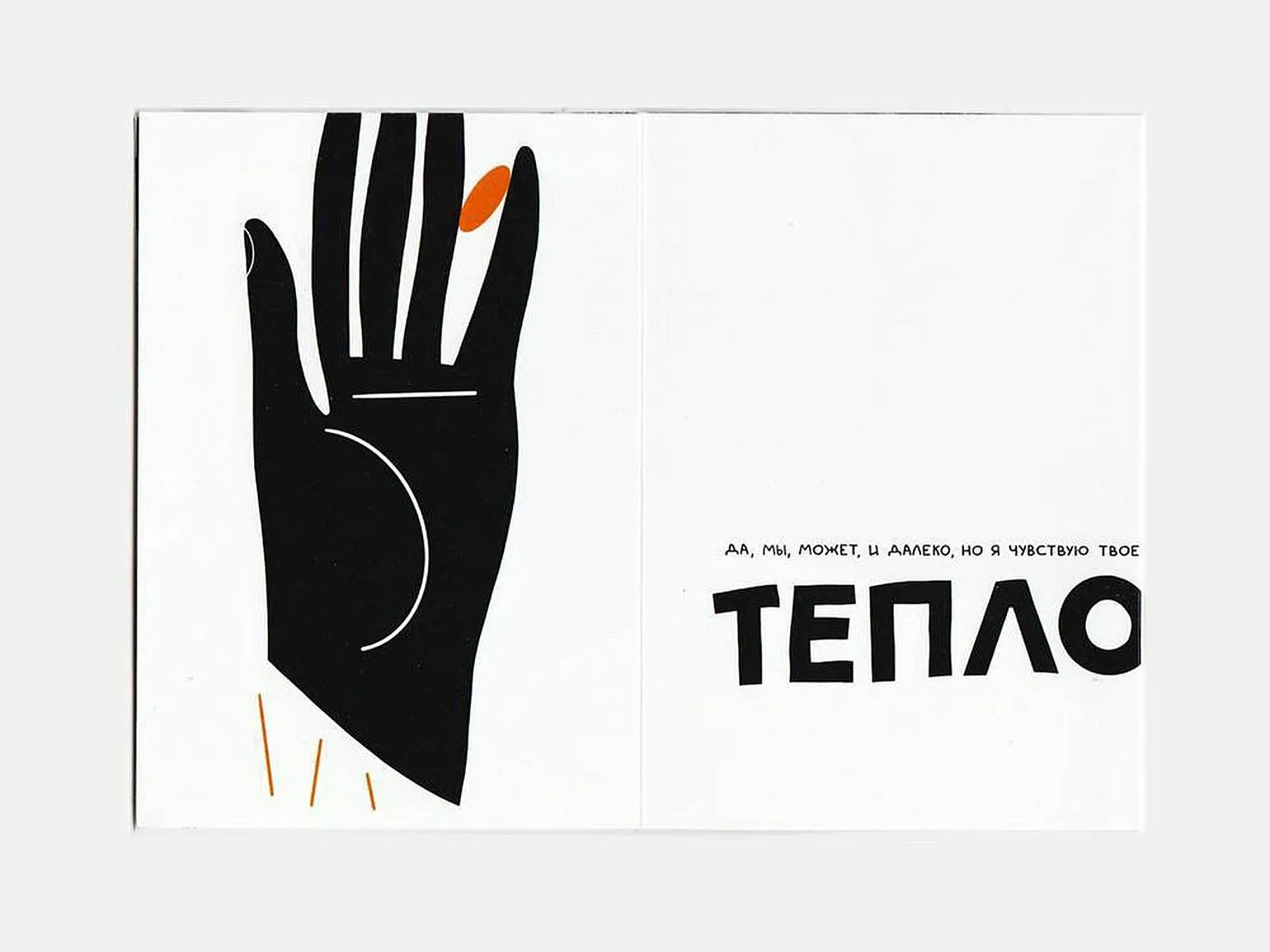
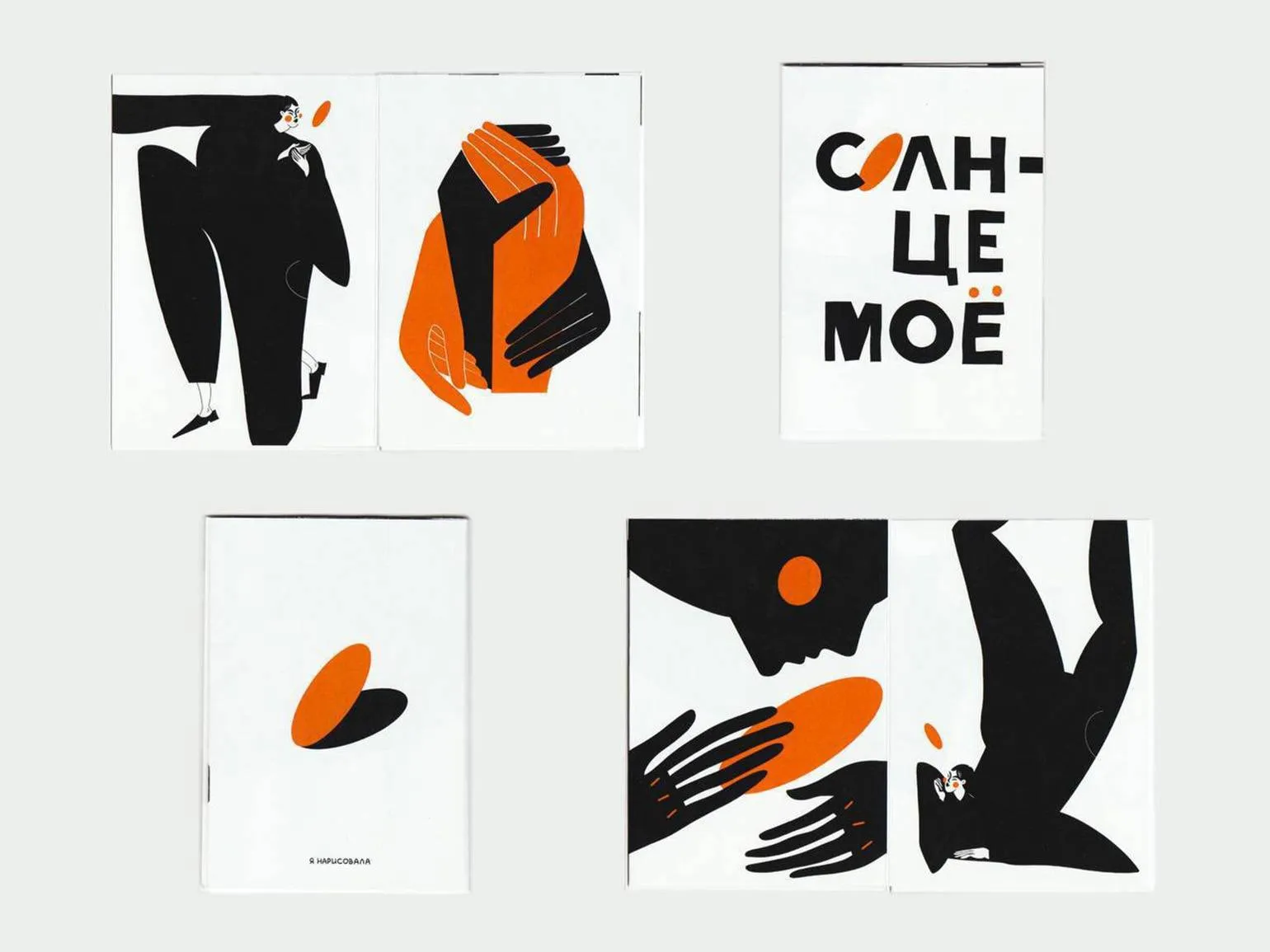
A one-page zine is a popular format made from a single sheet of paper folded several times. Such a zine can be produced on paper of any size. The standard eight-page design allows for a striking cover and a compact story. The back side can accommodate a poster or a continuation of the plot, which makes this format convenient and attractive to readers. One-page zines are widely used in samizdat, art, and among independent creative enthusiasts, contributing to their growing popularity. Yana Pereverzova used a unique format in her work "My Sun." This zine is distinguished by its minimalist illustrations that convey her feelings of love for someone, even from a distance. Pereverzova's works capture attention with their simplicity and depth, allowing the reader to feel an emotional connection despite physical separation.
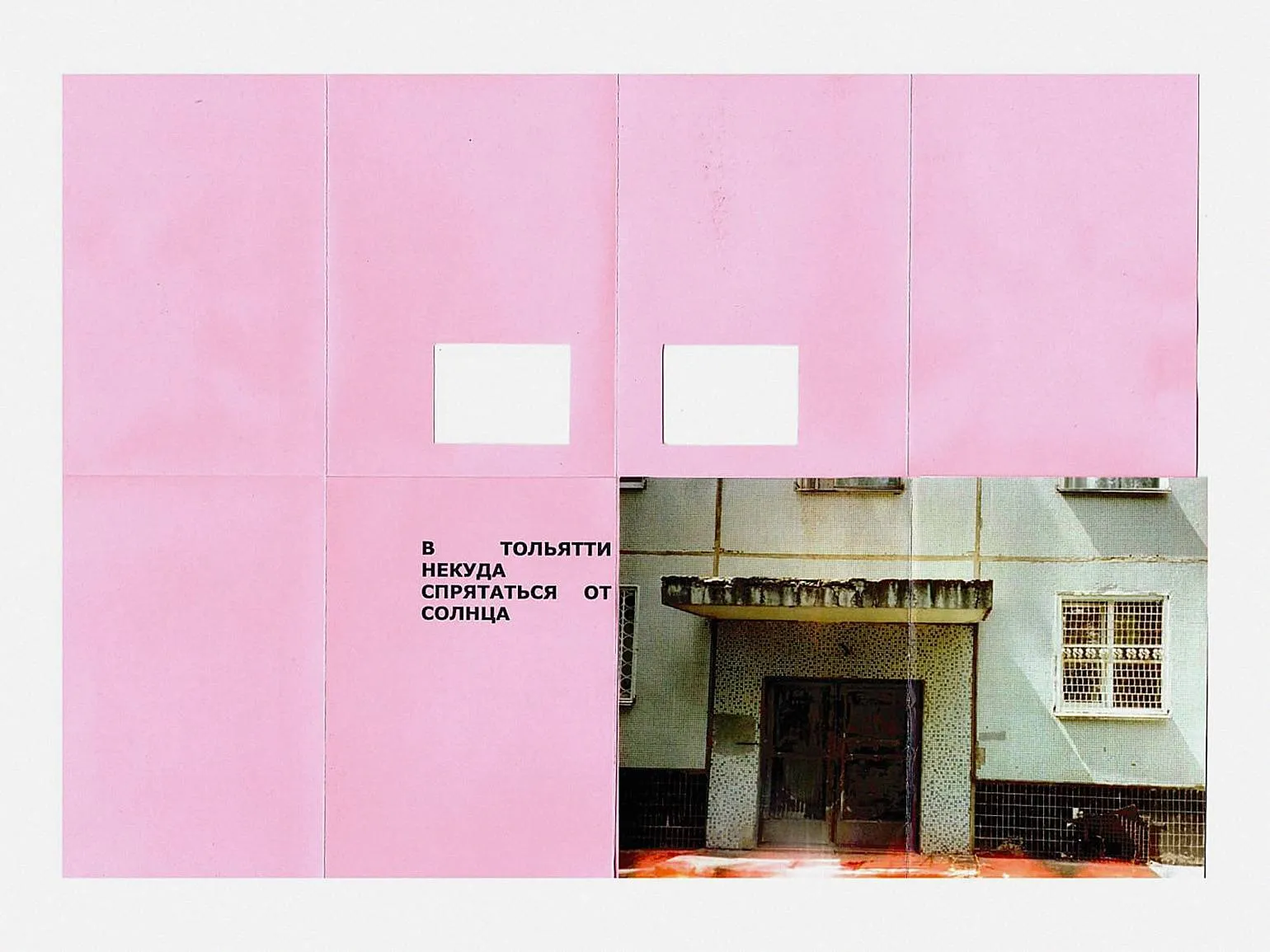
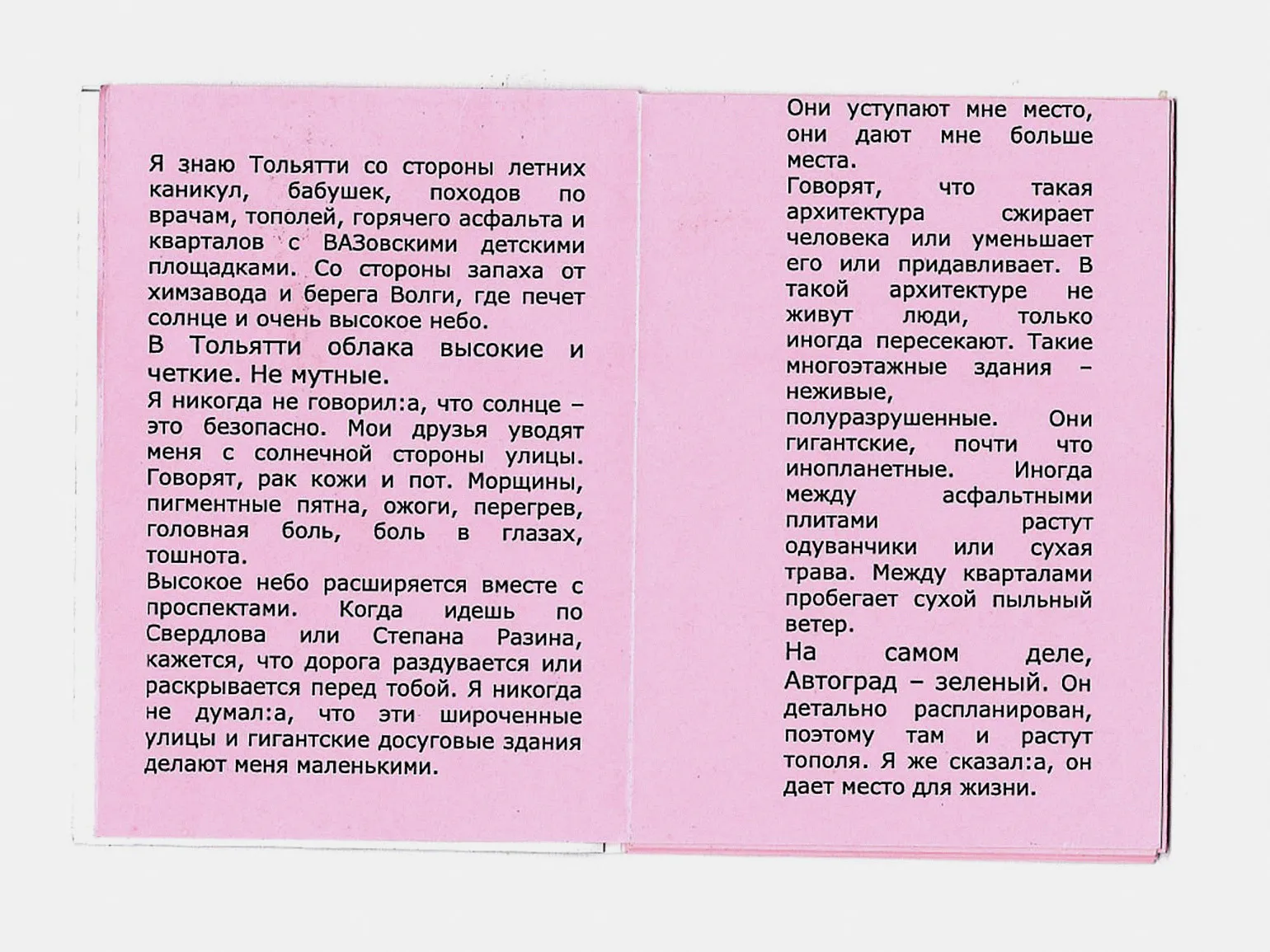
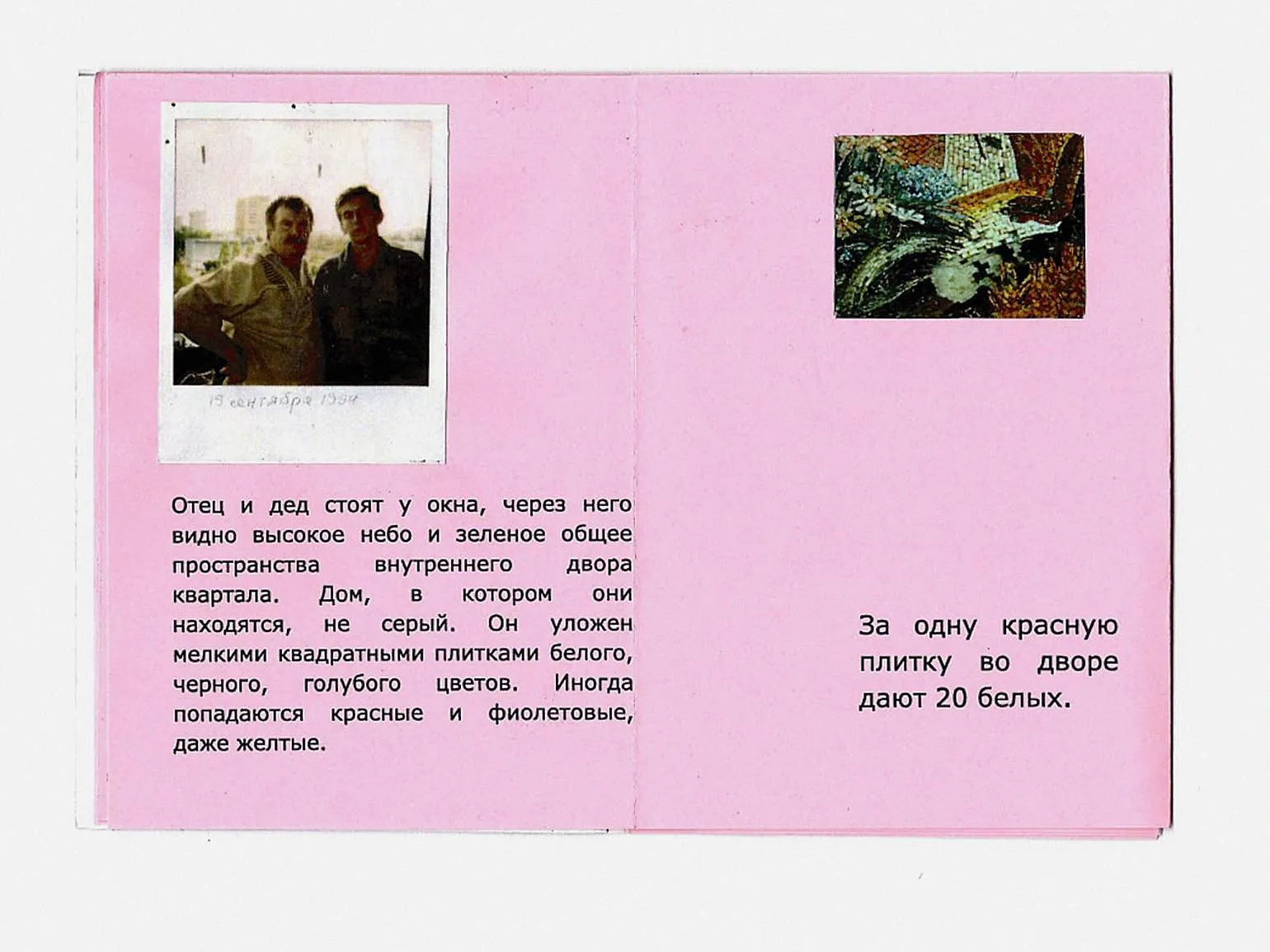
Masha Vysokovskikh's work "There's Nowhere to Hide from the Sun in Tolyatti" explores the inner experiences of a person searching for their identity after moving from Tolyatti to St. Petersburg. Zin, having lived in Tolyatti for three years, is faced with questions about his inner self and how his place of residence influences his self-perception. This work highlights the importance of the connection between place and person, as well as the search for roots and identity in the context of cultural change.
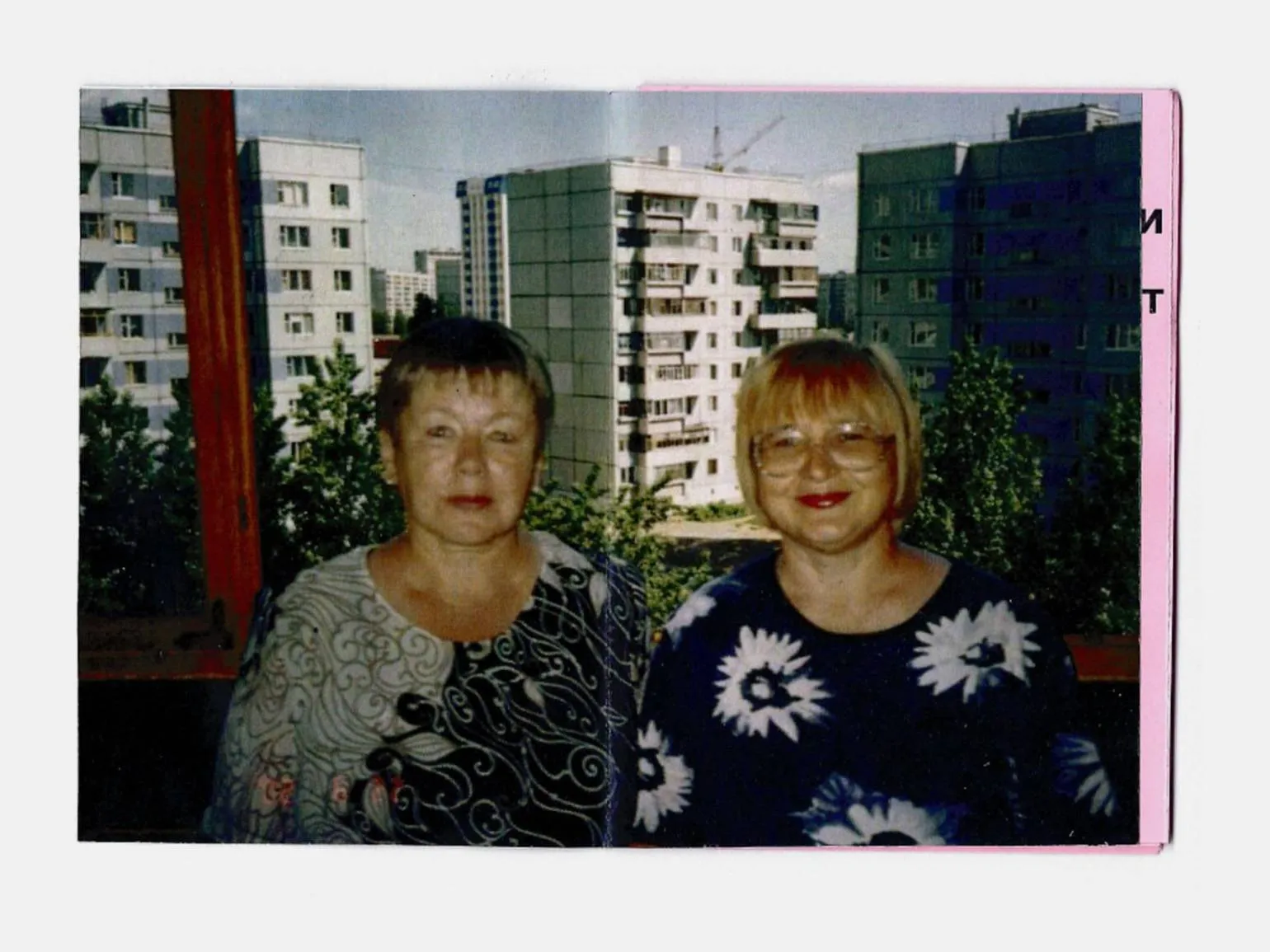
“Unidentified "Summer" by Liza Demchenko is a unique zine that reflects the contradictory nature of the summer of 2022. It combines elements of horror and beauty, making it particularly relevant. The zine consists of two parts, each comprising 16 A6 pages. On the reverse, they connect to form posters, adding additional visual interest to the work. This edition will be a valuable addition for collectors and lovers of original content.
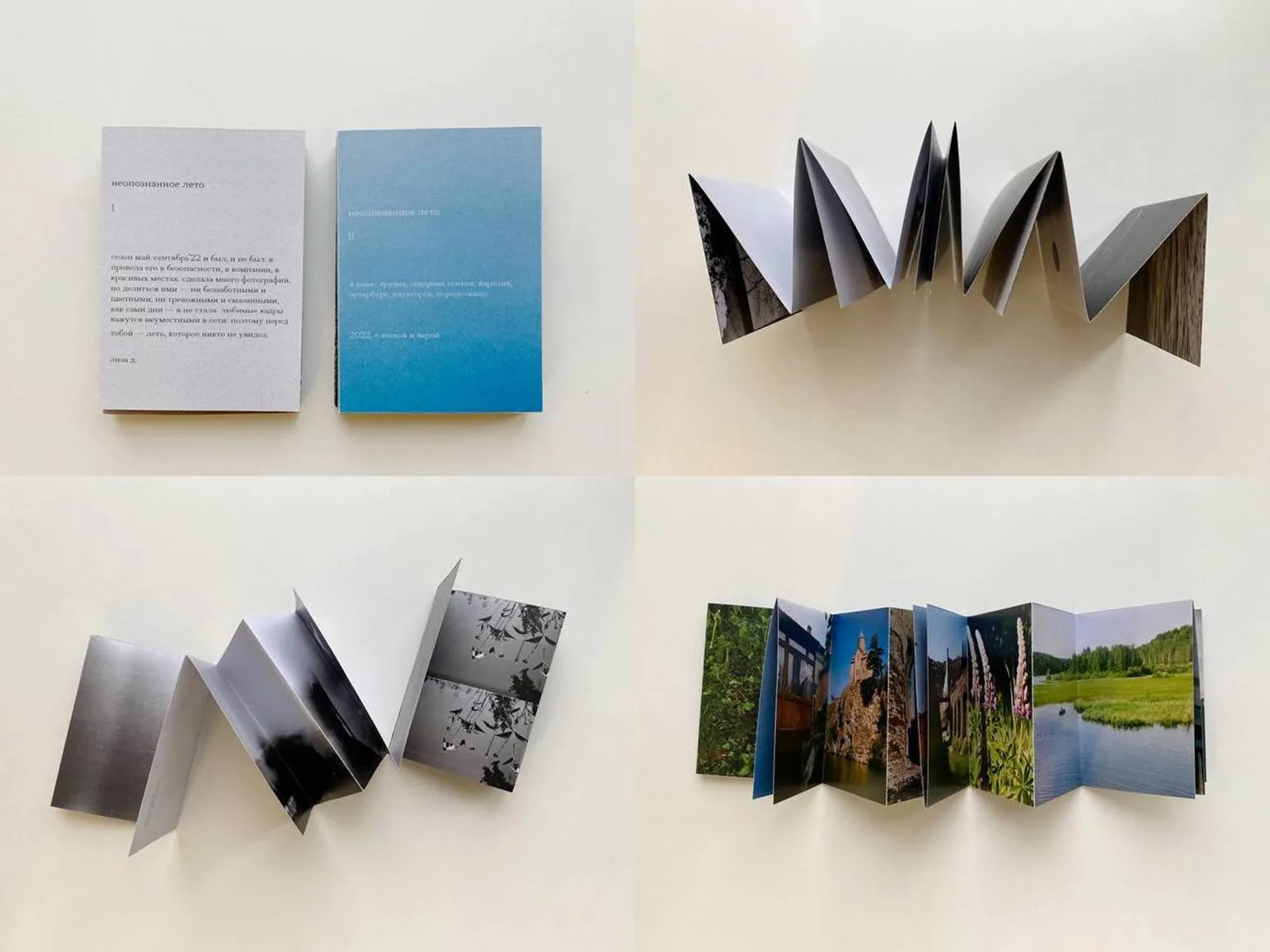
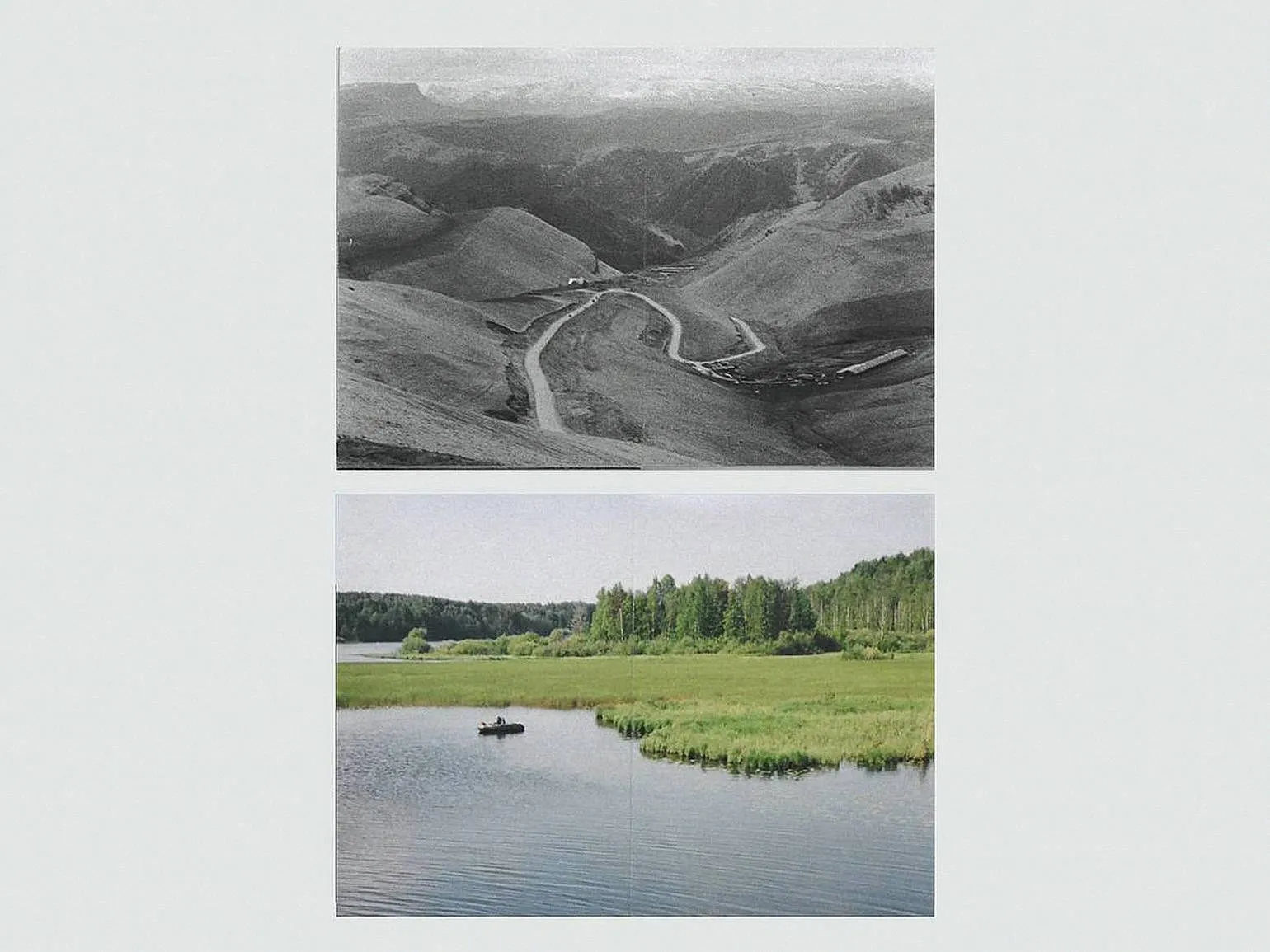
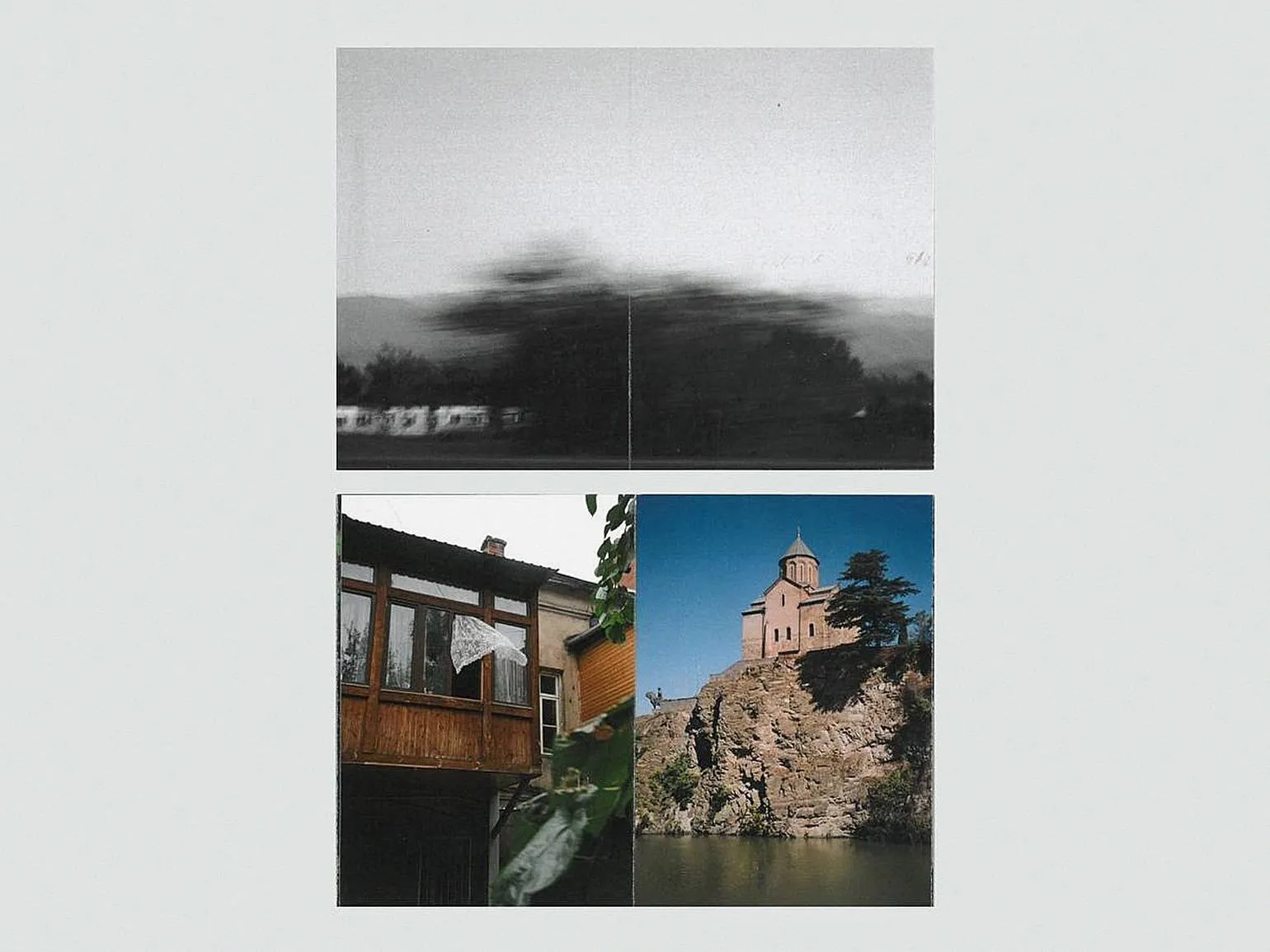
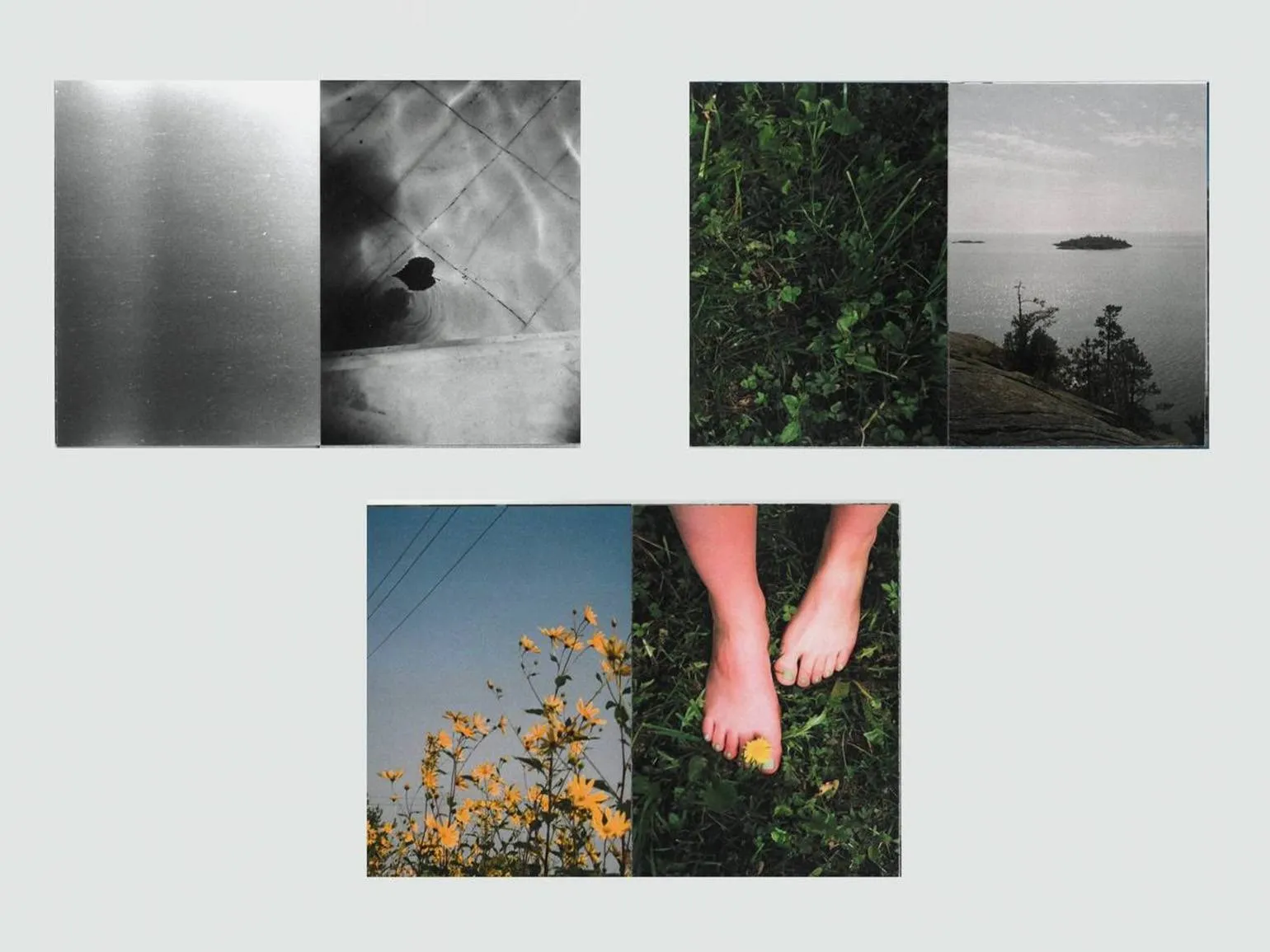
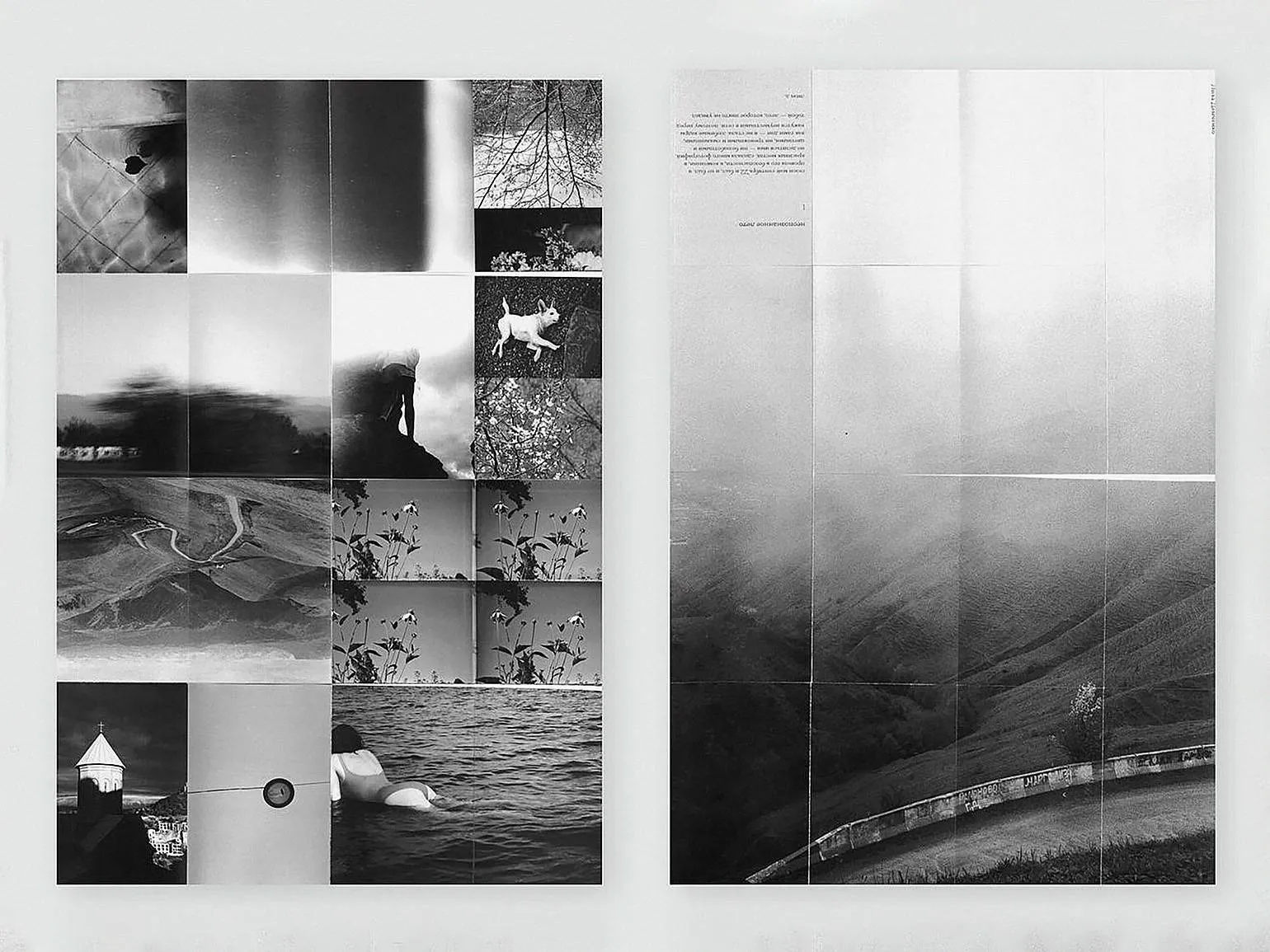
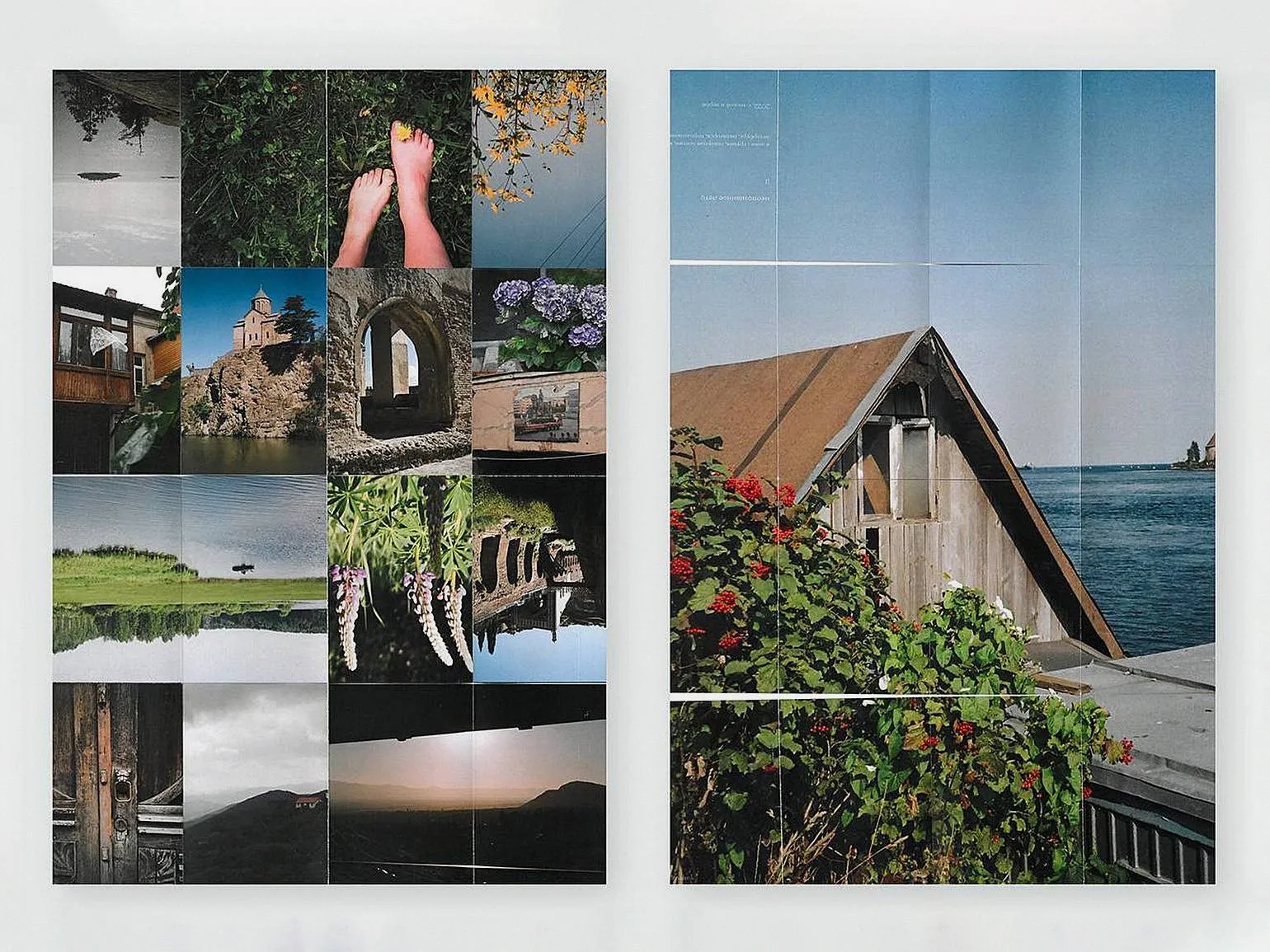
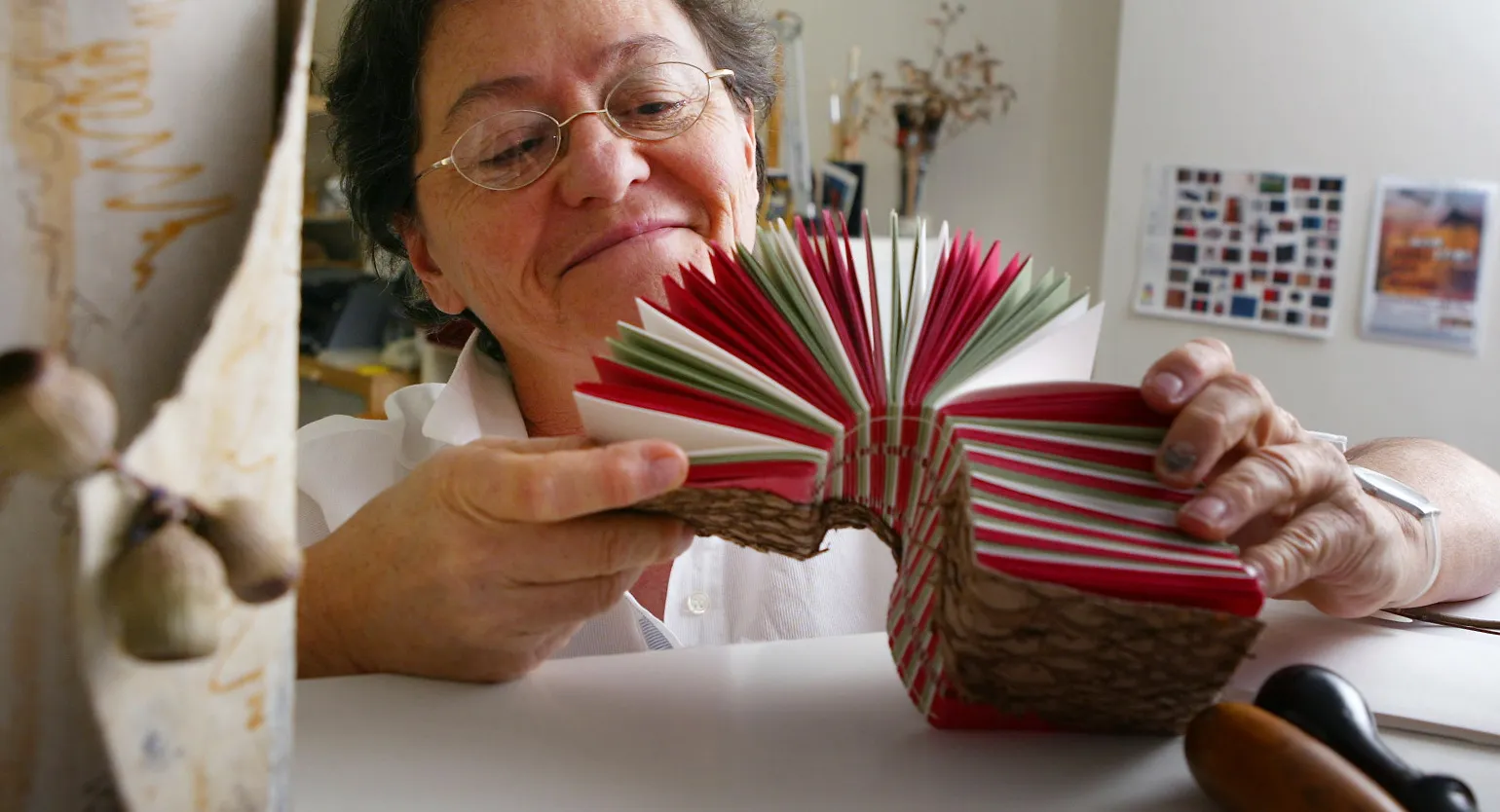
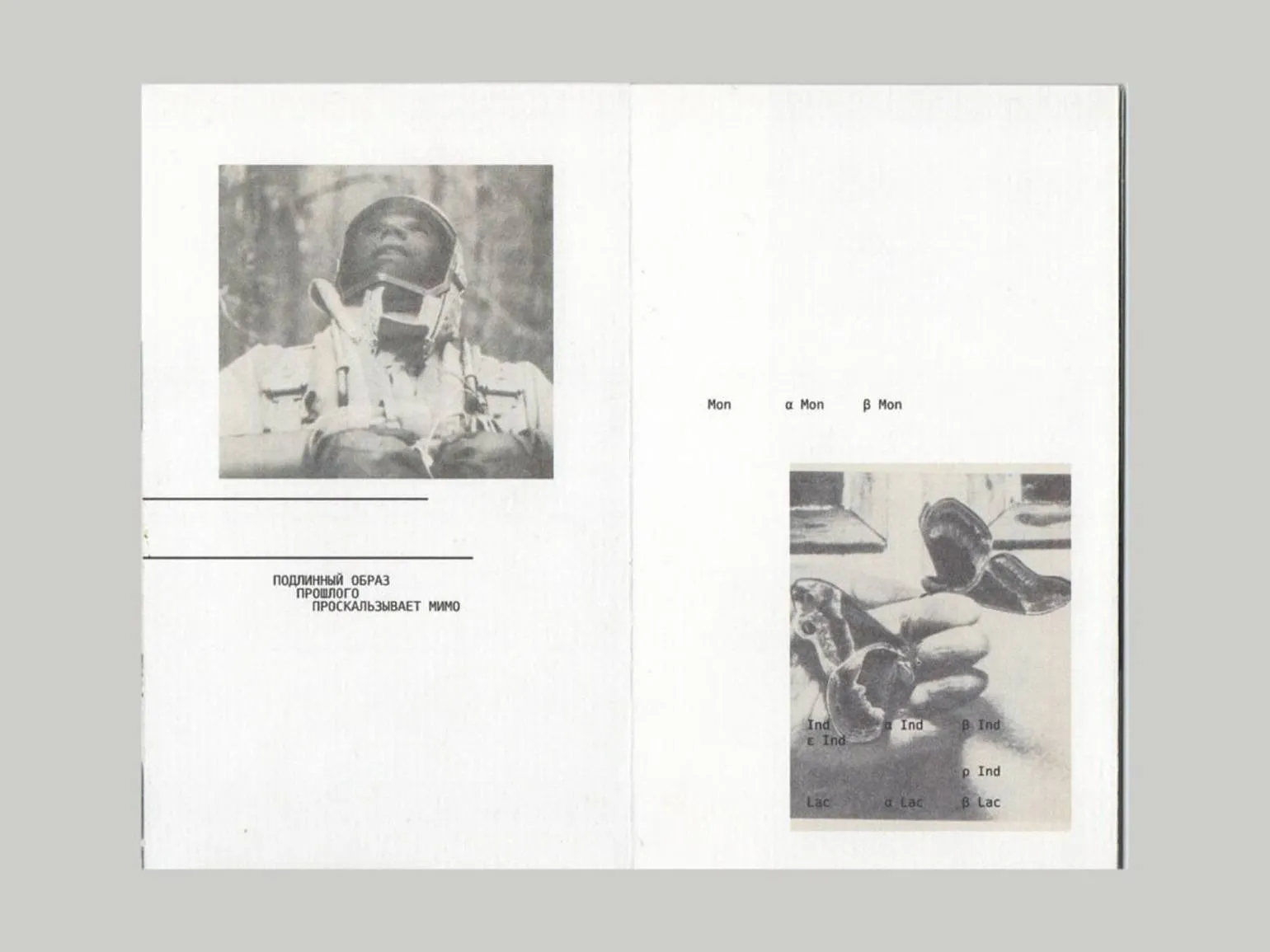
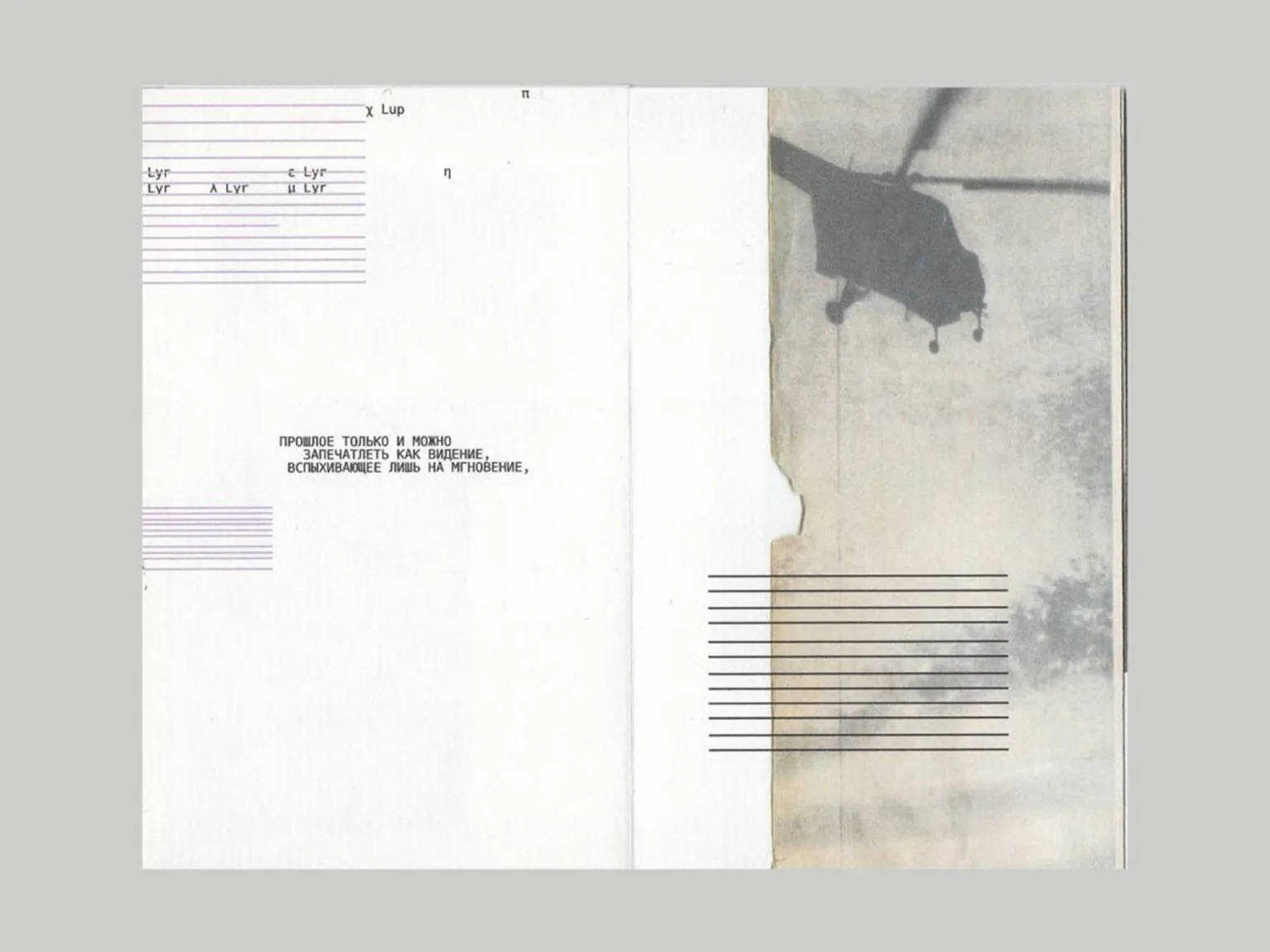
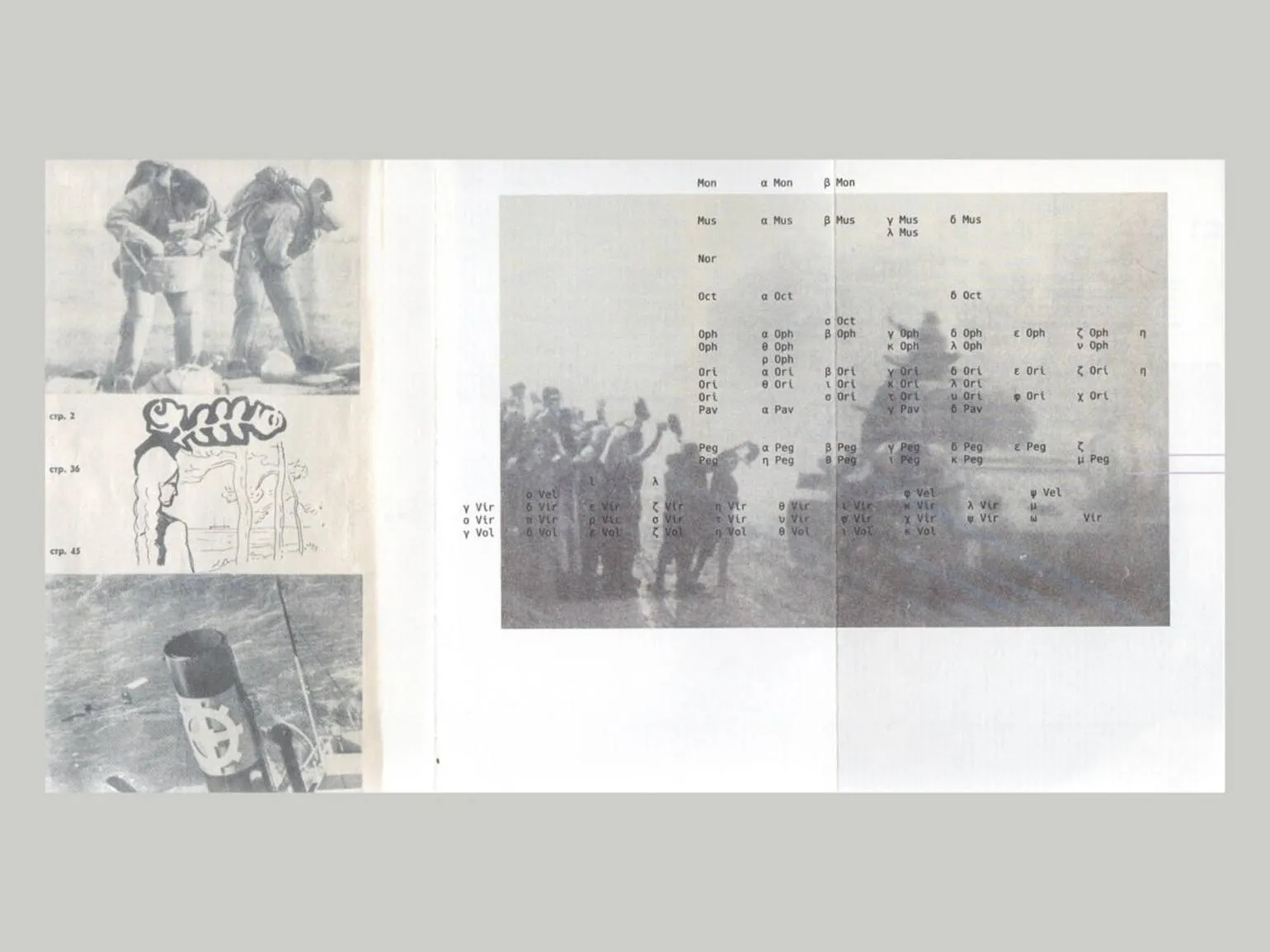
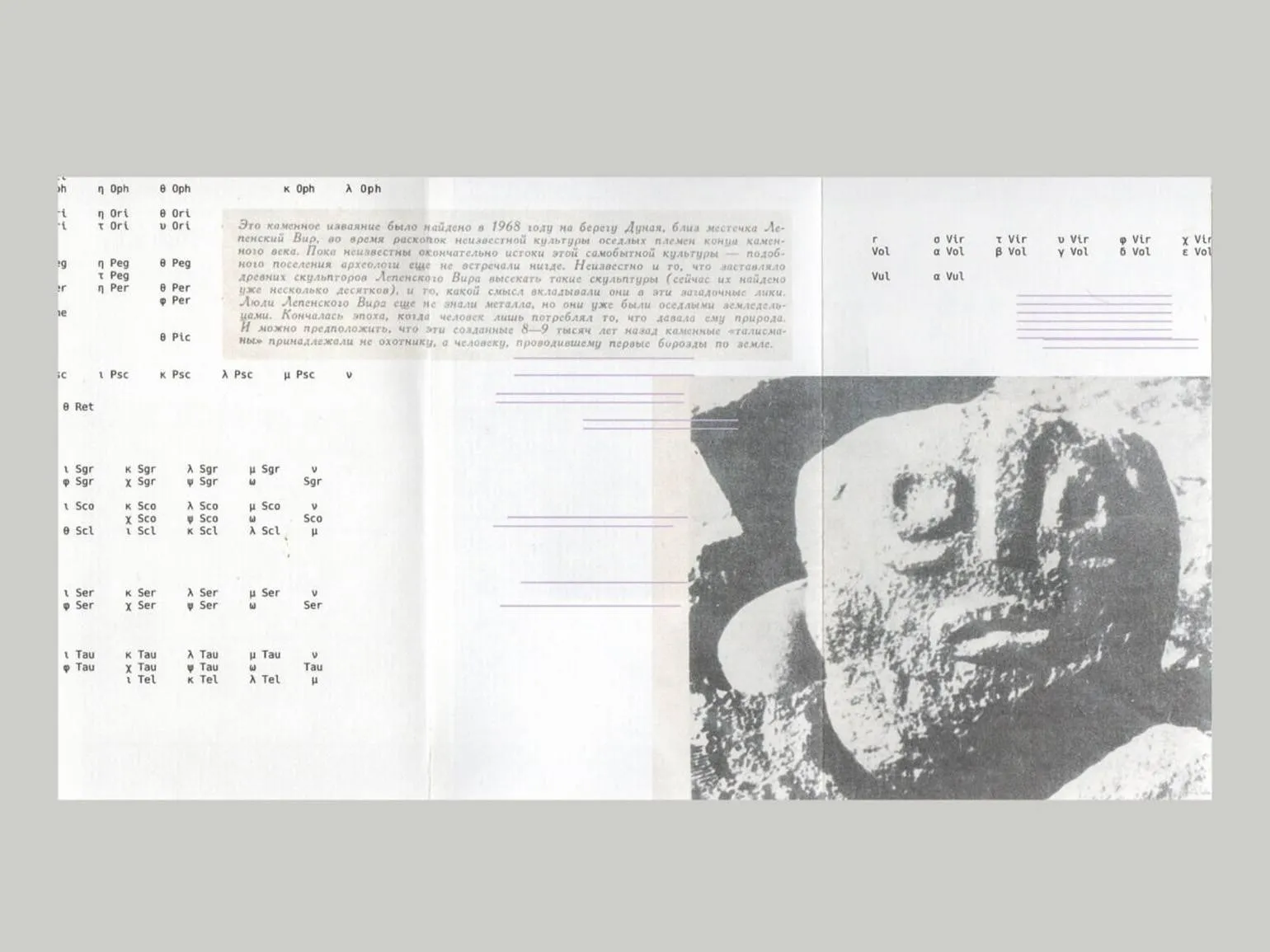
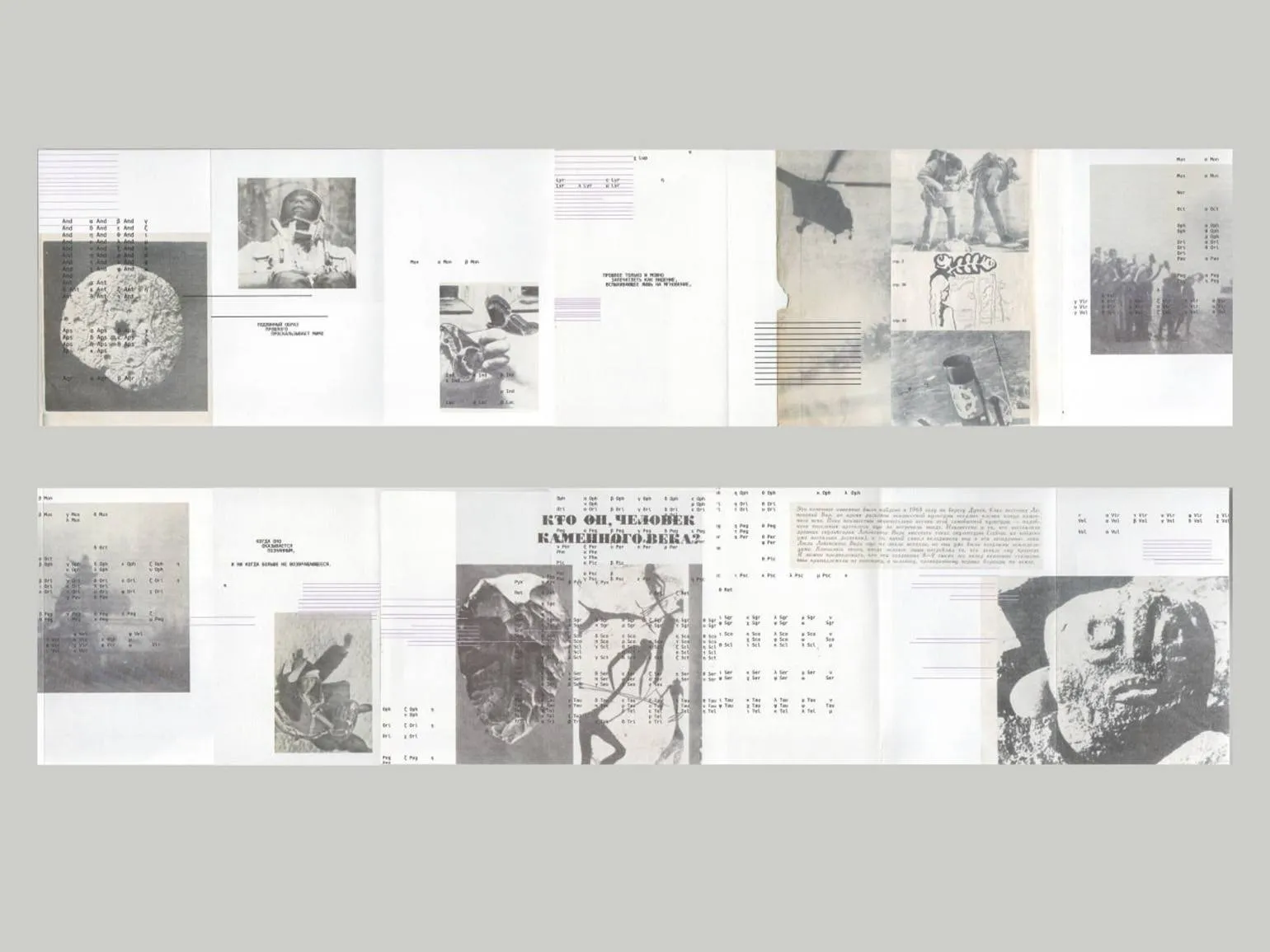
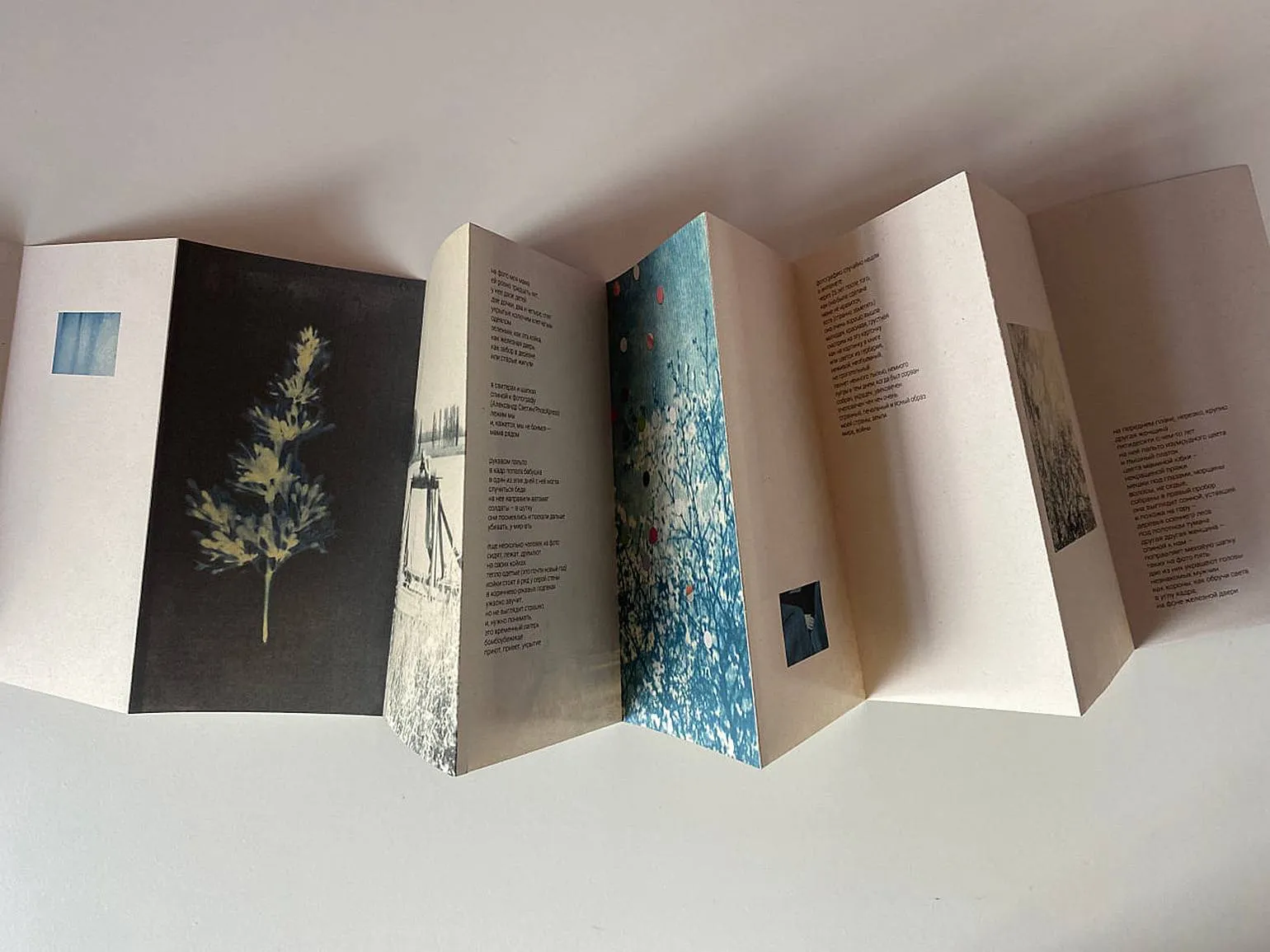
The accordion zine format is less common than other types of printed materials, as printing houses do not often offer it in their services. Therefore, authors need to master the skills of creating books in the accordion format themselves. This format is ideal for multi-layered projects, especially on the themes of time and history. The accordion zine allows for the visual and structural presentation of complex ideas, making it an appealing choice for creative projects. "The True Image of the Past" is my zine, based on philosopher Walter Benjamin's article "On the Concept of History," which explores the search for random points in history. This project offers a unique perspective on historical events, emphasizing their significance and interconnectedness. In each issue, I strive to reveal different aspects of the past, highlighting moments that may be missed in traditional historical narratives. My zine invites readers to rethink history and see in it not only facts, but also the deep connections that shape our perception of the world.
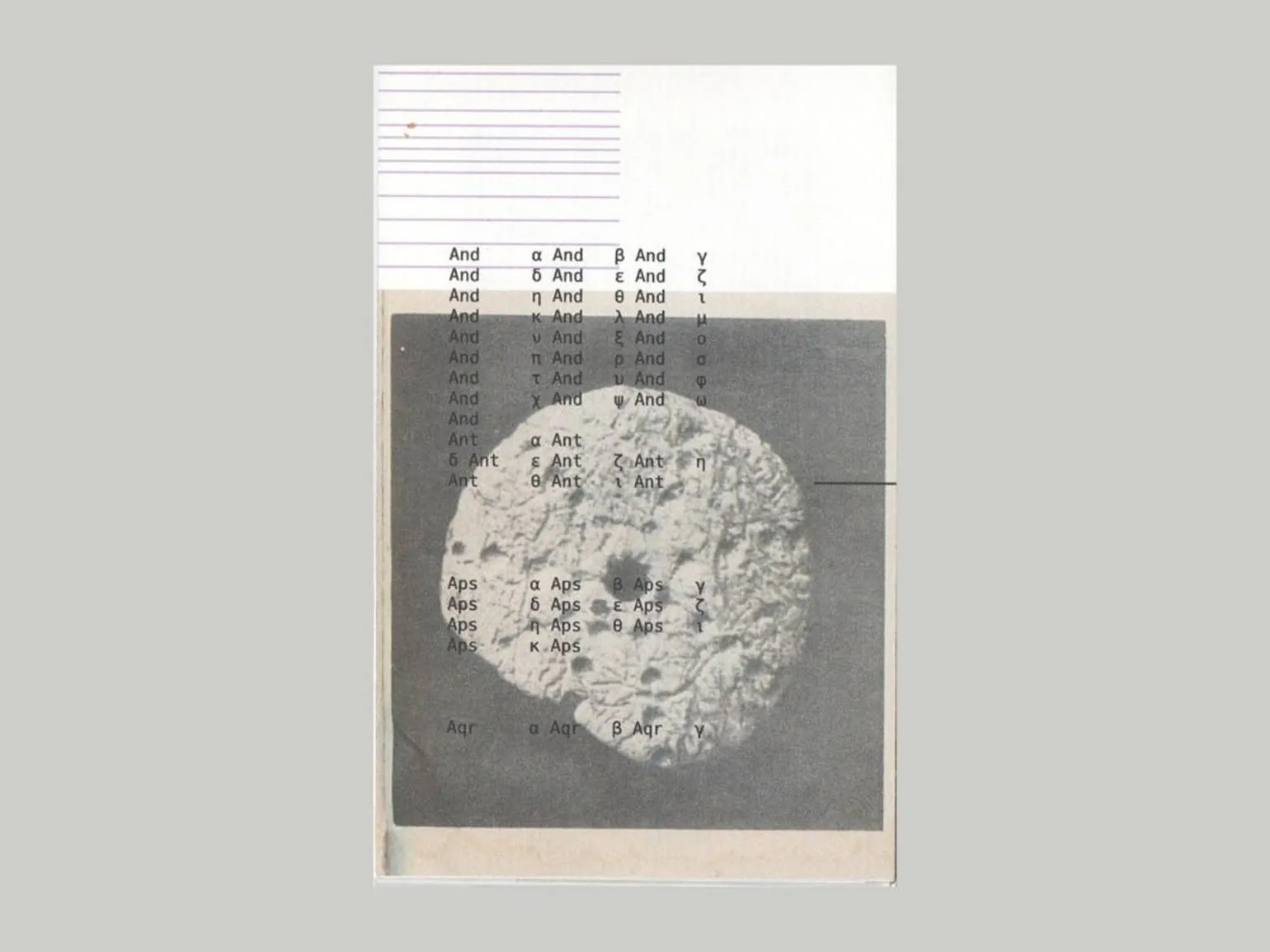
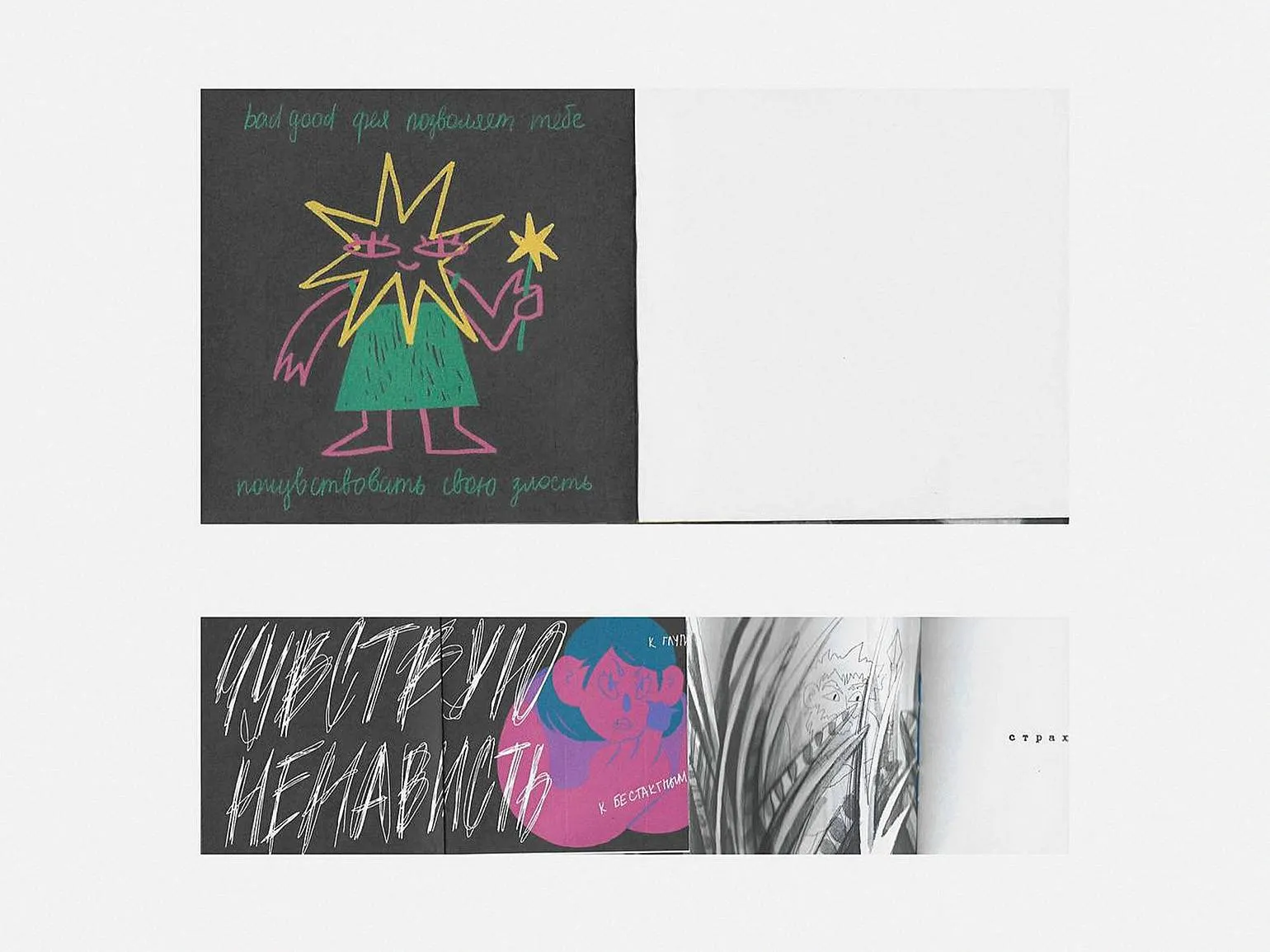
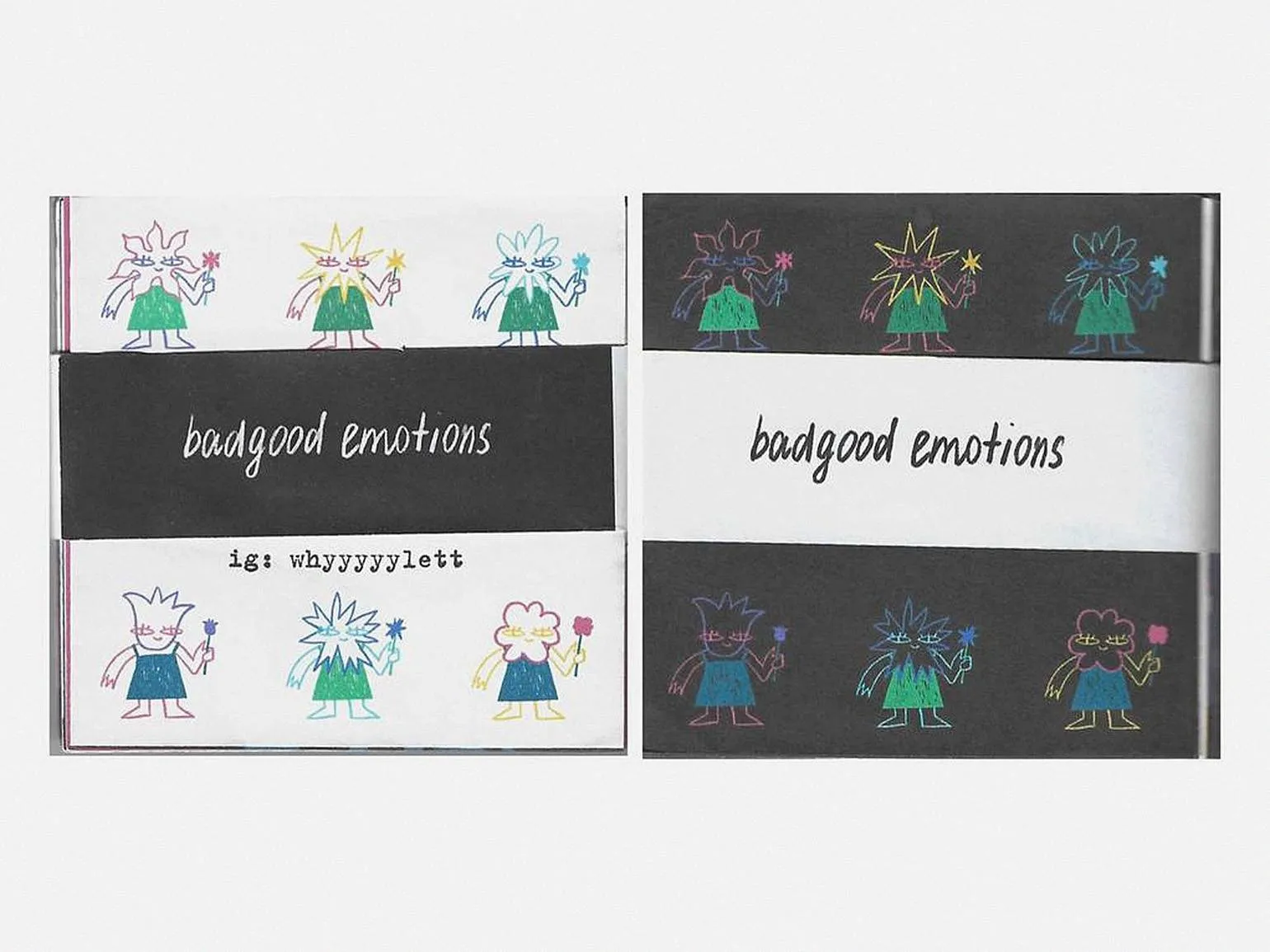
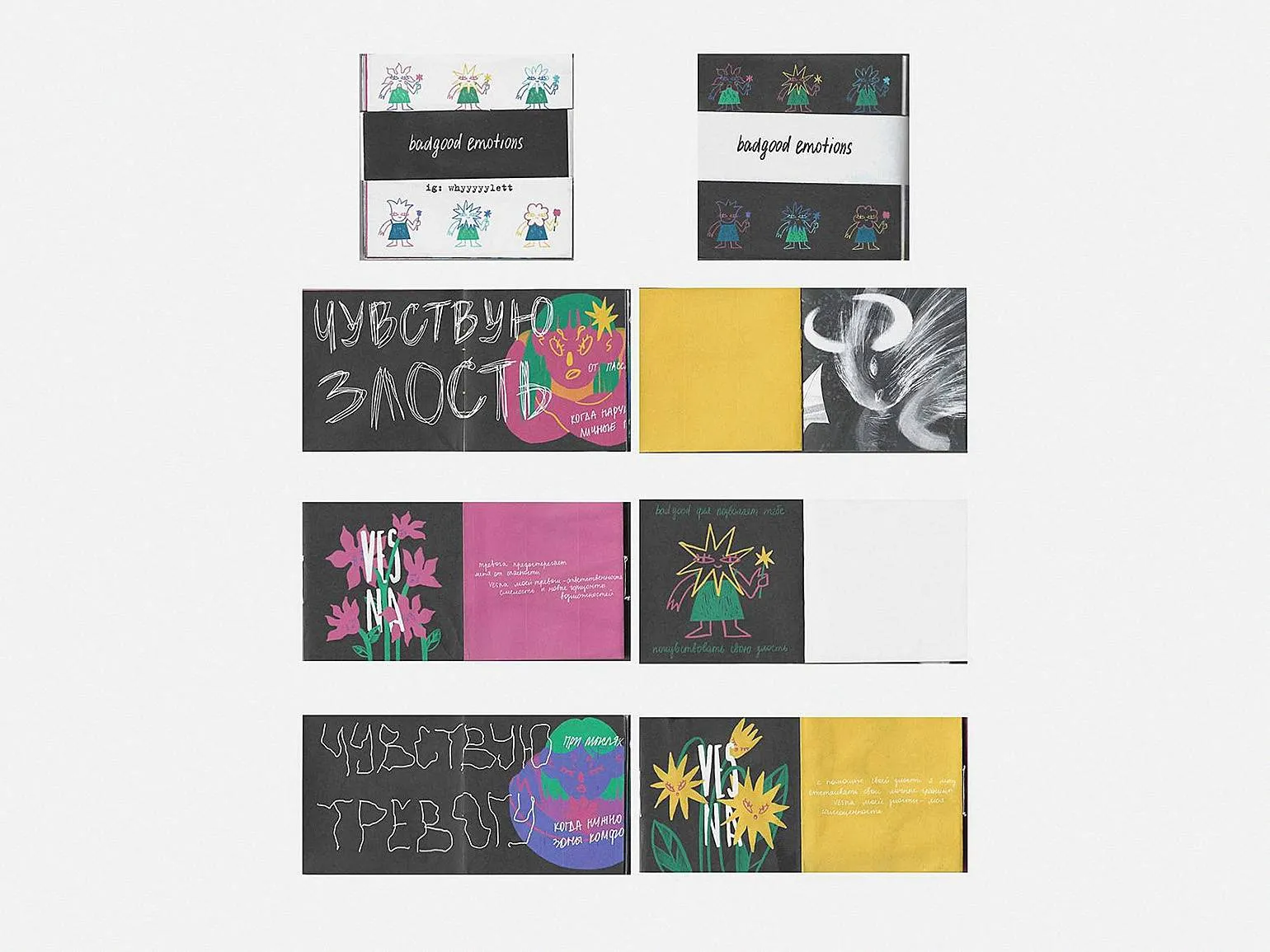
Violetta Kotegova presents "badgoodemotions" - a unique diary for expressing negative emotions. This project includes a transformable zine, as well as leporello and notebooks that will help you structure and understand your feelings. "badgoodemotions" promotes self-reflection and understanding of one's emotions, offering innovative formats for recording and transforming negative experiences into positive ones.
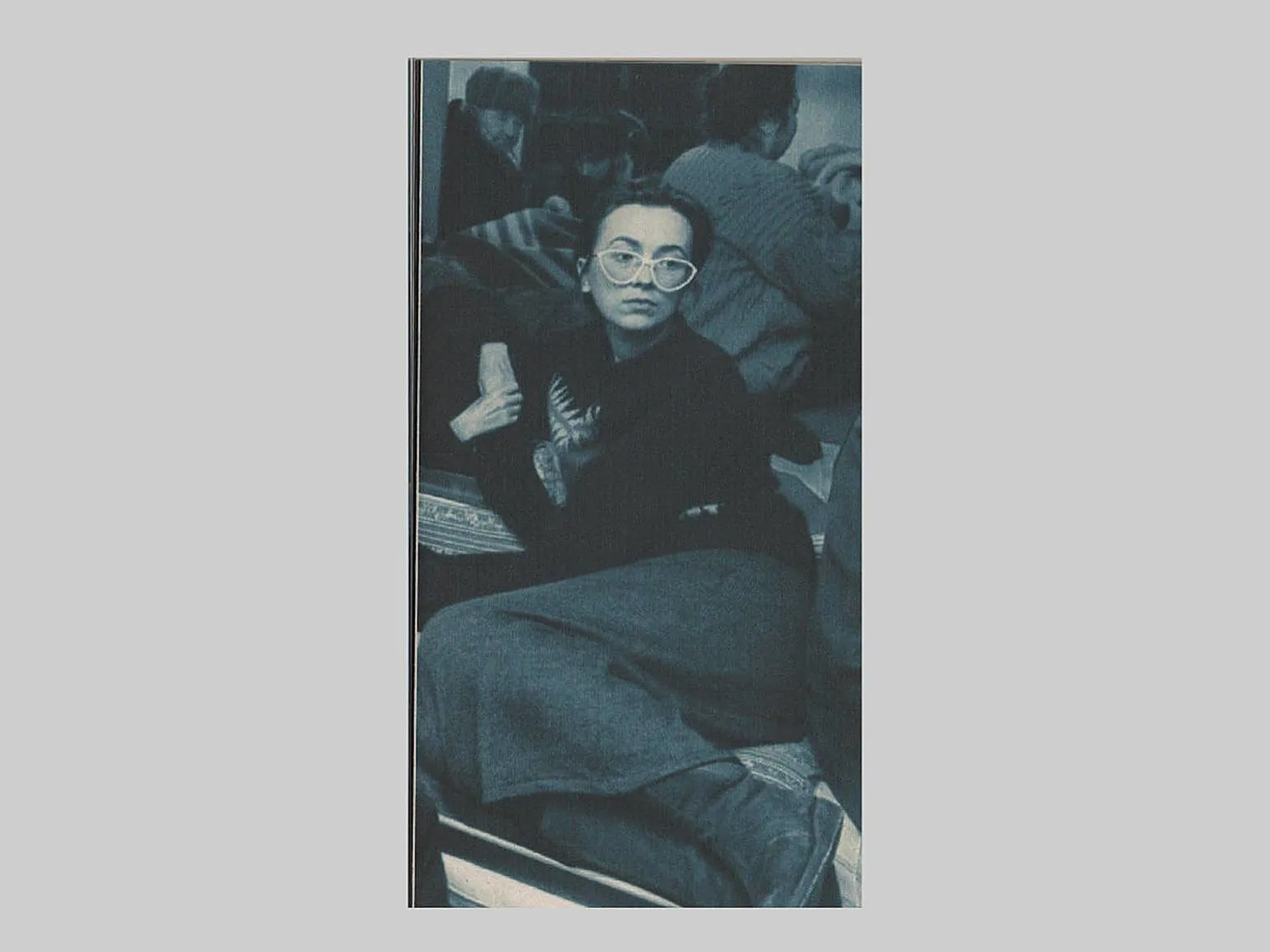
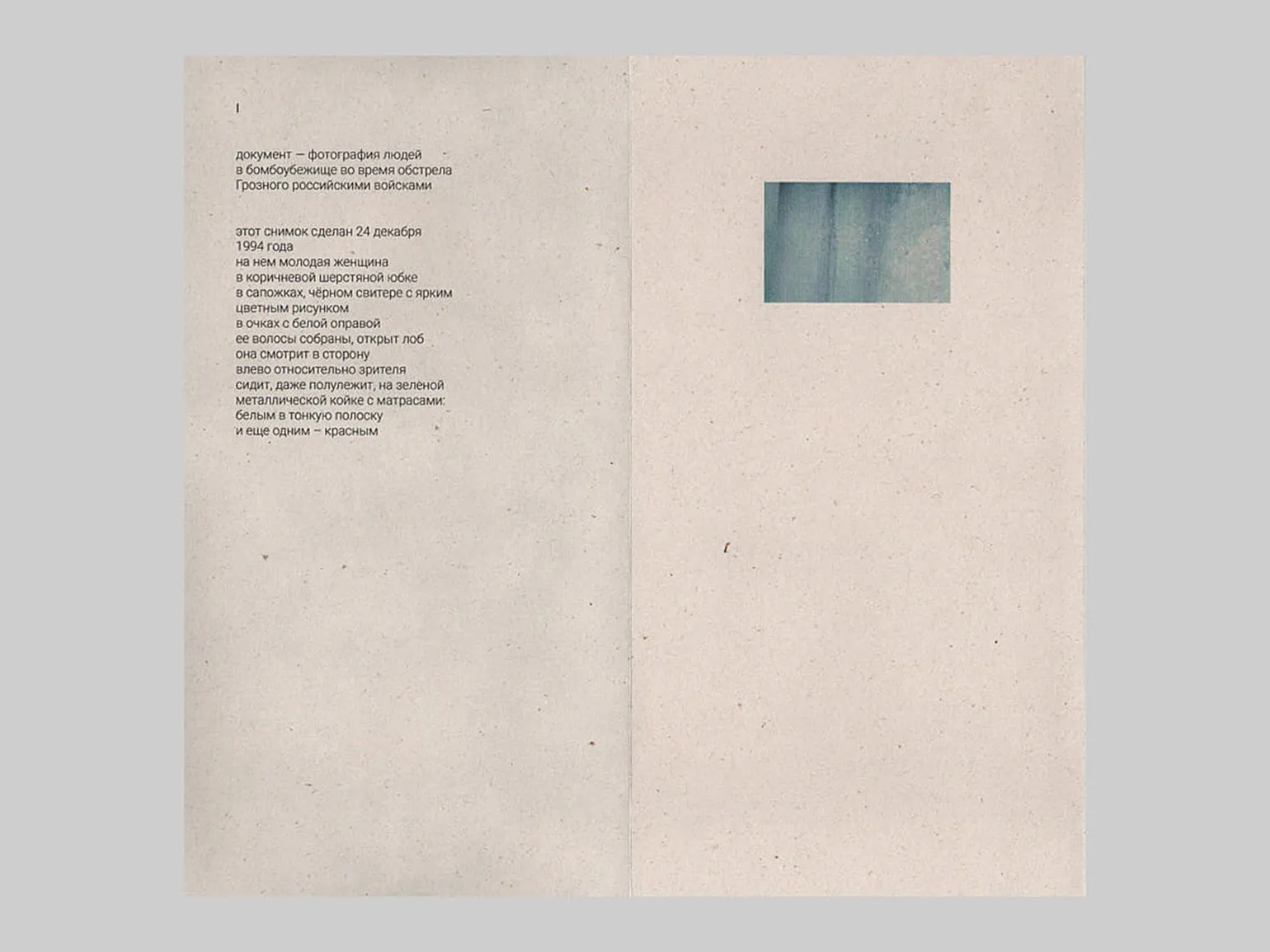
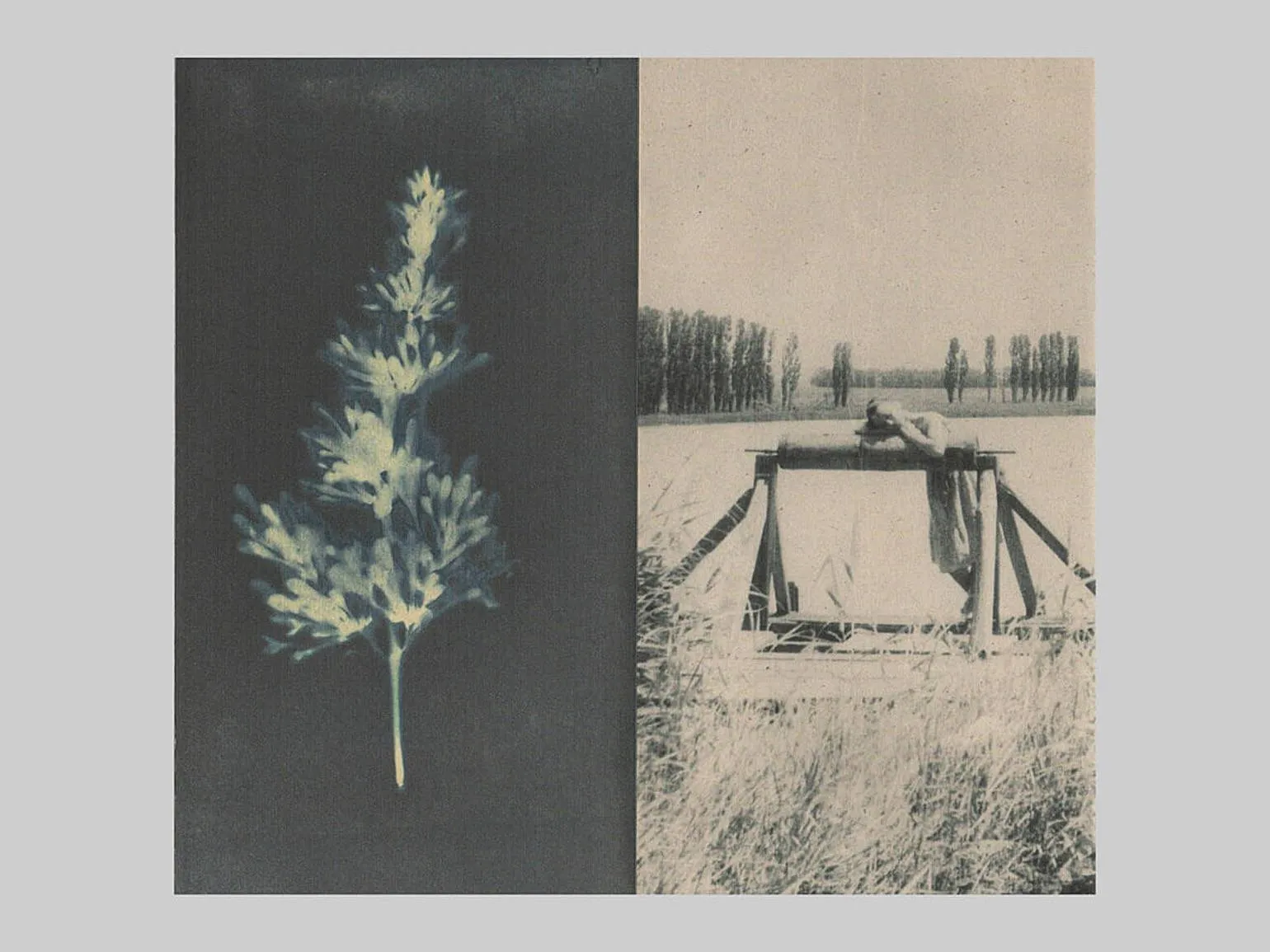
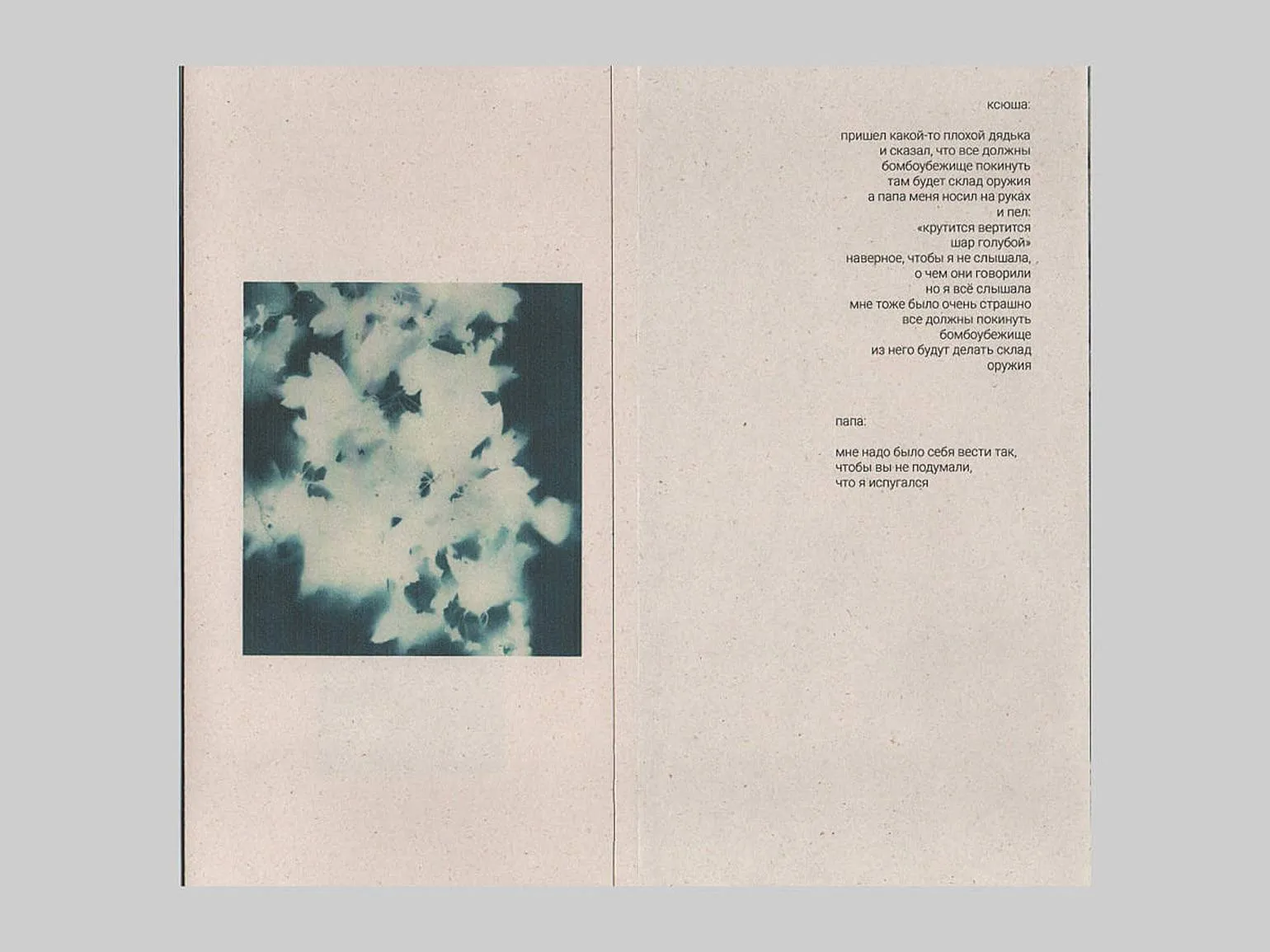
Liza Demchenko's "Flower from the Herbarium" is a reflective zine that focuses on rethinking the family past through the lens of documentary poetry. This project explores the connection between personal history and collective memory, offering readers a unique perspective on family relationships and their impact on the present. Using elements of poetry and documentary, Demchenko creates a space for reflection on how the past shapes our perception of the present.
Photobook
A photobook is an important tool for photographers, allowing them to effectively present their work. It serves not only to showcase their creativity, but also as a way to create a unique visual experience for viewers. A properly designed photobook can be a powerful marketing and promotion tool for a photographer, emphasizing their style and professionalism. Creating a photobook requires attention to detail, including the choice of format, design, and materials, which ultimately impacts the perception of a photographer's work. Using photobooks in a portfolio can significantly enhance the appeal of your offerings to clients and help you stand out from the competition.
Photobooks can be made from a variety of materials and are used for a variety of purposes, from long-term photography projects to conceptual series created in response to specific events. Photobook designs are often minimalist, allowing the photographs to remain the center of attention. However, thoughtful design can be an important element, enhancing the overall perception of a photography project and highlighting its uniqueness.
This art form has many facets and is of great interest to curators and collectors.
Photobooks first appeared shortly after the invention of photography in 1839. These albums typically contained glued photographs and short explanatory texts. Initially, they were published in limited quantities and intended for a select audience. Over time, photobooks have become more accessible and diverse, attracting a wider audience and becoming a popular way to preserve memories. Today, photobooks are not only albums but also high-quality printed publications that allow for creative arrangement of photographs and the telling of stories through visual content.
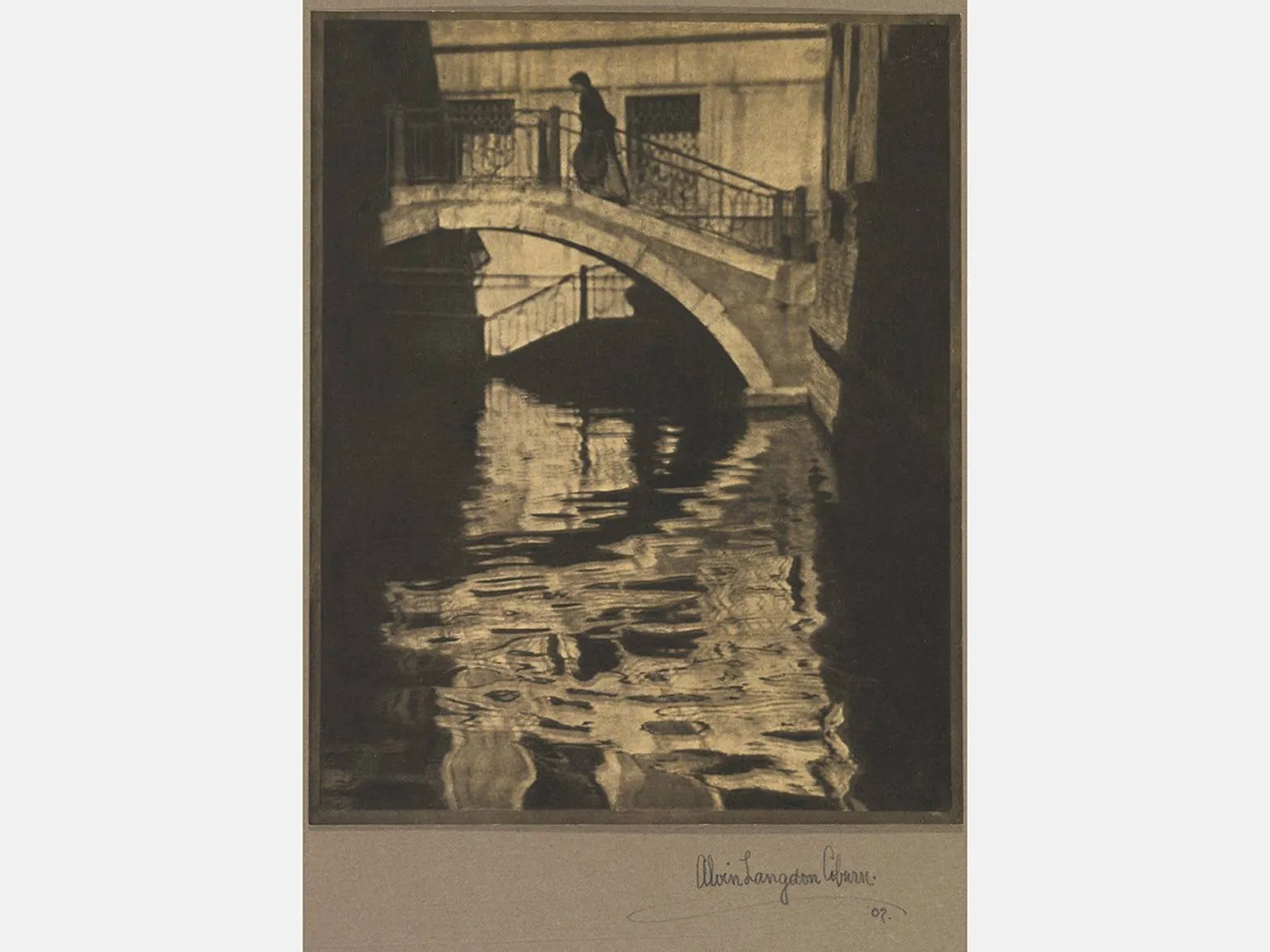
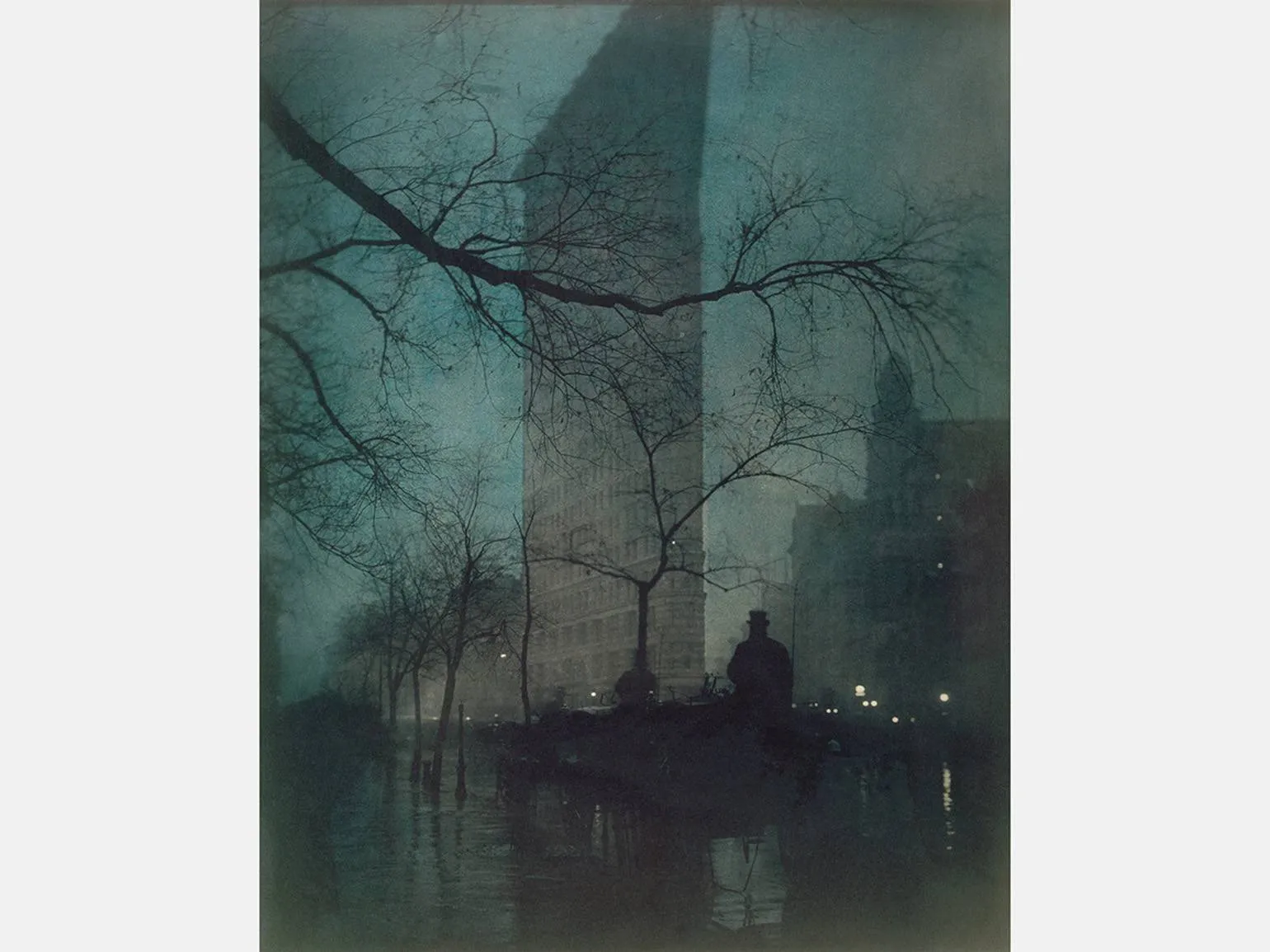
In the late 19th century, photography became widely accessible and popular, which contributed to the development of photobooks. These publications were often designed in a pictorialist style, emphasizing the artistic aspects of photography. Photographers such as Alfred Stieglitz and Edward Steichen created books that combined elements of art and mass communication. These works not only showcased the photographers' skill but also contributed to the formation of public opinion about photography as an important cultural asset. Photobooks of the era became an important tool for disseminating ideas and visual narratives, making them a significant part of the history of photography.
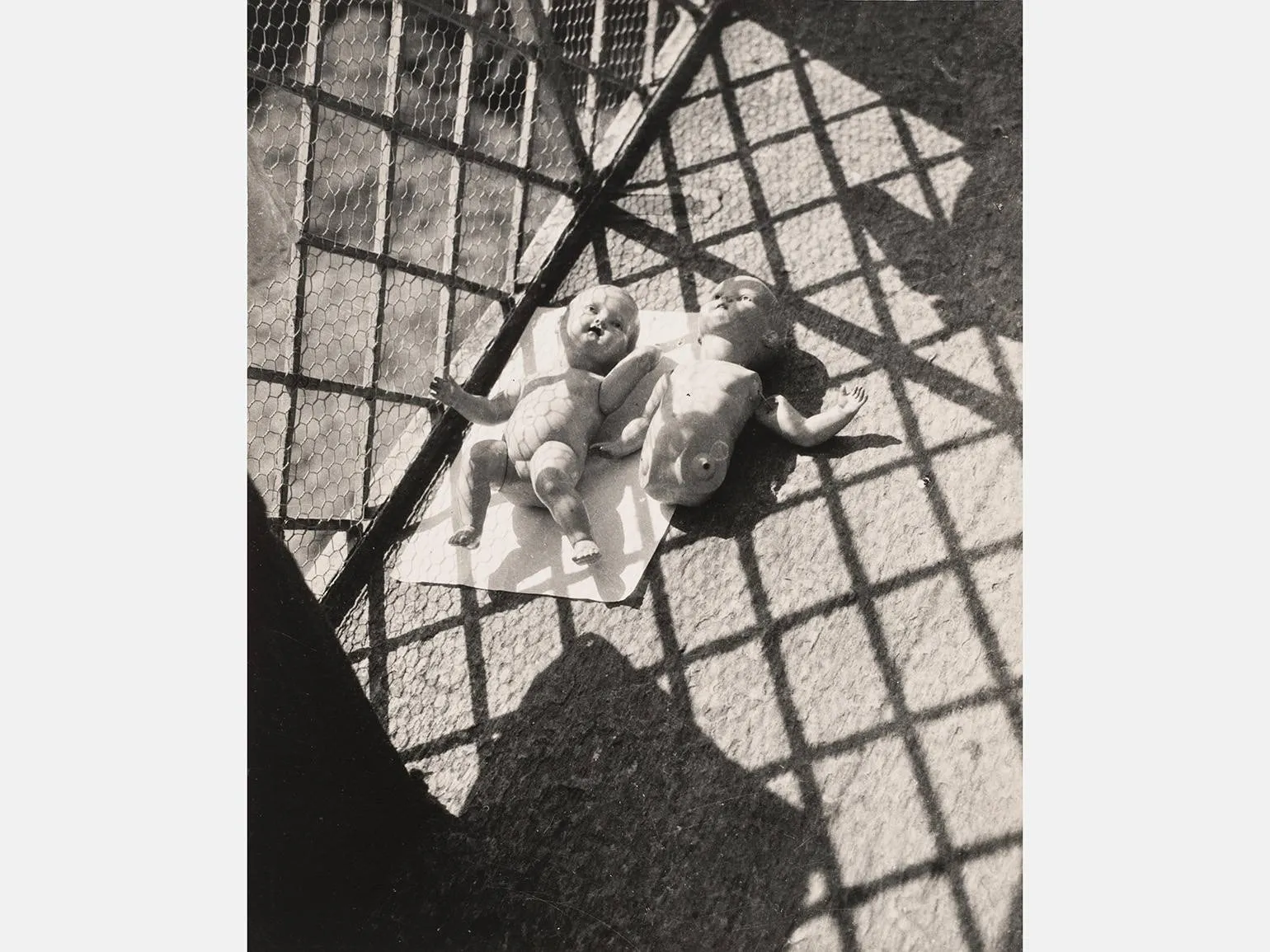
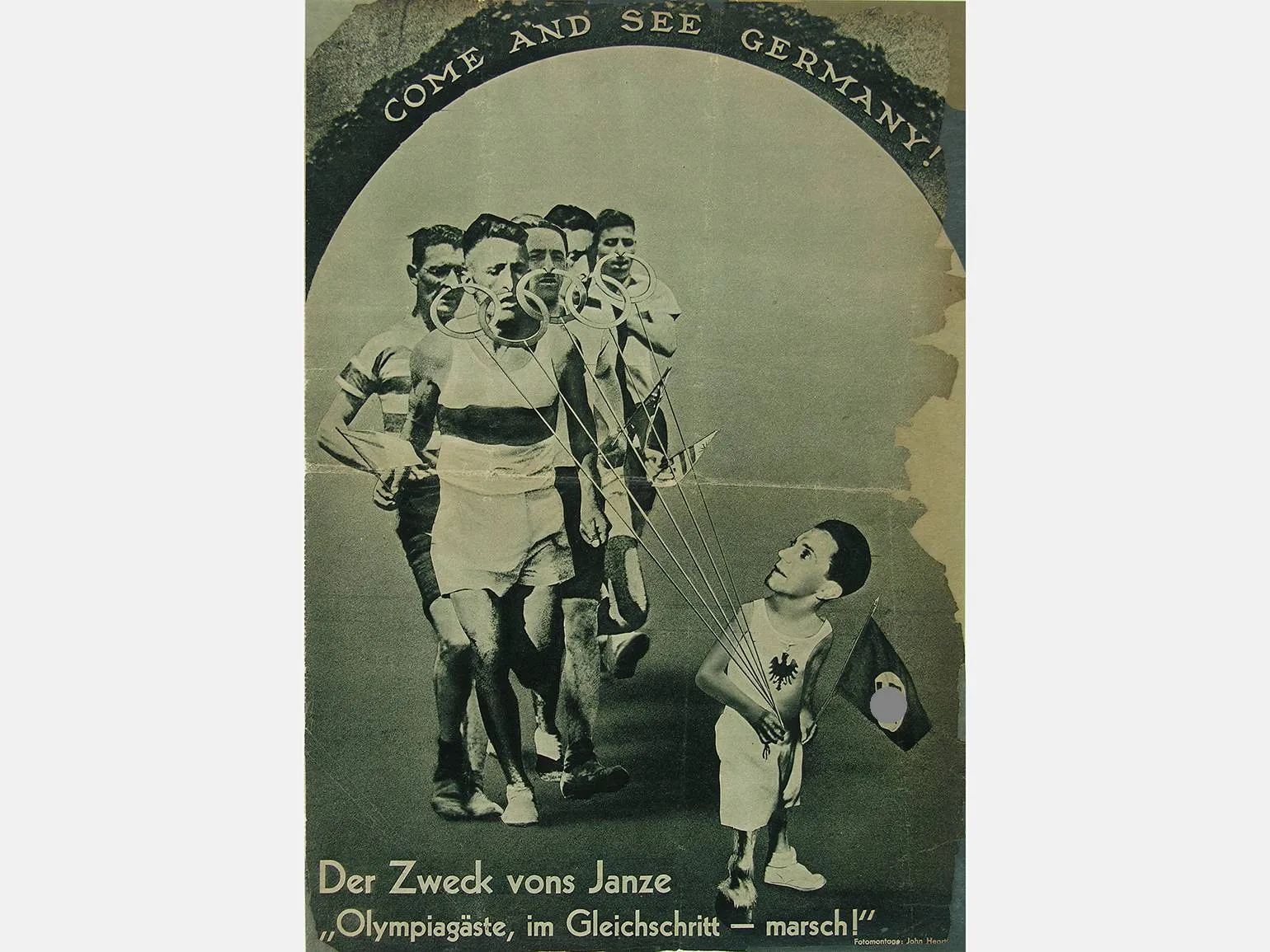
In the 1920s and 1930s, the photobook gained status as a significant medium of expression for modernist authors. Photographers such as László Moholy-Nagy and John Heartfield actively explored new formats and techniques for creating visual art. Their works were not only artistic expressions but also served as political statements, reflecting the social and cultural changes of the time. Photobooks became an important part of modern art, merging photography and literature and fostering the development of new ideas and concepts.
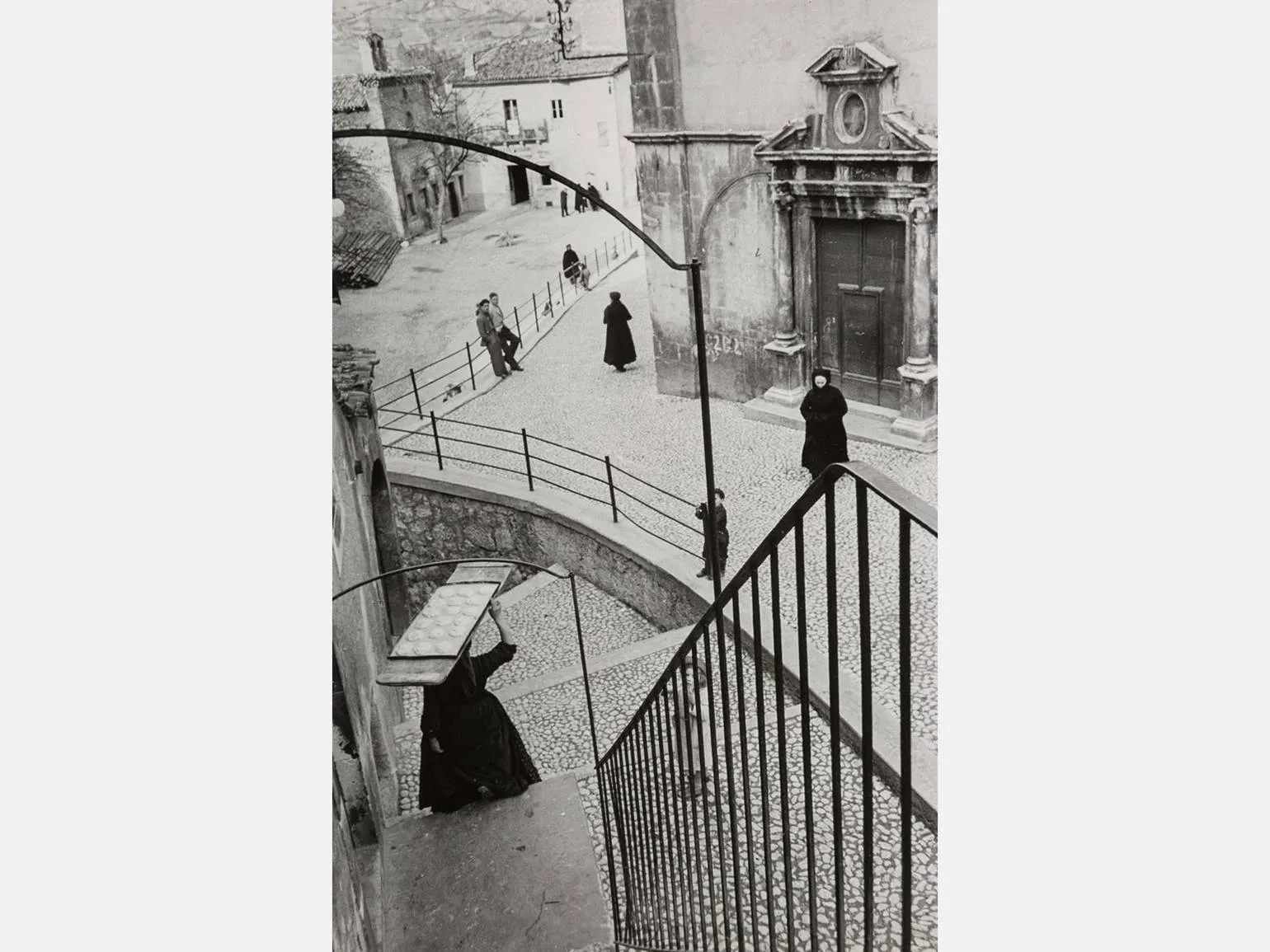
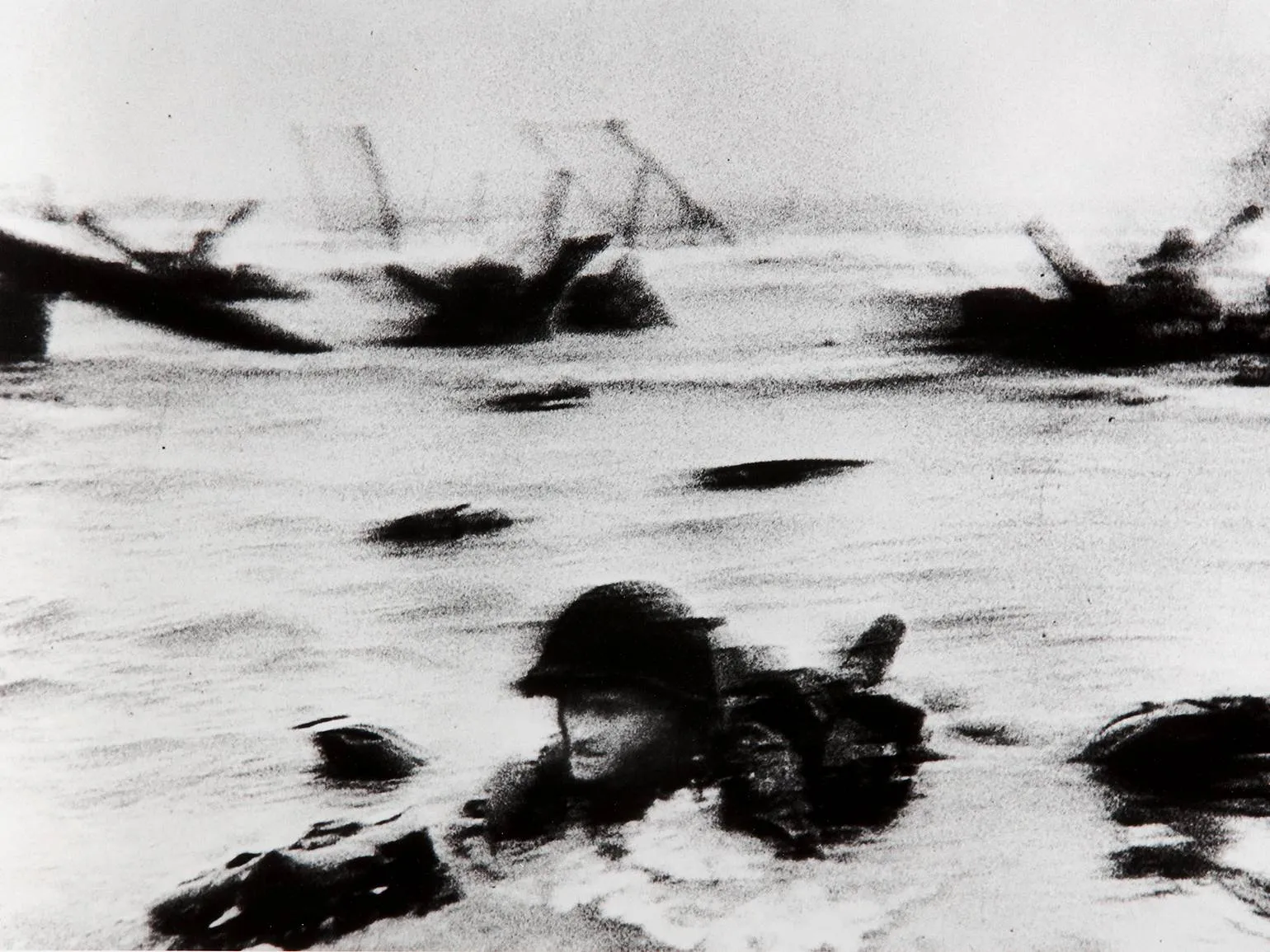
After World War II, photobooks significantly increased in popularity and became more accessible to a wider audience. Renowned photographers such as Henri Cartier-Bresson and Robert Capa began creating books that combined elements of documentary and artistic expression. Эти фотокниги не только запечатлели исторические моменты, но и стали важным культурным явлением, подчеркивающим силу визуального искусства.
«The Americans» — это роуд-муви-книга швейцарского фотографа Роберта Франка, которая предлагает незаслуженно грубое и неприукрашенное изображение жизни в Америке 1950-х годов. Франк рассматривает повседневные реалии американцев с критическим, но в то же время сочувствующим взглядом. Его фотопроект кардинально контрастирует с идеализированными образами, которые широко распространялись в средствах массовой информации того времени. В книгу вошли фотографии, сделанные в закусочных, на улицах, у парковок, на похоронах и в дороге. Первое издание «The Americans» было опубликовано во Франции в 1958 году с предисловием известной французской писательницы и философа Симоны де Бовуар. Американское издание, выпущенное в 1959 году, дополнено предисловием писателя Джека Керуака. Эта работа стала знаковым произведением в мире фотографии и продолжает вдохновлять поколения художников и критиков своим уникальным взглядом на американскую действительность.
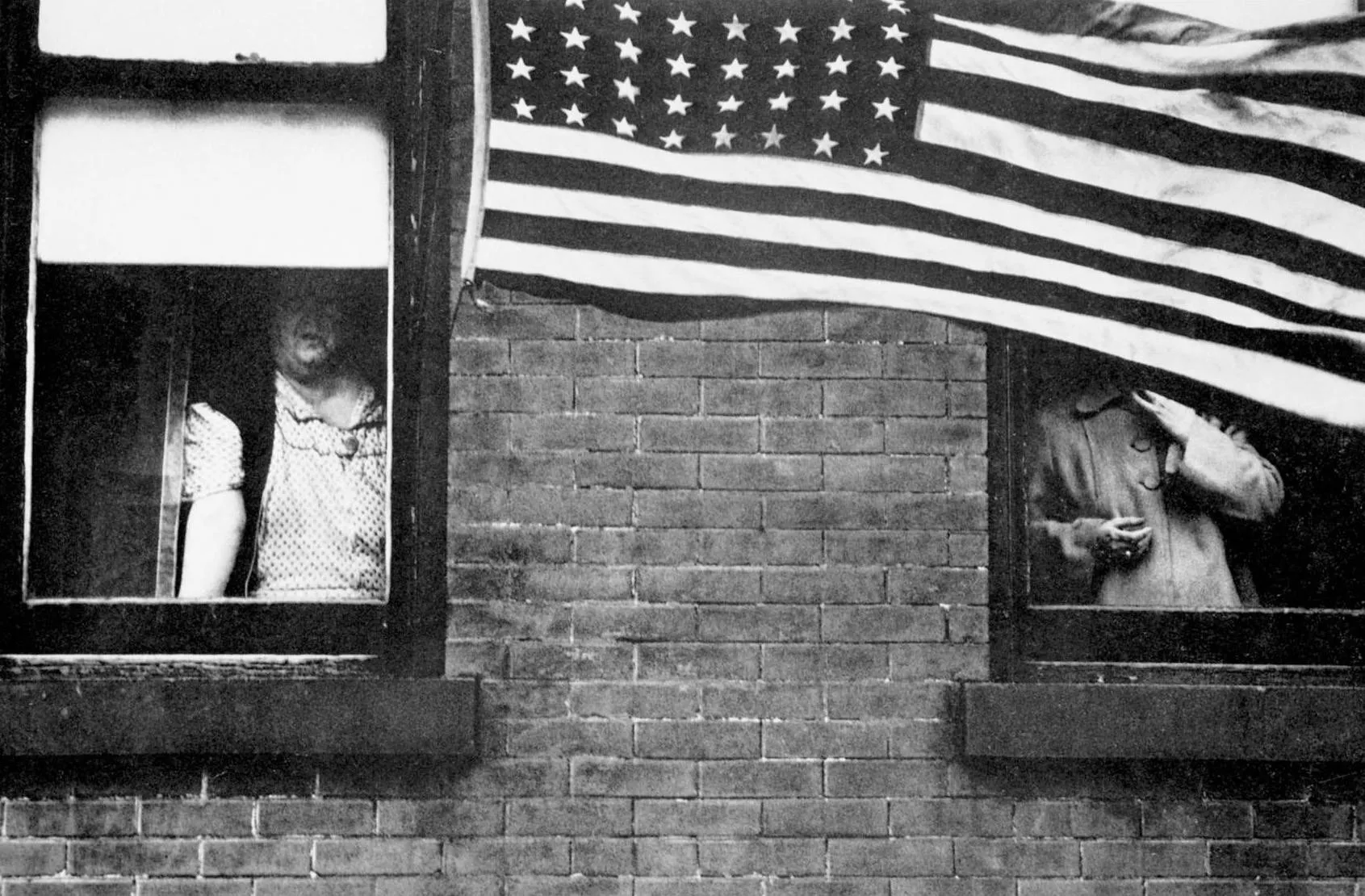
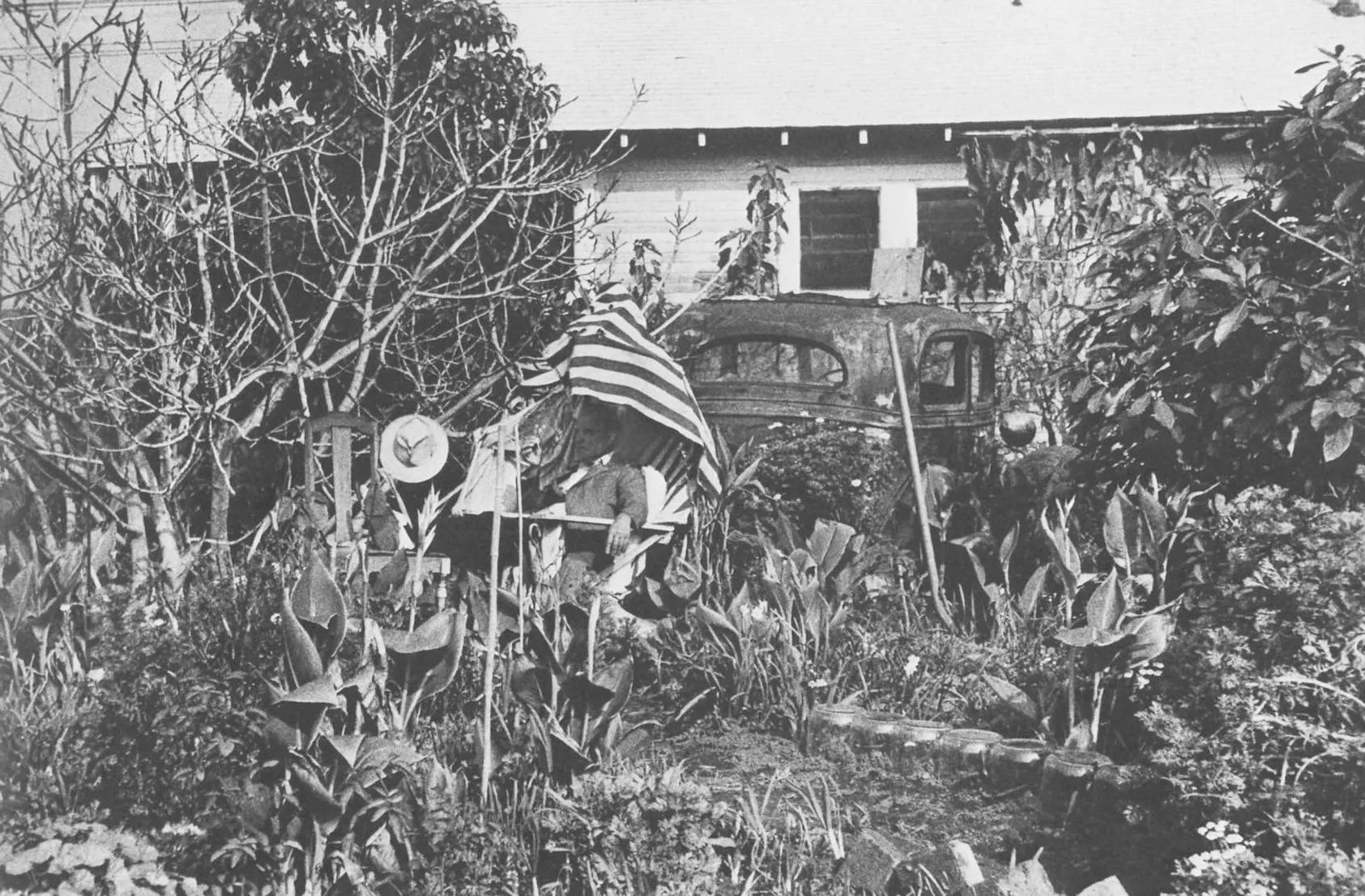
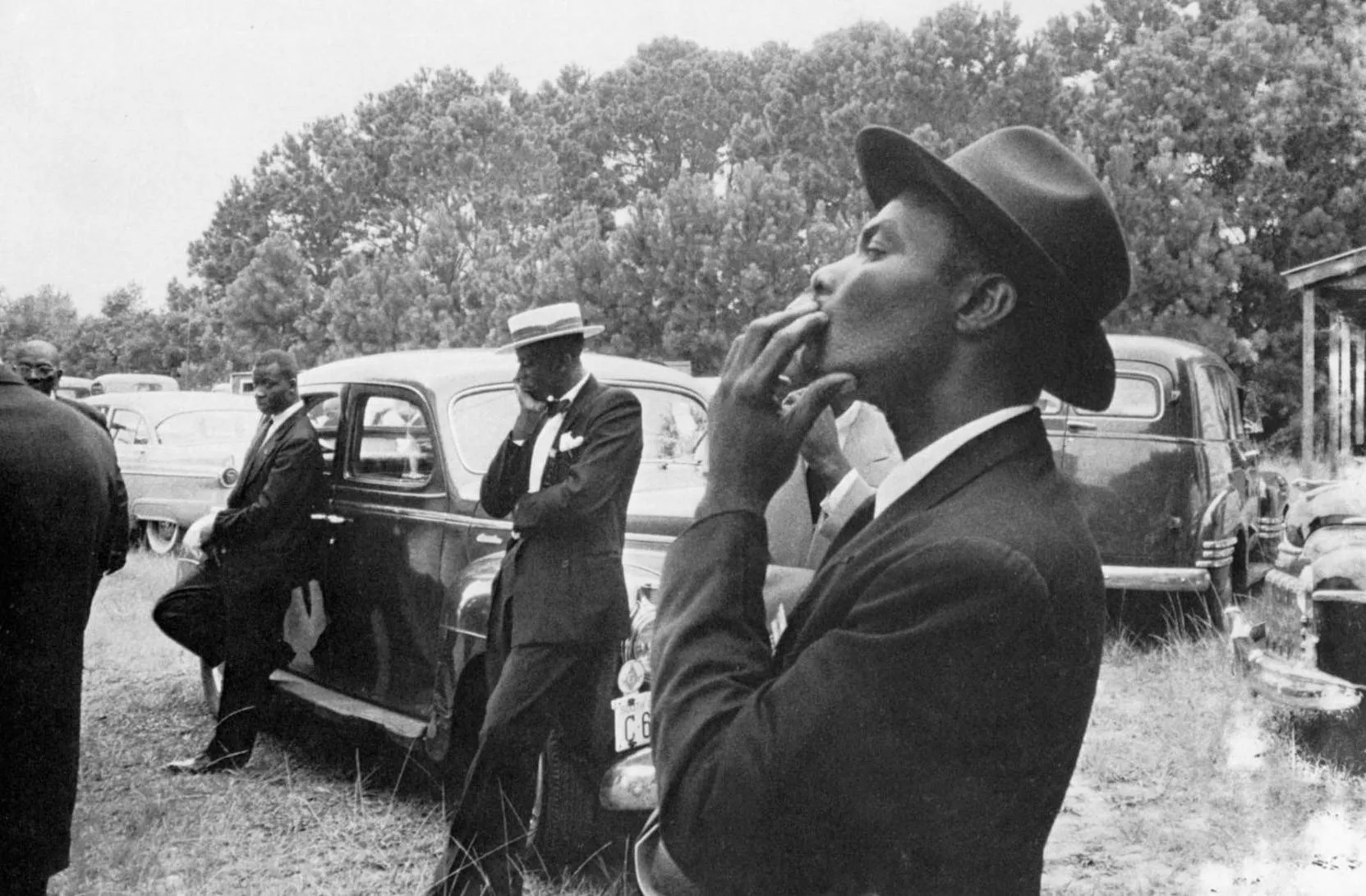
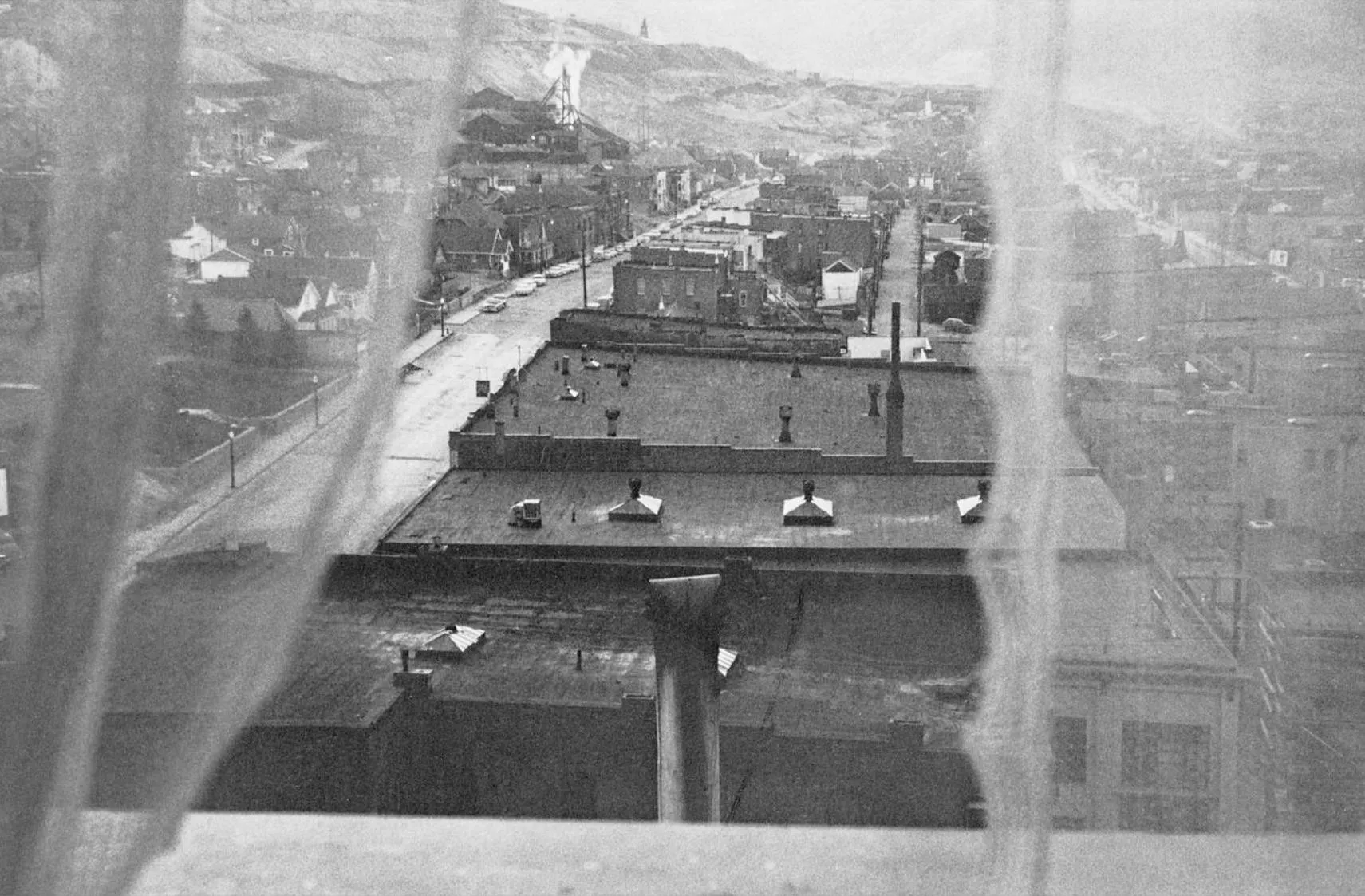
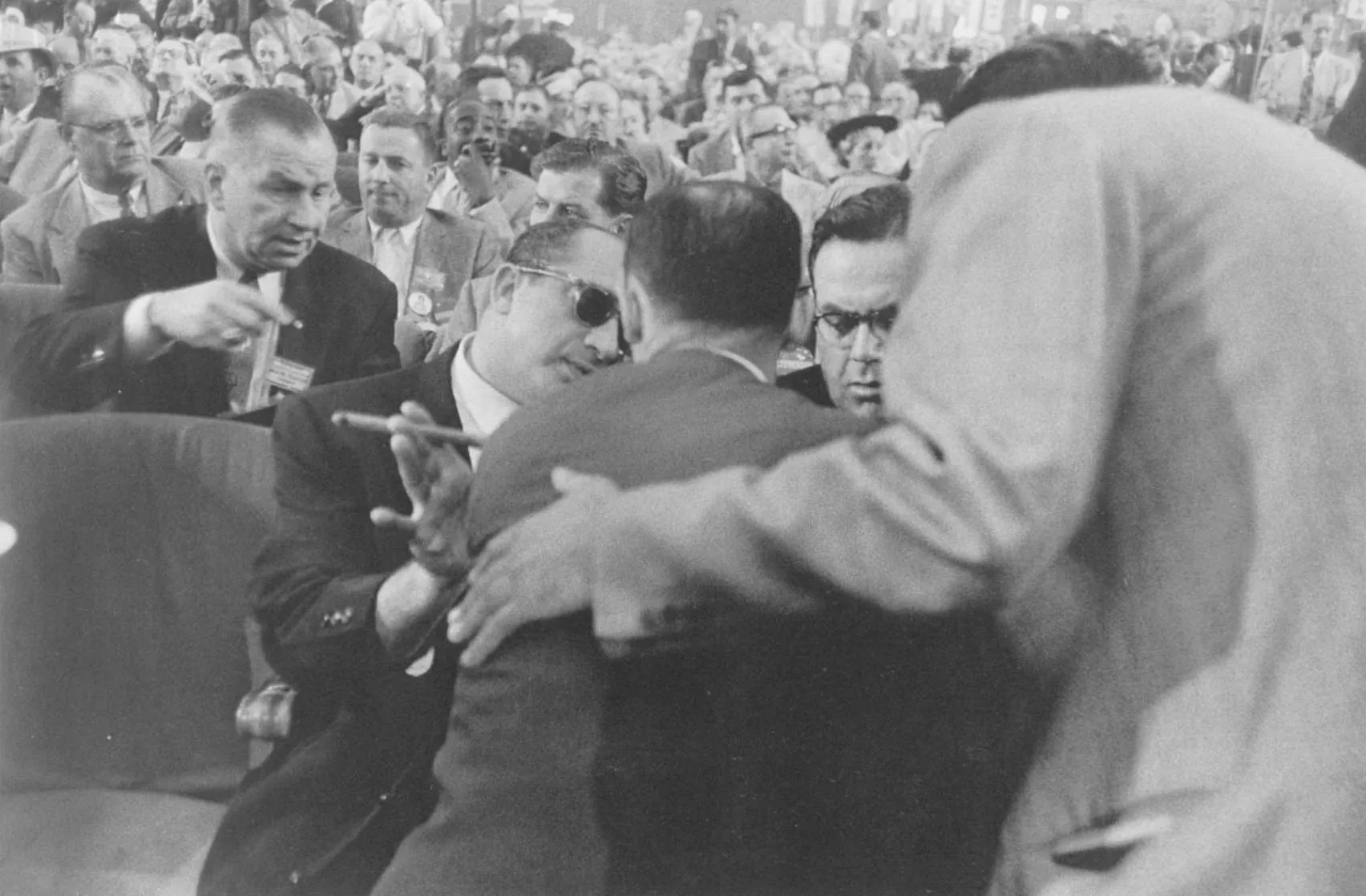
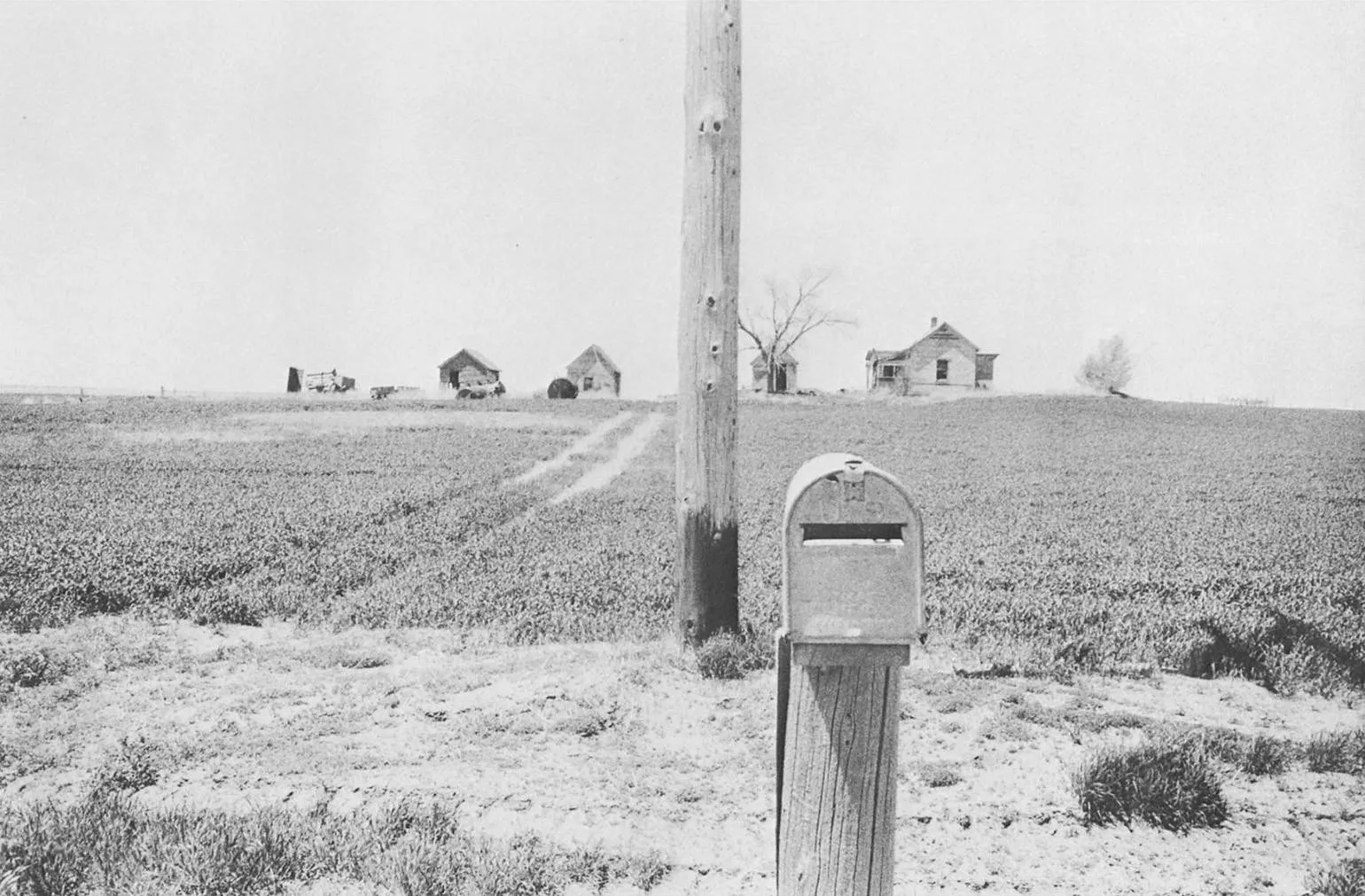
Frank's book evoked a variety of responses. Some reviewers praised its frank and dispassionate analysis of American society, while others criticized it for its pessimistic approach and unconventional style. Curator John Szarkowski described the work as "a silent yet powerful glimpse into the essence of America, free of romanticism and sentimentality," emphasizing that the medium itself proved far more flexible than expected. The book left an indelible mark on the history of photography and inspired numerous photographers, including Lee Friedlander and Garry Winogrand. Ed Ruscha's 1963 book "Twentysix Gasoline Stations" has become a landmark work in the photobook genre. It is a collection of photographs of gas stations, executed in a minimalist style. This work not only demonstrates the author's mastery of photography but also emphasizes the importance of simplicity and structure in visual art. "Twentysix Gasoline Stations" influenced the development of photobooks as an art form and continues to inspire contemporary photographers and designers.
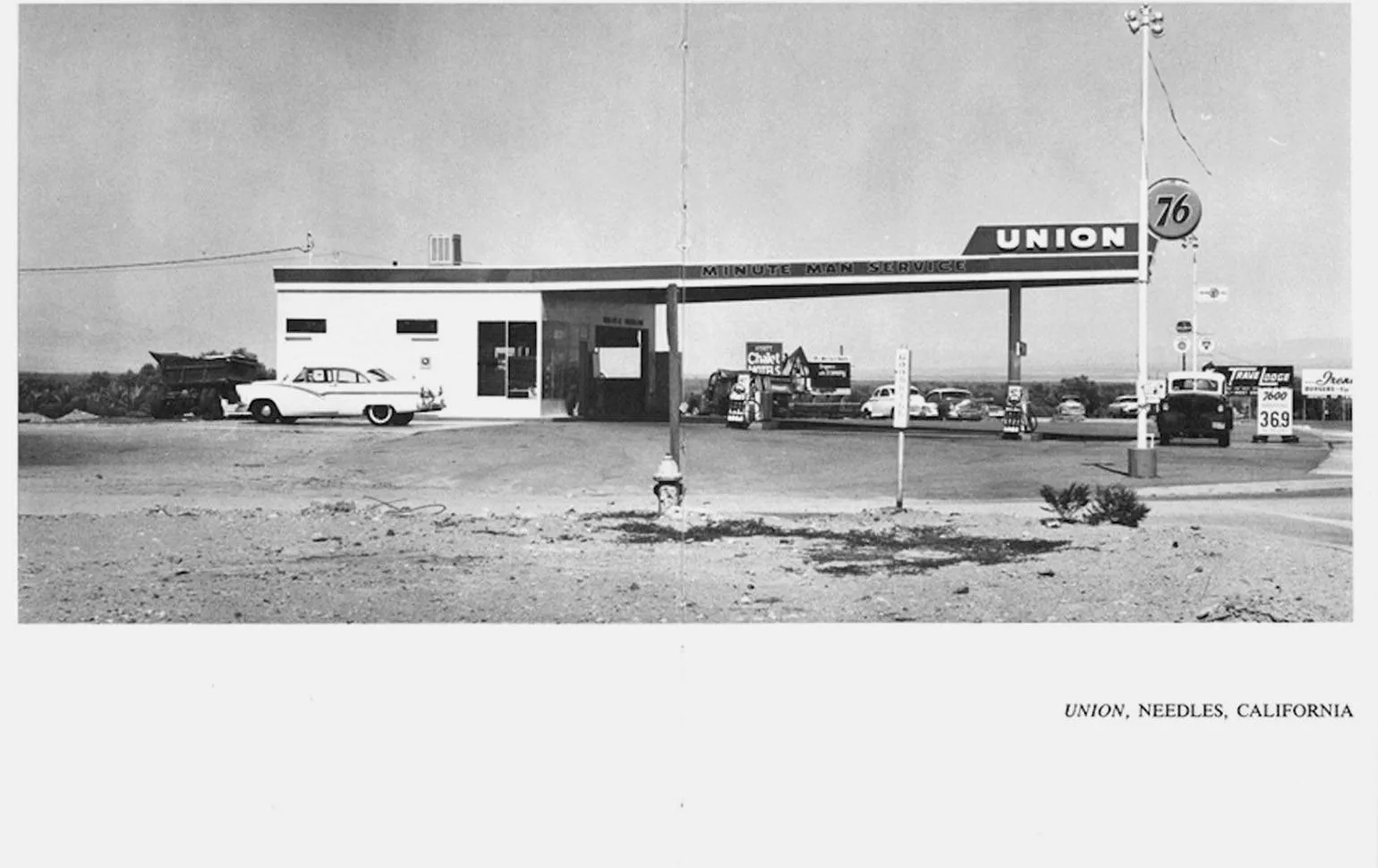
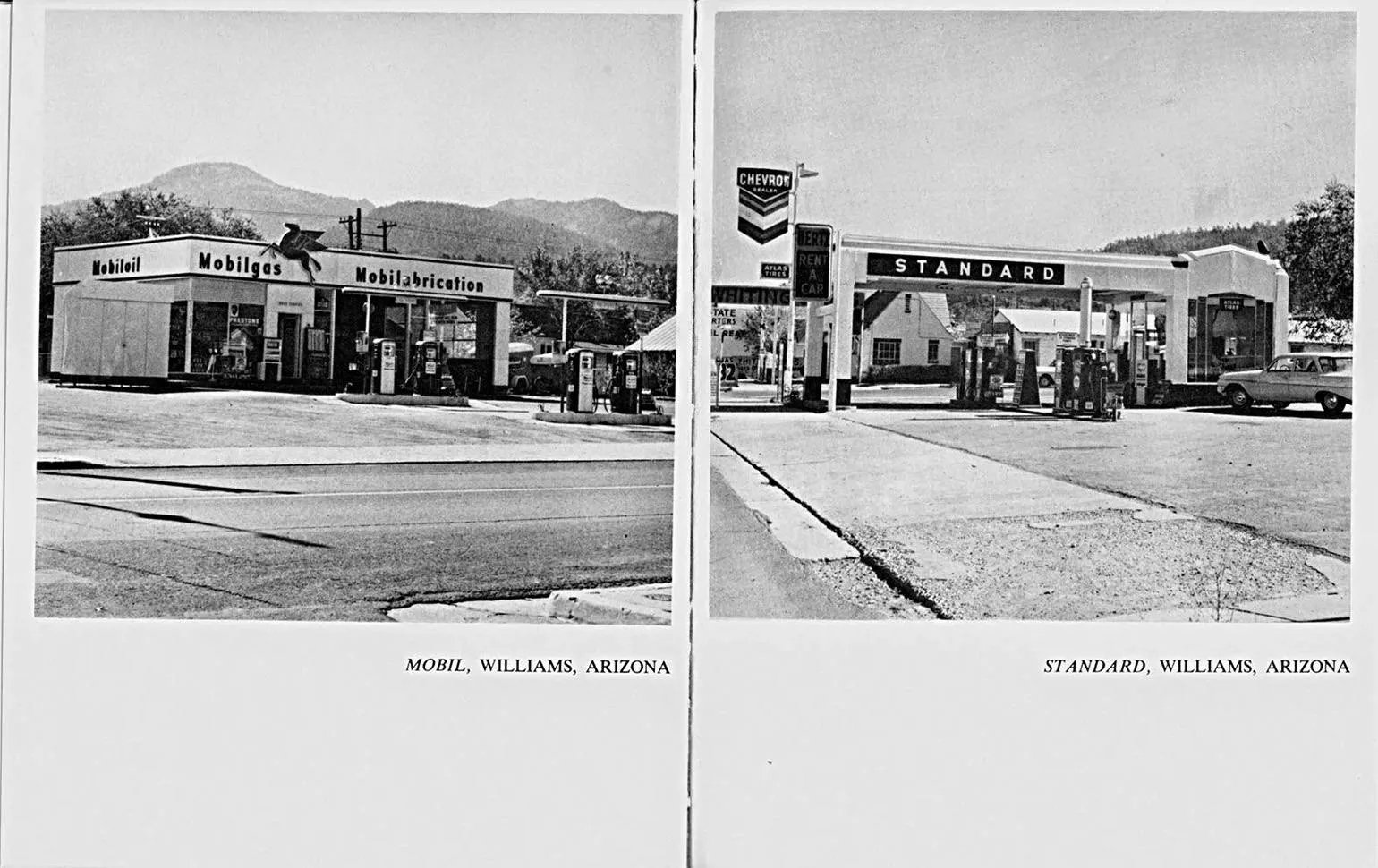
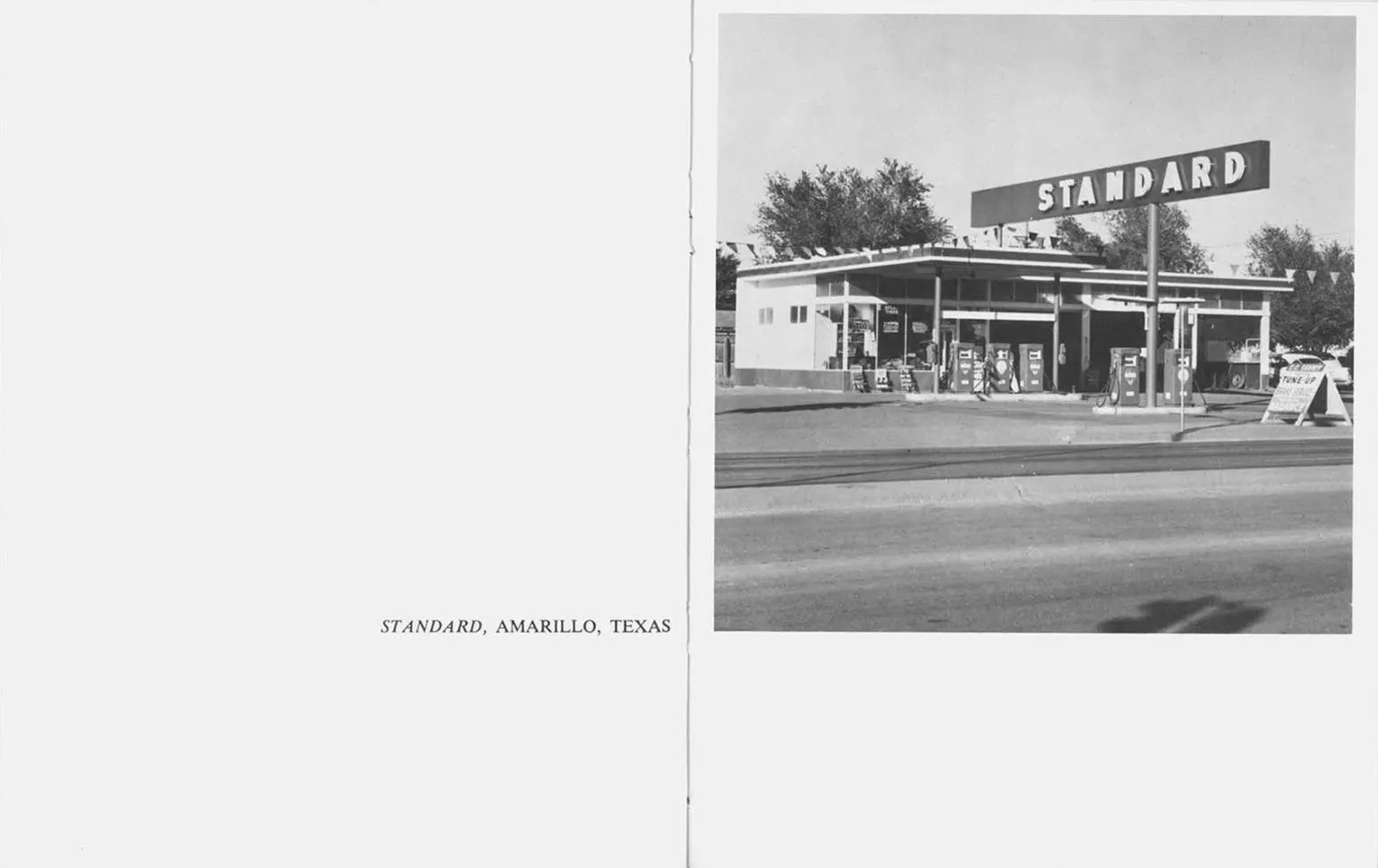
In the 1970s, the photobook experienced a new surge in popularity, driven by the development of digital technology and new printing methods. This period was a landmark for visual culture, as photobooks began to play a vital role in disseminating photographic art and information. Thanks to innovations in printing and the increasing availability of digital tools, authors were able to create unique projects by combining text and images in a harmonious format. Photobooks became not only a means of creative expression but also an important element in the art of publishing, which contributed to their popularity and high demand in the market.
Alec Soth's "Sleeping by the Mississippi" is one of the most significant photobooks dedicated to the exploration of American society. In this project, Soth uses the deadpan genre to capture the diverse scenes he encountered along the Mississippi River, from Minnesota to Louisiana. He creates portraits of local residents, capturing both rural and urban landscapes, as well as various aspects of everyday life. Through his dry and detached photographs, Alec Soth skillfully reflects the culture and identity of the residents of the American Midwest and South. This photobook becomes an important visual testimony to the diversity and multilayered nature of American life, showcasing the unique stories behind each image.
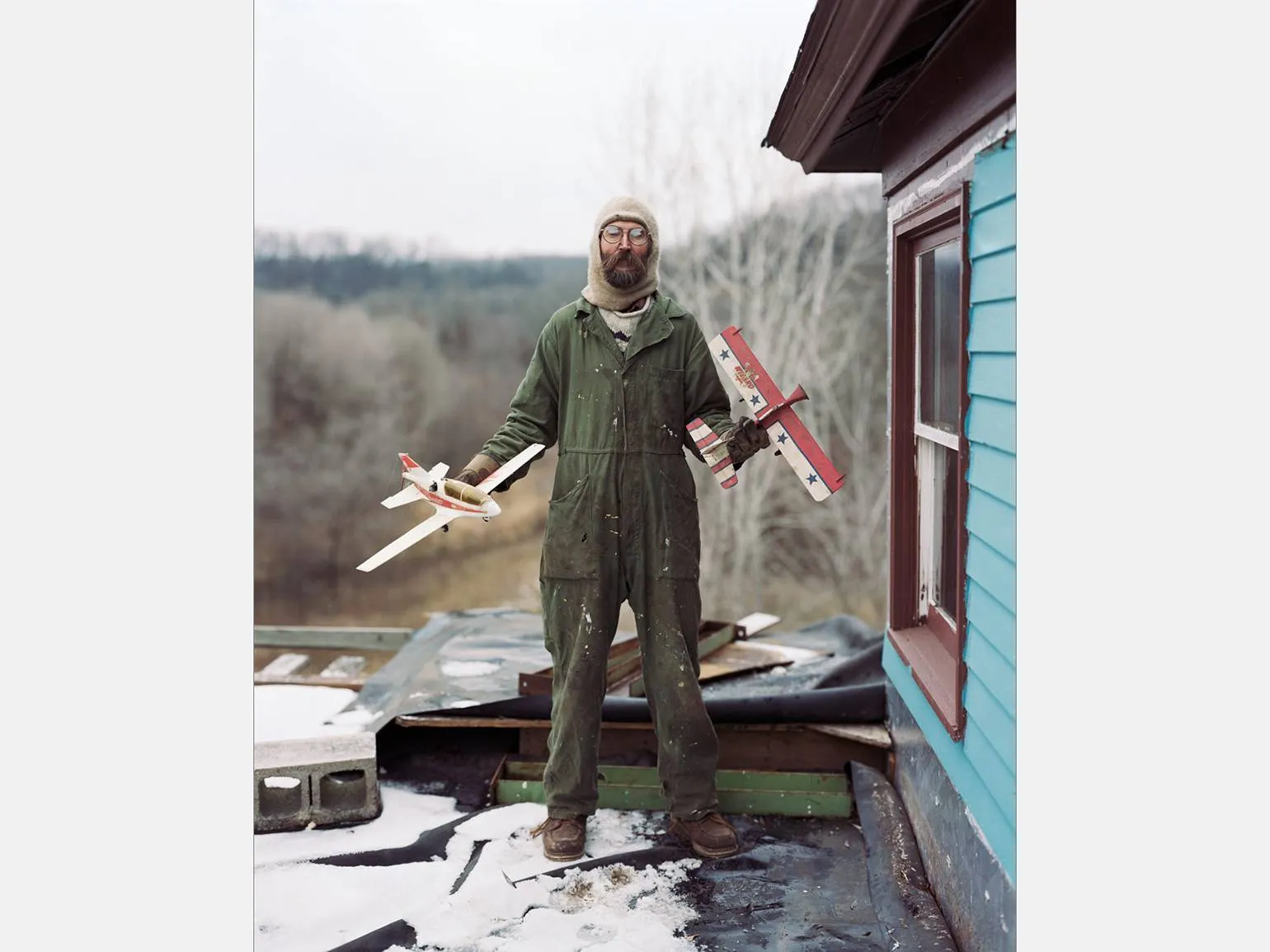
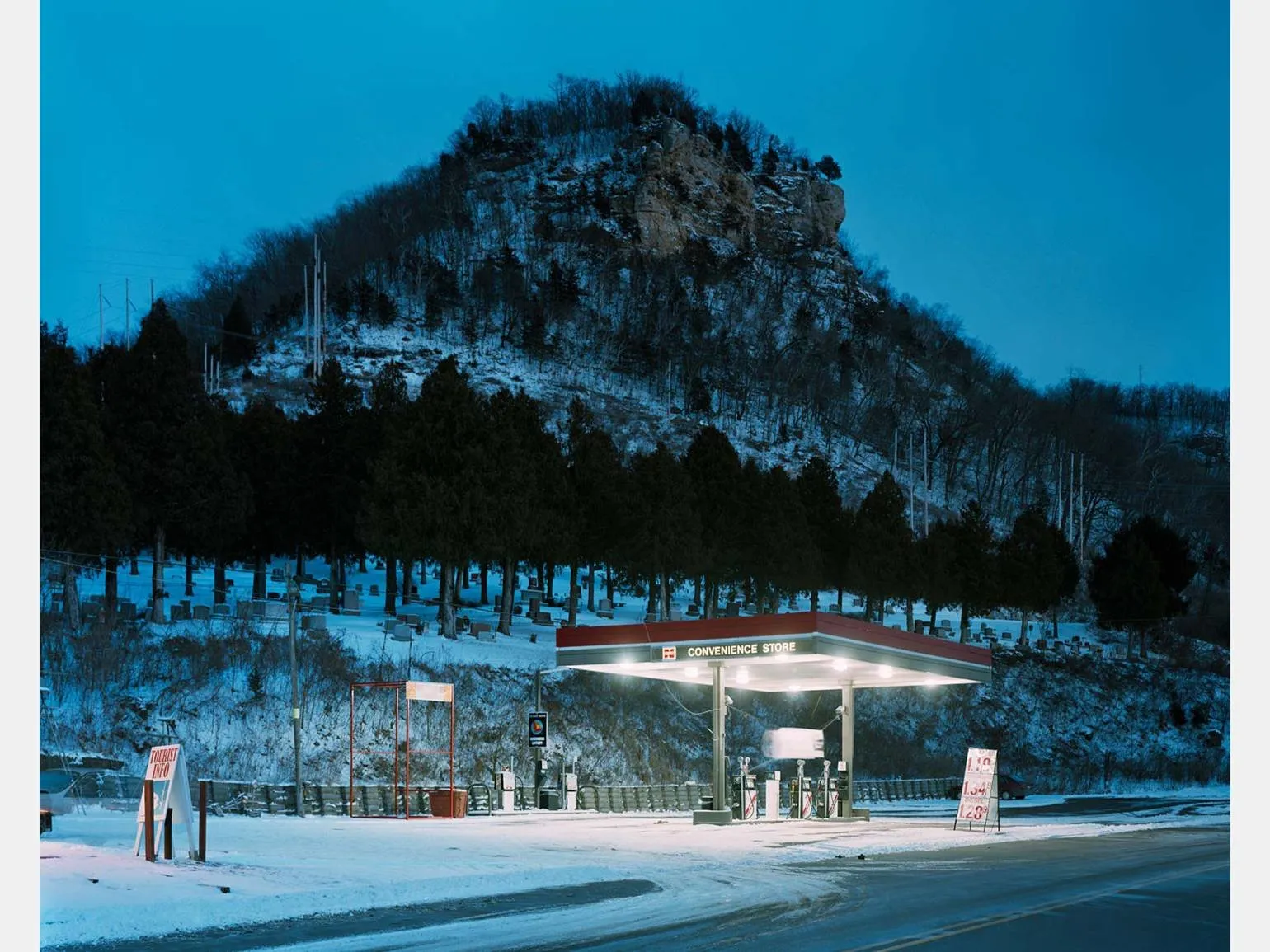
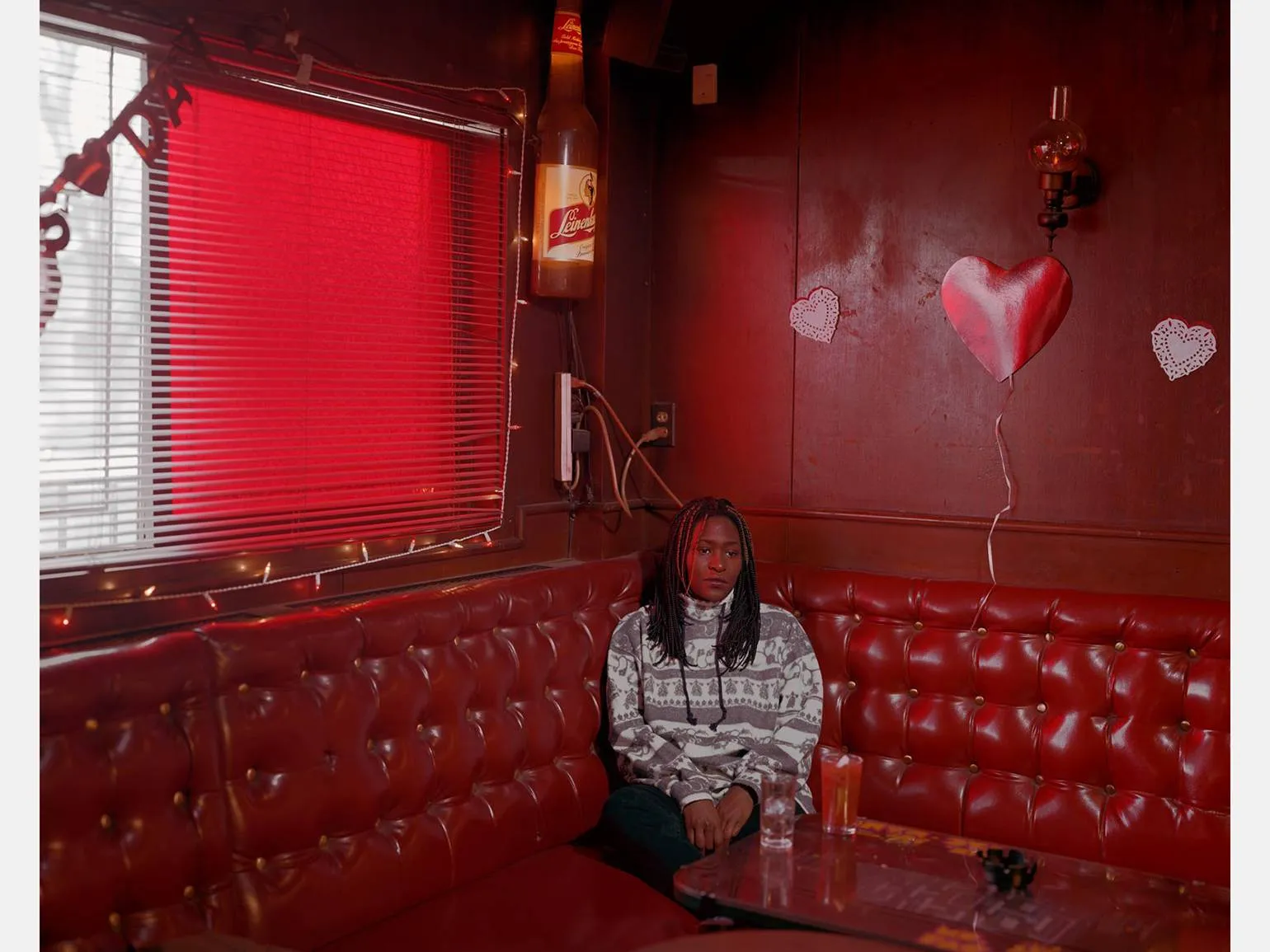
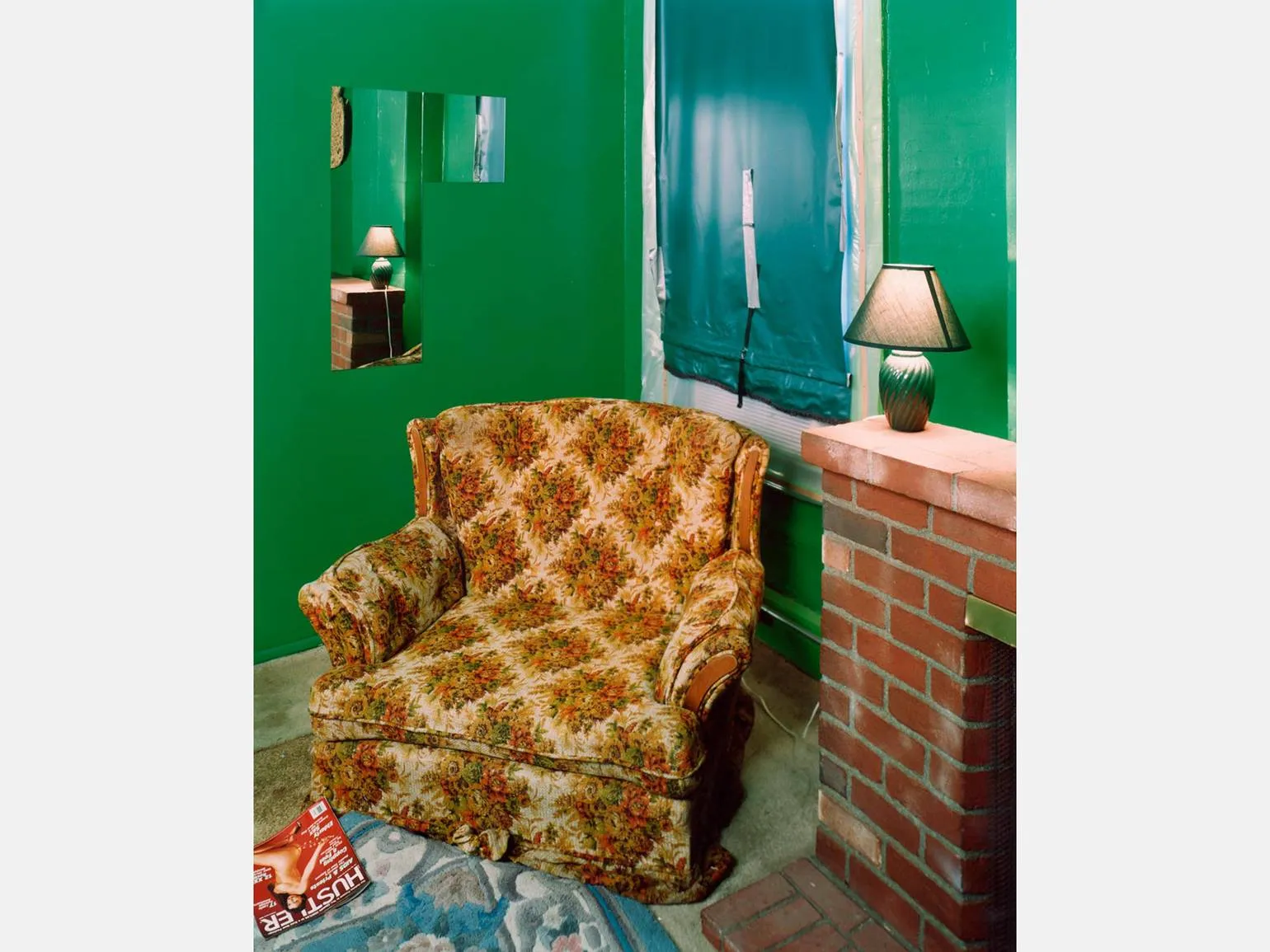
The dramaturgy and sequence of photographs play a key role in the book, creating a thoughtful and gradually immersing the reader in the melancholic atmosphere of this place. Despite their apparent simplicity, Soth's works possess a profound narrative that draws viewers in. Her dispassionate style allows for a deeper exploration of each image, revealing hidden layers of meaning and provoking reflection. The books of conceptual artist Sophie Call deserve special attention. One of her most famous works is "Suite Vénitienne," published in 1980. In this book, Call describes how she pursued a man she met at a party in Paris. Following him to Venice, she documented his daily activities without his knowledge. The main theme of her work is voyeurism and the exploration of the boundaries between public and private life, which makes her work relevant in the context of contemporary discussions about personal privacy and surveillance.
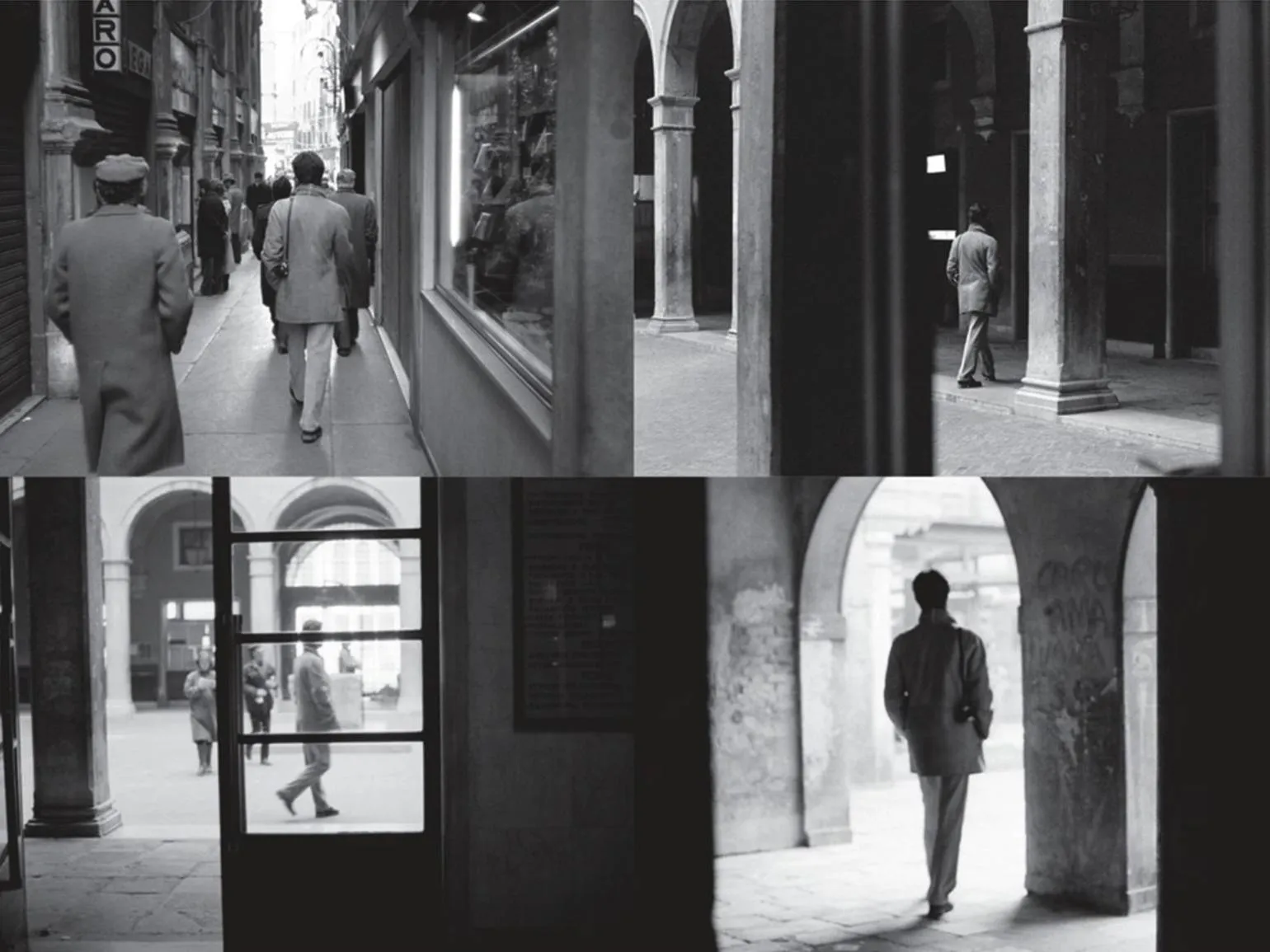
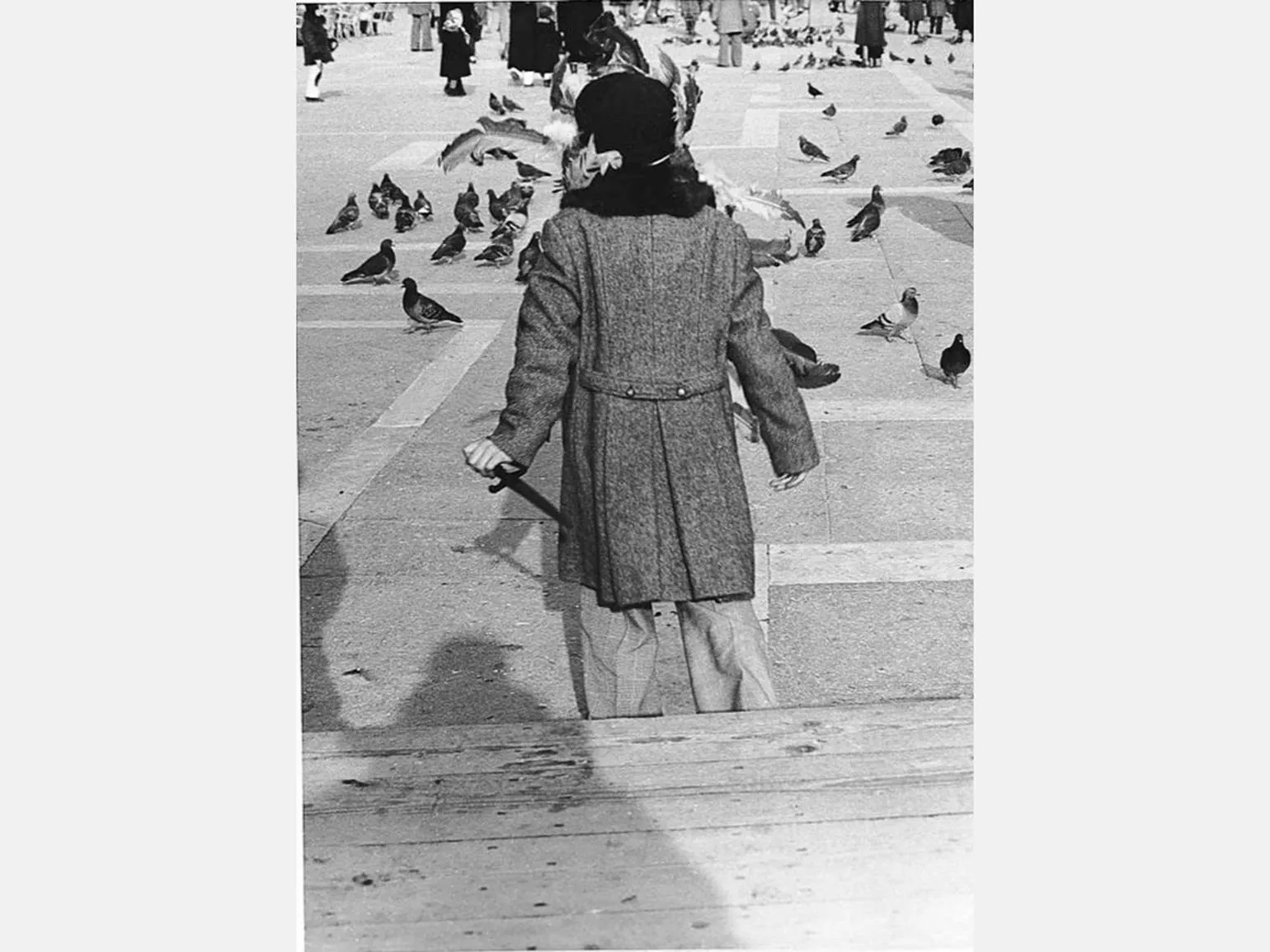
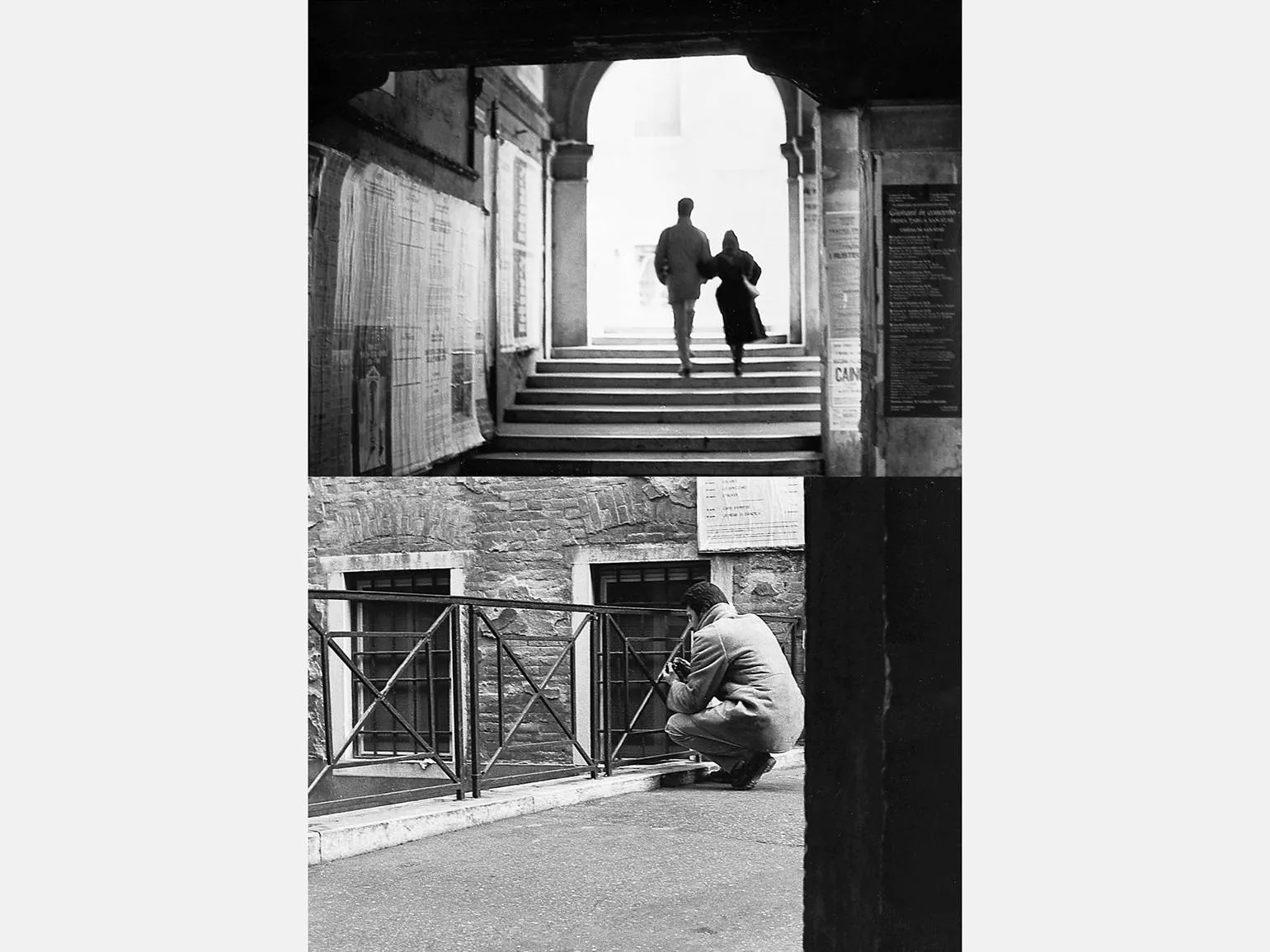
For the "Take Care of Yourself" project, launched in 2007, Sophie Calle asked 107 women of various professions to interpret a breakup letter she had received. This project showcases each participant's unique perspectives and personal experiences, combining textual analysis, performance, and visual art. Calle often uses multiple media to deeply explore complex emotional states. The significance of her work lies not only in the ideological and conceptual content, but also in the way she uses the photobook as a unique artistic medium, which makes her work particularly relevant and multifaceted.
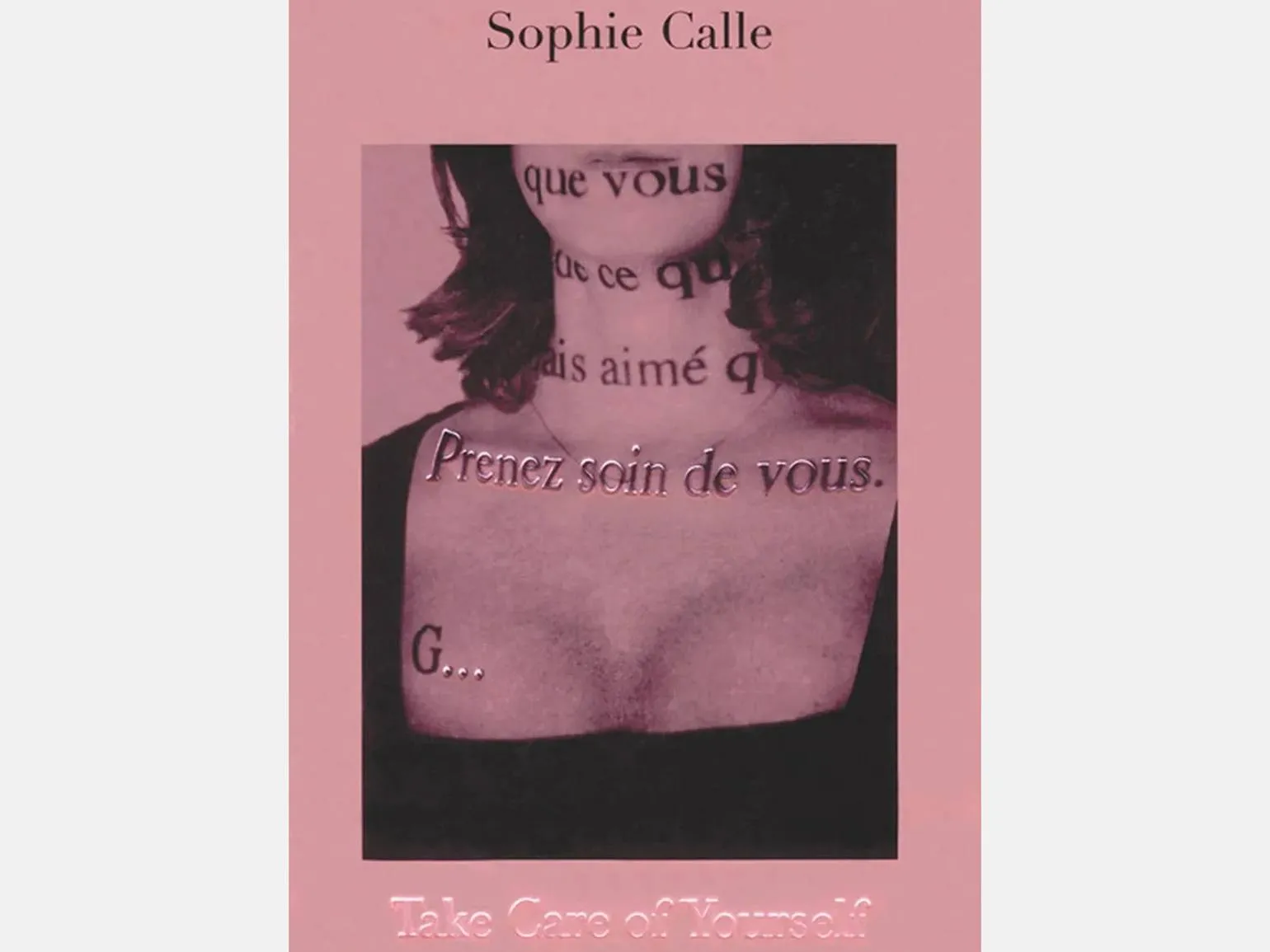
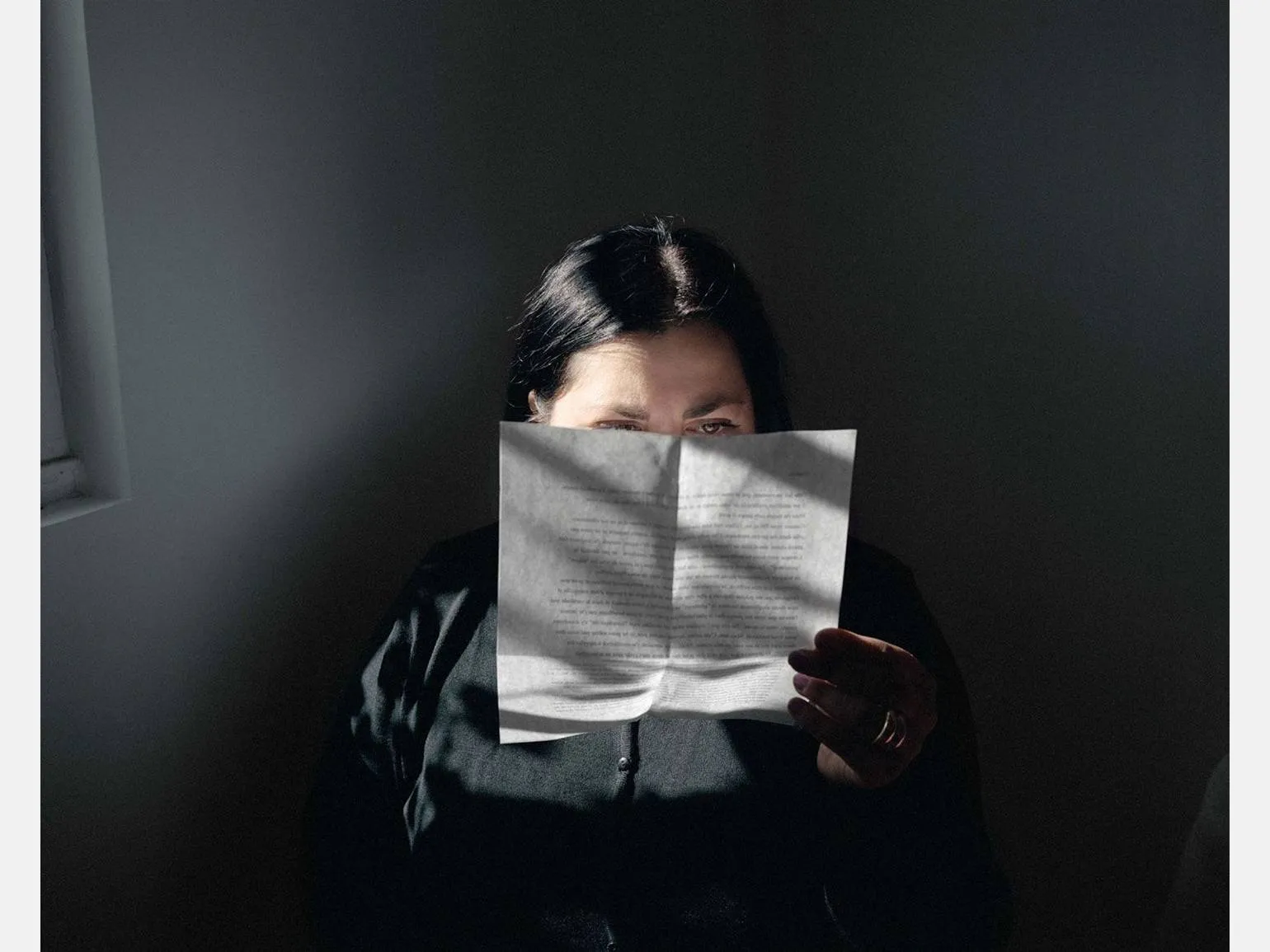
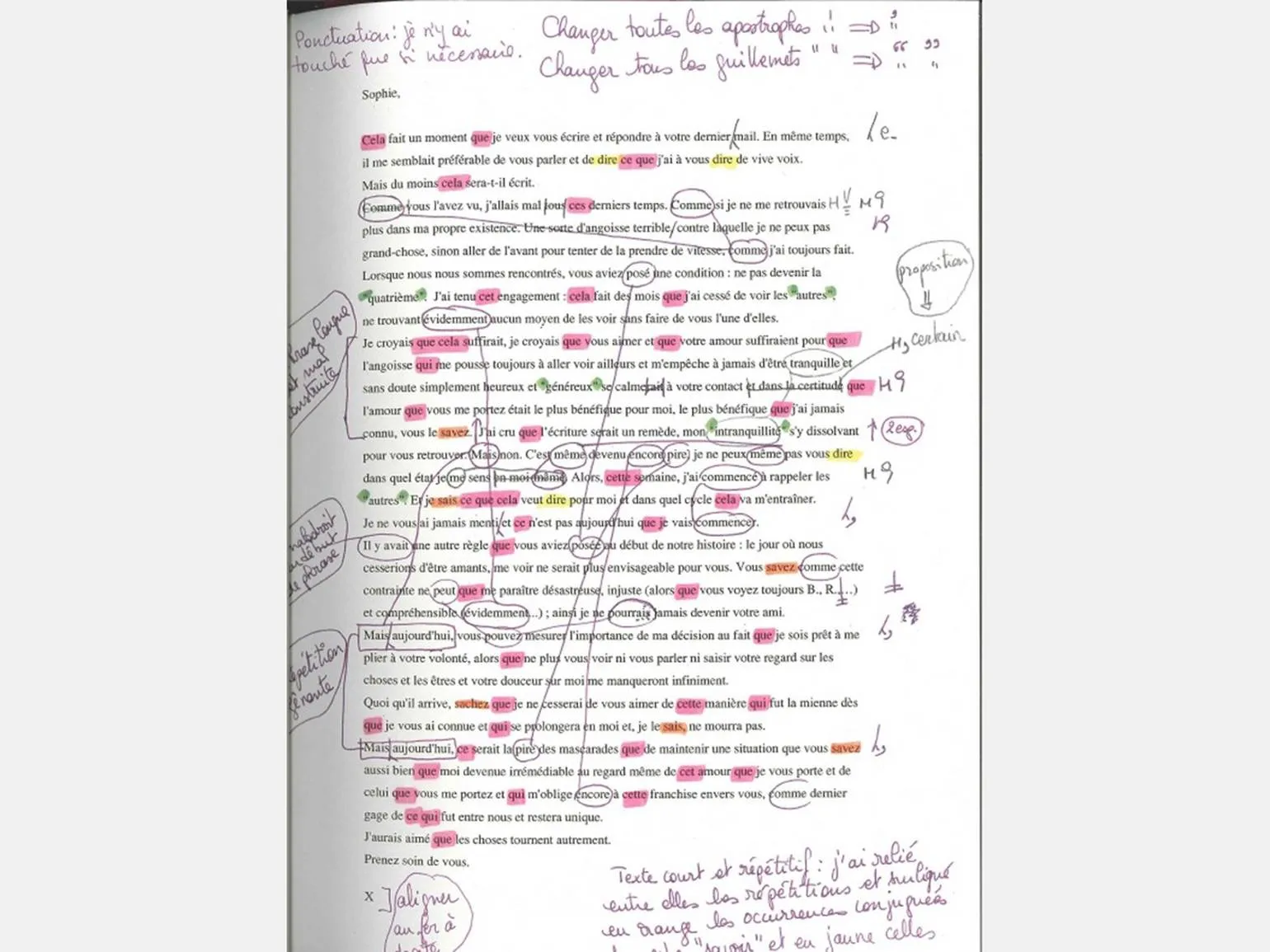
These photobooks, like many others in this genre, adhere to the classic structure in which the content plays the main role. Important elements of a photo story include the project's concept, the sequence of images, as well as a minimalist design and uniform layout that do not distract the viewer from the author's main idea. This approach allows for a deeper immersion in the ideas and emotions contained in each image and creates a harmonious perception of the visual material.
A photo book can take on a variety of formats and styles. Innovative and experimental solutions exist that expand the traditional concept of a photo book. These unique formats can include non-standard sizes, creative bindings, and unusual materials, allowing everyone to create a personalized and memorable product. The diversity of photo book formats opens up new opportunities for self-expression and creativity.
Photo book culture in Europe and the USA continues to actively develop. Festivals and fairs dedicated to this unique medium are held worldwide, and specialized photobook stores are also opening. The development of the genre is supported by competitions that recognize photo books that most fully reflect the concept of "integrity." Critics and industry publications regularly publish reviews and compile rankings of the best photobooks of the year, which promotes this format and attracts the attention of new authors and readers. Photobooks are becoming an important tool for artists and photographers, allowing them to express their ideas and concepts visually.
In Russia, photobook culture is actively developing, despite periodic surges of interest. You can get acquainted with this format at local festivals such as Nizina, Zherdyola, Photobookfest, and Razvorot, which promote samizdat and visual culture. The number of such events increases every year, and photographers present their work in printed editions. For example, in 2022, the Pennlab Gallery hosted the exhibition "Photobook: History, Document, Object," curated by artist Alla Mirovskaya. The exhibition featured projects exploring themes of memory and history, both personal and collective. The exhibition is also available in digital format, allowing a wider audience to become acquainted with the works and ideas of contemporary photographers.
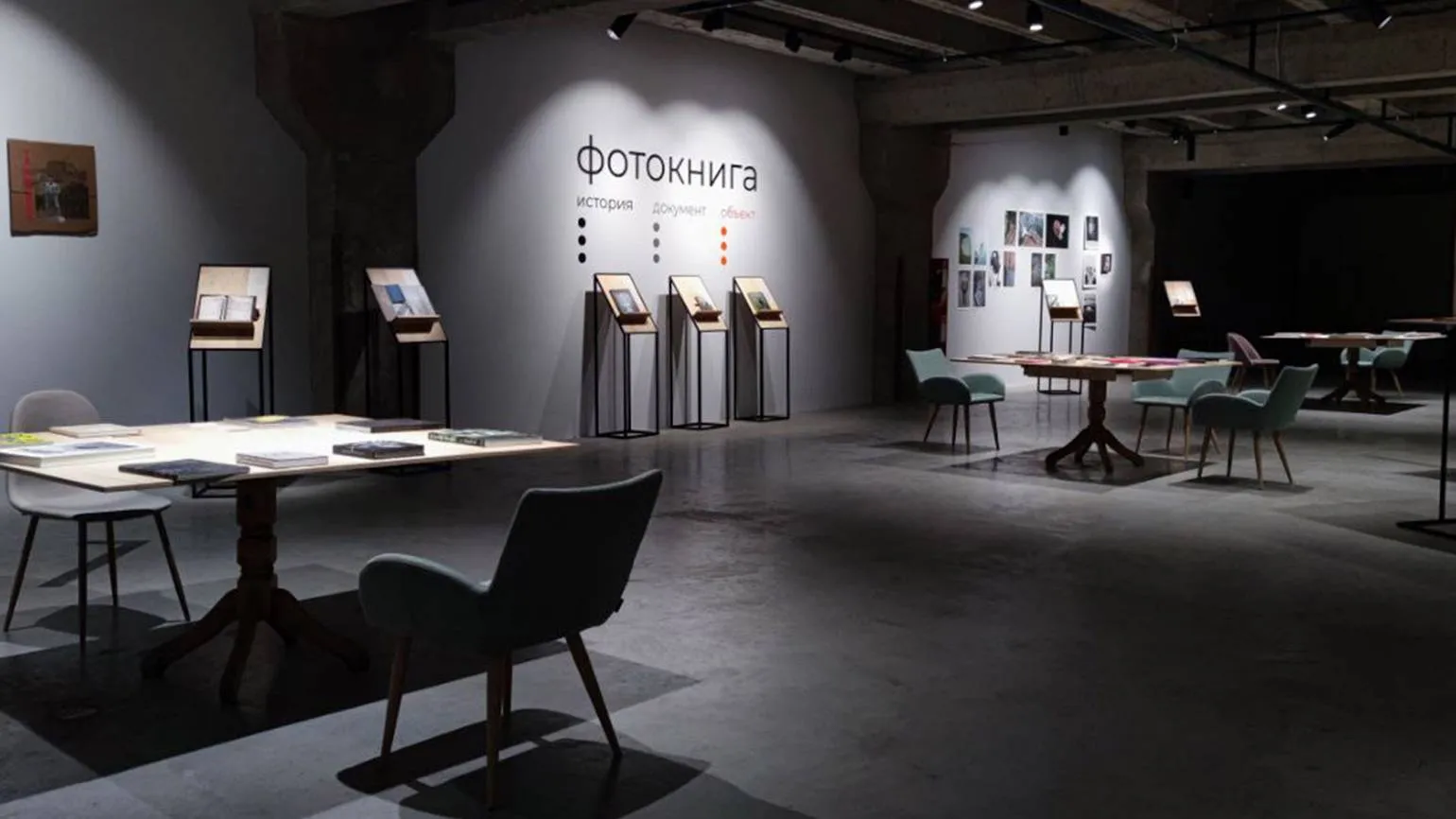
I would like to highlight several photo books in which form and content are beautifully combined. It is recommended to watch video presentations of these books, as it is difficult to fully understand their narrative with only a few photographs. Video presentations will help you better understand the atmosphere and ideas embedded in each work.
Alla Mirzai's book "Do You Remember Me? Sea, Take Me" is a touching story about the author's grandfather. In this work, the author explores complex relationships with loved ones, delving deeply into the memories of her grandfather. Through the prism of personal experiences and recollections, the reader can see how memories of the past influence the present. The book touches on themes of love, loss, and the connection between generations, making it relevant for a wide audience. Readers will not only enjoy the captivating plot but also reflect on the importance of family ties and memory in our lives.
When I was born, my grandfather no longer recognized his family and did not speak. Every day, he took walks around the house. My grandmother left notes with addresses in his coat pocket, hoping that someone would help him if he got lost. However, my grandfather always found these notes and ruthlessly threw them away.
When I asked what "Alzheimer's" was, I was told it was "water in the head." That warm day, he went outside for the first time since winter, wearing a jacket. He had a note in his pocket. Alzheimer's is more than just forgetfulness; it is a serious neurodegenerative disease that affects memory, thinking, and behavior. It requires attention and understanding from both loved ones and medical professionals.
A day later, he was found in a park located six kilometers from his home. The nameless man in a jacket was lying on the bank of a river, as if in a state of deep sleep.
Alla Mirzai's book is a profound study that immerses the reader in the world of human emotions and experiences. The author masterfully uses language to convey complex concepts related to the inner world of a person. This work explores important themes such as self-knowledge, personal growth, and interaction with the world around us.
Alla Mirzai shares her observations and insights, making the text not only informative but also inspiring. Readers can find helpful advice and practical recommendations to help them overcome life's challenges and develop their abilities.
This book is a valuable resource for those seeking a better understanding of themselves and others, as well as for finding ways to achieve harmony and satisfaction in life. Reading the work of Alla Mirzai will enrich your inner world and help you find answers to important questions.
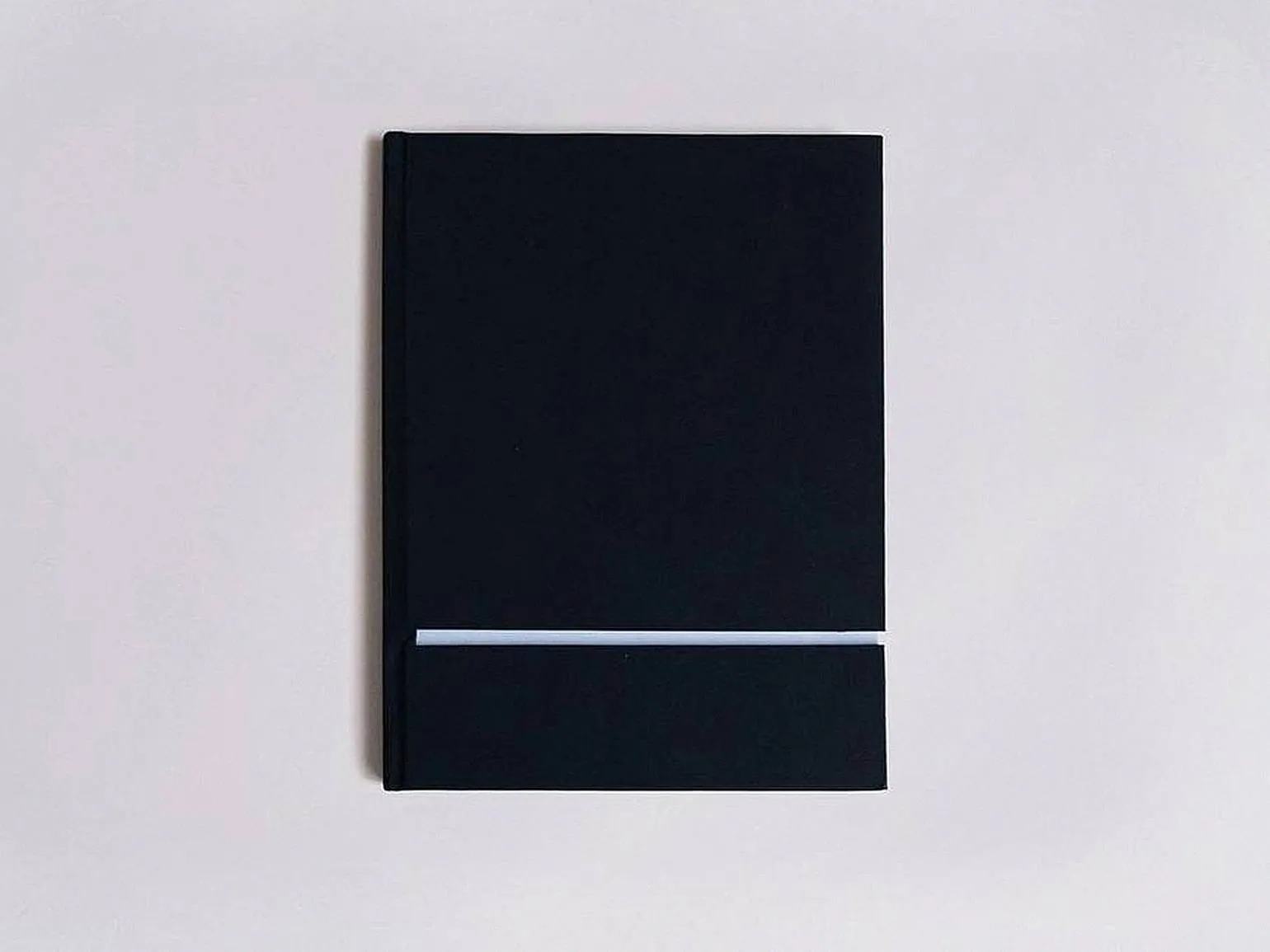
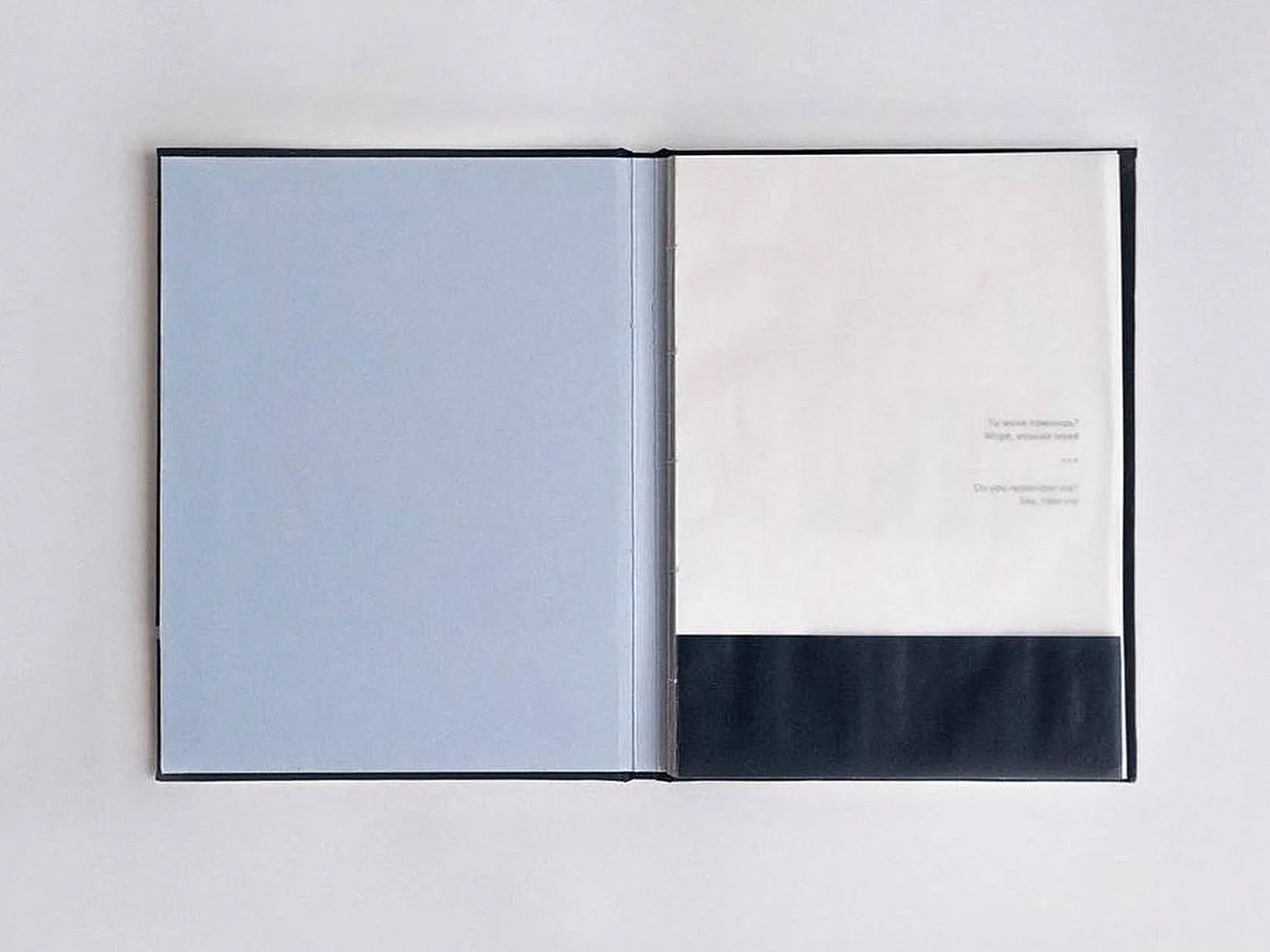
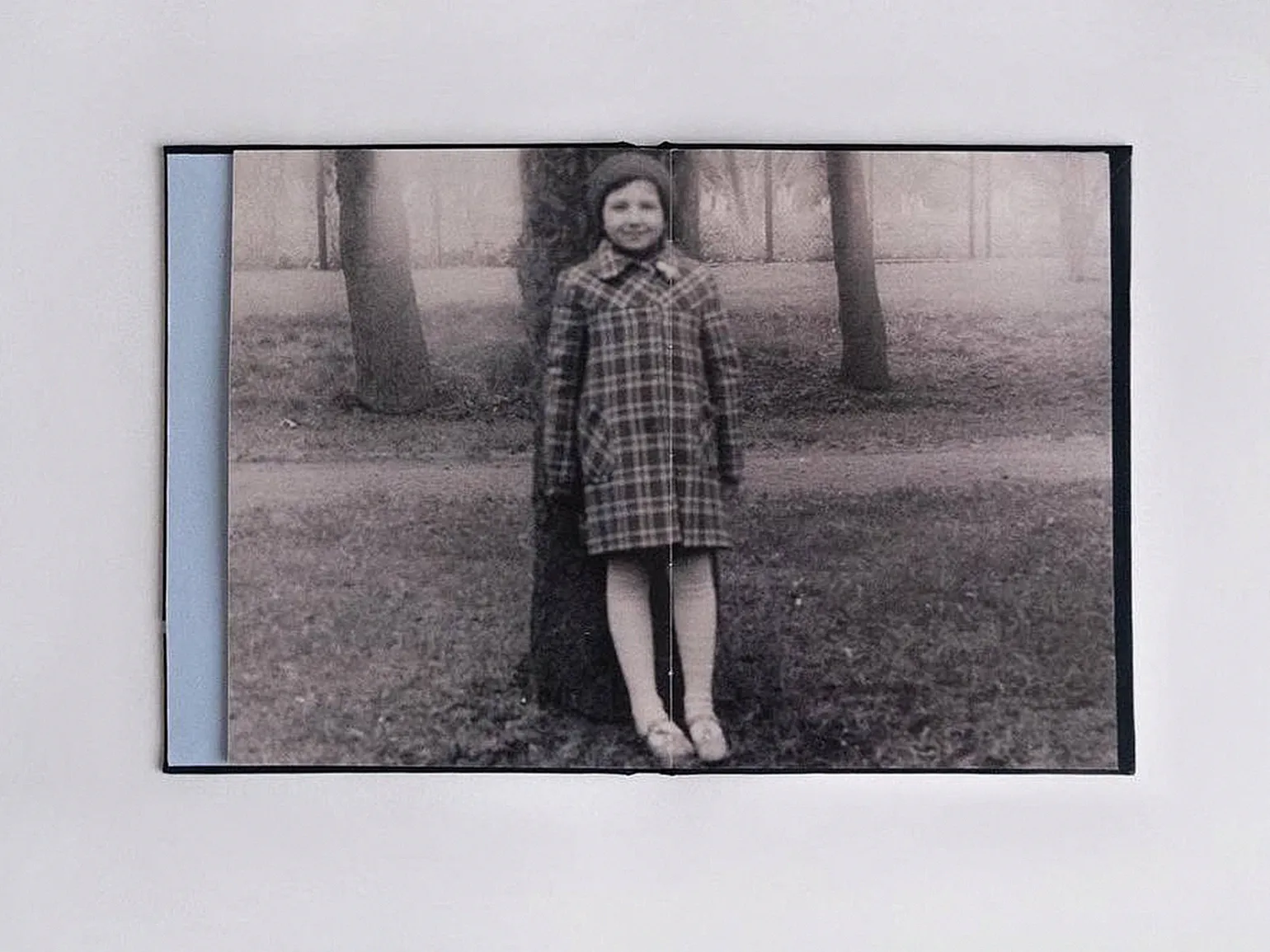
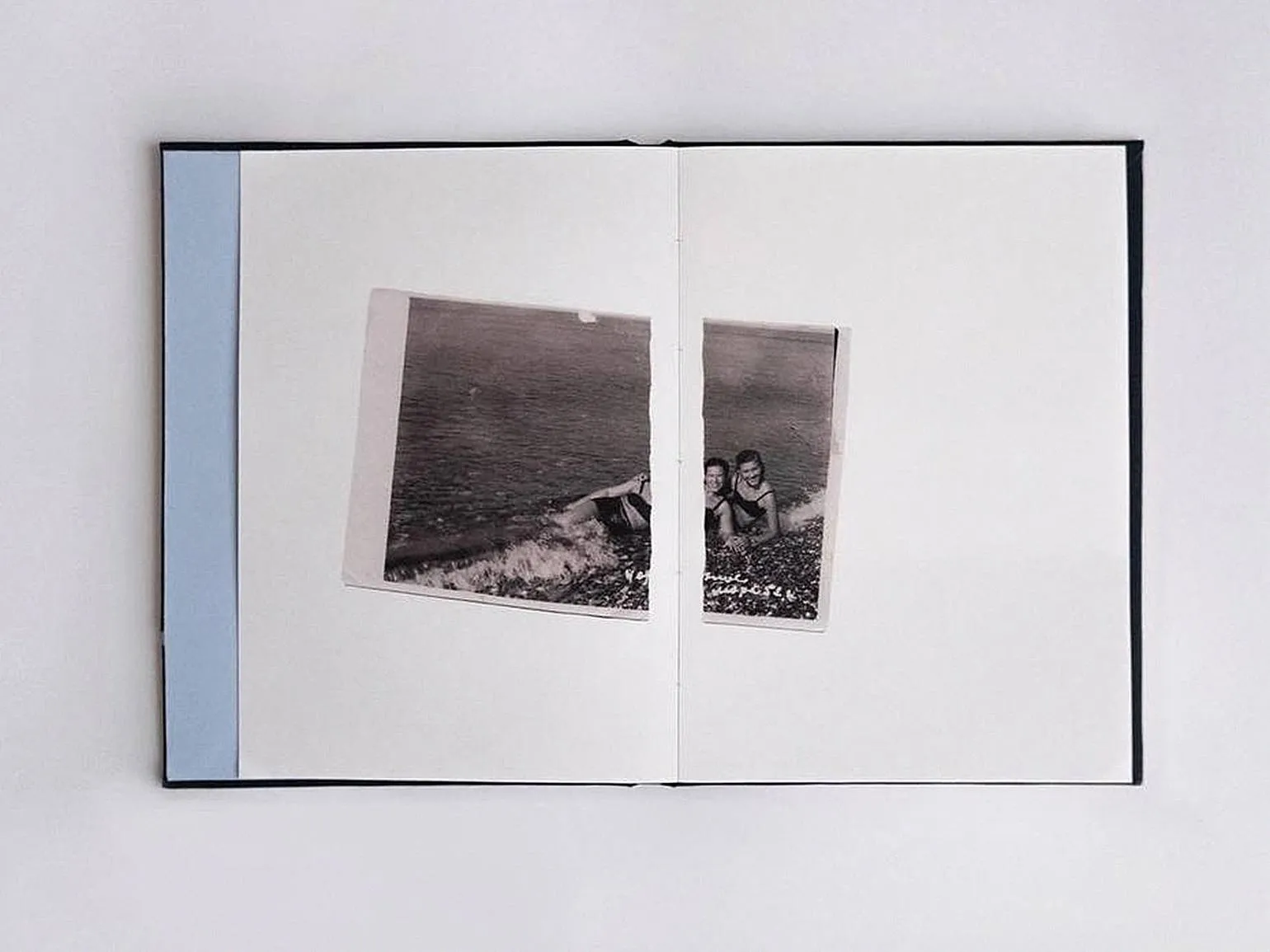
"Girl Opposite the Lake" by Elena Kholkina is a visual fairy tale composed of three types of photographic materials. The main idea of the project is the cyclical nature of historical processes and how social problems are reflected in personal stories. The author's childhood memories, covering the turbulent 1980s and 1990s, flow into a fairy-tale reality thanks to slides from the family archive made by her parents. The book juxtaposes childhood with a contemporary photo diary, reminiscent of the 1980s and 1990s in its mood and atmosphere. The colorful narrative contrasts with Lena's somber images, reflecting her vision as a visual artist. The book's design is inspired by the color palette of Andrei Tarkovsky's films and the cinematic narrative style. The project also uses the image of a train, borrowed from the books of Viktor Pelevin. The images in the layout are divided center and close to the edges of the pages, creating the effect of viewing the world from the window of a moving train. This project explores the interaction of the personal and the public, and shows how history shapes our perception of reality.
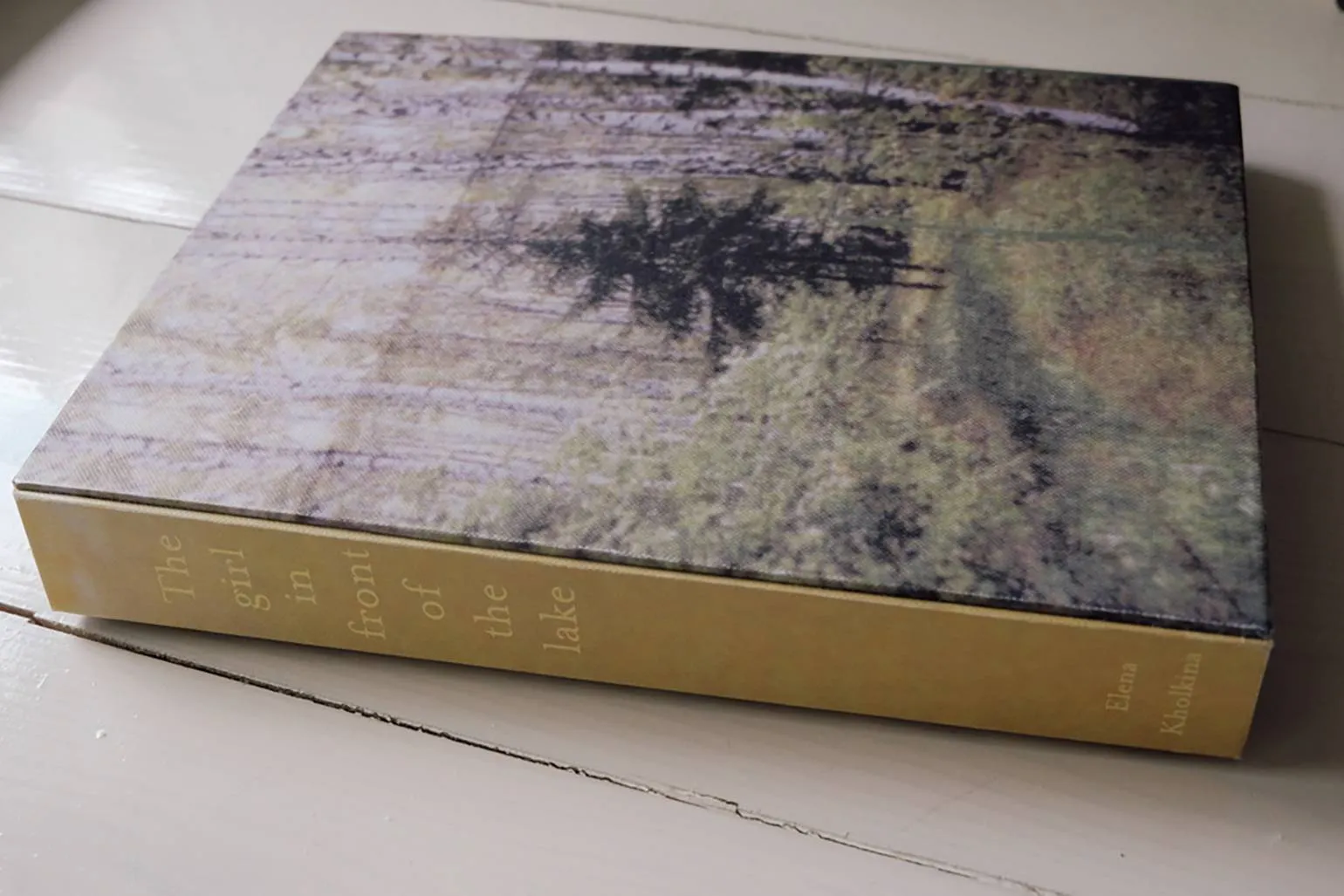
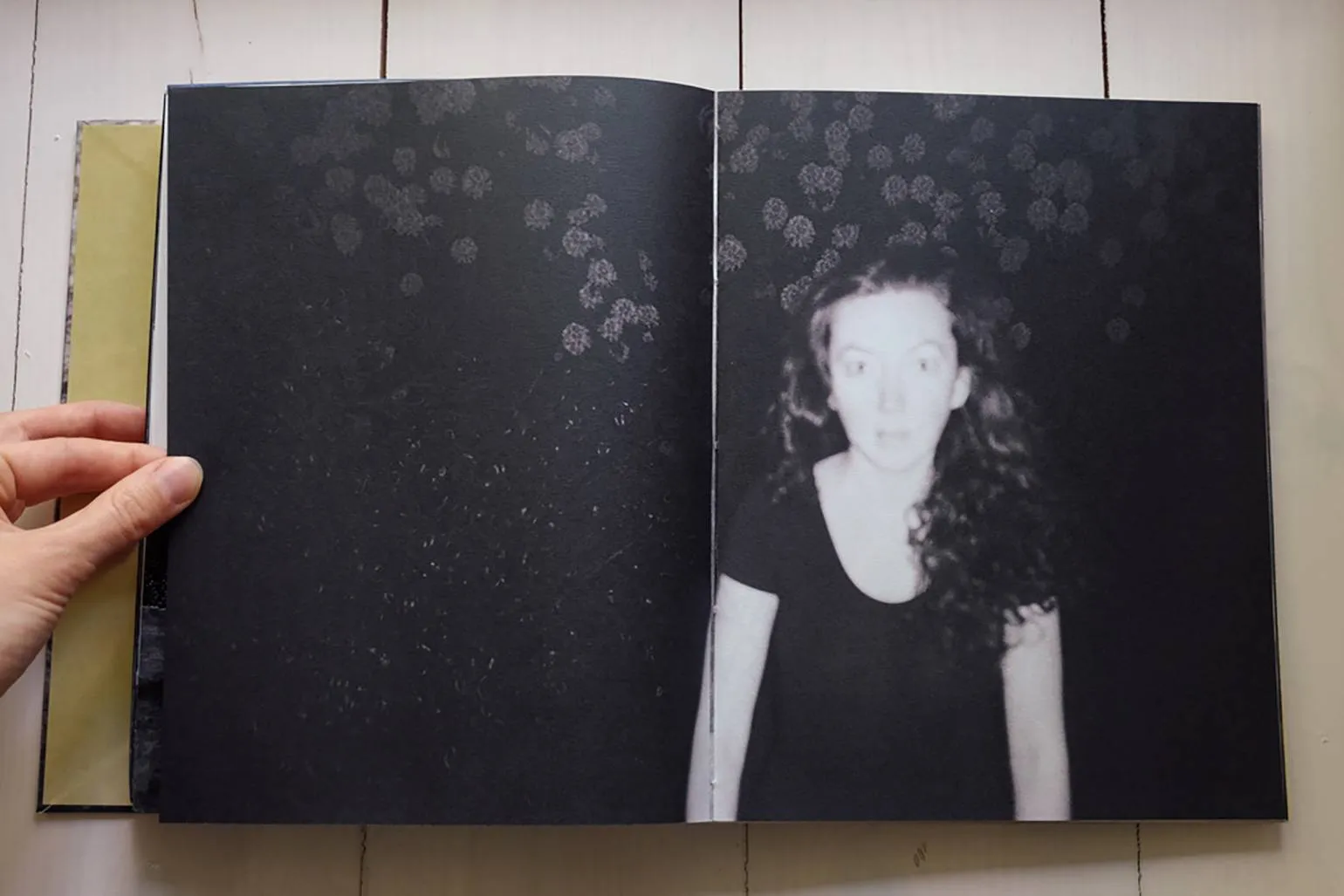
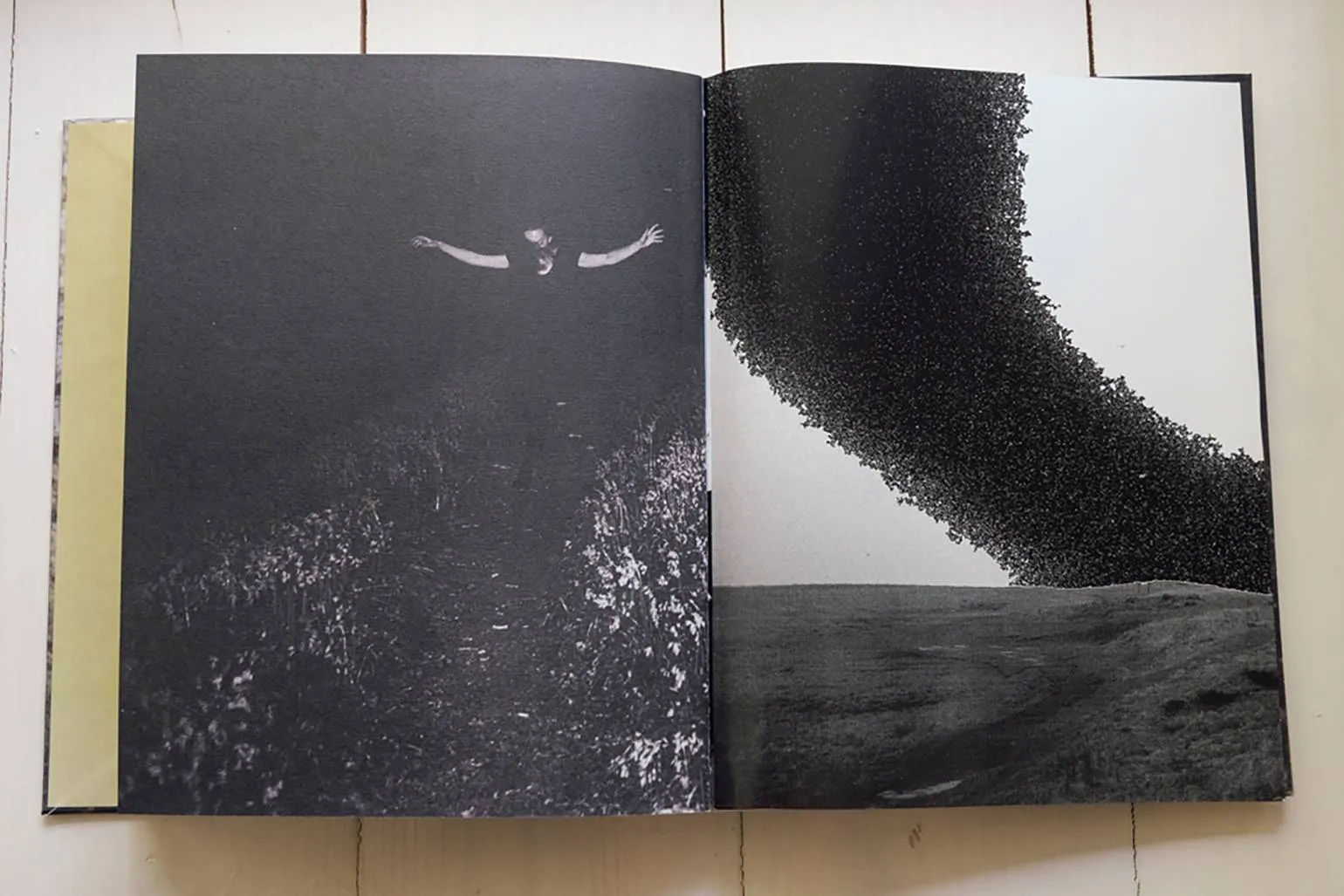
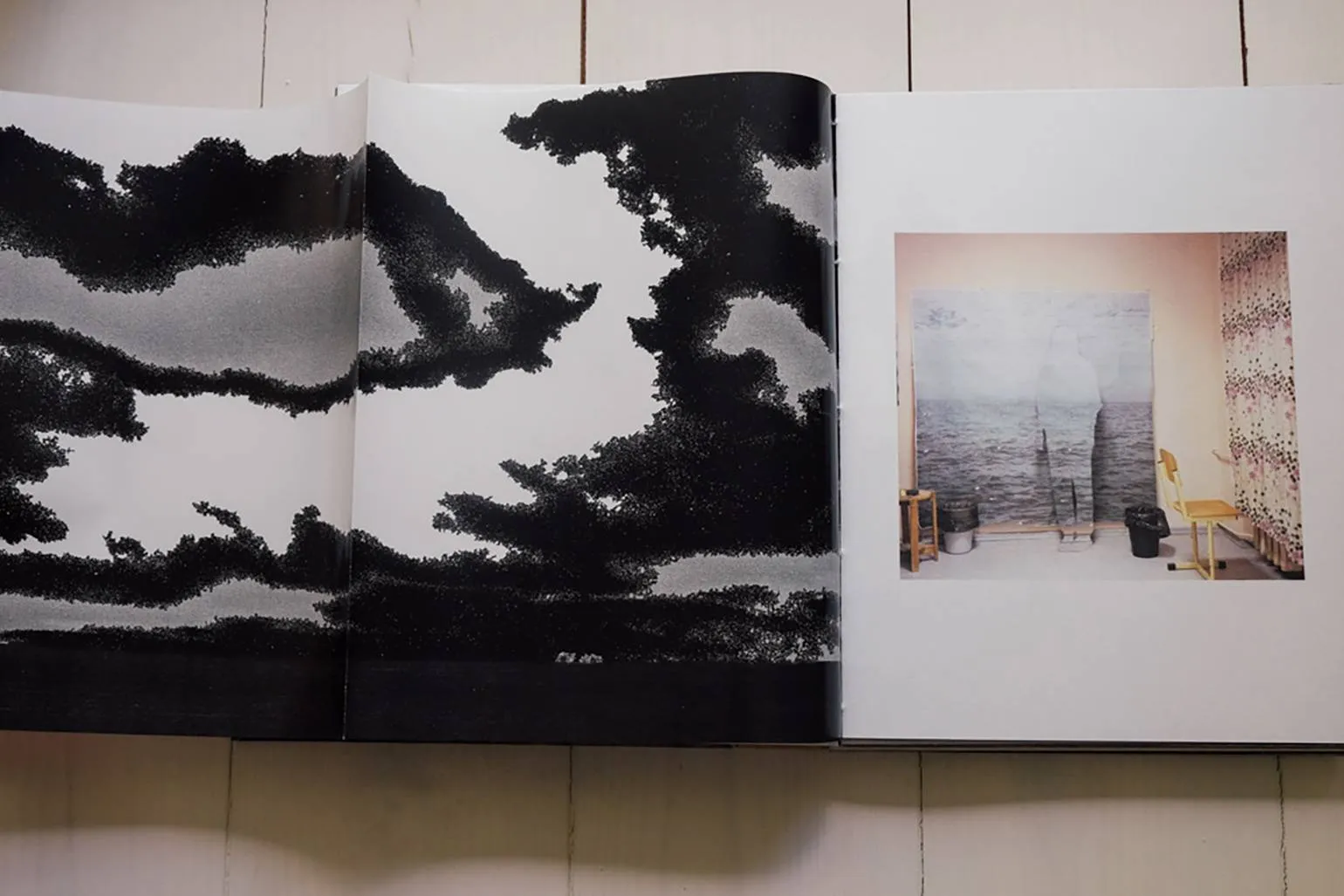
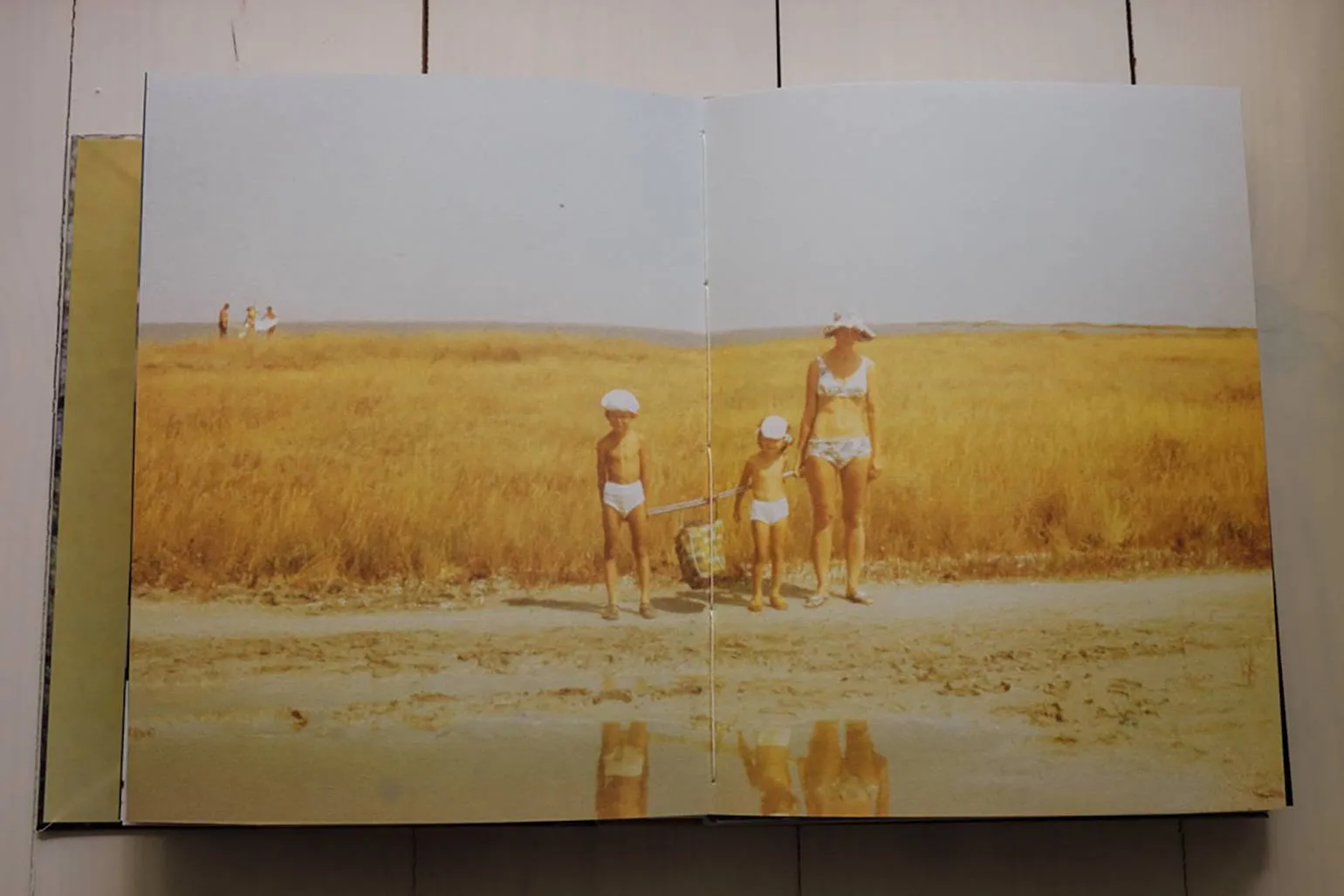
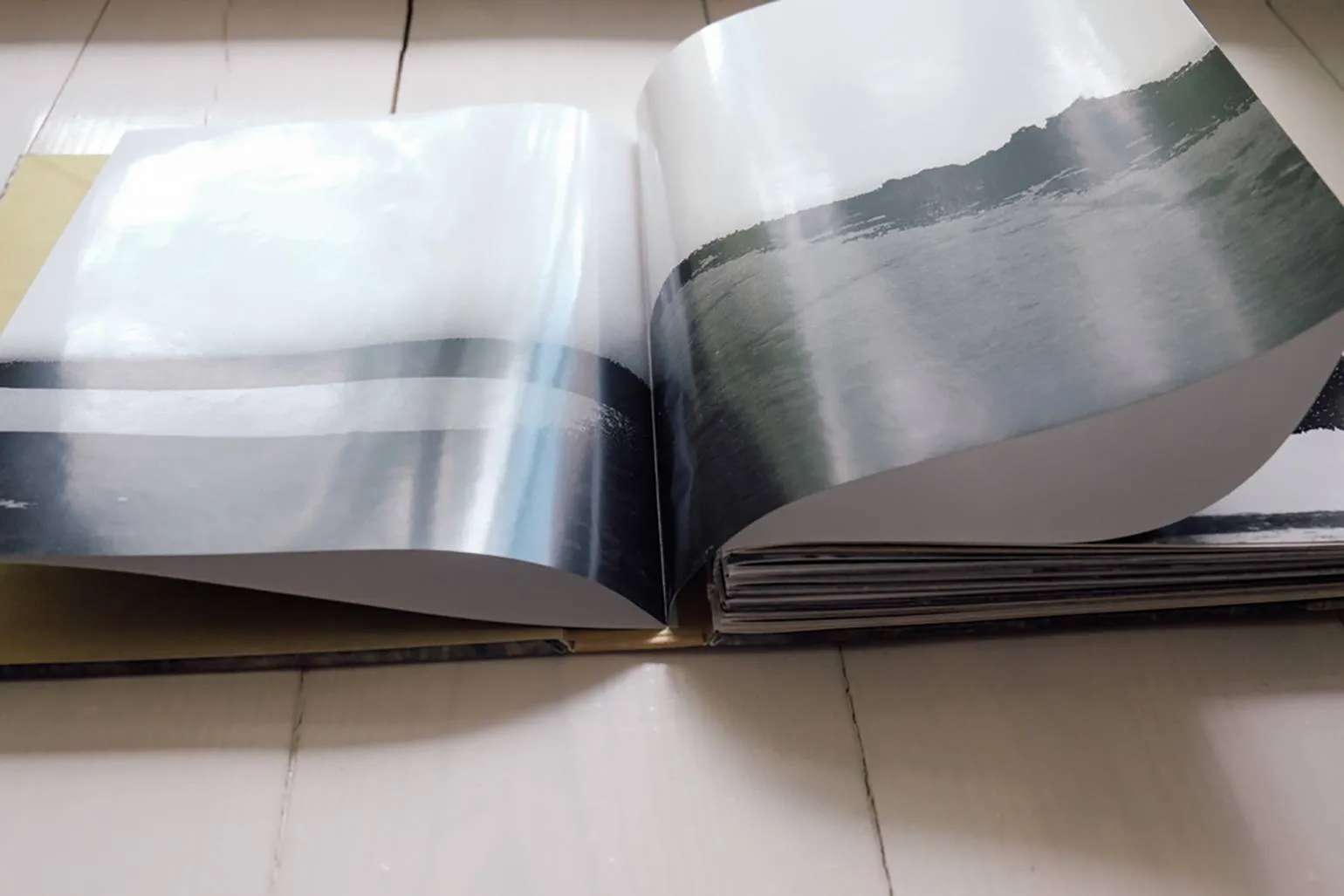
Елена создала свою книгу на воркшопе Reminders Photography Stronghold, который предназначен для фотографов, стремящихся оформить свои проекты в книжном формате. Участники со всего мира приезжают в Токио, чтобы пройти интенсивный курс по созданию фотокниг. В числе кураторов воркшопа — Кадзума Обара, один из ведущих авторов в области фотокниг, чьи работы, включая знаменитую Silent Histories, получили международное признание.
В данной фотокниге автор рассказывает истории шести человек, которые пережили бомбардировки во время Второй мировой войны, и описывает трудности, с которыми им пришлось столкнуться в послевоенной Японии. В издании гармонично сочетаются современные фотографии Кадзумы Обары с архивными и личными снимками, предоставленными выжившими. Это сопоставление создает убедительное повествование, которое соединяет исторический контекст с современностью. Дизайн книги напоминает семейный альбом, в котором присутствуют рукописные заметки и вырезки. Кадзума Обара также включает факсимильные копии документов, что придает рассказу дополнительную глубину и достоверность. Эта фотокнига является важным вкладом в сохранение памяти о событиях Второй мировой войны и их влиянии на жизни людей в Японии.
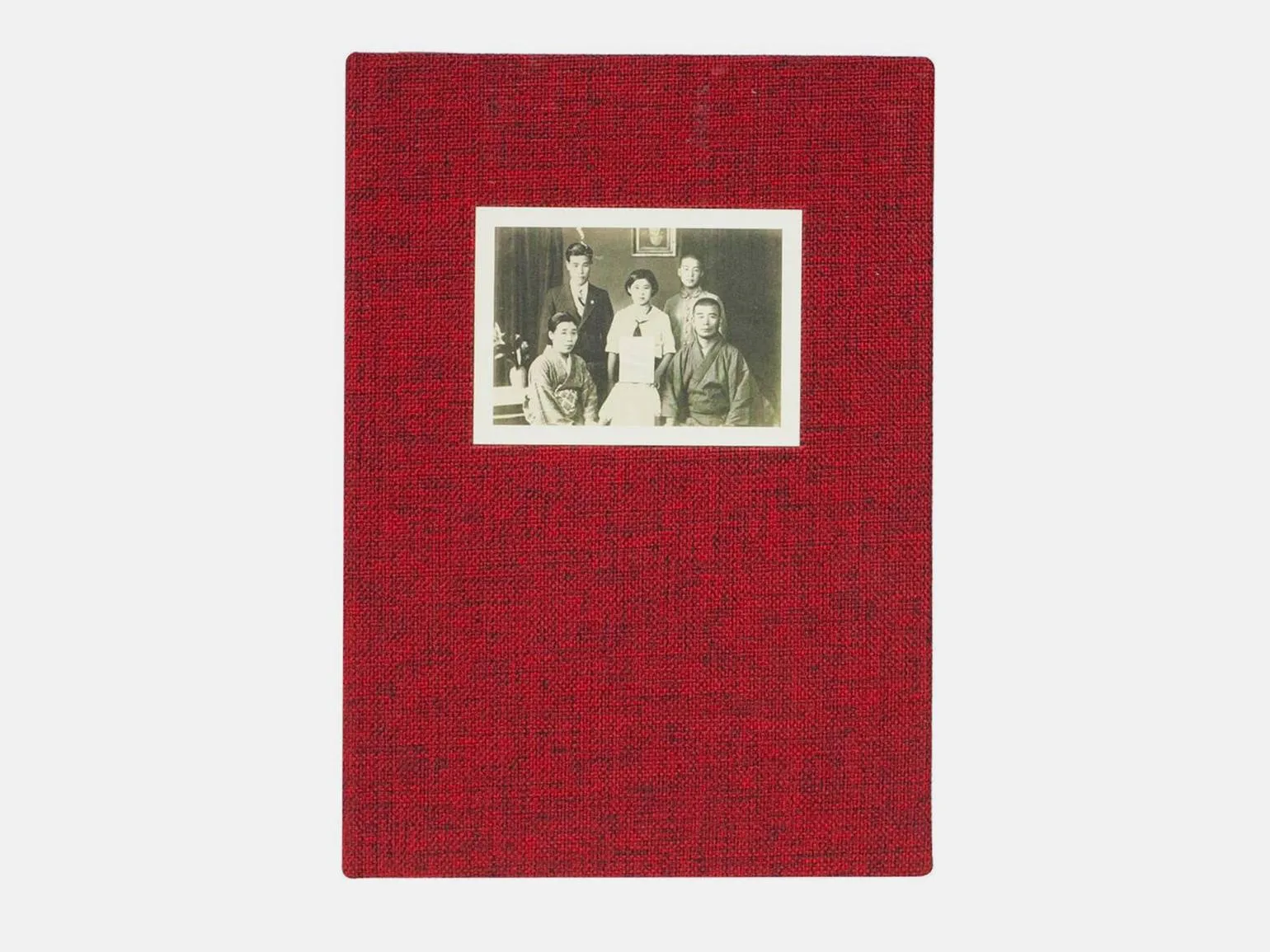
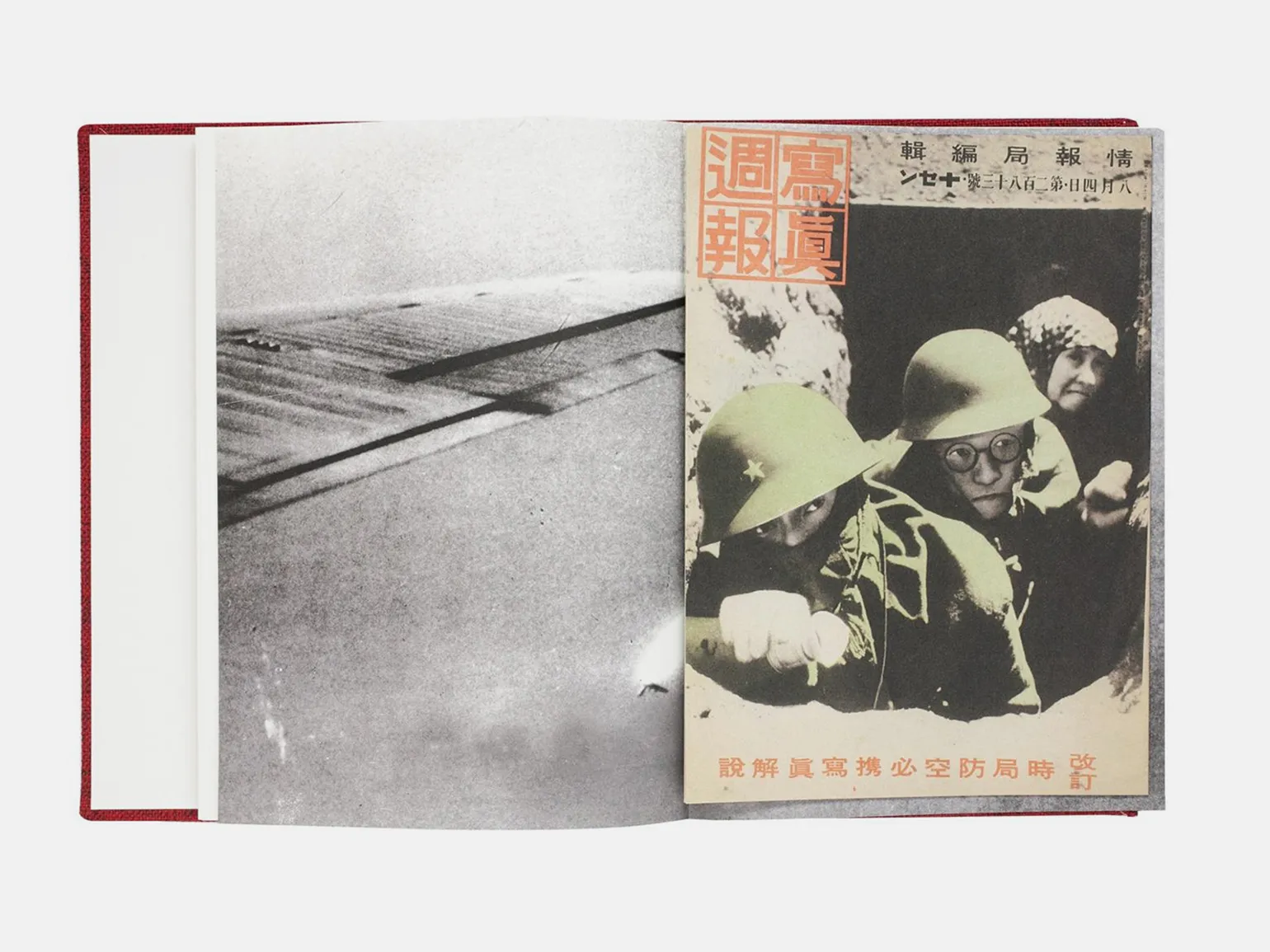
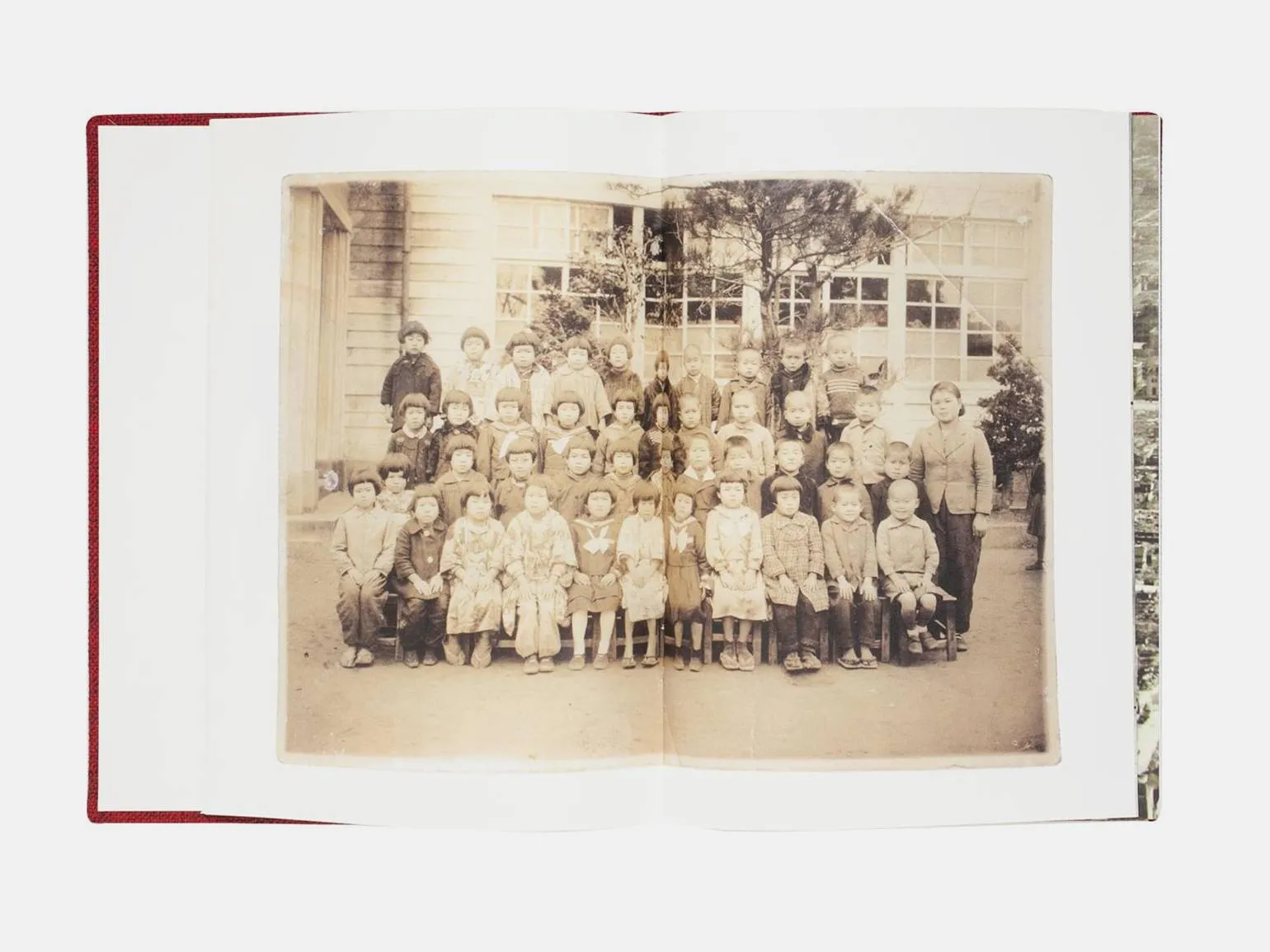
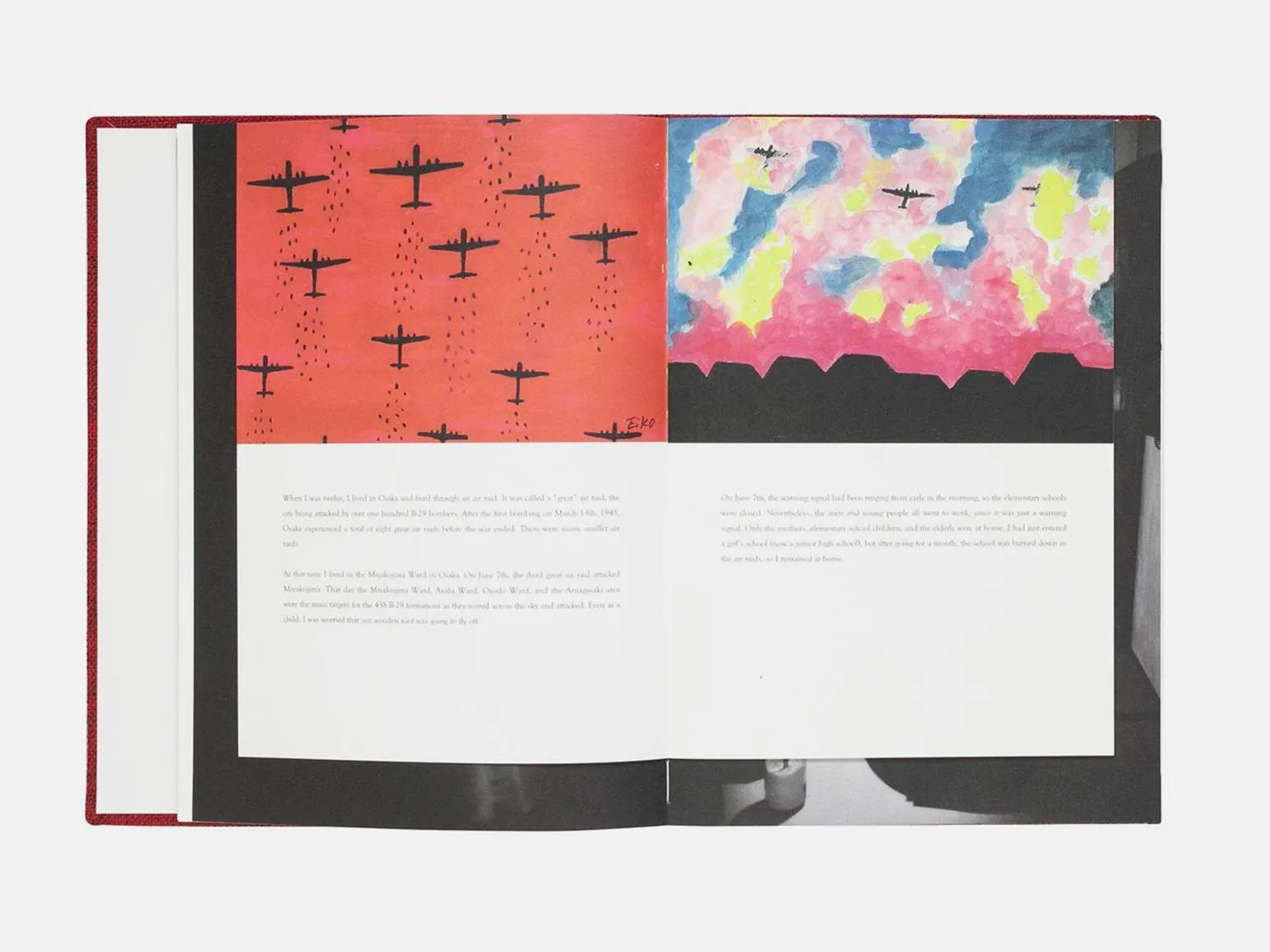
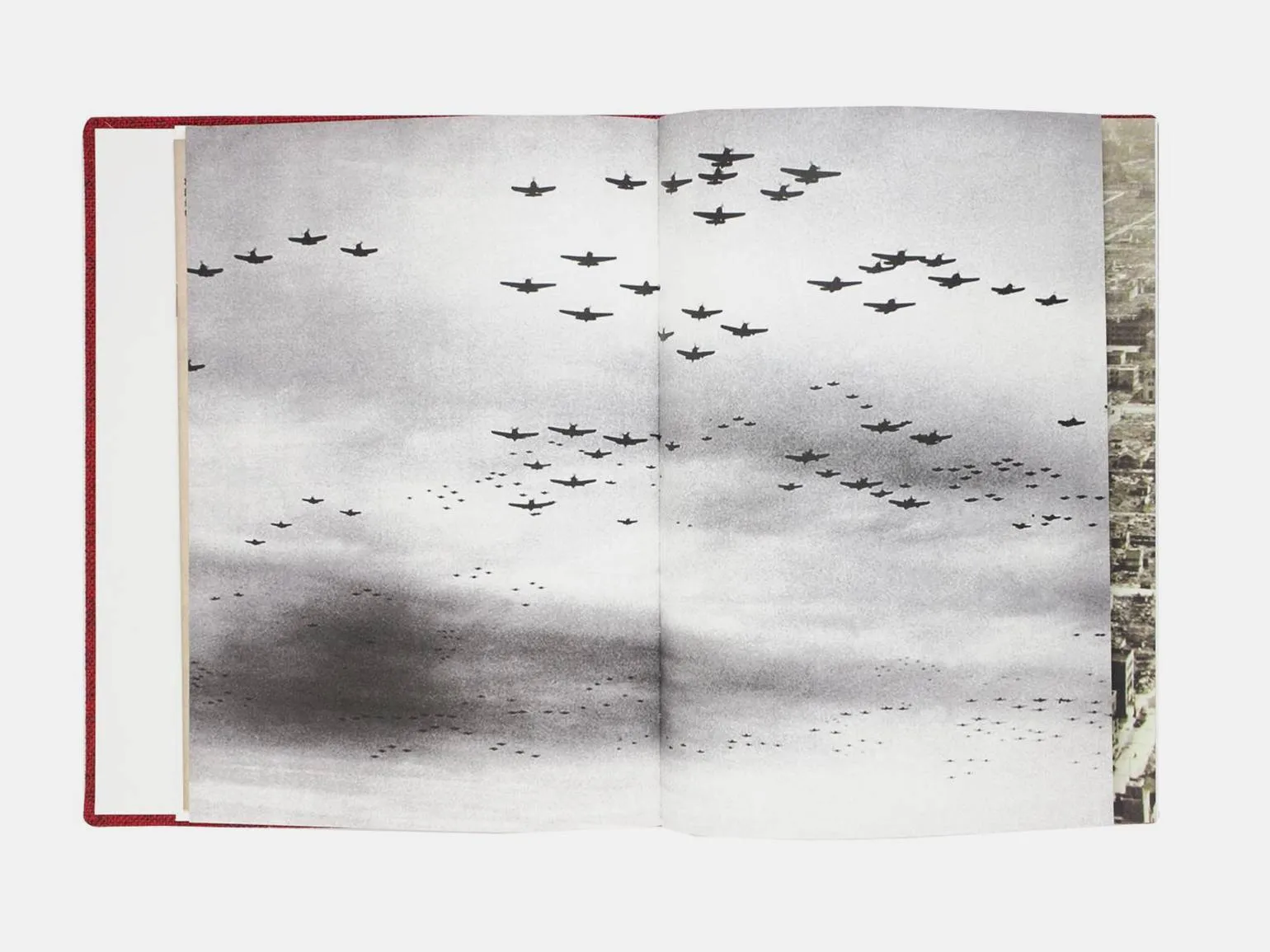
Книги, созданные Кадзумой и студентами воркшопа, существенно отличаются от традиционных фотоальбомов. Они насыщены многослойными подтекстами, как на содержательном уровне, так и в их визуальной форме, напоминающей книги художников. Хотя книги печатаются в типографиях, они включают множество элементов ручной работы, таких как вставки, вкладыши и другие детали, которые обогащают фотопроект. Таким образом, фотопроект и форма книги становятся неразрывными, создавая уникальный художественный опыт.
Useful resources for your use:
- Photobookstore is an online photobook store with a large collection - from classic editions to the latest releases. They also have video presentations of photobooks, which is very convenient.
- Tipi Bookshop is an offline and online photobook store in Brussels. The creators have an entire YouTube channel with a large number of video photobooks.
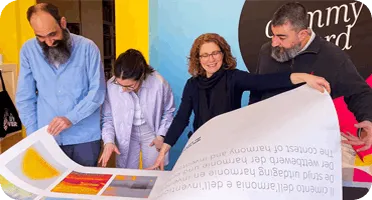
- Dummy Award is an annual competition for rough photobooks. The organizers post a shortlist of 50 photobooks on YouTube.
- Photobook reviews by Olga Bubich, an artist, curator, and critic from Russia.
- Collector Daily magazine with book reviews from curators and collectors from all over the world.
- Mack Publishing House is one of the largest photobook publishers. We have everything from retrospectives to projects by contemporary artists.
- List of photobook publishers worldwide.
Artist's Book
An artist's book is no less a popular format for presenting projects than a photobook. Unlike traditional printed publications, artist's books are hand-created by the author and are unique works of art. These works are often released in limited editions or as single copies, which emphasizes their exclusivity. Minimal print runs and hand-made production are the key characteristics that distinguish artist's books from other formats. This approach allows authors to create not only visually attractive but also conceptually profound works, making them interesting for collectors and connoisseurs of contemporary art.
Artist's books have a unique design, often incorporating a variety of decorative elements. These publications utilize unconventional materials, as well as original binding and page layout techniques. This allows them to move beyond traditional photobooks and zines, creating new forms of visual art. These books become not just information carriers but also works of art in their own right, attracting the attention of collectors and connoisseurs of contemporary design.
In many artist books, text and images are harmoniously combined, creating a holistic experience. This interaction often becomes a key element of the narrative concept. The tactile sensation of handling and interacting with the book plays a significant role for artist book authors. Physical interaction can deepen the viewer's emotional connection with the work, enhancing their perception and understanding of the art.
Unique artist books are highly sought after by collectors, making their average price significantly higher than that of mass-produced photo books. These publications attract attention with their originality and exclusivity, confirming their value in the art market. Investing in such books can be not only an interesting hobby but also a profitable investment.
The artist's book has deep historical roots, dating back to the Middle Ages. Illuminated manuscripts created by monks can be considered the precursors of modern artist's books. These manuscripts were distinguished by intricate illustrations and decorative text, which gave them a unique artistic style. Artist's books, like their medieval predecessors, continue to combine text and visual art, creating a unique reader experience. In the modern context, they remain important not only as works of art but also as information carriers that contribute to the development of visual culture.
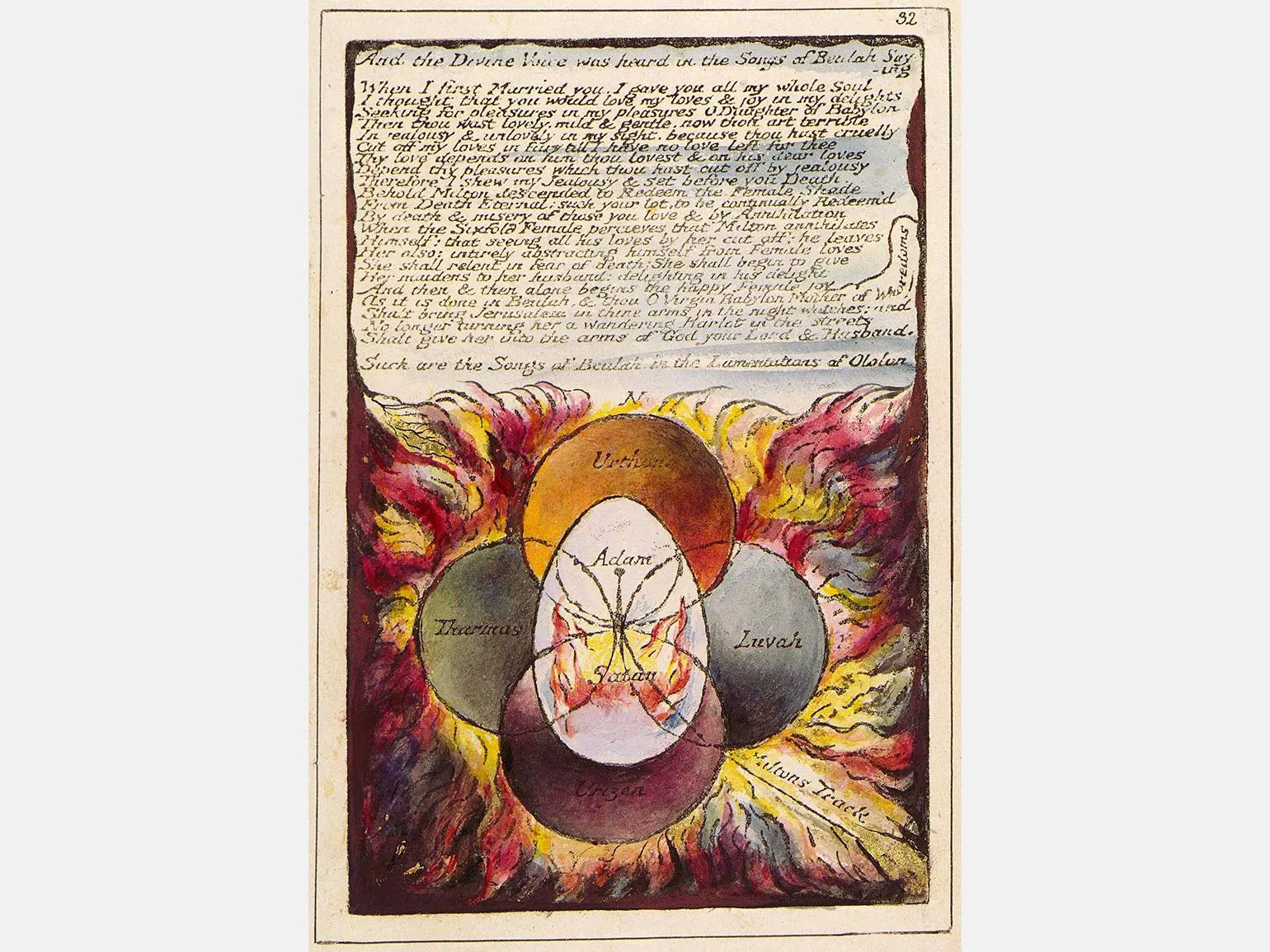
The English poet and artist William Blake (1757–1827) is recognized as the pioneer of the artist's book. He created a unique genre of "illuminated books" that harmoniously combined his poetry and original illustrations. Blake used engraved plates to print images, which he then hand-colored, giving his works exceptional artistic value. These works became fundamental for the development of the artist's book as an independent artistic movement.
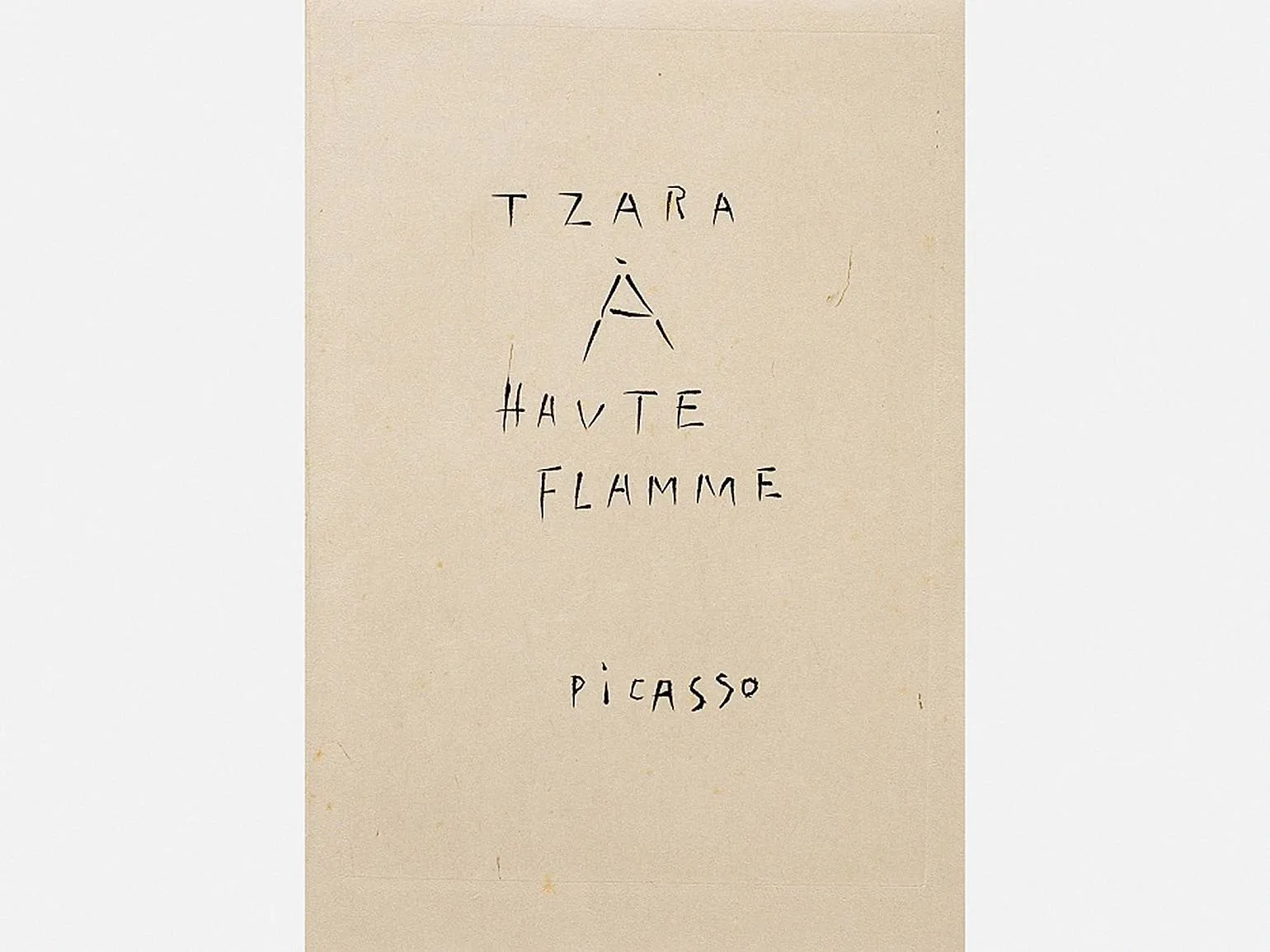
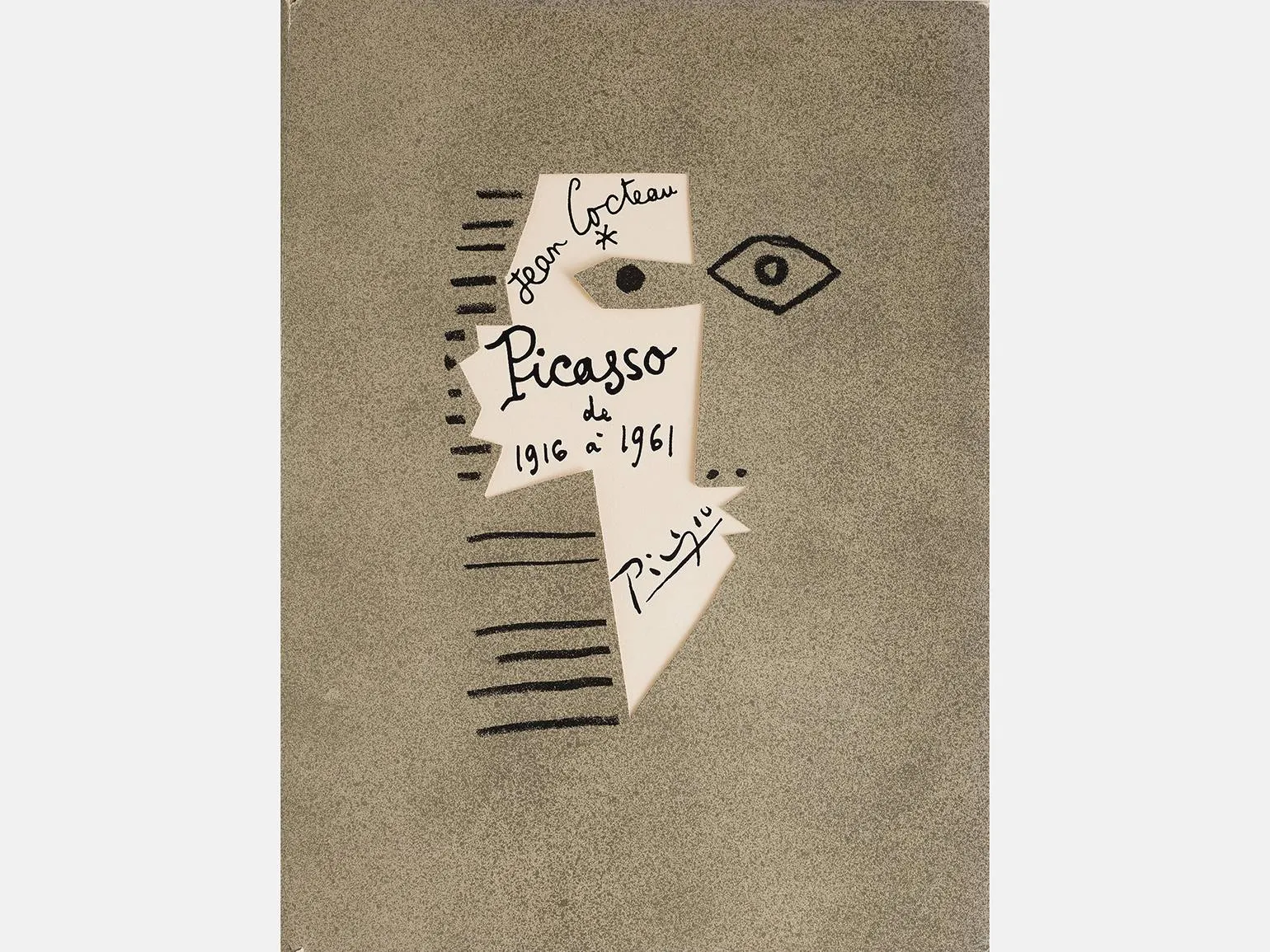
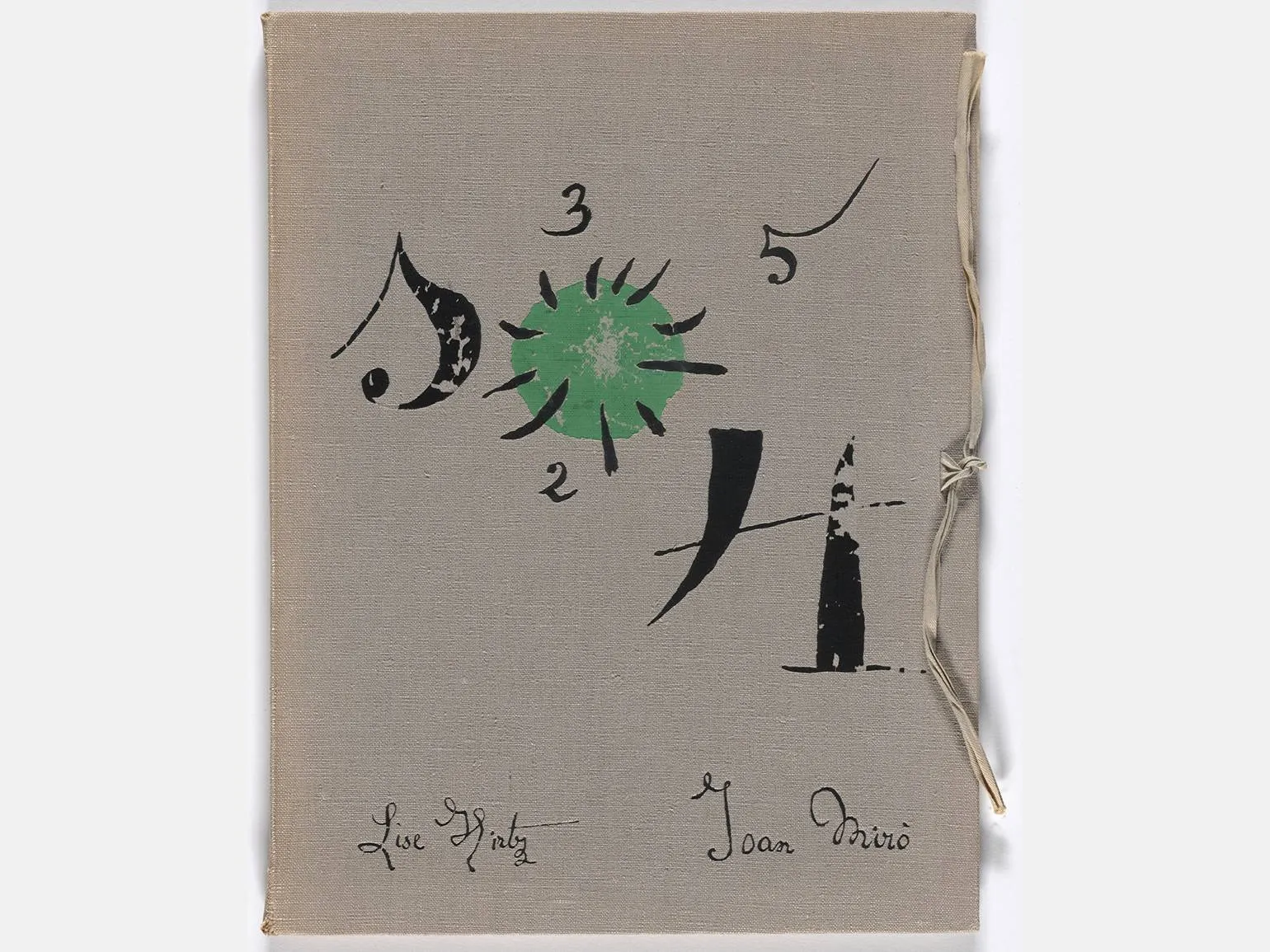
At the end of the 19th century, the tradition of livre d'artiste, which translates as "artist's book," emerged in France. These books were distinguished by containing original engravings by famous artists. The Hermitage General Staff Museum houses a permanent exhibition called "The Artist's Book Cabinet," where you can see unique editions with illustrations by such masters as Pierre Bonnard, Maurice Denis, Pablo Picasso, Marc Chagall, Salvador Dalí, and many other famous artists. This exhibition allows visitors to gain a deeper understanding of the interaction between art and literature, as well as to appreciate the artistic achievements of different eras.
Artist's books were popular among avant-garde artists who sought to rethink traditional art forms. Dadaists such as Tristan Tzara and Kurt Schwitters created books that challenged established aesthetic norms and classical notions of the book. Russian Constructivists, including El Lissitzky and Alexander Rodchenko, actively explored new approaches to book design as an independent art form. A striking example of their work is Lissitzky's 1922 book From Two Squares, which illustrates innovative ideas and experiments in the field of visual design.
Bauhaus artists, including László Moholy-Nagy, were involved in creating photobooks and experimental typography. These artists sought to innovate in the visual arts, combining photography and typography to convey ideas. Their works marked a significant step in the development of design and visual communication, significantly influencing contemporary art and graphic design.
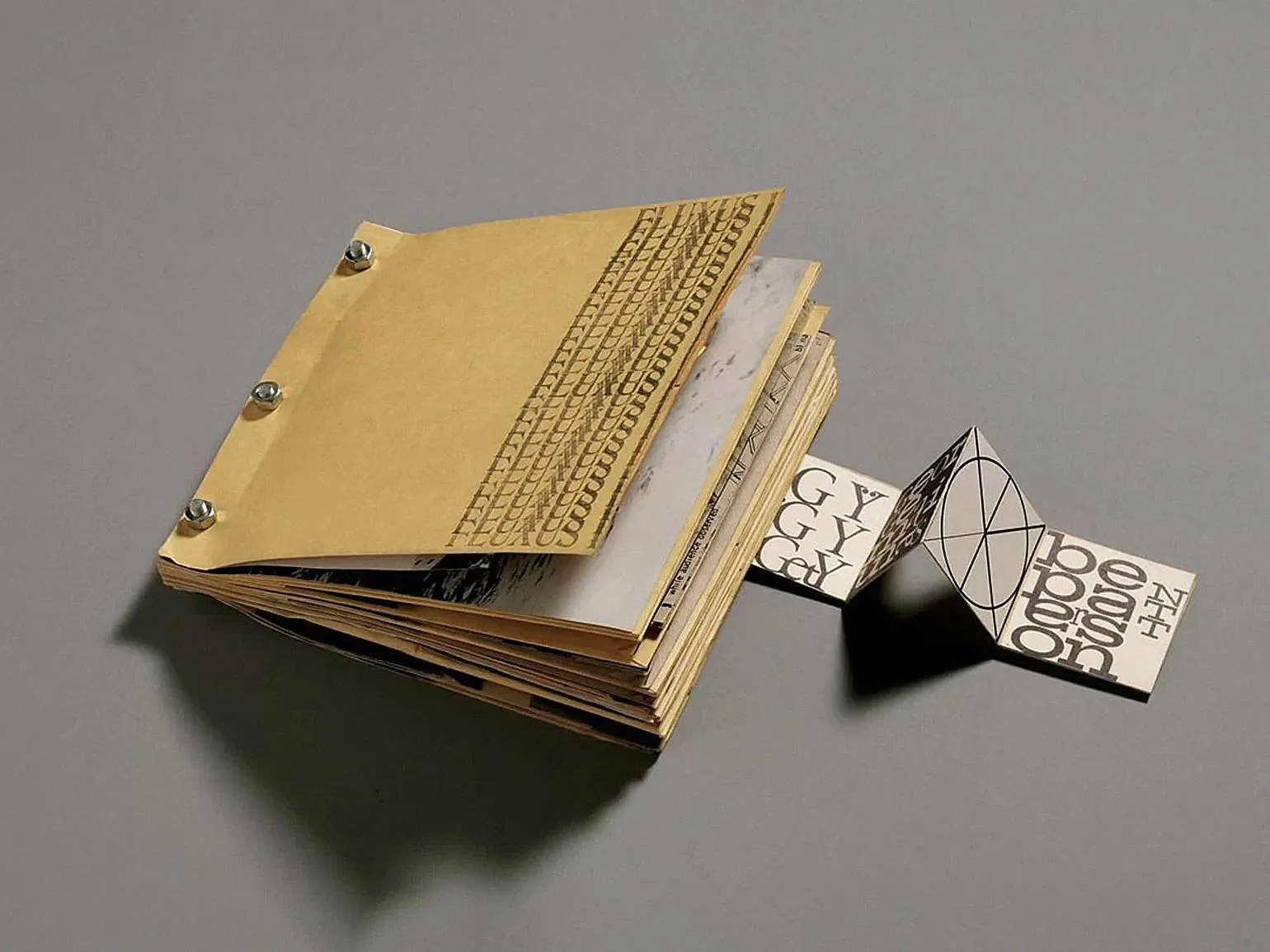
In the post-war period, artist's books became noticeably more experimental. The Fluxus movement of the 1960s and 1970s, which included figures such as George Maciunas and Yoko Ono, produced numerous books focused on process, play, and interactivity. These works not only subverted traditional notions of books but also invited readers to become active participants in the artistic process, significantly expanding the boundaries of art perception. Artists' books during this period became a platform for new ideas and forms, emphasizing the importance of interaction and experimentation in contemporary art.
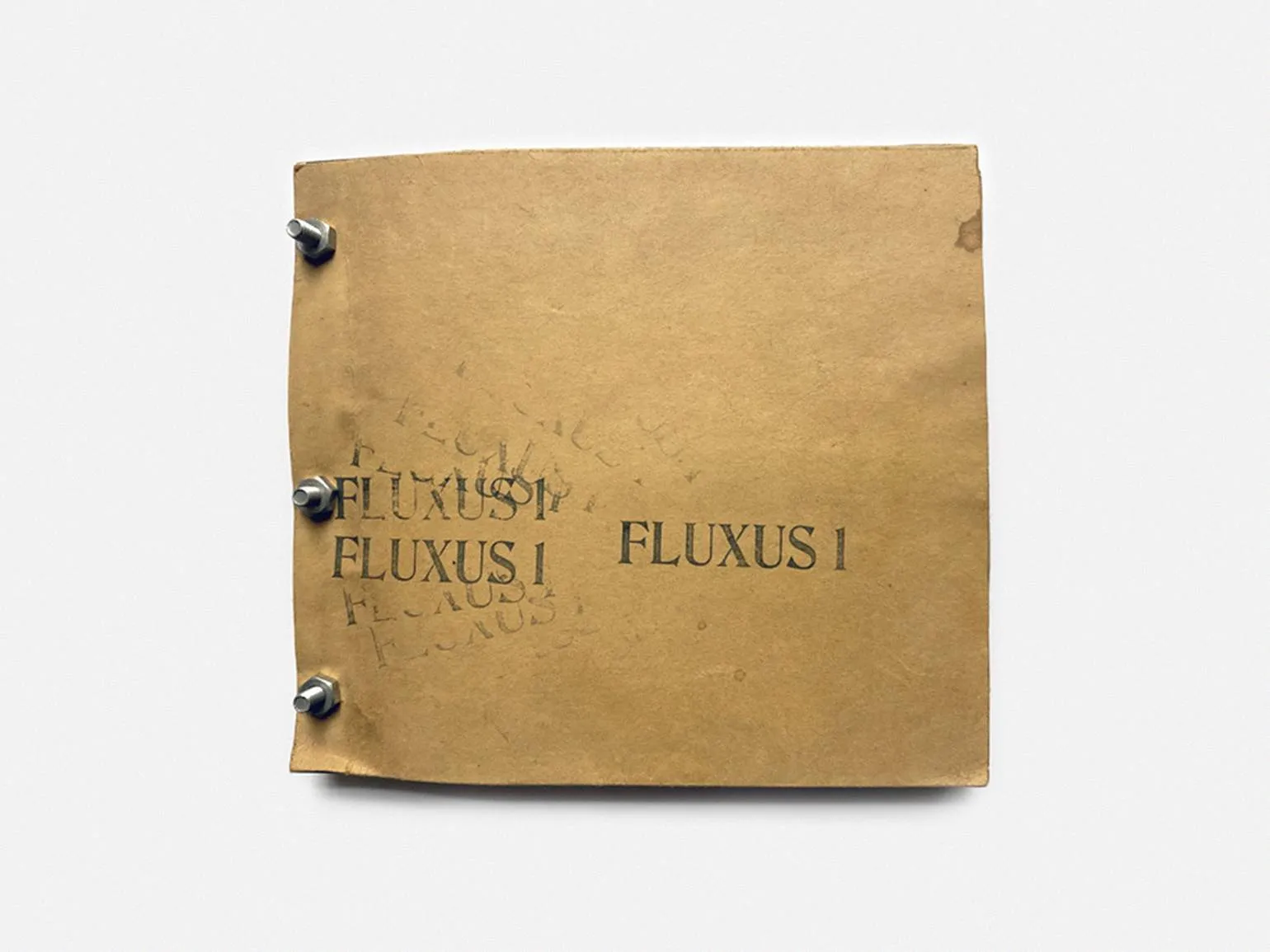
Artist's books continue to evolve, including in Russia. In 2024, the Garage Museum hosted a series of lectures, "The Artist's Book: 12 Rounds." At these meetings, artists, publishers, and researchers discussed important aspects of the history of the genre and various approaches to its interpretation, using examples of works by contemporary authors. Such events promote a deeper understanding of artist books as a unique artistic phenomenon and their role in contemporary art.
Yulia Borissova is one of Russia's leading artists specializing in artist books. Her work deeply explores themes such as memory, identity, and historical narratives, using unique book forms. Her website features over 10 publications, each revealing her original approach to visual and textual storytelling. Yulia is actively involved in photobook culture and runs a channel on the Boosty platform, where she interviews book authors and shares valuable advice and information about the world of book art.
Yulia J.B.'s 2015 book "About Men Soaring in the Air" explores themes of flight and freedom through images of men soaring in the air. The inspiration for this work was the story of two American pilots of Lithuanian origin, mentioned in a poem by Joseph Brodsky. The book's interesting accordion shape allows the reader to individually interpret the story, deepening their perception of the theme of freedom and the desire to fly.
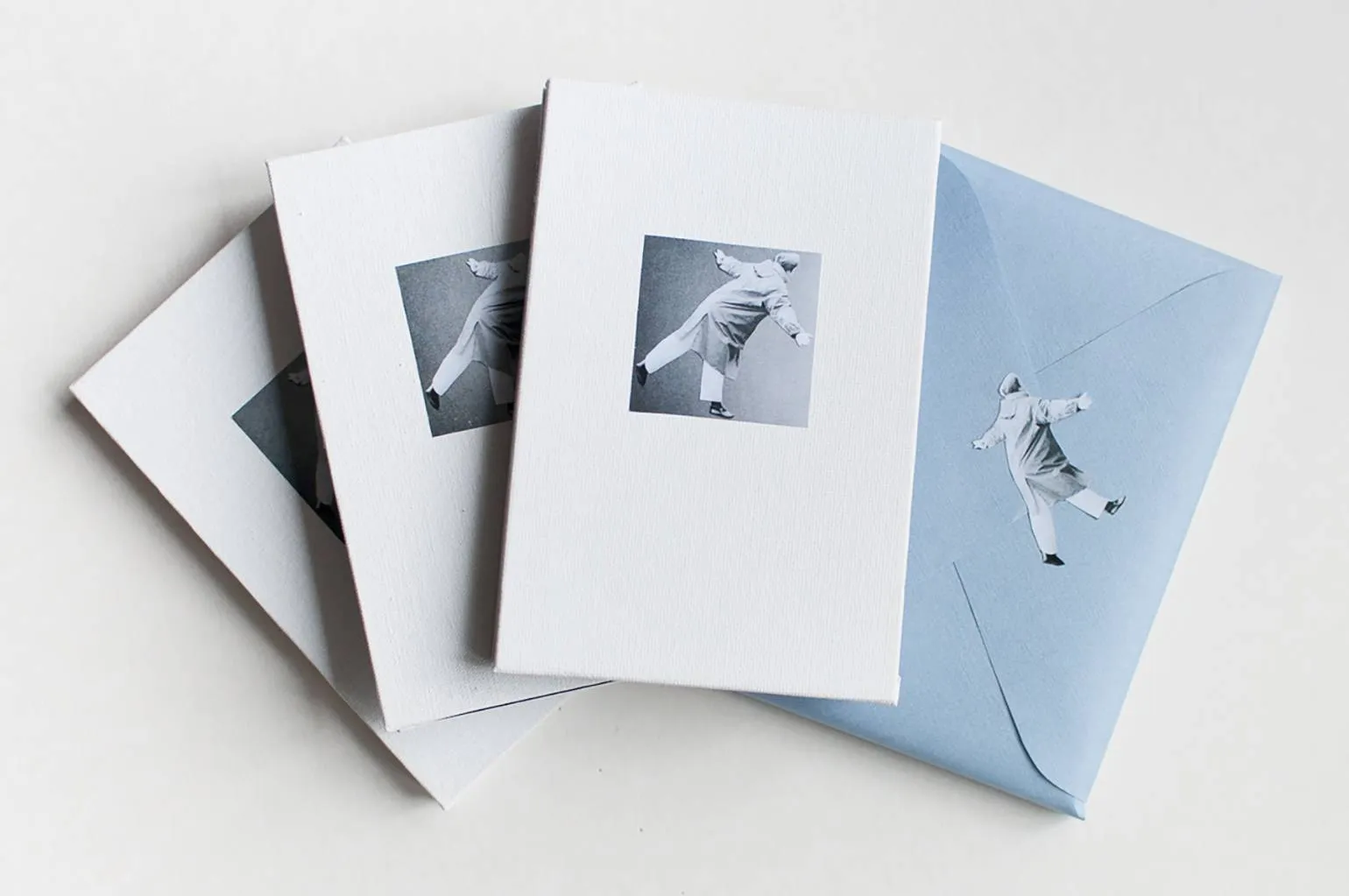
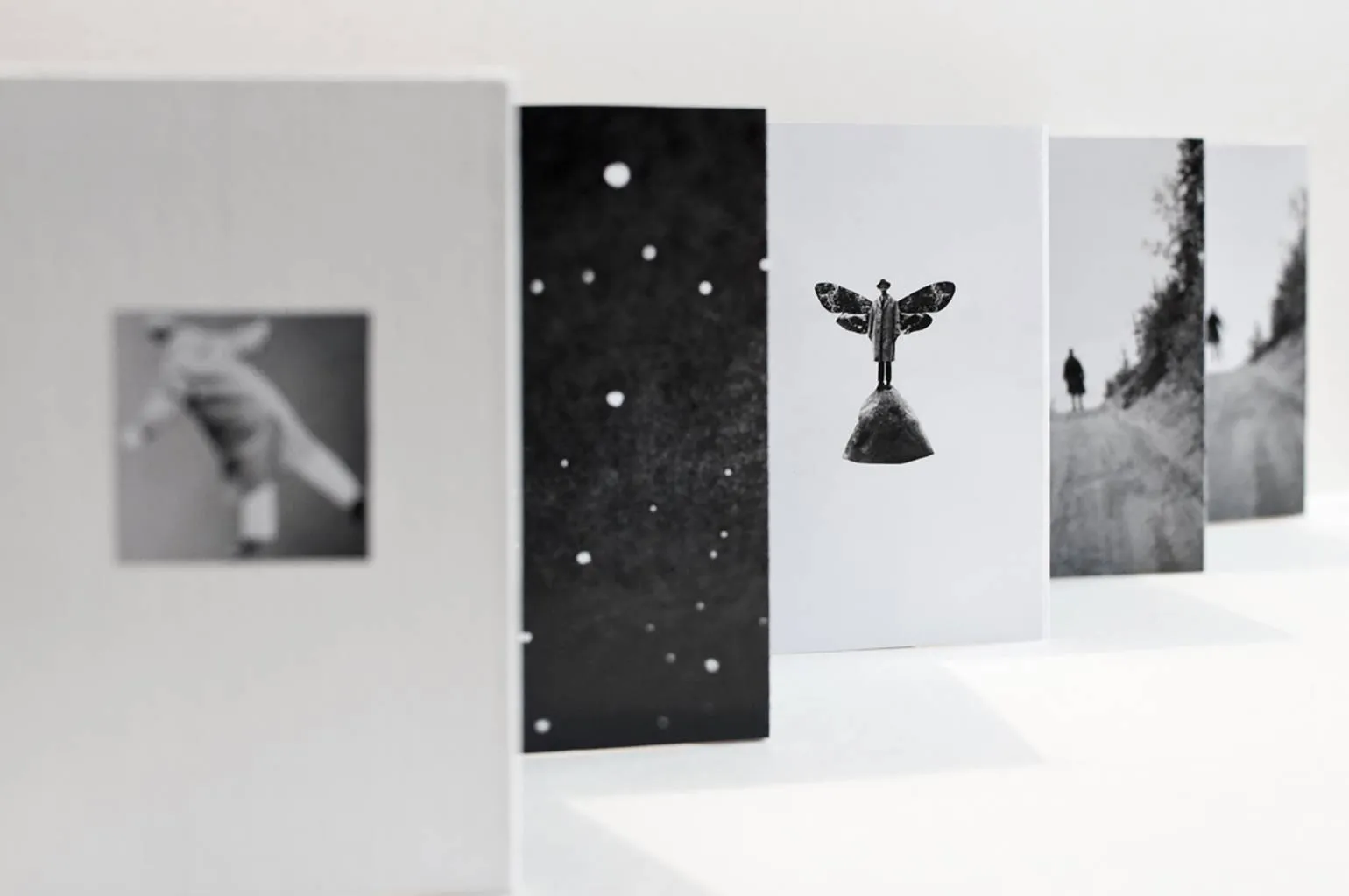
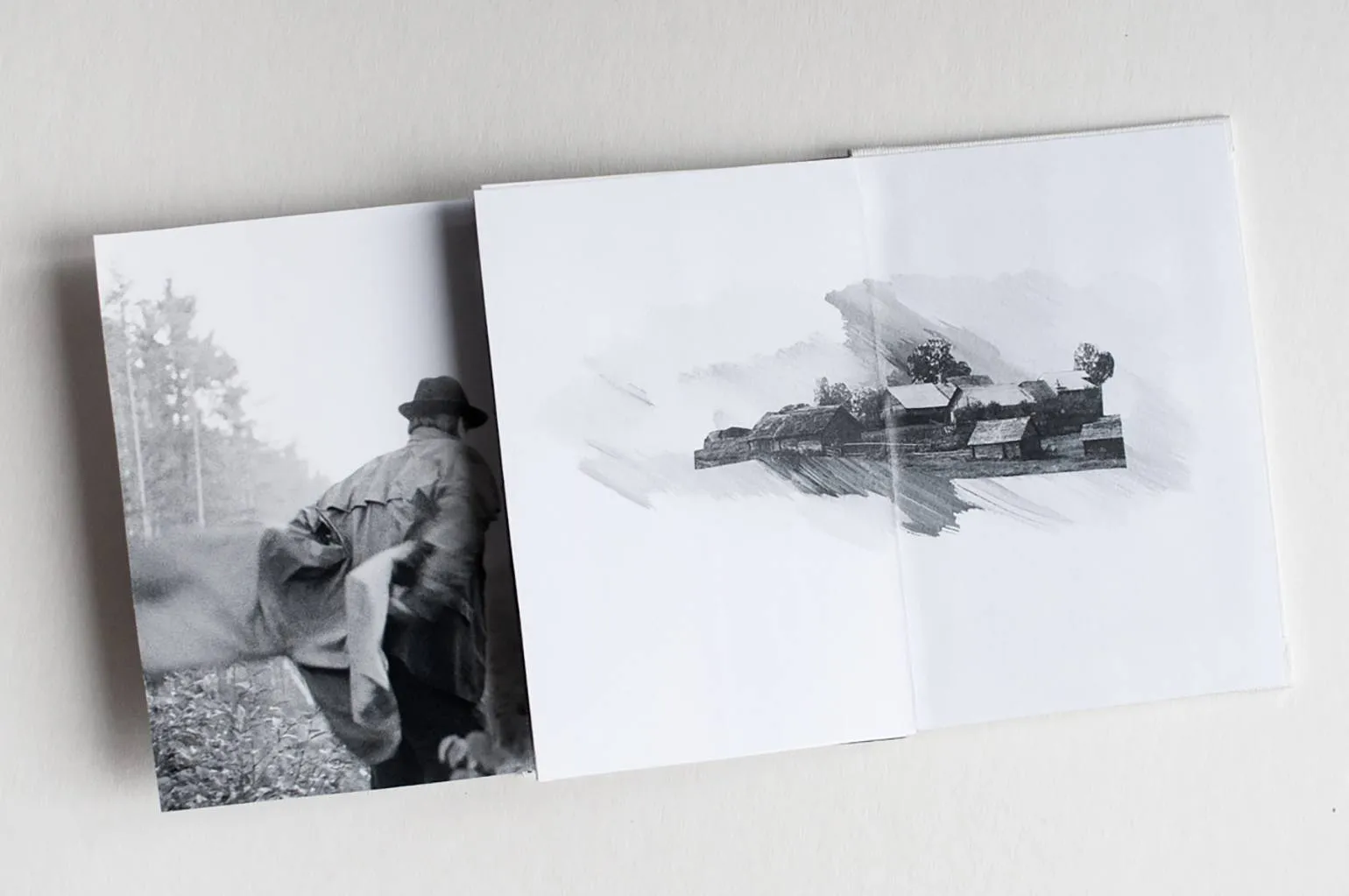
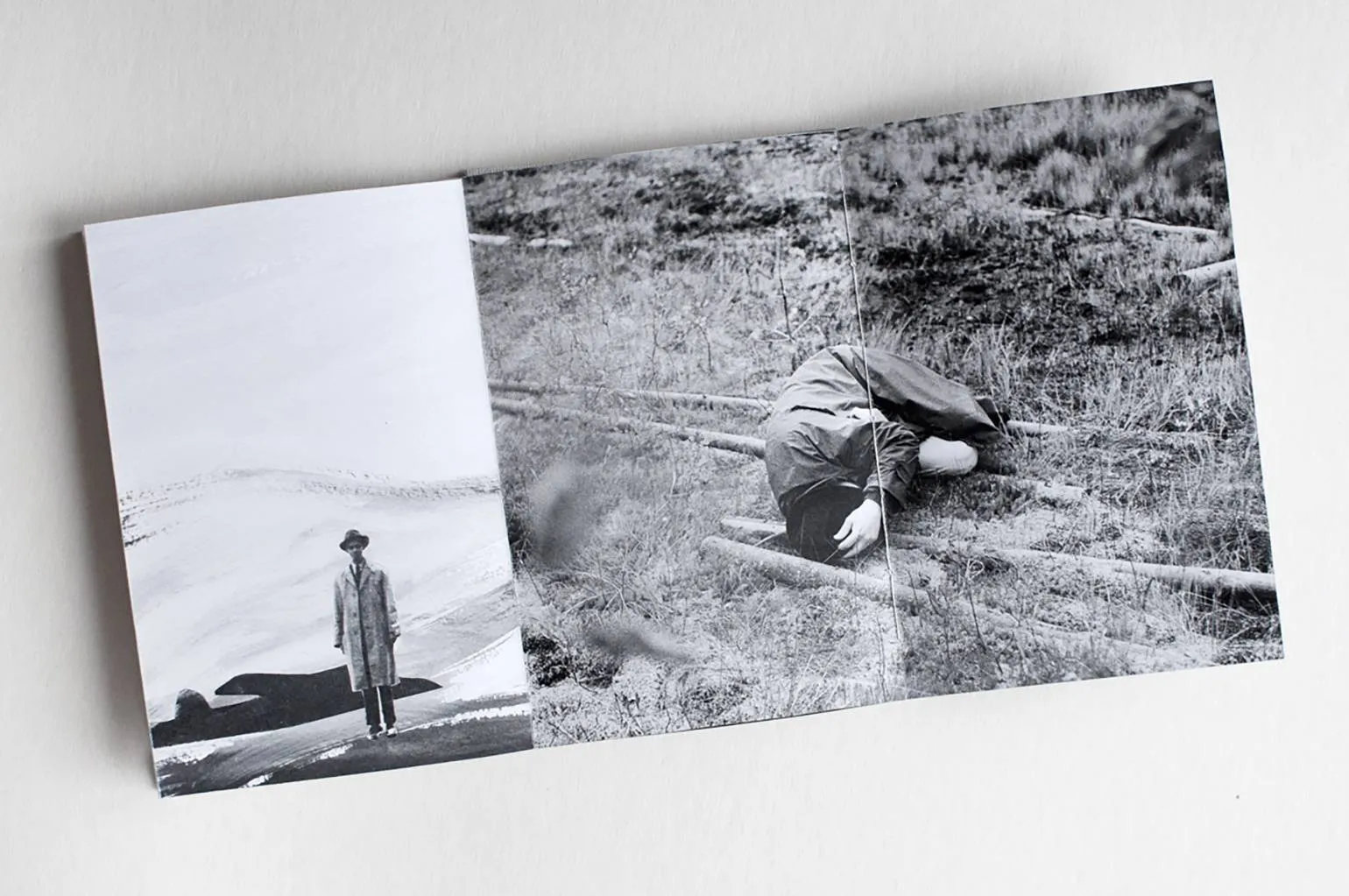
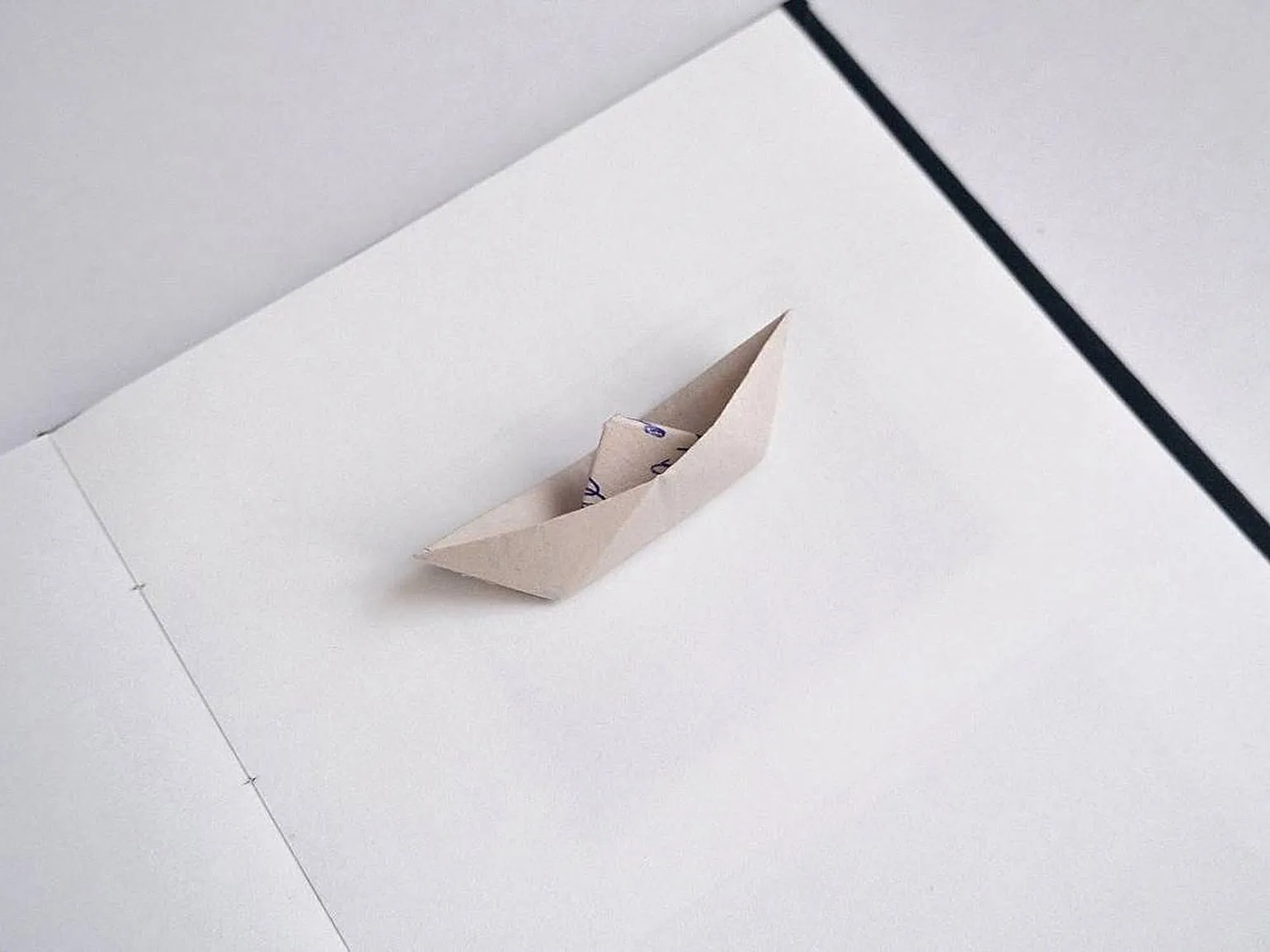
Book «Let Me Fall "Again," released in 2018, continues to explore themes of freedom, history, and the interplay of the real and the unreal. It is dedicated to Charles Leroux, one of the pioneering balloonists who tragically died in a parachute jump at age 32. Yulia creates an imaginary journey following his captivating performances. In this edition, the artist uses origami elements to add visual and semantic depth. The book is published in a limited edition of 239 copies - that's how many jumps Leroux made, which emphasizes the uniqueness and significance of this work.
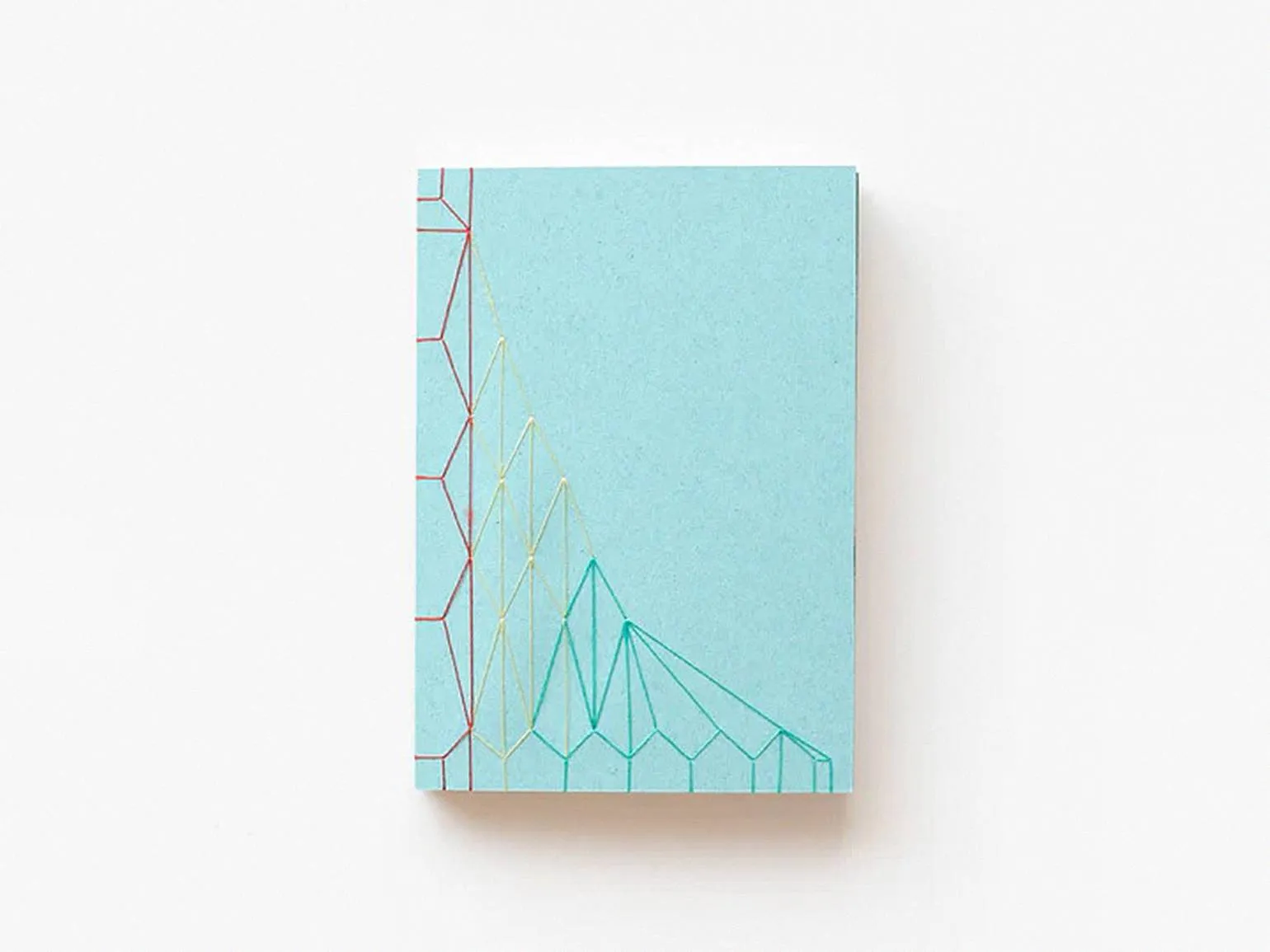
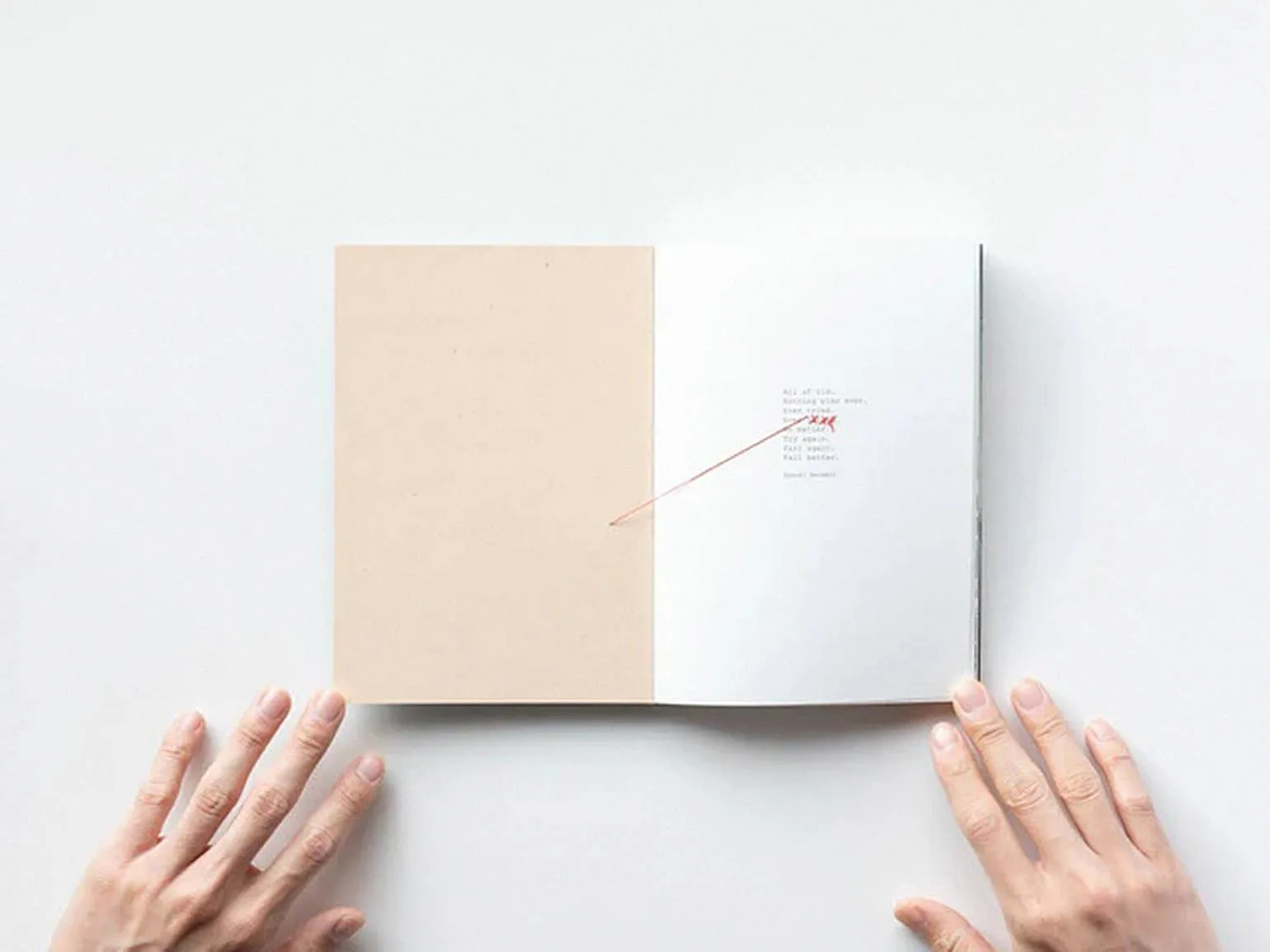
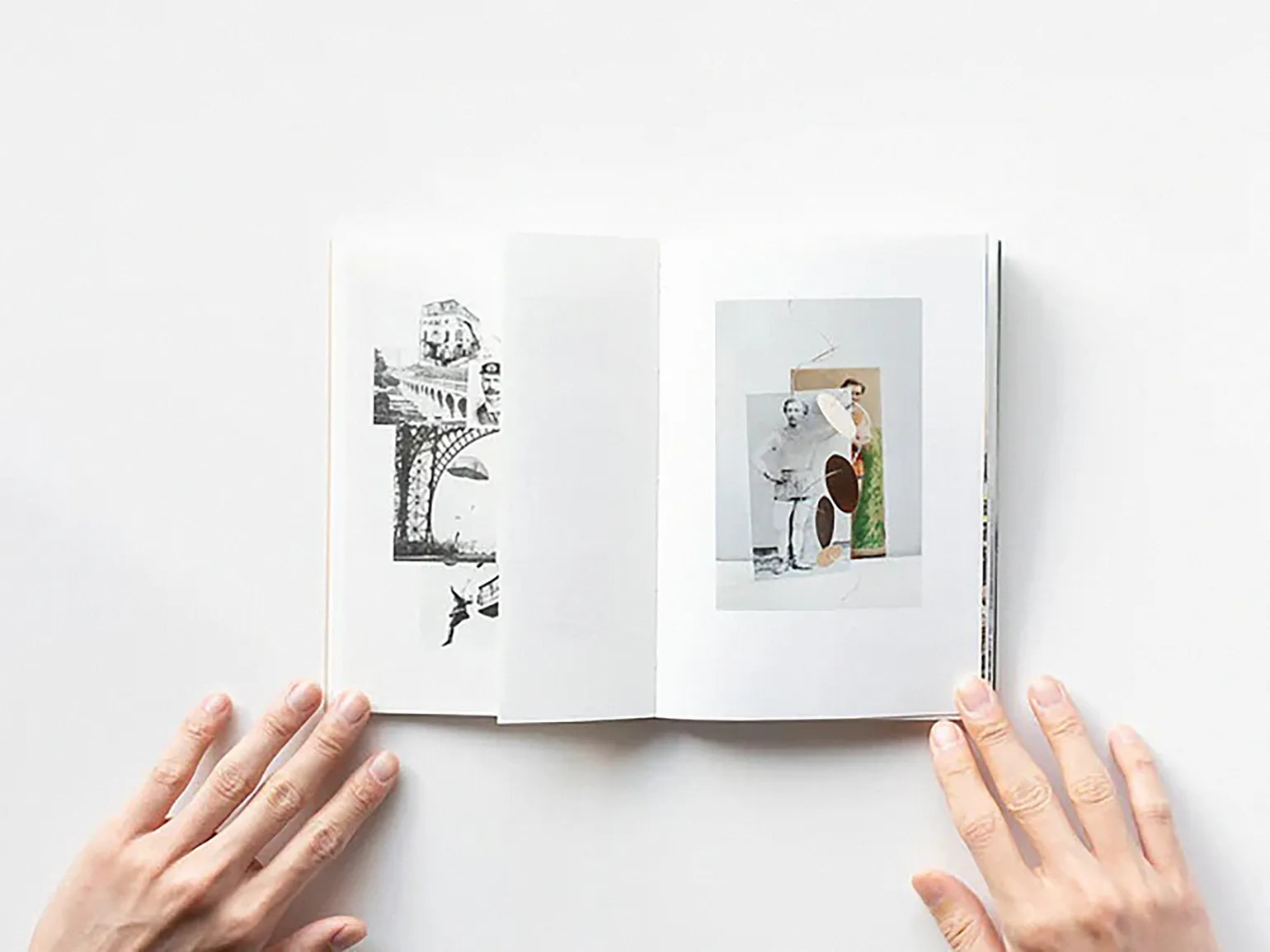
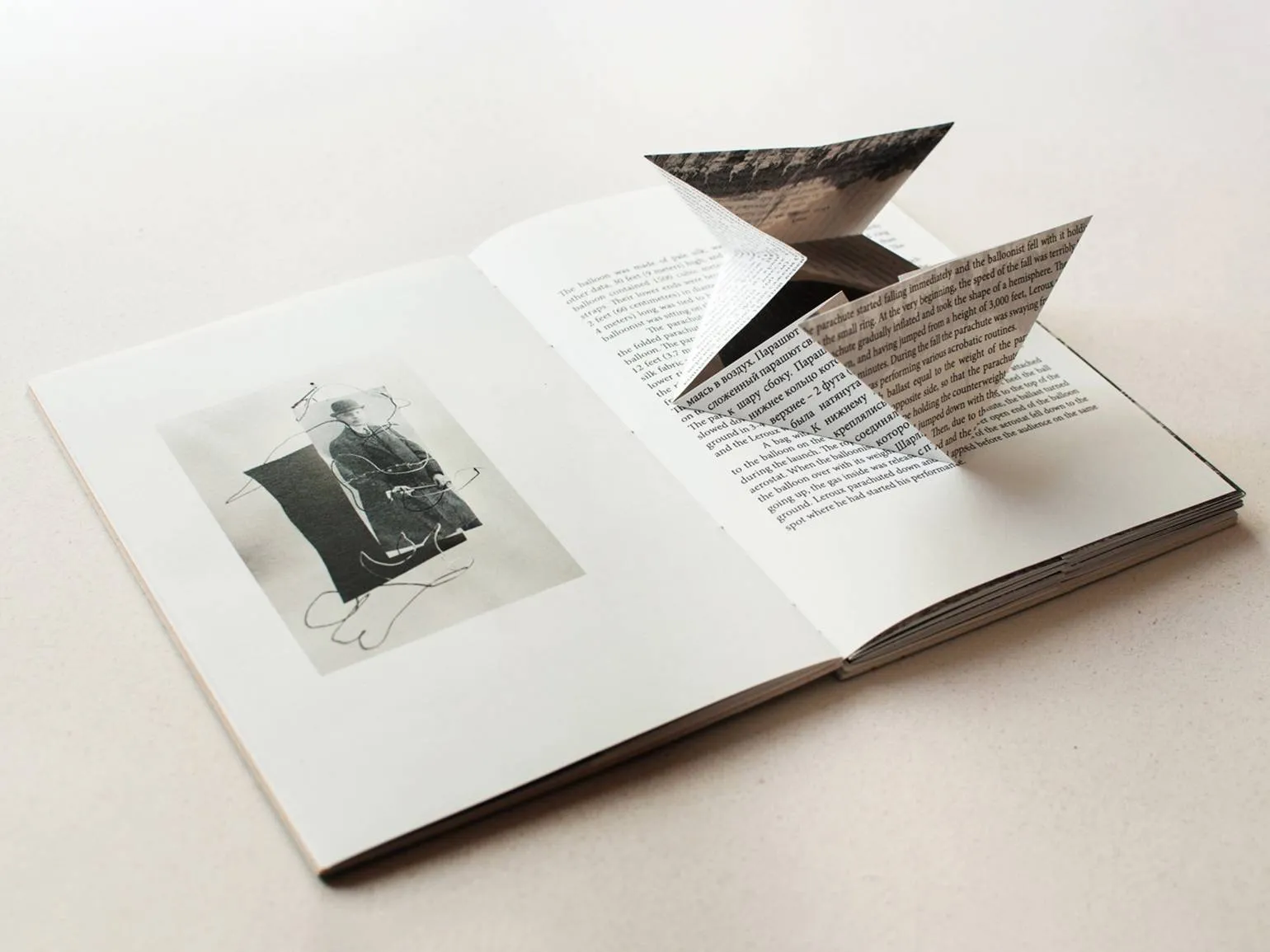
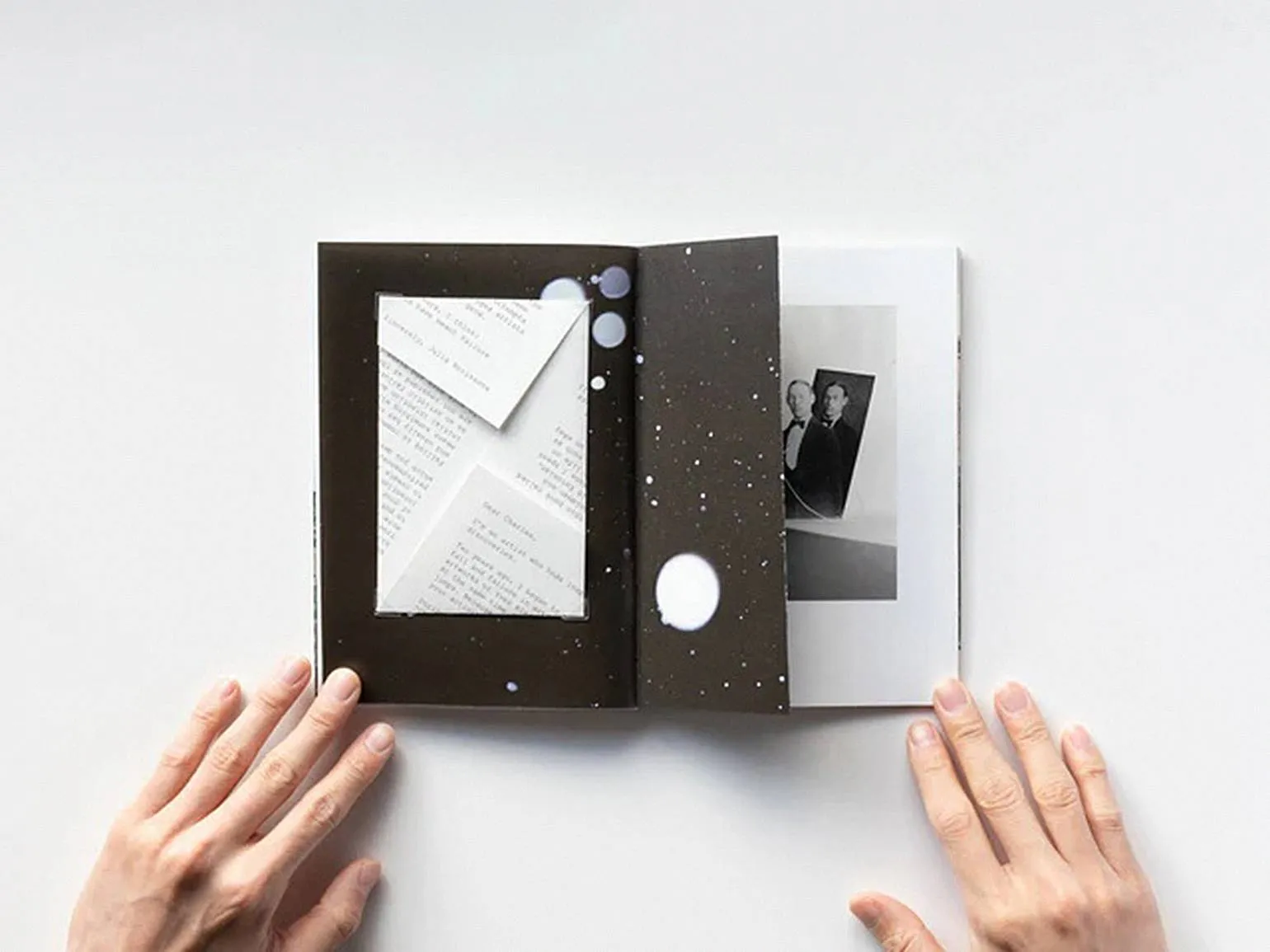
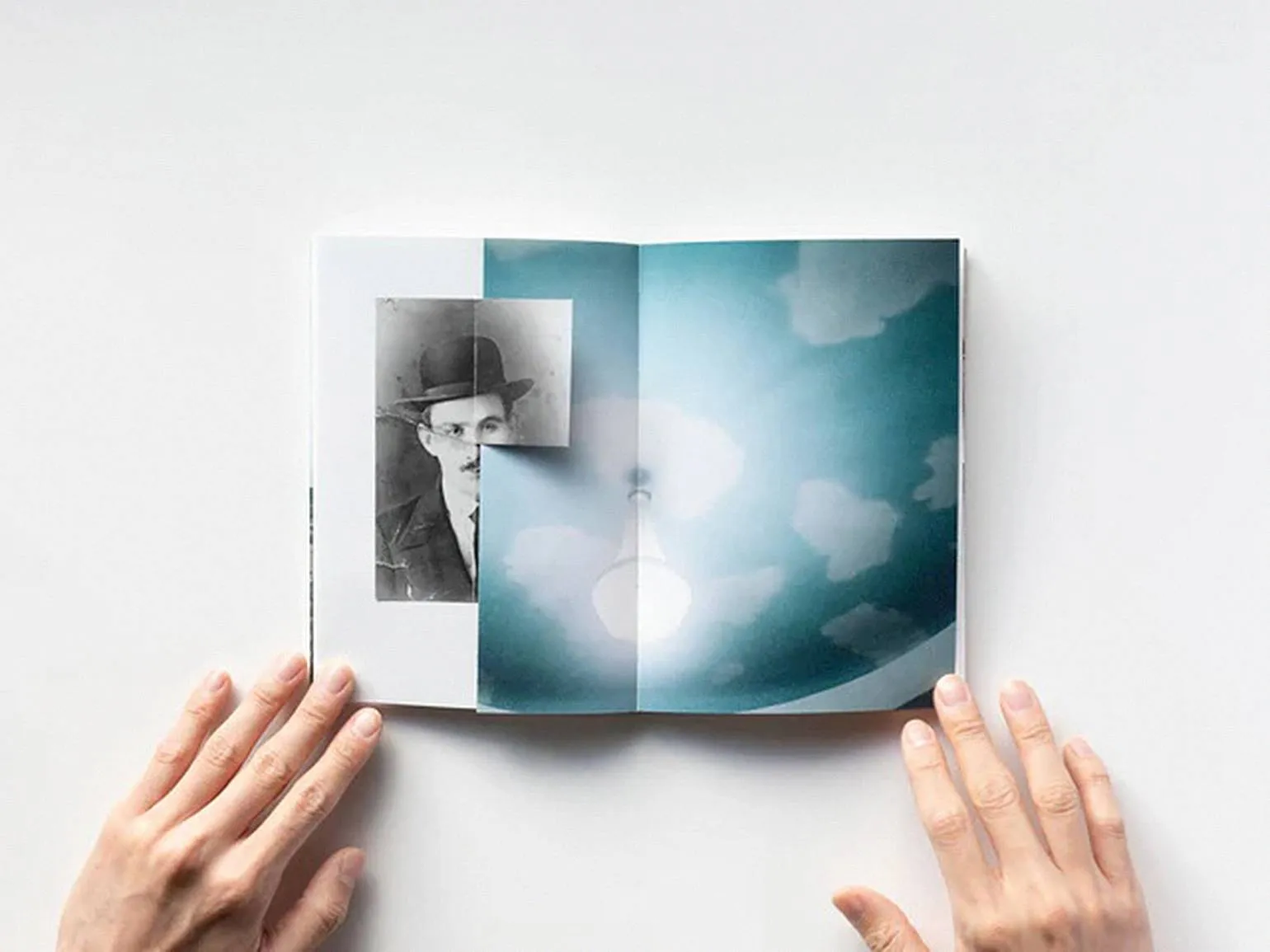
Yulia's books are deep and multi-layered statements that evoke emotions and make you think. The author carefully collects her works, creating them in a unique format, as was done with the second book, which was released by special order. Each work is filled with irony and touchingness, reflecting Yulia's individual style and her unique approach to literature.
I decided to expand my understanding of the photobook medium, considering it as a sculptural work and an art object. All my projects in this field are created with the goal of actively engaging the audience. I am interested in developing methods that will allow viewers not just passively viewing a book, but also actively participating in its interpretation. I strive to create new formats based on the traditional book to establish a deeper connection with viewers and provide them with the opportunity to participate in the creative process.
In an interview with Yulia Borissova, conducted for the Nizina project, key aspects of her work and views on contemporary art are discussed. Yulia shares her experience working in various genres and also talks about how her work reflects current social and cultural trends. She emphasizes the importance of interaction with the audience and the role of art in shaping public opinion. Borissova also shares her thoughts on the future of art and how new technologies influence the creative process. This conversation opens new horizons for understanding contemporary art and its connection to society.
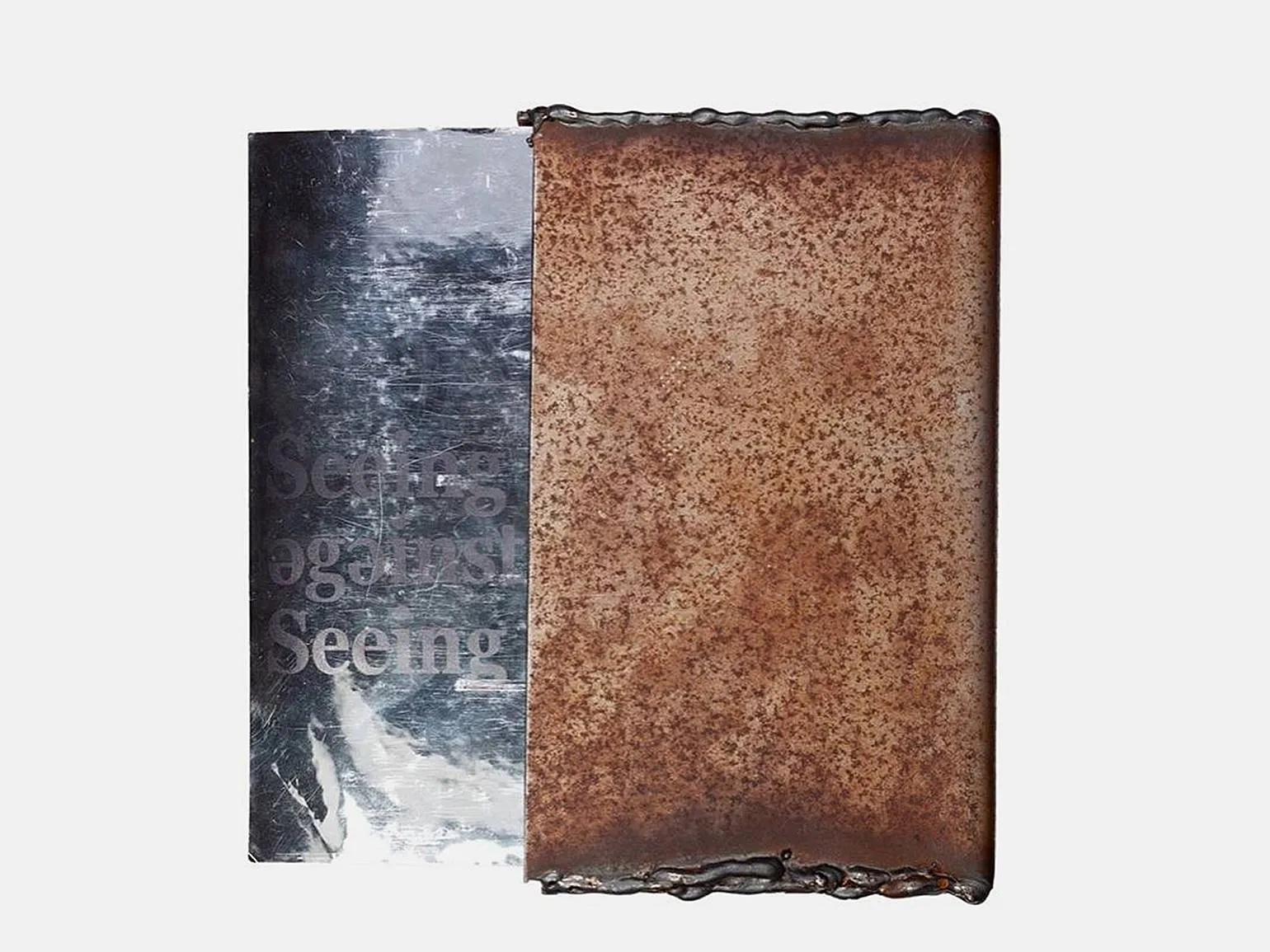
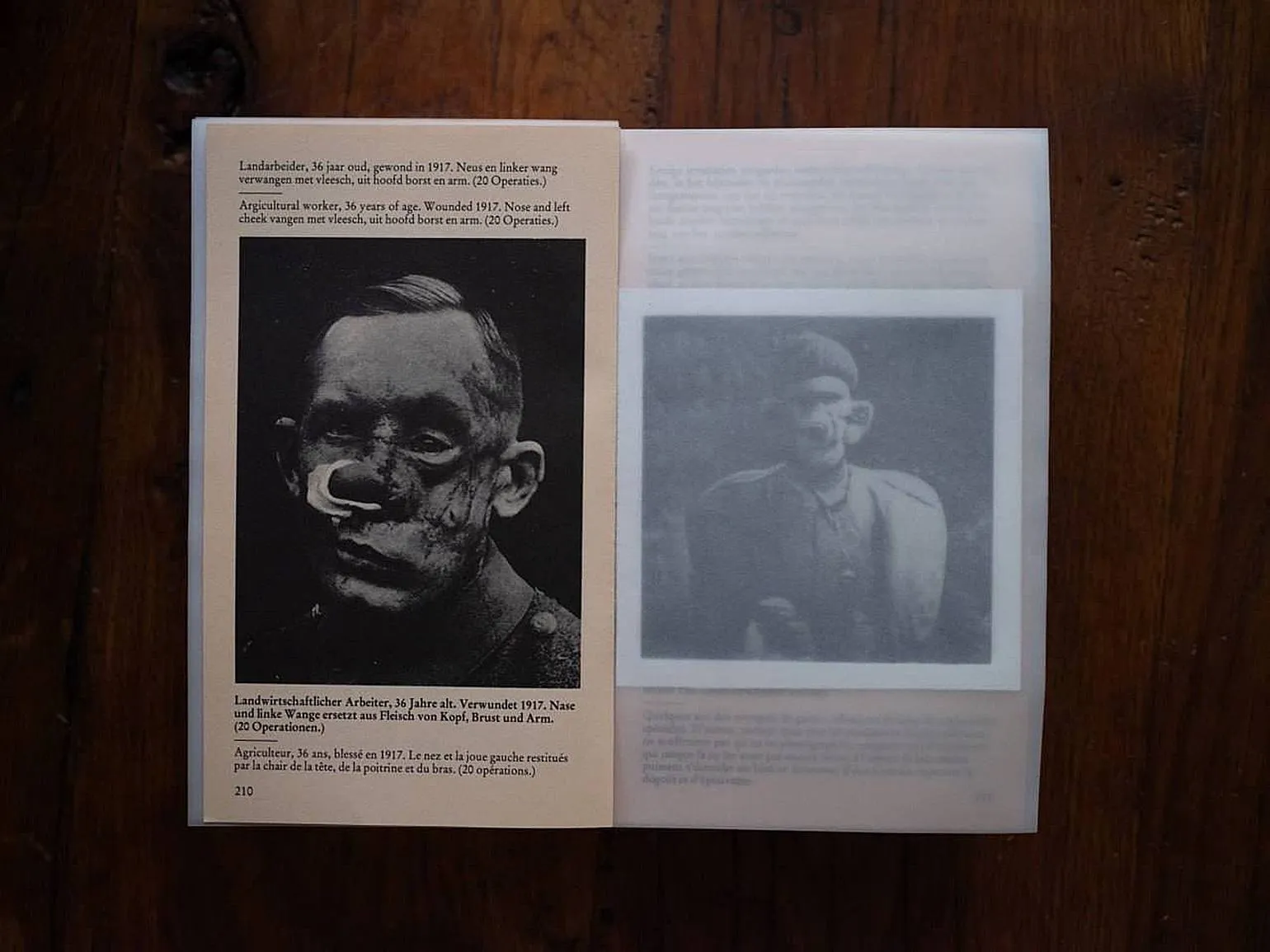
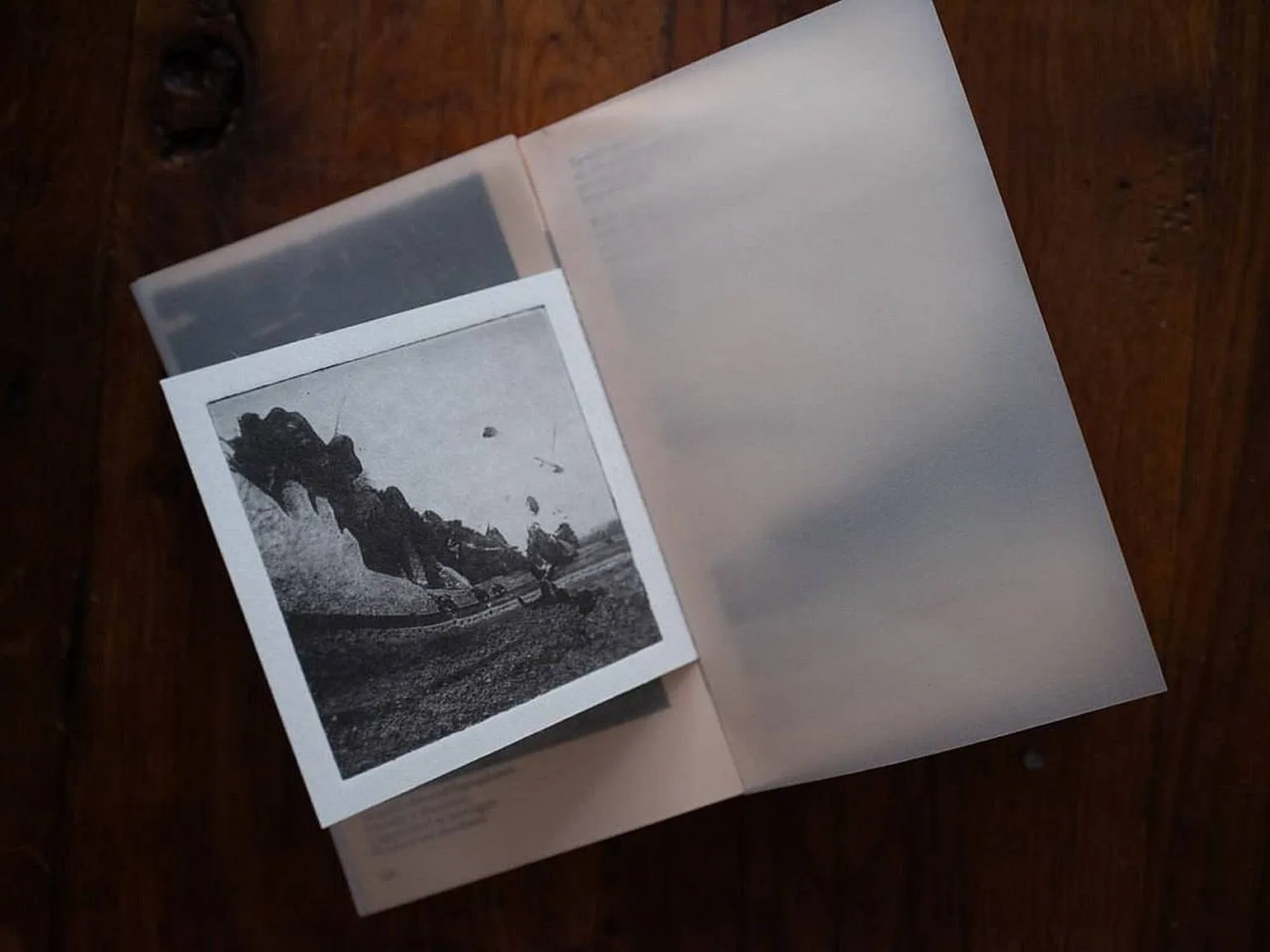
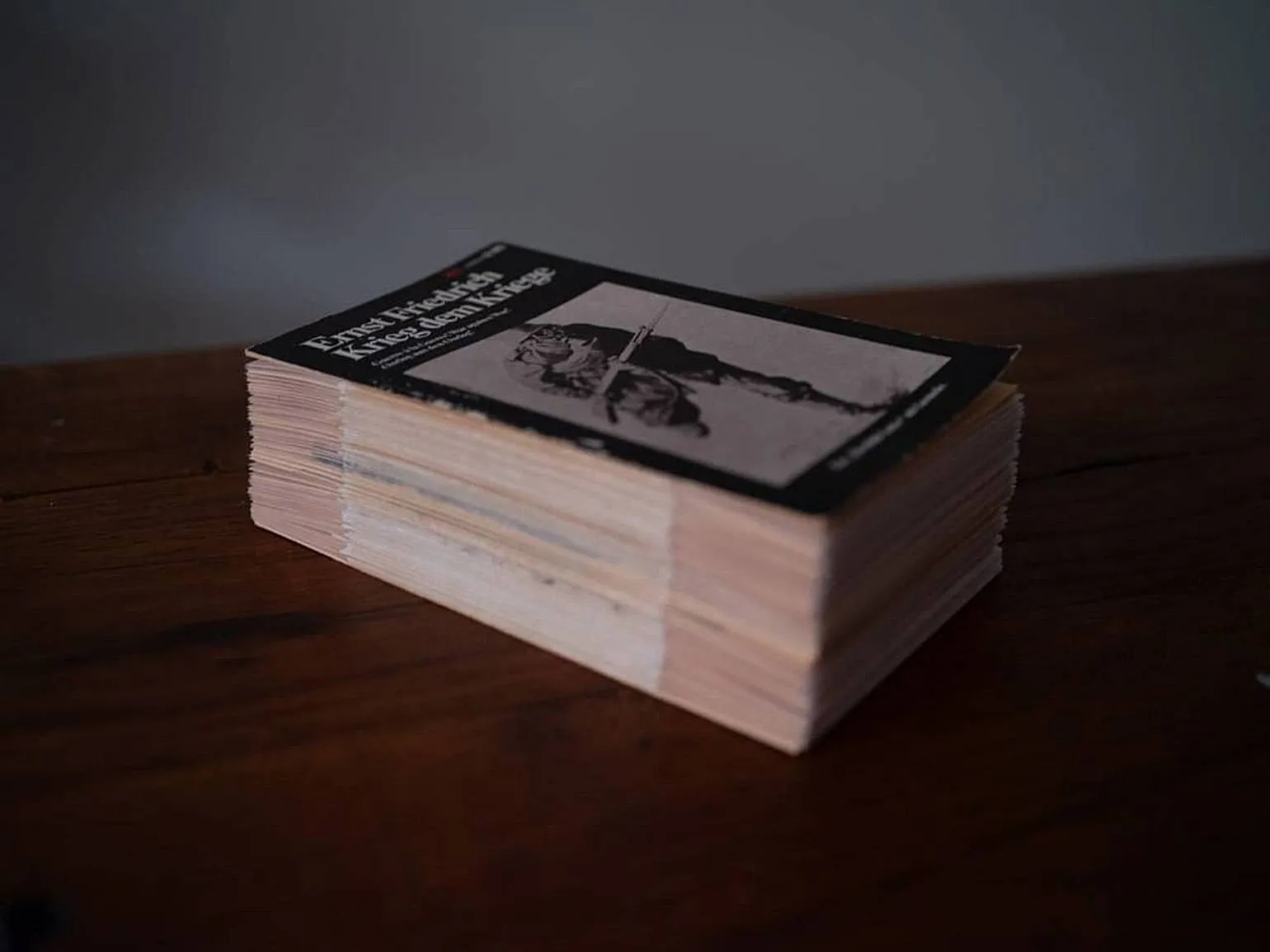
A book by artist Alexey Yurenev entitled "Seeing Against Seeing" has been shortlisted for the Dummy Award 2024. This visual and historical study is based on the memories of Alexey's grandfather from World War II, which he never shared. Yurenev turns to German anarchist and pacifist Ernst Friedrich's 1924 book "War Against War," which contains photographs from World War I. Using a neural network, the photographer transformed thousands of soldier portraits, achieving a striking resemblance to the images from Friedrich's manifesto. Yurenev's work emphasizes the importance of preserving historical memory and explores the deepest aspects of human experiences associated with war.
Japanese artist Moe Suzuki won the photobook competition LUMA Rencontres Dummy Book Award Arles 2021 for her project titled Sokohi. In her work, she documents her daily life with her father, who is gradually losing his sight due to glaucoma. Moe successfully combines photographs from the family archive with images taken by her father, creating a touching and personal story. The draft version, known as the dummy book, features a wider selection of photographs, a modified cover, and unique elements, including hand-pasted photographs and a variety of paper types. This project not only highlights the importance of family ties but also explores themes of loss and memory, making it a significant contribution to contemporary art.
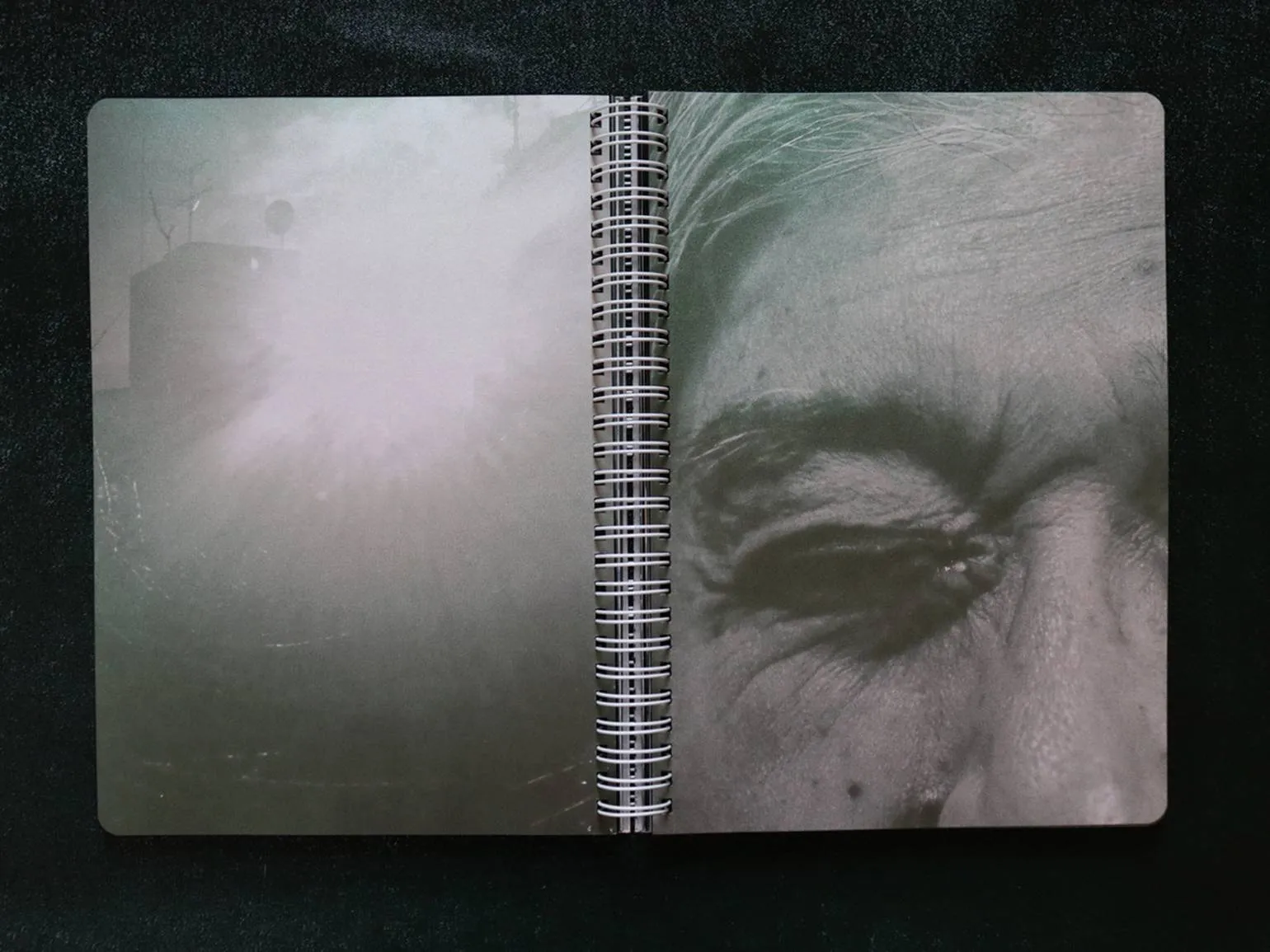
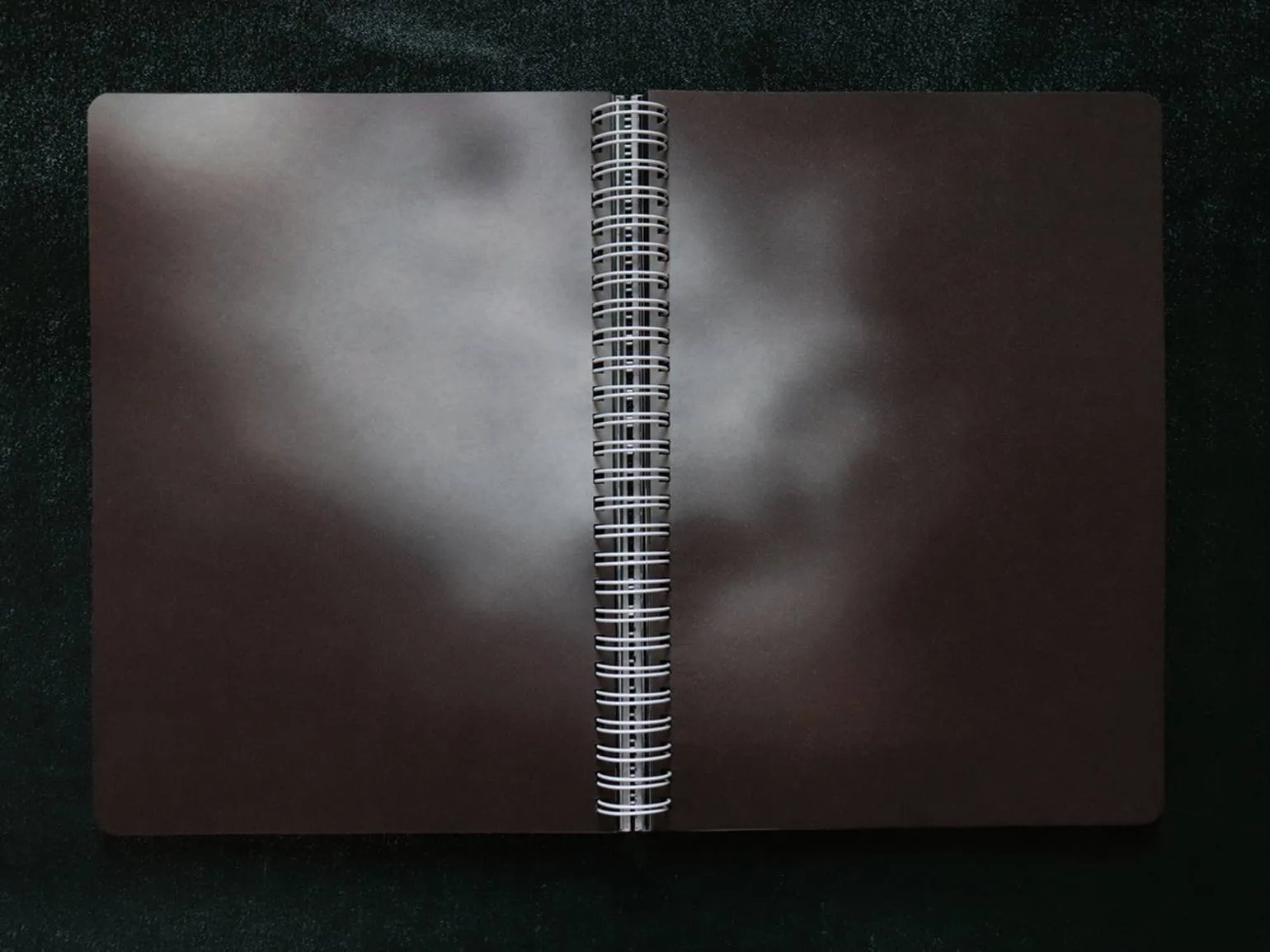
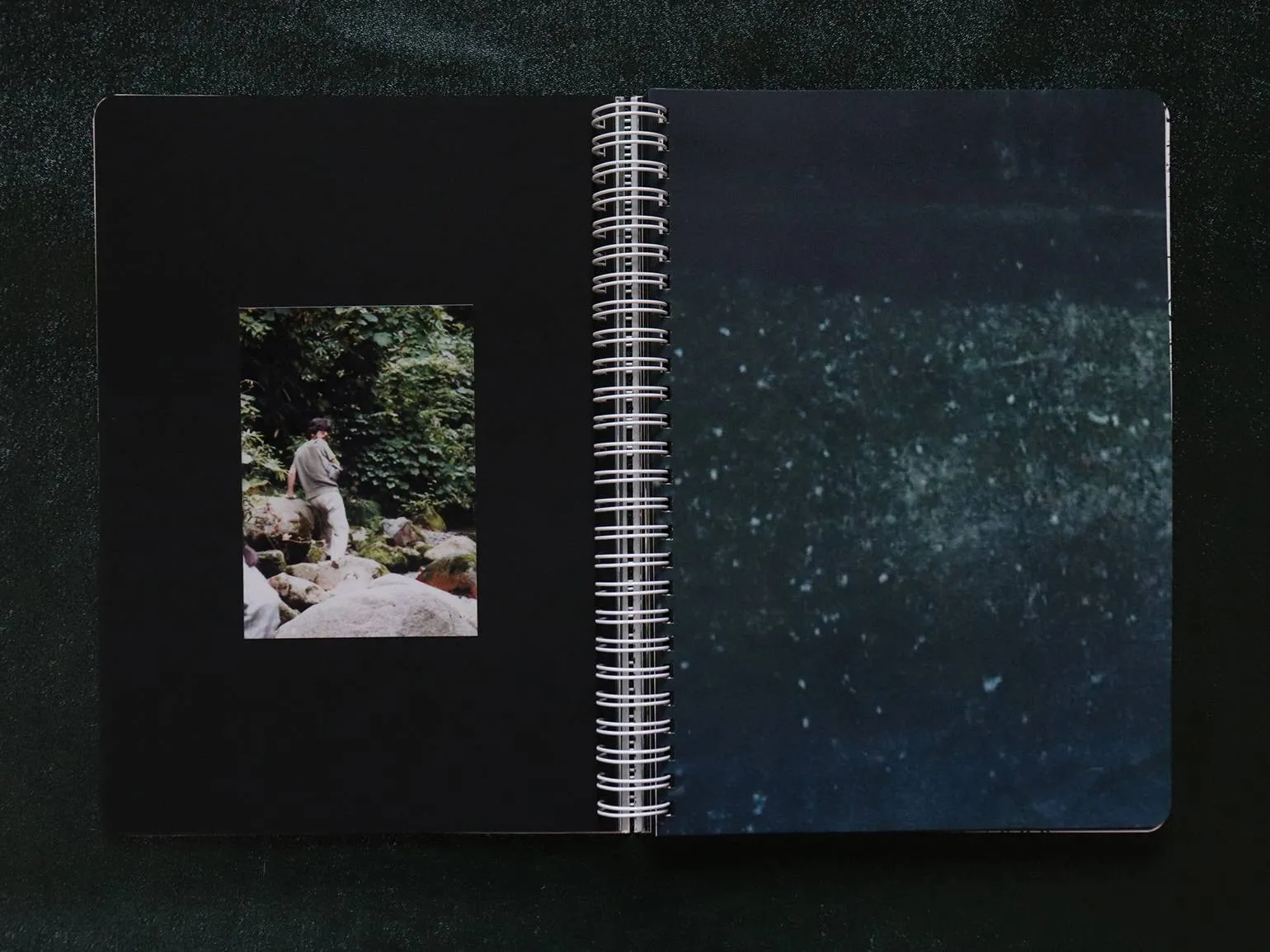
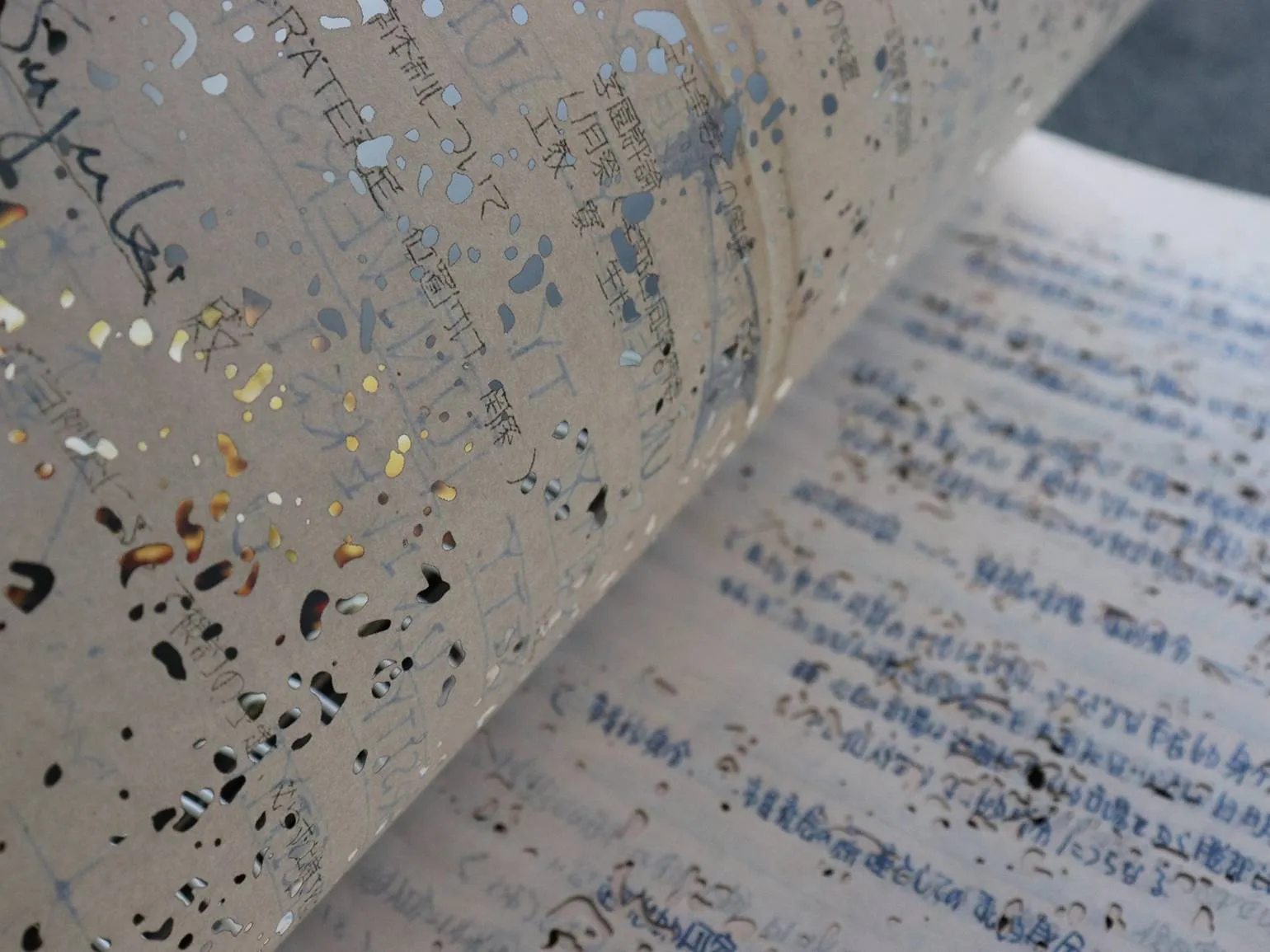
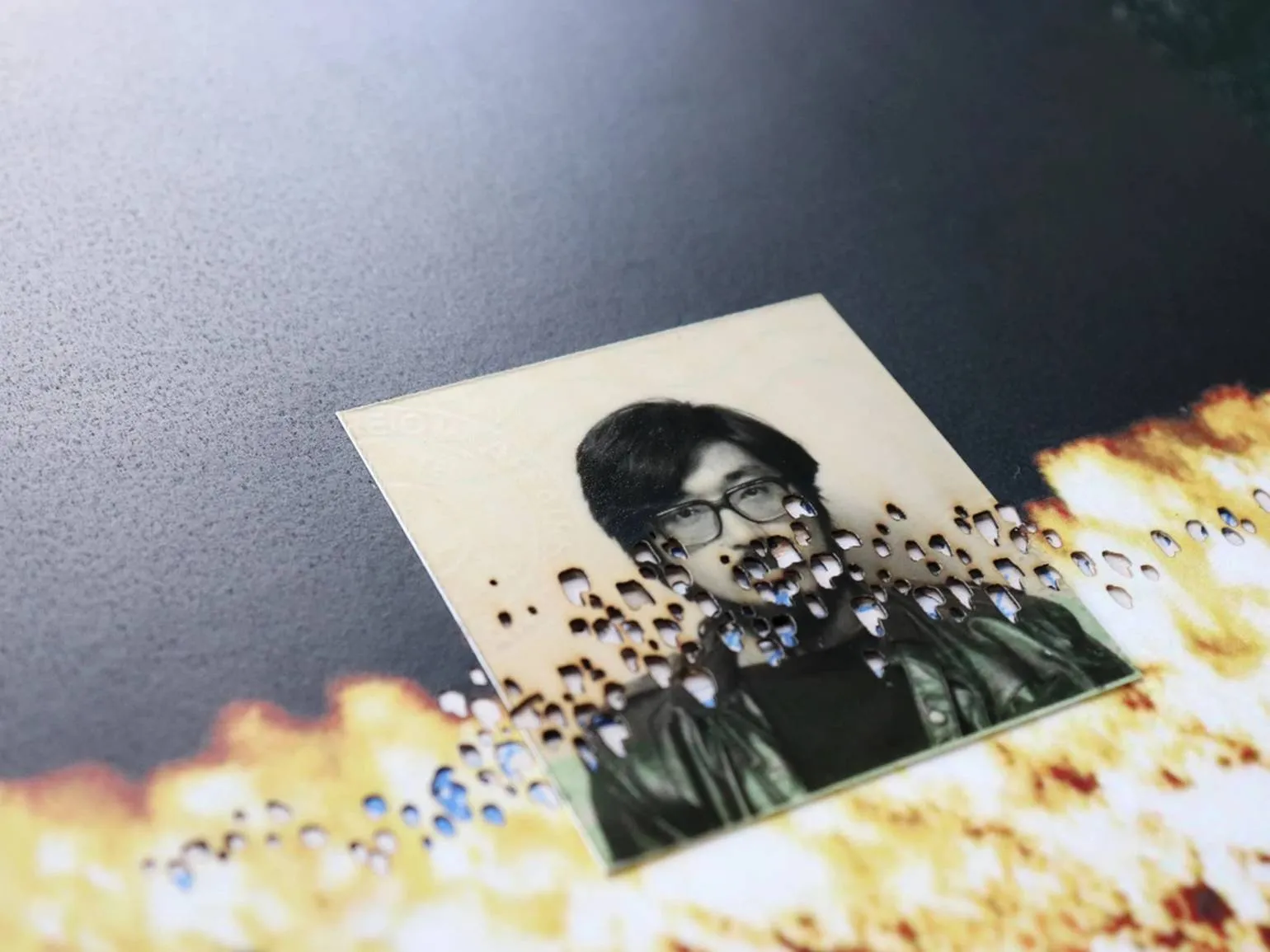
Основной художественный приём заключается в постепенном снижении чёткости фотографий, что символизирует процесс потери зрения. В этом контексте записи отца также становятся всё менее различимыми. В окончательном варианте книги, реализованном благодаря гранту конкурса в издательстве Choose Common, от данного приёма отказались, вероятно, из-за сложности технологии создания «точек». Такой подход подчеркивает важность визуального восприятия и затрагивает глубокие эмоциональные аспекты потери.
Изготовление книг художника представляет собой сложный, но увлекательный процесс, который включает в себя создание уникальных произведений. Хотя основной акцент делается на материальности и индивидуальности, многие художники используют типографию для печати своих работ. После печати автор самостоятельно собирает книгу, добавляя элементы, которые подчеркивают уникальность каждого экземпляра. Таким образом, книги художников становятся не просто печатными изданиями, а настоящими произведениями искусства, отражающими творческий замысел автора.
Чтение является важной частью нашей жизни. Оно не только развивает мышление, но и обогащает наш внутренний мир. Погружение в книги помогает нам лучше понимать окружающий мир, расширяет горизонты и улучшает словарный запас. Кроме того, чтение способствует развитию воображения и креативности, что является необходимым для решения различных задач в повседневной жизни. Регулярное чтение также положительно влияет на эмоциональное состояние, снижая уровень стресса и повышая общее качество жизни. Выбирайте литературу, которая вам интересна, и открывайте новые горизонты в мире знаний.
Dummy Award 2024: скандал в американской гимнастике, вулканическое извержение и необычные гигантские огурцы
Dummy Award 2024 стал предметом обсуждения благодаря нескольким значимым событиям. Скандал в американской гимнастике привлек внимание общественности, вызвав широкий резонанс в спортивных кругах. В то же время, извержение вулкана стало причиной серьезных разрушений и нарушений в жизни местных жителей, подчеркивая важность готовности к природным катастрофам. Не менее интересным стало появление гигантских огурцов, которые стали настоящей сенсацией на рынке. Эти события подчеркивают разнообразие тем и проблем, с которыми сталкивается современное общество.
Профессия Фотограф
Вы с нуля научитесь делать профессиональные фото. Узнаете, как организовывать съёмки, обрабатывать кадры, руководить моделями и командой. Сможете найти свой стиль, собрать впечатляющее портфолио и начать зарабатывать на любимом деле.
Узнать подробнее