Contents:
- «Meetings»
- «Journey to the Center of the Earth»
- «Hannibal's Garden»
- «The Master of Things»
- «Neither Give Nor Throw Away»
- «Personal Belongings»
- «I'm So Glad You're Here»
- «Heaven and Hell»
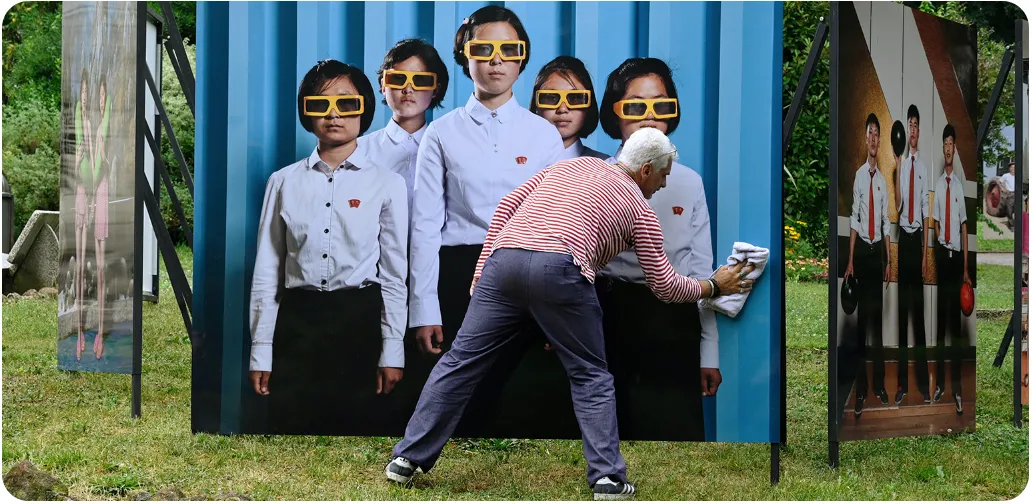
- «Fashion Army»
- Ho tshepa ntshepedi ya bontshepe
- L’Inquiétude (The Unrest)
- The Fracture of Modernity: An Odyssey of Returning to My Hometown
- Transcendence
- The Mourners
- Lee Friedlander Through the Eyes of Joel Coen
The Arles Photography Festival, France, is one of the most important events in the world of photography. In 2024, the festival will begin in early July and run through the end of September. This event will feature a variety of exhibitions covering various aspects of photography. We invite you to explore some of the exhibitions that will be on view during the festival.
Subscribe to our Telegram channel "Behind the Curtain" to stay up-to-date with all the latest news and not miss important updates. We share useful information and interesting materials that will help you stay connected with the latest events. Join our community and be the first to receive the latest news.
"Encounters"
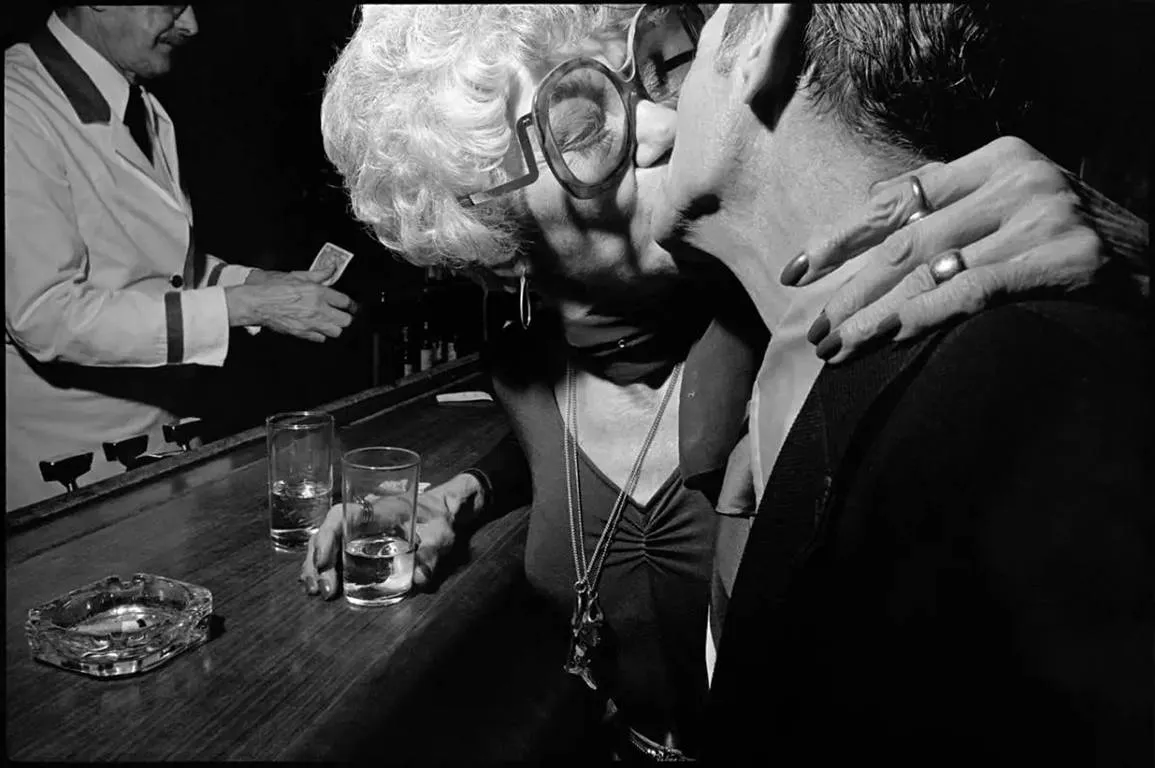
Mary Ellen Mark is a prominent American photographer and documentary filmmaker known for her profound and emotionally charged work. She was born on March 20, 1940, in Portland, Oregon, and showed a passion for photography from an early age. Mark gained recognition for her portraits that captured the lives of people on the margins of society, as well as her documentary projects exploring diverse cultures and social issues.
Her work often explores themes of identity, human relationships, and social justice. Mary Ellen Mark used photography as a storytelling tool, allowing her to create a unique visual style that blends both documentary and fine art photography. Her images have been published in such renowned publications as Life, The New York Times Magazine, and National Geographic.
Throughout her career, Mark has received numerous awards and recognition in the photography world. She has also published several books collecting her best works and projects. Mary Ellen Mark left a significant legacy in the field of photography and has inspired many contemporary photographers to create profound and meaningful visual narratives. Her contribution to art and documentary photography continues to influence new generations of creators.
The first worldwide retrospective of American documentary photographer Mary Ellen Mark can be considered one of the key exhibitions in Arles this year. This exhibition provides a unique opportunity to see the work of a great master of documentary photography that touches on important social themes and human stories. The exhibition attracts the attention of both professionals and art lovers, highlighting the significance of Mark’s work in the context of contemporary documentary film and photography.
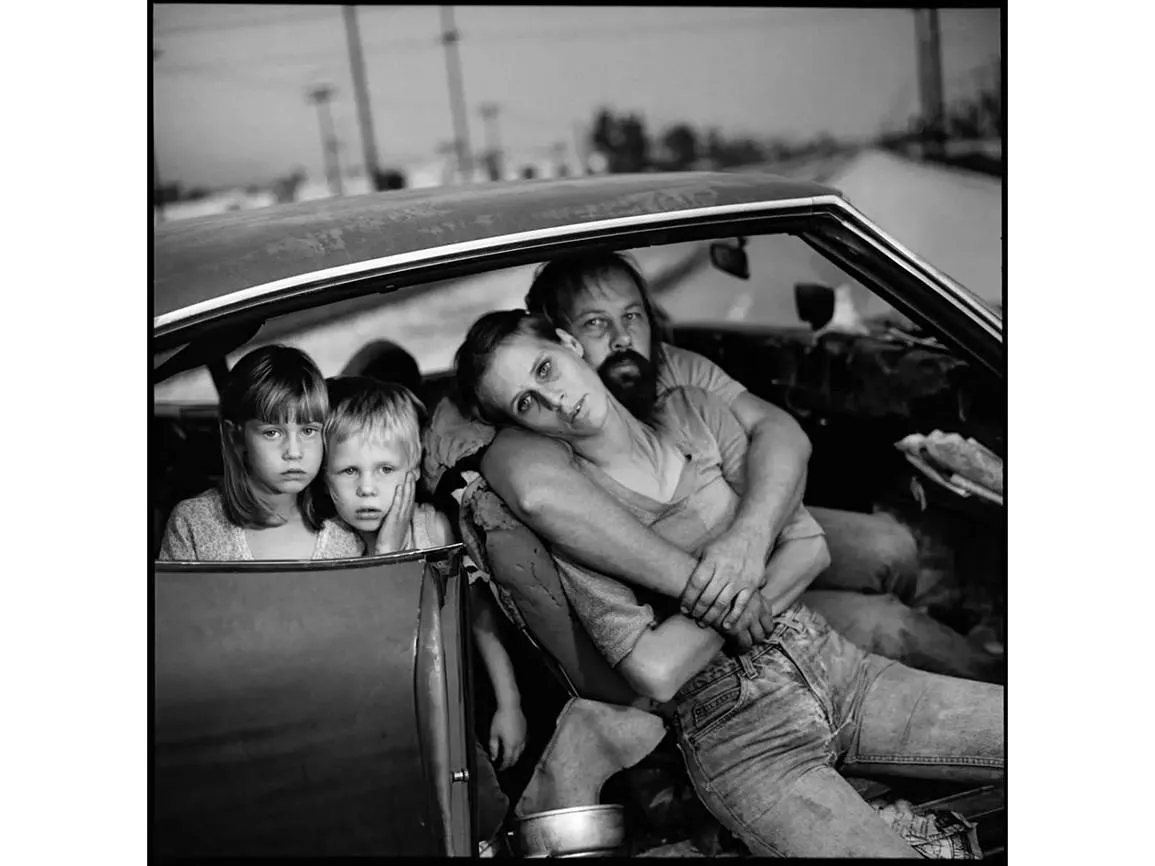
Mary Ellen Mark (1940–2015) was a remarkable photographer who worked with both Hollywood stars and people remaining outside the public eye. Her projects, which began as commissions for renowned magazines such as Life, Vogue, Rolling Stone, The New Yorker, and Vanity Fair, often developed into deeply personal explorations. Over the years, Mark has closely followed the lives of her subjects, often from marginalized communities, displaying genuine compassion and consistency in her work. Her works not only capture powerful moments but also become an important contribution to documentary photography, raising important social issues.
The exhibition "Encounters" is a series of five significant projects by the American artist that highlight important social themes. Focusing on street children in Seattle, women in Oregon hospitals, sex workers in Mumbai, circus performers in India, and the wards of Mother Teresa's charities, each of these works immerses the viewer in the unique stories and challenges faced by these groups, creating a conscious perception and deep understanding of their lives and struggles. "Encounters" highlights the importance of social issues and calls for empathy and action in support of the most vulnerable segments of society.
This section features rare archival documents, including the photographer's personal notes and official correspondence. These materials allow us to gain a deeper understanding of the process of creating her photo series and reveal unique aspects of her creative path.
"Journey to the Center of the Earth"
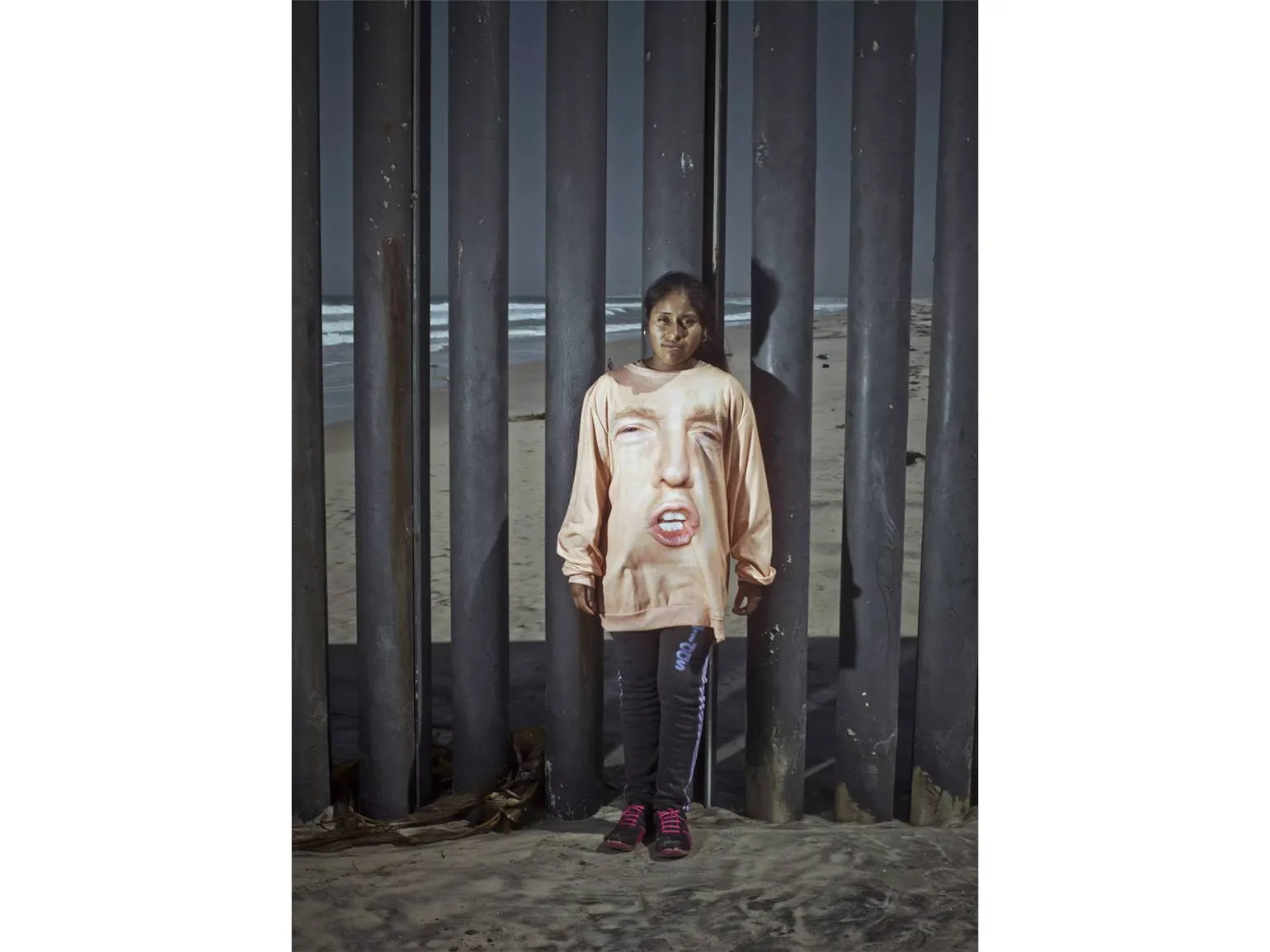
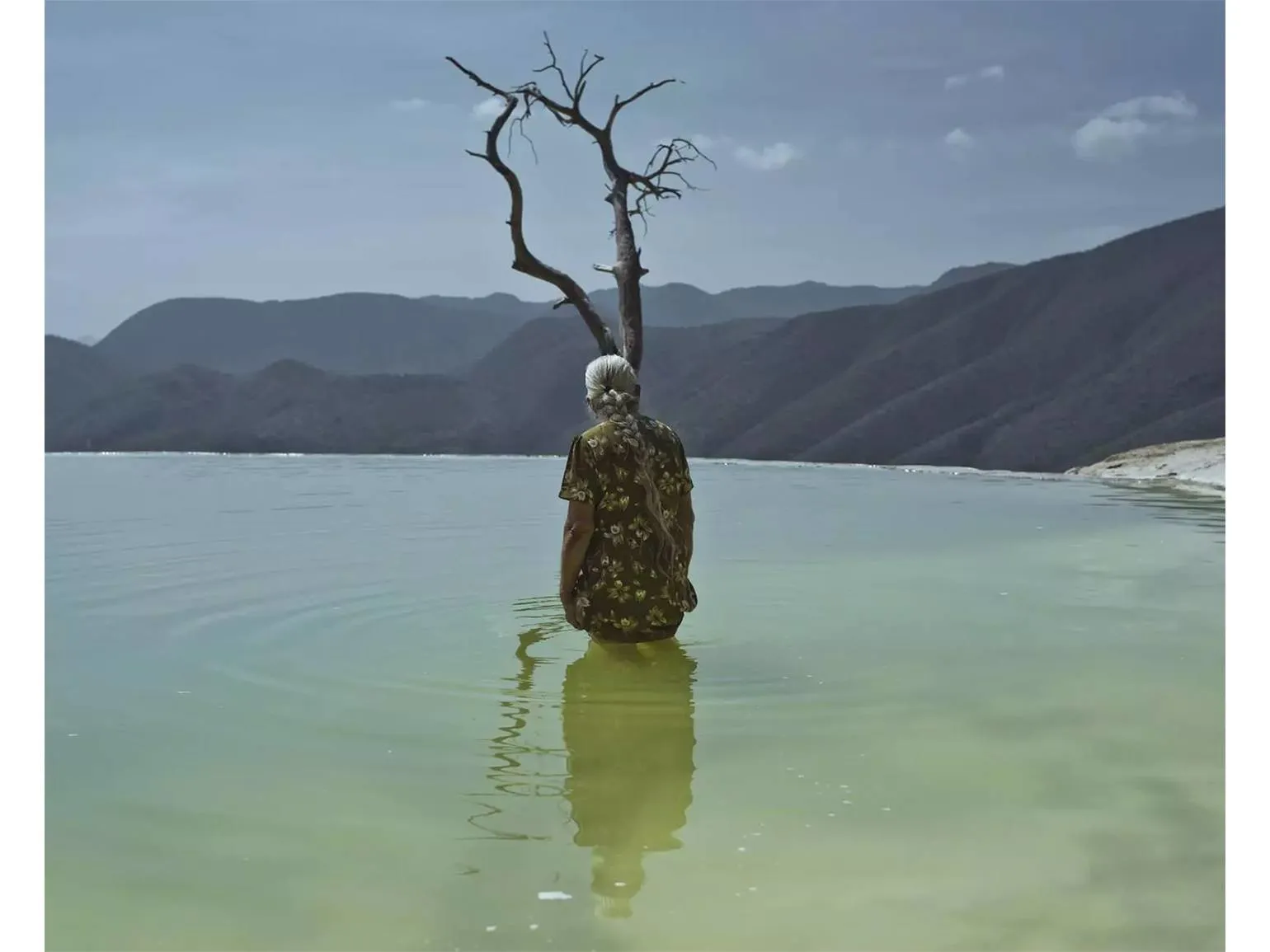
Cristina de Middel is a renowned Spanish photographer and artist whose work explores the boundaries between documentary photography and artistic expression. She actively uses photography as a medium for storytelling and addressing social issues. In her projects, Cristina often combines elements of reality and fiction, creating unique narratives that engage viewers. Her work has been exhibited internationally, and she has received recognition for her original approach to visual art. Cristina de Middel continues to inspire a new generation of photographers and artists with her creative approach and critical perspective on the contemporary world. Magnum photographer Cristina de Middel interprets migration from Central America to the United States as more than just an escape, but a bold and courageous journey. In her work, she draws on the structure and atmosphere of French writer Jules Verne's novel "Journey to the Center of the Earth" to create a unique visual narrative. This approach highlights not only the difficulties migrants face but also their desire for new opportunities. Cristina de Middel focuses on the courage and determination of people who overcome borders in search of a better life. The Spanish photographer's characters' journey begins in the far south of Mexico, near the border with Guatemala, and culminates in the unique mini-settlement of Felicity, which bears the title of "Center of the World." The settlement received this status thanks to its eccentric founder, who convinced the county supervisory board of its significance. Situated in the Californian desert, Felicity captivates with its unusual blend of nature and human creativity, attracting tourists and travelers from around the world.
Christina de Middel combines traditional documentary photography with archival footage and the creation of new images. This approach creates a multi-layered narrative that deepens understanding of migration issues, challenging the simplistic view often presented by the media and official structures. De Middel's work focuses on the complexities of migration, revealing them through the lens of personal stories and contextual analysis.
"Hannibal's Garden"
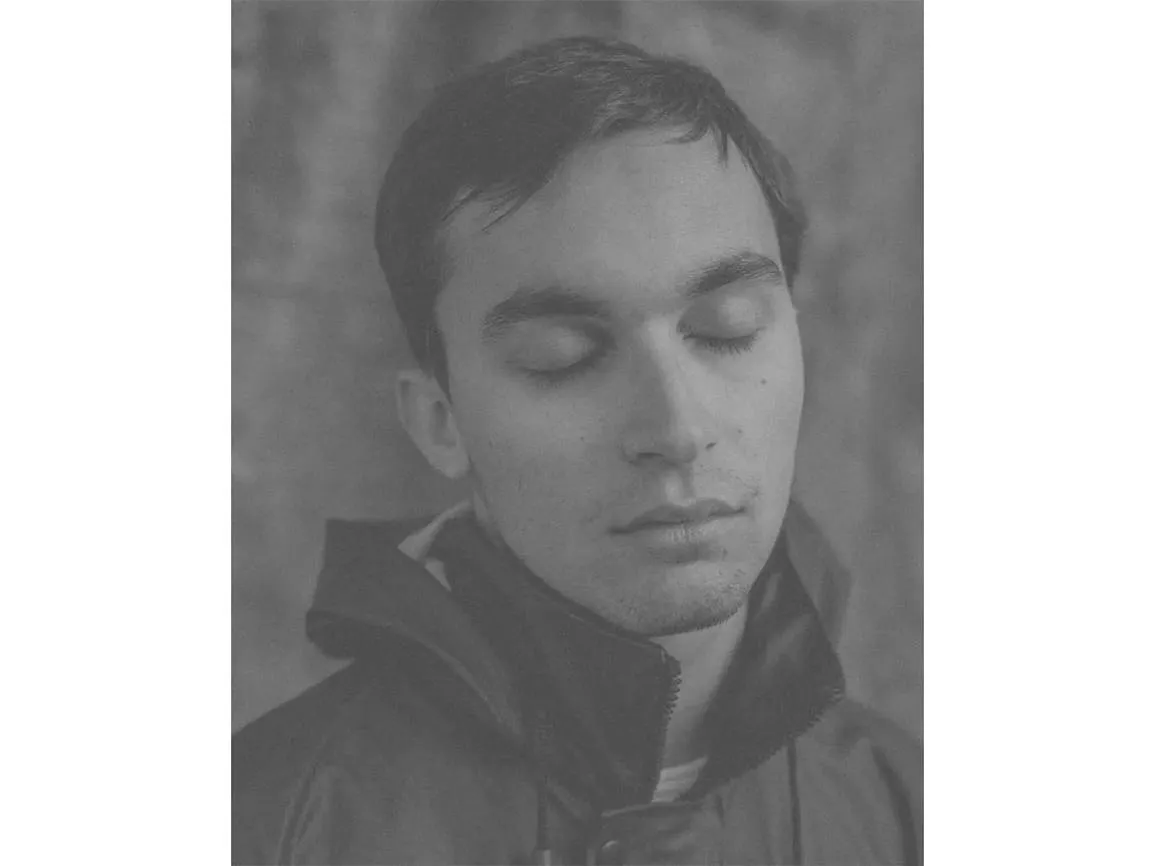
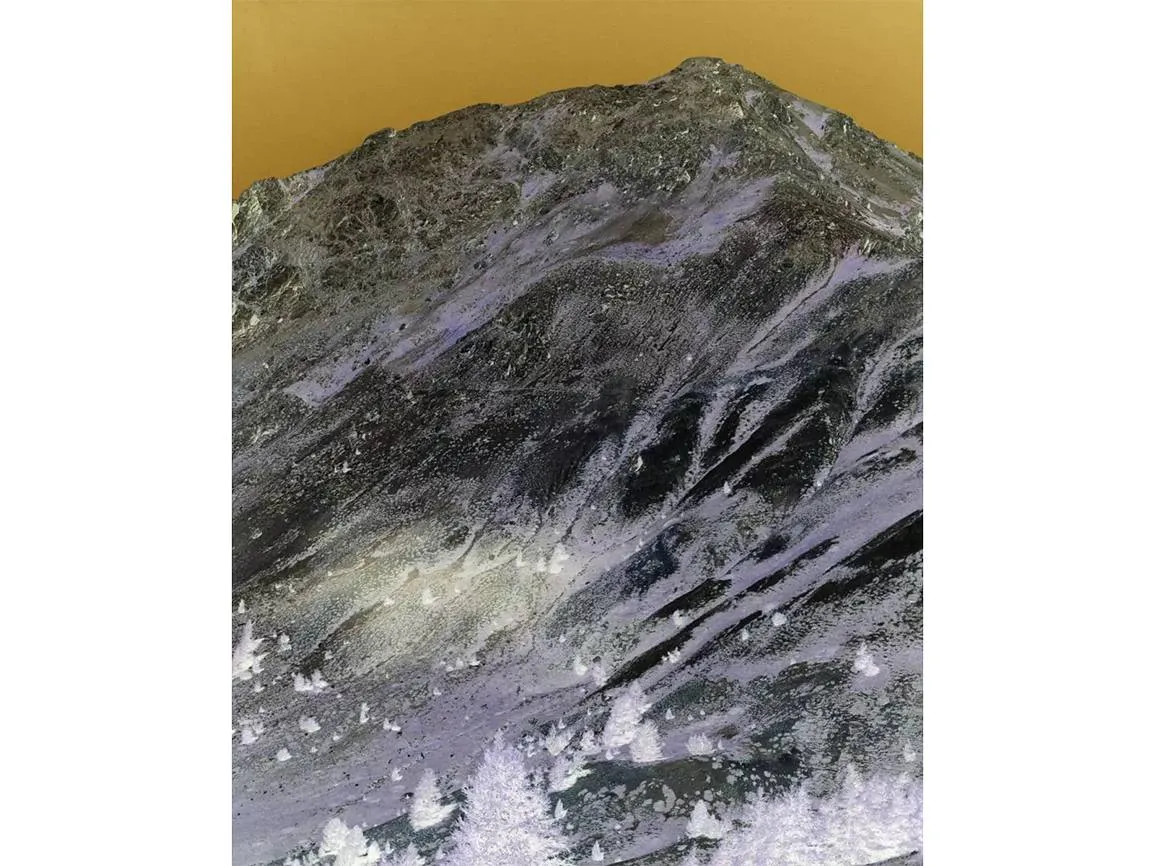
Marine Lanier is a name associated with high-quality art and creativity. She is known for her unique approaches to painting and other forms of artistic expression. Marine Lanier's works attract attention thanks to their vibrant colors, deep emotions, and original concepts. Her work inspires many and becomes the subject of discussion at exhibitions and in art communities. An important aspect of Marine's work is its ability to evoke strong feelings in viewers and encourage reflection on life and art. Each work is not just an image, but an entire story that she tells through her paintings. Marine Lanier continues to actively develop and experiment, making her work relevant and in demand in the contemporary art world. The Alpine Botanical Garden of Lautaret, located at an altitude of 2,100 meters above sea level, is a unique reserve with a diverse flora, housing high-altitude plants from all continents. Scientists conduct important experiments at this botanical garden. Using a helicopter, alpine pastures are transported down the mountainside, allowing researchers to study the impact of a temperature change of just three degrees on the ecosystem. The results of these studies will be significant for predicting the effects of global warming and will help better understand how climate change affects high-altitude ecosystems. French photographer Marine Lanier joined forces with botanists and other scientists. In the evenings, they discussed the story of the Carthaginian general Hannibal, who in the 3rd century BC led his troops through the Alps in a remarkable march. This historical episode has become an important topic for reflection and inspiration, highlighting the connection between art and science, as well as the mutual influence of various fields of knowledge.
Hannibal was an opponent of Roman domination. The photographer notes that his "garden-laboratory" symbolizes Hannibal's struggle and represents a stronghold of resistance in the modern world, which is facing the challenges of climate change. This place becomes a metaphor for the struggle for nature conservation and sustainable development, relevant topics in the context of global environmental problems.
The series arose through the combination of past events and images of a possible future. This unique interweaving creates a fascinating atmosphere in which history and fantasy harmoniously coexist, opening new horizons for perception.
"Master of Things"
Michel Medinger is a renowned figure in her field, possessing significant experience and achievements. She is distinguished by a high level of professionalism and deep knowledge, which makes her a valuable expert. Michel is actively involved in various projects and initiatives aimed at development and innovation. Her work and research are of great importance for modern society, and she continues to inspire many with her example and dedication.
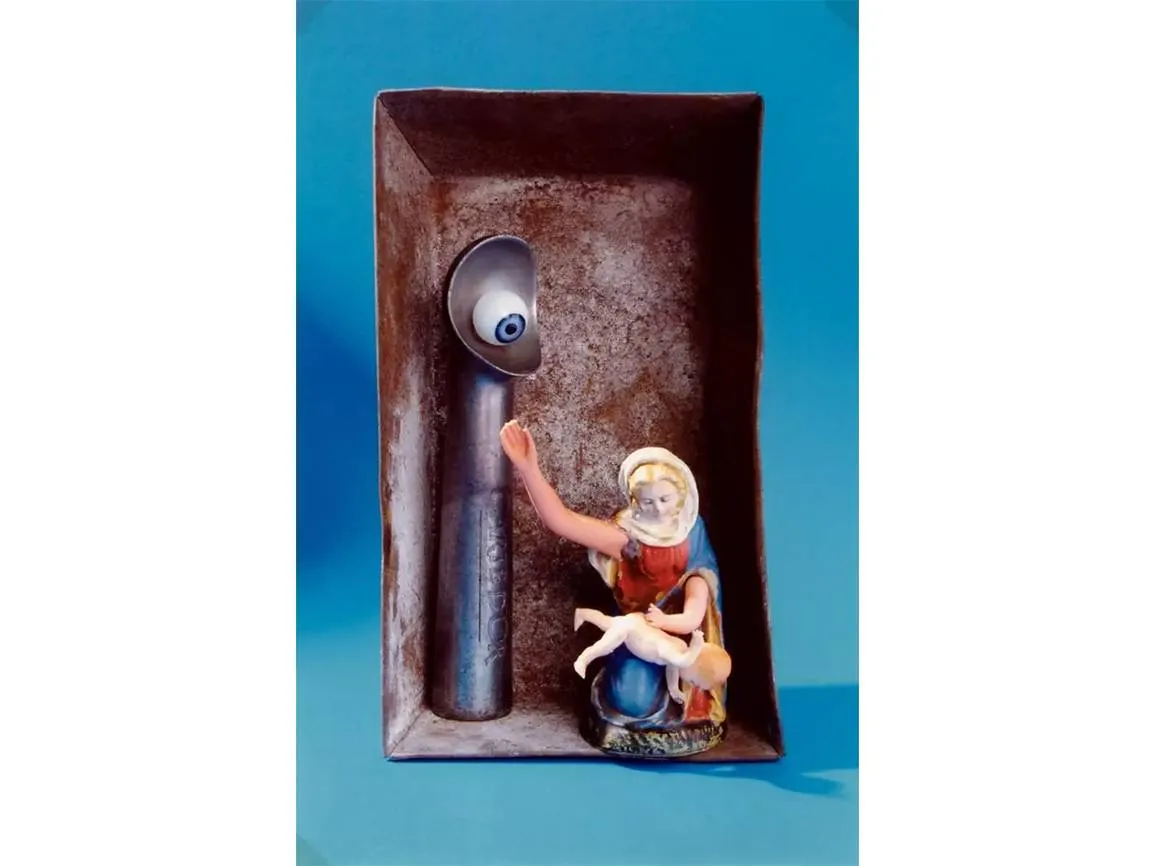
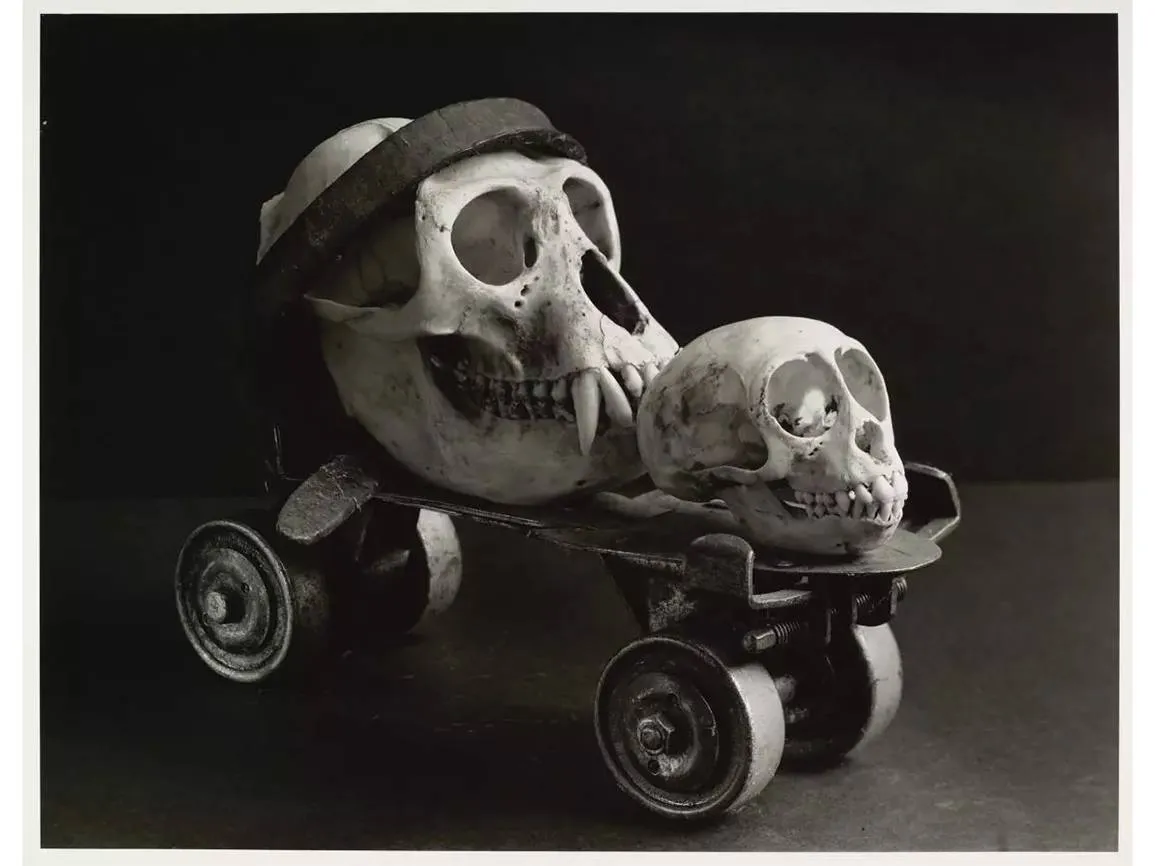
Michel Medinger is a renowned photographer from Luxembourg, self-taught and experimental. A former Olympic runner, he is also an avid collector. His house in Contern is full of unique finds: old tools, bird skeletons, skulls, as well as withered flowers, vegetables, and fruits of unusual shapes. These seemingly useless objects serve as a source of inspiration for his still lifes. Michel has been working in this genre for over forty years, creating works of art that capture attention with their originality and depth.
Each frame is the result of a thoughtful composition of objects, while the artist's symbols are borrowed from vanitas paintings—allegorical Baroque still lifes. Creating associations, often with elements of humor, the photographer explores the fragility and beauty of life. The author's works not only attract attention but also encourage the viewer to reflect on the value of moments and the fleeting nature of life. These still lifes become a unique reflection of our perception of time and the transient.
The installation exhibition in Arles features 50 works by the artist Medinger, including unpublished pieces. A part of his collection is also presented, allowing you to immerse yourself in the unique world of the master’s work and appreciate the diversity of his artistic heritage.
"Neither give nor throw away"
Sophie Calle is a renowned French artist and photographer whose works explore the boundaries between art and personal life. Her work includes installations, photographic projects, and performances, often based on personal experiences and interactions with the world around her. Call uses elements of autobiography to create deep and multilayered narratives that provoke viewers to consider the nature of identity and intimacy. Her approach to art can be characterized as unique and provocative, making her one of the most influential figures in contemporary art. Sophie Call continues to inspire new generations of artists with her unconventional approach and bold creative solutions.
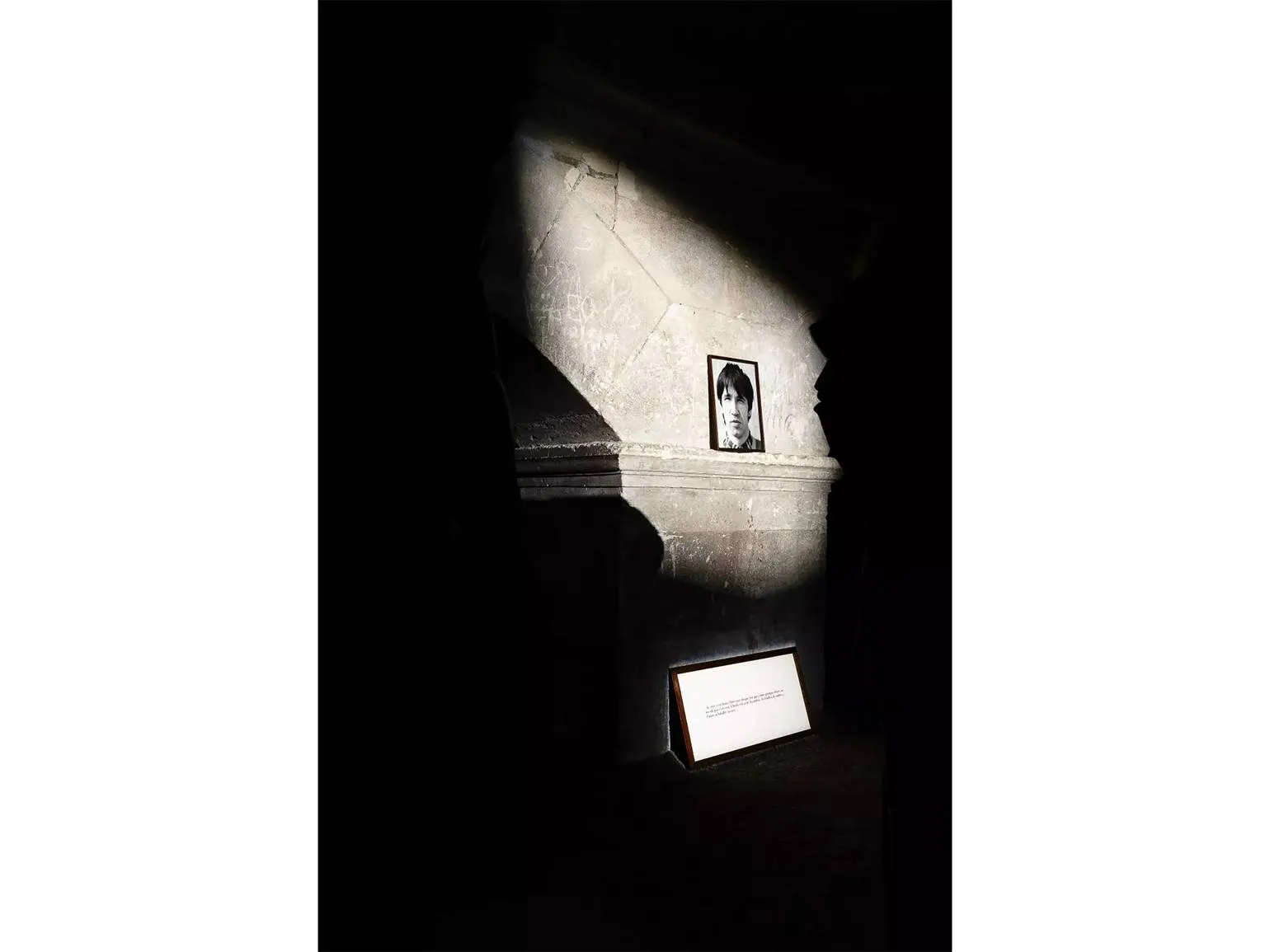
A hurricane damaged the storage room of French conceptual artist Sophie Call, damaging works from her "Blind" series. As a result, mold spores appeared on the paintings. Conservators Call contacted concluded that the works should be destroyed to prevent further contamination. This event raises important questions about the preservation of art and its vulnerability to natural disasters.
"Blind" played a significant role in my life, and I couldn't let it end up in a landfill. At that moment, I remembered the artist Roland Topor's idea of burying an old sweater that he couldn't refuse, whether as a gift or in the trash. This act symbolized the importance of preserving meaningful objects, even if they are no longer needed in everyday life.
Kalle chose an underground gallery in Arles to "bury" her works. She allowed the humidity to continue to corrode her pieces, so that they would eventually merge with the city's soil. This choice was ironic, as Arles plays a key role in the preservation of photographic art. The underground gallery became a symbol of the interaction between art and nature, emphasizing the uniqueness and fragility of Call's creations.
The artist added to "Blind" and other works dying from fungus her own objects, which no longer have meaning to her, but which she cannot get rid of or give away. These objects become part of her creative statement, reflecting complex emotions and a deep connection to the past.
Personal Belongings
Miyako Ishiuchi is a prominent Japanese writer known for her profound and emotional works. Born in Japan, she developed a passion for literature from an early age, which later shaped her career. Ishiuchi often explores themes of identity, culture, and human relationships in her works. Her style is expressive and subtle, allowing readers to deeply understand the inner worlds of her characters.
Miyako Ishiuchi's works have received recognition both in Japan and abroad. She has won several literary awards, and her books have been translated into many languages. Reading her works provides a unique opportunity to immerse herself in Japanese culture and philosophy, as well as reflect on universal human experiences.
Miyako Ishiuchi continues to write prolifically and inspire a new generation of readers, her work remains relevant and significant in the contemporary literary world.
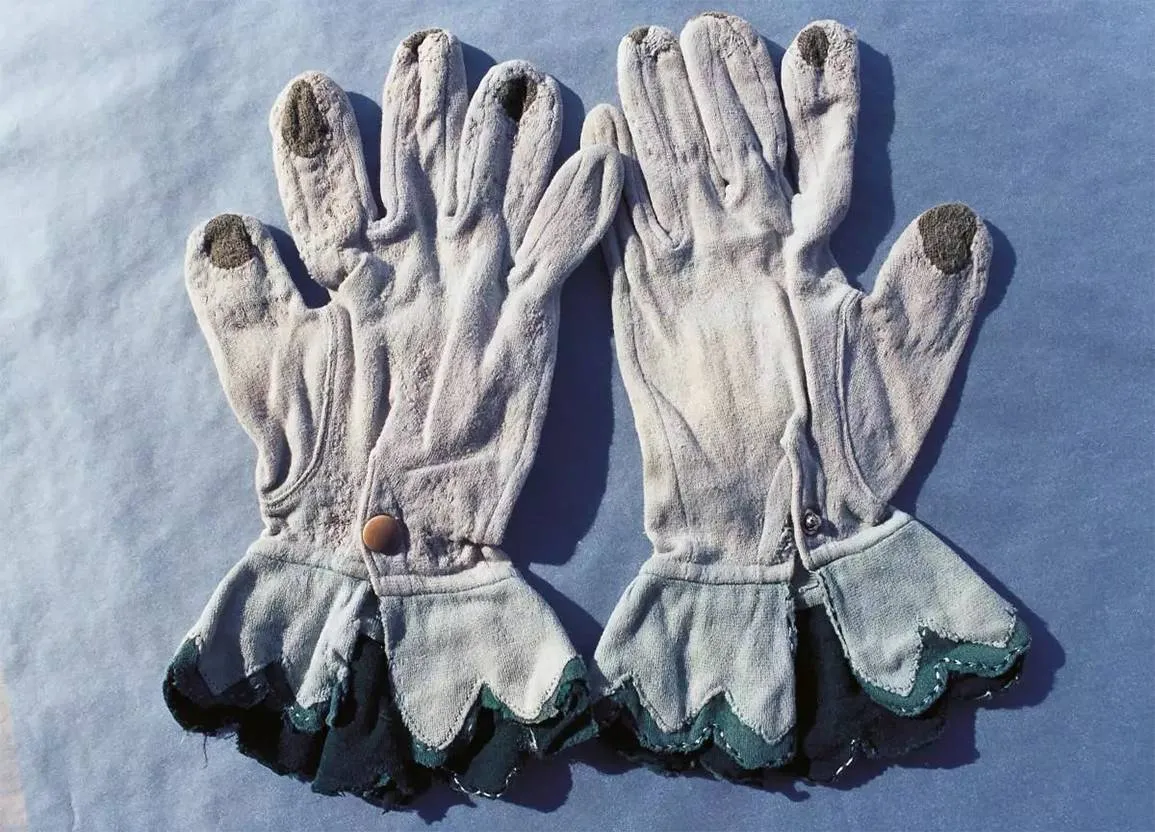
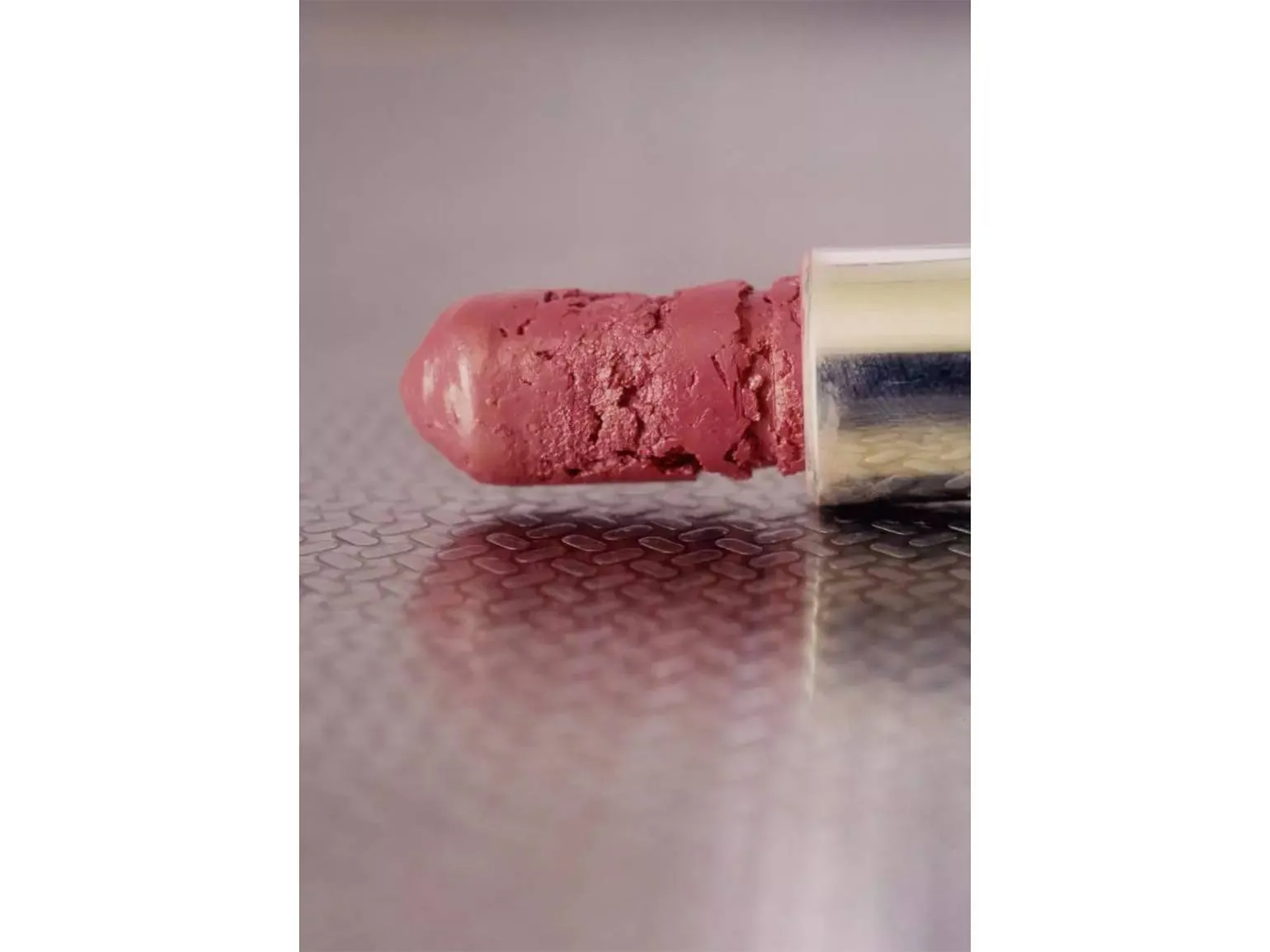
The "Personal Belongings" series by Japanese photographer Miyako Ishiuchi is a unique project that captures objects left behind after her mother's death. These photographs evoke profound reflections on life, loss, and memory. Lipstick without lips, shoes without feet, dentures without a mouth, a dress without a body—each image becomes a symbol of absence and invites the viewer to consider how objects can hold memories. Ishiuchi's work highlights the intimacy and complexity of mother-daughter relationships and explores themes of identity and the transience of life. This project not only evokes an emotional response but also highlights the importance of personal belongings in our lives.
"My mother and I didn't have the best relationship during her life, but as I began sorting through her things, it seemed like the distance between us was gradually narrowing," the Japanese artist recalls.
She created her photo series 24 years ago and regrets that these images are no longer a thing of the past. Each time they are shown, they become relevant and significant again in the present tense.
"I'm so glad you're here"
The exhibition "Japanese Women Photographers from the 1950s to the Present" offers a unique opportunity to gain a deeper understanding of Japanese photography and its development. Since the 1950s, Japanese women photographers have made significant contributions to the art of photography, and this group exhibition seeks to address the lack of information about their work and influence. Featuring works spanning a variety of genres and styles, the exhibition highlights the unique perspectives of Japanese women. Not only does the exhibition introduce viewers to outstanding photographs, but it also helps them understand the importance of the female voice in the history of photography.
The works of 25 female artists from different generations are on display in Arles. Some were recognized during their lifetimes, while others have remained undeservedly overlooked. The exhibition presents works in a variety of artistic approaches: traditional photography harmoniously blends with installations, video art, and photo books. This diversity of forms allows for a deeper understanding of the creative palette of contemporary art and its impact on society. The exhibition highlights the significance of women's contribution to the art world and promotes the relevance of their work.
Three key themes unite the old and contemporary works. Firstly, it's a profound and sensitive look at everyday life, allowing us to see familiar moments from a new perspective. Secondly, it's a critical analysis of Japanese society and the role of women within it, raising important social issues. Thirdly, it's an experimentation with artistic mediums that opens up new horizons for art appreciation. These themes contribute to a deeper understanding of both cultural traditions and contemporary trends.

"Heaven and Hell"
Nhu Xuan Hua and Vimala Pons are key figures in contemporary art and culture. Their works reflect a unique approach to creativity, combining tradition with modern concepts. Nhu Xuan Hua is known for his vibrant compositions that explore issues of identity and cultural heritage, while Vimala Pons focuses on the interaction between humans and nature, creating works that evoke profound reflection on our place in the world. Both artists actively participate in exhibitions and cultural projects, which contributes to the popularization of their work and the development of contemporary art. Their interaction and exchange of ideas serve as a source of inspiration for many young artists seeking to express their thoughts and feelings through art.
In their project, French artists Nhu Xuan Hua and Vimala Pons harmoniously blend performance and photography, creating a multilayered narrative. Their work explores the interplay between visual art and movement, opening new horizons for perception. Each action and each photograph becomes part of a larger story, allowing viewers to delve deeper into the concept. This approach not only highlights the artists' creativity but also demonstrates the importance of synergy between various artistic forms in contemporary art.
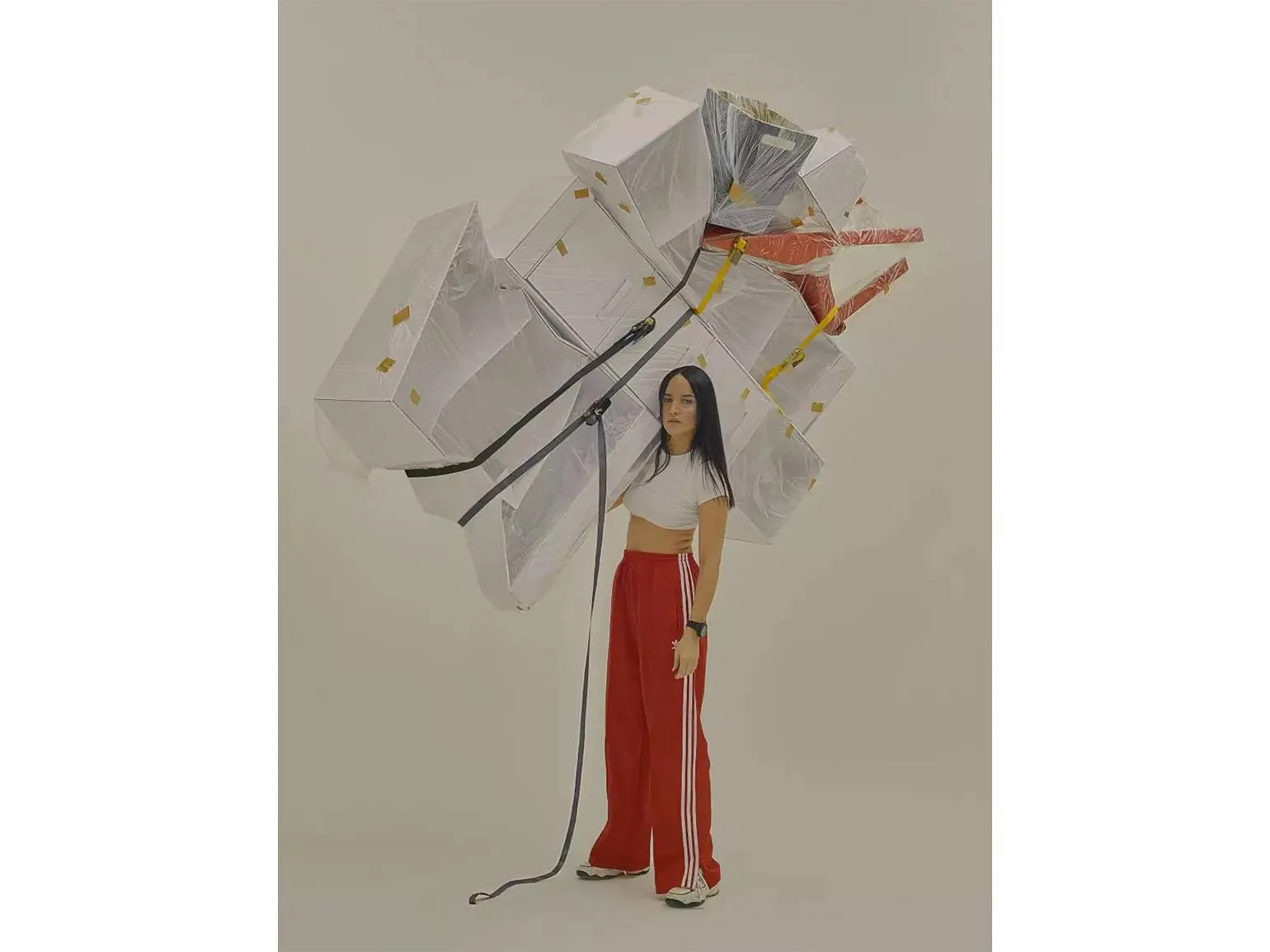
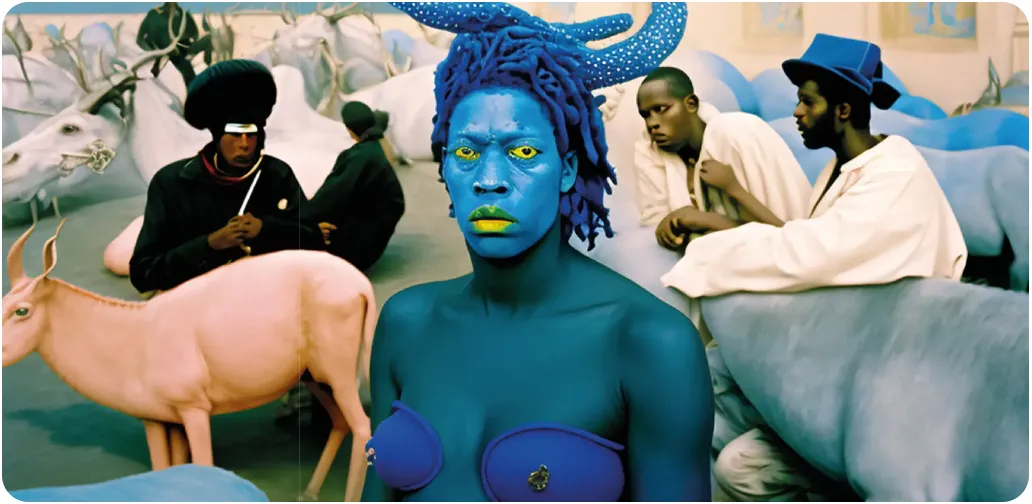
"Heaven and Hell" is a collection of fragments from all the houses in which the artists found refuge or dreamed of a new home. For the artists, the home becomes a space for inner growth and self-expression. In their understanding, identity is not fixed, but a continuous process of formation and transformation. This project highlights the importance of space in the artists' creative journey and their pursuit of self-discovery through art. The figures on pedestals are combined with objects that hold symbolic significance for the artists, representing allegories. Each character in the series is based on real or fictional figures from sports, pop culture, and mythology. These heroines, according to the artists, played an important role in their self-knowledge and creative development.

Reading is an important aspect of our lives, which helps develop thinking and broaden horizons. It not only enriches knowledge, but also contributes to the improvement of communication skills. In the modern world, where information is available in any format, reading books, articles and blogs is becoming even more relevant. The diversity of genres and themes allows everyone to find something interesting and useful. Regular reading helps improve concentration and attention, and develops the imagination. Don't miss the opportunity to immerse yourself in the world of literature and discover new horizons.
Artificial Intelligence in Art: 16 Projects Demonstrating the Transformation and Impact of Technology. In recent years, there has been a growing interest in projects in which artists use artificial intelligence to create unique works of art. These projects demonstrate how technology can change the approach to creativity, opening up new horizons for self-expression. From generative art to interactive installations, artificial intelligence is becoming an essential tool for contemporary artists, allowing them to explore new ideas and formats. In this article, we present 16 examples of projects that illustrate artists' interaction with artificial intelligence and its influence on contemporary art.
"Fashion Army"
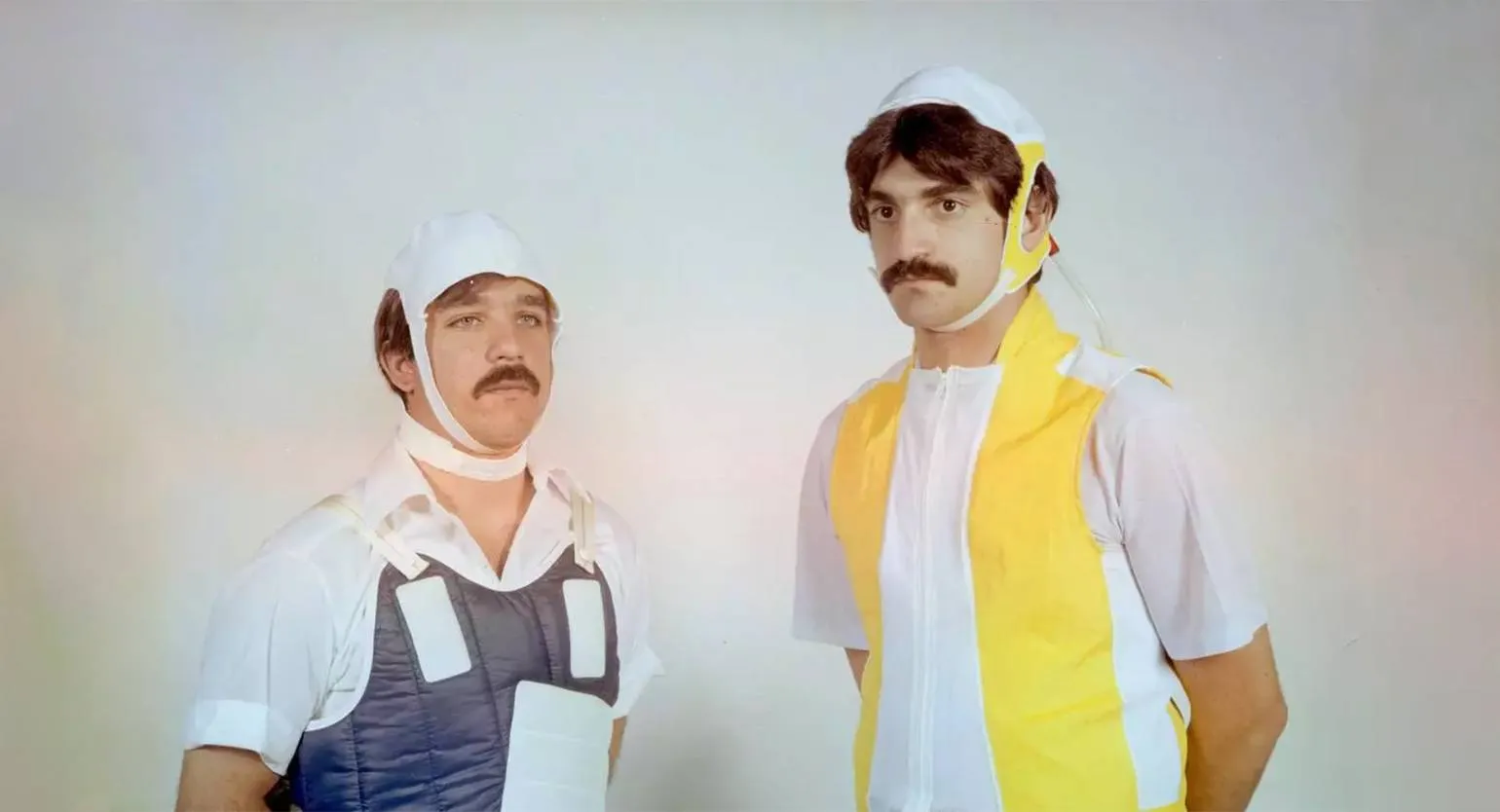
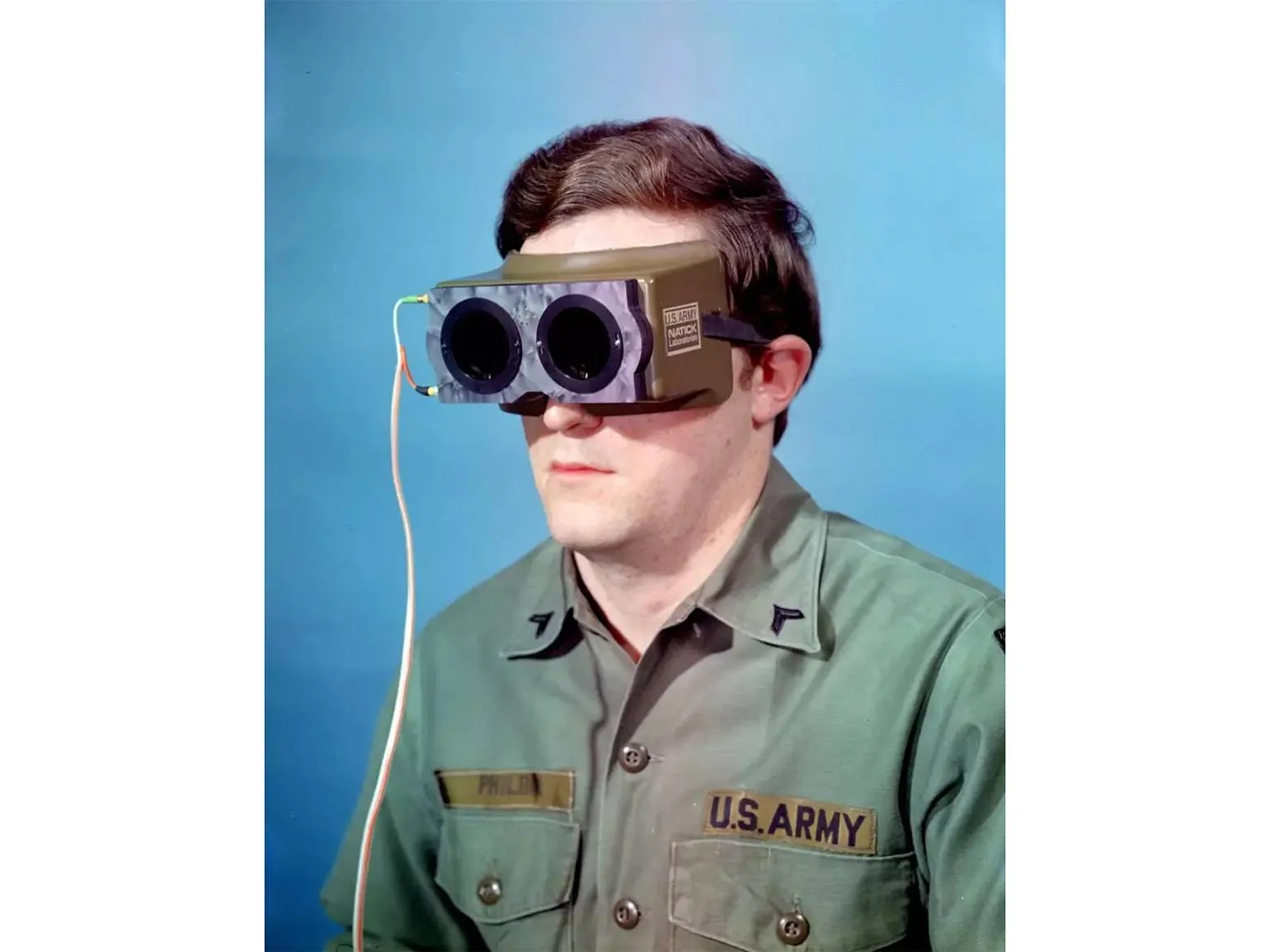
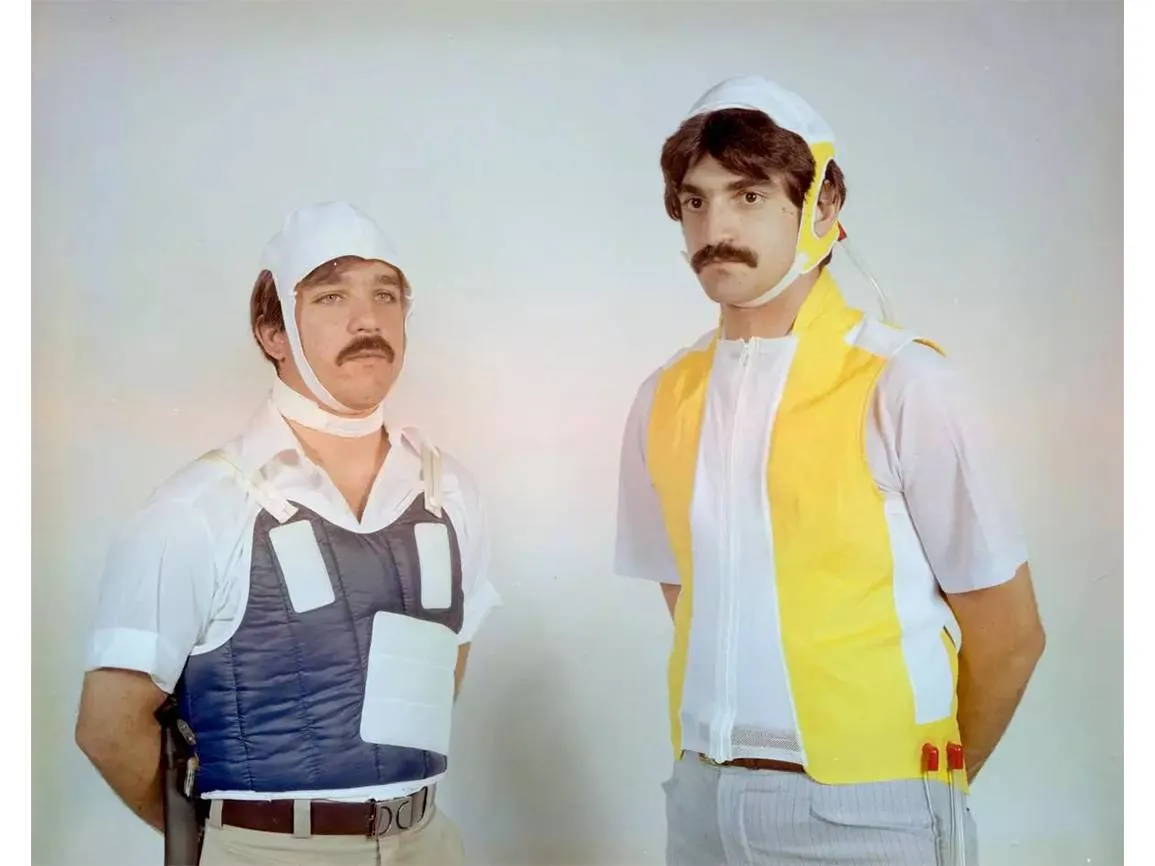
A series of photographs from the recently declassified archive of the US Army's Soldier Equipment Research Center showcases unique examples of soldier uniforms and equipment prototypes. Located in Massachusetts, the Center tests and develops new technologies aimed at improving the functionality and safety of military personnel. The photographs provide valuable insight into the process of creating and testing equipment used by the Army and highlight the importance of innovation in military uniforms.
A total of 14,134 images, created between the late 1960s and the early 1990s, have been made publicly available. The purpose of releasing these photographs, originally intended for internal use, remains unclear. Curator Mathieu Nicole relied on visual criteria when selecting the photographs for his series, drawing on subjective associations with studio and street portraits. The constrained poses, tense smiles, and awkward glances of the models, as well as the desire for maximum objectivity in the composition, according to the curator, should raise questions in viewers and provoke reflection on the nature of portrait photography. The series highlights how military developments influence everyday life. Trench coats, aviator sunglasses, and camouflage prints have become integral parts of fashion, both on the catwalk and in street styles. The aesthetic appeal of these elements raises certain concerns for Mathieu. Although the photographs were not intended as propaganda, they are the result of the work of an institution whose purpose is to prepare for war. This paradox between military functionality and fashion aesthetics opens new horizons for analyzing the influence of military culture on contemporary fashion.
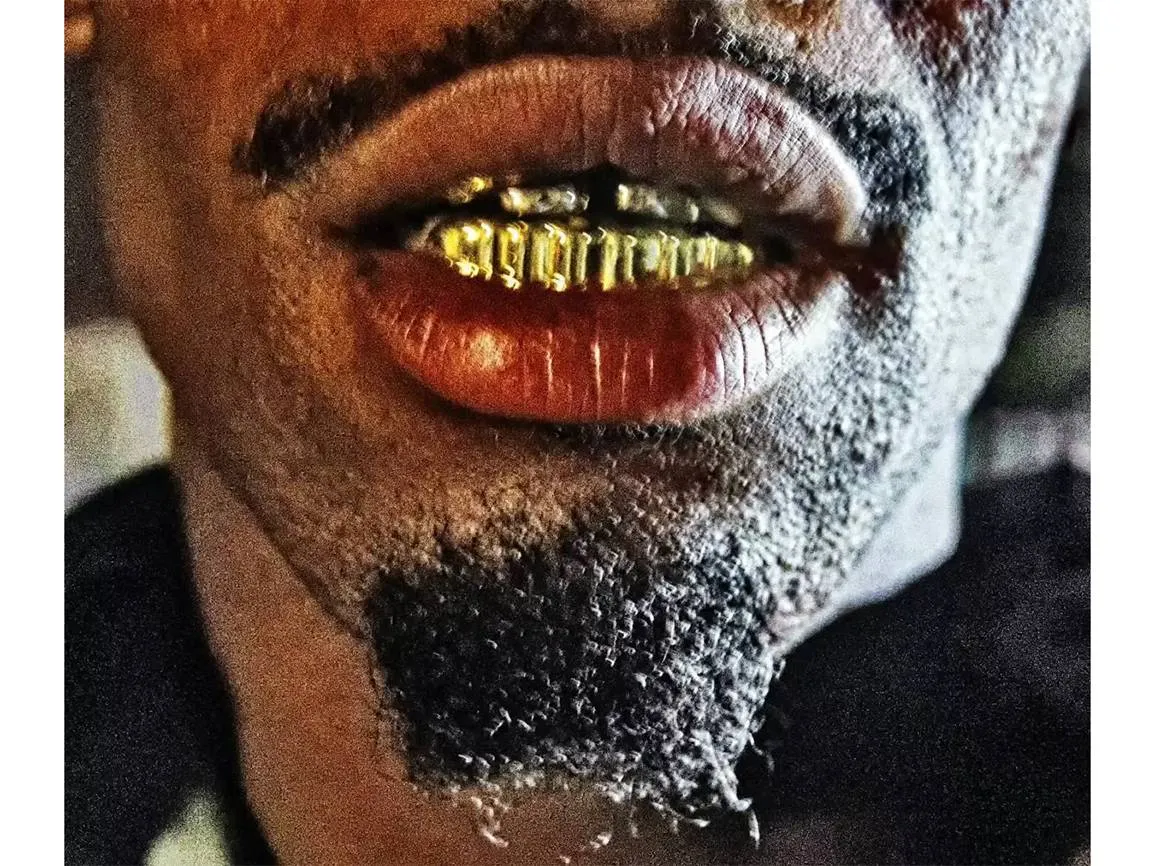
Ho tshepa ntshepedi ya bontshepe
Tshepiso Mazibuko is a renowned figure who has gained attention for his contributions to a variety of fields. His work spans many aspects, including entrepreneurship and social initiatives. Mazibuko strives to improve the quality of life in his community and actively works on projects aimed at education and youth development. His approach combines innovative ideas and practical solutions, making him a role model. Importantly, Tshepiso Mazibuko not only inspires others but also actively shares his experiences, which contributes to the creation of more sustainable and progressive communities.
Tshepiso Mazibuko is a 29-year-old photographer from Thokoza, South Africa. In her work, she focuses on the children and youth of this small town, capturing them in their everyday lives. Mazibuko explores the generation known as “born free”—black South Africans born after the end of apartheid, to which she belongs. Her photographs convey unique stories and emotions, reflecting the changes and hopes of a new generation.
Thirty years later, what does the phrase “born free” mean? Is it possible to experience freedom in a society where deep inequality remains? Mazibuko, asking these questions, examines her hopes, responsibilities, and disappointments. His reflections raise important themes about freedom and social justice, forcing her to consider the real meaning of these words in the modern world. Every generation faces challenges, and the understanding of freedom requires constant rethinking. By discussing these aspects, we can gain a deeper understanding of how society can move towards a more just future.
The title of the project expresses the concept in Sesotho, one of the official languages of the Republic of South Africa. The phrase "Хо тшепа нтшепеди я бонтшепе" translates as "to believe in something that will never happen." This project touches on important themes of hope and expectation, offering a profound analysis of human psychology and perception of reality.
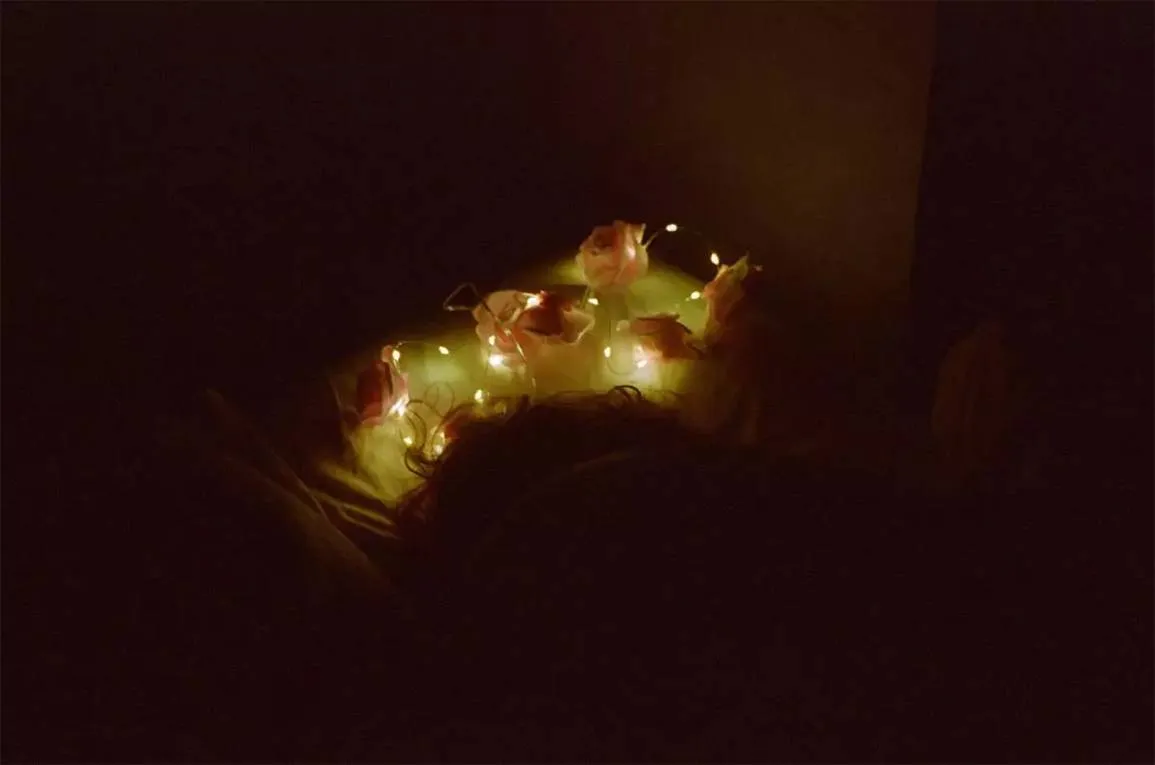
L’Inquiétude (The Inquietude)
Nantené Traoré is an outstanding athlete, known for his achievements in the world of professional sports. His career includes numerous victories and records that inspire the younger generation of athletes. Traoré has proven himself to be a goal-oriented and hard-working athlete who not only demonstrates high results in competitions, but is also actively involved in social projects, supporting the development of sports among young people. His impact on the community and dedication make Nantené Traoré a shining example to follow.
The photographs of French photographer Nantené Traoré capture the atmosphere of a frozen moment through open windows with billowing curtains and wide-open doors, creating expressive silhouettes. These images evoke deep emotions, allowing the viewer to immerse themselves in the unique atmosphere of each frame. Traoré masterfully captures the interplay of light and shadow, making his works particularly appealing to art and photography enthusiasts.
The series is called L'Inquiétude, which translates as "Anxiety," and is inspired by a play by contemporary French playwright Valère Novarina. Several images in this collection convey a sense of tension: a puff of smoke from burned film, a hospital room with still-warm sheets, and tranquilizers neatly arranged on a bedside table. Exhibition curator Audrey Illouz emphasizes that these elements create an atmosphere that provokes profound reflection on the state of anxiety and restlessness in contemporary society.
These are moments when, despite the absence of significant events, one can feel fully present in life. Such moments fill us with a feeling of aliveness and inner peace.

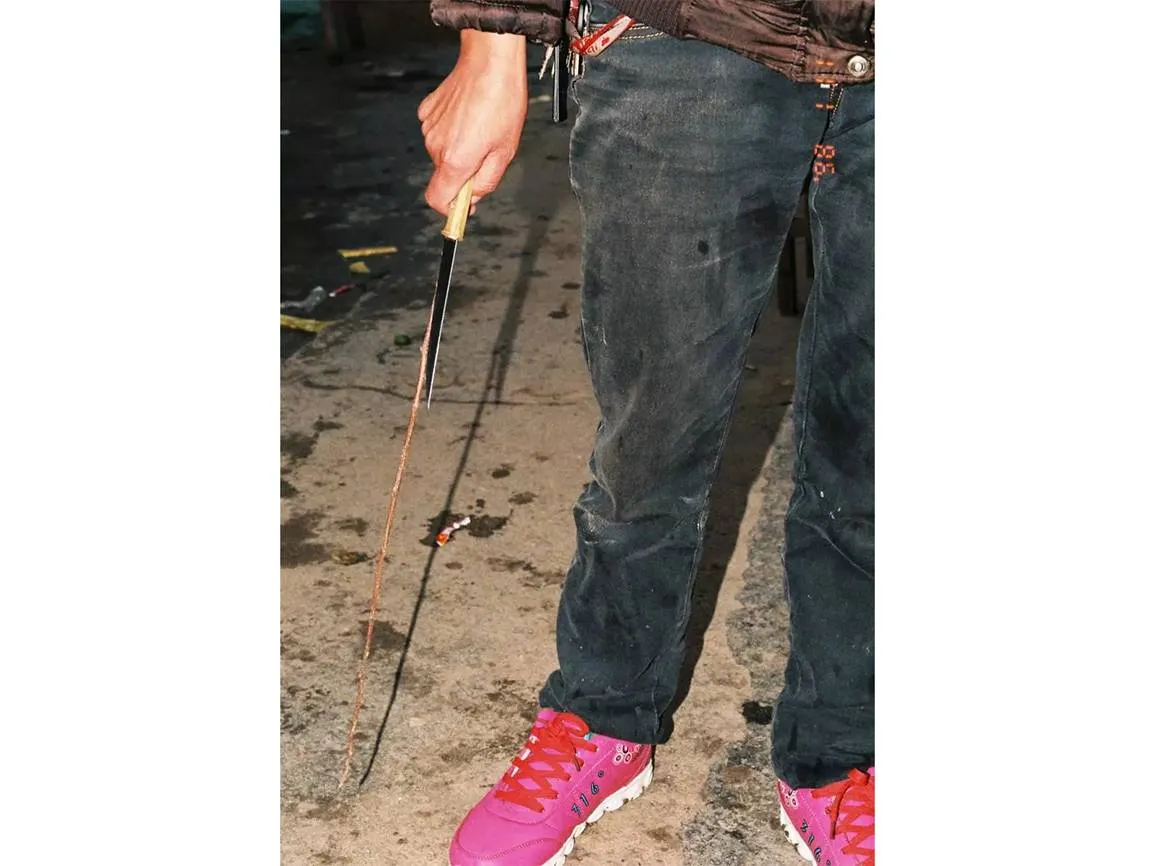
"The Fracture of Modernity: An Odyssey of Returning to a Hometown"
Lachem is a unique phenomenon that combines tradition and modernity. The term is often used in various contexts, from culture to gastronomy. In each of these areas, lahem finds its own expression, creating interesting and memorable moments.
Lahem can refer not only to a specific dish, but also to a way of life that includes a deep understanding of local traditions and customs. In culinary terms, lahem is associated with exquisite recipes and fresh ingredients that impart distinctive flavor and aroma to dishes.
In a cultural context, lahem symbolizes unity and diversity, uniting people around shared values and traditions. This word embodies the richness of cultural heritage passed down from generation to generation.
Thus, lahem is not just a term; it is a concept that encompasses many aspects of life, from cuisine to cultural practices. Understanding and studying lahem will help you gain a deeper awareness of the world around you and develop an appreciation for the diversity of human culture.
Lahem is a Chinese artist and curator who has been exploring themes of identity and memory in his work for 15 years. He primarily focuses on his hometown of Xibei, which becomes the central element of his artistic practice. Lahem's work immerses the viewer in reflections on cultural roots and individual perceptions of space, creating a unique dialogue between personal history and collective memory.
Lahem moves between Xibei and the multi-million-strong city of Guangzhou, where he resides. This unique environment allows him to explore issues related to land, migration, and transformation in greater depth. His work focuses on the interconnectedness of these themes, reflecting the complex processes occurring in contemporary society.
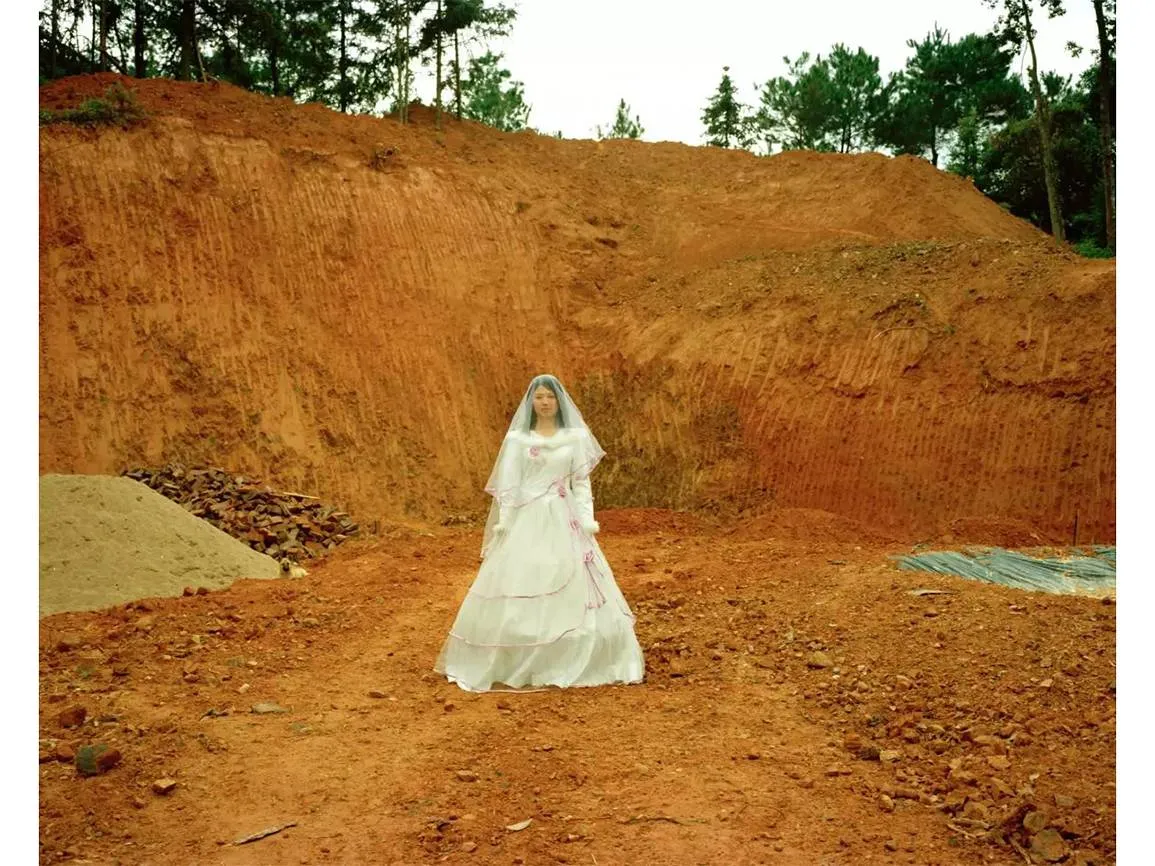
The "Hometown" trilogy is a homage to Xibei and other small settlements that inevitably disappear. The photographer masterfully transforms Xibei from a simple dot on the map into an "eternal land" that has existed for millennia. This project highlights the importance of preserving the cultural heritage and identity of small towns that are in danger of disappearing in the modern world.
"Transcendence"
A group exhibition of six Japanese female photographers, including Hosokura Mayumi, Iwane Ai, Okabe Momo, Suzuki Mayumi, Tonomura Hideki, and Yoshida Tamaki, presents a unique exploration of the possibilities of photography. These artists draw on a variety of genres, from intimate portraits to landscapes and poetic experiments, to convey both their individual and collective experiences. The exhibition highlights a diversity of approaches and techniques, demonstrating how photography can be a means of self-expression and exploration of cultural identity.
"Transcendence" builds on the 2022 exhibition "10/10," which was dedicated to contemporary Japanese female photographers and was held at the Kyotographie International Photo Festival in Kyoto. This new exhibition continues to celebrate women's contributions to the art of photography, highlighting their courage in rewriting both personal and public history through visual imagery.

"The Mourners"
Françoise Galeron is a renowned French scholar and researcher who has made significant contributions to various fields of knowledge. Her works cover topics related to sociology, cultural studies, and psychoanalysis. Galeron is actively involved in the study of social interactions and their influence on individual behavior. She also explores issues of gender and identity, which makes her research relevant in contemporary society. Her publications and scientific articles have become important sources for students, researchers, and practitioners in the field of social sciences. Françoise Galeron's contribution to science continues to inspire a new generation of scholars and practitioners seeking to understand the complex mechanisms of human behavior and social structures.
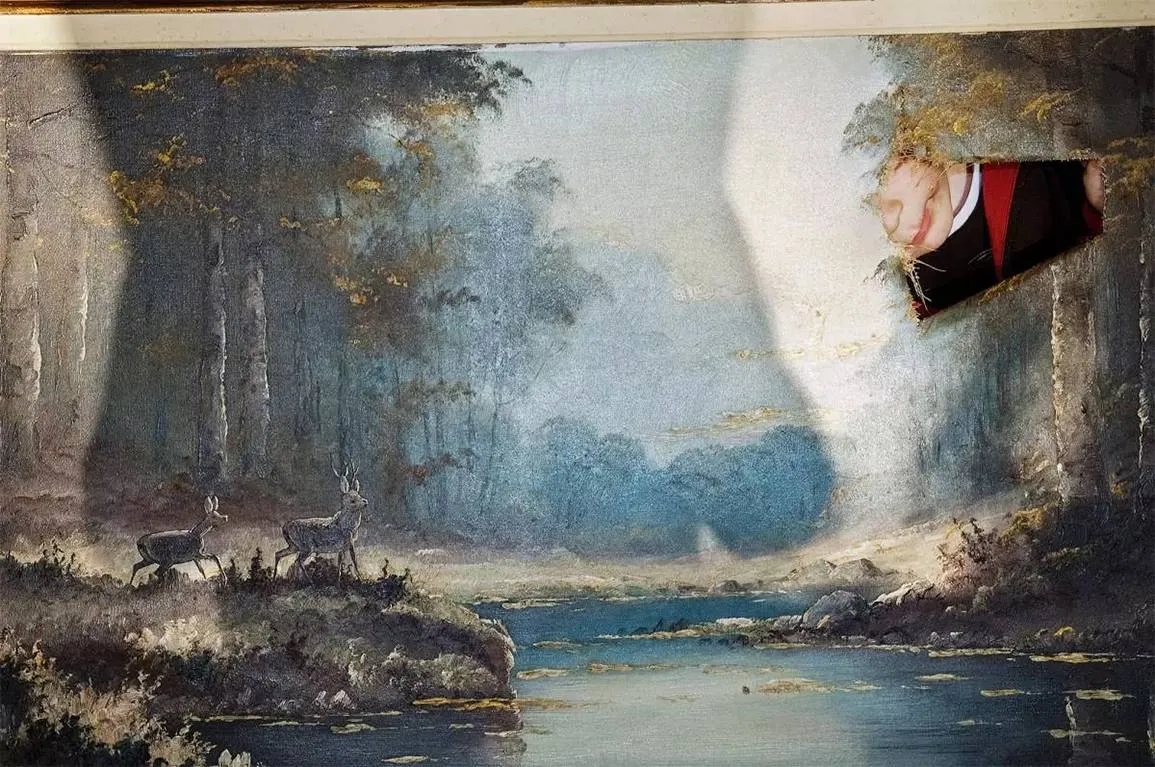
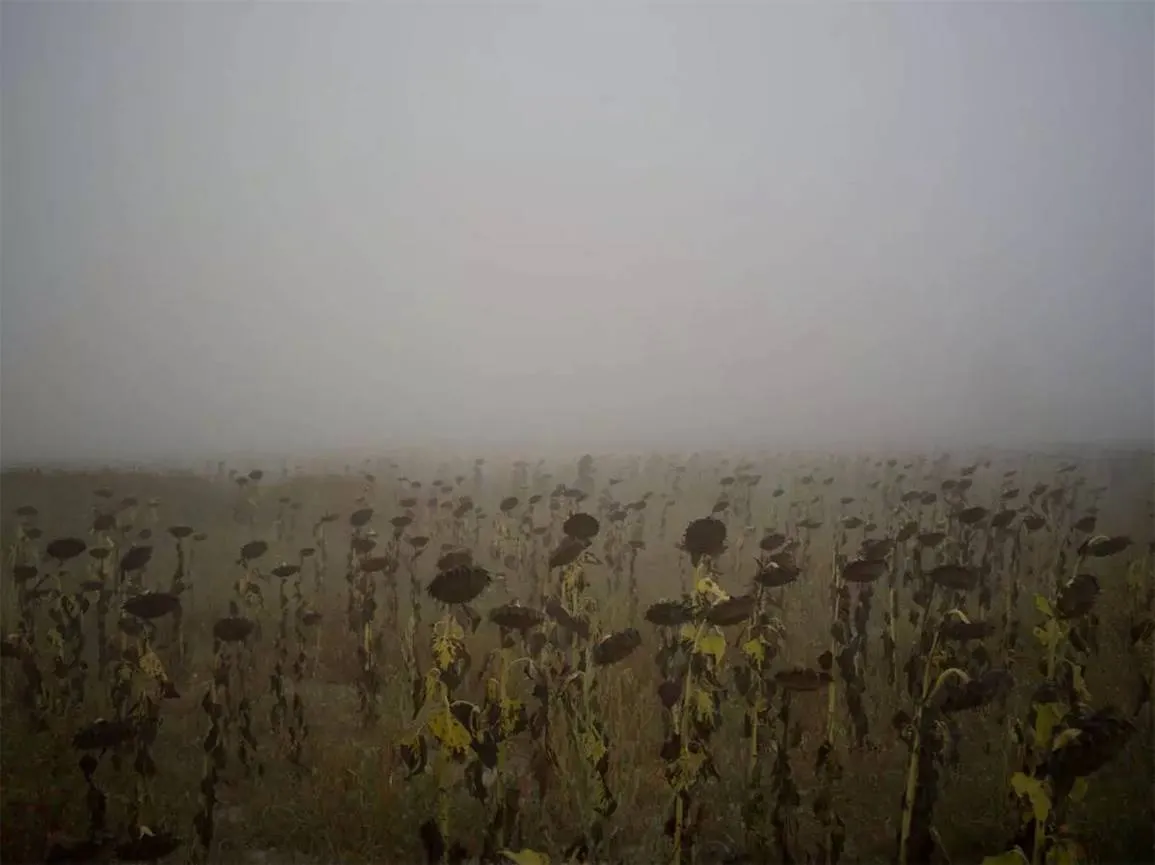
Françoise Galeron, a renowned French artist, focuses her work on the study of rural life. In her project "The Mourners," she immerses the viewer in the atmosphere of the Camargue, a picturesque coastal region in the south of France, famous for its unique natural park. Galeron strives to convey the beauty and complexity of the local environment, as well as the human connection to this ecosystem, making her work relevant and significant in the context of contemporary environmental issues. Françoise lives and works in the Camargue, exploring the profound meaning of inhabiting this unique space. As part of her project, she conducts conversations with residents of traditional Mediterranean farmhouses. Her interlocutors are fishermen and farmers, men and women of all ages. The artist seeks to understand how they perceive the surrounding space and how time flows for them. These questions are not random—Françoise draws on the ideas outlined in Bernard Picon's book "Space and Time in the Camargue," which underscores her desire for a deep understanding of local culture and traditions. The state of this territory raises serious concerns. The project aims to preserve the remaining elements of cultural heritage and traditions, but also questions their meaning and methods of transmission. The author emphasizes the importance of understanding what these legacies represent and how they can be preserved for future generations.
Lee Friedlander through the eyes of Joel Coen
The exhibition is the result of collaboration between American documentary photographer Lee Friedlander and the famous director Joel Coen, known for his films "Fargo", "No Country for Old Men" and "The Big Lebowski". This unique event brings together visual art and film, offering viewers the opportunity to see the world through the eyes of two talented artists. Friedlander's work, distinguished by a profound understanding of human nature, is beautifully complemented by Cohen's cinematic vision, creating a rich and multilayered interpretation of modernity. The exhibition attracts both photography and film enthusiasts, emphasizing the importance of interaction between these different arts.
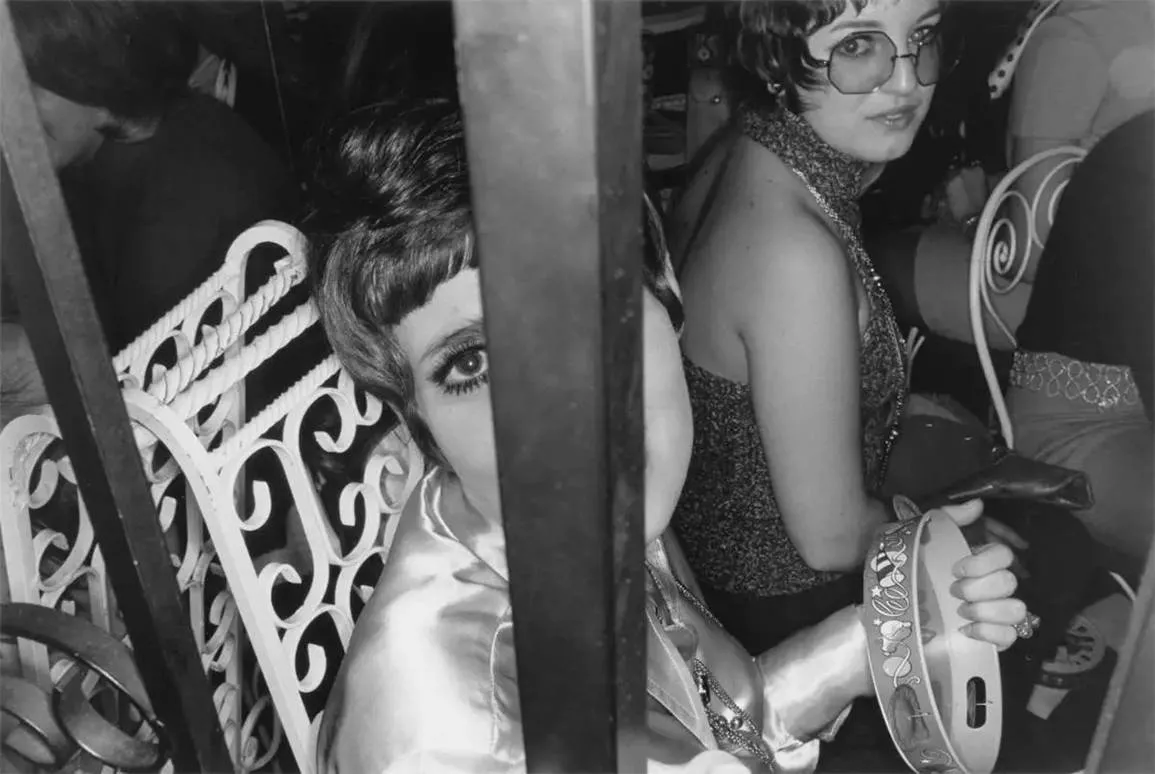
Lee Friedlander is a renowned street photographer whose black-and-white photographs of everyday urban life are distinguished by their unique asymmetrical composition. His works capture subtle nuances and moments that often go unnoticed in the hustle and bustle of the city. Friedlander masterfully conveys the atmosphere of urban life, using light and shadow to create expressive images. His style has become iconic in the world of photography, inspiring many aspiring and professional photographers.
Joel Cohen highlights the photographer's unique approach to framing. A selection of his images reveals a connection between two seemingly different authors. Both men passionately explore the complex nature of images, including fragmented frames, deceptive compositions, and the visual effects of mirrors. These elements become key elements in their work, captivating viewers and allowing them to gain a deeper understanding of their artistic intentions.
An exhibition featuring 70 photographs and a film celebrating Friedländer's 60-year career is currently underway in Arles. This retrospective reflects on the artist's significant legacy and his contribution to contemporary photography. The exhibition allows viewers to gain a deeper understanding of Friedlander's creative path and his unique style, which influenced the development of visual art.

Read also:
Summer 2024 promises many exciting international photo festivals. These events provide a unique opportunity to get acquainted with the work of talented photographers, exchange experiences, and be inspired by new ideas. This year, special attention should be paid to festivals that offer a variety of themes and formats, from documentary photography to art installations. Participation in such events will allow you not only to enjoy art but also to expand your horizons and establish contacts with like-minded people. Don't miss your chance to attend the most exciting photo festivals of the summer of 2024 to see what modern photographers are capable of and how they interpret the world around them.
Profession Photographer
You will learn to take professional photos from scratch. Learn how to organize a shoot, process footage, and manage models and a team. Find your style, build an impressive portfolio, and start making money doing what you love.
Find out more